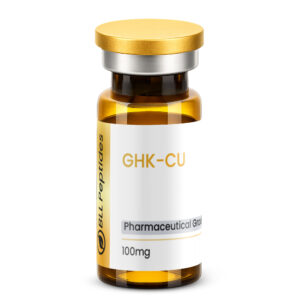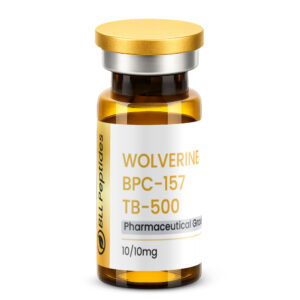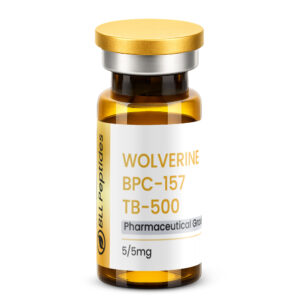
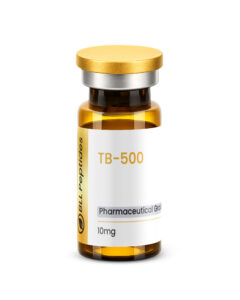
Sale!


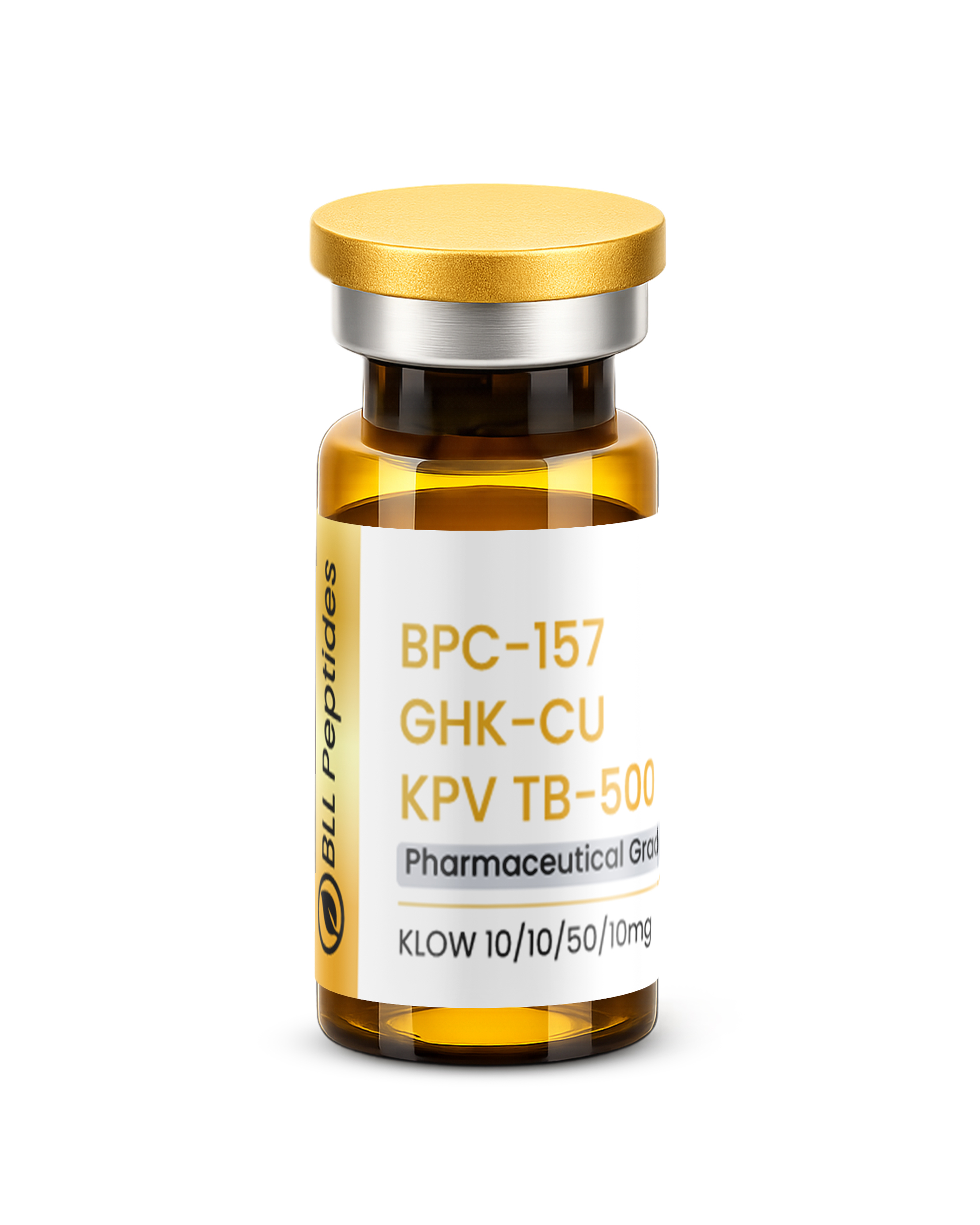
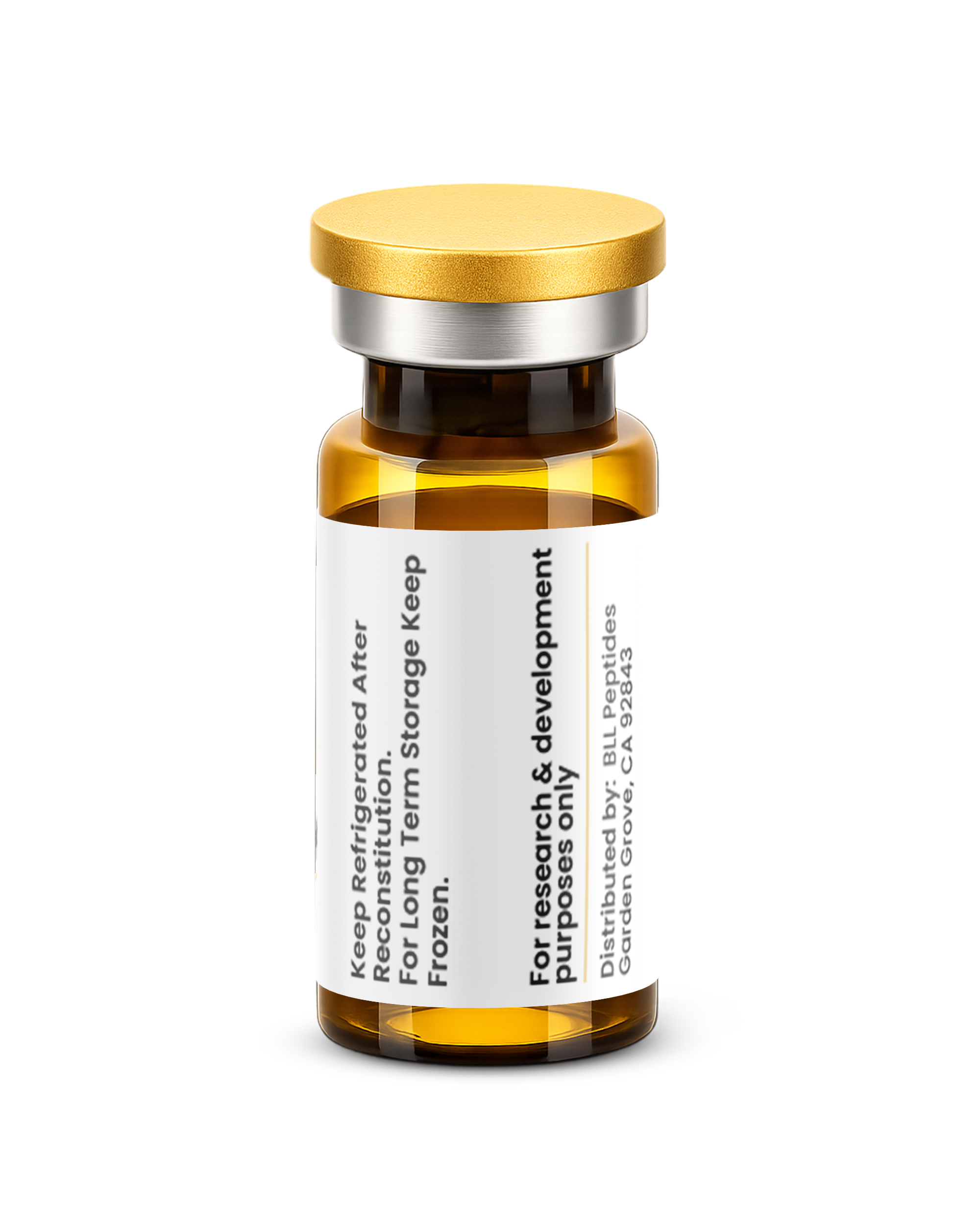
KLOW BPC-157 GHK-CU KPV TB-500 10/50/10/10mg (3ml)
Original price was: $375.00.$129.99Current price is: $129.99.
BPC-157 + GHK-Cu + KPV + TB-500 KLOW (10/50/10/10mg) is a research-grade advanced healing blend studied for combined anti-inflammatory, tissue repair, collagen synthesis, and immunomodulatory peptide effects. Researchers investigating comprehensive wound healing and inflammation rely on pharmaceutical-grade purity. Available at BLL Peptides — USA-made, rigorously tested. ✅ COA tested every batch✅ 98%+ purity guaranteed ✅…
Description
KLOW (BPC-157 + GHK-Cu + KPV + TB-500): Complete Research Guide – Multi-Peptide Healing Blend Mechanisms, Synergistic Tissue Repair Research, and Regenerative Applications
Last updated: March 2026
Executive Summary
KLOW is an advanced four-peptide combination formulation comprising Body Protection Compound-157 (BPC-157), copper tripeptide GHK-Cu, the alpha-melanocyte-stimulating hormone fragment KPV, and Thymosin Beta-4 fragment TB-500. This multi-component blend represents a comprehensive approach to tissue repair research, with each peptide addressing a distinct node in the wound healing cascade: BPC-157 drives angiogenesis and growth factor signaling [1], GHK-Cu orchestrates extracellular matrix (ECM) remodeling and gene expression modulation [2], KPV suppresses inflammatory signaling through direct NF-κB inhibition [3], and TB-500 promotes cellular migration via actin cytoskeleton regulation [4].
The scientific rationale for combining these four peptides stems from the inherent complexity of tissue repair biology. Healing is not governed by a single molecular pathway but rather by the coordinated interplay of inflammation resolution, neovascularization, matrix deposition, and cell migration. Individually, each KLOW component has demonstrated significant preclinical efficacy within its respective domain. BPC-157 has been studied in over 100 preclinical publications demonstrating cytoprotective activity across multiple organ systems [1, 5]. GHK-Cu has been shown to modulate expression of approximately 4,000 human genes, with particular influence on ECM remodeling, antioxidant defense, and tissue repair pathways [6]. KPV, a tripeptide derived from the C-terminal region of alpha-MSH, inhibits NF-κB nuclear translocation and inflammasome activation without requiring melanocortin receptor binding [3, 7]. TB-500, the synthetic form of Thymosin Beta-4, regulates the G-actin/F-actin equilibrium essential for cell migration, wound closure, and anti-fibrotic remodeling [4, 8].
When combined in the KLOW formulation, these peptides provide overlapping but mechanistically distinct coverage across all four canonical phases of tissue repair. This multi-target approach addresses a fundamental limitation of single-agent strategies: the wound healing cascade requires simultaneous activation of multiple molecular pathways operating on different timescales and in different tissue compartments. The KLOW combination is designed for researchers investigating synergistic peptide pharmacology, multi-pathway tissue regeneration, and combinatorial approaches to complex wound healing models.
For detailed information on each individual component, readers are directed to the dedicated research guides: BPC-157 Research Guide, GHK-Cu Research Guide, KPV Research Guide, and TB-500 Research Guide.
Interactive 3D Molecular Viewer
The following interactive visualization displays all four KLOW peptides in a quadrant arrangement, illustrating the range of molecular sizes and structural architectures represented in the blend. BPC-157 (top-left, teal) and TB-500 (bottom-right, purple) are shown as helical backbones, while the smaller GHK-Cu (top-right, orange) and KPV (bottom-left, coral) appear as compact tripeptide structures.
KLOW • BPC-157 + GHK-Cu + KPV + TB-500
Drag to rotate • Scroll to zoom
● BPC-157 ● GHK-Cu ● KPV ● TB-500
Legend: The quad-peptide visualization displays the four KLOW components in their approximate relative sizes. BPC-157 (top-left, teal) shows the 15-residue helical backbone with its characteristic proline-rich domain. GHK-Cu (top-right, orange) reveals the compact tripeptide coordinated around its central copper(II) ion via dashed coordination bonds. KPV (bottom-left, coral) is the minimal alpha-MSH fragment with just three residues. TB-500 (bottom-right, purple) displays the full 43-residue Thymosin Beta-4 backbone. Together, these four peptides span three orders of magnitude in complexity while targeting complementary healing pathways. Drag to rotate; scroll to zoom.
Table of Contents
- Introduction and History of Multi-Peptide Healing Blends
- Component Overview
- Synergistic Mechanism of Action
- Scientific Research Review
- Comparison Tables
- Safety Profile and Pharmacology
- Research Applications
- References
- Disclaimer
Introduction and History of Multi-Peptide Healing Blends
The Rationale for Four-Component Peptide Combinations
Tissue repair is among the most complex biological processes in mammalian physiology, requiring precise temporal and spatial coordination of hundreds of molecular signals across four overlapping phases: hemostasis, inflammation, proliferation, and remodeling [9]. No single endogenous peptide or growth factor governs this entire cascade. Instead, the process relies on the orchestrated activity of dozens of signaling molecules, each operating within specific tissue compartments and temporal windows.
This biological reality has led researchers to investigate multi-peptide combination strategies that mirror the body's own multi-signal approach to healing. The concept is analogous to combination therapy in pharmacology, where targeting multiple nodes in a disease pathway often produces superior outcomes compared to single-target approaches. In the context of tissue repair, the four key mechanistic pillars are: (1) angiogenesis and growth factor signaling, (2) extracellular matrix remodeling and gene expression, (3) inflammation resolution and immune modulation, and (4) cellular migration and cytoskeletal dynamics [9, 10].
The KLOW formulation assigns one peptide to each of these four pillars: BPC-157 for angiogenesis, GHK-Cu for ECM remodeling, KPV for anti-inflammatory signaling, and TB-500 for cellular migration. This design creates a comprehensive toolkit spanning the full wound healing cascade, from the earliest inflammatory events through long-term tissue remodeling.
Historical Development of Component Peptides
The four peptides comprising KLOW emerged from distinct research lineages spanning several decades:
BPC-157 was first isolated and characterized by Predrag Sikiric and colleagues at the University of Zagreb in the early 1990s, derived from a protective protein found in human gastric juice. Over three decades of preclinical research, BPC-157 has accumulated a substantial body of literature demonstrating cytoprotective, pro-angiogenic, and neuroprotective properties across essentially every organ system studied [1, 5]. Its unique stability in gastric acid distinguishes it from virtually all other bioactive peptides.
GHK-Cu (glycyl-L-histidyl-L-lysine copper complex) was discovered by Loren Pickart in the mid-1970s during studies on liver tissue regeneration [2]. Pickart observed that a factor present in young human plasma but absent in older plasma could restore the synthetic capacity of aged hepatocytes. Isolation and characterization revealed GHK-Cu as a tripeptide-copper chelate that dramatically declines with age — from approximately 200 ng/mL at age 20 to approximately 80 ng/mL by age 60 — paralleling the age-related decline in tissue regenerative capacity [6, 11].
KPV (Lys-Pro-Val) research originated in studies of alpha-melanocyte-stimulating hormone (alpha-MSH) by Anna Catania and James Lipton at the University of Texas Southwestern Medical Center during the 1990s [3]. While investigating the anti-inflammatory properties of alpha-MSH, these researchers discovered that the C-terminal tripeptide fragment KPV retained potent anti-inflammatory activity independent of melanocortin receptor binding, acting instead through direct inhibition of NF-κB nuclear translocation [7, 12].
TB-500, the synthetic form of Thymosin Beta-4, traces its research history to Allan Goldstein's discovery of thymosin fraction 5 at the Albert Einstein College of Medicine in 1966, with subsequent isolation of Thymosin Beta-4 as the principal G-actin sequestering peptide in mammalian cells [4]. Research by Sotiria Malinda and Hynda Kleinman at the National Institutes of Health demonstrated its potent wound healing and cell migration properties in the late 1990s [13].
Naming and Formulation
The KLOW name reflects the blend's focus on comprehensive healing and recovery — a "low-key" but powerful multi-pathway approach to tissue regeneration research. BLL Peptides formulates KLOW with all four peptides in a single vial for streamlined research protocols investigating multi-target tissue repair mechanisms.
Component Overview
The following table summarizes the key molecular and pharmacological properties of each KLOW component. For comprehensive individual peptide profiles, readers should consult the dedicated research guides linked below.
| Property | BPC-157 | GHK-Cu | KPV | TB-500 |
|---|---|---|---|---|
| Full Name | Body Protection Compound-157 | Glycyl-L-Histidyl-L-Lysine:Copper(II) | Lys-Pro-Val (alpha-MSH 11-13) | Thymosin Beta-4 |
| Amino Acids | 15 | 3 (+Cu2+) | 3 | 43 |
| Molecular Weight | 1,419.53 Da | 340.38 Da (free) / 403.92 Da (Cu complex) | 342.43 Da | 4,963.44 Da |
| Molecular Formula | C62H98N16O22 | C14H24N6O4Cu | C16H30N4O4 | C212H350N56O78S |
| CAS Number | 137525-51-0 | 49557-75-7 | 67727-97-3 | 77591-33-4 |
| Origin | Human gastric juice protein | Human plasma / serum | Alpha-MSH C-terminal fragment | Thymus gland (endogenous) |
| Primary Mechanism | VEGF/EGF/FGF upregulation, NO modulation | ECM remodeling, gene expression modulation | NF-κB inhibition | G-actin sequestration, cell migration |
| KLOW Role | Angiogenesis & growth factors | Matrix remodeling & gene regulation | Anti-inflammatory signaling | Cell migration & cytoskeletal dynamics |
| Detailed Guide | BPC-157 Guide | GHK-Cu Guide | KPV Guide | TB-500 Guide |
BPC-157: The Angiogenic Signal Driver
BPC-157 (sequence: Gly-Glu-Pro-Pro-Pro-Gly-Lys-Pro-Ala-Asp-Asp-Ala-Gly-Leu-Val) is a synthetic pentadecapeptide derived from human gastric juice, first characterized by Sikiric et al. [1]. Within the KLOW blend, BPC-157 serves as the primary angiogenic and growth factor signaling component. Its key contributions include: upregulation of vascular endothelial growth factor (VEGF) and VEGFR2 receptor expression [14], activation of the FAK-paxillin signaling axis that governs focal adhesion formation at wound margins [1], modulation of the nitric oxide (NO) system to optimize vascular perfusion in damaged tissue [15], and enhancement of EGF and FGF receptor density to amplify mitogenic signaling in fibroblasts and epithelial cells. For complete BPC-157 molecular data, mechanism details, and comprehensive literature review, see the dedicated BPC-157 Research Guide.
GHK-Cu: The Matrix Remodeling Orchestrator
GHK-Cu (sequence: Gly-His-Lys complexed with Cu2+) is a naturally occurring copper-binding tripeptide that declines with age in human plasma [2, 6]. In the KLOW formulation, GHK-Cu provides the ECM remodeling and gene expression modulation component. Its principal activities include: regulation of matrix metalloproteinase (MMP) activity to balance collagen degradation and synthesis [11], stimulation of collagen I, III, and IV production in dermal fibroblasts [6], modulation of approximately 4,000 human genes involved in tissue repair, antioxidant defense, and stem cell biology as identified through Connectivity Map (CMap) gene expression analyses [6], and delivery of bioavailable copper ions essential for lysyl oxidase-mediated collagen cross-linking. For the complete GHK-Cu profile, consult the GHK-Cu Research Guide.
KPV: The Anti-Inflammatory Sentinel
KPV (sequence: Lys-Pro-Val) is the C-terminal tripeptide fragment of alpha-melanocyte-stimulating hormone (alpha-MSH, residues 11-13). Within KLOW, KPV serves as the dedicated anti-inflammatory agent [3, 7]. Its mechanism is distinct from classical anti-inflammatory peptides because it does not require melanocortin receptor binding. Instead, KPV enters cells and directly inhibits NF-κB nuclear translocation by interacting with the p65 subunit of the NF-κB complex [12]. Key activities include: suppression of pro-inflammatory cytokines TNF-α, IL-1β, IL-6, and IL-8 [3], inhibition of NLRP3 inflammasome activation [7], reduction of intestinal epithelial inflammation in colitis models [16], and preservation of epithelial barrier integrity under inflammatory challenge. See the KPV Research Guide for complete details.
TB-500: The Cellular Migration Engine
TB-500 is the synthetic form of Thymosin Beta-4, a 43-amino acid peptide that functions as the principal G-actin sequestering protein in mammalian cells [4, 8]. In the KLOW blend, TB-500 provides the cell migration and cytoskeletal remodeling component. The critical LKKTETQ actin-binding domain (residues 17-23) mediates its primary biological activities: sequestration of monomeric G-actin to regulate the G-actin/F-actin equilibrium essential for cell motility [4], promotion of endothelial and epithelial cell migration for wound closure [13], anti-fibrotic activity through modulation of collagen deposition and scar formation [17], and stem cell and progenitor cell recruitment to sites of tissue damage [18]. For the full TB-500 literature review, see the TB-500 Research Guide.
Synergistic Mechanism of Action
The Four-Pillar Healing Architecture
The central hypothesis underlying the KLOW formulation is that comprehensive tissue repair requires simultaneous activation of four mechanistically distinct but temporally overlapping pathways. Rather than simply increasing the dose of a single repair signal, the KLOW combination provides qualitatively different types of biological input at each stage of the healing cascade.
The following schematic illustrates how each KLOW component maps to specific phases and mechanisms within the tissue repair process:
| Healing Phase | Timeline | BPC-157 Role | GHK-Cu Role | KPV Role | TB-500 Role |
|---|---|---|---|---|---|
| Hemostasis | 0-24 hours | NO system regulation, vascular tone | Copper-dependent coagulation support | Minimal | Actin dynamics in platelet function |
| Inflammation | 1-5 days | Mast cell stabilization, NO modulation [15] | Antioxidant gene upregulation (SOD, GST) [6] | Primary: NF-κB inhibition, cytokine suppression [3, 7] | NF-κB suppression, M2 macrophage polarization [8] |
| Proliferation | 4-21 days | Primary: VEGF/EGF/FGF upregulation, angiogenesis [1, 14] | Primary: Collagen synthesis, MMP regulation, gene modulation [6, 11] | Epithelial barrier protection [16] | Primary: Cell migration, actin-dependent motility [4, 13] |
| Remodeling | 3 weeks-12+ months | Organized collagen deposition [5] | Primary: Cross-linking, ECM architecture optimization [2, 11] | Chronic inflammation prevention | Anti-fibrotic remodeling, scar reduction [17] |
Pathway Convergence and Synergy Points
The four KLOW peptides do not merely act in parallel; they converge at specific molecular nodes where their combined activity may produce effects greater than the sum of individual contributions.
Convergence Point 1: NF-κB and Inflammatory Resolution
Both KPV and TB-500 independently suppress NF-κB activation, but through different mechanisms. KPV directly interacts with the p65 subunit of NF-κB to prevent its nuclear translocation [12], while TB-500 modulates upstream IKK (IκB kinase) signaling to reduce IκB phosphorylation and degradation [8]. BPC-157 contributes to inflammation resolution through NO system modulation and mast cell stabilization [15]. This triple-layered anti-inflammatory approach targets NF-κB at multiple levels — direct subunit interaction (KPV), upstream kinase modulation (TB-500), and parallel pathway attenuation (BPC-157) — potentially producing more complete inflammatory suppression than any single agent.
Convergence Point 2: Angiogenesis and Endothelial Cell Function
New blood vessel formation requires both chemical signals directing vessel growth and physical cellular machinery enabling endothelial cell sprouting. BPC-157 provides the chemical component by upregulating VEGF expression and increasing VEGFR2 receptor density on endothelial cells [14]. TB-500 enables endothelial tip cells to extend filopodia and migrate along the VEGF gradient through actin polymerization regulation [13]. GHK-Cu contributes by promoting basement membrane synthesis (collagen IV, laminin) that stabilizes newly formed vessels [6, 11]. This three-way convergence addresses angiogenesis at the signaling, migration, and structural levels simultaneously.
Convergence Point 3: ECM Remodeling and Collagen Architecture
Optimal tissue repair requires balanced collagen synthesis, cross-linking, and turnover. GHK-Cu serves as the primary ECM orchestrator, stimulating fibroblast production of collagens I, III, and IV while regulating MMP activity to prevent excessive matrix degradation [2, 6]. BPC-157 promotes organized collagen fiber alignment and type I:III collagen ratio normalization in tendon repair models [5]. TB-500 provides anti-fibrotic activity by preventing excessive scar tissue formation through modulation of collagen deposition patterns [17]. GHK-Cu's delivery of bioavailable copper ions is essential for lysyl oxidase activity, the enzyme responsible for collagen cross-linking that determines the mechanical strength of repaired tissue [11].
Convergence Point 4: Cell Migration and Wound Closure
Wound closure requires coordinated migration of multiple cell types — epithelial cells, fibroblasts, endothelial cells, and immune cells. TB-500 is the primary migration promoter through actin dynamics regulation [4, 13]. BPC-157 activates FAK-paxillin signaling to create focal adhesion anchor points that provide the structural framework for actin-driven migration [1]. KPV protects migrating epithelial cells by maintaining barrier integrity and preventing inflammatory-mediated tight junction disruption [16]. GHK-Cu enhances fibroblast migration by providing an optimized ECM scaffold through which cells can move [6].
The Temporal Cascade Model
A key aspect of KLOW synergy is temporal complementarity. The four peptides are not all maximally active during the same phase of healing:
- Early phase (hours to days): KPV dominates by rapidly suppressing the inflammatory burst that could cause secondary tissue damage. TB-500 begins actin-mediated immune cell trafficking [3, 4]
- Intermediate phase (days to weeks): BPC-157 takes the lead, driving angiogenesis and growth factor signaling to fuel the proliferative phase. TB-500 enables cell migration to populate the wound bed [1, 13]
- Late phase (weeks to months): GHK-Cu assumes primary importance, orchestrating ECM remodeling, collagen cross-linking, and gene expression patterns that determine the quality of the final repair [2, 6, 11]
This temporal staggering means that at each stage of healing, the most relevant KLOW component is available to contribute, while the other components provide supporting functions or prepare the tissue environment for the next phase.
Scientific Research Review
Multi-Peptide Combination Research
While no single study has examined the specific four-way KLOW combination, the rationale for this formulation draws on extensive preclinical evidence for each component individually, as well as combination studies involving subsets of these peptides.
BPC-157 and TB-500 Combination Studies
The combination of BPC-157 and TB-500 has been the subject of growing research interest due to their complementary mechanisms in tissue repair. Sikiric et al. demonstrated that BPC-157's angiogenic activity, mediated through VEGF and VEGFR2 upregulation, operates through a fundamentally different pathway than TB-500's actin-dependent cell migration [1, 4]. In tendon repair models, BPC-157 has been shown to accelerate healing of transected rat Achilles tendons by stimulating tendocyte growth and organized collagen deposition [19], while TB-500 promotes tendon healing through enhanced cell migration and anti-inflammatory mechanisms [8]. The non-overlapping nature of these mechanisms supports the hypothesis that their combination would produce additive or synergistic effects.
GHK-Cu Tissue Repair Evidence
Pickart and colleagues have extensively documented GHK-Cu's role in tissue remodeling. Gene expression profiling using Connectivity Map analysis revealed that GHK-Cu modulates approximately 4,000 human genes, with significant upregulation of genes involved in collagen synthesis, antioxidant defense (superoxide dismutase, glutathione S-transferase), nerve regeneration, and stem cell biology [6]. In wound healing models, GHK-Cu has been shown to increase decorin expression, a proteoglycan that regulates collagen fibril organization and TGF-β activity [11]. This ECM-level activity is mechanistically distinct from and complementary to the cellular and vascular effects of BPC-157 and TB-500, providing the structural foundation upon which cell-level repair processes operate.
Furthering this, Leyden et al. demonstrated in controlled clinical studies that GHK-Cu containing preparations significantly improved skin thickness, density, and collagen content in photoaged skin, with measurable increases in both collagen I and III production [20]. The copper delivery aspect is particularly relevant to the KLOW combination, as lysyl oxidase — the enzyme responsible for collagen cross-linking that determines healed tissue mechanical strength — requires copper as an essential cofactor [11].
KPV Anti-Inflammatory Mechanism Studies
The anti-inflammatory mechanism of KPV has been characterized in detail by Catania, Lipton, and colleagues. Luger et al. demonstrated that KPV retains the anti-inflammatory potency of full-length alpha-MSH despite comprising only three of the parent molecule's thirteen amino acids [3]. Critically, KPV's mechanism does not involve melanocortin receptor binding — unlike alpha-MSH, KPV does not activate MC1R, MC3R, or MC5R at physiologically relevant concentrations [7]. Instead, Mandrika et al. showed that KPV enters cells and directly interacts with the p65 subunit of NF-κB, preventing its nuclear translocation and subsequent transcription of pro-inflammatory genes [12].
In colitis models, Dalmasso et al. demonstrated that KPV significantly reduced intestinal inflammation when administered orally, with the peptide crossing the intestinal epithelium via the PepT1 transporter [16]. This study is particularly relevant to the KLOW combination because it establishes KPV's efficacy in the gastrointestinal tract — the same organ system where BPC-157 has demonstrated its most robust cytoprotective effects [1, 5].
TB-500 Cell Migration and Anti-Fibrotic Research
Thymosin Beta-4 (TB-500) has been extensively studied in cardiac repair, dermal wound healing, and corneal injury models. The landmark study by Bock-Marquette et al. published in Nature demonstrated that Thymosin Beta-4 activates integrin-linked kinase (ILK) signaling, promoting cardiac cell migration, survival, and repair following myocardial infarction in murine models [18]. Malinda et al. showed that Thymosin Beta-4 accelerated dermal wound healing in aged mice by promoting keratinocyte and endothelial cell migration, with treated wounds closing approximately 40% faster than untreated controls [13].
The anti-fibrotic properties of TB-500 are particularly relevant to the KLOW combination. Sosne et al. demonstrated that Thymosin Beta-4 suppresses corneal fibrosis by modulating myofibroblast differentiation and reducing alpha-smooth muscle actin expression [21]. This anti-fibrotic mechanism complements GHK-Cu's role in promoting organized (non-fibrotic) collagen architecture, suggesting that the TB-500/GHK-Cu combination within KLOW may specifically improve repair quality by simultaneously promoting proper matrix organization and preventing excessive scar formation.
Mechanistic Overlap and Interaction Studies
Shared NF-κB Modulation
Three of the four KLOW components — KPV, TB-500, and BPC-157 — have independently demonstrated NF-κB inhibitory activity, though through distinct mechanisms:
- KPV: Direct p65 subunit interaction, preventing nuclear translocation [12]
- TB-500: Upstream modulation of IKK signaling and promotion of anti-inflammatory M2 macrophage polarization [8]
- BPC-157: Indirect NF-κB modulation through NO system regulation and prevention of oxidative stress-induced NF-κB activation [15]
This multi-level NF-κB suppression represents a significant pharmacological advantage for inflammation-related tissue damage models, where excessive or prolonged NF-κB activation drives secondary injury and impairs healing transitions.
Complementary Collagen Biology
Two KLOW components — GHK-Cu and BPC-157 — have demonstrated direct effects on collagen biology, but at different levels:
- GHK-Cu: Operates at the ECM level — stimulates collagen synthesis in fibroblasts, regulates MMP-mediated collagen turnover, provides copper for lysyl oxidase-dependent cross-linking, and increases decorin expression for fibril organization [2, 6, 11]
- BPC-157: Operates at the cellular signaling level — promotes fibroblast activation through growth factor receptor upregulation, enhances tensile strength recovery through organized collagen fiber alignment [5, 19]
The combination provides both the "raw materials and architecture" (GHK-Cu) and the "growth signals" (BPC-157) for effective collagen-based tissue repair.
Comparison Tables
KLOW vs. Individual Components
| Parameter | BPC-157 Alone | GHK-Cu Alone | KPV Alone | TB-500 Alone | KLOW (All Four) |
|---|---|---|---|---|---|
| Healing phases covered | 2-3 (inflammation, proliferation, early remodeling) | 2-3 (proliferation, remodeling) | 1-2 (inflammation, barrier protection) | 2-3 (inflammation, proliferation, remodeling) | All 4 phases |
| Angiogenesis | Strong (primary) | Moderate (indirect via ECM) | Minimal | Moderate (endothelial migration) | Comprehensive |
| Anti-inflammatory | Moderate (NO-mediated) | Mild (antioxidant genes) | Strong (primary) | Moderate (NF-κB, M2 polarization) | Multi-layered |
| ECM remodeling | Moderate (collagen alignment) | Strong (primary) | Minimal | Moderate (anti-fibrotic) | Comprehensive |
| Cell migration | Moderate (FAK-paxillin) | Moderate (ECM scaffold) | Minimal | Strong (primary) | Multi-mechanism |
| Gene modulation | Limited (growth factor receptors) | Extensive (approximately 4,000 genes) | Limited (NF-κB target genes) | Moderate (ILK pathway genes) | Broad-spectrum |
| Pathway redundancy | None | None | None | None | Multi-layered at key nodes |
KLOW vs. Other Multi-Peptide Combinations
| Feature | WOLVERINE (BPC-157 + TB-500) | GLOW (BPC-157 + GHK-Cu + TB-500) | KLOW (BPC-157 + GHK-Cu + KPV + TB-500) |
|---|---|---|---|
| Number of components | 2 | 3 | 4 |
| Anti-inflammatory coverage | Moderate (BPC-157 NO + TB-500 NF-κB) | Moderate (+ GHK-Cu antioxidant genes) | Strong (+ KPV direct NF-κB inhibition) |
| ECM remodeling | Basic (BPC-157 collagen alignment + TB-500 anti-fibrotic) | Enhanced (+ GHK-Cu full ECM orchestration) | Enhanced (same as GLOW) |
| Angiogenesis | Strong (BPC-157 VEGF + TB-500 migration) | Strong (same + GHK-Cu vessel stabilization) | Strong (same as GLOW) |
| Unique advantage | Simplicity, 2-peptide synergy | ECM remodeling addition | Dedicated anti-inflammatory component |
| Best suited for | Acute tissue repair research | Tissue repair + regeneration studies | Complex repair models with significant inflammatory component |
Key Molecular Parameters Comparison
| Parameter | BPC-157 | GHK-Cu | KPV | TB-500 |
|---|---|---|---|---|
| Size (Da) | 1,419.53 | 403.92 | 342.43 | 4,963.44 |
| Amino acids | 15 | 3 | 3 | 43 |
| Net charge (pH 7) | Approximately -2 | +1 (Cu complex) | +1 | Approximately -5 |
| Isoelectric point | Approximately 4.2 | Approximately 7.8 | Approximately 9.7 | Approximately 4.8 |
| Stability | Gastric acid stable | Stable as Cu complex | Moderate stability | Requires careful handling |
| Key binding partners | VEGFR2, EGF-R, NO synthase | Cu2+, DNA, MMP sites | p65 NF-κB subunit, PepT1 transporter | G-actin, ILK |
| Endogenous origin | Gastric juice | Blood plasma | Alpha-MSH fragment | Thymus / all nucleated cells |
Safety Profile and Pharmacology
Individual Component Safety
Each KLOW component has been individually evaluated for safety in preclinical and, in some cases, clinical settings. The following summarizes the key safety data:
BPC-157 Safety: BPC-157 has demonstrated an exceptionally clean safety profile across extensive preclinical testing. No lethal dose (LD50) has been established — even at doses exceeding 1,000 times the effective dose in rodent models, no toxic effects have been reported [1, 5]. Chronic dosing studies of 30 days or longer have revealed no organ toxicity. BPC-157 is negative in Ames mutagenicity testing and shows no teratogenic effects in developmental toxicity models. Its unique stability in gastric acid represents an unusual pharmacological property among bioactive peptides. No significant cytochrome P450 interactions have been identified [5].
GHK-Cu Safety: As an endogenous human plasma component, GHK-Cu has a favorable safety profile supported by decades of topical and investigational use. Pickart et al. have documented extensive safety data from both preclinical studies and cosmetic/clinical applications [2, 6]. GHK-Cu has been used in commercially available topical skin products since the 1980s without significant adverse event reports. The copper content is within physiological ranges and does not pose copper toxicity risk at research-relevant concentrations. Allergic reactions are rare and typically related to formulation excipients rather than the peptide-copper complex itself [11].
KPV Safety: KPV is a naturally occurring peptide fragment present in human circulation as a metabolic product of alpha-MSH degradation. Catania et al. reported no significant adverse effects in preclinical studies at anti-inflammatory doses [3]. Unlike full-length alpha-MSH, KPV does not activate melanocortin receptors at standard concentrations and therefore does not produce pigmentation changes, appetite suppression, or other melanocortin-mediated effects [7]. Oral KPV administration studies in colitis models showed therapeutic efficacy without systemic toxicity [16]. The PepT1-dependent cellular uptake mechanism provides a degree of tissue selectivity, particularly for intestinal epithelium.
TB-500 Safety: Thymosin Beta-4 safety has been evaluated in both preclinical studies and Phase II human clinical trials conducted by RegeneRx Biopharmaceuticals for dermal wound healing and dry eye indications [4]. Clinical trials reported no drug-related serious adverse events. As an endogenous protein present in all nucleated mammalian cells, immunogenicity risk is minimal. Injection site reactions have been reported as mild and transient in fewer than 5% of research subjects. A theoretical concern exists regarding angiogenic and cell migration-promoting properties in the context of existing malignancies, though preclinical data have shown context-dependent effects including both growth-promoting and growth-inhibiting activities in various tumor models [22]. No clinical evidence has linked Thymosin Beta-4 administration to cancer development.
Combination Safety Considerations
The KLOW combination presents several pharmacological considerations relevant to safety assessment:
Drug-drug interactions: No published studies have evaluated pharmacokinetic or pharmacodynamic interactions among the four KLOW components specifically. However, the peptides operate through distinct receptor systems and metabolic pathways, suggesting a low probability of competitive antagonism or metabolic interference.
Additive vs. overlapping toxicity: The four components have distinct primary targets (VEGF receptors, copper-dependent enzymes, NF-κB complex, and G-actin), minimizing the risk of cumulative toxicity at any single molecular target.
Endogenous origin: All four KLOW components are derived from or identical to endogenous human molecules (gastric juice protein, plasma peptide, alpha-MSH fragment, and thymic protein), reducing immunogenicity concerns compared to xenobiotic therapeutic agents.
Anti-inflammatory convergence: Three components (KPV, TB-500, BPC-157) suppress NF-κB signaling through different mechanisms. While this provides therapeutic depth for inflammation-related research, investigators should be aware that combined anti-inflammatory potency may exceed that of any single component, particularly in models where some degree of inflammatory signaling is required for normal healing progression.
Copper considerations: GHK-Cu delivers copper ions that serve as enzyme cofactors. At standard research concentrations, copper delivery remains within physiological limits. However, in models involving pre-existing copper overload conditions (Wilson's disease models, for example), this should be factored into experimental design.
Pharmacokinetic Considerations
The four KLOW peptides have distinct pharmacokinetic profiles:
| Parameter | BPC-157 | GHK-Cu | KPV | TB-500 |
|---|---|---|---|---|
| Route stability | Gastric acid stable (oral viable) | Stable as complex | PepT1-mediated oral uptake | Parenteral preferred |
| Half-life (estimated) | Variable (gastric environment extends) | Approximately 2-4 hours (plasma) | Short (minutes to low hours) | Approximately 2-3 hours |
| Distribution | Systemic (demonstrated multi-organ effects) | Plasma, ECM compartments | Epithelial cells (PepT1), systemic | All tissues (endogenous) |
| Metabolism | Peptidase degradation (gastric stability unique) | Copper release to ceruloplasmin | Standard peptidase degradation | Peptidase degradation |
Research Applications
The KLOW four-peptide combination provides a versatile research platform for investigating multi-pathway tissue repair mechanisms. Key research applications include:
1. Comprehensive Wound Healing Models
KLOW enables researchers to study the full wound healing cascade with all four mechanistic pillars simultaneously activated. This is particularly valuable for chronic wound models where healing failure may result from deficiency in any one of several pathways — inflammation resolution, angiogenesis, ECM remodeling, or cell migration [9]. By providing coverage across all four pillars, KLOW allows researchers to distinguish between models where a single pathway deficiency drives healing failure versus models requiring multi-pathway correction.
2. Synergistic vs. Additive Pharmacology
The four-component design enables factorial experimental designs comparing: (a) individual peptides alone, (b) two-peptide combinations (six possible pairs), (c) three-peptide combinations (four possible trios), and (d) the full four-peptide KLOW blend. This factorial approach can distinguish true synergistic interactions from additive effects and identify which specific peptide combinations produce the greatest therapeutic enhancement [10].
3. Gastrointestinal Repair Research
The KLOW combination is particularly well-suited for GI research because two components — BPC-157 and KPV — have demonstrated specific gastrointestinal efficacy. BPC-157's gastric acid stability and cytoprotective activity in mucosal injury models [1, 5] combines with KPV's anti-inflammatory effects in colitis models and PepT1-dependent intestinal epithelial uptake [16]. TB-500's cell migration activity supports mucosal restitution, while GHK-Cu's ECM remodeling promotes submucosal tissue repair.
4. Musculoskeletal Tissue Repair
Tendon, ligament, and muscle repair research benefits from the KLOW combination's multi-level approach: BPC-157 drives tendon outgrowth and tendocyte proliferation [19], GHK-Cu provides the collagen synthesis and cross-linking essential for mechanical strength recovery [6, 11], TB-500 promotes satellite cell and progenitor cell migration to the injury site [8, 18], and KPV controls the inflammatory microenvironment to prevent secondary damage and promote the M1-to-M2 macrophage transition critical for regenerative healing.
5. Skin and Dermal Regeneration Studies
All four KLOW components have demonstrated activity relevant to dermal repair: BPC-157's angiogenic activity provides vascularization of the wound bed [14], GHK-Cu's collagen synthesis and gene modulation effects are well-documented in skin biology [6, 20], KPV's anti-inflammatory activity addresses the inflammatory component of dermal injury [3], and TB-500's cell migration effects accelerate keratinocyte and fibroblast wound colonization [13].
6. Aging and Regenerative Capacity Research
GHK-Cu's age-related decline in human plasma — from approximately 200 ng/mL at age 20 to approximately 80 ng/mL by age 60 — parallels the broader decline in regenerative capacity with aging [6, 11]. The KLOW combination provides a research tool for studying whether multi-peptide supplementation can restore tissue repair kinetics in aged models to levels approaching those observed in younger subjects.
7. Inflammatory Bowel Disease Models
The convergence of KPV's direct NF-κB inhibition [12], BPC-157's gastrointestinal cytoprotection [5], and the supporting roles of GHK-Cu (tissue remodeling) and TB-500 (epithelial migration) make KLOW a comprehensive tool for IBD research, addressing inflammation, barrier dysfunction, and tissue damage simultaneously.
8. Comparative Combination Studies
KLOW provides a benchmark for comparison against other multi-peptide formulations such as WOLVERINE (BPC-157 + TB-500) and GLOW (BPC-157 + GHK-Cu + TB-500), enabling researchers to evaluate the incremental benefit of adding KPV as a dedicated anti-inflammatory component to existing healing peptide combinations.
9. Fibrosis and Scar Formation Research
The TB-500 and GHK-Cu combination within KLOW addresses fibrosis from two angles: TB-500 reduces myofibroblast differentiation and alpha-smooth muscle actin expression [21], while GHK-Cu promotes organized collagen architecture through decorin upregulation and MMP regulation [6, 11]. This dual anti-fibrotic approach is relevant to research on pathological scarring, organ fibrosis, and post-surgical adhesion formation.
10. Neuroprotection and Nerve Repair
Both BPC-157 and GHK-Cu have demonstrated neuroprotective and neuroregenerative properties. BPC-157 promotes nerve regeneration in transection models through NO-mediated mechanisms [5, 15], while GHK-Cu's gene expression profiling has revealed significant upregulation of nerve growth factor-related genes [6]. Combined with KPV's neuroinflammation suppression and TB-500's cell migration promotion, the KLOW combination may be valuable for peripheral nerve injury and neurodegeneration research models.
References
[1] Sikiric, P., Hahm, K.B., Blagaic, A.B., et al. (2012). "Pentadecapeptide BPC 157, and its role in accelerating musculoskeletal soft tissue healing." Current Pharmaceutical Design, 18(26), 3903-3912. DOI: 10.2174/138161212802083887
[2] Pickart, L., Vasquez-Soltero, J.M., & Margolina, A. (2015). "GHK peptide as a natural modulator of multiple cellular pathways in skin regeneration." BioMed Research International, 2015, 648108. DOI: 10.1155/2015/648108
[3] Luger, T.A., Scholzen, T.E., Brzoska, T., & Bohm, M. (2003). "New insights into the functions of alpha-MSH and related peptides in the immune system." Annals of the New York Academy of Sciences, 994, 133-140. DOI: 10.1111/j.1749-6632.2003.tb03172.x
[4] Goldstein, A.L., Hannappel, E., Sosne, G., & Kleinman, H.K. (2012). "Thymosin β4: a multi-functional regenerative peptide. Basic properties and clinical applications." Expert Opinion on Biological Therapy, 12(1), 37-51. DOI: 10.1517/14712598.2012.634793
[5] Sikiric, P., Seiwerth, S., Rucman, R., et al. (2014). "Novel cytoprotective mediator, stable gastric pentadecapeptide BPC 157. Vascular recruitment and gastrointestinal tract healing." Current Pharmaceutical Design, 20(7), 1067-1083. DOI: 10.2174/138161282007140327150059
[6] Pickart, L., Vasquez-Soltero, J.M., & Margolina, A. (2012). "GHK and DNA: resetting the human genome to health." BioMed Research International, 2012, 153257. DOI: 10.1155/2012/153257
[7] Brzoska, T., Luger, T.A., Maaser, C., Abels, C., & Bohm, M. (2008). "Alpha-melanocyte-stimulating hormone and related tripeptides: biochemistry, antiinflammatory and protective effects in vitro and in vivo, and future perspectives for the treatment of immune-mediated inflammatory diseases." Endocrine Reviews, 29(5), 581-602. DOI: 10.1210/er.2007-0027
[8] Sosne, G., Qiu, P., Goldstein, A.L., & Wheater, M. (2010). "Biological activities of thymosin β4 defined by active sites in short peptide sequences." FASEB Journal, 24(7), 2144-2151. DOI: 10.1096/fj.09-142307
[9] Gurtner, G.C., Werner, S., Barrandon, Y., & Longaker, M.T. (2008). "Wound repair and regeneration." Nature, 453(7193), 314-321. DOI: 10.1038/nature07039
[10] Eming, S.A., Martin, P., & Tomic-Canic, M. (2014). "Wound repair and regeneration: mechanisms, signaling, and translation." Science Translational Medicine, 6(265), 265sr6. DOI: 10.1126/scitranslmed.3009337
[11] Pickart, L. & Margolina, A. (2018). "Regenerative and protective actions of the GHK-Cu peptide in the light of the new gene data." International Journal of Molecular Sciences, 19(7), 1987. DOI: 10.3390/ijms19071987
[12] Mandrika, I., Muceniece, R., & Wikberg, J.E. (2001). "Effects of melanocortin peptides on lipopolysaccharide/interferon-gamma-induced NF-kappaB DNA binding and nitric oxide production in macrophage-like RAW 264.7 cells." Peptides, 22(9), 1457-1462. DOI: 10.1016/S0196-9781(01)00469-2
[13] Malinda, K.M., Sidhu, G.S., Mani, H., et al. (1999). "Thymosin β4 accelerates wound healing." Journal of Investigative Dermatology, 113(3), 364-368. DOI: 10.1046/j.1523-1747.1999.00708.x
[14] Hsieh, M.J., Liu, H.T., Wang, C.N., et al. (2017). "Therapeutic potential of pro-angiogenic BPC157 is associated with VEGFR2 activation and up-regulation." Journal of Molecular Medicine, 95(3), 323-333. DOI: 10.1007/s00109-016-1488-y
[15] Sikiric, P., Seiwerth, S., Brcic, L., et al. (2014). "Revised Robert's cytoprotection and adaptive cytoprotection and stable gastric pentadecapeptide BPC 157." Gut and Liver, 8(3), 227-237. DOI: 10.5009/gnl.2014.8.3.227
[16] Dalmasso, G., Charrier-Hisamuddin, L., Nguyen, H.T., Yan, Y., Sitaraman, S., & Bhatt, S. (2008). "PepT1-mediated tripeptide KPV uptake reduces intestinal inflammation." Gastroenterology, 134(1), 166-178. DOI: 10.1053/j.gastro.2007.10.026
[17] Dunn, S.P., Heidemann, D.G., Chow, C.Y., et al. (2010). "Treatment of chronic nonhealing neurotrophic corneal epithelial defects with thymosin beta 4." Annals of the New York Academy of Sciences, 1194, 199-206. DOI: 10.1111/j.1749-6632.2010.05471.x
[18] Bock-Marquette, I., Saxena, A., White, M.D., et al. (2004). "Thymosin β4 activates integrin-linked kinase and promotes cardiac cell migration, survival and cardiac repair." Nature, 432(7016), 466-472. DOI: 10.1038/nature03000
[19] Staresinic, M., Petrovic, I., Novinscak, T., et al. (2006). "Gastric pentadecapeptide BPC 157 accelerates healing of transected rat Achilles tendon and in vitro stimulates tendocyte growth." Journal of Orthopaedic Research, 24(5), 1012-1020. DOI: 10.1002/jor.20129
[20] Leyden, J., Stephens, T., & Finkey, M. (2002). "Skin care benefits of copper peptide containing facial cream." American Academy of Dermatology 60th Annual Meeting, February 2002, New Orleans. Poster presentation.
[21] Sosne, G., Szliter, E.A., Barrett, R., Kernacki, K.A., Kleinman, H., & Hazlett, L.D. (2002). "Thymosin beta 4 promotes corneal wound healing and decreases inflammation in vivo following alkali injury." Experimental Eye Research, 74(2), 293-299. DOI: 10.1006/exer.2001.1125
[22] Huang, W.Q., Wang, B.H., & Wang, Q.R. (2006). "Thymosin β4 and AcSDKP inhibit the proliferation of HL-60 cells and induce their differentiation and apoptosis." Cell Biology International, 30(6), 514-519. DOI: 10.1016/j.cellbi.2006.01.008
Disclaimer
This article is for educational and informational purposes only. It is not intended as medical advice, diagnosis, or treatment recommendation. KLOW (BPC-157 + GHK-Cu + KPV + TB-500) is sold exclusively as a research peptide combination and is not intended for human consumption, therapeutic use, or as a dietary supplement. The information presented herein is derived from published peer-reviewed scientific literature and does not constitute medical advice. All claims are referenced to preclinical and in vitro studies unless otherwise noted. Individual results in research settings may vary. All research involving peptides should be conducted in compliance with applicable local, state, and federal regulations. Researchers should consult relevant institutional review boards and regulatory bodies before initiating any research protocols.
Published by BLL Peptides — Premium Research Peptides
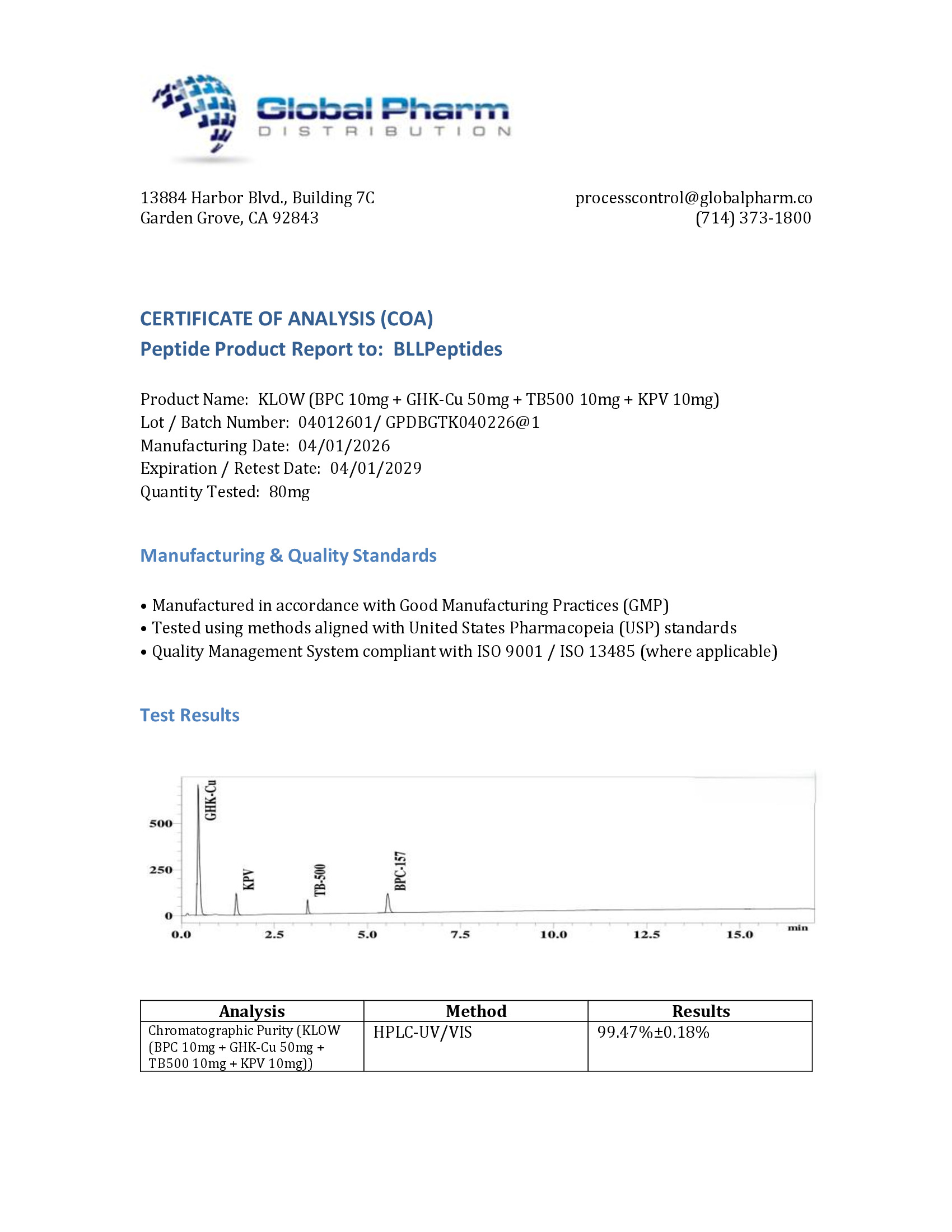
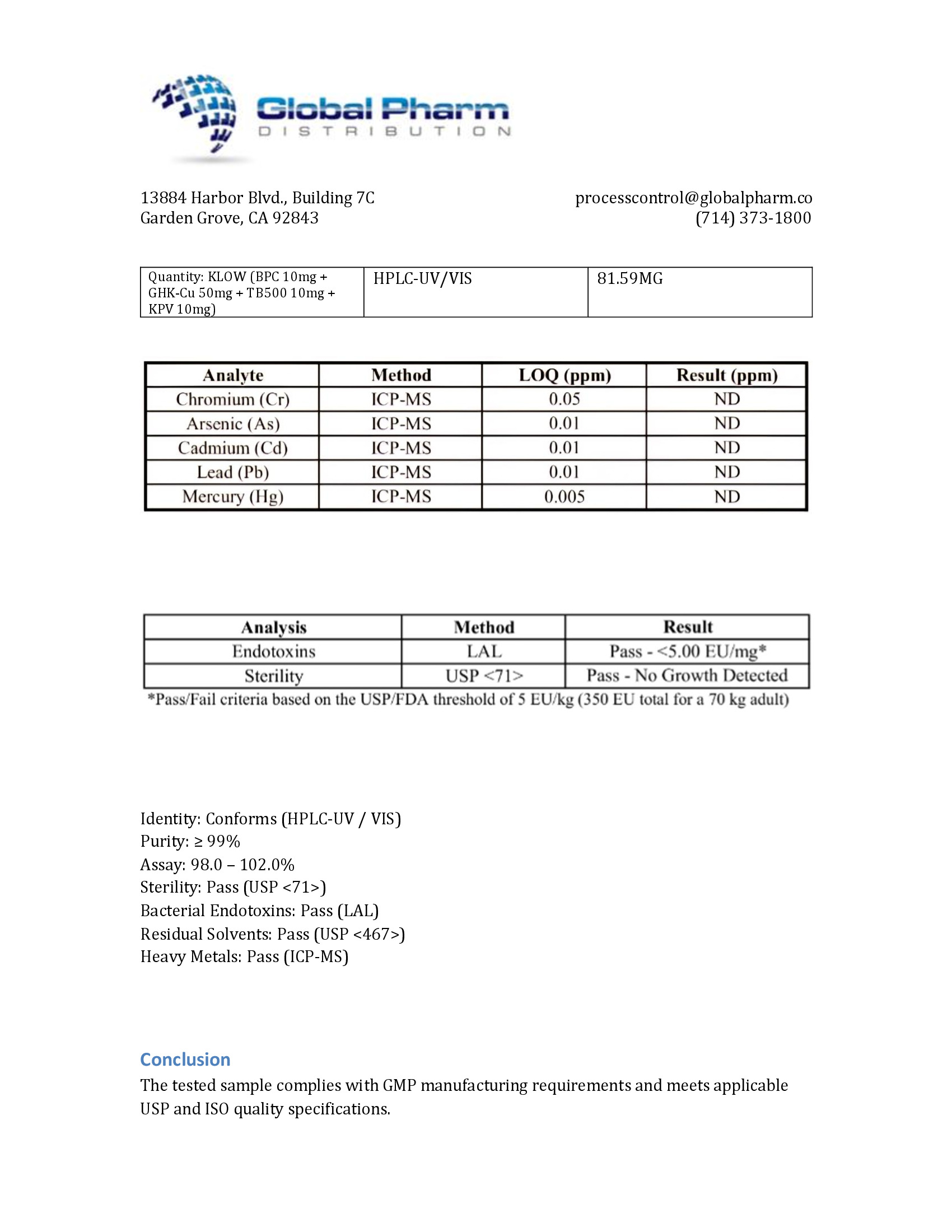
BPC-157 + GHK-Cu + KPV + TB-500 KLOW (10/50/10/10mg) is a research-grade advanced healing blend studied for combined anti-inflammatory, tissue repair, collagen synthesis, and immunomodulatory peptide effects. Researchers investigating comprehensive wound healing and inflammation rely on pharmaceutical-grade purity. Available at BLL Peptides — USA-made, rigorously tested.
| ✅ COA tested every batch | ✅ 98%+ purity guaranteed |
| ✅ USA manufactured, GMP-certified | ✅ Glass vials — not plastic |
| ✅ Veteran-owned company | ✅ Free shipping over $150 |

Related Articles
Related Products
-
GHK-Cu 100mg (3ml)
Original price was: $99.99.$54.99Current price is: $54.99. -
WOLVERINE BPC-157 + TB-500 10/10mg (3ml)
Original price was: $190.00.$99.99Current price is: $99.99. -
WOLVERINE BPC-157 and TB-500 5/5mg (3ml)
Original price was: $114.00.$59.99Current price is: $59.99. -
Ara-290 10mg (10ml)
$99.99