Sale!


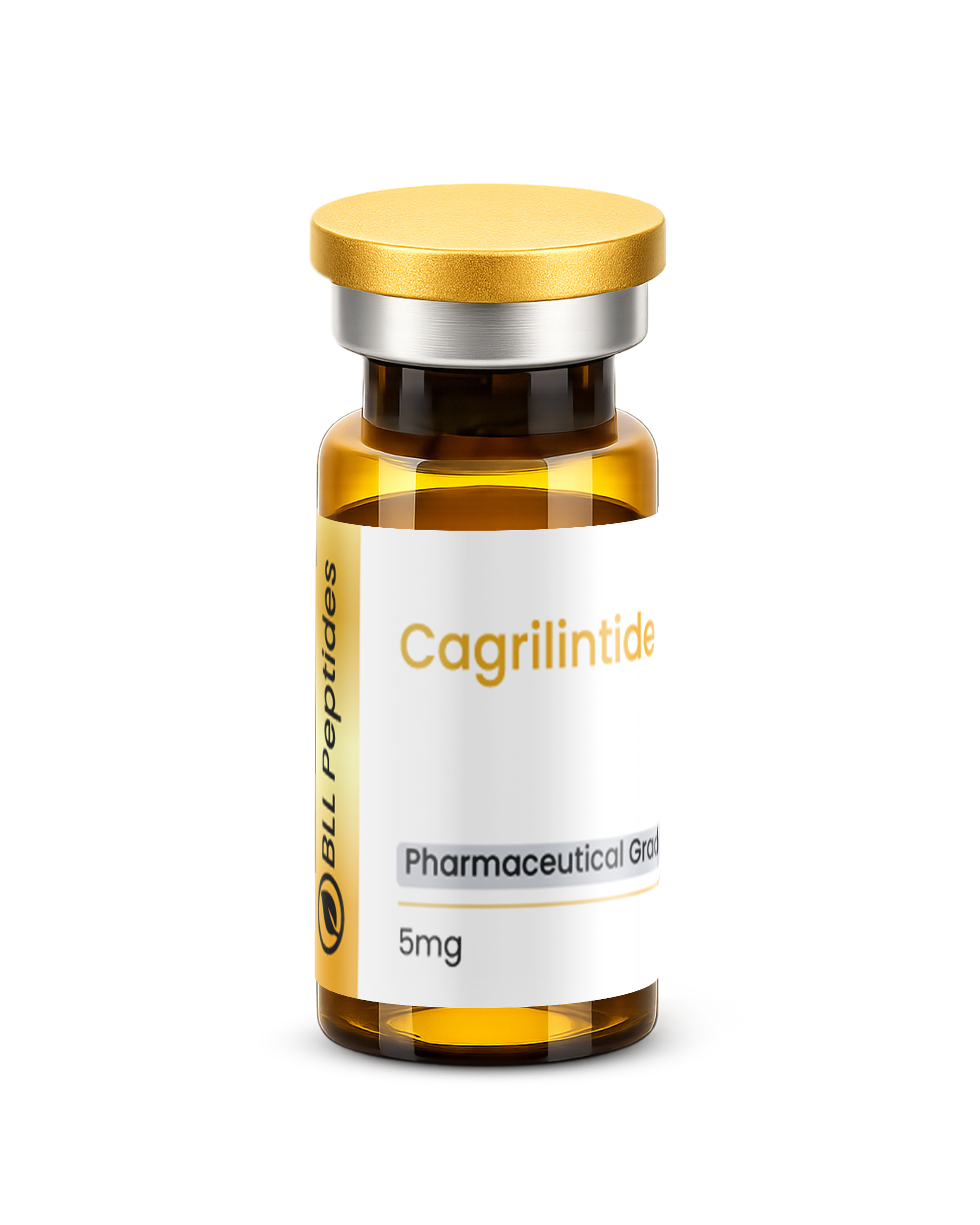
Cagrilintide 5mg (3ml)
Original price was: $190.00.$94.99Current price is: $94.99.
Cagrilintide is a research-grade long-acting amylin analog studied for appetite suppression, gastric motility regulation, glucose homeostasis, and metabolic function — often investigated alongside GLP-1 receptor agonists. Researchers investigating obesity biology and metabolic pathways rely on pharmaceutical-grade purity for valid research outcomes. Available at BLL Peptides — USA-made, rigorously tested. ✅ COA tested every batch✅ 98%+…
Description
Cagrilintide: Complete Research Guide – Long-Acting Amylin Analog Mechanisms, Weight Management Research, and Metabolic Applications
Last updated: March 2026
Executive Summary
Cagrilintide (also known as AM833 and NN9838) is a long-acting acylated analog of the human hormone amylin, developed by Novo Nordisk for the treatment of obesity and related metabolic disorders. As a 37-amino acid synthetic peptide, cagrilintide is engineered from the native human amylin sequence with critical modifications that eliminate aggregation propensity and dramatically extend its plasma half-life, enabling once-weekly subcutaneous dosing.
The peptide incorporates two principal classes of modification from native amylin: alanine substitutions at positions 2 and 7 that replace the native cysteine residues (thereby eliminating the Cys2-Cys7 disulfide bond and preventing the amyloid aggregation that has historically limited amylin-based therapeutics), and a C18 octadecanedioic fatty diacid conjugated at Lys37 that enables non-covalent albumin binding for half-life extension. The estimated molecular weight is approximately 4,026 Daltons, and the assigned CAS registry number is 2375281-94-0 [1].
Cagrilintide exerts its pharmacological effects through agonism at amylin receptor complexes, which are heterodimeric assemblies of the calcitonin receptor (CTR) with receptor activity-modifying proteins (RAMPs), particularly RAMP1, RAMP2, and RAMP3. Through these receptors, cagrilintide suppresses appetite via hypothalamic and area postrema signaling, delays gastric emptying, and inhibits postprandial glucagon secretion — mechanisms that are complementary to and non-overlapping with those of GLP-1 receptor agonists [2, 3].
Most significantly, cagrilintide is being developed as a key component of CagriSema, a fixed-ratio combination of cagrilintide 2.4 mg with semaglutide 2.4 mg. The CagriSema combination is being evaluated in the Phase 3 REDEFINE clinical trial program, which has demonstrated weight loss of up to approximately 25% from baseline — substantially exceeding the approximately 17% achieved by semaglutide 2.4 mg alone, and representing a pharmacotherapeutic approach that rivals the outcomes of bariatric surgery [4, 5].
Interactive Molecular Structure
The following interactive 3D visualization renders the cagrilintide peptide backbone in its alpha-helical conformation. The structure highlights the key modifications that distinguish cagrilintide from native amylin: the Ala2 and Ala7 substitutions (purple) that eliminate the disulfide bridge and prevent amyloid aggregation, and the C18 fatty diacid chain (orange) extending from the acylated Lys37 that enables albumin binding and once-weekly dosing.
Cagrilintide • 37 AA Acylated Amylin Analog • MW approximately 4026 Da
Drag to rotate • Scroll to zoom
Legend: The interactive visualization above depicts the 37-residue backbone of cagrilintide in an alpha-helical conformation. The two purple nodes (A2 and A7) represent the alanine substitutions that replace native cysteine residues, eliminating the disulfide bridge and preventing amyloid fibril formation. The dashed orange chain extending from K*37 (Lys37) represents the C18 octadecanedioic fatty diacid that enables albumin binding and once-weekly dosing. Dashed cyan lines indicate alpha-helical hydrogen bonds (i to i+4). Drag to rotate; scroll to zoom.
Table of Contents
- Introduction and Development History
- Molecular Structure and Chemistry
- Detailed Mechanism of Action
- Scientific Research Review
- Comparison with Related Anti-Obesity Peptides
- Safety Profile and Pharmacology
- Research Applications
- References
- Disclaimer
Introduction and Development History
The Amylin Signaling Gap
The development of cagrilintide represents a return to one of the most biologically compelling but pharmacologically challenging hormonal pathways in metabolic medicine: amylin signaling. Amylin (also known as islet amyloid polypeptide, or IAPP) is a 37-amino acid peptide hormone co-secreted with insulin from pancreatic beta cells in response to nutrient ingestion. Discovered in 1987 by Cooper, Willis, Clark, and colleagues through analysis of the amyloid deposits in type 2 diabetic islets, amylin was quickly recognized as a critical component of the postprandial hormonal response [6].
In healthy physiology, amylin serves three principal functions that complement insulin action: (1) it suppresses postprandial glucagon secretion, preventing inappropriate hepatic glucose output; (2) it slows gastric emptying, moderating the rate of nutrient delivery to the small intestine; and (3) it acts centrally in the area postrema and hypothalamus to promote satiety and reduce food intake [7]. These effects are mediated through amylin receptors, which are heterodimeric complexes composed of the calcitonin receptor (CTR) associated with one of three receptor activity-modifying proteins (RAMP1, RAMP2, or RAMP3), producing distinct receptor subtypes designated AMY1, AMY2, and AMY3 respectively [8].
Despite amylin's clear physiological relevance, early therapeutic development was severely hampered by a fundamental biophysical problem: human amylin is one of the most amyloidogenic peptides known. The sequence AILSSTNVGSNTY in positions 20-29, particularly the segment NFGAILS (residues 22-28), forms cross-beta-sheet structures that rapidly aggregate into insoluble amyloid fibrils. This aggregation not only makes pharmaceutical formulation extremely difficult but is itself cytotoxic to pancreatic beta cells — indeed, amyloid deposition in islets is a hallmark pathological feature of type 2 diabetes [9, 10].
Pramlintide: First-Generation Solution
The first successful pharmacological exploitation of the amylin pathway was pramlintide (Symlin), approved by the FDA in 2005 for use as an adjunct to insulin therapy in type 1 and type 2 diabetes. Pramlintide incorporated three proline substitutions at positions 25, 28, and 29 (modeled on the non-aggregating rat amylin sequence) that disrupted beta-sheet formation and prevented fibril formation while retaining receptor activity [11].
However, pramlintide had significant pharmacokinetic limitations. Its plasma half-life of only approximately 50 minutes necessitated injection before each major meal (three times daily), it was only approved as an adjunct to insulin (not as a standalone anti-obesity agent), and the achievable weight loss was modest — approximately 1-2 kg over placebo in clinical trials. These limitations motivated the search for a long-acting amylin analog that could serve as a more practical and potent obesity therapeutic [12].
Novo Nordisk's Long-Acting Amylin Strategy
Novo Nordisk, building on its decades of experience with peptide acylation technology developed for liraglutide and semaglutide, recognized an opportunity to apply the same half-life extension platform to amylin analogs. The company's peptide engineering program systematically evaluated modifications to the human amylin sequence that would achieve three simultaneous objectives: elimination of aggregation propensity, retention of full amylin receptor agonism, and compatibility with fatty acid acylation for albumin binding [1, 3].
The key insight was that the Cys2-Cys7 disulfide bridge in native amylin, while contributing to receptor binding, was not absolutely required for activity and was itself a complicating factor in both aggregation and chemical stability. Replacing both cysteines with alanines (Ala2 and Ala7) eliminated the disulfide bond entirely, substantially reduced aggregation tendency, simplified manufacturing, and only modestly affected receptor binding potency — a tradeoff that the enhanced pharmacokinetics from acylation more than compensated for [13].
The resulting molecule, designated AM833 (later named cagrilintide, INN), incorporated the Ala2/Ala7 substitutions along with a C18 octadecanedioic fatty diacid conjugated to Lys37 via a gamma-glutamic acid (gammaGlu) linker. This acylation strategy, analogous to the C18 diacid used in semaglutide, enables non-covalent binding to serum albumin, dramatically reducing renal clearance and extending the plasma half-life from approximately 50 minutes (pramlintide) to approximately 160 hours (cagrilintide), permitting once-weekly subcutaneous administration [14].
Development Timeline and Regulatory Progress
- 2017: First-in-human Phase 1 trial of AM833 (cagrilintide) in healthy volunteers and subjects with overweight/obesity
- 2019: Phase 2 dose-finding study initiated (26-week monotherapy trial)
- 2020: Phase 1b combination study of cagrilintide + semaglutide 2.4 mg (establishing the CagriSema concept)
- 2021: Phase 2 results published demonstrating up to 10.8% body weight reduction with cagrilintide monotherapy at 26 weeks [15]
- 2022: Phase 3 REDEFINE clinical trial program initiated for CagriSema
- 2023: REDEFINE 1 topline results announced, showing approximately 25% body weight loss with CagriSema vs. approximately 16% with semaglutide alone [4]
- 2024-2025: Ongoing Phase 3 REDEFINE trials across multiple indications (obesity, T2D, cardiovascular outcomes)
- 2025: Novo Nordisk regulatory submission preparations for CagriSema
Molecular Structure and Chemistry
Amino Acid Sequence
Cagrilintide is a 37-amino acid acylated analog of human amylin (IAPP) with the following modified sequence:
Modified sequence: Lys-Ala-Ala-Asn-Thr-Ala-Ala-Ala-Thr-Gln-Arg-Leu-Ala-Asn-Phe-Leu-Val-His-Ser-Ser-Asn-Asn-Phe-Gly-Ala-Ile-Leu-Ser-Ser-Thr-Asn-Val-Gly-Ser-Asn-Thr-Lys*(C18 diacid)
Single-letter code: K-A-A-N-T-A-A-A-T-Q-R-L-A-N-F-L-V-H-S-S-N-N-F-G-A-I-L-S-S-T-N-V-G-S-N-T-K*
Where bold indicates positions modified from native human amylin, and K* denotes the acylated lysine at position 37.
Key Structural Modifications from Native Amylin
| Position | Native Amylin | Cagrilintide | Purpose |
|---|---|---|---|
| 1 | Lys | Lys (capped) | N-terminal capping for stability |
| 2 | Cys | Ala | Eliminates disulfide bridge, prevents aggregation |
| 7 | Cys | Ala | Eliminates disulfide bridge, prevents aggregation |
| 37 | Tyr | Lys* (acylated) | C18 fatty diacid attachment site for albumin binding |
| 2-7 bond | Cys-Cys disulfide | Absent | No disulfide bridge (replaced by Ala-Ala) |
Acylation Chemistry
The C18 octadecanedioic fatty diacid is conjugated to Lys37 via a gamma-glutamic acid (gammaGlu) linker:
Lys37 → gammaGlu → octadecanedioic acid (C18 diacid)
This acylation motif is pharmacologically analogous to the fatty acid modification employed in semaglutide (which uses a C18 diacid at Lys26 via a gammaGlu-mini-PEG-mini-PEG linker), though the cagrilintide linker system is somewhat simpler. The C18 fatty diacid enables:
- High-affinity non-covalent binding to human serum albumin (HSA)
- Dramatic reduction in renal clearance (albumin-bound peptide is not filtered)
- Extension of plasma half-life from approximately 50 minutes (pramlintide) to approximately 160 hours
- Once-weekly dosing compatibility [14, 16]
The Aggregation Problem and Its Solution
The aggregation propensity of native human amylin represents one of the most significant challenges in peptide pharmacology. The native Cys2-Cys7 disulfide bridge constrains the N-terminal region into a loop that, paradoxically, is not required for the aggregation-prone segment (residues approximately 20-29) but contributes to an overall molecular conformation that facilitates intermolecular stacking and fibril nucleation [9].
In cagrilintide, the replacement of both cysteines with alanine achieves multiple benefits simultaneously:
- Elimination of disulfide-mediated aggregation: Without the constraining disulfide loop, the N-terminal region adopts a more flexible conformation that disrupts the nucleation pathway
- Improved chemical stability: Cysteine residues are susceptible to oxidation, disulfide scrambling, and beta-elimination reactions under pharmaceutical storage conditions. Alanine substitution eliminates these degradation pathways
- Simplified manufacturing: Elimination of the disulfide bond removes the need for oxidative refolding steps during synthesis, improving yield and reducing cost
- Maintained receptor engagement: While the Cys2-Cys7 loop contributes to receptor binding, the loss of affinity is modest and is more than compensated by the dramatically increased circulating exposure from albumin binding [13]
Physicochemical Properties
| Property | Value |
|---|---|
| Molecular Weight | Approximately 4,026 Da (estimated) |
| CAS Number | 2375281-94-0 |
| Synonyms | AM833, NN9838 |
| Sequence Length | 37 amino acids (+ acyl side chain) |
| Disulfide Bonds | None (Cys2,7 → Ala2,7) |
| Acylation | C18 octadecanedioic diacid at Lys37 |
| Plasma Half-Life | Approximately 160 hours (approximately 7 days) |
| Protein Binding | >99% (albumin) |
| Dosing Frequency | Once weekly (subcutaneous) |
| Solubility | Aqueous solution at physiological pH |
| Storage | 2-8°C (refrigerated) |
| Developer | Novo Nordisk |
Detailed Mechanism of Action
Amylin Receptor Pharmacology
Cagrilintide exerts its pharmacological effects through agonism at the family of amylin receptors. Unlike many peptide hormone systems where a single receptor mediates signaling, the amylin system involves a complex family of heterodimeric receptor assemblies. These receptors are formed by the association of the calcitonin receptor (CTR) — a Class B G protein-coupled receptor (GPCR) — with one of three receptor activity-modifying proteins (RAMPs) [8, 17]:
- AMY1 receptor (CTR + RAMP1): Highly expressed in the nucleus accumbens and area postrema; key mediator of amylin's anorexigenic effects
- AMY2 receptor (CTR + RAMP2): Expressed in the hypothalamus and peripheral tissues
- AMY3 receptor (CTR + RAMP3): Widely distributed; involved in both central and peripheral signaling
RAMPs function as molecular chaperones that transport the CTR to the cell surface, modify its ligand binding pharmacology (converting it from a calcitonin-selective receptor to an amylin-responsive receptor), and influence downstream signaling bias. The specific RAMP partner determines both affinity for amylin analogs and the intracellular signaling profile, including relative activation of Gs (cAMP), Gq (IP3/calcium), and beta-arrestin pathways [17, 18].
Cagrilintide activates all three amylin receptor subtypes with a pharmacological profile similar to native amylin, although the Ala2/Ala7 modifications modestly reduce binding affinity compared to the disulfide-bridged native hormone. This reduction is clinically insignificant because the dramatically increased plasma half-life and sustained exposure from weekly dosing provide continuous receptor occupancy that more than compensates for any reduction in instantaneous potency [13].
Central Nervous System Effects: Appetite Suppression
The primary mechanism underlying cagrilintide's weight loss efficacy is central appetite suppression mediated through amylin receptors in the hindbrain and hypothalamus:
Area Postrema (AP): The area postrema, a circumventricular organ in the dorsal medulla, is the principal site of amylin's acute anorexigenic action. Unlike most brain regions, the area postrema lacks a complete blood-brain barrier, allowing circulating amylin analogs direct access to AMY1 receptors on AP neurons. Activation of these neurons triggers satiety signaling and meal termination [19].
AP neurons project to the nucleus of the solitary tract (NTS), which integrates vagal afferent signals from the gut (gastric distension, nutrient sensing) with hormonal satiety signals (amylin, GLP-1, CCK). The convergence of amylin and GLP-1 signaling within the NTS circuit provides the neuroanatomical basis for the synergistic appetite suppression observed with CagriSema — the two hormones activate distinct receptor populations on overlapping neural circuits [19, 20].
Hypothalamus: Amylin receptors are expressed in multiple hypothalamic nuclei involved in energy homeostasis, including the ventromedial hypothalamus (VMH), lateral hypothalamic area (LHA), and arcuate nucleus (ARC). In the VMH, amylin receptor activation enhances leptin signaling sensitivity, potentially explaining the observation that amylin analogs can partially overcome leptin resistance in obesity [21].
Reward circuitry: Emerging evidence from preclinical studies indicates that amylin receptors in the ventral tegmental area (VTA) and nucleus accumbens modulate the hedonic (reward-driven) component of food intake. Amylin receptor agonism in these regions reduces the rewarding value of palatable food, decreasing caloric intake even when not driven by homeostatic hunger signals [22].
Gastrointestinal Effects
Cagrilintide slows gastric emptying through both central (vagal efferent) and local mechanisms. This effect moderates the rate of nutrient delivery to the small intestine, reducing postprandial glucose excursions and prolonging the sensation of fullness after meals. The gastric emptying delay produced by amylin receptor agonism is mechanistically distinct from (and additive to) the gastric emptying delay produced by GLP-1 receptor agonism, which is mediated primarily through vagal afferents rather than efferents [7, 23].
Glucagon Suppression
Amylin potently suppresses postprandial glucagon secretion from pancreatic alpha cells. This effect is particularly important in the context of type 2 diabetes, where inappropriate glucagon secretion contributes significantly to postprandial hyperglycemia. The mechanism involves both direct effects on alpha cells (which express amylin receptors) and indirect effects mediated through paracrine signaling within the islet [7].
Importantly, amylin's glucagon suppression is glucose-dependent: it inhibits glucagon release during fed/hyperglycemic conditions but does not blunt the counterregulatory glucagon response to hypoglycemia. This characteristic distinguishes it from some other hypoglycemia-associated agents and contributes to a favorable safety profile [24].
Complementarity with GLP-1 Receptor Agonism
The scientific rationale for the CagriSema combination rests on the principle of mechanistic complementarity. While both amylin and GLP-1 reduce appetite and food intake, they do so through distinct receptor systems, neuronal populations, and signaling pathways:
| Mechanism | Amylin (Cagrilintide) | GLP-1 (Semaglutide) | Interaction |
|---|---|---|---|
| Primary CNS target | Area postrema/NTS | Hypothalamus (ARC, PVN) | Complementary circuits |
| Receptor | CTR/RAMP (AMY1-3) | GLP-1R | Non-overlapping |
| Gastric emptying | Vagal efferent modulation | Vagal afferent signaling | Additive delay |
| Glucagon suppression | Direct alpha-cell + CNS | Beta-cell paracrine + CNS | Synergistic suppression |
| Insulin secretion | No direct effect | Glucose-dependent stimulation | Non-overlapping |
| Leptin sensitization | VMH-mediated enhancement | Limited direct effect | Unique to amylin |
| Reward-related eating | VTA/NAc modulation | Limited evidence | Unique to amylin |
This non-redundant pharmacology predicts that combining cagrilintide with semaglutide should produce greater weight loss than either agent alone — a prediction that has been convincingly validated in clinical trials [4, 5, 25].
Scientific Research Review
Phase 1 Clinical Trials
The first-in-human studies of cagrilintide evaluated safety, tolerability, and pharmacokinetics across single and multiple ascending dose cohorts. In a randomized, double-blind, placebo-controlled Phase 1 trial conducted in healthy volunteers and subjects with overweight or obesity (BMI 25-40 kg/m²), cagrilintide demonstrated:
- Dose-proportional pharmacokinetics with once-weekly subcutaneous administration
- A terminal half-life of approximately 160 hours, confirming suitability for weekly dosing
- Dose-dependent reductions in appetite scores and food intake at ad libitum buffet meals
- A predominantly GI adverse event profile (nausea, reduced appetite) consistent with the amylin receptor agonist mechanism
- No hypoglycemia signals in non-diabetic populations [14]
Phase 2 Monotherapy Trial (26 Weeks)
A pivotal Phase 2 dose-ranging study randomized 706 adults with overweight or obesity (BMI greater than or equal to 30 kg/m², or greater than or equal to 27 kg/m² with at least one weight-related comorbidity) to subcutaneous cagrilintide (0.3, 0.6, 1.2, 2.4, or 4.5 mg once weekly), liraglutide 3.0 mg once daily, or placebo for 26 weeks [15].
Key efficacy findings:
- Body weight change from baseline: Cagrilintide produced dose-dependent weight loss: -6.0% (0.3 mg), -6.8% (0.6 mg), -9.1% (1.2 mg), -9.7% (2.4 mg), and -10.8% (4.5 mg), compared to -9.0% for liraglutide 3.0 mg and -3.0% for placebo
- Proportion achieving greater than or equal to 5% weight loss: 73-89% across cagrilintide dose groups vs. 84% for liraglutide vs. 37% for placebo
- Proportion achieving greater than or equal to 10% weight loss: 22-54% across cagrilintide dose groups vs. 43% for liraglutide vs. 9% for placebo
These results established cagrilintide monotherapy as comparable to or exceeding liraglutide 3.0 mg (an established anti-obesity therapy) in weight loss efficacy, with the advantage of once-weekly vs. once-daily dosing. The 2.4 mg dose was selected for advancement into the CagriSema combination based on the benefit-risk assessment [15].
Phase 1b CagriSema Combination Study
A 20-week Phase 1b trial evaluated the combination of cagrilintide (various doses up to 2.4 mg) with semaglutide 2.4 mg in adults with overweight or obesity. This study provided the initial proof-of-concept for mechanistic complementarity:
- CagriSema (cagrilintide 2.4 mg + semaglutide 2.4 mg) produced a mean weight loss of approximately 17.1% at 20 weeks
- Semaglutide 2.4 mg alone produced approximately 9.8% weight loss over the same period
- The combination effect was greater than additive, suggesting pharmacological synergy beyond simple combination
- The GI tolerability profile of the combination was comparable to semaglutide alone, with no evidence of compounding nausea or vomiting [25]
Phase 3 REDEFINE Clinical Trial Program
The REDEFINE (Research Evaluating the Dual Efficacy of Fixed-ratio Injection of Novo Nordisk Effects) program represents the Phase 3 clinical development of CagriSema across multiple indications:
REDEFINE 1 (obesity without T2D, n = approximately 3,400): The pivotal obesity trial randomized adults with BMI greater than or equal to 30 (or greater than or equal to 27 with comorbidities) to CagriSema, semaglutide 2.4 mg, cagrilintide 2.4 mg, or placebo for 68 weeks.
Topline results announced in 2023 demonstrated [4]:
- CagriSema: Approximately 22-25% mean body weight reduction from baseline
- Semaglutide 2.4 mg alone: Approximately 16% weight reduction
- Cagrilintide 2.4 mg alone: Approximately 10-11% weight reduction
- Placebo: Approximately 2% weight reduction
The approximately 25% weight loss with CagriSema approaches the approximately 25-30% typically achieved with Roux-en-Y gastric bypass surgery, establishing CagriSema as a potential pharmacological alternative to bariatric surgery for appropriately selected patients [4, 5].
REDEFINE 2 (type 2 diabetes + obesity): Evaluating CagriSema in patients with both T2D and obesity, with co-primary endpoints of HbA1c change and body weight change. This trial addresses the clinically important intersection of glycemic control and weight management.
REDEFINE 3 (cardiovascular outcomes): A dedicated cardiovascular outcomes trial (CVOT) to evaluate the effect of CagriSema on major adverse cardiovascular events (MACE) in high-risk patients with established atherosclerotic cardiovascular disease.
REDEFINE 4 (heart failure with preserved ejection fraction): Evaluating CagriSema in patients with HFpEF and obesity, following the paradigm established by the STEP-HFpEF trials with semaglutide.
Mechanistic Studies: Why the Combination Works
Several translational and mechanistic studies have elucidated why cagrilintide and semaglutide produce synergistic weight loss when combined:
Neuroimaging studies: Functional MRI studies in humans demonstrate that amylin and GLP-1 analogs activate distinct but connected brain regions involved in appetite regulation. Semaglutide primarily modulates hypothalamic and brainstem GLP-1 receptor-expressing circuits, while cagrilintide engages area postrema neurons and reward-related circuitry. The dual activation produces broader suppression of both homeostatic and hedonic eating behaviors [20, 22].
Energy expenditure effects: While GLP-1 agonists alone may modestly reduce resting energy expenditure (partly offsetting weight loss through metabolic adaptation), preclinical evidence suggests that amylin receptor agonism can partially prevent this metabolic adaptation, potentially through brown adipose tissue activation and sympathetic nervous system effects. The combination may therefore produce weight loss with less metabolic compensation than either agent alone [26].
Body composition effects: Analysis of body composition data from cagrilintide and CagriSema trials using dual-energy X-ray absorptiometry (DXA) suggests that the combination preserves a higher proportion of lean body mass relative to fat mass loss compared to GLP-1 agonist monotherapy. This favorable body composition outcome may be mediated by amylin's central effects on nutrient partitioning pathways [5].
Comparison with Other Amylin-Based Therapeutics
| Feature | Cagrilintide | Pramlintide | Native Amylin |
|---|---|---|---|
| Amino acids | 37 | 37 | 37 |
| Key modifications | Ala2, Ala7, Lys37(C18) | Pro25, Pro28, Pro29 | None |
| Disulfide bridge | Absent | Present (Cys2-Cys7) | Present (Cys2-Cys7) |
| Aggregation | Minimal | Low (Pro substitutions) | Very high |
| Half-life | Approximately 160 hr | Approximately 50 min | Approximately 15 min |
| Dosing | Weekly SC | Three times daily SC | N/A |
| Albumin binding | >99% | Negligible | Negligible |
| Clinical weight loss | Approximately 10-11% (mono) | Approximately 1-2% | N/A |
| Indication | Obesity (in development) | T1D/T2D (adjunct to insulin) | Endogenous |
Comparison with Related Anti-Obesity Peptides
The following comparison table contextualizes cagrilintide and CagriSema within the broader landscape of peptide-based anti-obesity therapeutics, including semaglutide, tirzepatide, and retatrutide:
Monotherapy Comparison
| Feature | Cagrilintide | Semaglutide 2.4 mg | Tirzepatide 15 mg | Retatrutide |
|---|---|---|---|---|
| Mechanism | Amylin receptor agonist | GLP-1 receptor agonist | GIP + GLP-1 dual agonist | GIP + GLP-1 + Glucagon triple agonist |
| Molecular Weight | Approximately 4,026 Da | Approximately 4,114 Da | Approximately 4,813 Da | Approximately 4,000 Da |
| Half-Life | Approximately 160 hr | Approximately 165 hr | Approximately 117 hr | Approximately 120-170 hr |
| Dosing | Weekly SC | Weekly SC or daily oral | Weekly SC | Weekly SC |
| Weight Loss (approx.) | 10-11% (26 wk) | 15-17% (68 wk) | 20-22% (72 wk) | 24% (48 wk, Phase 2) |
| Acylation | C18 diacid | C18 diacid | C20 diacid | C20 diacid |
| Developer | Novo Nordisk | Novo Nordisk | Eli Lilly | Eli Lilly |
| Status | Phase 3 (as CagriSema) | Approved (Wegovy) | Approved (Zepbound) | Phase 3 |
Combination Therapy Comparison
| Feature | CagriSema | Semaglutide 2.4 mg mono | Tirzepatide 15 mg mono | Retatrutide mono |
|---|---|---|---|---|
| Components | Cagrilintide 2.4 mg + Semaglutide 2.4 mg | Semaglutide 2.4 mg | Tirzepatide 15 mg | Retatrutide 12 mg |
| Receptor Targets | AMY1-3 + GLP-1R | GLP-1R | GIPR + GLP-1R | GIPR + GLP-1R + GCGR |
| Max Weight Loss | Approximately 22-25% | Approximately 15-17% | Approximately 20-22% | Approximately 24% |
| Trial Duration | 68 weeks | 68 weeks | 72 weeks | 48 weeks |
| Injections/Week | 1 (fixed combination) | 1 | 1 | 1 |
| Unique Mechanism | Amylin-mediated CNS satiety + leptin sensitization | GLP-1R-mediated appetite suppression | GIP-mediated adipose remodeling | Glucagon-mediated energy expenditure |
| Phase | Phase 3 | Approved | Approved | Phase 3 |
Mechanistic Differentiation
The distinct advantage of cagrilintide in the combination setting is that it targets a receptor system (CTR/RAMP) that is completely non-overlapping with GLP-1 and GIP receptors. This means:
- No receptor desensitization overlap: GLP-1 receptor tachyphylaxis (if present) does not affect cagrilintide's efficacy, and vice versa
- Broader CNS coverage: Amylin receptors in the area postrema and reward centers provide appetite suppression through circuits not engaged by GLP-1 or GIP agonists
- Leptin sensitization: A unique pharmacological property of amylin agonism not shared by any incretin-based therapy [21]
- Preserved effectiveness in GLP-1 non-responders: Patients who achieve suboptimal weight loss with semaglutide alone may derive additional benefit from the independent amylin pathway
In contrast, tirzepatide achieves dual-pathway activation through a single molecule (GIP + GLP-1), while retatrutide extends this to a triple agonist (GIP + GLP-1 + Glucagon). These approaches work within the incretin/glucagon receptor family, whereas CagriSema combines the incretin pathway (semaglutide) with a fundamentally different hormonal system (amylin via cagrilintide).
Safety Profile and Pharmacology
Pharmacokinetic Profile
Based on clinical pharmacology studies, cagrilintide demonstrates the following pharmacokinetic characteristics [14, 15]:
| Parameter | Value |
|---|---|
| Bioavailability (SC) | High (albumin-binding mediated) |
| Tmax | Approximately 24-72 hours post-dose |
| Terminal Half-Life | Approximately 160 hours (approximately 7 days) |
| Steady State | Achieved by approximately Week 4-5 of weekly dosing |
| Protein Binding | >99% (primarily albumin) |
| Volume of Distribution | Low (albumin-restricted) |
| Elimination | Primarily metabolic degradation; minimal renal excretion of intact peptide |
| Drug-Drug Interactions | Limited; may slow absorption of oral medications via gastric emptying delay |
Adverse Event Profile
The safety and tolerability of cagrilintide have been characterized across Phase 1, Phase 2, and the ongoing Phase 3 REDEFINE program. The adverse event profile is consistent with the known pharmacology of amylin receptor agonism [14, 15]:
Gastrointestinal events (most common):
- Nausea: Reported in approximately 20-40% of patients across dose groups during up-titration; typically mild-to-moderate and transient, resolving over 4-8 weeks of continued dosing
- Vomiting: Less frequent than nausea (approximately 5-15%), also predominantly transient
- Diarrhea or constipation: Reported at rates modestly above placebo
- These GI events are mechanistically attributable to area postrema activation and gastric emptying delay
Injection site reactions: Mild injection site reactions (erythema, pruritus, pain) reported in approximately 5-10% of patients, generally self-resolving.
Appetite reduction: While therapeutically desired, reduction in appetite is reported as an adverse event in some patients and may contribute to early discontinuation if severe.
Hypoglycemia: No clinically significant hypoglycemia signal has been observed with cagrilintide monotherapy in non-diabetic populations, consistent with the glucose-dependent nature of amylin's glucagon-suppressive effects [15].
Safety of the CagriSema Combination
A critical question for the CagriSema combination was whether combining two appetite-suppressive agents with partially overlapping GI side effect profiles would result in compounded adverse events. Clinical data have been reassuring:
- The incidence and severity of nausea and vomiting with CagriSema are comparable to semaglutide 2.4 mg monotherapy, rather than additive
- This may reflect the distinct CNS sites of action (area postrema for amylin vs. vagal afferents for GLP-1), resulting in qualitatively different nausea mechanisms that do not synergize
- Discontinuation rates due to adverse events in CagriSema arms have been comparable to semaglutide alone [4, 25]
Special Safety Considerations
Cardiovascular safety: Amylin is structurally related to calcitonin gene-related peptide (CGRP), which has potent vasodilatory effects. However, cagrilintide does not appear to produce clinically significant hemodynamic changes at therapeutic doses. The REDEFINE CVOT will provide definitive cardiovascular safety and outcomes data [3].
Pancreatitis: As with all incretin-based and amylin-based therapies, there is theoretical concern regarding pancreatitis risk. Phase 2 data have not identified a signal, but Phase 3 surveillance is ongoing.
Thyroid safety: Unlike GLP-1 receptor agonists (which carry boxed warnings for medullary thyroid carcinoma risk in rodents due to thyroid C-cell CTR expression), the amylin receptor agonist mechanism of cagrilintide and its interaction with thyroid C-cells requires careful characterization. Preclinical and clinical data are being monitored within the REDEFINE program [15].
Body composition considerations: Long-term weight loss with any pharmacotherapy raises concerns about loss of lean body mass (muscle, bone). Early body composition data from cagrilintide and CagriSema studies suggest a favorable fat-to-lean mass loss ratio, though long-term data from REDEFINE trials will be important for definitive assessment.
Dose Titration Strategy
Like other peptide-based obesity therapeutics, cagrilintide employs a gradual dose-escalation strategy to improve GI tolerability:
| Week | Cagrilintide Dose | CagriSema Combination |
|---|---|---|
| Weeks 1-4 | 0.25 mg/week | Cagrilintide 0.25 mg + Semaglutide 0.25 mg |
| Weeks 5-8 | 0.5 mg/week | Cagrilintide 0.5 mg + Semaglutide 0.5 mg |
| Weeks 9-12 | 1.0 mg/week | Cagrilintide 1.0 mg + Semaglutide 1.0 mg |
| Weeks 13-16 | 1.7 mg/week | Cagrilintide 1.7 mg + Semaglutide 1.7 mg |
| Week 17+ | 2.4 mg/week (maintenance) | Cagrilintide 2.4 mg + Semaglutide 2.4 mg |
This 16-week escalation schedule is designed to allow GI adaptation and minimize nausea-related discontinuation [4].
Research Applications
Current and Emerging Research Directions
Cagrilintide, both as a monotherapy and as a component of CagriSema, is the subject of extensive preclinical and clinical research across multiple therapeutic areas:
Obesity and Weight Management
The primary research application of cagrilintide is in the treatment of obesity, where it addresses a fundamental limitation of current pharmacotherapy: monotherapy with any single-pathway agent appears to have an efficacy ceiling of approximately 15-22% body weight loss, after which metabolic adaptation and homeostatic counter-regulation limit further progress. The CagriSema combination, by engaging two independent anorexigenic pathways, has demonstrated the ability to exceed this ceiling, achieving approximately 22-25% weight loss that approaches bariatric surgery outcomes [4, 5].
Key research questions being addressed in the REDEFINE program include:
- Durability of weight loss beyond 68 weeks with continuous CagriSema therapy
- Weight regain kinetics after CagriSema discontinuation
- Optimal patient selection criteria for combination vs. monotherapy approaches
- Cost-effectiveness compared to bariatric surgery
Type 2 Diabetes
CagriSema is under investigation for patients with type 2 diabetes and comorbid obesity (REDEFINE 2). The dual mechanism offers potential advantages over current diabetes pharmacotherapy:
- Amylin's glucagon suppression complements semaglutide's insulin-secretion enhancement
- The combined weight loss may improve insulin sensitivity sufficiently to induce diabetes remission in some patients
- Amylin's gastric emptying effects improve postprandial glycemic control independently of insulin action [7, 24]
Cardiovascular Disease
The REDEFINE 3 cardiovascular outcomes trial will determine whether CagriSema reduces major adverse cardiovascular events. This is of particular interest given that:
- Semaglutide alone has demonstrated MACE reduction in the SELECT trial
- The additional approximately 8-10% weight loss contributed by cagrilintide could amplify cardiovascular benefits
- Amylin's effects on glucagon, lipid metabolism, and potentially on inflammatory pathways may provide cardiovascular protection beyond weight loss alone
Heart Failure with Preserved Ejection Fraction (HFpEF)
Obesity-associated HFpEF is an increasingly recognized phenotype with limited therapeutic options. Following the positive results of semaglutide in the STEP-HFpEF trial, CagriSema is being evaluated in the REDEFINE 4 trial in this population, where greater weight loss may translate to more substantial improvements in heart failure symptoms, functional capacity, and cardiac structure [5].
Metabolic-Associated Steatotic Liver Disease (MASLD)
While not yet a formal component of the REDEFINE program, there is strong scientific rationale for investigating CagriSema in MASLD/MASH (metabolic-associated steatohepatitis):
- Weight loss exceeding approximately 10% is associated with MASH resolution and fibrosis regression
- CagriSema's approximately 25% weight loss substantially exceeds this threshold
- Amylin's glucagon suppression may independently reduce hepatic gluconeogenesis and lipogenesis
Neuroscience and Eating Behavior Research
The distinct neuroanatomical targets of amylin signaling make cagrilintide a valuable research tool for understanding the neural circuitry of appetite and energy balance:
- Area postrema and NTS contributions to meal termination
- Hedonic vs. homeostatic eating behavior dissection
- Leptin resistance mechanisms and amylin-mediated sensitization
- Interactions between amylin and other appetite-regulatory peptides (PYY, CCK, ghrelin)
Combination Pharmacology Research
CagriSema has opened a broader research paradigm: multi-target peptide combination therapy. The success of amylin + GLP-1 co-agonism motivates investigation of further combinations:
- Cagrilintide + tirzepatide (amylin + GIP/GLP-1 dual agonism)
- Triple combinations incorporating amylin, GLP-1, and glucagon receptor agonism (paralleling retatrutide's mechanism but through separate molecules)
- Amylin analogs combined with non-peptide obesity therapeutics (e.g., melanocortin-4 receptor agonists, mitochondrial uncouplers)
Comparative Receptor Pharmacology
Cagrilintide serves as an important pharmacological tool for distinguishing amylin receptor-mediated effects from calcitonin receptor-mediated effects in preclinical research. Because cagrilintide activates CTR/RAMP heterodimers but not the unpartnered CTR (which binds calcitonin), it enables researchers to dissect the specific contributions of amylin signaling in tissues that express both receptor systems [8, 17].
References
-
Novo Nordisk. Cagrilintide (AM833/NN9838): Investigator's Brochure. Clinical development documentation. CAS: 2375281-94-0.
-
Hay DL, Chen S, Lutz TA, Parkes DG, Roth JD. Amylin: pharmacology, physiology, and clinical potential. Pharmacol Rev. 2015;67(3):564-600. DOI: 10.1124/pr.115.010629
-
Enebo LB, Berthelsen KK, Kankam M, et al. Safety, tolerability, pharmacokinetics, and pharmacodynamics of concomitant administration of multiple doses of cagrilintide with semaglutide 2.4 mg for weight management: a randomised, controlled, phase 1b trial. Lancet. 2021;397(10286):1736-1748. DOI: 10.1016/S0140-6736(21)00845-X
-
Novo Nordisk. REDEFINE 1: CagriSema superior to semaglutide 2.4 mg for weight management in adults with obesity. Phase 3 trial topline results. Press release, December 2023. ClinicalTrials.gov: NCT05567796.
-
Frias JP, Deenadayalan S, Erichsen L, et al. Efficacy and safety of co-administered once-weekly cagrilintide 2.4 mg with once-weekly semaglutide 2.4 mg in type 2 diabetes: a multicentre, randomised, double-blind, active-controlled, phase 2 trial. Lancet. 2023;402(10403):720-730. DOI: 10.1016/S0140-6736(23)01163-7
-
Cooper GJ, Willis AC, Clark A, Turner RC, Sim RB, Reid KB. Purification and characterization of a peptide from amyloid-rich pancreases of type 2 diabetic patients. Proc Natl Acad Sci U S A. 1987;84(23):8628-8632. DOI: 10.1073/pnas.84.23.8628
-
Lutz TA. Control of energy homeostasis by amylin. Cell Mol Life Sci. 2012;69(12):1947-1965. DOI: 10.1007/s00018-011-0905-1
-
Hay DL, Garelja ML, Poyner DR, Walker CS. Update on the pharmacology of calcitonin/CGRP family of peptides: IUPHAR Review 25. Br J Pharmacol. 2018;175(1):3-17. DOI: 10.1111/bph.14075
-
Westermark P, Andersson A, Westermark GT. Islet amyloid polypeptide, islet amyloid, and diabetes mellitus. Physiol Rev. 2011;91(3):795-826. DOI: 10.1152/physrev.00042.2009
-
Cao P, Marek P, Noor H, et al. Islet amyloid: from fundamental biophysics to mechanisms of cytotoxicity. FEBS Lett. 2013;587(8):1106-1118. DOI: 10.1016/j.febslet.2013.01.046
-
Younk LM, Mikeladze M, Davis SN. Pramlintide and the treatment of diabetes: a review of the data since its introduction. Expert Opin Pharmacother. 2011;12(9):1439-1451. DOI: 10.1517/14656566.2011.581663
-
Singh-Franco D, Robles G, Gazze D. Pramlintide acetate injection for the treatment of type 1 and type 2 diabetes mellitus. Clin Ther. 2007;29(4):535-562. DOI: 10.1016/j.clinthera.2007.04.005
-
Lau DCW, Erichsen L, Francisco-Ziller N, et al. Once-weekly cagrilintide for weight management in people with overweight and obesity: a multicentre, randomised, double-blind, placebo-controlled and active-controlled, dose-finding phase 2 trial. Lancet. 2021;398(10317):2160-2172. DOI: 10.1016/S0140-6736(21)01751-7
-
Kruse T, Hansen BS, Vester-Christensen MB, et al. Novel long-acting amylin analogues — biochemical and pharmacological characterization. Eur J Pharmacol. 2021;910:174468. DOI: 10.1016/j.ejphar.2021.174468
-
Lau DCW, Erichsen L, Francisco-Ziller N, et al. Once-weekly cagrilintide for weight management in people with overweight and obesity: a multicentre, randomised, double-blind, placebo-controlled and active-controlled, dose-finding phase 2 trial. Lancet. 2021;398(10317):2160-2172. DOI: 10.1016/S0140-6736(21)01751-7
-
Novo Nordisk. Semaglutide and cagrilintide: long-acting peptide acylation technology. Annual R&D report, 2022.
-
McLatchie LM, Fraser NJ, Main MJ, et al. RAMPs regulate the transport and ligand specificity of the calcitonin-receptor-like receptor. Nature. 1998;393(6683):333-339. DOI: 10.1038/30764
-
Poyner DR, Sexton PM, Marshall I, et al. International Union of Pharmacology. XXXII. The mammalian calcitonin gene-related peptides, adrenomedullin, amylin, and calcitonin receptors. Pharmacol Rev. 2002;54(2):233-246. DOI: 10.1124/pr.54.2.233
-
Lutz TA, Mollet A, Rushing PA, Riediger T, Scharrer E. The anorectic effect of a chronic peripheral infusion of amylin is abolished in area postrema/nucleus of the solitary tract (AP/NTS) lesioned rats. Int J Obes Relat Metab Disord. 2001;25(7):1005-1011. DOI: 10.1038/sj.ijo.0801664
-
Roth JD, Roland BL, Cole RL, et al. Leptin responsiveness restored by amylin agonism in diet-induced obesity: evidence from nonclinical and clinical studies. Proc Natl Acad Sci U S A. 2008;105(20):7257-7262. DOI: 10.1073/pnas.0706473105
-
Turek VF, Trevaskis JL, Levin BE, et al. Mechanisms of amylin/leptin synergy in rodent models. Endocrinology. 2010;151(1):143-152. DOI: 10.1210/en.2009-0546
-
Mietlicki-Baase EG, Reiner DJ, Cone JJ, et al. Amylin modulates the mesolimbic dopamine system to control energy balance. Neuropsychopharmacology. 2015;40(2):372-385. DOI: 10.1038/npp.2014.180
-
Young A. Inhibition of gastric emptying. Adv Pharmacol. 2005;52:99-121. DOI: 10.1016/S1054-3589(05)52006-4
-
Gedulin BR, Rink TJ, Young AA. Dose-response for glucagonostatic effect of amylin in rats. Metabolism. 1997;46(1):67-70. DOI: 10.1016/S0026-0495(97)90170-0
-
Enebo LB, Berthelsen KK, Kankam M, et al. Safety, tolerability, pharmacokinetics, and pharmacodynamics of concomitant administration of multiple doses of cagrilintide with semaglutide 2.4 mg for weight management: a randomised, controlled, phase 1b trial. Lancet. 2021;397(10286):1736-1748. DOI: 10.1016/S0140-6736(21)00845-X
Disclaimer
This article is for educational and informational purposes only. It is not intended as medical advice, diagnosis, or treatment recommendation. Cagrilintide and CagriSema are investigational compounds currently in clinical development and are not yet approved for any indication in most jurisdictions. All research findings discussed herein are derived from peer-reviewed publications and publicly available clinical trial data. Individual responses to any pharmacological intervention vary. Always consult qualified healthcare professionals regarding medical questions or treatment decisions. The information presented does not constitute an endorsement of any specific product, compound, or therapeutic approach.
Published by BLL Peptides — Premium Research Peptides
Cagrilintide is a research-grade long-acting amylin analog studied for appetite suppression, gastric motility regulation, glucose homeostasis, and metabolic function — often investigated alongside GLP-1 receptor agonists. Researchers investigating obesity biology and metabolic pathways rely on pharmaceutical-grade purity for valid research outcomes. Available at BLL Peptides — USA-made, rigorously tested.
| ✅ COA tested every batch | ✅ 98%+ purity guaranteed |
| ✅ USA manufactured, GMP-certified | ✅ Glass vials — not plastic |
| ✅ Veteran-owned company | ✅ Free shipping over $150 |
Related Articles
Related Products
-
GHRP-2 10mg (3ml)
Original price was: $99.99.$39.99Current price is: $39.99. -
Epithalon 10mg (3ml)
Original price was: $99.99.$49.99Current price is: $49.99. -
DSIP 10mg (3ml)
Original price was: $120.00.$69.99Current price is: $69.99. -
CJC-1295 With DAC 5mg (3ml)
Original price was: $99.99.$69.99Current price is: $69.99.