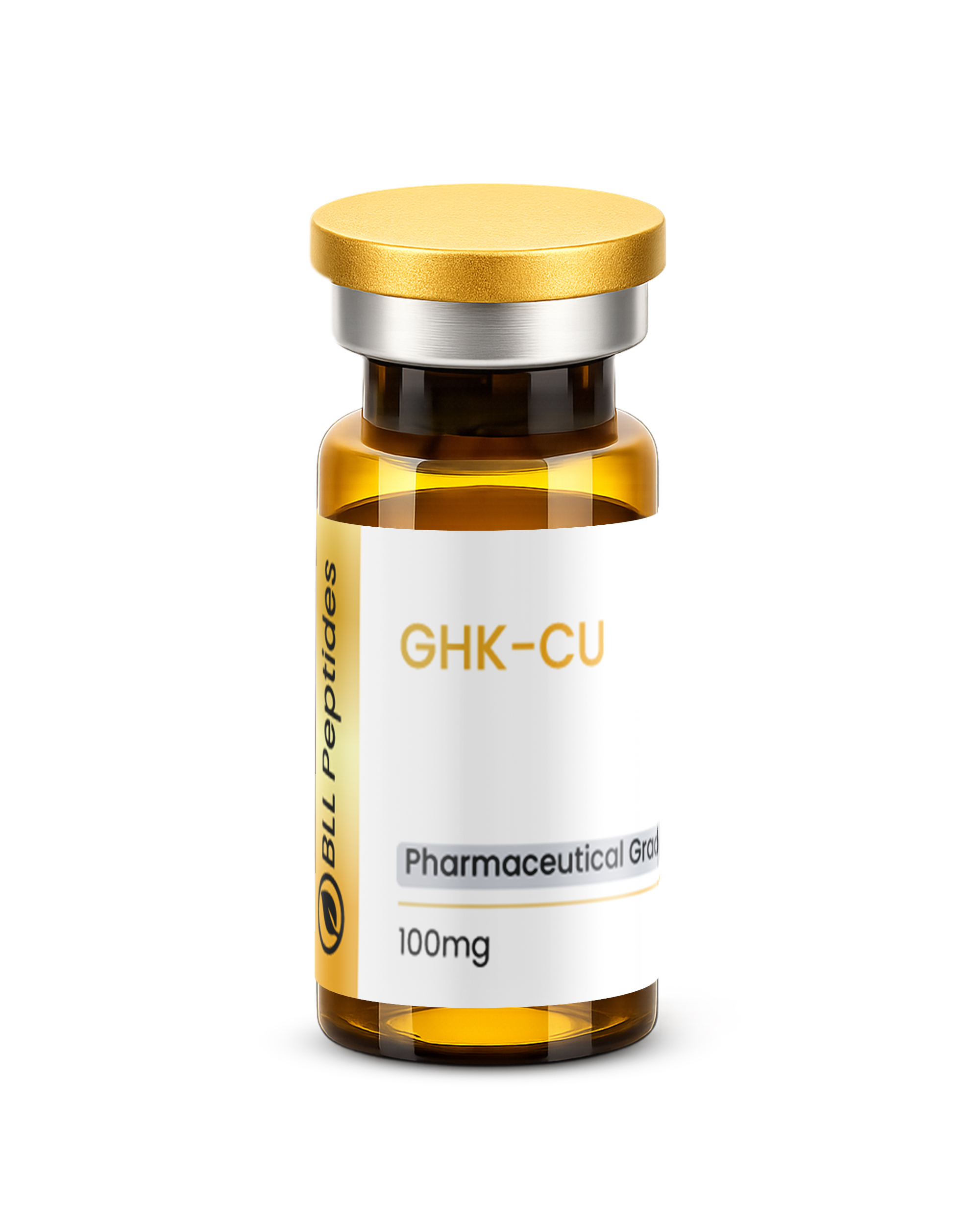
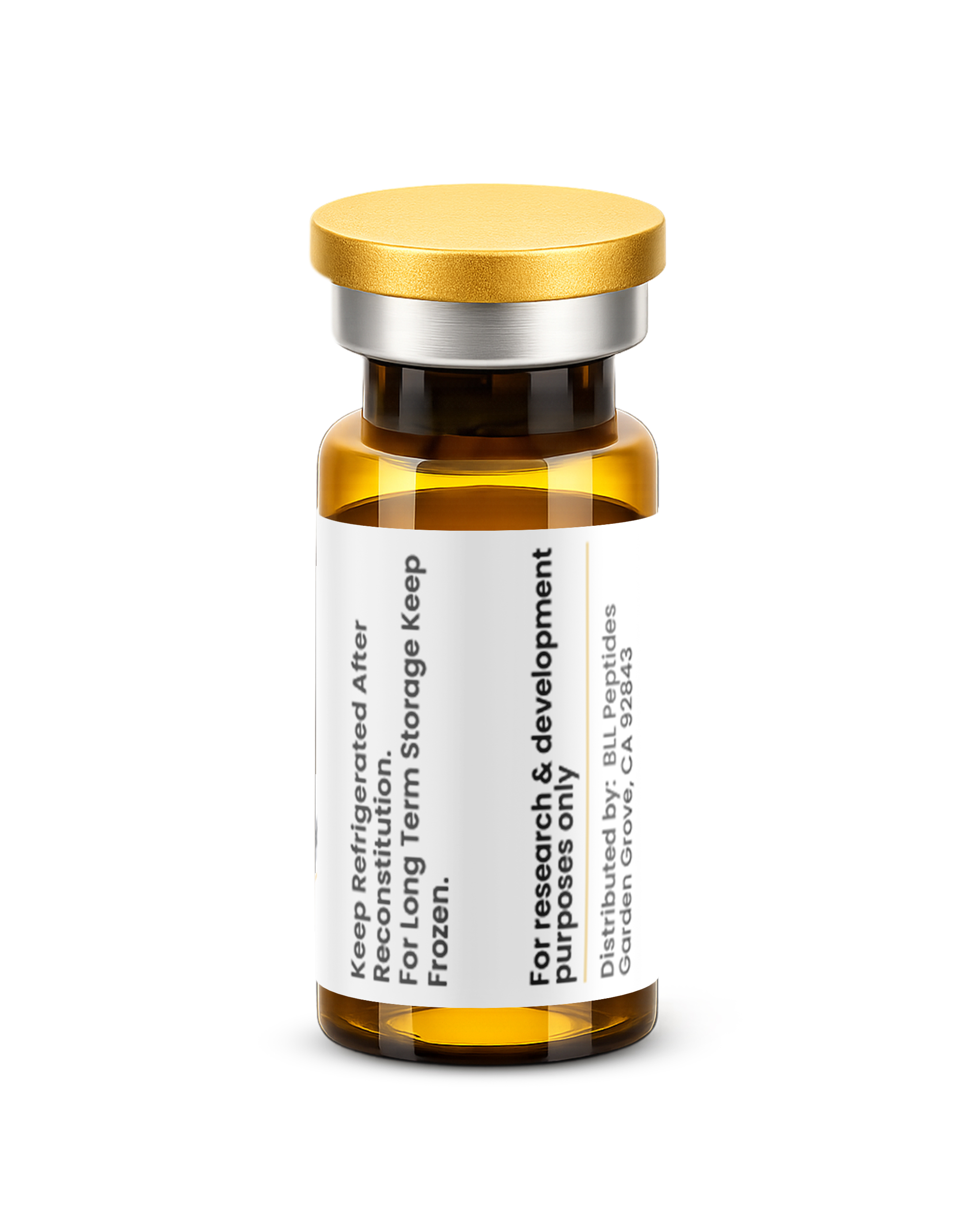
GHK-Cu 100mg (3ml)
GHK-Cu (Copper Peptide) is a research-grade naturally occurring tripeptide-copper complex studied for wound healing, tissue regeneration, collagen synthesis induction, and anti-inflammatory activity at the cellular level. Researchers investigating skin biology, tissue repair, and gene expression regulation rely on pharmaceutical-grade purity for valid experiments. Available at BLL Peptides — USA-made, rigorously tested, 100mg. ✅ COA tested…
Description
GHK-Cu: Complete Research Guide – Gene Expression, Skin Science, and Regeneration
Executive Summary
GHK-Cu (glycyl-L-histidyl-L-lysine copper) is a naturally occurring copper-binding tripeptide that has emerged as one of the most extensively studied molecules in regenerative medicine and anti-aging research. First isolated by Dr. Loren Pickart in 1973, this small peptide has demonstrated remarkable biological activity, influencing over 4,000 human genes representing approximately 31% of the genome [1].
Research has established GHK-Cu's ability to increase collagen synthesis by up to 70%, modulate inflammatory responses, accelerate wound healing, and reset gene expression patterns toward a more youthful state [2,3]. The peptide functions through multiple mechanisms including copper delivery, signal transduction, and direct gene expression modulation, making it unique among therapeutic peptides.
This comprehensive guide examines the molecular science, clinical research, practical applications, and community experiences surrounding GHK-Cu to provide researchers and enthusiasts with the most complete understanding of this fascinating molecule.
Table of Contents
- Introduction and Discovery
- Molecular Structure and Copper Binding
- Interactive Molecular Structure
- Detailed Mechanism of Action
- Scientific Research Review
- Benefits by Category
- Regulatory Status
- Community Experience and Anecdotal Reports
- Side Effects and Safety
- Comparison: GHK-Cu vs Other Copper Peptides
- Conclusion
- References
- Disclaimer
Introduction and Discovery
The Pickart Discovery: A Serendipitous Finding
The story of GHK-Cu begins in 1973 at the University of California, San Francisco, where Dr. Loren Pickart was investigating the properties of human albumin. During his research into age-related changes in liver cell function, Pickart made a remarkable observation: older liver cells exposed to a fraction of human albumin began to behave like younger cells, synthesizing proteins at levels characteristic of youthful tissue [4].
After extensive purification and analysis, Pickart identified the active compound as a small tripeptide consisting of glycine, histidine, and lysine, with a high affinity for copper ions. This molecule, which he named GHK-Cu, was found to be present naturally in human blood plasma at concentrations of approximately 200 ng/mL in young adults [5].
The Age-Related Decline
Subsequent research revealed that GHK-Cu levels decline significantly with age. By age 60, plasma concentrations drop to approximately 80 ng/mL, a 60% reduction from youthful levels [5]. This decline correlates temporally with many visible and measurable signs of aging, including reduced wound healing capacity, decreased collagen production, and deteriorating skin quality.
This age-related decline suggested a potential role for GHK-Cu in the aging process itself and sparked interest in whether restoring youthful GHK-Cu levels could reverse or mitigate age-related tissue deterioration.
From Laboratory to Application
Over the following decades, Dr. Pickart and collaborators conducted extensive research into GHK-Cu's mechanisms and potential applications. The peptide transitioned from a laboratory curiosity to a widely used active ingredient in skincare formulations and, more recently, to research applications involving direct administration for systemic effects.
Today, GHK-Cu represents one of the most thoroughly characterized peptides in terms of its effects on gene expression, with applications spanning dermatology, wound healing, hair restoration, and general anti-aging research.
Molecular Structure and Copper Binding
Amino Acid Composition
GHK-Cu is classified as a tripeptide, consisting of three amino acids linked by peptide bonds:
- Glycine (G): The simplest amino acid, providing structural flexibility
- Histidine (H): Contains an imidazole ring crucial for copper binding
- Lysine (K): A basic amino acid contributing to the peptide's biological activity
The molecular formula for GHK is C14H24N6O4, with a molecular weight of approximately 340.38 g/mol for the free peptide. When complexed with copper, the molecular weight increases to approximately 403.93 g/mol [6].
Copper Coordination Chemistry
The copper ion in GHK-Cu is coordinated through a square planar geometry involving:
- The nitrogen of the glycine amino terminus
- The deprotonated amide nitrogen of the glycine-histidine peptide bond
- The imidazole nitrogen of the histidine side chain
- The carboxyl oxygen or an exogenous ligand (such as water)
This coordination creates a highly stable complex with a binding constant (log K) of approximately 16.44, indicating extremely tight copper binding [7]. This stability is crucial for GHK-Cu's biological function, as it allows the peptide to safely transport copper to cells without the oxidative damage that free copper ions can cause.
Copper: An Essential Element
Copper serves as a cofactor for numerous enzymes critical to tissue health and repair:
- Lysyl oxidase: Essential for collagen and elastin cross-linking
- Superoxide dismutase (SOD): A primary antioxidant enzyme
- Cytochrome c oxidase: Critical for cellular energy production
- Tyrosinase: Involved in melanin synthesis
GHK-Cu functions as an intelligent copper delivery system, providing this essential element to tissues that require it while preventing the pro-oxidant effects of free copper ions.
Interactive Molecular Structure
The following interactive 3D visualization renders the GHK-Cu tripeptide with its coordinated copper ion. The structure highlights the Cu²⁺ coordination geometry involving the glycine amino terminus, histidine imidazole, and the intervening amide nitrogen.
Legend: The interactive visualization above depicts the GHK-Cu tripeptide with its coordinated copper(II) ion. The large orange sphere represents the Cu²⁺ ion, with dashed orange lines showing coordination bonds to the glycine amino terminus, the histidine imidazole nitrogen, and the intervening peptide bond. The peptide backbone (Gly-His-Lys) is shown with solid teal bonds. Drag to rotate the structure; scroll to zoom.
Detailed Mechanism of Action
Gene Expression Modulation: The 4,000+ Gene Effect
Perhaps the most significant discovery regarding GHK-Cu came from analysis using the Broad Institute's Connectivity Map (cMap) database. This comprehensive gene expression database allowed researchers to compare GHK-Cu's effects on gene activity against thousands of other compounds [1,8].
The analysis, published by Pickart and Margolina in 2018, revealed that GHK-Cu affects the expression of 4,047 genes in human cell lines, representing approximately 31% of the human genome [1]. This extraordinary breadth of activity helps explain how a single small peptide can influence so many different biological processes.
Key findings from the gene expression analysis include:
Upregulated Gene Categories:
- DNA repair genes (50+ genes affected)
- Antioxidant response genes
- Anti-inflammatory genes
- Stem cell maintenance genes
- Tissue remodeling and repair genes
- Ubiquitin-proteasome system genes (critical for removing damaged proteins)
Downregulated Gene Categories:
- Pro-inflammatory cytokine genes (IL-6, TNF-alpha signaling)
- Tissue-destructive enzyme genes
- Pro-fibrotic genes
- Insulin resistance-related genes
Resetting the Aging Gene Signature
The pattern of genes affected by GHK-Cu reveals something remarkable: the peptide tends to shift gene expression from patterns associated with aged, damaged tissue toward patterns seen in younger, healthier tissue [1].
The Broad Institute data showed GHK-Cu:
- Reverses gene expression changes induced by metastatic cancer
- Counteracts gene patterns associated with chronic obstructive pulmonary disease (COPD)
- Shifts gene expression away from patterns linked to aggressive colon cancer
- Modulates genes associated with tissue degradation and chronic inflammation
Collagen and Elastin Synthesis
GHK-Cu's effects on collagen production occur through multiple mechanisms:
Direct Stimulation of Fibroblasts: GHK-Cu directly stimulates fibroblasts (the cells responsible for producing collagen) to increase synthesis of collagen types I, II, and III. The Maquart study demonstrated a 70% increase in collagen synthesis in cultured fibroblasts exposed to GHK-Cu [2].
Lysyl Oxidase Activation: By providing copper to lysyl oxidase, GHK-Cu enhances the cross-linking of collagen and elastin fibers, improving their structural integrity and strength [9].
TGF-Beta Modulation: GHK-Cu influences transforming growth factor-beta (TGF-beta) signaling, a master regulator of collagen synthesis and tissue remodeling [10].
Matrix Metalloproteinase Regulation
Matrix metalloproteinases (MMPs) are enzymes that break down extracellular matrix components including collagen and elastin. Proper regulation of MMP activity is essential for healthy tissue turnover without excessive degradation.
GHK-Cu demonstrates sophisticated modulation of MMP activity:
- Inhibits excessive MMP activity: Reduces tissue-destructive enzyme activity in conditions of chronic inflammation or damage [11]
- Supports controlled remodeling: Allows appropriate MMP activity for healthy tissue turnover
- Increases TIMP (tissue inhibitor of metalloproteinases) expression: Promotes natural MMP inhibition [12]
This balanced approach allows tissue remodeling to occur while preventing the excessive breakdown that contributes to aging and scarring.
Anti-Inflammatory Pathways
GHK-Cu exerts significant anti-inflammatory effects through multiple mechanisms:
NF-kB Pathway Modulation: The peptide influences the nuclear factor kappa-B pathway, a master regulator of inflammatory gene expression [13].
Cytokine Regulation: GHK-Cu reduces expression of pro-inflammatory cytokines including:
- Interleukin-6 (IL-6)
- Tumor necrosis factor-alpha (TNF-alpha)
- Interleukin-1 (IL-1)
Macrophage Polarization: Research suggests GHK-Cu promotes M2 macrophage polarization, associated with tissue repair and resolution of inflammation rather than the pro-inflammatory M1 phenotype [14].
Antioxidant Mechanisms
GHK-Cu provides antioxidant protection through several pathways:
SOD Enhancement: By delivering copper to superoxide dismutase, GHK-Cu supports this critical first-line antioxidant defense [15].
Iron Sequestration: GHK-Cu can bind iron ions, reducing their ability to catalyze harmful Fenton reactions that generate reactive oxygen species [16].
Gene Expression: The peptide upregulates genes involved in antioxidant defense, including those encoding glutathione-related enzymes.
Direct Radical Scavenging: Some research suggests the GHK-Cu complex itself may directly neutralize certain reactive oxygen species [16].
Scientific Research Review
The Pickart and Margolina Gene Expression Study (2018)
Citation: Pickart L, Margolina A. Regenerative and protective actions of the GHK-Cu peptide in the light of the new gene data. International Journal of Molecular Sciences. 2018;19(7):1987 [1].
This landmark paper utilized the Broad Institute Connectivity Map to comprehensively analyze GHK-Cu's effects on human gene expression. The study identified 4,047 genes whose expression was significantly altered by GHK-Cu treatment.
Key Findings:
- 31% of human genome affected
- Consistent pattern of "anti-aging" gene expression shifts
- Upregulation of 50+ DNA repair genes
- Suppression of pro-inflammatory and tissue-destructive gene networks
- Pattern opposite to gene changes seen in metastatic cancer
Evidence Rating: Strong (Comprehensive genomic analysis using validated database)
The Maquart Collagen Study (1988)
Citation: Maquart FX, Pickart L, Laurent M, et al. Stimulation of collagen synthesis in fibroblast cultures by the tripeptide-copper complex glycyl-L-histidyl-L-lysine-Cu2+. FEBS Letters. 1988;238(2):343-346 [2].
This seminal study directly measured GHK-Cu's effects on collagen production in cultured human fibroblasts.
Key Findings:
- 70% increase in collagen synthesis
- Increased glycosaminoglycan (GAG) production
- Enhanced overall extracellular matrix production
- Effects occurred at physiologically relevant concentrations
Evidence Rating: Strong (Controlled in vitro study with quantitative measurements)
The Abdulghani Skin Study (1998)
Citation: Abdulghani AA, Sherr S, Shirin S, et al. Effects of topical creams containing vitamin C, a copper-binding peptide cream and melatonin compared with tretinoin on the ultrastructure of normal skin. Disease Management and Clinical Outcomes. 1998;1:136-141 [3].
This comparative clinical study examined GHK-Cu's effects on facial skin compared to established treatments.
Key Findings:
- GHK-Cu cream improved skin laxity
- Enhanced skin clarity and overall appearance
- Results comparable to or exceeding vitamin C and melatonin treatments
- Performance approaching tretinoin in certain parameters
Evidence Rating: Moderate (Comparative clinical study, limited sample size)
Wound Healing Research
Multiple studies have examined GHK-Cu's wound healing properties:
Siméon et al. (2000): Demonstrated GHK-Cu's ability to modulate glycosaminoglycan and proteoglycan expression during wound healing, supporting proper extracellular matrix formation [17].
Pickart et al. (2015): Comprehensive review of GHK-Cu as a modulator of multiple cellular pathways in skin regeneration, consolidating evidence for wound healing applications [11].
Key Mechanisms Identified:
- Increased wound contraction rate
- Enhanced angiogenesis (new blood vessel formation)
- Improved tensile strength of healed tissue
- Recruitment of macrophages to wound sites
- Reduced scar tissue formation
Evidence Rating: Strong (Multiple studies across different models)
Hair Growth Studies
Citation: Pyo HK, Yoo HG, Won CH, et al. The effect of tripeptide-copper complex on human hair growth in vitro. Archives of Pharmacal Research. 2007;30(7):834-839 [18].
Key Findings:
- Stimulation of hair follicle proliferation
- Extended anagen (growth) phase of hair cycle
- Increased hair follicle size
- Enhanced vascularization around hair follicles
Additional Research:
- GHK-Cu may antagonize the effects of DHT (dihydrotestosterone), implicated in androgenetic alopecia
- Promotes Wnt/beta-catenin signaling, essential for hair follicle development
Evidence Rating: Moderate (In vitro and limited clinical evidence)
Broad Institute Connectivity Map Data
Citation: Lamb J, Crawford ED, Peck D, et al. The Connectivity Map: using gene-expression signatures to connect small molecules, genes, and disease. Science. 2006;313(5795):1929-1935 [8].
The Connectivity Map (cMap) project at the Broad Institute created a comprehensive database of gene expression signatures for thousands of compounds. GHK-Cu's inclusion in this database enabled the comprehensive gene expression analysis conducted by Pickart and Margolina.
Significance:
- Provides systematic comparison of GHK-Cu effects against other compounds
- Enables identification of potential therapeutic applications based on gene expression patterns
- Validated GHK-Cu's unique and extensive gene-modulatory properties
Benefits by Category
Skin Rejuvenation
Evidence Level: Strong
GHK-Cu addresses multiple aspects of skin aging simultaneously:
- Collagen restoration: 70% increase in synthesis demonstrated [2]
- Elastin support: Enhanced cross-linking through copper-dependent lysyl oxidase
- Skin thickness: Studies show increased dermal thickness with GHK-Cu application
- Fine lines and wrinkles: Reduction observed in clinical studies [3]
- Skin firmness: Improved laxity measurements documented
The multi-pathway approach makes GHK-Cu particularly effective for overall skin quality improvement rather than targeting a single aspect of aging.
Wound Healing
Evidence Level: Strong
GHK-Cu accelerates and improves wound healing through:
- Faster closure: Documented in multiple animal studies
- Better quality healing: Reduced scarring, improved tissue organization
- Enhanced strength: Improved tensile strength of healed tissue
- Angiogenesis: Promotes blood vessel growth for tissue nourishment
- Immune modulation: Proper recruitment and regulation of immune cells
Hair Growth Support
Evidence Level: Moderate
Research and anecdotal reports support GHK-Cu's potential for hair health:
- Follicle stimulation: Increased proliferation demonstrated in vitro [18]
- Growth phase extension: Prolonged anagen phase
- DHT antagonism: Potential protective effect against androgenetic alopecia
- Scalp health: Anti-inflammatory and improved circulation benefits
Anti-Inflammatory Effects
Evidence Level: Moderate-Strong
GHK-Cu demonstrates significant anti-inflammatory activity:
- Cytokine reduction: Decreased IL-6, TNF-alpha, and IL-1 expression
- NF-kB modulation: Influences master inflammatory pathway
- Macrophage effects: Promotes healing-associated phenotypes
- Gene expression: Systematic downregulation of inflammatory gene networks [1]
Antioxidant Protection
Evidence Level: Moderate
GHK-Cu provides antioxidant benefits through:
- SOD support: Enhanced function through copper delivery
- Metal sequestration: Reduced pro-oxidant metal activity
- Gene expression: Upregulated antioxidant defense genes
- Direct scavenging: Possible direct radical neutralization
Systemic Anti-Aging
Evidence Level: Emerging/Preliminary
The comprehensive gene expression data suggests broader anti-aging potential:
- DNA repair enhancement: 50+ repair genes upregulated [1]
- Cellular stress response: Improved stress adaptation
- Protein quality control: Enhanced ubiquitin-proteasome function
- Stem cell support: Genes associated with stem cell maintenance affected
Regulatory Status
United States
FDA Classification: GHK-Cu is not FDA-approved as a drug for any indication. In cosmetic formulations, copper peptides fall under cosmetic ingredient regulation rather than drug regulation.
Research Chemical Status: GHK-Cu is available as a research chemical for laboratory use. Products sold for research purposes should not make claims about treating or curing any medical condition.
Cosmetic Use: Topical copper peptide products are widely available as cosmetic ingredients. These products can make claims about appearance improvement but not about treating disease.
European Union
Cosmetic Regulation: Copper peptides including GHK-Cu are permitted cosmetic ingredients under EU cosmetic regulations.
Novel Food Status: Not approved as a novel food or food supplement.
International Considerations
Regulatory status varies by country. In most jurisdictions, GHK-Cu occupies a gray area:
- Permitted in cosmetics
- Available as a research chemical
- Not approved for therapeutic claims
- Not scheduled as a controlled substance
Community Experience and Anecdotal Reports
r/Peptides Community Reports
The r/Peptides subreddit contains extensive discussion of GHK-Cu experiences, primarily regarding injectable use:
Commonly Reported Positive Experiences:
- Improved skin quality and texture within 2-4 weeks
- Faster healing of minor injuries
- Enhanced recovery from cosmetic procedures
- Hair quality improvements (thickness, growth rate)
- General improvements in skin elasticity and appearance
Commonly Reported Neutral/Negative Experiences:
- Blue/green discoloration at injection sites (expected, not harmful)
- Minimal effects in some users
- Variability in product quality between suppliers
- Better results when combined with other compounds
Dosage Patterns Reported:
- Most common injectable dose: 1-2 mg daily
- Some users report 2-4 mg daily for intensive protocols
- Cycle lengths vary from 4 weeks to continuous use
r/SkincareAddiction Reports
The skincare community primarily discusses topical GHK-Cu applications:
Common Observations:
- Improved skin texture and smoothness
- Enhanced results when combined with vitamin C serums
- Better tolerance than retinoids for sensitive skin
- Synergistic effects with hyaluronic acid
- Results typically visible after 4-8 weeks of consistent use
Product Preferences:
- Serums preferred over creams for absorption
- Concentrations of 0.5-1% commonly used
- Higher concentrations used by some without reported issues
Injection vs Topical Experiences
Community discussions frequently compare administration routes:
Topical Advantages Reported:
- Convenient, non-invasive
- Effective for facial skin specifically
- No injection site discoloration
- Wide product availability
Injectable Advantages Reported:
- More pronounced systemic effects
- Faster visible results
- Better for body-wide skin improvement
- More effective for hair when injected into scalp
Blue/Green Discoloration Reports
This commonly reported phenomenon deserves special attention:
- Cause: Copper content in the peptide
- Appearance: Blue to green tint at injection site
- Duration: Typically fades within hours to 2-3 days
- Concern level: Cosmetic only, not harmful
- Management: Some users rotate injection sites; others accept as normal
Side Effects and Safety
Known and Reported Side Effects
Topical Use:
- Mild skin irritation (rare)
- Temporary redness (usually with higher concentrations)
- Allergic reactions (very rare)
Injectable Use:
- Blue/green discoloration at injection site (common, temporary, harmless)
- Mild injection site irritation
- Potential bruising at injection site
Safety Profile
GHK-Cu has a favorable safety profile based on:
- Natural occurrence: Present in human plasma normally
- Extensive topical use history: Decades of cosmetic use
- Biocompatibility: Well-tolerated as a naturally occurring molecule
- No genotoxicity: No evidence of DNA damage
- No carcinogenicity concerns: Gene expression data suggests anti-cancer properties [1]
Contraindications and Precautions
Exercise Caution or Avoid Use If You Have:
- Wilson's disease (copper metabolism disorder)
- Known copper sensitivity or allergy
- Hemochromatosis (iron overload)
- Active skin infections (for topical use)
- Pregnancy or breastfeeding (insufficient safety data)
Drug Interactions:
- No significant drug interactions documented
- Caution with other copper-containing supplements (theoretical)
- May potentiate effects of other wound healing agents
Quality and Sourcing Considerations
Product quality varies significantly in the peptide market. Consider:
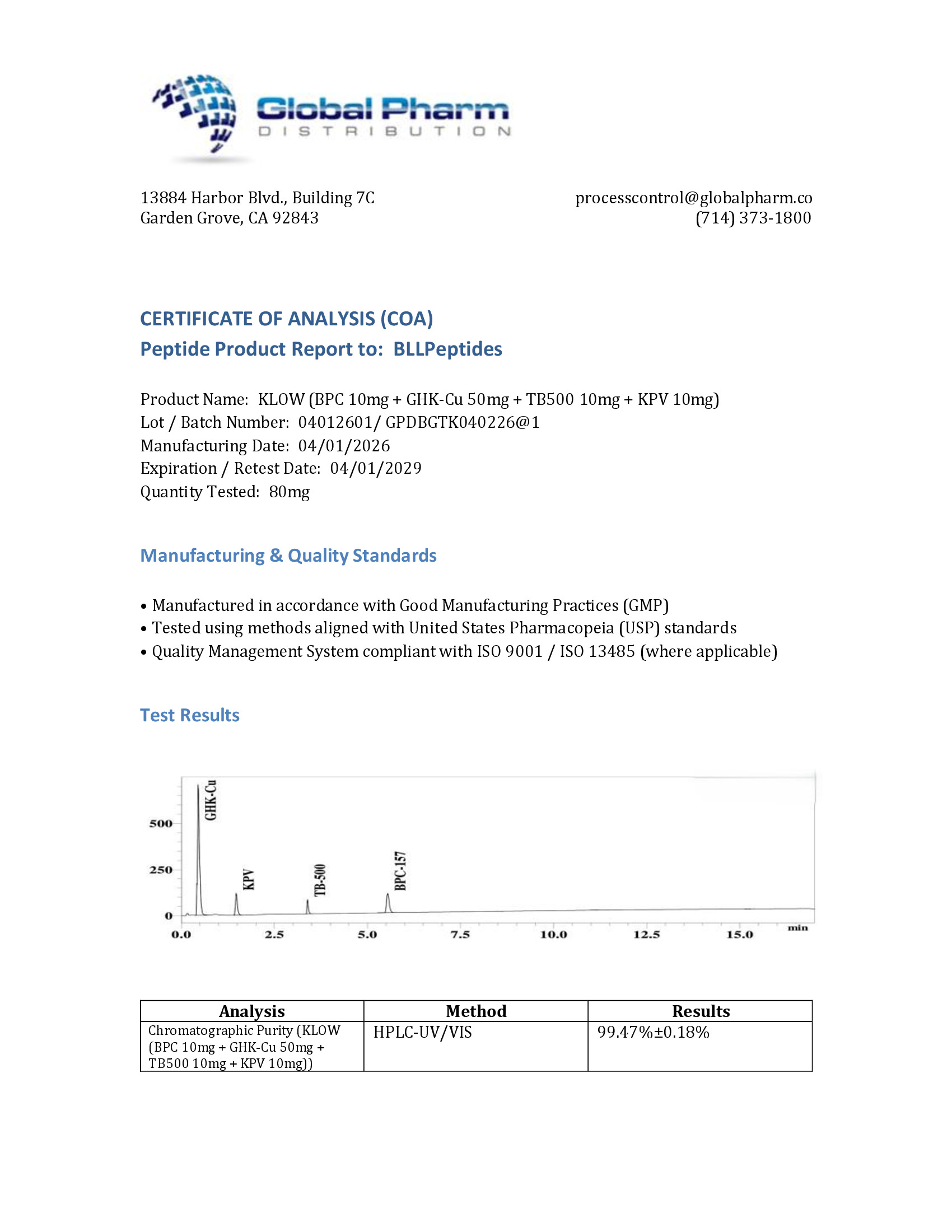
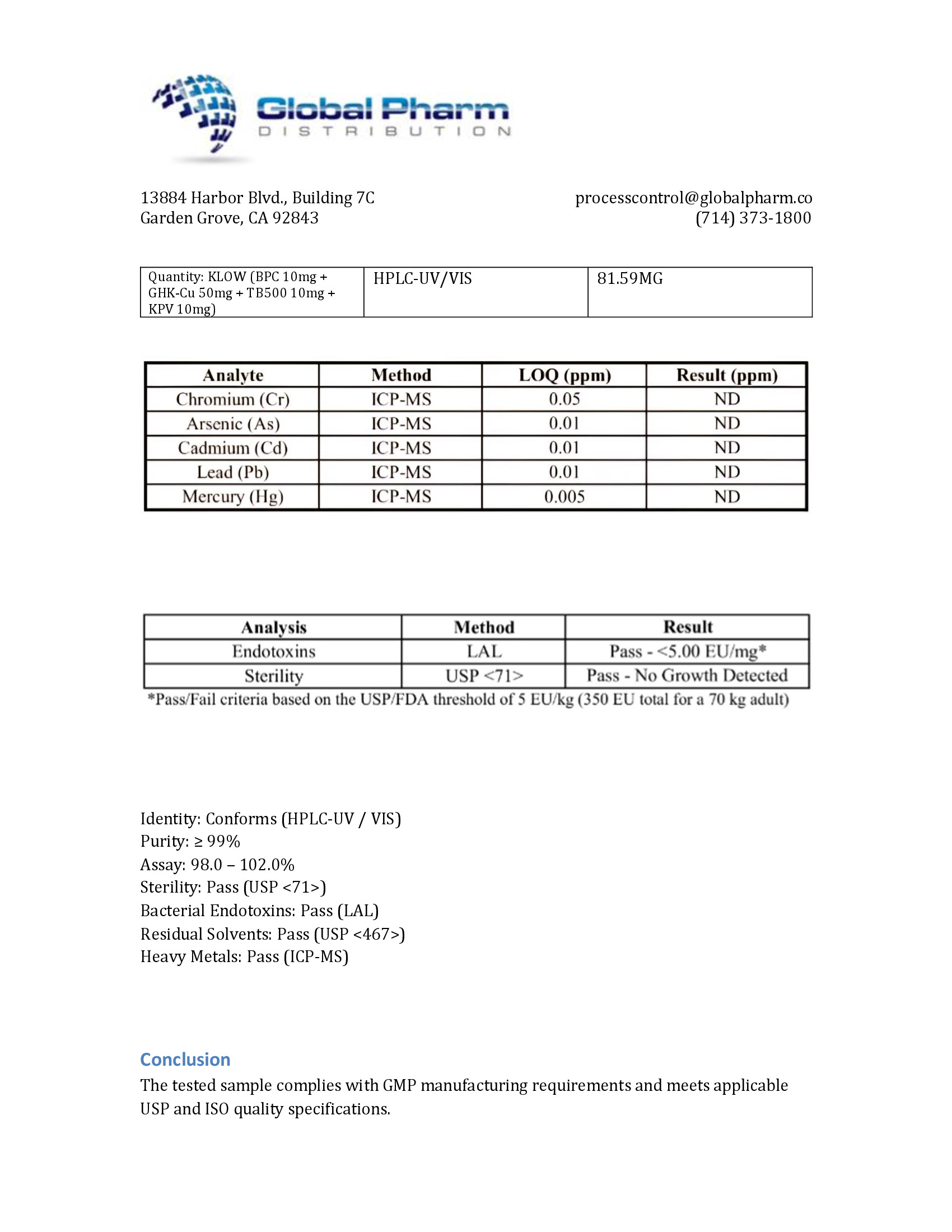
- Third-party testing certificates
- Purity specifications (>98% preferred)
- Proper lyophilization and storage
- Reputable supplier track record
- Appropriate packaging (protection from light and moisture)
Comparison: GHK-Cu vs Other Copper Peptides
AHK-Cu (Alanine-Histidine-Lysine Copper)
Similarities:
- Copper-binding tripeptide
- Stimulates collagen synthesis
- Used in skincare formulations
Differences:
- Less researched than GHK-Cu
- Different binding affinity for copper
- May have different gene expression profile
- Often marketed for hair-specific applications
Copper Peptide Complex (Multi-Peptide Formulations)
Characteristics:
- Contain multiple copper-binding peptides
- Often include GHK-Cu plus other peptides
- Variable compositions between products
- May offer synergistic effects
Considerations:
- Harder to standardize
- Research typically focuses on individual peptides
- May be more expensive
- Uncertain which components drive effects
GHK (Without Copper)
Characteristics:
- The peptide alone without copper complexation
- Requires available copper to become active
- Some biological activity without copper
Comparison:
- GHK-Cu is more stable
- GHK-Cu provides controlled copper delivery
- GHK-Cu has been more extensively studied
- GHK-Cu likely more effective due to complete complex formation
GHK-Cu Advantages
- Most thoroughly researched copper peptide
- Comprehensive gene expression data available
- Optimal copper binding characteristics
- Proven stability and bioavailability
- Largest body of clinical and anecdotal evidence
Conclusion
GHK-Cu represents a unique entry in the peptide landscape: a naturally occurring molecule with extraordinarily broad biological effects, supported by both mechanistic research and practical experience. The discovery that a small tripeptide can influence over 4,000 genes has profound implications for understanding how simple molecules can affect complex biological systems.
The evidence base for GHK-Cu spans laboratory studies, clinical research, and extensive community experience. Its effects on collagen synthesis, wound healing, and gene expression are well-documented. While research continues to expand our understanding, current evidence supports GHK-Cu as one of the most comprehensively studied peptides available for research and cosmetic applications.
For those interested in GHK-Cu, the peptide offers multiple entry points: topical products for convenient daily use, enhanced protocols involving microneedling, and research applications involving direct administration. Each approach has its advantages and considerations, allowing individuals to choose based on their specific goals and preferences.
As with any bioactive compound, quality sourcing, appropriate expectations, and attention to individual response remain important. GHK-Cu's safety profile appears favorable, but responsible use includes awareness of contraindications and monitoring for any unexpected responses.
The ongoing research into GHK-Cu's mechanisms and applications continues to reveal new aspects of this remarkable molecule. From its serendipitous discovery in 1973 to its current status as a pillar of peptide research, GHK-Cu exemplifies how fundamental biological discoveries can translate into practical applications.
References
-
Pickart L, Margolina A. Regenerative and protective actions of the GHK-Cu peptide in the light of the new gene data. International Journal of Molecular Sciences. 2018;19(7):1987.
-
Maquart FX, Pickart L, Laurent M, Gillery P, Monboisse JC, Borel JP. Stimulation of collagen synthesis in fibroblast cultures by the tripeptide-copper complex glycyl-L-histidyl-L-lysine-Cu2+. FEBS Letters. 1988;238(2):343-346.
-
Abdulghani AA, Sherr S, Shirin S, et al. Effects of topical creams containing vitamin C, a copper-binding peptide cream and melatonin compared with tretinoin on the ultrastructure of normal skin. Disease Management and Clinical Outcomes. 1998;1:136-141.
-
Pickart L. The human tri-peptide GHK and tissue remodeling. Journal of Biomaterials Science, Polymer Edition. 2008;19(8):969-988.
-
Pickart L, Vasquez-Soltero JM, Margolina A. The human tripeptide GHK-Cu in prevention of oxidative stress and degenerative conditions of aging: implications for cognitive health. Oxidative Medicine and Cellular Longevity. 2012;2012:324832.
-
Freedman JH, Pickart L, Weinstein B, et al. Structure of the glycyl-L-histidyl-L-lysine-copper(II) complex in solution. Biochemistry. 1982;21(19):4540-4544.
-
Trapaidze A, Hureau C, Bal W, et al. Thermodynamic study of Cu2+ binding to the DAHK and GHK peptides by isothermal titration calorimetry (ITC) with the weaker competitor glycine. Journal of Biological Inorganic Chemistry. 2012;17(1):37-47.
-
Lamb J, Crawford ED, Peck D, et al. The Connectivity Map: using gene-expression signatures to connect small molecules, genes, and disease. Science. 2006;313(5795):1929-1935.
-
Kagan HM, Li W. Lysyl oxidase: properties, specificity, and biological roles inside and outside of the cell. Journal of Cellular Biochemistry. 2003;88(4):660-672.
-
Siméon A, Monier F, Bertero F, et al. Expression and activation of matrix metalloproteinases in wounds: modulation by the tripeptide-copper complex glycyl-L-histidyl-L-lysine-Cu2+. Journal of Investigative Dermatology. 1999;112(6):957-964.
-
Pickart L, Vasquez-Soltero JM, Margolina A. GHK peptide as a natural modulator of multiple cellular pathways in skin regeneration. BioMed Research International. 2015;2015:648108.
-
Pollard JD, Quan S, Kang T, Koch RJ. Effects of copper tripeptide on the growth and expression of growth factors by normal and irradiated fibroblasts. Archives of Facial Plastic Surgery. 2005;7(1):27-31.
-
Park JR, Lee H, Kim SI, Yang SR. The tri-peptide GHK-Cu complex ameliorates lipopolysaccharide-induced acute lung injury in mice. Oncotarget. 2016;7(36):58405-58417.
-
Gruchlik A, Jurzak M, Chodurek E, Dzierzewicz Z. Effect of Gly-Gly-His, Gly-His-Lys and their copper complexes on TNF-alpha-dependent IL-6 secretion in normal human dermal fibroblasts. Acta Poloniae Pharmaceutica. 2012;69(6):1303-1306.
-
Linder MC, Hazegh-Azam M. Copper biochemistry and molecular biology. American Journal of Clinical Nutrition. 1996;63(5):797S-811S.
-
Pickart L, Freedman JH, Loker WJ, et al. Growth-modulating plasma tripeptide may function by facilitating copper uptake into cells. Nature. 1980;288(5792):715-717.
-
Siméon A, Wegrowski Y, Bontemps Y, Maquart FX. Expression of glycosaminoglycans and small proteoglycans in wounds: modulation by the tripeptide-copper complex glycyl-L-histidyl-L-lysine-Cu2+. Journal of Investigative Dermatology. 2000;115(6):962-968.
-
Pyo HK, Yoo HG, Won CH, et al. The effect of tripeptide-copper complex on human hair growth in vitro. Archives of Pharmacal Research. 2007;30(7):834-839.
-
Campbell JD, McDonough JE, Zeskind JE, et al. A gene expression signature of emphysema-related lung destruction and its reversal by the tripeptide GHK. Genome Medicine. 2012;4(8):67.
-
Hong Y, Downey T, Eu KW, Koh PK, Cheah PY. A 'metastasis-prone' signature for early-stage mismatch-repair proficient sporadic colorectal cancer patients and its implications for possible therapeutics. Clinical and Experimental Metastasis. 2010;27(2):83-90.
Disclaimer
This article is for informational and educational purposes only. GHK-Cu is sold for research purposes and is not intended for human consumption. The information presented here does not constitute medical advice and should not be used to diagnose, treat, cure, or prevent any disease or medical condition.
The peptides discussed in this article are not approved by the FDA or other regulatory bodies for therapeutic use in humans. Any discussion of dosages, protocols, or administration methods reflects community-reported practices and research literature, not medical recommendations.
Individual results may vary, and the information presented includes both peer-reviewed research and anecdotal community reports, which are clearly distinguished throughout. Always consult with a qualified healthcare professional before considering any peptide research or beginning any new health-related protocol.
The content creators and publishers of this article are not responsible for any adverse effects or consequences resulting from the use of any information, suggestions, or procedures described herein.
GHK-Cu (Copper Peptide) is a research-grade naturally occurring tripeptide-copper complex studied for wound healing, tissue regeneration, collagen synthesis induction, and anti-inflammatory activity at the cellular level. Researchers investigating skin biology, tissue repair, and gene expression regulation rely on pharmaceutical-grade purity for valid experiments. Available at BLL Peptides — USA-made, rigorously tested, 100mg.
| ✅ COA tested every batch | ✅ 98%+ purity guaranteed |
| ✅ USA manufactured, GMP-certified | ✅ Glass vials — not plastic |
| ✅ Veteran-owned company | ✅ Free shipping over $150 |

Related Products
-
KPV 10mg (3ml)
Original price was: $99.99.$68.99Current price is: $68.99. -
Ipamorelin 10mg (3ml)
Original price was: $99.99.$64.99Current price is: $64.99. -
CJC-1295 With DAC 5mg (3ml)
Original price was: $99.99.$69.99Current price is: $69.99. -
WOLVERINE BPC-157 + TB-500 10/10mg (3ml)
Original price was: $190.00.$99.99Current price is: $99.99.