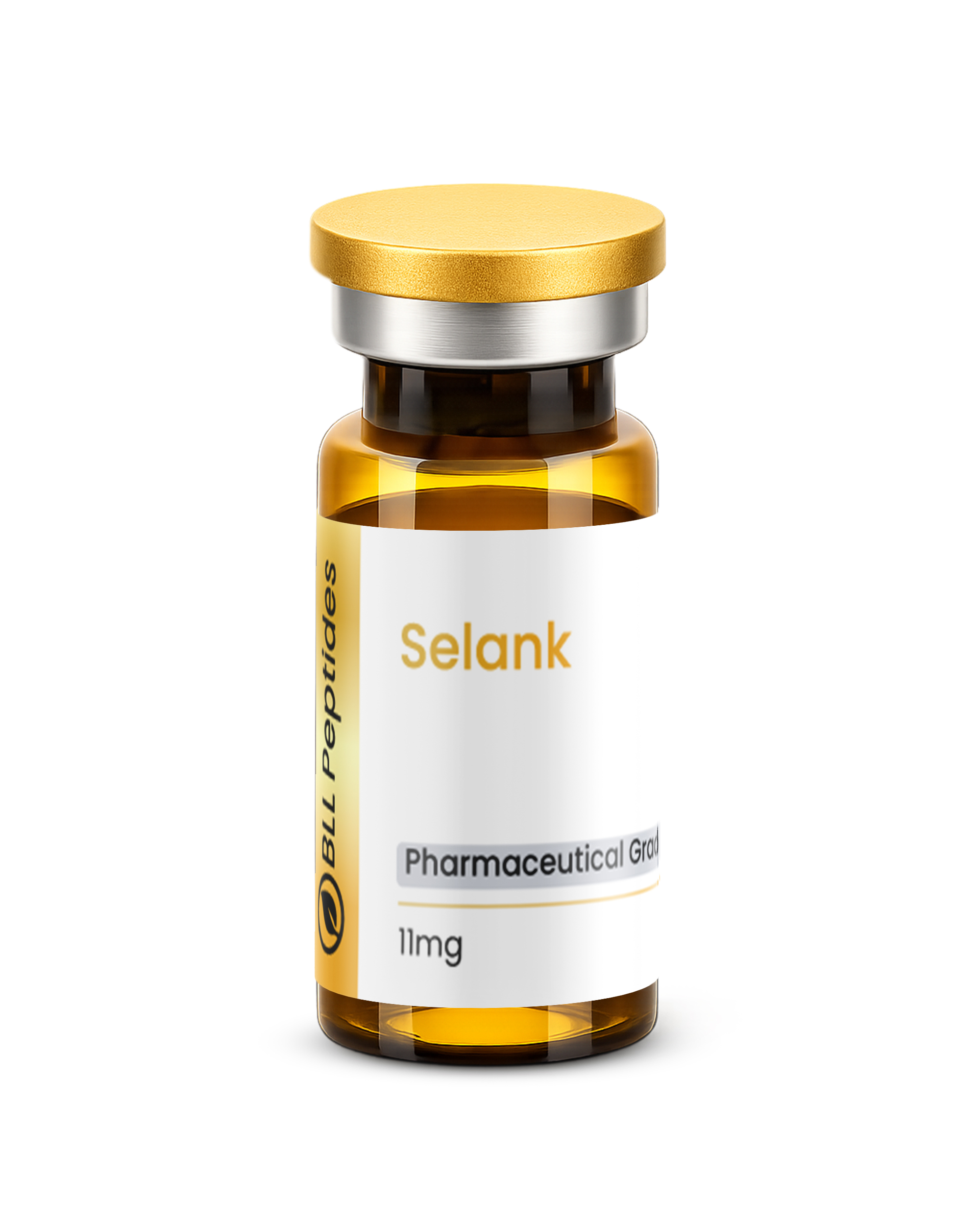
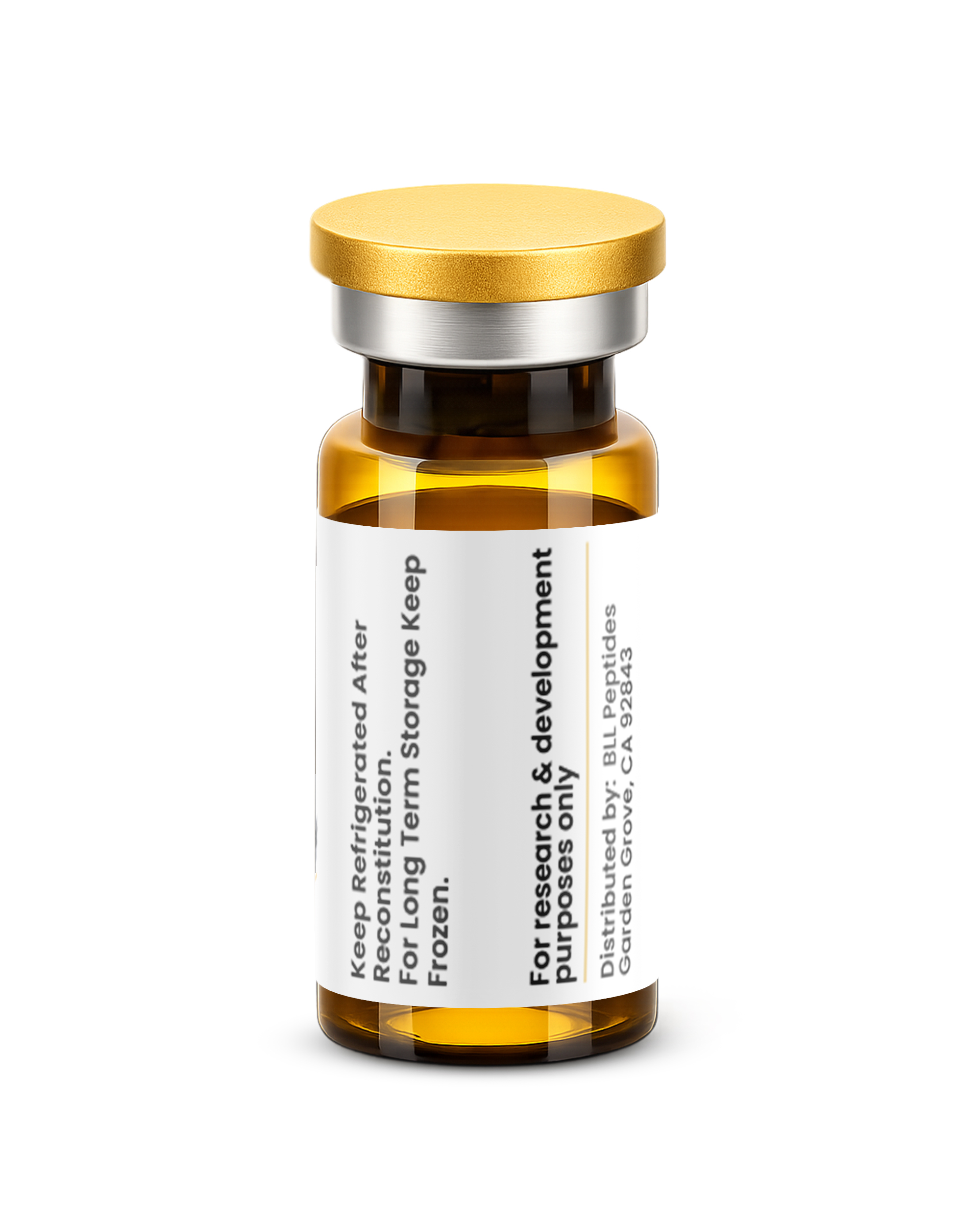
Selank 11mg (3ml)
Selank is a research-grade synthetic anxiolytic nootropic peptide derived from tuftsin, studied for anxiolytic, nootropic, and immunomodulatory properties via GABAergic and serotonergic pathway modulation. Researchers investigating anxiety pathways and peptide neuropharmacology rely on pharmaceutical-grade purity for valid experimental outcomes. Available at BLL Peptides — USA-made, rigorously tested. ✅ COA tested every batch✅ 98%+ purity guaranteed…
Description
Selank: Complete Research Guide – Tuftsin-Derived Anxiolytic Peptide Mechanisms, Nootropic Research, and Neurological Applications
Last updated: March 2026
Executive Summary
Selank is a synthetic heptapeptide with the amino acid sequence Thr-Lys-Pro-Arg-Pro-Gly-Pro (TKPRPGP), developed at the Institute of Molecular Genetics of the Russian Academy of Sciences under the direction of Professor Nikolai Myasoedov. With a molecular formula of C36H64N12O9 and a molecular weight of approximately 751.5 Daltons (CAS: 129954-34-3), Selank is a structurally unique peptide designed by appending a Pro-Gly-Pro tripeptide stabilization tail to tuftsin, a naturally occurring immunostimulatory tetrapeptide (Thr-Lys-Pro-Arg) derived from the Fc region of immunoglobulin G [1, 2].
The rationale behind Selank's design is both elegant and functionally significant. Tuftsin itself possesses established immunomodulatory properties but is rapidly degraded by peptidases in vivo, severely limiting its pharmacological utility. The Pro-Gly-Pro C-terminal extension confers markedly enhanced resistance to enzymatic degradation by aminopeptidases and carboxypeptidases, increasing the peptide's biological half-life and enabling sustained interaction with central nervous system targets [3]. This structural modification transforms an immunological fragment into a neurotropic compound with anxiolytic, nootropic, and immunomodulatory properties.
Selank has been approved in the Russian Federation as an anxiolytic medication, marketed as a 0.15% intranasal spray under the brand name Selank. Preclinical and clinical research has demonstrated that it modulates multiple neurotransmitter systems, including GABAergic, serotonergic, and dopaminergic signaling, while simultaneously increasing the expression of brain-derived neurotrophic factor (BDNF) and influencing the expression of over 80 genes involved in neurotransmission and immune regulation [4, 5]. Critically, Selank produces anxiolytic effects comparable to classical benzodiazepines without the characteristic sedation, cognitive impairment, muscle relaxation, or dependence liability associated with GABAergic drugs [6].
This comprehensive research guide examines the molecular science, mechanisms of action, published research findings, safety considerations, and investigational applications of Selank. For researchers exploring related neuropeptides and cognitive modulators, see also our guides on Semax, DSIP, and Pinealon.
Interactive Molecular Structure
The following interactive 3D visualization renders the Selank heptapeptide (Thr-Lys-Pro-Arg-Pro-Gly-Pro) in an extended turn conformation. With three proline residues imposing rigidity on the backbone, Selank cannot adopt a classical alpha-helical or beta-sheet structure. Instead, it assumes a polyproline-like extended conformation with restricted torsion angles at proline positions. The tuftsin core (residues 1-4, warm tones) is visually distinguished from the synthetic Pro-Gly-Pro stabilization tail (residues 5-7, purple) to highlight the rational design of this chimeric peptide.
Table of Contents
- Introduction and Historical Development
- Molecular Structure and Chemistry
- Mechanism of Action
- Scientific Research Review
- Comparison with Related Compounds
- Safety Profile and Tolerability
- Research Applications
- References
- Disclaimer
1. Introduction and Historical Development
Origins of Tuftsin Research
The scientific story of Selank begins with tuftsin, a naturally occurring tetrapeptide (Thr-Lys-Pro-Arg) first identified by Victor Najjar and colleagues at Tufts University in 1970. Tuftsin is derived from the enzymatic cleavage of the CH2 domain of the heavy chain of immunoglobulin G (IgG), specifically spanning residues 289-292 of the Fc fragment. Two enzymes participate in its liberation: tuftsin endocarboxypeptidase (leukokininase) in the spleen cleaves the Arg-Glu bond, followed by a membrane-bound enzyme on neutrophils and macrophages that releases the active tetrapeptide [7, 8].
Tuftsin functions as a natural activator of phagocytosis, stimulating the bactericidal and tumoricidal activity of neutrophils, monocytes, and macrophages. Patients with congenital or acquired tuftsin deficiency, including asplenic individuals, demonstrate increased susceptibility to infections, underscoring the biological importance of this peptide fragment [7]. However, the pharmacological application of exogenous tuftsin proved impractical due to its extremely short half-life in circulation, measured in minutes, as aminopeptidases and carboxypeptidases rapidly degrade the tetrapeptide.
Development of Selank at the Russian Academy of Sciences
In the late 1980s and early 1990s, a team led by Nikolai Myasoedov at the Institute of Molecular Genetics of the Russian Academy of Sciences undertook a systematic effort to develop metabolically stable analogs of tuftsin that could reach the central nervous system and exert neurotropic effects. The research group recognized that tuftsin's immunostimulatory backbone might also carry neurological activity if the peptide could be stabilized sufficiently to cross biological barriers and interact with CNS targets [1, 2].
Through structure-activity relationship studies, the investigators found that appending a Pro-Gly-Pro tripeptide to the C-terminus of tuftsin dramatically enhanced metabolic stability while introducing novel anxiolytic and nootropic properties not observed with tuftsin alone. The Pro-Gly-Pro sequence was selected for specific reasons: the two terminal prolines create steric constraints that protect against carboxypeptidase attack, while the central glycine provides backbone flexibility that permits the peptide to adopt bioactive conformations. This extension increased the in vivo half-life from minutes to several hours and enabled intranasal delivery to achieve therapeutically relevant concentrations in the brain [3, 9].
Selank entered formal preclinical development in the mid-1990s and proceeded through the Russian regulatory approval process. It received registration as a pharmaceutical agent (anxiolytic nasal spray) in the Russian Federation, representing one of the few regulatory-approved peptide anxiolytics worldwide. The approval was based on clinical trial data demonstrating efficacy comparable to benzodiazepines in patients with generalized anxiety disorder, but without the sedation, dependence, or withdrawal phenomena characteristic of GABAergic drugs [6, 10].
Significance in Peptide Pharmacology
Selank occupies a distinctive position in the field of peptide pharmacology for several reasons. First, it represents a successful example of rational peptide design, wherein a natural bioactive fragment is systematically modified to yield a therapeutically superior compound. Second, it demonstrates the principle that immunomodulatory peptides can possess potent central nervous system activity, bridging the traditional divide between neuroimmunology and psychopharmacology. Third, its mechanism of action involves simultaneous modulation of multiple neurotransmitter systems and gene expression programs, distinguishing it from conventional anxiolytics that target a single receptor class [4, 5].
2. Molecular Structure and Chemistry
Primary Structure and Sequence
Selank consists of seven amino acid residues in the following sequence:
H-Thr-Lys-Pro-Arg-Pro-Gly-Pro-OH (single-letter code: TKPRPGP)
| Property | Value |
|---|---|
| Molecular Formula | C36H64N12O9 |
| Molecular Weight | Approximately 751.5 Da |
| CAS Number | 129954-34-3 |
| Sequence | Thr-Lys-Pro-Arg-Pro-Gly-Pro |
| Isoelectric Point | Approximately 10.5 (basic) |
| Net Charge at pH 7.4 | +2 (Lys and Arg side chains protonated) |
| Classification | Synthetic heptapeptide; tuftsin analog |
| Solubility | Freely soluble in water and aqueous buffers |
| Storage | Lyophilized powder, -20 C, protected from light |
Structural Domains
Selank is composed of two functionally distinct regions:
Tuftsin Core (Residues 1-4: Thr-Lys-Pro-Arg)
The N-terminal tetrapeptide is identical to endogenous tuftsin, the immunostimulatory fragment of IgG. This domain carries the primary biological activity, including receptor interactions with phagocytic cells and neurotransmitter-modulatory properties. The positively charged Lys2 and Arg4 residues at physiological pH contribute to electrostatic interactions with negatively charged cell membranes and receptor surfaces. Pro3 introduces a rigid kink in the backbone, a conformational feature that is essential for tuftsin bioactivity, as alanine substitution at this position abolishes phagocytosis-stimulating activity [7, 8].
Pro-Gly-Pro Stabilization Tail (Residues 5-7)
The C-terminal tripeptide extension is the synthetic innovation that transforms tuftsin into Selank. The two proline residues (Pro5 and Pro7) create a polyproline II-like extended structure that is intrinsically resistant to most exopeptidases and endopeptidases. Glycine at position 6 provides a flexible hinge between the two prolines, allowing the stabilization tail to adopt conformations that do not sterically interfere with the tuftsin core's receptor interactions while providing maximal enzymatic protection [3, 9].
Conformational Properties
The conformational behavior of Selank is dominated by its three proline residues (positions 3, 5, and 7). Proline is unique among the standard amino acids in that its side chain is covalently bonded to the backbone nitrogen, forming a five-membered pyrrolidine ring. This cyclization restricts the phi dihedral angle to approximately -60 degrees and eliminates the backbone NH hydrogen bond donor at proline positions, preventing alpha-helix formation and favoring extended or polyproline II helical conformations [11].
Nuclear magnetic resonance (NMR) and molecular dynamics studies of proline-rich peptides suggest that Selank likely adopts a relatively extended backbone conformation with limited secondary structure. The Pro3-Arg4 and Pro5-Gly6-Pro7 segments are predicted to adopt polyproline II-like structures, a left-handed helix with three residues per turn that is commonly observed in collagen and in proline-rich protein interaction domains. The overall shape of the molecule is thus elongated rather than globular, which may facilitate its passage through the nasal mucosa and blood-brain barrier during intranasal administration [9, 12].
Physicochemical Properties and Stability
Selank is a basic peptide with a net charge of +2 at physiological pH, owing to the protonated epsilon-amino group of Lys2 (pKa approximately 10.5) and the protonated guanidinium group of Arg4 (pKa approximately 12.5). The threonine hydroxyl and multiple backbone amide groups provide hydrogen bonding capacity that enhances aqueous solubility.
The enhanced stability of Selank compared to tuftsin is quantitatively significant. While tuftsin is degraded within minutes in serum, Selank demonstrates a half-life of several hours under equivalent conditions. This stability is attributed to the Pro-Gly-Pro extension, which: (a) blocks carboxypeptidase access to the C-terminus, (b) reduces aminopeptidase activity at the N-terminus through long-range conformational effects, and (c) decreases recognition by endopeptidases due to the unusual proline-rich sequence context [3].
3. Mechanism of Action
Selank exerts its biological effects through a remarkably multi-faceted mechanism of action, simultaneously modulating multiple neurotransmitter systems, neurotrophic factor expression, and immune cell function. This polypharmacological profile distinguishes it from classical anxiolytics and nootropics, which typically target a single receptor or enzyme.
GABAergic System Modulation
One of the primary mechanisms underlying Selank's anxiolytic effects is modulation of the gamma-aminobutyric acid (GABA) system. GABA is the principal inhibitory neurotransmitter in the mammalian central nervous system, and the GABAA receptor is the therapeutic target of benzodiazepines, barbiturates, and many other anxiolytic and sedative-hypnotic drugs.
Research by Seredenin and colleagues demonstrated that Selank enhances GABAergic neurotransmission through a mechanism distinct from classical benzodiazepine action. Rather than directly binding to the benzodiazepine allosteric site on GABAA receptors, Selank appears to modulate GABA receptor sensitivity and alter the expression of GABAA receptor subunit genes. Specifically, studies have shown that Selank influences the expression of genes encoding alpha, beta, and gamma subunits of the GABAA receptor in limbic brain regions, including the hippocampus and amygdala, effectively altering the stoichiometric composition of assembled receptor complexes [4, 13].
This subunit-level modulation has significant pharmacological implications. The sedative and muscle-relaxant effects of benzodiazepines are primarily mediated by alpha-1-containing GABAA receptors, while anxiolytic effects are associated with alpha-2 and alpha-3-containing subtypes. By selectively modifying subunit expression rather than directly activating the receptor, Selank may achieve anxiolysis without the alpha-1-mediated sedation and motor impairment that limits benzodiazepine therapy [6, 13].
Serotonergic System Effects
Selank significantly influences serotonergic neurotransmission, a system critically involved in mood regulation, anxiety, and cognitive function. Research has demonstrated that Selank modulates the metabolism of serotonin (5-hydroxytryptamine, 5-HT) and affects the expression of serotonin receptors in key brain regions [14].
Studies in rodent models have shown that Selank administration alters the balance between serotonin and its primary metabolite, 5-hydroxyindoleacetic acid (5-HIAA), in the hypothalamus, hippocampus, and frontal cortex. Specifically, Selank has been shown to increase brain serotonin levels and modulate the expression of the serotonin transporter (SERT/5-HTT), the primary mechanism for serotonin reuptake from the synaptic cleft. Additionally, Selank influences the expression of 5-HT1A receptors, which serve as both presynaptic autoreceptors regulating serotonin release and postsynaptic receptors mediating anxiolytic and antidepressant-like effects [14, 15].
The serotonergic effects of Selank are particularly relevant to its anxiolytic profile. The 5-HT1A receptor is the molecular target of buspirone and other azapirone anxiolytics, and selective serotonin reuptake inhibitors (SSRIs) are first-line treatments for generalized anxiety disorder. Selank's ability to modulate this system from multiple points (transporter expression, receptor expression, and neurotransmitter metabolism) may contribute to its sustained anxiolytic effects [14].
Dopaminergic System Modulation
Selank also influences dopaminergic neurotransmission, which is central to reward processing, motivation, executive function, and motor control. Research has demonstrated that Selank modulates dopamine metabolism in the striatum and prefrontal cortex, brain regions critical for cognitive function and emotional regulation [4, 15].
Studies examining the effects of Selank on monoamine neurotransmitter levels have shown that the peptide influences the ratio of dopamine to its metabolites 3,4-dihydroxyphenylacetic acid (DOPAC) and homovanillic acid (HVA) in a region-specific manner. In the striatum, Selank has been shown to stabilize dopaminergic tone, while in cortical areas, it enhances dopaminergic transmission in a manner consistent with improved executive function and working memory performance [4].
BDNF and Neurotrophic Factor Expression
One of the most significant discoveries regarding Selank's mechanism of action is its ability to increase the expression of brain-derived neurotrophic factor (BDNF), a neurotrophin critical for neuronal survival, synaptic plasticity, and long-term memory formation [5, 16].
BDNF signaling through the TrkB receptor activates multiple intracellular cascades, including the PI3K/Akt, MAPK/ERK, and PLC-gamma pathways, all of which promote neuronal survival, dendritic arborization, and synaptic strengthening. Reduced BDNF expression has been consistently observed in anxiety disorders, major depression, and neurodegenerative diseases, and increasing BDNF levels is considered a key mechanism of action of both physical exercise and effective antidepressant treatments [16].
Research by Uchakina and colleagues demonstrated that Selank significantly upregulates BDNF mRNA expression in the hippocampus and frontal cortex of rodent models. This effect is particularly notable because it occurs at doses relevant to intranasal administration and persists for hours after a single application, suggesting sustained transcriptional activation rather than transient neurotransmitter release [5, 16].
Genomic and Transcriptomic Effects
Perhaps the most striking aspect of Selank's mechanism of action is its broad influence on gene expression. Microarray and RNA sequencing studies have revealed that Selank administration alters the expression of over 80 genes in the hippocampus of rodent models, with affected genes spanning functional categories including neurotransmitter signaling, synaptic plasticity, immune regulation, oxidative stress response, and apoptotic pathways [5].
Notably, Selank has been shown to upregulate genes involved in:
- Neurotransmitter receptor expression: including GABAA receptor subunits, serotonin receptors, and enkephalin genes
- Neuroprotection: including genes encoding antioxidant enzymes and anti-apoptotic proteins
- Immune function: including cytokine genes (IL-6, IFN-gamma) and chemokine receptors
- Synaptic plasticity: including genes involved in long-term potentiation and memory consolidation [5, 17]
This broad transcriptomic footprint suggests that Selank operates as a genomic regulator rather than a simple receptor agonist or antagonist, consistent with its diverse pharmacological profile and the observation that its full effects develop over days to weeks of administration rather than occurring immediately.
Enkephalin System Interaction
A compelling line of evidence indicates that Selank modulates the endogenous opioid system, specifically the enkephalin pathway. Research has shown that Selank increases the expression of proenkephalin mRNA in the hippocampus and striatum, regions involved in emotional regulation and reward processing [17, 18].
Enkephalins are endogenous pentapeptides (Met-enkephalin and Leu-enkephalin) that activate delta-opioid receptors, which have been implicated in anxiolytic and antidepressant-like effects in animal models. Unlike mu-opioid receptor activation, which is associated with euphoria, respiratory depression, and high abuse potential, delta-opioid receptor activation produces anxiolysis with a favorable side-effect profile. Selank's ability to enhance enkephalinergic tone may therefore contribute to its anxiolytic efficacy without introducing opioid-like dependence liability [17, 18].
Immunomodulatory Mechanisms
Consistent with its tuftsin-derived structure, Selank retains and extends the immunomodulatory properties of its parent tetrapeptide. Research has demonstrated that Selank modulates both innate and adaptive immune responses through multiple mechanisms [2, 19]:
- Cytokine regulation: Selank modulates the production of both pro-inflammatory (IL-6, TNF-alpha) and anti-inflammatory (IL-10) cytokines, with effects that depend on the baseline immune state. In models of immune suppression, Selank tends to enhance immune responsiveness; in inflammatory conditions, it demonstrates immunomodulatory (balancing) rather than purely immunostimulatory effects [19].
- Phagocyte activation: Like tuftsin, Selank enhances the phagocytic activity of macrophages and neutrophils, increasing their ability to engulf and destroy pathogenic microorganisms.
- Antiviral gene expression: Studies have demonstrated that Selank upregulates the expression of interferon-stimulated genes and other antiviral defense mechanisms, suggesting potential utility in viral infection research [2].
4. Scientific Research Review
Anxiolytic Effects in Animal Models
The anxiolytic properties of Selank have been extensively characterized in rodent models of anxiety using validated behavioral paradigms. In the elevated plus maze (EPM), one of the most widely used tests for anxiety-like behavior, Selank consistently increases the time spent in and entries into the open arms, indicating anxiolytic activity. Importantly, this effect occurs at doses that do not reduce total locomotor activity, distinguishing Selank from sedative anxiolytics such as benzodiazepines, which increase open arm exploration but simultaneously decrease overall movement [6, 10].
In the light-dark box test, another standard anxiety paradigm, Selank increases the time spent in the illuminated compartment and the number of transitions between compartments, further confirming its anxiolytic profile. In the Vogel conflict test, which measures the suppression of punished drinking behavior and is considered predictive of clinical anxiolytic efficacy, Selank demonstrates significant anti-conflict activity at doses equivalent to those achievable with intranasal administration [6].
Comparative studies have positioned Selank's anxiolytic potency in relation to established reference compounds. In direct comparisons, Selank has demonstrated efficacy comparable to diazepam in multiple behavioral paradigms, but without the accompanying sedation, ataxia, or myorelaxation that characterize benzodiazepine treatment. This separation of anxiolytic from sedative effects is pharmacologically significant and suggests that Selank engages anxiolytic circuitry through a mechanism fundamentally different from direct GABAA receptor potentiation [6, 10].
Clinical Research in Anxiety Disorders
Clinical investigations of Selank in human subjects have been conducted primarily in the Russian Federation, where the compound has undergone formal clinical trials as part of the pharmaceutical regulatory approval process. Published data from Phase II and Phase III clinical trials report significant anxiolytic efficacy in patients with generalized anxiety disorder (GAD) and neurasthenic conditions [6, 10, 20].
In a controlled clinical trial involving patients with GAD, intranasal administration of Selank (0.15% solution) over a 14-day treatment period produced statistically significant reductions in Hamilton Anxiety Rating Scale (HAM-A) scores compared to placebo. The magnitude of anxiolytic effect was comparable to that observed with short-course benzodiazepine therapy, but patients receiving Selank did not report sedation, cognitive dulling, or other benzodiazepine-associated side effects. Importantly, no withdrawal symptoms or rebound anxiety were observed upon treatment discontinuation, addressing a major limitation of benzodiazepine therapy [6, 20].
Additional clinical research has examined Selank's effects on cognitive function in anxious patients. These studies report that Selank not only reduces anxiety symptoms but simultaneously improves attention, memory, and information processing speed, consistent with its nootropic properties observed in preclinical models. This dual anxiolytic-nootropic profile is particularly relevant because anxiety disorders are commonly associated with cognitive impairment, and conventional anxiolytics (especially benzodiazepines) typically worsen cognitive performance [10, 20].
Nootropic and Cognitive Research
Selank's cognitive-enhancing properties have been investigated in multiple preclinical paradigms. In passive avoidance learning tasks, Selank administered before or after training enhances the retention of learned avoidance behavior when tested 24 hours later, indicating facilitation of memory consolidation. In active avoidance conditioning, Selank improves the acquisition rate and reduces the number of errors during learning, suggesting enhancement of both learning and memory processes [10, 21].
The cognitive enhancement produced by Selank appears to involve multiple neurobiological mechanisms. First, the upregulation of BDNF expression in the hippocampus directly supports synaptic plasticity mechanisms that underlie learning and memory, including long-term potentiation (LTP). Second, modulation of serotonergic and dopaminergic transmission in the prefrontal cortex is consistent with enhanced working memory and executive function. Third, the anxiolytic effects of Selank may indirectly improve cognitive performance by reducing anxiety-related attentional biases and cognitive interference [5, 16, 21].
Studies examining the electrophysiological correlates of Selank's nootropic effects have demonstrated changes in electroencephalographic (EEG) patterns following intranasal administration. Specifically, Selank has been shown to increase alpha-wave activity in frontal and central cortical regions, a pattern associated with relaxed alertness and optimal cognitive performance. This EEG profile contrasts with that of benzodiazepines, which increase beta-wave activity and produce diffuse cortical slowing [10].
Immunomodulatory Research
The immunomodulatory properties of Selank have been investigated in both in vitro and in vivo experimental systems. Given its derivation from tuftsin, it is not surprising that Selank retains immunostimulatory activity, but research has revealed that its immunological effects are more nuanced and complex than simple phagocyte activation [2, 19].
In a significant genomic study, Ershov and colleagues examined the effects of Selank on the expression of genes involved in immune function using microarray analysis of human peripheral blood leukocytes. They found that Selank altered the expression of 45 genes related to immune processes, including genes encoding chemokines, cytokines, and their receptors. The pattern of gene expression changes was consistent with a balanced immunomodulatory effect rather than blanket immune activation or suppression [2].
Of particular interest is Selank's influence on interferon-related gene expression. Studies have demonstrated that Selank upregulates the expression of interferon-alpha, interferon-gamma, and interferon-stimulated genes (ISGs), which form the first line of antiviral defense. This finding has stimulated research into Selank's potential as an adjuvant in viral infection models, with preliminary data suggesting enhanced antiviral immunity in influenza and herpesvirus infection paradigms [2, 19].
Neuroprotective Research
Emerging research has begun to explore Selank's potential neuroprotective properties, building on the observation that the peptide upregulates BDNF and other neurotrophic factors while modulating oxidative stress-related gene expression [5, 16].
In models of cerebral ischemia, Selank administration has been associated with reduced infarct volume and improved neurological outcomes, effects attributed to enhanced antioxidant defense, reduced apoptosis, and increased neurotrophic factor signaling. The peptide's ability to modulate inflammatory cytokine production is also relevant, as neuroinflammation is increasingly recognized as a central pathogenic mechanism in both acute brain injury and chronic neurodegenerative diseases [16, 22].
Research examining Selank's effects on oxidative stress markers has shown that the peptide increases the expression of genes encoding superoxide dismutase (SOD), glutathione peroxidase, and other antioxidant enzymes in brain tissue. These effects, combined with BDNF upregulation and anti-inflammatory cytokine modulation, suggest a multi-layered neuroprotective mechanism that may be relevant to conditions ranging from ischemic stroke to Alzheimer's disease [5, 22].
Gene Expression Profiling Studies
The most comprehensive molecular characterization of Selank's effects comes from transcriptomic studies that have profiled gene expression changes following peptide administration. Using microarray and quantitative RT-PCR approaches, multiple research groups have demonstrated that Selank modulates the expression of a large number of genes across diverse functional categories [5, 17].
A landmark study by Kolomin and colleagues examined the effect of intranasal Selank administration on hippocampal gene expression in rats using Affymetrix microarrays. The analysis revealed significant changes in the expression of 84 genes at the 1-hour time point, with affected genes distributed across categories including signal transduction, immune response, neurotransmission, cell death/survival, and metabolic regulation. Notable findings included upregulation of BDNF, serotonin receptor genes, GABA receptor subunit genes, and interleukin-6, as well as downregulation of pro-apoptotic factors [5].
A subsequent study extended these findings by examining the time course of Selank-induced gene expression changes, demonstrating that different functional gene categories showed peak expression changes at different time points (1 hour, 3 hours, and 24 hours post-administration), suggesting a cascade of transcriptional events initiated by the peptide [17].
5. Comparison with Related Compounds
Selank vs. Conventional Anxiolytics
| Parameter | Selank | Diazepam (Benzodiazepine) | Buspirone (Azapirone) | SSRI (e.g., Sertraline) |
|---|---|---|---|---|
| Chemical Class | Synthetic heptapeptide | 1,4-Benzodiazepine | Azapirone | Phenylamine derivative |
| Primary Target | Multi-target (GABA, 5-HT, DA, BDNF) | GABAA receptor (BZD site) | 5-HT1A partial agonist | Serotonin transporter |
| Anxiolytic Onset | Days (cumulative effect) | Minutes | 2-4 weeks | 2-6 weeks |
| Sedation | None reported | Significant | Minimal | Variable |
| Cognitive Effects | Enhancement (nootropic) | Impairment (amnestic) | Neutral | Variable |
| Dependence Risk | Not observed | High | Low | Discontinuation syndrome |
| Withdrawal | Not observed | Severe (seizure risk) | Minimal | Moderate |
| Immunomodulation | Yes (tuftsin-derived) | Immunosuppressive | None | Mild anti-inflammatory |
| BDNF Effects | Increases expression | Decreases expression | Neutral | Increases (delayed) |
| Route | Intranasal | Oral, IV, IM | Oral | Oral |
Selank vs. Semax: Russian Regulatory Peptide Comparison
| Parameter | Selank | Semax |
|---|---|---|
| Sequence | TKPRPGP (7 residues) | MEHFPGP (7 residues) |
| Parent Molecule | Tuftsin (IgG fragment) | ACTH(4-7) (adrenocorticotropic hormone fragment) |
| Stabilization Strategy | Pro-Gly-Pro C-terminal extension | Pro-Gly-Pro C-terminal extension |
| Molecular Weight | Approximately 751.5 Da | Approximately 813.9 Da |
| Primary Indication | Anxiolytic | Nootropic / Neuroprotective |
| Dominant Effect | Anxiety reduction with cognitive enhancement | Cognitive enhancement with neuroprotection |
| BDNF Effects | Increases BDNF expression | Increases BDNF and NGF expression |
| Immunological Activity | Immunomodulatory (tuftsin-derived) | Minimal direct immune effects |
| GABAergic Modulation | Significant (receptor subunit regulation) | Minimal |
| Dopaminergic Effects | Moderate modulation | Strong enhancement |
| Regulatory Status | Approved in Russia (anxiolytic) | Approved in Russia (nootropic) |
| Route | Intranasal (0.15% solution) | Intranasal (0.1% or 1% solution) |
It is notable that both Selank and Semax share the identical Pro-Gly-Pro stabilization strategy appended to different bioactive core tetrapeptides, representing a common design principle applied by the same research group at the Institute of Molecular Genetics [9].
Selank vs. Other Neuropeptides in Research
| Parameter | Selank | DSIP | Pinealon |
|---|---|---|---|
| Size | 7 amino acids | 9 amino acids | 3 amino acids (tripeptide) |
| Primary Research Area | Anxiolytic / Nootropic | Sleep regulation | Neuroprotection / Anti-aging |
| Key Mechanism | Multi-neurotransmitter modulation | Delta sleep-inducing activity | Epigenetic regulation / Pineal function |
| BDNF Modulation | Yes (upregulation) | Limited data | Indirect effects |
| Immune Effects | Significant (tuftsin core) | Immunomodulatory | Minimal direct effects |
| Regulatory Approval | Approved in Russia | Investigational | Investigational |
| Blood-Brain Barrier | Crosses (intranasal) | Crosses (multiple routes) | Crosses (small tripeptide) |
| Administration | Intranasal | Injection | Oral / Sublingual |
6. Safety Profile and Tolerability
Preclinical Toxicology
Selank has undergone comprehensive preclinical safety evaluation as part of its pharmaceutical development for regulatory approval in the Russian Federation. Published toxicological data indicate a remarkably favorable safety profile across multiple standard assessments [6, 10, 20].
Acute toxicity studies: Selank has demonstrated extremely low acute toxicity in rodent models. No lethal dose (LD50) has been established at practically achievable doses via intranasal or intraperitoneal administration, indicating a wide therapeutic index. In high-dose studies exceeding the therapeutic dose by orders of magnitude, no mortality or severe adverse effects were observed [6].
Subchronic and chronic toxicity studies: Repeated-dose toxicity studies over 28-day and 90-day exposure periods at multiples of the proposed therapeutic dose have shown no significant pathological findings in hematology, clinical chemistry, organ weights, or histopathological examination of major organ systems including brain, liver, kidneys, heart, and spleen [6, 10].
Genotoxicity: Standard battery genotoxicity testing, including the Ames test (bacterial reverse mutation assay), in vitro chromosomal aberration assay, and in vivo micronucleus test, has not demonstrated mutagenic or clastogenic potential for Selank [10].
Reproductive toxicity: Available data indicate no teratogenic effects at therapeutic doses, although comprehensive reproductive toxicology data in the English-language literature remain limited.
Clinical Safety Data
Clinical trial data from controlled studies in patients with generalized anxiety disorder provide the most relevant human safety information for Selank. Across published clinical reports, the following safety observations have been documented [6, 10, 20]:
- No sedation: Unlike benzodiazepines, Selank did not produce drowsiness, somnolence, or psychomotor impairment at therapeutic doses. This is a critical safety advantage for anxiolytic therapy, as sedation limits the functional capacity of patients and increases the risk of accidents.
- No cognitive impairment: Neuropsychological testing during clinical trials demonstrated that Selank did not impair attention, memory, or reaction time. In fact, nootropic effects (improved cognitive function) were observed alongside anxiolytic activity.
- No muscle relaxation: Absence of myorelaxant effects distinguishes Selank from benzodiazepines, which produce clinically significant muscle relaxation that can impair coordination and increase fall risk, particularly in elderly patients.
- No dependence or withdrawal: Clinical trial data report no evidence of physical or psychological dependence following treatment courses of 14-28 days. No rebound anxiety or withdrawal symptoms were observed upon treatment discontinuation.
- No significant adverse events: Published clinical reports describe Selank as well-tolerated, with no serious adverse events attributed to the peptide. Minor, transient nasal irritation has been reported with intranasal administration but did not necessitate treatment discontinuation.
Pharmacokinetic Safety Considerations
The pharmacokinetic profile of Selank contributes to its safety profile in several ways. Intranasal administration delivers the peptide directly to the central nervous system through olfactory and trigeminal nerve pathways, reducing systemic exposure and the potential for peripheral side effects. The peptide is metabolized to naturally occurring amino acids through standard peptidase activity, producing no known toxic or bioactive metabolites. The relatively short half-life (hours rather than days) allows for rapid clearance and dose adjustment, reducing the risk of accumulation [3, 9].
Drug Interaction Considerations for Research
While comprehensive drug interaction studies in the English-language literature are limited, certain pharmacological considerations are relevant for research contexts:
- Benzodiazepines: Given Selank's GABAergic modulation, potential additive or synergistic effects with benzodiazepines and other GABAA receptor modulators should be considered in research design.
- Serotonergic compounds: Selank's effects on serotonin metabolism and receptor expression warrant caution regarding coadministration with SSRIs, SNRIs, MAOIs, or other serotonergic agents due to theoretical risk of serotonergic excess.
- Immunomodulatory agents: The immunomodulatory properties of Selank should be considered in research involving immunosuppressant or immunostimulant compounds [6, 20].
Limitations of Current Safety Data
It is important to acknowledge that the majority of published clinical safety data for Selank originates from Russian-language publications and the Russian regulatory approval process. While this constitutes a legitimate and rigorous regulatory framework, the data have not been subjected to the independent verification processes characteristic of FDA or EMA regulatory review. Large-scale, multicenter, randomized controlled trials with long-term follow-up have not been published in the English-language peer-reviewed literature. Researchers should interpret the favorable safety profile with appropriate recognition of these limitations.
7. Research Applications
Anxiolytic Research
Selank's primary research application is as an investigational anxiolytic compound for understanding the neurobiology of anxiety and developing novel therapeutic approaches. Several characteristics make it particularly valuable for anxiety research:
Mechanism dissection: Because Selank modulates multiple neurotransmitter systems simultaneously, it serves as a pharmacological probe for investigating the interplay between GABAergic, serotonergic, and dopaminergic systems in anxiety circuitry. Comparing Selank's effects with those of selective agents (benzodiazepines, SSRIs, buspirone) can illuminate how multi-target pharmacology achieves anxiolysis without sedation [4, 6, 13].
Biomarker studies: Selank's anxiolytic effects correlate with measurable molecular changes (GABA receptor subunit expression, serotonin metabolism, BDNF levels), providing potential biomarkers for tracking anxiolytic activity. This is valuable for developing companion diagnostics and predicting treatment response [5, 14].
Behavioral pharmacology: The separation of anxiolytic from sedative effects makes Selank a useful tool for validating behavioral paradigms that distinguish true anxiolysis from nonspecific sedation, a persistent methodological challenge in anxiety research [6, 10].
Nootropic and Cognitive Neuroscience Research
Selank's combined anxiolytic-nootropic profile offers unique opportunities for research into the relationship between anxiety and cognition:
Anxiety-cognition interaction: Clinical and preclinical evidence indicates that anxiety impairs cognitive function, but most anxiolytics also impair cognition (benzodiazepines) or have no cognitive effect (buspirone). Selank's ability to simultaneously reduce anxiety and enhance cognition makes it a valuable tool for dissecting the causal relationships between these domains [10, 21].
BDNF-dependent plasticity: Selank's BDNF-enhancing effects provide a pharmacological approach for studying the role of neurotrophic factors in learning, memory, and synaptic plasticity. The intranasal route of administration enables rapid CNS delivery without the invasive procedures required for direct brain infusion [5, 16].
Electrophysiological studies: Selank's effects on EEG patterns (alpha-wave enhancement) and its potential influence on long-term potentiation (through BDNF-TrkB signaling) make it suitable for electrophysiological studies of cognitive function [10].
Neuroimmunology Research
The dual neuroactive-immunomodulatory profile of Selank positions it at the interface of neuroscience and immunology, making it valuable for neuroimmunological research:
Psychoneuroimmunology: Selank offers a unique opportunity to study the bidirectional communication between the nervous and immune systems. Its ability to modulate both anxiety-related neurotransmission and immune cell function simultaneously can illuminate the mechanisms by which psychological stress impairs immune function and immune activation affects mood and behavior [2, 19].
Neuroinflammation: The anti-inflammatory and cytokine-modulatory properties of Selank are relevant to research into neuroinflammatory mechanisms in depression, anxiety, and neurodegenerative diseases, conditions in which peripheral immune activation and central neuroinflammation are increasingly recognized as pathogenic factors [19, 22].
Antiviral defense: Selank's ability to upregulate interferon-stimulated genes makes it a candidate for research into peptide-based enhancement of innate antiviral immunity, particularly in the context of respiratory viral infections where intranasal administration could provide both local and systemic immunomodulation [2].
Transcriptomic and Genomic Research
The broad transcriptomic effects of Selank make it a valuable research tool for systems-level neuroscience:
Gene regulatory network analysis: The fact that Selank alters the expression of over 80 genes across multiple functional categories makes it suitable for computational approaches to gene regulatory network analysis, identifying hub genes and master regulators that coordinate multi-pathway pharmacological responses [5, 17].
Time-course transcriptomics: The observation that different functional gene categories show peak expression changes at different time points following Selank administration enables time-resolved transcriptomic studies that can reveal the temporal hierarchy of gene regulatory events underlying anxiolytic and nootropic effects [17].
Peptide Design and Drug Development Research
Selank serves as a paradigmatic example of successful rational peptide design, making it a valuable case study for peptide medicinal chemistry:
Stability engineering: The Pro-Gly-Pro stabilization strategy demonstrated with Selank (and Semax) provides a template for extending the half-life of other bioactive peptide fragments, applicable broadly across peptide drug development [3, 9].
Intranasal delivery: Selank's successful development as an intranasal formulation demonstrates the viability of this route for peptide CNS drug delivery, providing a model system for studying nose-to-brain transport mechanisms and optimizing nasal peptide formulations [9].
Multi-target pharmacology: In an era when polypharmacology is increasingly recognized as advantageous for complex diseases (anxiety, depression, neurodegeneration), Selank exemplifies how a single molecular entity can engage multiple therapeutic targets simultaneously, achieving efficacy profiles unattainable with single-target agents [4].
Research Methodology Considerations
Researchers working with Selank should consider the following methodological factors:
Dose selection: Published preclinical studies employ a wide range of doses. Intranasal doses in rodent models typically range from 100-500 mcg/kg, while clinical studies have used 0.15% nasal spray formulations. Dose-response relationships should be established for each specific research paradigm, as Selank's multi-target mechanism may produce qualitatively different effects at different concentrations.
Timing of assessment: Given that Selank's effects involve transcriptional changes (GABA receptor subunit expression, BDNF upregulation, enkephalin gene expression), the timing of endpoint assessment relative to administration is critical. Acute behavioral assessments may capture different aspects of Selank's pharmacology than assessments performed after repeated dosing.
Stability and storage: Selank should be stored as a lyophilized powder at -20 degrees Celsius, protected from light and moisture. Reconstituted solutions should be used promptly or aliquoted and stored frozen. The proline-rich sequence confers reasonable solution stability, but peptide aggregation and degradation should be monitored by HPLC in long-term studies.
Analytical methods: Liquid chromatography-mass spectrometry (LC-MS/MS) is the preferred method for quantifying Selank and its metabolites in biological fluids. The small size of the peptide (751.5 Da) facilitates detection by standard bioanalytical methods. Immunoassays are generally not available for Selank due to its small size and lack of commercial antibodies [3, 9].
8. References
-
Myasoedov NF, Lyapina LA, Grigorjeva ME, Obergan TY, Shubina TA, Andreeva LA. Mechanisms of the regulatory action of Selank on the blood coagulation system and fibrinolysis. Doklady Biological Sciences. 2010;431:113-115. DOI: 10.1134/S0012496610020122
-
Ershov FI, Uchakin PN, Uchakina ON, Mezentseva MV, Andreeva LA, Myasoedov NF. Selank and its immunomodulatory properties. Zhurnal Mikrobiologii, Epidemiologii i Immunobiologii. 2009;(4):39-44. PMID: 19785267
-
Zolotarev YA, Dadayan AK, Borisov YA, Kozik VS, Nazimov IV, Myasoedov NF. The metabolic stability of Selank and its structural analogs in the blood and brain of rats. Bioorganicheskaia Khimiia. 2006;32(1):79-86. DOI: 10.1134/S1068162006010079
-
Seredenin SB, Kozlovskaya MM, Blednov YA, Kozlovskii II, Semenova TP, Czabak-Garbacz R, et al. The anxiolytic effect of Selank. Bulletin of Experimental Biology and Medicine. 1998;125(5):486-488. DOI: 10.1007/BF02551982
-
Kolomin T, Morozova M, Volkova A, Gazaryan I, Andreeva L, Myasoedov N. The effect of Selank on the main characteristics of the gene expression profile of the hippocampus in rats. Doklady Biochemistry and Biophysics. 2013;148(1):44-46. DOI: 10.1134/S1607672913010134
-
Kozlovskii II, Danchev ND. The optimizing action of the synthetic peptide Selank on a conditioned active avoidance reflex in rats. Neuroscience and Behavioral Physiology. 2003;33(7):639-643. DOI: 10.1023/A:1024426325673
-
Najjar VA, Nishioka K. "Tuftsin": a natural phagocytosis stimulating peptide. Nature. 1970;228(5272):672-673. DOI: 10.1038/228672a0
-
Fridkin M, Najjar VA. Tuftsin: its chemistry, biology, and clinical potential. Critical Reviews in Biochemistry and Molecular Biology. 1989;24(1):1-40. DOI: 10.3109/10409238909082550
-
Myasoedov NF, Andreeva LA, Grigorjeva ME, Obergan TY, Shubina TA. Regulatory peptides derived from the proopiomelanocortin system and immunoglobulins: new approaches to the study of their structure and function. Russian Journal of Bioorganic Chemistry. 2010;36(2):179-187. DOI: 10.1134/S1068162010020056
-
Seredenin SB, Kozlovskii II, Blednov YA, Kozlovskaia MM, Semenova TP. Anxiolytic action of an analog of the endogenous peptide tuftsin on inbred mice with different phenotypes of the emotional stress reaction. Zhurnal Vysshei Nervnoi Deiatelnosti Imeni I.P. Pavlova. 1998;48(1):153-160. PMID: 9584930
-
MacArthur MW, Thornton JM. Influence of proline residues on protein conformation. Journal of Molecular Biology. 1991;218(2):397-412. DOI: 10.1016/0022-2836(91)90721-H
-
Adzhubei AA, Sternberg MJE, Makarov AA. Polyproline-II helix in proteins: structure and function. Journal of Molecular Biology. 2013;425(12):2100-2132. DOI: 10.1016/j.jmb.2013.03.018
-
Seredenin SB, Kozlovskaya MM, Blednov YuA, Kozlovskii II, Semenova TP. The anxiolytic action of Selank on the behavior of different strains of mice in the elevated plus-maze. Eksperimental'naya i Klinicheskaya Farmakologiya. 2001;64(1):15-19. DOI: 10.1007/BF02551982
-
Semenova TP, Kozlovskii II, Zakharova NM, Kozlovskaya MM. Experimental optimization of learning and memory processes by Selank. Bulletin of Experimental Biology and Medicine. 2010;149(1):70-72. DOI: 10.1007/s10517-010-0879-z
-
Semenova TP, Kozlovskaya MM, Kozlovskii II, Zuikov AV, Zakharova NM. Effect of Selank on cognitive processes after damage to the catecholaminergic system of the brain in rats in early ontogenesis. Bulletin of Experimental Biology and Medicine. 2007;144(5):689-691. DOI: 10.1007/s10517-007-0408-2
-
Inozemtseva LS, Karpenko EA, Dolotov OV, Levitskaya NG, Kamensky AA, Grivennikov IA, et al. Intranasal administration of the peptide Selank regulates BDNF expression in the rat hippocampus in vivo. Doklady Biological Sciences. 2008;421:241-243. DOI: 10.1134/S0012496608040066
-
Kolomin T, Morozova M, Volkova A, Gazaryan I, Andreeva L, Myasoedov N. Transcriptomic response of hippocampal cells to the peptide Selank. Doklady Biochemistry and Biophysics. 2014;459(1):203-206. DOI: 10.1134/S1607672914060064
-
Kost NV, Sokolov OYu, Gabaeva MV, Grivennikov IA, Andreeva LA, Myasoedov NF, Zozulya AA. Effect of Selank on the main characteristics of the enkephalin-degrading enzymes in the blood serum of patients with anxiety-phobic disorders. Bulletin of Experimental Biology and Medicine. 2001;131(4):315-317. DOI: 10.1023/A:1017963502909
-
Uchakina ON, Uchakin PN, Miasoedov NF, Andreeva LA, Shcherbenko VE, Mezentseva MV, et al. Immunomodulatory effects of Selank in patients with anxiety-asthenic disorders. Zhurnal Nevrologii i Psikhiatrii Imeni S.S. Korsakova. 2008;108(5):71-75. PMID: 18577959
-
Medvedev VE, Tereshchenko ON, Kost NV, Ter-Israelyan AYu, Gushanskaya EV, Myasoedov NF, et al. Optimization of therapy of anxiety disorders with Selank. Zhurnal Nevrologii i Psikhiatrii Imeni S.S. Korsakova. 2015;115(6):33-40. DOI: 10.17116/jnevro20151156133-40
-
Kozlovskii II, Danchev ND. Optimizing action of Selank on the active avoidance conditioned reflex in rats. Bulletin of Experimental Biology and Medicine. 2002;134(1):6-8. DOI: 10.1023/A:1020623217340
-
Vyunova TV, Andreeva LA, Shevchenko KV, Grigoreva ME, Myasoedov NF. Peptide-based anxiolytics: the molecular aspects of Heptapeptide Selank biological activity. Protein and Peptide Letters. 2018;25(10):914-923. DOI: 10.2174/0929866525666180925144642
-
Kasian A, Kolomin T, Andreeva L, Myasoedov N, Lyapina L, Grigorjeva M. Selank and its metabolites maintain homeostasis in the coagulation-fibrinolysis system. Pathophysiology. 2013;20(2):157-162. DOI: 10.1016/j.pathophys.2013.03.005
-
Kozlovskii II, Semenova TP, Kozlovskaya MM. Effects of Selank on the behavior of mice with different characteristics of the emotional-stress response. Bulletin of Experimental Biology and Medicine. 2005;139(5):550-552. DOI: 10.1007/s10517-005-0337-3
-
Volkova A, Kolomin T, Morozova M, Andreeva L, Myasoedov N. Investigation of Selank and ACTH(4-10) effects on gene expression in the hippocampus of rats. Advances in Experimental Medicine and Biology. 2015;865:173-180. DOI: 10.1007/978-3-319-18603-0_11
9. Disclaimer
This article is for educational and informational purposes only. It is not intended as medical advice, nor does it substitute for professional medical consultation, diagnosis, or treatment. Selank is presented here strictly in the context of published scientific research and is not promoted for human therapeutic use outside of jurisdictions where it has received formal regulatory approval. All research applications should comply with applicable institutional, local, and national regulations governing the use of investigational peptides. The information contained herein reflects the current state of peer-reviewed scientific literature and may be subject to revision as new evidence emerges.
Published by BLL Peptides — Premium Research Peptides
Selank is a research-grade synthetic anxiolytic nootropic peptide derived from tuftsin, studied for anxiolytic, nootropic, and immunomodulatory properties via GABAergic and serotonergic pathway modulation. Researchers investigating anxiety pathways and peptide neuropharmacology rely on pharmaceutical-grade purity for valid experimental outcomes. Available at BLL Peptides — USA-made, rigorously tested.
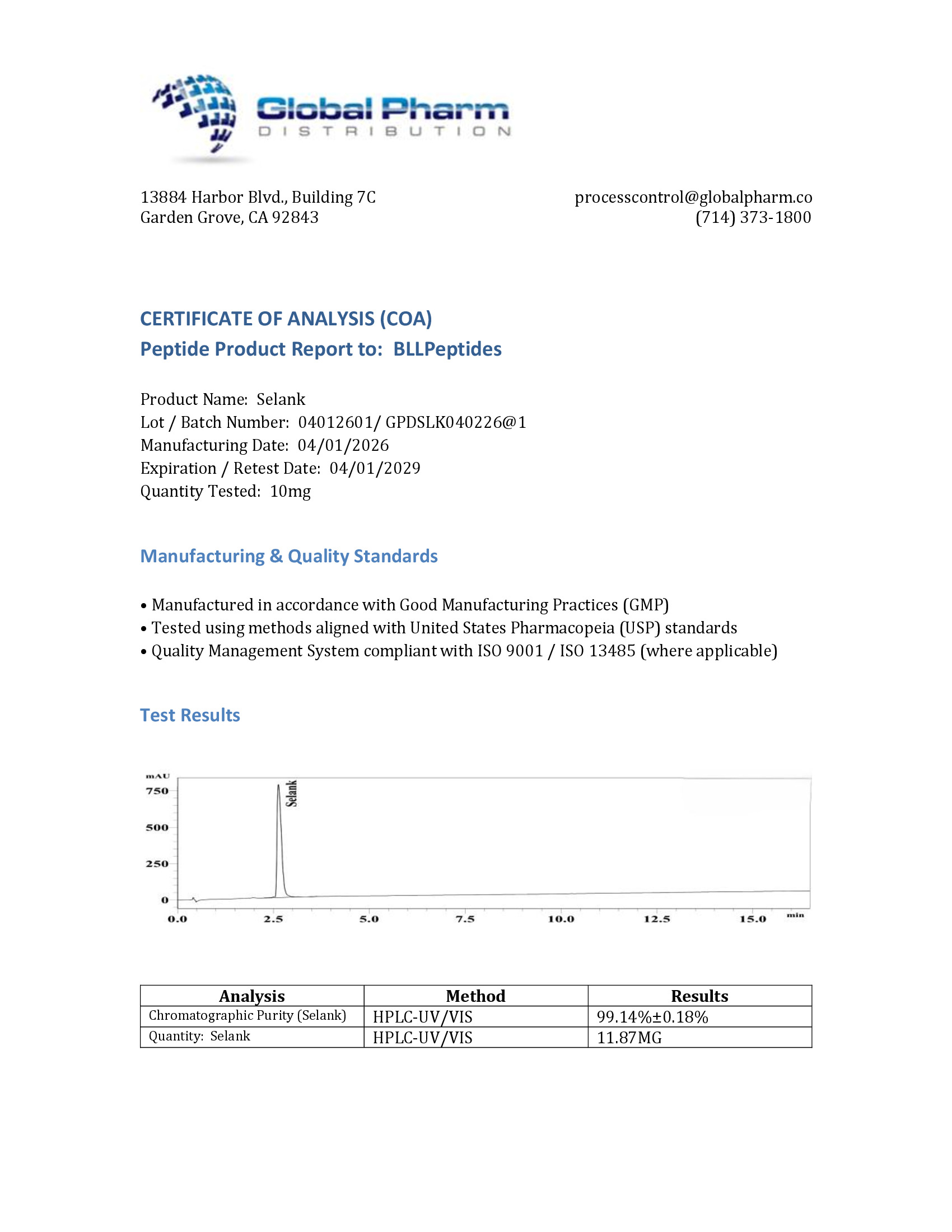
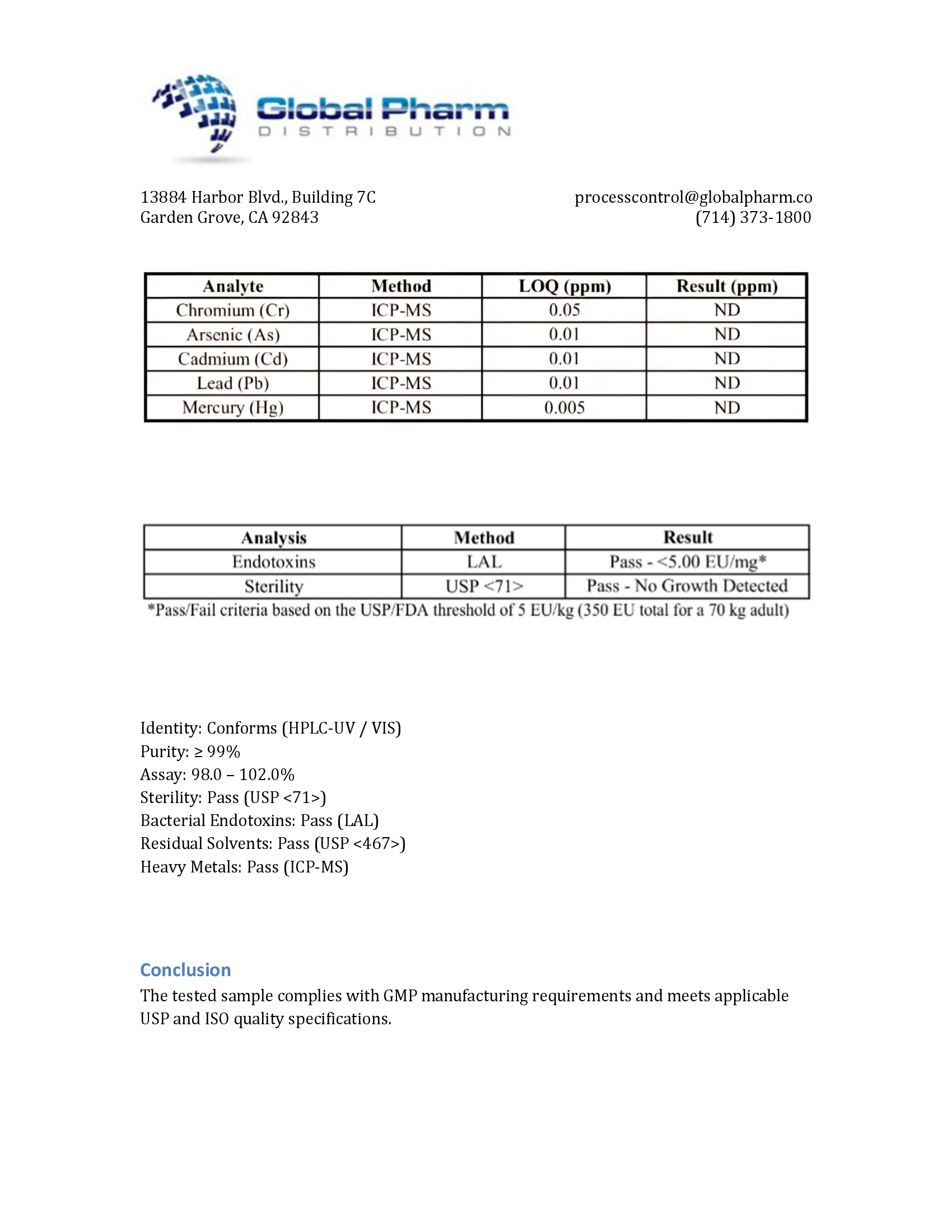
| ✅ COA tested every batch | ✅ 98%+ purity guaranteed |
| ✅ USA manufactured, GMP-certified | ✅ Glass vials — not plastic |
| ✅ Veteran-owned company | ✅ Free shipping over $150 |
Related Products
-
LL-37 5mg (3ml)
$44.99 -
KPV 10mg (3ml)
Original price was: $99.99.$68.99Current price is: $68.99. -
WOLVERINE BPC-157 + TB-500 10/10mg (3ml)
Original price was: $190.00.$99.99Current price is: $99.99. -
WOLVERINE BPC-157 and TB-500 5/5mg (3ml)
Original price was: $114.00.$59.99Current price is: $59.99.