Sale!


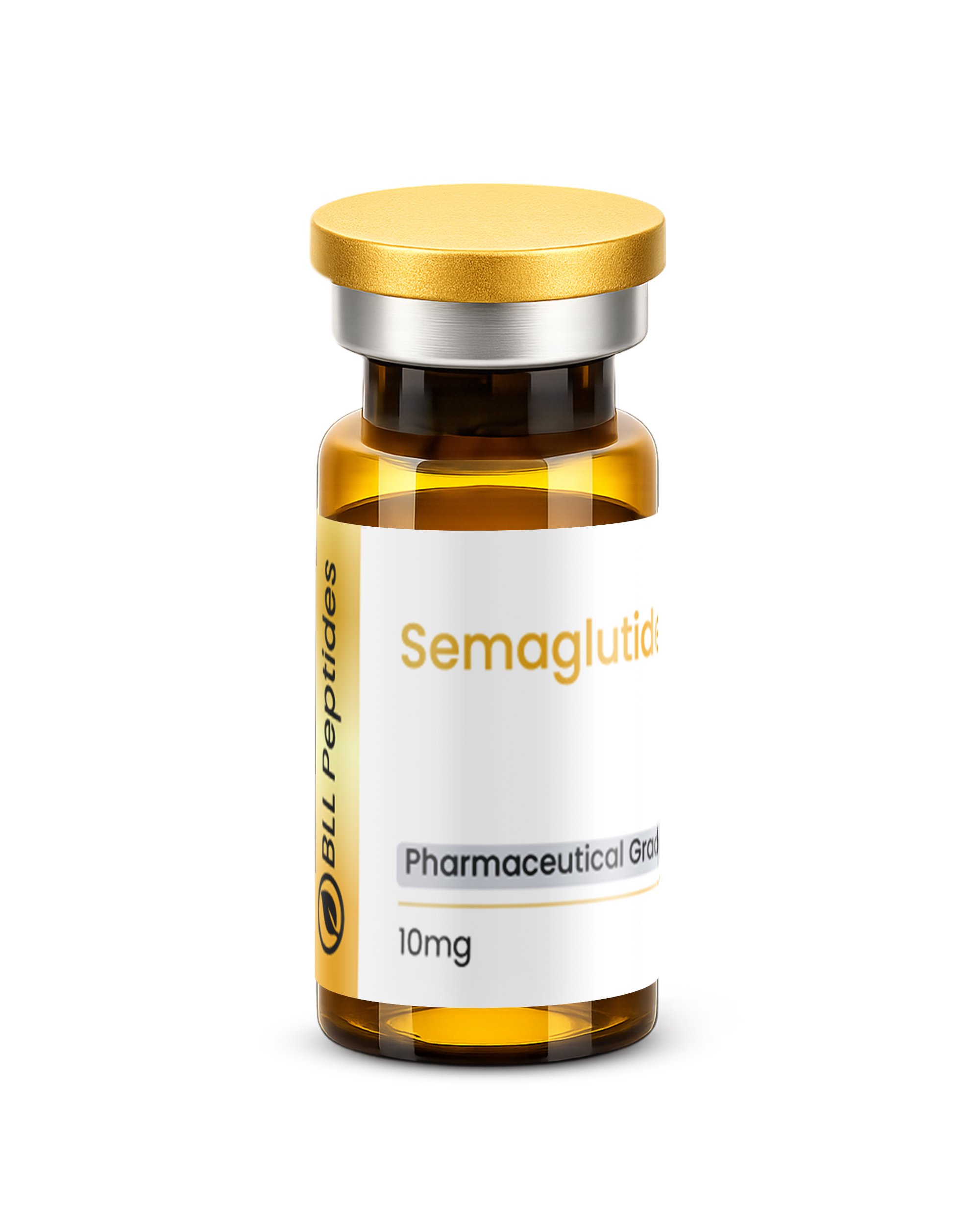
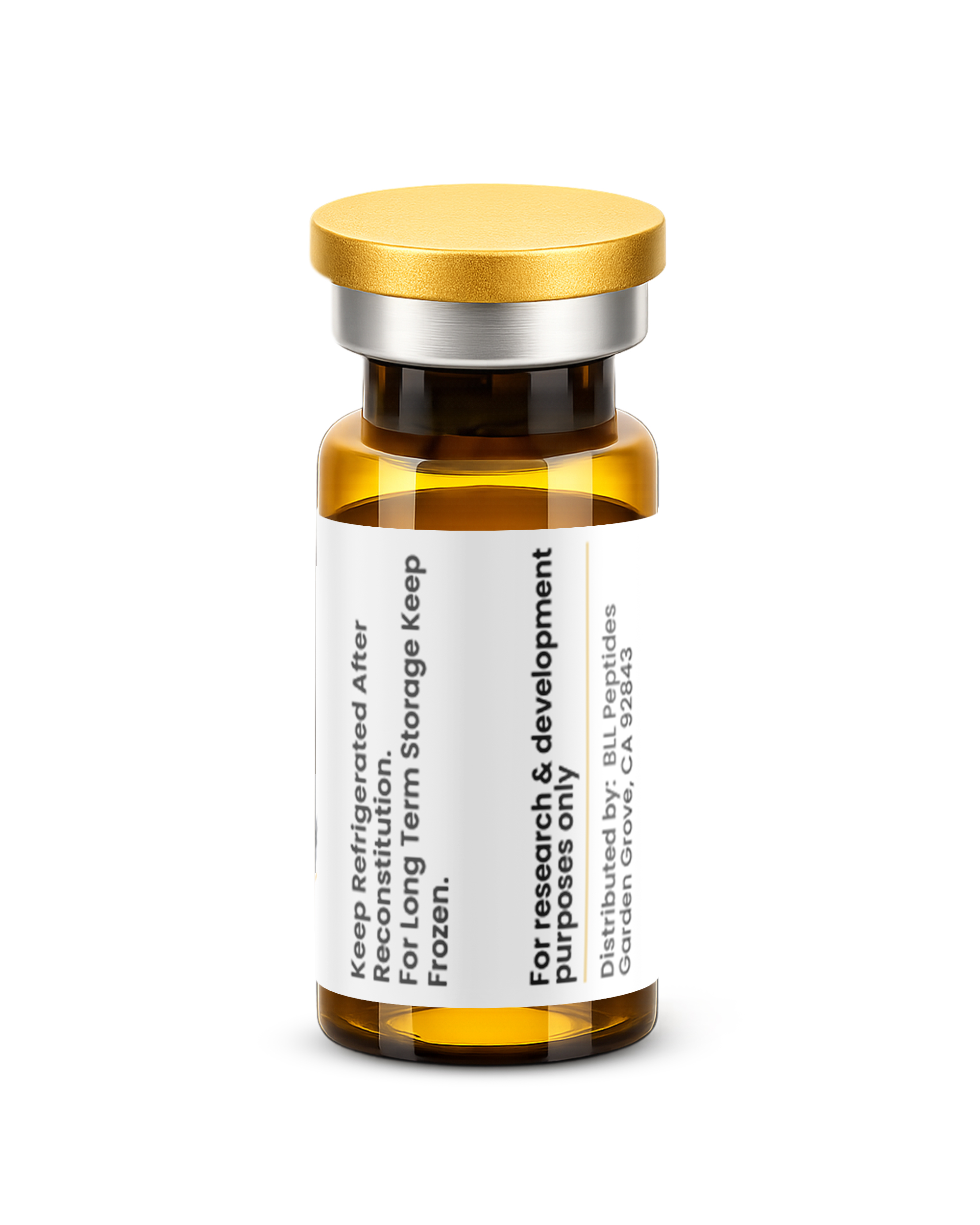
Semaglutide 10mg (3ml)
Original price was: $199.99.$129.99Current price is: $129.99.
Semaglutide is a research-grade GLP-1 receptor agonist peptide studied for effects on glucose metabolism, insulin secretion, appetite regulation, and cardiovascular outcomes in metabolic research. Researchers investigating metabolic disorders and obesity biology rely on pharmaceutical-grade purity for valid research findings. Available at BLL Peptides — USA-made, rigorously tested, 10mg. ✅ COA tested every batch✅ 98%+ purity…
Description
Semaglutide: Complete Research Guide – GLP-1 Receptor Agonist Mechanisms, Clinical Evidence, and Metabolic Applications
Last updated: March 2026
Executive Summary
Semaglutide is a long-acting glucagon-like peptide-1 (GLP-1) receptor agonist originally developed by Novo Nordisk for the treatment of type 2 diabetes mellitus and chronic weight management. As a 31-amino acid peptide analog of native human GLP-1(7-37), semaglutide incorporates strategic structural modifications — including an aminoisobutyric acid (Aib) substitution at position 8, a C-18 fatty diacid chain linked via a mini-PEG spacer at Lys26, and an Arg34 substitution — that collectively extend its plasma half-life from approximately 2 minutes (native GLP-1) to roughly 165 hours (~7 days), enabling once-weekly dosing in clinical applications.
The molecular formula of semaglutide is C187H291N45O59, with a molecular weight of approximately 4,113.58 Daltons. Its mechanism of action involves high-affinity binding to the GLP-1 receptor, a class B G-protein coupled receptor expressed on pancreatic beta cells, central nervous system appetite centers, and cardiovascular tissues. Activation of this receptor triggers glucose-dependent insulin secretion, glucagon suppression, delayed gastric emptying, and hypothalamic appetite regulation [1].
Semaglutide has been the subject of extensive clinical investigation through the SUSTAIN (type 2 diabetes) and STEP (obesity) trial programs, which collectively enrolled over 20,000 participants and demonstrated sustained reductions in HbA1c (up to 1.8%) and body weight (up to 15-17% from baseline). The SELECT cardiovascular outcomes trial further demonstrated a 20% reduction in major adverse cardiovascular events in overweight/obese individuals without diabetes, establishing semaglutide as a landmark compound in metabolic disease research [2, 3].
Table of Contents
- Introduction and Development History
- Molecular Structure and Chemistry
- Interactive Molecular Structure
- Detailed Mechanism of Action
- Scientific Research Review
- Comparison with Related GLP-1 Agonists
- Safety Profile and Pharmacology
- Research Applications
- References
- Disclaimer
Introduction and Development History
Origins of GLP-1 Therapeutics
The development of semaglutide is rooted in decades of incretin biology research. In 1983, Graeme Bell and colleagues cloned the proglucagon gene, revealing that the same precursor protein that yields glucagon in pancreatic alpha cells also produces glucagon-like peptide-1 (GLP-1) in intestinal L-cells through tissue-specific post-translational processing [4]. The subsequent discovery by Jens Juul Holst and colleagues at the University of Copenhagen that GLP-1(7-37) and its amidated form GLP-1(7-36)NH2 potently stimulate glucose-dependent insulin secretion established the scientific foundation for an entirely new class of diabetes therapeutics [5].
The central challenge for GLP-1-based drug development was the native peptide's extremely short half-life. Endogenous GLP-1 is degraded within 1-2 minutes by dipeptidyl peptidase-4 (DPP-4), which cleaves the N-terminal His-Ala dipeptide, rendering the molecule inactive. This rapid degradation necessitated either continuous infusion or substantial molecular engineering to achieve clinically useful pharmacokinetics.
The Novo Nordisk Engineering Approach
Novo Nordisk's approach to overcoming GLP-1's pharmacokinetic limitations evolved through successive generations of peptide engineering. Liraglutide (Victoza/Saxenda), approved in 2010, represented the first generation — incorporating a C-16 fatty acid (palmitic acid) at Lys26 via a glutamic acid spacer, which enabled reversible albumin binding and extended the half-life to approximately 13 hours, permitting once-daily dosing [6].
Semaglutide emerged as the second-generation compound, developed by Lotte Bjerre Knudsen and her team at Novo Nordisk Research. The key innovations were:
- Aib8 substitution: Replacing alanine at position 8 with alpha-aminoisobutyric acid (Aib), which confers near-complete resistance to DPP-4 cleavage
- C-18 fatty diacid acylation: Attaching an octadecanedioic (C-18) fatty diacid chain — rather than liraglutide's C-16 monoacid — at Lys26 via a mini-PEG (OEG-OEG) linker, dramatically increasing albumin binding affinity
- Arg34 substitution: Replacing lysine at position 34 with arginine to prevent acylation at this secondary site
These modifications collectively extended the half-life to approximately 165 hours, enabling once-weekly subcutaneous administration [7].
Regulatory and Clinical Milestones
- 2017: FDA approval of Ozempic (subcutaneous semaglutide) for type 2 diabetes
- 2019: FDA approval of Rybelsus (oral semaglutide) — first oral GLP-1 receptor agonist
- 2021: FDA approval of Wegovy (high-dose semaglutide 2.4 mg) for chronic weight management
- 2023: SELECT trial results published, demonstrating cardiovascular risk reduction independent of diabetes status [3]
Molecular Structure and Chemistry
Amino Acid Sequence
Semaglutide is a 31-amino acid peptide based on native human GLP-1(7-37) with three key modifications:
Modified sequence: His-Aib-Glu-Gly-Thr-Phe-Thr-Ser-Asp-Val-Ser-Ser-Tyr-Leu-Glu-Gly-Gln-Ala-Ala-Lys(C-18 fatty diacid via OEG-OEG-γGlu linker)-Glu-Phe-Ile-Ala-Trp-Leu-Val-Arg-Gly-Arg
Single-letter code: H-Aib-E-G-T-F-T-S-D-V-S-S-Y-L-E-G-Q-A-A-K*-E-F-I-A-W-L-V-R-G-R
Where bold indicates modifications from native GLP-1(7-37), and K* denotes the acylated lysine at position 26.
Acylation Chemistry
The C-18 fatty diacid side chain attached at Lys26 is the primary determinant of semaglutide's extended pharmacokinetics. The full linker structure is:
Lys26 → γGlu → mini-PEG (OEG) → mini-PEG (OEG) → octadecanedioic acid (C-18 diacid)
This side chain enables:
- Albumin binding: >99% of circulating semaglutide is bound to serum albumin, which serves as a depot and shields the peptide from renal clearance and enzymatic degradation
- Reduced renal clearance: The large hydrodynamic radius of the albumin-semaglutide complex minimizes glomerular filtration
- Sustained receptor engagement: Slow dissociation from albumin provides continuous GLP-1 receptor stimulation between weekly doses [7]
Physicochemical Properties
| Property | Value |
|---|---|
| Molecular Formula | C187H291N45O59 |
| Molecular Weight | 4,113.58 Da |
| CAS Number | 910463-68-2 |
| Isoelectric Point | ~4.2 |
| Appearance | Clear, colorless to slightly yellow solution (prefilled pen) |
| Solubility | Soluble in aqueous buffers at physiological pH |
| Storage | 2-8°C; stable at room temperature (≤30°C) for up to 56 days in use |
| Sequence Length | 31 amino acids (+ acyl side chain) |
| Plasma Half-Life | Approximately 165 hours (7 days) |
| Albumin Binding | >99% |
Structural Comparison with Native GLP-1
Native GLP-1(7-37) adopts an amphipathic alpha-helical conformation critical for receptor binding. The N-terminal residues (His7-Gly10) form a disordered coil that inserts into the transmembrane domain of the GLP-1 receptor, while residues 11-31 form a continuous alpha-helix that engages the receptor's extracellular domain. Semaglutide preserves this helical architecture — the Aib8 substitution actually stabilizes the local helical conformation, while the fatty acid chain at Lys26 extends away from the receptor-binding surface, minimizing steric interference [8].
Interactive Molecular Structure
The following interactive 3D visualization renders the semaglutide peptide backbone. The structure displays the alpha-helical conformation characteristic of GLP-1 receptor agonists, with the acylated lysine at position 20 (K26 in GLP-1 numbering) highlighted as the fatty acid attachment point.
Semaglutide • C187H291N45O59 • MW 4113.58 Da
Drag to rotate • Scroll to zoom
Legend: The interactive visualization above depicts the 31-residue alpha-helical backbone of semaglutide. Each node represents an amino acid residue color-coded by chemical property. The dashed orange chain extending from K* (Lys26) represents the C-18 fatty diacid side chain responsible for albumin binding and the peptide's 7-day half-life. The purple node at position 2 represents the Aib (aminoisobutyric acid) substitution that confers DPP-4 resistance. Drag to rotate; scroll to zoom.
Detailed Mechanism of Action
GLP-1 Receptor Binding and Activation
Semaglutide exerts its biological effects through high-affinity binding to the GLP-1 receptor (GLP-1R), a 463-amino acid class B (secretin family) G-protein coupled receptor. The binding interaction involves a two-domain model:
- Extracellular domain (ECD) engagement: The C-terminal alpha-helix of semaglutide (residues 18-30) binds to the ECD of GLP-1R with high affinity, anchoring the peptide to the receptor
- Transmembrane domain (TMD) insertion: The N-terminal residues (His7-Aib8-Glu9) insert into the TMD core, triggering conformational changes that activate the G-protein cascade
Upon receptor activation, the following intracellular signaling cascades are initiated [8]:
- Gαs pathway: Adenylyl cyclase activation → cAMP production → PKA activation → CREB phosphorylation
- β-arrestin recruitment: Receptor internalization and secondary signaling
- Epac2 activation: cAMP-dependent exchange protein activation, particularly important in beta-cell insulin exocytosis
Pancreatic Effects (Glucose-Dependent)
Semaglutide's effects on the endocrine pancreas are strictly glucose-dependent, which is a critical safety feature distinguishing GLP-1 agonists from sulfonylureas:
Beta-cell insulin secretion: At elevated glucose concentrations (≥5.5 mM), GLP-1R activation on beta cells amplifies glucose-stimulated insulin secretion (GSIS) by 2-3 fold. The mechanism involves cAMP/PKA-mediated closure of KATP channels, enhanced Ca2+ influx, and direct facilitation of insulin granule exocytosis. At normal or low glucose concentrations, this amplification ceases, preventing hypoglycemia [9].
Alpha-cell glucagon suppression: Semaglutide suppresses inappropriate glucagon secretion from alpha cells during hyperglycemia, reducing hepatic glucose output. This effect is both direct (via GLP-1R on alpha cells) and indirect (via paracrine insulin and somatostatin signaling) [10].
Beta-cell preservation: Preclinical studies demonstrate that GLP-1R activation promotes beta-cell proliferation, inhibits apoptosis, and enhances differentiation of pancreatic progenitor cells, suggesting potential disease-modifying effects beyond glucose lowering [11].
Central Nervous System Effects
A major component of semaglutide's weight-loss efficacy is mediated through central GLP-1 receptors in the hypothalamus and brainstem:
Appetite regulation: GLP-1R expressed on neurons in the arcuate nucleus (ARC), paraventricular nucleus (PVN), and nucleus of the solitary tract (NTS) modulate appetite circuits. Semaglutide activation of these receptors promotes POMC/CART (anorexigenic) neuron firing and suppresses NPY/AgRP (orexigenic) neuron activity, resulting in reduced hunger and increased satiety [12].
Food reward modulation: fMRI studies in the STEP program demonstrated that semaglutide reduces activation of brain reward centers (nucleus accumbens, ventral tegmental area) in response to food cues, suggesting modulation of the hedonic component of eating behavior beyond homeostatic appetite regulation [13].
Gastric emptying: Semaglutide delays gastric emptying by 10-30% through vagal nerve-mediated mechanisms, contributing to early satiety and reduced postprandial glucose excursions. Notably, this effect shows some tachyphylaxis over weeks of treatment, while the central appetite effects persist [14].
Cardiovascular Mechanisms
The GLP-1 receptor is expressed on cardiomyocytes, vascular endothelial cells, and smooth muscle cells. Semaglutide's cardiovascular effects include:
- Anti-inflammatory: Reduces C-reactive protein (CRP), IL-6, and TNF-α in clinical studies by 30-40% [15]
- Anti-atherogenic: Decreases monocyte adhesion to endothelium and reduces macrophage foam cell formation
- Cardioprotective: Enhances myocardial glucose uptake and reduces infarct size in preclinical ischemia models
- Lipid modulation: Reduces triglycerides (15-20%), total cholesterol, and LDL while modestly increasing HDL
Scientific Research Review
SUSTAIN Clinical Trial Program (Type 2 Diabetes)
The SUSTAIN (Semaglutide Unabated Sustainability in Treatment of Type 2 Diabetes) program comprised 10 phase III trials enrolling over 9,000 patients with type 2 diabetes:
SUSTAIN-1 (monotherapy, n=388): Semaglutide 0.5 mg and 1.0 mg once weekly reduced HbA1c by 1.45% and 1.55% respectively vs. 0.02% for placebo at 30 weeks. Body weight decreased by 3.7 kg (0.5 mg) and 4.5 kg (1.0 mg) [1].
SUSTAIN-6 (cardiovascular outcomes, n=3,297): In patients with established cardiovascular disease or cardiovascular risk factors, semaglutide reduced the composite endpoint of cardiovascular death, nonfatal myocardial infarction, and nonfatal stroke by 26% (HR 0.74, 95% CI 0.58-0.95, p=0.02). Notably, this benefit was primarily driven by a 39% reduction in nonfatal stroke [16].
SUSTAIN-7 (vs. dulaglutide, n=1,201): Head-to-head comparison demonstrated superiority of semaglutide 0.5 mg over dulaglutide 0.75 mg (-1.5% vs. -1.1% HbA1c) and semaglutide 1.0 mg over dulaglutide 1.5 mg (-1.8% vs. -1.4% HbA1c), with significantly greater weight loss in all semaglutide arms [17].
STEP Clinical Trial Program (Obesity)
The STEP (Semaglutide Treatment Effect in People with Obesity) program evaluated semaglutide 2.4 mg weekly in individuals with overweight/obesity:
STEP-1 (n=1,961): Semaglutide 2.4 mg produced a mean body weight reduction of 14.9% vs. 2.4% for placebo over 68 weeks. One-third of participants achieved ≥20% body weight loss, a threshold previously achievable only through bariatric surgery [2].
STEP-2 (type 2 diabetes, n=1,210): In patients with T2D and obesity, semaglutide 2.4 mg reduced body weight by 9.6% vs. 3.4% for placebo, with concurrent HbA1c reduction of 1.6% [18].
STEP-3 (intensive behavioral therapy, n=611): Semaglutide combined with intensive behavioral therapy (30 sessions of diet counseling) achieved 16.0% weight loss vs. 5.7% with behavioral therapy plus placebo [19].
STEP-5 (2-year data, n=304): Extended follow-up demonstrated sustained 15.2% weight loss at 104 weeks with continued semaglutide use, confirming durability of the metabolic effects [20].
SELECT Cardiovascular Outcomes Trial
The SELECT trial (Semaglutide Effects on Cardiovascular Outcomes in People with Overweight or Obesity) was a landmark study that fundamentally expanded the clinical significance of semaglutide:
- Design: Randomized, double-blind, placebo-controlled trial in 17,604 adults aged ≥45 years with BMI ≥27 kg/m2 and established cardiovascular disease but without diabetes
- Primary endpoint: Time to first occurrence of composite MACE (cardiovascular death, nonfatal MI, nonfatal stroke)
- Result: 20% relative risk reduction in MACE (HR 0.80, 95% CI 0.72-0.90, p<0.001) at mean follow-up of 39.8 months
- Weight loss: Mean 9.4% reduction from baseline [3]
This trial demonstrated that semaglutide reduces cardiovascular events independent of diabetes status, establishing it as the first anti-obesity medication proven to reduce MACE in a dedicated outcomes trial.
Oral Semaglutide Research (PIONEER Program)
The PIONEER program (10 trials, >9,000 patients) validated Novo Nordisk's SNAC (sodium N-[8-(2-hydroxybenzoyl)amino]caprylate) absorption-enhancing technology for oral peptide delivery:
- Bioavailability: Oral semaglutide (Rybelsus) achieves approximately 0.4-1% bioavailability via transcellular gastric absorption facilitated by SNAC
- PIONEER-6 (cardiovascular safety, n=3,183): Oral semaglutide demonstrated non-inferior cardiovascular safety, with a point estimate suggesting potential benefit (HR 0.79 for MACE, p=0.17 for superiority) [21]
Comparison with Related GLP-1 Agonists
| Feature | Semaglutide | Liraglutide | Tirzepatide | Dulaglutide | Exenatide ER |
|---|---|---|---|---|---|
| Type | GLP-1 analog | GLP-1 analog | Dual GIP/GLP-1 | GLP-1 analog | Exendin-4 based |
| Molecular Weight | 4,114 Da | 3,751 Da | 4,814 Da | ~63,000 Da (Fc fusion) | 4,187 Da |
| Half-life | ~165 hr | ~13 hr | ~117 hr | ~120 hr | Variable (microsphere) |
| Dosing | Weekly SC or daily oral | Daily SC | Weekly SC | Weekly SC | Weekly SC |
| Max HbA1c Reduction | ~1.8% | ~1.5% | ~2.4% | ~1.5% | ~1.5% |
| Max Weight Loss | ~15-17% | ~8% | ~20-22% | ~5% | ~4% |
| CV Outcome Benefit | Proven (SUSTAIN-6, SELECT) | Proven (LEADER) | Proven (SURPASS-CVOT) | Not demonstrated | Not demonstrated |
| Oral Formulation | Yes (Rybelsus) | No | In development | No | No |
| DPP-4 Resistance | Aib8 substitution | Acylation only | Aib2 substitution | Fc fusion | Exendin backbone |
| Albumin Binding | C-18 diacid (>99%) | C-16 monoacid (~99%) | C-20 eicosanedioic acid | N/A (Fc-mediated) | N/A (microsphere) |
Key Differentiators
Semaglutide vs. Liraglutide: Semaglutide's enhanced acylation chemistry (C-18 diacid vs. C-16 monoacid) and DPP-4 resistance (Aib8) translate to superior albumin binding affinity and enzymatic stability. Clinically, this produces approximately 2x greater weight loss (15% vs. 8%) and superior HbA1c reduction at equipotent doses [22].
Semaglutide vs. Tirzepatide: Tirzepatide (Mounjaro/Zepbound) is a dual GIP/GLP-1 receptor agonist that has demonstrated greater weight loss (~22% vs. ~17%) in head-to-head comparison (SURMOUNT-5 trial). The additional GIP receptor agonism may contribute to enhanced adipose tissue lipid uptake and distinct CNS signaling [23].
Safety Profile and Pharmacology
Pharmacokinetics
| Parameter | Subcutaneous (Ozempic/Wegovy) | Oral (Rybelsus) |
|---|---|---|
| Tmax | 1-3 days | 1 hour (fasting) |
| Half-life | ~165 hours (7 days) | ~165 hours (7 days) |
| Bioavailability | ~89% | 0.4-1% |
| Steady state | 4-5 weeks | 4-5 weeks |
| Metabolism | Proteolytic backbone cleavage, beta-oxidation of fatty acid chain | Same (post-absorption) |
| Elimination | Urine (approximately 3%) and feces (main route) | Same |
| Protein binding | >99% (albumin) | >99% (albumin) |
Clinical Safety Data
Across the SUSTAIN and STEP programs involving >20,000 participants, the following safety profile has been established [1, 2, 3]:
Gastrointestinal effects (most common):
- Nausea: 15-44% (dose-dependent, typically transient during dose escalation)
- Diarrhea: 8-30%
- Vomiting: 5-24%
- Constipation: 5-24%
- Abdominal pain: 5-20%
- Most GI effects are mild-moderate and diminish over 4-8 weeks of continued treatment
Serious adverse events of interest:
- Pancreatitis: Observed at rates of 0.1-0.3% vs. 0.1% placebo; no clear causal relationship established but monitoring is recommended [24]
- Gallbladder events: Cholelithiasis rates of 1.2-1.6% vs. 0.6-0.8% placebo, likely related to rapid weight loss rather than direct pharmacology
- Diabetic retinopathy complications: SUSTAIN-6 showed a transient increase in retinopathy events (3.0% vs. 1.8%), attributed to rapid glucose improvement in patients with pre-existing retinopathy rather than a direct peptide effect [16]
- Thyroid C-cell tumors: Rodent carcinogenicity studies showed dose-dependent thyroid C-cell hyperplasia and medullary thyroid carcinoma (MTC) at 10-60x human exposure levels. This is a GLP-1R class effect observed with all agonists in rodents but has not been confirmed in primates or humans. Semaglutide is contraindicated in individuals with personal/family history of MTC or MEN2 [25]
Hypoglycemia: As monotherapy or with metformin, clinically significant hypoglycemia (glucose <54 mg/dL) occurs at rates comparable to placebo (<1%). Risk increases when combined with sulfonylureas or insulin.
Research Applications
Semaglutide serves as a pivotal research compound across multiple biomedical domains:
- Incretin biology: Studying GLP-1 receptor pharmacology, biased agonism, and receptor trafficking kinetics
- Obesity pathophysiology: Investigating central appetite circuits, food reward neuroscience, and hypothalamic GLP-1 receptor signaling
- Cardiovascular research: Elucidating anti-inflammatory and anti-atherogenic mechanisms independent of glucose lowering
- Peptide engineering: Studying acylation chemistry, albumin binding, and half-life extension technologies as a paradigm for long-acting peptide design
- Oral peptide delivery: Investigating SNAC-mediated transcellular absorption as a platform technology for oral biologics
- NASH/MAFLD research: Ongoing studies (ESSENCE trial) exploring semaglutide's effects on non-alcoholic steatohepatitis and liver fibrosis
- Neurodegenerative disease: Emerging research on GLP-1R agonism in Alzheimer's disease (EVOKE trial) and Parkinson's disease neuroprotection
- Comparative pharmacology: Benchmarking against dual (tirzepatide) and triple (retatrutide) incretin agonists
References
[1] Sorli, C., Harashima, S., Tsoukas, G.M., et al. (2017). "Efficacy and safety of once-weekly semaglutide monotherapy versus placebo in patients with type 2 diabetes (SUSTAIN 1): a double-blind, randomised, placebo-controlled, parallel-group, multinational, multicentre phase 3a trial." Lancet Diabetes & Endocrinology, 5(4), 251-260. DOI: 10.1016/S2213-8587(17)30013-X
[2] Wilding, J.P.H., Batterham, R.L., Calanna, S., et al. (2021). "Once-weekly semaglutide in adults with overweight or obesity." New England Journal of Medicine, 384(11), 989-1002. DOI: 10.1056/NEJMoa2032183
[3] Lincoff, A.M., Brown-Frandsen, K., Colhoun, H.M., et al. (2023). "Semaglutide and cardiovascular outcomes in obesity without diabetes." New England Journal of Medicine, 389(24), 2221-2232. DOI: 10.1056/NEJMoa2307563
[4] Bell, G.I., Santerre, R.F., & Mullenbach, G.T. (1983). "Hamster preproglucagon contains the sequence of glucagon and two related peptides." Nature, 302(5910), 716-718. DOI: 10.1038/302716a0
[5] Holst, J.J., Orskov, C., Nielsen, O.V., & Schwartz, T.W. (1987). "Truncated glucagon-like peptide I, an insulin-releasing hormone from the distal gut." FEBS Letters, 211(2), 169-174. DOI: 10.1016/0014-5793(87)81430-8
[6] Knudsen, L.B., Nielsen, P.F., Huusfeldt, P.O., et al. (2000). "Potent derivatives of glucagon-like peptide-1 with pharmacokinetic properties suitable for once daily administration." Journal of Medicinal Chemistry, 43(9), 1664-1669. DOI: 10.1021/jm9909645
[7] Lau, J., Bloch, P., Schaffer, L., et al. (2015). "Discovery of the once-weekly glucagon-like peptide-1 (GLP-1) analogue semaglutide." Journal of Medicinal Chemistry, 58(18), 7370-7380. DOI: 10.1021/acs.jmedchem.5b00726
[8] Zhang, Y., Sun, B., Feng, D., et al. (2017). "Cryo-EM structure of the activated GLP-1 receptor in complex with a G protein." Nature, 546(7657), 248-253. DOI: 10.1038/nature22394
[9] Nauck, M.A. & Meier, J.J. (2018). "Incretin hormones: their role in health and disease." Diabetes, Obesity and Metabolism, 20(Suppl 1), 5-21. DOI: 10.1111/dom.13129
[10] Hare, K.J., Vilsboll, T., Asmar, M., et al. (2010). "The glucagonostatic and insulinotropic effects of glucagon-like peptide 1 contribute equally to its glucose-lowering action." Diabetes, 59(7), 1765-1770. DOI: 10.2337/db09-1414
[11] Drucker, D.J. (2018). "Mechanisms of action and therapeutic application of glucagon-like peptide-1." Cell Metabolism, 27(4), 740-756. DOI: 10.1016/j.cmet.2018.03.001
[12] Secher, A., Jelsing, J., Baquero, A.F., et al. (2014). "The arcuate nucleus mediates GLP-1 receptor agonist liraglutide-dependent weight loss." Journal of Clinical Investigation, 124(10), 4473-4488. DOI: 10.1172/JCI75276
[13] Friedrichsen, M., Breitschaft, A., Tadayon, S., et al. (2021). "The effect of semaglutide 2.4 mg once weekly on energy intake, appetite, control of eating, and gastric emptying in adults with obesity." Diabetes, Obesity and Metabolism, 23(3), 754-762. DOI: 10.1111/dom.14280
[14] Nauck, M.A., Kemmeries, G., Holst, J.J., & Meier, J.J. (2011). "Rapid tachyphylaxis of the glucagon-like peptide 1-induced deceleration of gastric emptying in humans." Diabetes, 60(5), 1561-1565. DOI: 10.2337/db10-0474
[15] Rakipovski, G., Rolin, B., Nohr, J., et al. (2018). "The GLP-1 analogs liraglutide and semaglutide reduce atherosclerosis in ApoE−/− and LDLr−/− mice by a mechanism that includes inflammatory pathways." JACC: Basic to Translational Science, 3(6), 844-857. DOI: 10.1016/j.jacbts.2018.09.004
[16] Marso, S.P., Bain, S.C., Consoli, A., et al. (2016). "Semaglutide and cardiovascular outcomes in patients with type 2 diabetes." New England Journal of Medicine, 375(19), 1834-1844. DOI: 10.1056/NEJMoa1607141
[17] Pratley, R.E., Aroda, V.R., Lingvay, I., et al. (2018). "Semaglutide versus dulaglutide once weekly in patients with type 2 diabetes (SUSTAIN 7): a randomised, open-label, phase 3b trial." Lancet Diabetes & Endocrinology, 6(4), 275-286. DOI: 10.1016/S2213-8587(18)30024-X
[18] Davies, M., Faerch, L., Jeppesen, O.K., et al. (2021). "Semaglutide 2.4 mg once a week in adults with overweight or obesity, and type 2 diabetes (STEP 2): a randomised, double-blind, double-dummy, placebo-controlled, phase 3 trial." Lancet, 397(10278), 971-984. DOI: 10.1016/S0140-6736(21)00213-0
[19] Wadden, T.A., Bailey, T.S., Billings, L.K., et al. (2021). "Effect of subcutaneous semaglutide vs placebo as an adjunct to intensive behavioral therapy on body weight in adults with overweight or obesity: the STEP 3 randomized clinical trial." JAMA, 325(14), 1403-1413. DOI: 10.1001/jama.2021.1831
[20] Garvey, W.T., Batterham, R.L., Bhatta, M., et al. (2022). "Two-year effects of semaglutide in adults with overweight or obesity: the STEP 5 trial." Nature Medicine, 28(10), 2083-2091. DOI: 10.1038/s41591-022-02026-4
[21] Husain, M., Birkenfeld, A.L., Donsmark, M., et al. (2019). "Oral semaglutide and cardiovascular outcomes in patients with type 2 diabetes." New England Journal of Medicine, 381(9), 841-851. DOI: 10.1056/NEJMoa1901118
[22] Capehorn, M.S., Catarig, A.M., Furberg, J.K., et al. (2020). "Efficacy and safety of once-weekly semaglutide 1.0 mg vs once-daily liraglutide 1.2 mg as add-on to 1-3 oral antidiabetic medications in subjects with type 2 diabetes (SUSTAIN 10)." Diabetes & Metabolism, 46(2), 100-109. DOI: 10.1016/j.diabet.2019.101117
[23] Frias, J.P., Davies, M.J., Rosenstock, J., et al. (2021). "Tirzepatide versus semaglutide once weekly in patients with type 2 diabetes." New England Journal of Medicine, 385(6), 503-515. DOI: 10.1056/NEJMoa2107519
[24] Storgaard, H., Cold, F., Gluud, L.L., Vilsboll, T., & Knop, F.K. (2017). "Glucagon-like peptide-1 receptor agonists and risk of acute pancreatitis in patients with type 2 diabetes." Diabetes, Obesity and Metabolism, 19(6), 906-908. DOI: 10.1111/dom.12885
[25] Bjerre Knudsen, L., Madsen, L.W., Andersen, S., et al. (2010). "Glucagon-like peptide-1 receptor agonists activate rodent thyroid C-cells causing calcitonin release and C-cell proliferation." Endocrinology, 151(4), 1473-1486. DOI: 10.1210/en.2009-1272
Disclaimer
This product description is intended for informational and research purposes only. Semaglutide is sold as a research peptide and is not intended for human consumption, therapeutic use, or as a dietary supplement. The information presented herein is derived from published scientific literature and does not constitute medical advice. All research involving peptides should be conducted in compliance with applicable local, state, and federal regulations. Researchers should consult relevant institutional review boards and regulatory bodies before initiating any research protocols.
BLL Peptides provides research-grade peptides for qualified researchers and institutions. Product purity is verified by HPLC and mass spectrometry analysis. Certificates of analysis are available upon request.
Semaglutide is a research-grade GLP-1 receptor agonist peptide studied for effects on glucose metabolism, insulin secretion, appetite regulation, and cardiovascular outcomes in metabolic research. Researchers investigating metabolic disorders and obesity biology rely on pharmaceutical-grade purity for valid research findings. Available at BLL Peptides — USA-made, rigorously tested, 10mg.
| ✅ COA tested every batch | ✅ 98%+ purity guaranteed |
| ✅ USA manufactured, GMP-certified | ✅ Glass vials — not plastic |
| ✅ Veteran-owned company | ✅ Free shipping over $150 |
Related Articles
Related Products
-
MOTS-C 10mg (3ml)
Original price was: $99.99.$56.99Current price is: $56.99. -
KPV 10mg (3ml)
Original price was: $99.99.$68.99Current price is: $68.99. -
GHK-Cu 100mg (3ml)
Original price was: $99.99.$54.99Current price is: $54.99. -
DSIP 10mg (3ml)
Original price was: $120.00.$69.99Current price is: $69.99.