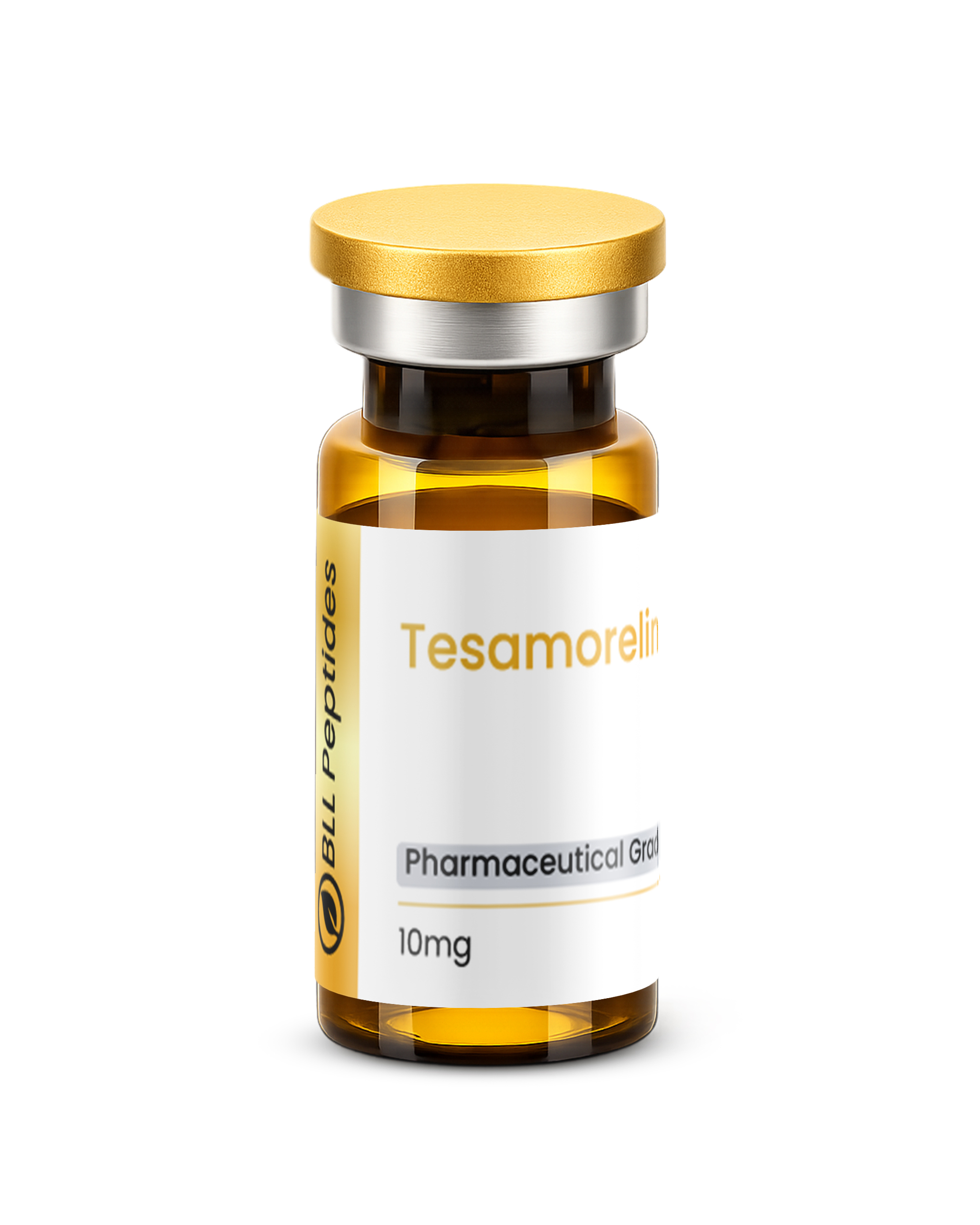
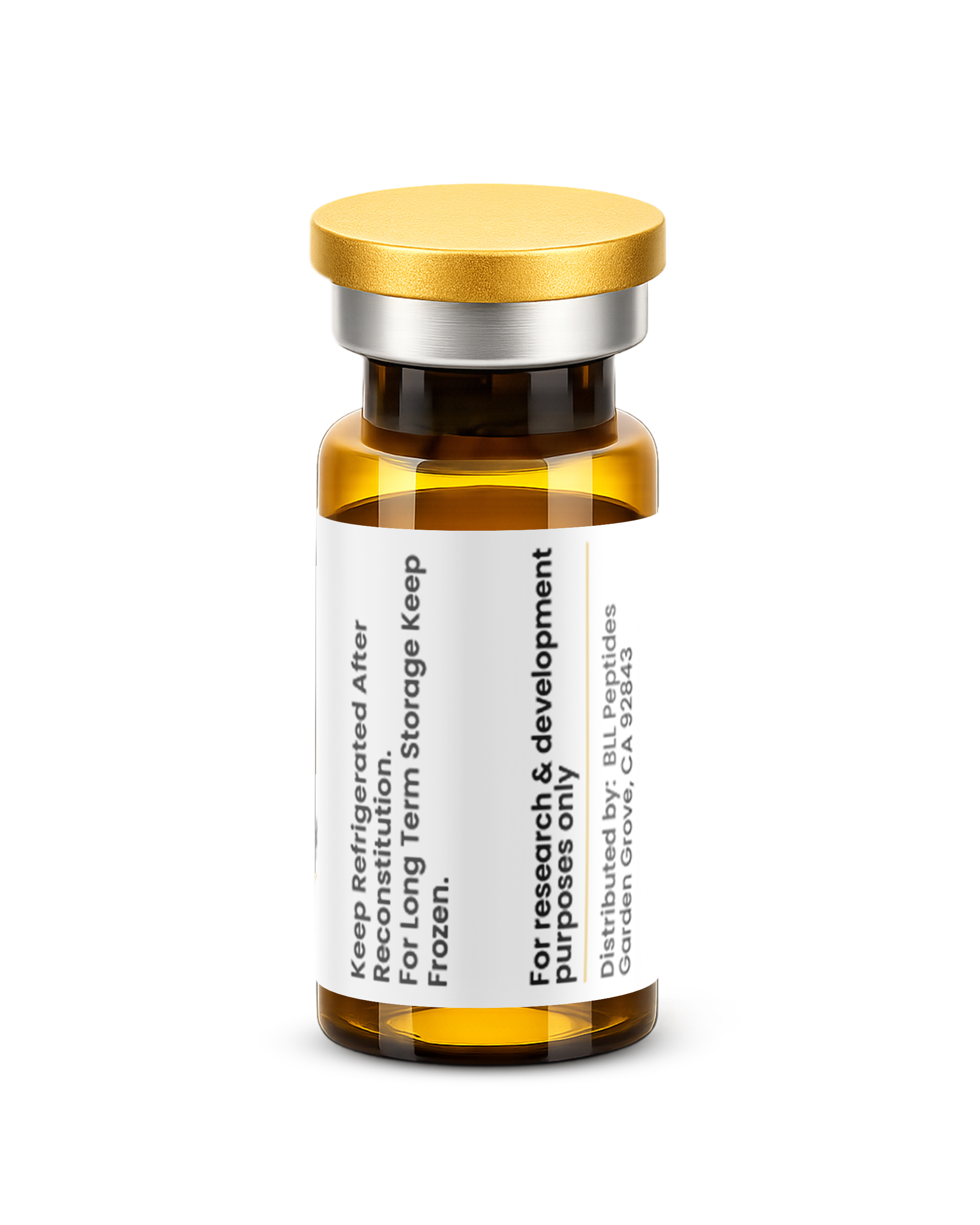
Tesamorelin 10mg (3ml)
Tesamorelin is a research-grade synthetic GHRH analog studied for effects on visceral adipose tissue reduction, IGF-1 stimulation, and growth hormone secretion in metabolic research. Researchers investigating metabolic and growth hormone pathways rely on pharmaceutical-grade purity for valid experimental outcomes. Available at BLL Peptides — USA-made, rigorously tested. ✅ COA tested every batch✅ 98%+ purity guaranteed…
Description
Tesamorelin: Complete Research Guide – GHRH Analog Mechanisms, Lipodystrophy Research, and Metabolic Applications
Last updated: March 2026
Executive Summary
Tesamorelin (formerly known as TH9507) is a synthetic growth hormone-releasing hormone (GHRH) analog comprising the full 44-amino acid sequence of human GHRH(1-44)NH2 with a trans-3-hexenoic acid modification at the N-terminal histidine residue. Developed by Theratechnologies Inc. of Montreal, Canada, tesamorelin is the only GHRH analog to have achieved FDA approval for a specific therapeutic indication: the reduction of excess abdominal fat in HIV-infected patients with lipodystrophy. The FDA approved tesamorelin under the trade name Egrifta in November 2010, and an updated formulation (Egrifta SV) with improved reconstitution characteristics received approval in 2019 [1].
The molecular formula of tesamorelin is C221H366N72O67S, with a molecular weight of approximately 5,135.9 Daltons and CAS registry number 218949-48-5. The critical structural feature distinguishing tesamorelin from native GHRH is the conjugation of trans-3-hexenoic acid to the alpha-amino group of the N-terminal tyrosine (position 1 in the tesamorelin sequence, corresponding to the His1 position of native GHRH). This modification confers enhanced resistance to enzymatic degradation by dipeptidyl peptidase IV (DPP-IV) and other serum proteases, extending the peptide's biological half-life while preserving full agonist activity at the GHRH receptor (GHRH-R) [2].
Tesamorelin acts as a selective GHRH-R agonist on anterior pituitary somatotroph cells, stimulating the synthesis and pulsatile release of endogenous growth hormone (GH). This GH secretion subsequently elevates circulating insulin-like growth factor 1 (IGF-1) levels, activating downstream anabolic and lipolytic pathways. In pivotal Phase III clinical trials, tesamorelin demonstrated significant reductions in visceral adipose tissue (VAT) of approximately 15-18% versus placebo in HIV-associated lipodystrophy, along with improvements in patient-reported trunk appearance and favorable effects on lipid profiles [3, 4]. Importantly, tesamorelin achieves these effects through a physiological mechanism that preserves the pulsatile nature of GH secretion, distinguishing it from exogenous GH administration.
Beyond its approved indication, tesamorelin has become a focus of active research in several metabolic and neurological domains. Clinical investigations have explored its potential in non-alcoholic fatty liver disease (NAFLD) and non-alcoholic steatohepatitis (NASH) among HIV-infected individuals, where it has demonstrated significant reductions in hepatic fat fraction and attenuation of fibrosis progression [5]. Emerging research has also examined tesamorelin's effects on cognitive function, with preliminary data suggesting potential neuroprotective properties mediated through the GH/IGF-1 axis [6]. These expanding research applications position tesamorelin as a uniquely important compound at the intersection of endocrinology, metabolic disease, and neuroscience.
Interactive Molecular Structure
The following interactive 3D visualization renders the tesamorelin peptide backbone in its alpha-helical conformation. The structure represents the full 44-residue GHRH sequence with the trans-3-hexenoic acid modification highlighted at position 1 (Tyr1, corresponding to the modified His1 of native GHRH). The alpha-helical secondary structure is characteristic of the GHRH peptide family and is essential for receptor binding and biological activity.
Legend: The interactive 3D visualization above renders the 44-residue alpha-helical backbone of tesamorelin. Each node represents an amino acid residue color-coded by chemical property. The Tyr1* residue is highlighted in purple with a glow ring, marking the site of the trans-3-hexenoic acid N-terminal modification that distinguishes tesamorelin from native GHRH. Met27 is indicated with an orange glow as the sulfur-containing residue prone to oxidation. Faint dashed lines indicate the i-to-i+4 hydrogen bonds characteristic of alpha-helical structure. The C-terminal amide (-NH2) is annotated at Leu44. Drag to rotate the structure; scroll to zoom.
Table of Contents
- Introduction and Historical Development
- Molecular Structure and Chemistry
- Mechanism of Action
- Scientific Research Review
- Comparison with Other GHRH Analogs and GH Secretagogues
- Safety Profile and Tolerability
- Research Applications
- References
- Disclaimer
Introduction and Historical Development
The GHRH Discovery and Therapeutic Potential
The identification of growth hormone-releasing hormone (GHRH) in 1982 by two independent research groups — Guillemin and colleagues at the Salk Institute and Vale and colleagues at the same institution — represented a watershed moment in neuroendocrinology [7, 8]. Both groups isolated and characterized GHRH from pancreatic tumors causing acromegaly, revealing a 44-amino acid peptide (GHRH(1-44)NH2) and a truncated 40-amino acid form (GHRH(1-40)OH) as the principal hypothalamic regulators of pituitary growth hormone secretion. This discovery immediately raised the possibility that synthetic GHRH analogs could serve as therapeutic tools for modulating the GH/IGF-1 axis in a physiologically regulated manner.
The first-generation GHRH-based therapeutic was sermorelin (GHRH(1-29)NH2), which demonstrated that the N-terminal 29 residues of GHRH retained full biological activity at the GHRH receptor. Sermorelin received FDA approval in 1997 under the trade name Geref for diagnosing GH deficiency in children [9]. However, sermorelin's clinical utility was severely limited by its extremely short plasma half-life of approximately 12 minutes, a consequence of rapid proteolytic cleavage at the Ala2-Asp3 bond by dipeptidyl peptidase IV (DPP-IV) and additional degradation by trypsin-like endopeptidases [10].
Development of Tesamorelin
The development of tesamorelin emerged from a systematic effort by Theratechnologies Inc. to address the metabolic instability of native GHRH while retaining the full biological activity of the 44-amino acid parent peptide. Unlike the truncation strategy used for sermorelin or the amino acid substitution approach employed in CJC-1295 (modified GRF(1-29)), the tesamorelin design strategy was fundamentally different: retain the complete GHRH(1-44) sequence but protect the vulnerable N-terminus through chemical modification [2].
The key innovation was the conjugation of trans-3-hexenoic acid (an unsaturated six-carbon fatty acid) to the alpha-amino group of the N-terminal residue. In the tesamorelin sequence, position 1 is occupied by tyrosine rather than the histidine found in native human GHRH, and the trans-3-hexenoic acid moiety is coupled to the free amino group of this tyrosine through an amide bond. This modification serves a dual purpose: it sterically hinders access by DPP-IV to the cleavage site between positions 2 and 3, and it modulates the peptide's interaction with serum proteins, collectively extending the functional half-life of the molecule [11].
Regulatory History and Clinical Milestones
Tesamorelin's path to FDA approval was driven by its clinical development in HIV-associated lipodystrophy, a disfiguring condition characterized by pathological redistribution of adipose tissue — particularly the accumulation of excess visceral abdominal fat (VAT) — that affects 20-35% of HIV-infected individuals receiving antiretroviral therapy (ART) [12]. This condition is associated with increased cardiovascular risk, metabolic syndrome, and significant psychological distress.
The pivotal clinical program for tesamorelin comprised two Phase III randomized, double-blind, placebo-controlled trials. The first trial (Study TH-CR-403) enrolled 412 HIV-infected adults with excess abdominal fat and demonstrated a mean reduction in trunk fat of 15.2% versus a 5% increase in the placebo group after 26 weeks of daily subcutaneous injection at 2 mg [3]. The second confirmatory trial (Study TH-CR-404) in 404 subjects showed consistent results, with trunk fat reductions of 11.0% versus placebo [4]. Based on these data, the FDA approved tesamorelin (Egrifta) on November 10, 2010, making it the first and only GHRH analog approved for a specific therapeutic indication.
In 2019, the FDA approved Egrifta SV (single-vial formulation), an updated formulation that simplified reconstitution by reducing the process from a two-vial system to a single-vial lyophilized powder, improving both convenience and dosing accuracy [1]. Health Canada had previously approved tesamorelin in 2015 for the same indication.
Molecular Structure and Chemistry
Primary Structure and Sequence
Tesamorelin comprises 44 amino acid residues in the following sequence, with the trans-3-hexenoic acid modification at the N-terminus:
(trans-3-hexenoic acid)-Tyr1-Ala2-Asp3-Ala4-Ile5-Phe6-Thr7-Asn8-Ser9-Tyr10-Arg11-Lys12-Val13-Leu14-Gly15-Gln16-Leu17-Ser18-Ala19-Arg20-Lys21-Leu22-Leu23-Gln24-Asp25-Ile26-Met27-Ser28-Arg29-Gln30-Gln31-Gly32-Glu33-Ser34-Asn35-Gln36-Glu37-Arg38-Gly39-Ala40-Arg41-Ala42-Arg43-Leu44-NH2
The molecular formula is C221H366N72O67S, with a molecular weight of approximately 5,135.9 Da and CAS number 218949-48-5. The peptide is supplied as the acetate salt in lyophilized form and requires reconstitution with sterile water for injection prior to use.
Key Structural Features
N-Terminal Modification: The defining structural feature of tesamorelin is the trans-3-hexenoic acid moiety covalently attached to the alpha-amino group of Tyr1. Trans-3-hexenoic acid (CH3-CH2-CH=CH-CH2-CO-) is an unsaturated C6 fatty acid with the double bond in the trans configuration at the 3-position. This lipophilic modification creates steric bulk at the N-terminus that impedes recognition and cleavage by DPP-IV, the primary enzyme responsible for GHRH inactivation in plasma [11]. The trans-3-hexenoic acid moiety also contributes modest lipophilicity that may enhance interaction with cell membranes and serum albumin.
Full-Length GHRH Sequence (Residues 1-44): Unlike sermorelin, which utilizes only the first 29 amino acids of GHRH, tesamorelin retains the complete 44-residue sequence including the C-terminal extension (residues 30-44). While the N-terminal domain (residues 1-29) is sufficient for receptor binding and activation, the C-terminal extension contributes to enhanced receptor affinity and may modulate the peptide's pharmacokinetic properties. NMR and circular dichroism studies have established that residues 1-29 adopt a predominantly alpha-helical conformation in solution, while residues 30-44 exist in a more flexible, partially disordered state [13].
C-Terminal Amidation: The C-terminal leucine residue (Leu44) is amidated (-CONH2), a post-translational modification that protects against carboxypeptidase degradation and is consistent with the native GHRH(1-44)NH2 form.
Methionine at Position 27: Met27 is the sole sulfur-containing residue in the sequence and represents a potential site of oxidative degradation. Methionine oxidation to methionine sulfoxide can reduce biological activity, which is an important consideration for formulation stability. This vulnerability was addressed in the design of CJC-1295, where Met27 was replaced with leucine [14].
Physicochemical Properties
| Property | Value |
|---|---|
| Molecular formula | C221H366N72O67S |
| Molecular weight | approximately 5,135.9 Da |
| CAS number | 218949-48-5 |
| Amino acid count | 44 (modified) |
| N-terminal modification | Trans-3-hexenoic acid |
| C-terminal modification | Amidation (-NH2) |
| Isoelectric point (pI) | approximately 10.2 |
| Net charge at pH 7.4 | Positive (approximately +6) |
| Solubility | Freely soluble in water; soluble in dilute acetic acid |
| Storage stability | Lyophilized powder stable at 2-8 degrees C; reconstituted solution stable for 14 days refrigerated |
| Appearance | White to off-white lyophilized powder |
Structural Comparison with Native GHRH
The relationship between tesamorelin and native human GHRH(1-44)NH2 can be summarized as follows: tesamorelin retains the identical 44-amino acid backbone sequence of native GHRH (with Tyr1 in place of His1 in some numbering conventions based on the native sequence) but adds the trans-3-hexenoic acid lipid chain to the N-terminus. This modification is strategically minimal — it does not alter the receptor-binding domain or the alpha-helical conformation required for GHRH-R engagement, yet it confers meaningful improvements in proteolytic stability. Structure-activity studies on GHRH have established that the N-terminal residues (positions 1-6) are critical for receptor activation, with positions 1-3 being particularly important for binding affinity [15]. The trans-3-hexenoic acid modification at position 1 preserves the essential interactions while adding a protective shield against enzymatic degradation.
Mechanism of Action
GHRH Receptor Binding and Activation
Tesamorelin exerts its primary biological effects through selective agonism of the growth hormone-releasing hormone receptor (GHRH-R, also designated GHRHR or GRF-R), a class B (secretin family) G protein-coupled receptor (GPCR) expressed predominantly on anterior pituitary somatotroph cells. The GHRH-R is a 423-amino acid transmembrane protein that couples to Gs alpha subunits, and its activation by tesamorelin initiates the same intracellular signaling cascade as endogenous GHRH [16].
Upon tesamorelin binding to the GHRH-R extracellular domain, the receptor undergoes conformational change that activates the associated heterotrimeric Gs protein complex. This triggers adenylyl cyclase activation, elevating intracellular cyclic AMP (cAMP) levels. The cAMP surge activates protein kinase A (PKA), which phosphorylates the transcription factor CREB (cAMP response element-binding protein) and the ion channel subunit responsible for voltage-gated calcium channel opening. The resulting influx of extracellular calcium, combined with cAMP/PKA-mediated release of calcium from intracellular stores, triggers the exocytosis of GH-containing secretory granules from somatotroph cells [16, 17].
Pulsatile GH Release
A critical distinction between tesamorelin (and GHRH analogs generally) and exogenous recombinant human GH (rhGH) administration is the preservation of pulsatile GH secretion. Endogenous GH is released in discrete pulses approximately every 2-3 hours, with the largest pulses occurring during slow-wave sleep. This pulsatile pattern is essential for the physiological regulation of target tissue responses, as continuous GH exposure produces qualitatively different hepatic gene expression profiles compared to pulsatile exposure [18].
Tesamorelin stimulates GH release that is subject to normal physiological feedback regulation. Somatostatin (SRIF), released from the hypothalamic periventricular nucleus, continues to exert its inhibitory effect on somatotroph cells, and rising IGF-1 levels maintain their negative feedback on both hypothalamic GHRH neurons and pituitary somatotrophs. This self-regulatory mechanism prevents the supraphysiological and sustained GH elevation that characterizes exogenous GH administration, potentially conferring a more favorable safety profile with respect to glucose homeostasis and proliferative risk [19].
Downstream Metabolic Effects
The GH released in response to tesamorelin activates two principal downstream pathways:
IGF-1 Axis Activation: GH stimulates hepatic production of IGF-1, the primary mediator of GH's anabolic effects. IGF-1 circulates bound to IGF-binding proteins (primarily IGFBP-3 in a ternary complex with acid-labile subunit, ALS), and activates the IGF-1 receptor (IGF-1R) in target tissues to promote protein synthesis, cell proliferation, and cellular differentiation. In clinical trials, tesamorelin raised mean IGF-1 levels by approximately 81 ng/mL (approximately 50-80% increase from baseline), bringing levels into the normal physiological range for most subjects [3, 4].
Direct Lipolytic Effects of GH: GH directly activates lipolysis in adipose tissue through binding to the GH receptor (GHR), a class I cytokine receptor that signals through JAK2/STAT5 and MAPK pathways. GH-mediated lipolysis involves activation of hormone-sensitive lipase (HSL), induction of adipose triglyceride lipase (ATGL), and suppression of lipoprotein lipase (LPL) activity. Importantly, GH's lipolytic effects demonstrate preferential activity in visceral adipose tissue compared to subcutaneous depots, which accounts for tesamorelin's selective reduction of VAT in clinical studies [20].
Hepatic Lipid Metabolism: GH signaling also modulates hepatic lipid metabolism through STAT5-dependent pathways that regulate fatty acid oxidation and de novo lipogenesis. This provides a mechanistic basis for tesamorelin's observed effects on hepatic steatosis in research settings [5].
Interaction with the Somatotroph Axis
Tesamorelin's mechanism integrates with the broader hypothalamic-pituitary somatotroph axis in several important ways:
-
Somatotroph Proliferation: Chronic GHRH-R stimulation promotes somatotroph cell proliferation through the MAPK/ERK pathway, potentially increasing the GH-secretory capacity of the pituitary over time [21].
-
GH Gene Transcription: Beyond acute GH release, GHRH-R activation by tesamorelin stimulates transcription of the GH gene through Pit-1 (POU1F1) and CREB-mediated mechanisms, ensuring sustained GH production [17].
-
Feedback Integration: Tesamorelin-stimulated GH secretion remains fully subject to somatostatin inhibition, ghrelin potentiation, and IGF-1 negative feedback, maintaining physiological regulatory checkpoints that are bypassed by direct GH administration [19].
Scientific Research Review
Pivotal Trials in HIV-Associated Lipodystrophy
Phase III Study TH-CR-403
The first pivotal trial of tesamorelin was a 26-week, randomized, double-blind, placebo-controlled study conducted at 55 centers in the United States and Canada. A total of 412 HIV-infected adults with excess abdominal fat and stable antiretroviral therapy were randomized 2:1 to receive tesamorelin 2 mg or placebo administered as a daily subcutaneous injection [3].
The primary endpoint was percentage change from baseline in trunk fat as measured by dual-energy X-ray absorptiometry (DEXA). At 26 weeks, the tesamorelin group demonstrated a mean trunk fat reduction of -15.2% compared to a +5.0% increase in the placebo group (treatment difference: -20.2%; P < 0.001). CT-measured visceral adipose tissue area decreased by -27.5 cm2 versus +6.5 cm2 in placebo (P < 0.001). Subcutaneous adipose tissue was not significantly affected, confirming the preferential visceral fat reduction. IGF-1 levels increased by a mean of 81 ng/mL in the tesamorelin group. Patient-reported outcomes showed significant improvements in belly appearance distress and physical self-perception [3].
Phase III Study TH-CR-404
The second pivotal trial enrolled 404 HIV-infected subjects in an identical design. Results were consistent with the first study: trunk fat decreased by -11.0% versus placebo (P < 0.001), and VAT area decreased by -20.4 cm2 versus +11.6 cm2 in placebo. The combined analysis of both trials provided robust evidence for tesamorelin's efficacy, with approximately 60% of tesamorelin-treated subjects achieving greater than or equal to 8% reduction in trunk fat compared to approximately 25% of placebo-treated subjects [4].
Long-Term Extension Studies
An open-label extension study (Study TH-CR-405) followed subjects from the pivotal trials for an additional 26 weeks of tesamorelin treatment. Subjects who continued on tesamorelin maintained their VAT reductions, while those re-randomized from tesamorelin to placebo experienced regain of visceral fat, demonstrating that the metabolic effects require ongoing treatment [22]. IGF-1 levels remained elevated but stable during the extension period, without evidence of tachyphylaxis or progressive IGF-1 elevation.
Research in Hepatic Steatosis (NAFLD/NASH)
One of the most clinically significant extensions of tesamorelin research has been in the area of non-alcoholic fatty liver disease and non-alcoholic steatohepatitis in HIV-infected individuals. HIV-associated NAFLD is highly prevalent, affecting an estimated 30-40% of HIV-positive individuals on ART, and the limited treatment options in this population created an urgent need for effective therapies [23].
Stanley et al. (2014) conducted a randomized, double-blind, placebo-controlled trial of tesamorelin in 61 HIV-infected adults with NAFLD, measuring hepatic fat fraction by magnetic resonance spectroscopy (MRS). After 12 months of daily tesamorelin 2 mg, the treatment group showed a mean reduction in hepatic fat fraction of -3.7% versus +1.5% in placebo (P < 0.001). Remarkably, 35% of tesamorelin-treated subjects achieved resolution of hepatic steatosis (hepatic fat fraction less than 5%) compared to 4% in the placebo group [5].
A subsequent study by Stanley et al. (2019) extended these findings by examining the effects of tesamorelin on liver fibrosis progression. Using magnetic resonance elastography (MRE) to assess liver stiffness, the investigators found that tesamorelin prevented the progression of liver fibrosis over 12 months, while placebo-treated subjects showed significant worsening. Gene expression analyses of liver tissue from a subset of participants revealed that tesamorelin modulated pathways related to hepatic stellate cell activation and collagen deposition, providing mechanistic insight into its antifibrotic effects [24].
Cognitive Function Research
An emerging and particularly intriguing research domain for tesamorelin involves its potential effects on cognitive function. The GH/IGF-1 axis has well-established roles in central nervous system development, neurogenesis, and neuroprotection, and the age-related decline in GH secretion (somatopause) has been hypothesized to contribute to cognitive decline [25].
Baker et al. (2012) published results from a pilot study examining the effects of tesamorelin on cognitive function in healthy older adults with subjective memory complaints. In this 20-week randomized, placebo-controlled trial of 152 adults aged 55-87 years, tesamorelin significantly improved executive function as measured by a composite cognitive score, particularly in subjects with the lowest baseline IGF-1 levels. The cognitive benefits were associated with the magnitude of IGF-1 increase, suggesting a dose-response relationship mediated through the GH/IGF-1 axis [6].
Further research by the same group explored the mechanism of cognitive improvement, with neuroimaging studies suggesting that tesamorelin-induced IGF-1 elevation may enhance prefrontal cortical function and modulate brain glucose metabolism. These findings remain preliminary and require confirmation in larger trials, but they point to a potential role for GH/IGF-1 axis modulation in age-related cognitive decline [26].
Body Composition and Metabolic Parameters
Beyond the specific indication of HIV-associated lipodystrophy, tesamorelin research has generated substantial data on its effects on broader metabolic parameters:
Lipid Profiles: In the pivotal trials, tesamorelin produced favorable changes in lipid profiles, including reductions in triglycerides (mean decrease of approximately 50 mg/dL) and trends toward improved total cholesterol/HDL ratios. These improvements are consistent with the known effects of GH on hepatic VLDL production and triglyceride metabolism [3, 4].
Adipokine Modulation: Tesamorelin treatment has been associated with reductions in inflammatory markers and adipokines associated with visceral adiposity, including C-reactive protein (CRP) and interleukin-6 (IL-6), reflecting the broader metabolic benefits of VAT reduction [27].
Lean Body Mass: Consistent with GH's anabolic properties, tesamorelin treatment produced modest but significant increases in lean body mass (approximately +1.2 kg versus placebo in pivotal trials), an effect that may have implications for age-related sarcopenia research [3].
Cardiovascular Risk Markers
The reduction in VAT achieved by tesamorelin has implications for cardiovascular risk, as visceral adiposity is independently associated with coronary artery disease, insulin resistance, and metabolic syndrome. Falutz et al. (2007) reported improvements in carotid intima-media thickness (cIMT) — a surrogate marker for atherosclerosis — in association with tesamorelin-mediated VAT reduction in HIV-infected subjects. These findings suggest potential cardioprotective benefits, though long-term cardiovascular outcome data are not yet available [2].
Comparison with Other GHRH Analogs and GH Secretagogues
GHRH Analog Comparison
| Feature | Tesamorelin | Sermorelin | CJC-1295 (no DAC) |
|---|---|---|---|
| Full name | (trans-3-hexenoic acid)-GHRH(1-44)NH2 | GHRH(1-29)NH2 | Modified GRF(1-29)NH2 |
| Amino acids | 44 (full-length, modified) | 29 (truncated) | 29 (4 substitutions) |
| Molecular weight | approximately 5,135.9 Da | approximately 3,357.9 Da | approximately 3,367.9 Da |
| N-terminal modification | Trans-3-hexenoic acid on Tyr1 | None | D-Ala2 substitution |
| Key substitutions | N-terminal lipid only | None (native sequence) | Ala2, Gln8, Ala15, Leu27 |
| Half-life | approximately 26-38 minutes | approximately 10-12 minutes | approximately 30 minutes |
| DPP-IV resistance | Moderate (steric shielding) | None | High (D-Ala2 substitution) |
| FDA status | FDA-approved (Egrifta, 2010) | Formerly FDA-approved (Geref, 1997; withdrawn 2008) | Research peptide only |
| Primary mechanism | GHRH-R agonist, pulsatile GH release | GHRH-R agonist, pulsatile GH release | GHRH-R agonist, pulsatile GH release |
| Receptor selectivity | GHRH-R only | GHRH-R only | GHRH-R only |
GH Secretagogue Class Comparison
| Parameter | Tesamorelin (GHRH analog) | Ipamorelin (GHSR agonist) | Recombinant hGH |
|---|---|---|---|
| Mechanism | GHRH-R agonist | GHS-R1a (ghrelin receptor) agonist | Direct GHR activation |
| GH release pattern | Pulsatile (physiological) | Pulsatile (amplifies existing pulses) | Continuous (non-physiological) |
| Feedback preservation | Full somatostatin/IGF-1 feedback intact | Partial (overrides somatostatin tone) | Bypasses entirely |
| GH selectivity | GH only | GH primarily (minimal cortisol/prolactin) | N/A (exogenous GH) |
| IGF-1 elevation | Moderate (50-80% increase) | Moderate (30-50% increase) | High (dose-dependent, can be supraphysiological) |
| VAT reduction | Well-documented (-15 to -18%) | Limited direct evidence | Documented but with glucose concerns |
| Glucose effects | Modest transient HbA1c elevation | Minimal glucose impact | Significant insulin resistance risk |
| FDA-approved indication | HIV-associated lipodystrophy | None (research peptide) | Multiple (GHD, Turner syndrome, etc.) |
Synergistic Combinations in Research
Research has explored the combination of GHRH analogs with ghrelin receptor agonists (GH secretagogues, GHS), based on the physiological synergy between these two pathways. Endogenous GH secretion is regulated by the interplay of hypothalamic GHRH (stimulatory), somatostatin (inhibitory), and ghrelin (amplifying). GHRH and ghrelin act on different receptor systems — GHRH-R and GHS-R1a, respectively — and their co-administration produces synergistic rather than merely additive GH release [28].
The combination of tesamorelin with ipamorelin has been investigated in research contexts as a way to maximize GH pulse amplitude while maintaining physiological regulation. Ipamorelin, as a selective GHS-R1a agonist, amplifies GH pulses without stimulating cortisol or prolactin release, making it a particularly complementary partner for GHRH analogs. This combination approach mirrors the physiological coordination between GHRH and ghrelin at the hypothalamic-pituitary level [28, 29].
Safety Profile and Tolerability
Clinical Trial Safety Data
The safety profile of tesamorelin has been extensively characterized through the Phase III clinical program and subsequent extension studies, representing over 1,000 patient-years of exposure in controlled clinical settings.
Injection Site Reactions: The most commonly reported adverse events were injection site reactions, including erythema (8.5% versus 3.2% placebo), pruritus (6.1% versus 2.1%), and pain (4.9% versus 3.6%). These reactions were predominantly mild-to-moderate in severity and rarely led to treatment discontinuation [3, 4].
Arthralgia and Myalgia: Joint pain (arthralgia) occurred in approximately 13.3% of tesamorelin-treated subjects versus 9.4% of placebo subjects, and muscle pain (myalgia) in 5.5% versus 3.4%. These symptoms are characteristic of GH-mediated fluid retention and typically resolved spontaneously or with dose adjustment [3].
Peripheral Edema: Fluid retention and peripheral edema occurred in approximately 6.1% of tesamorelin-treated subjects versus 2.8% of placebo, consistent with the known fluid-retentive properties of GH [4].
Hypersensitivity Reactions: Hypersensitivity reactions, including urticaria, rash, and pruritus (non-injection site), were reported in approximately 3.4% of subjects. Rare cases of anaphylaxis have been reported in post-marketing surveillance, and tesamorelin is contraindicated in patients with known hypersensitivity to the drug or its excipients [1].
Metabolic Safety Considerations
Glucose Metabolism: One of the most closely monitored safety parameters is the effect on glucose homeostasis. GH is a counter-regulatory hormone that antagonizes insulin action, raising the theoretical concern that GHRH-mediated GH elevation could worsen insulin resistance or precipitate diabetes. In the pivotal trials, tesamorelin was associated with modest increases in fasting glucose (mean +3.4 mg/dL) and HbA1c (mean +0.12%). New-onset diabetes was reported in 4.5% of tesamorelin-treated versus 1.3% of placebo subjects, though this incidence must be interpreted in the context of the already high baseline metabolic risk in the HIV-lipodystrophy population [3, 4]. Tesamorelin is now contraindicated in patients with active malignancy and should be used with caution in those with pre-existing diabetes or glucose intolerance.
IGF-1 Levels: Tesamorelin elevated mean IGF-1 levels by approximately 81 ng/mL. While elevated IGF-1 has been epidemiologically associated with increased cancer risk, the IGF-1 elevations observed with tesamorelin generally remained within the normal physiological range, and no increased incidence of malignancy was observed during the clinical program. However, the FDA label carries a warning regarding use in patients with active malignancy, and tesamorelin is contraindicated in this population [1].
Pituitary Effects: Chronic GHRH-R stimulation raises theoretical concerns about somatotroph hyperplasia. No cases of pituitary adenoma or hyperplasia were reported in clinical trials, though long-term surveillance data beyond 2 years are limited [4, 22].
Contraindications and Precautions
Based on the FDA-approved labeling (Egrifta SV), tesamorelin is contraindicated in the following situations [1]:
- Disruption of the hypothalamic-pituitary axis due to hypophysectomy, hypopituitarism, or pituitary tumor/surgery
- Active malignancy (cancer)
- Known hypersensitivity to tesamorelin or mannitol (excipient)
- Pregnancy
Precautions include monitoring for glucose intolerance, fluid retention, and hypersensitivity reactions. IGF-1 levels should be monitored during treatment, and tesamorelin should be discontinued if evidence of supraphysiological IGF-1 elevation or intolerance develops.
Comparison of Safety Profiles
| Adverse Event | Tesamorelin (2 mg/day) | Placebo | Significance |
|---|---|---|---|
| Injection site erythema | 8.5% | 3.2% | P < 0.01 |
| Arthralgia | 13.3% | 9.4% | P < 0.05 |
| Injection site pruritus | 6.1% | 2.1% | P < 0.01 |
| Peripheral edema | 6.1% | 2.8% | P < 0.05 |
| Myalgia | 5.5% | 3.4% | P = NS |
| Pain in extremity | 5.7% | 3.4% | P = NS |
| Injection site pain | 4.9% | 3.6% | P = NS |
| Nausea | 4.5% | 3.8% | P = NS |
| Paresthesia | 3.7% | 1.7% | P < 0.05 |
| Hypersensitivity | 3.4% | 1.3% | P < 0.05 |
Data compiled from pooled Phase III analyses [3, 4]
Research Applications
Current and Emerging Research Domains
Tesamorelin's unique position as the only FDA-approved GHRH analog and its well-characterized safety profile have established it as a valuable tool across multiple research domains. The following areas represent active or emerging research applications:
1. HIV-Associated Metabolic Disease
The approved indication for tesamorelin remains the primary research application, with ongoing studies examining its long-term effects on cardiovascular outcomes, metabolic syndrome components, and quality of life in HIV-infected populations. The evolution of antiretroviral therapy toward integrase strand transfer inhibitors (INSTIs), which are associated with weight gain and metabolic complications, has created renewed relevance for tesamorelin's VAT-reducing properties [30].
2. Hepatic Steatosis and Fibrosis
The promising data from Stanley et al. demonstrating reductions in hepatic fat fraction and fibrosis prevention have positioned tesamorelin as a potential therapeutic in the broader NAFLD/NASH landscape [5, 24]. While current data are primarily from HIV-infected cohorts, the mechanistic basis for these effects — GH-mediated hepatic lipid oxidation and antifibrotic signaling — is not HIV-specific, raising the possibility of broader application in metabolic-associated steatotic liver disease (MASLD).
3. Neurocognitive Research
The observation by Baker et al. that tesamorelin improved executive function in older adults, particularly those with low baseline IGF-1, has opened a novel research direction in age-related cognitive decline and potentially Alzheimer's disease prevention [6, 26]. The GH/IGF-1 axis is implicated in hippocampal neurogenesis, synaptic plasticity, and amyloid-beta clearance, providing biologically plausible mechanisms for cognitive benefits.
4. Age-Related Body Composition Changes
The somatopause — the progressive decline in GH secretion beginning in the third decade of life — is associated with increased visceral adiposity, decreased lean mass, and altered metabolic function. Tesamorelin's ability to restore physiological GH pulsatility makes it a research tool for studying the contribution of GH decline to age-related body composition changes, sarcopenic obesity, and metabolic syndrome [31].
5. GH/IGF-1 Axis Pharmacology
As a full-length GHRH analog with defined pharmacokinetic properties, tesamorelin serves as a reference compound in the study of GHRH-R pharmacology, somatotroph physiology, and the comparative evaluation of next-generation GH secretagogues. Its comparison with sermorelin (truncated, unmodified), CJC-1295 (truncated, substituted), and ghrelin mimetics like ipamorelin provides valuable structure-activity relationship (SAR) data for the field [14].
6. Cardiovascular Risk Modulation
The connection between visceral adiposity and cardiovascular disease has generated interest in whether tesamorelin's VAT reduction translates into meaningful cardiovascular risk reduction. Surrogate endpoint data (cIMT improvements, triglyceride reductions) are encouraging, but definitive cardiovascular outcome trials have not yet been completed [2, 27].
Research Considerations
Researchers working with tesamorelin should be aware of the following methodological considerations:
- Storage and Handling: Tesamorelin acetate lyophilized powder should be stored at 2-8 degrees C and protected from light. Reconstituted solutions have limited stability and should be used within the manufacturer-specified timeframe.
- Analytical Methods: Peptide identity and purity are typically confirmed by reversed-phase HPLC and electrospray ionization mass spectrometry (ESI-MS). The trans-3-hexenoic acid modification results in a characteristic mass shift of +96.1 Da relative to unmodified GHRH(1-44)NH2.
- Bioassay Considerations: GH release assays using primary pituitary cell cultures or GH3 cell lines (rat pituitary tumor cells expressing GHRH-R) are standard functional assays for confirming tesamorelin bioactivity.
- In Vivo Models: Rodent models of diet-induced obesity, HIV-associated lipodystrophy (transgenic models expressing HIV viral proteins), and aged animal models have been used to study tesamorelin's metabolic effects in preclinical settings.
References
[1] Theratechnologies Inc. (2019). "Egrifta SV (tesamorelin for injection): Prescribing Information." U.S. Food and Drug Administration. NDA 022505/S-009. Available at: https://www.accessdata.fda.gov/drugsatfda_docs/label/2019/022505s009lbl.pdf
[2] Falutz, J., Allas, S., Blot, K., et al. (2007). "Metabolic effects of a growth hormone-releasing factor in patients with HIV." New England Journal of Medicine, 357(23), 2359-2370. DOI: 10.1056/NEJMoa072375
[3] Falutz, J., Potvin, D., Mamputu, J.C., et al. (2010). "Effects of tesamorelin, a growth hormone-releasing factor, in HIV-infected patients with abdominal fat accumulation: a randomized placebo-controlled trial with a safety extension." Journal of Acquired Immune Deficiency Syndromes, 53(3), 311-322. DOI: 10.1097/QAI.0b013e3181cbdaff
[4] Falutz, J., Mamputu, J.C., Potvin, D., et al. (2010). "Effects of tesamorelin (TH9507), a growth hormone-releasing factor analog, on visceral fat reduction in HIV-infected patients with abdominal lipohypertrophy." Journal of Clinical Endocrinology and Metabolism, 95(9), 4291-4304. DOI: 10.1210/jc.2010-0443
[5] Stanley, T.L., Feldpausch, M.N., Oh, J., et al. (2014). "Effect of tesamorelin on visceral fat and liver fat in HIV-infected patients with abdominal fat accumulation: a randomized clinical trial." JAMA, 312(4), 380-389. DOI: 10.1001/jama.2014.8334
[6] Baker, L.D., Barsness, S.M., Borber, S., et al. (2012). "Effects of growth hormone-releasing hormone on cognitive function in adults with mild cognitive impairment and healthy older adults: results of a controlled trial." Archives of Neurology, 69(11), 1420-1429. DOI: 10.1001/archneurol.2012.1970
[7] Guillemin, R., Brazeau, P., Bohlen, P., et al. (1982). "Growth hormone-releasing factor from a human pancreatic tumor that caused acromegaly." Science, 218(4572), 585-587. DOI: 10.1126/science.6812220
[8] Rivier, J., Spiess, J., Thorner, M., & Vale, W. (1982). "Characterization of a growth hormone-releasing factor from a human pancreatic islet tumour." Nature, 300(5889), 276-278. DOI: 10.1038/300276a0
[9] Prakash, A. & Goa, K.L. (1999). "Sermorelin: a review of its use in the diagnosis and treatment of children with idiopathic growth hormone deficiency." BioDrugs, 12(2), 139-157. DOI: 10.2165/00063030-199912020-00007
[10] Frohman, L.A., Downs, T.R., Heimer, E.P., & Felix, A.M. (1989). "Dipeptidylpeptidase IV and trypsin-like enzymatic degradation of human growth hormone-releasing hormone in plasma." Journal of Clinical Investigation, 83(5), 1533-1540. DOI: 10.1172/JCI114049
[11] Teichman, S.L., Neale, A., Lawrence, B., Gagnon, C., Castaigne, J.P., & Bhargava, R. (2006). "Prolonged stimulation of growth hormone (GH) and insulin-like growth factor I secretion by CJC-1295, a long-acting analog of GH-releasing hormone, in healthy adults." Journal of Clinical Endocrinology and Metabolism, 91(3), 799-805. DOI: 10.1210/jc.2005-1536
[12] Grinspoon, S. & Carr, A. (2005). "Cardiovascular risk and body-fat abnormalities in HIV-infected adults." New England Journal of Medicine, 352(1), 48-62. DOI: 10.1056/NEJMra041811
[13] Marx, U.C., Adermann, K., Bayer, P., et al. (2000). "Solution structures of human growth hormone releasing factor: comparison of the wild-type and a shortened analog." Journal of Biological Chemistry, 275(28), 21381-21388. DOI: 10.1074/jbc.M000338200
[14] Jethi, K., Alba, M., Engel, J.A., & Bhargava, H.N. (2006). "Modified GRF(1-29) with improved metabolic stability." Growth Hormone and IGF Research, 16(Suppl A), S49-S50. DOI: 10.1016/S1096-6374(06)70085-7
[15] Coy, D.H., Murphy, W.A., Sueiras-Diaz, J., et al. (1986). "Structure-activity studies on the N-terminal region of growth hormone releasing factor." Journal of Medicinal Chemistry, 29(6), 1079-1083. DOI: 10.1021/jm00156a028
[16] Mayo, K.E., Miller, T.L., DeAlmeida, V., et al. (2000). "Regulation of the pituitary somatotroph cell by GHRH and its receptor." Recent Progress in Hormone Research, 55, 237-266. DOI: 10.1210/rp.55.1.237
[17] Gonzalez-Crespo, S. & Bhave, A. (1992). "Growth hormone-releasing hormone receptor signal transduction." Trends in Endocrinology and Metabolism, 3(7), 253-258. DOI: 10.1016/1043-2760(92)90127-M
[18] Jaffe, C.A., Turgeon, D.K., Lown, K., et al. (1995). "Growth hormone secretion pattern is an independent regulator of growth hormone actions in humans." American Journal of Physiology – Endocrinology and Metabolism, 269(5), E820-E826. DOI: 10.1152/ajpendo.1995.269.5.E820
[19] Giustina, A. & Veldhuis, J.D. (1998). "Pathophysiology of the neuroregulation of growth hormone secretion in experimental animals and the human." Endocrine Reviews, 19(6), 717-797. DOI: 10.1210/edrv.19.6.0353
[20] Samra, J.S., Clark, M.L., Humphreys, S.M., et al. (1999). "Suppression of the nocturnal rise in growth hormone reduces subsequent lipolysis in subcutaneous adipose tissue." European Journal of Clinical Investigation, 29(12), 1045-1052. DOI: 10.1046/j.1365-2362.1999.00577.x
[21] Billestrup, N., Swanson, L.W., & Vale, W. (1986). "Growth hormone-releasing factor stimulates proliferation of somatotrophs in vitro." Proceedings of the National Academy of Sciences, 83(18), 6854-6857. DOI: 10.1073/pnas.83.18.6854
[22] Falutz, J., Mamputu, J.C., Potvin, D., et al. (2011). "Effects of tesamorelin on body composition in HIV-infected patients with abdominal lipohypertrophy: a randomized clinical trial." HIV Clinical Trials, 12(5), 268-278. DOI: 10.1310/hct1205-268
[23] Lemoine, M., Serfaty, L., & Capeau, J. (2012). "From nonalcoholic fatty liver to nonalcoholic steatohepatitis and cirrhosis in HIV-infected patients: diagnosis and management." Current Opinion in Infectious Diseases, 25(1), 10-16. DOI: 10.1097/QCO.0b013e32834ef599
[24] Stanley, T.L., Fourman, L.T., Feldpausch, M.N., et al. (2019). "Effects of tesamorelin on non-alcoholic fatty liver disease in HIV: a randomised, double-blind, multicentre trial." The Lancet HIV, 6(12), e821-e830. DOI: 10.1016/S2352-3018(19)30338-8
[25] Sonntag, W.E., Ramsey, M., & Carter, C.S. (2005). "Growth hormone and insulin-like growth factor-1 (IGF-1) and their influence on cognitive aging." Ageing Research Reviews, 4(2), 195-212. DOI: 10.1016/j.arr.2005.02.001
[26] Friedman, S.D., Baker, L.D., Borson, S., et al. (2013). "Growth hormone-releasing hormone effects on brain gamma-aminobutyric acid levels in mild cognitive impairment and healthy aging." JAMA Neurology, 70(7), 883-890. DOI: 10.1001/jamaneurol.2013.1425
[27] Lo, J., You, S.M., Canavan, B., et al. (2008). "Low-dose physiological growth hormone in patients with HIV and abdominal fat accumulation: a randomized controlled trial." JAMA, 300(5), 509-519. DOI: 10.1001/jama.300.5.509
[28] Bowers, C.Y., Sartor, A.O., Reynolds, G.A., & Badger, T.M. (1991). "On the actions of the growth hormone-releasing hexapeptide, GHRP." Endocrinology, 128(4), 2027-2035. DOI: 10.1210/endo-128-4-2027
[29] Veldhuis, J.D. & Bowers, C.Y. (2010). "Integrating GHS into the ghrelin system." International Journal of Peptides, 2010, 879503. DOI: 10.1155/2010/879503
[30] Bourgi, K., Rebeiro, P.F., Turner, M., et al. (2020). "Greater weight gain in treatment-naive persons starting dolutegravir-based antiretroviral therapy." Clinical Infectious Diseases, 70(7), 1267-1274. DOI: 10.1093/cid/ciz407
[31] Bartke, A. (2019). "Growth hormone and aging: updated review." The World Journal of Men's Health, 37(1), 19-30. DOI: 10.5534/wjmh.180018
Disclaimer
This article is for educational and informational purposes only. It is not intended as medical advice, diagnosis, or treatment. The information presented is derived from published peer-reviewed scientific literature and is provided to support qualified research professionals. Tesamorelin is a prescription medication (Egrifta/Egrifta SV) approved for specific indications and should only be used under the supervision of a licensed healthcare provider. Research peptides are intended for laboratory research use only and are not for human consumption. Always consult with a qualified healthcare professional before making any health-related decisions. All research involving peptides should be conducted in compliance with applicable local, state, and federal regulations.
Published by BLL Peptides — Premium Research Peptides
Tesamorelin is a research-grade synthetic GHRH analog studied for effects on visceral adipose tissue reduction, IGF-1 stimulation, and growth hormone secretion in metabolic research. Researchers investigating metabolic and growth hormone pathways rely on pharmaceutical-grade purity for valid experimental outcomes. Available at BLL Peptides — USA-made, rigorously tested.
| ✅ COA tested every batch | ✅ 98%+ purity guaranteed |
| ✅ USA manufactured, GMP-certified | ✅ Glass vials — not plastic |
| ✅ Veteran-owned company | ✅ Free shipping over $150 |
Related Products
-
Oxytocin 2mg (3ml)
Original price was: $149.00.$59.99Current price is: $59.99. -
Epithalon 10mg (3ml)
Original price was: $99.99.$49.99Current price is: $49.99. -
CJC-1295 10mg (3ml)
Original price was: $199.99.$99.99Current price is: $99.99. -
L-Glutathione (GSH) – Research-Grade Tripeptide Antioxidant
$85.00