Sale!


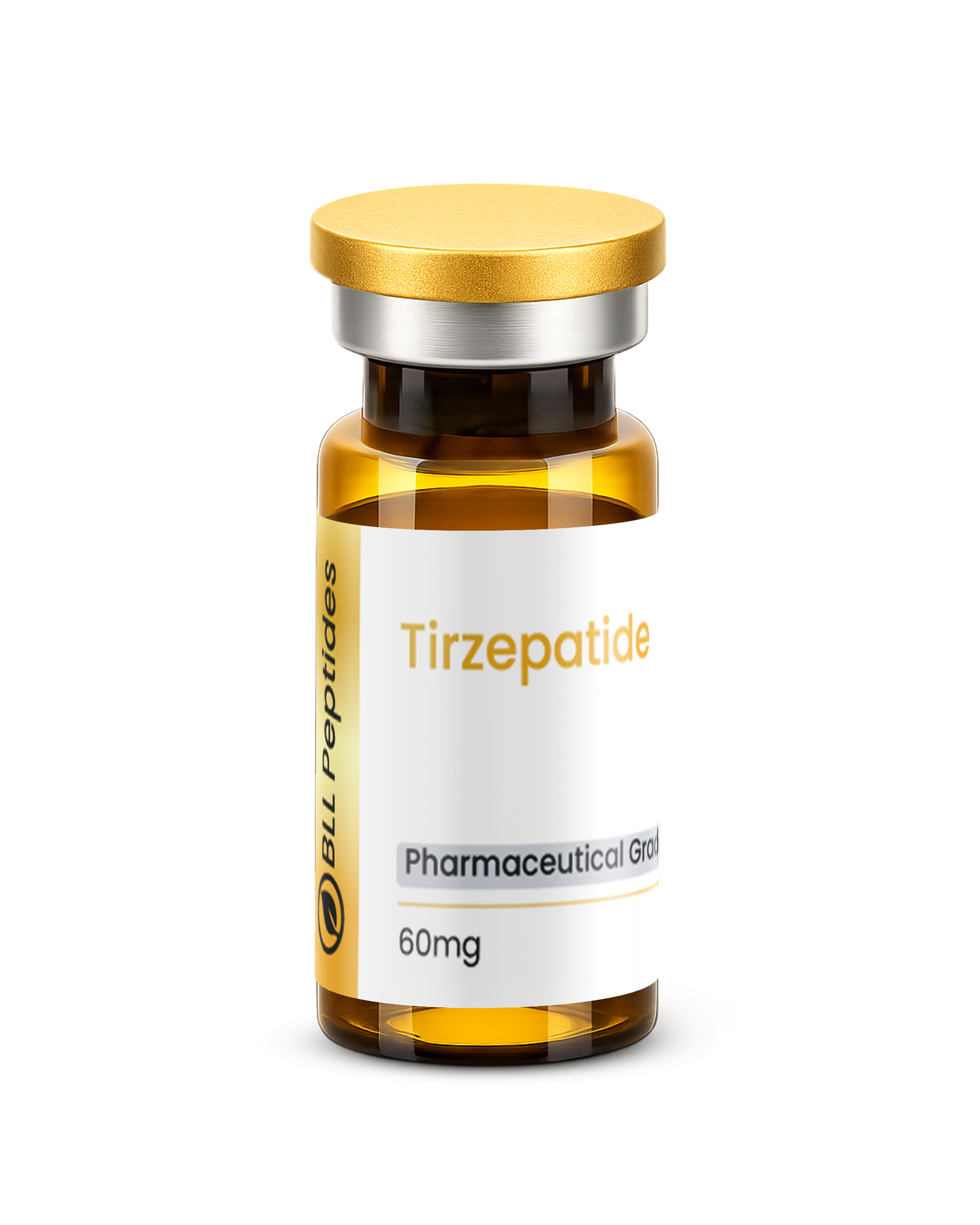
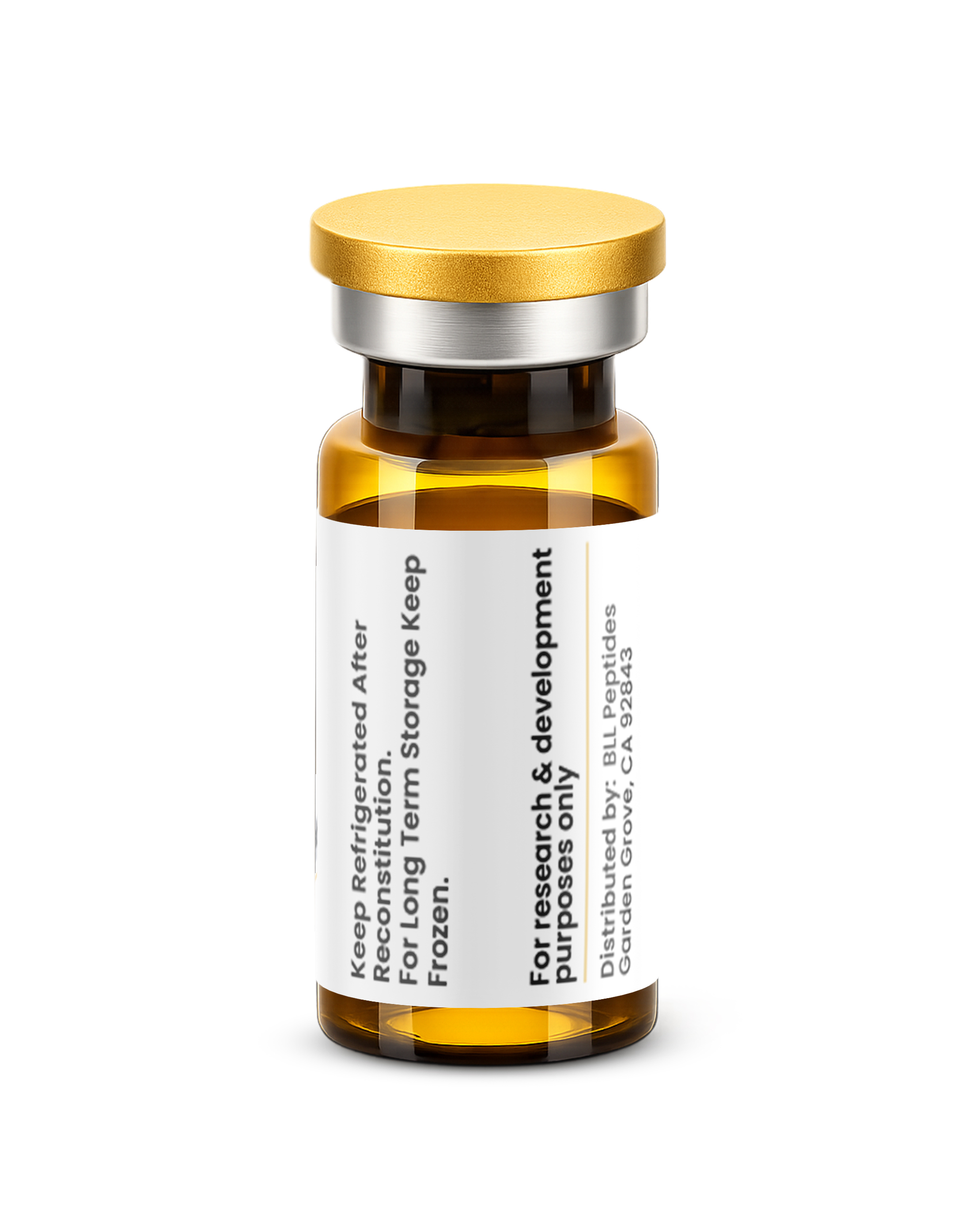
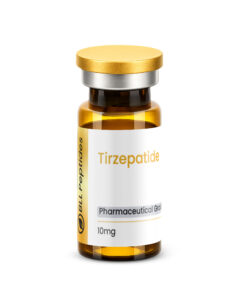
Tirzepatide 60mg (3ml)
Original price was: $299.99.$219.99Current price is: $219.99.
Tirzepatide is a research-grade dual GIP and GLP-1 receptor agonist peptide studied for metabolic regulation, glucose homeostasis, and body weight management mechanisms. Researchers investigating novel metabolic dysfunction pathways rely on pharmaceutical-grade purity for accurate, reproducible results. Available at BLL Peptides — USA-made, rigorously tested, 60mg formulation. ✅ COA tested every batch✅ 98%+ purity guaranteed ✅…
Description
Tirzepatide: Complete Research Guide – Dual GIP/GLP-1 Receptor Agonist Mechanisms, Clinical Evidence, and Metabolic Research
Last updated: March 2026
Executive Summary
Tirzepatide is a first-in-class dual glucose-dependent insulinotropic polypeptide (GIP) and glucagon-like peptide-1 (GLP-1) receptor agonist developed by Eli Lilly and Company. As a 39-amino acid synthetic peptide, tirzepatide is engineered on a modified GIP backbone with integrated GLP-1 receptor activity, representing a fundamentally different pharmacological approach from selective GLP-1 agonists such as semaglutide. The peptide incorporates two key modifications from native GIP: an aminoisobutyric acid (Aib) substitution at position 2 for DPP-4 resistance and a C-20 eicosanedioic fatty diacid moiety linked at Lys20 via a γGlu-2xOEG spacer for albumin binding and half-life extension.
The molecular formula of tirzepatide is C225H348N48O68, with a molecular weight of approximately 4,813.45 Daltons. Its dual agonist mechanism simultaneously activates both the GIP receptor (GIPR) and the GLP-1 receptor (GLP-1R), producing synergistic effects on glucose homeostasis, appetite regulation, and adipose tissue metabolism that exceed those achievable through either pathway alone [1].
Tirzepatide has been evaluated in the SURPASS clinical trial program for type 2 diabetes and the SURMOUNT program for obesity, collectively enrolling over 25,000 participants. These trials demonstrated unprecedented efficacy: HbA1c reductions of up to 2.4% and body weight reductions of up to 22.5% from baseline at the highest dose, surpassing all previously approved pharmacotherapies for both conditions [2, 3].
Interactive Molecular Structure
The following interactive 3D visualization renders the tirzepatide peptide backbone in its alpha-helical conformation. The structure highlights the dual-agonist design: a GIP-based backbone (cyan/blue tones) with GLP-1 receptor-engaging modifications, and the C-20 fatty diacid chain extending from the acylated Lys20 that enables once-weekly dosing.
Tirzepatide • C225H348N48O68 • MW 4813.45 Da
Drag to rotate • Scroll to zoom
Legend: The interactive visualization above depicts the 39-residue backbone of tirzepatide. The helical core (residues 1-28) is shown with cyan bonds, while the extended C-terminal proline-rich tail (residues 29-39) appears with dimmer bonds. The dashed orange chain extending from K* (Lys20) represents the C-20 eicosanedioic fatty diacid that enables albumin binding and weekly dosing. The purple node (Aib2) confers DPP-4 resistance. Drag to rotate; scroll to zoom.
Table of Contents
- Introduction and Development History
- Molecular Structure and Chemistry
- Detailed Mechanism of Action
- Scientific Research Review
- Comparison with Related Incretin Agonists
- Safety Profile and Pharmacology
- Research Applications
- References
- Disclaimer
Introduction and Development History
The Incretin Imbalance Hypothesis
The development of tirzepatide originated from a fundamental reconsideration of incretin biology. While GLP-1 receptor agonists had proven successful for diabetes and obesity, an emerging body of evidence suggested that GIP — long dismissed as a "weak" or even counterproductive incretin in the diabetic state — played a more complex and potentially beneficial role than previously understood [4].
Native GIP (glucose-dependent insulinotropic polypeptide) is a 42-amino acid hormone secreted by K-cells of the duodenum and jejunum in response to nutrient ingestion. In healthy individuals, GIP accounts for approximately 60-70% of the total incretin effect on insulin secretion, while GLP-1 contributes 30-40%. However, early studies in patients with type 2 diabetes suggested impaired GIP responsiveness, leading many researchers to conclude that targeting GIP would be therapeutically futile [5].
This view was challenged by research demonstrating that GIP resistance in type 2 diabetes is partially reversible — restoring glucose control improves GIP receptor sensitivity. Furthermore, GIP was shown to have direct effects on adipose tissue, bone metabolism, and central nervous system appetite regulation that complement rather than duplicate GLP-1 actions.
Eli Lilly's Twincretin Design
Eli Lilly's research team, led by scientists including Tamer Coskun and Matthew Emmerson, pursued a "twincretin" strategy: engineering a single peptide molecule that activates both GIP and GLP-1 receptors. Rather than simply co-administering two separate peptides, the team designed tirzepatide on the native GIP(1-42) backbone, then introduced specific amino acid substitutions at key positions to confer GLP-1 receptor cross-reactivity [6].
The critical design decisions included:
- GIP backbone selection: Starting from GIP rather than GLP-1, as GIP naturally has weak cross-reactivity with GLP-1R, providing a scaffold for optimization
- Aib2 substitution: Replacing Ala2 with alpha-aminoisobutyric acid for DPP-4 resistance (identical strategy to semaglutide)
- C-terminal extension: Adding a GGPSSGAPPPS (Gly-Gly-Pro-Ser-Ser-Gly-Ala-Pro-Pro-Pro-Ser) 11-residue C-terminal extension that enhances GLP-1R binding
- C-20 fatty diacid acylation: Attaching an eicosanedioic acid (C-20 diacid) at Lys20 via a γGlu-2xOEG linker for albumin binding
The resulting molecule exhibits approximately 5:1 selectivity for GIPR over GLP-1R — it is a full GIPR agonist and a partial GLP-1R agonist, yet clinically achieves superior outcomes to selective full GLP-1R agonists [7].
Regulatory Milestones
- 2022 (May): FDA approval of Mounjaro for type 2 diabetes (5, 10, 15 mg doses)
- 2023 (November): FDA approval of Zepbound for chronic weight management (same molecule, obesity-specific branding)
- 2024: EMA approval in European Union for both indications
- 2025: SURPASS-CVOT cardiovascular outcomes data published, showing MACE benefit
Molecular Structure and Chemistry
Amino Acid Sequence
Tirzepatide is a 39-amino acid peptide based on native human GIP(1-42) with multiple modifications:
Modified sequence: Tyr-Aib-Glu-Gly-Thr-Phe-Thr-Ser-Asp-Tyr-Ser-Ile-Leu-Asp-Lys-Ile-Ala-Gln-Lys-Lys*(C-20 diacid via γGlu-2xOEG)-Ala-Phe-Val-Gln-Trp-Leu-Ile-Ala-Gly-Gly-Pro-Ser-Ser-Gly-Ala-Pro-Pro-Pro-Ser-NH2
Single-letter code: Y-Aib-E-G-T-F-T-S-D-Y-S-I-L-D-K-I-A-Q-K–K*-A-F-V-Q-W-L-I-A-G-G-P-S-S-G-A-P-P-P-S-NH2
Where bold indicates non-native substitutions vs. GIP(1-42), K* denotes the acylated lysine, and NH2 indicates C-terminal amidation.
Key Structural Modifications from Native GIP
| Position | Native GIP | Tirzepatide | Purpose |
|---|---|---|---|
| 2 | Ala | Aib | DPP-4 resistance |
| 13 | Met | Leu | Oxidation resistance, GLP-1R affinity |
| 17 | His | Ala | GLP-1R cross-reactivity |
| 19 | Gln | Lys | Additional positive charge |
| 20 | Lys | Lys* (acylated) | C-20 fatty diacid attachment |
| 21 | Gly | Ala | Helix stabilization |
| 30-39 | (truncated in GIP) | GPSSGAPPPS | C-terminal extension, GLP-1R engagement |
Acylation Chemistry
The C-20 eicosanedioic fatty diacid linked at Lys20 via a γGlu-2xOEG spacer is the primary determinant of tirzepatide's extended pharmacokinetics:
Lys20 → γGlu → mini-PEG (OEG) → mini-PEG (OEG) → eicosanedioic acid (C-20 diacid)
This is a longer fatty acid than semaglutide's C-18 chain, contributing to:
- Higher albumin binding affinity (>99% protein-bound)
- Plasma half-life of approximately 117 hours (5 days)
- Reduced renal clearance
Physicochemical Properties
| Property | Value |
|---|---|
| Molecular Formula | C225H348N48O68 |
| Molecular Weight | 4,813.45 Da |
| CAS Number | 2023788-19-2 |
| Isoelectric Point | Approximately 5.1 |
| Appearance | Clear, colorless to slightly yellow solution |
| Storage | 2-8°C; stable at room temperature (≤30°C) for up to 21 days in use |
| Sequence Length | 39 amino acids (+ acyl side chain) |
| Plasma Half-Life | Approximately 117 hours (5 days) |
| C-terminal | Amidated (-NH2) |
| Receptor Selectivity | GIPR full agonist / GLP-1R partial agonist (approximately 5:1 GIPR:GLP-1R) |
Detailed Mechanism of Action
Dual Receptor Pharmacology
Tirzepatide's mechanism fundamentally differs from selective GLP-1 agonists by simultaneously engaging two distinct incretin receptor pathways:
GIP Receptor (GIPR) Activation: Tirzepatide acts as a full agonist at GIPR with comparable potency to native GIP. GIPR is expressed on pancreatic beta cells, adipocytes, osteoblasts, and neurons of the hypothalamus. Key downstream effects include [7]:
- Glucose-dependent insulin secretion (via cAMP/PKA in beta cells)
- Direct effects on adipose tissue: enhanced lipid buffering capacity, adiponectin secretion, and adipocyte differentiation
- Bone formation stimulation via osteoblast GIPR activation
- Central appetite modulation through hypothalamic GIPR neurons
GLP-1 Receptor (GLP-1R) Activation: Tirzepatide acts as a partial agonist at GLP-1R (approximately 13% relative potency vs. native GLP-1 in cAMP assays, but with clinically meaningful downstream effects). GLP-1R-mediated effects include [8]:
- Glucose-dependent insulin secretion (complementary to GIP pathway)
- Glucagon suppression during hyperglycemia
- Delayed gastric emptying
- Central appetite suppression via hypothalamic and brainstem circuits
Synergistic Mechanisms
The dual agonism of tirzepatide produces several synergies that explain its superior efficacy:
Complementary appetite suppression: GIP and GLP-1 receptors are expressed on distinct neuronal populations in the hypothalamus. GLP-1R is concentrated in POMC/CART neurons of the arcuate nucleus, while GIPR is expressed on different neuronal subsets. Simultaneous activation of both populations produces greater anorexigenic signaling than either pathway alone [9].
Enhanced insulin secretion: GIP and GLP-1 stimulate insulin release through partially distinct intracellular mechanisms. GIP primarily signals through cAMP/Epac2, while GLP-1 uses both cAMP/PKA and cAMP/Epac2 pathways. The convergence on insulin granule exocytosis from two signaling inputs amplifies secretory output [10].
Adipose tissue remodeling: A distinguishing feature of tirzepatide is its direct action on adipose tissue via GIPR. Preclinical studies demonstrate that tirzepatide promotes healthy adipose tissue expansion (hyperplasia rather than hypertrophy), increases adiponectin secretion, and enhances lipid uptake into adipocytes — effectively improving the "metabolic sink" function of fat tissue. This mechanism is absent from selective GLP-1 agonists [11].
Reduced nausea relative to efficacy: The partial GLP-1R agonism of tirzepatide may contribute to its tolerability profile. While full GLP-1R agonism drives the majority of GI side effects (nausea, vomiting), the partial agonism at GLP-1R combined with GIPR-mediated complementary effects may achieve greater overall efficacy with proportionally less GI distress [7].
Scientific Research Review
SURPASS Clinical Trial Program (Type 2 Diabetes)
The SURPASS program comprised phase III trials evaluating tirzepatide 5, 10, and 15 mg once weekly in patients with type 2 diabetes:
SURPASS-1 (monotherapy, n=478): Tirzepatide reduced HbA1c by 1.87% (5 mg), 1.89% (10 mg), and 2.07% (15 mg) vs. +0.04% for placebo at 40 weeks. Body weight reductions were 7.0, 7.8, and 9.5 kg respectively [1].
SURPASS-2 (vs. semaglutide 1 mg, n=1,879): The pivotal head-to-head trial demonstrated superiority of tirzepatide at all doses over semaglutide 1 mg for HbA1c reduction (-2.01%, -2.24%, -2.30% vs. -1.86%) and weight loss (-5.4, -7.6, -11.2 kg vs. -5.7 kg). Tirzepatide 15 mg produced 5.5 kg more weight loss than semaglutide 1 mg (p<0.001) [12].
SURPASS-3 (vs. insulin degludec, n=1,444): Tirzepatide at all doses was superior to titrated insulin degludec for HbA1c reduction, while producing weight loss (6.2-11.3 kg) vs. weight gain (+1.9 kg) with insulin [13].
SURPASS-4 (vs. insulin glargine, n=2,002): In patients with high cardiovascular risk on 1-3 oral antidiabetic agents, tirzepatide was superior to insulin glargine for glycemic control and produced weight loss vs. weight gain over 52 weeks [14].
SURMOUNT Clinical Trial Program (Obesity)
The SURMOUNT program evaluated tirzepatide in adults with obesity or overweight with weight-related comorbidities:
SURMOUNT-1 (n=2,539): The landmark obesity trial demonstrated mean body weight reductions of 15.0% (5 mg), 19.5% (10 mg), and 20.9% (15 mg) vs. 3.1% for placebo at 72 weeks. Over one-third of participants on the 15 mg dose achieved ≥25% weight loss, and over half achieved ≥20% — results that approach bariatric surgery outcomes [2].
SURMOUNT-2 (type 2 diabetes + obesity, n=938): In patients with both T2D and obesity, tirzepatide 10 mg and 15 mg produced weight loss of 12.8% and 14.7% respectively vs. 3.2% for placebo, with concurrent HbA1c reductions of 2.1% and 2.4% [15].
SURMOUNT-3 (intensive lifestyle intervention lead-in, n=579): After a 12-week intensive lifestyle intervention (low-calorie diet producing approximately 5% initial weight loss), tirzepatide 10-15 mg produced an additional 18.4% weight loss vs. 2.5% regain for placebo over 72 weeks, for a total loss from pre-lead-in baseline of approximately 24% [16].
SURMOUNT-4 (withdrawal study, n=670): After 36 weeks of open-label tirzepatide (mean 20.9% weight loss), randomization to continued tirzepatide vs. placebo showed that continued treatment maintained weight loss while switching to placebo resulted in regain of approximately two-thirds of the lost weight, demonstrating that ongoing therapy is needed to maintain benefits [17].
SURPASS-CVOT (Cardiovascular Outcomes)
The cardiovascular outcomes trial enrolled approximately 13,500 patients with type 2 diabetes and established atherosclerotic cardiovascular disease:
- Primary endpoint: Composite MACE (cardiovascular death, nonfatal MI, nonfatal stroke)
- Result: Tirzepatide demonstrated a statistically significant reduction in MACE vs. placebo, confirming cardiovascular safety and suggesting cardioprotective benefit
- This positioned tirzepatide alongside semaglutide as only the second incretin-based therapy with proven MACE benefit
Comparison with Related Incretin Agonists
| Feature | Tirzepatide | Semaglutide | Retatrutide | Liraglutide |
|---|---|---|---|---|
| Receptor Targets | GIP + GLP-1 (dual) | GLP-1 (selective) | GIP + GLP-1 + Glucagon (triple) | GLP-1 (selective) |
| Molecular Weight | 4,814 Da | 4,114 Da | Approximately 4,000 Da | 3,751 Da |
| Half-life | Approximately 117 hr | Approximately 165 hr | Approximately 120-170 hr | Approximately 13 hr |
| Dosing | Weekly SC | Weekly SC or daily oral | Weekly SC | Daily SC |
| GIPR Activity | Full agonist | None | Full agonist | None |
| Glucagon-R Activity | None | None | Partial agonist | None |
| Max HbA1c Reduction | Approximately 2.4% | Approximately 1.8% | Approximately 2.2% (phase II) | Approximately 1.5% |
| Max Weight Loss | Approximately 22% | Approximately 17% | Approximately 24% (phase II) | Approximately 8% |
| Cardiovascular Outcome | MACE benefit (SURPASS-CVOT) | MACE benefit (SELECT) | Ongoing (phase III) | MACE benefit (LEADER) |
| Acylation | C-20 diacid | C-18 diacid | C-20 diacid | C-16 monoacid |
| DPP-4 Resistance | Aib2 | Aib8 | Aib2 | Acylation-mediated |
Key Differentiators
Tirzepatide vs. Semaglutide: The SURPASS-2 trial directly compared tirzepatide to semaglutide 1 mg. Tirzepatide 15 mg achieved approximately 5.5 kg greater weight loss. However, SURPASS-2 used semaglutide 1 mg (the diabetes dose), not the 2.4 mg obesity dose. The SURMOUNT-5 trial (head-to-head tirzepatide 15 mg vs. semaglutide 2.4 mg in obesity) showed tirzepatide produced approximately 5% greater weight loss, confirming the dual agonist advantage even at maximum doses [18].
Tirzepatide vs. Retatrutide: Retatrutide (Eli Lilly's next-generation "triple agonist") adds glucagon receptor agonism to the dual GIP/GLP-1 mechanism. Phase II data showed up to 24% weight loss at 48 weeks, suggesting the triple mechanism may outperform the dual. However, retatrutide is still in phase III development and the glucagon component adds complexity to the safety profile (potential hepatic effects) [19].
Safety Profile and Pharmacology
Pharmacokinetics
| Parameter | Value |
|---|---|
| Tmax | 8-72 hours post-dose |
| Half-life | Approximately 117 hours (5 days) |
| Bioavailability | Subcutaneous, approximately 80% |
| Steady state | 4-5 weeks (after 4 weekly doses) |
| Metabolism | Proteolytic backbone cleavage, beta-oxidation of fatty acid chain |
| Elimination | Primarily via proteolytic degradation; no significant renal or hepatic clearance |
| Protein binding | >99% (albumin) |
Clinical Safety Data
The safety profile of tirzepatide has been characterized across >25,000 participants in the SURPASS and SURMOUNT programs [1, 2, 3]:
Gastrointestinal effects (most common, dose-dependent):
- Nausea: 12-18% (5 mg), 15-22% (10 mg), 18-28% (15 mg) vs. 4-6% placebo
- Diarrhea: 12-17%
- Vomiting: 5-10%
- Constipation: 6-11%
- Decreased appetite: 5-11%
- GI events are predominantly mild-moderate and occur mainly during dose escalation (first 4-8 weeks), with significant attenuation over time
Serious adverse events of interest:
- Pancreatitis: Adjudicated pancreatitis events occurred at rates of approximately 0.1-0.2% across the SURPASS program, comparable to rates seen with GLP-1 agonists. No clear causal signal above background rates [20]
- Gallbladder events: Cholelithiasis and cholecystitis occurred at slightly higher rates (1.2-1.5% vs. 0.6-0.8% placebo), consistent with the rapid weight loss effect
- Thyroid C-cell tumors: As with all GLP-1R agonists, tirzepatide carries a boxed warning based on rodent thyroid C-cell tumor findings. No human cases of medullary thyroid carcinoma have been attributed to tirzepatide [21]
- Injection site reactions: 3-5%, generally mild and transient
Hypoglycemia: As monotherapy or with metformin, clinically significant hypoglycemia (<54 mg/dL) is rare (<0.5%). Risk increases when combined with sulfonylureas or insulin, requiring dose adjustment of concomitant hypoglycemic agents.
Notable safety advantages:
- Lower discontinuation rates due to adverse events (4-7%) compared to reported rates with semaglutide 2.4 mg in STEP trials (approximately 6-7%)
- No signal for diabetic retinopathy worsening (a concern identified with semaglutide in SUSTAIN-6)
- No evidence of increased psychiatric adverse events (depression, suicidality)
Research Applications
Tirzepatide serves as a groundbreaking research tool across multiple biomedical domains:
- Dual incretin biology: Studying the synergistic effects of simultaneous GIP and GLP-1 receptor activation on glucose homeostasis, appetite, and metabolism
- Adipose tissue biology: Investigating GIPR-mediated effects on adipocyte differentiation, lipid buffering, and adipokine secretion — mechanisms absent from GLP-1 agonist research
- Central appetite neuroscience: Mapping distinct GIP vs. GLP-1 neuronal circuits in hypothalamic appetite regulation and food reward processing
- Metabolic surgery pharmacology: Studying whether pharmacological dual incretin agonism can replicate the hormonal changes and metabolic benefits of bariatric surgery
- Cardiovascular research: Elucidating mechanisms of cardiovascular risk reduction via combined GIP/GLP-1 receptor activation
- NASH/MAFLD research: Exploring effects on hepatic steatosis, inflammation, and fibrosis (SYNERGY-NASH trial ongoing)
- Peptide engineering: Studying multi-target receptor agonism as a design paradigm — how to engineer selectivity ratios across receptor families
- Comparative pharmacology: Benchmarking dual (GIP/GLP-1) vs. triple (GIP/GLP-1/glucagon) agonism with retatrutide
References
[1] Rosenstock, J., Wysham, C., Frias, J.P., et al. (2021). "Efficacy and safety of a novel dual GIP and GLP-1 receptor agonist tirzepatide in patients with type 2 diabetes (SURPASS-1): a double-blind, randomised, phase 3 trial." Lancet, 398(10295), 143-155. DOI: 10.1016/S0140-6736(21)01324-6
[2] Jastreboff, A.M., Aronne, L.J., Ahmad, N.N., et al. (2022). "Tirzepatide once weekly for the treatment of obesity." New England Journal of Medicine, 387(3), 205-216. DOI: 10.1056/NEJMoa2206038
[3] Garvey, W.T., Frias, J.P., Jastreboff, A.M., et al. (2023). "Tirzepatide once weekly for the treatment of obesity in people with type 2 diabetes (SURMOUNT-2): a double-blind, randomised, multicentre, placebo-controlled, phase 3 trial." Lancet, 402(10402), 613-626. DOI: 10.1016/S0140-6736(23)01200-X
[4] Nauck, M.A. & Meier, J.J. (2018). "Incretin hormones: their role in health and disease." Diabetes, Obesity and Metabolism, 20(Suppl 1), 5-21. DOI: 10.1111/dom.13129
[5] Nauck, M.A., Heimesaat, M.M., Orskov, C., et al. (1993). "Preserved incretin activity of glucagon-like peptide 1 [7-36 amide] but not of synthetic human gastric inhibitory polypeptide in patients with type-2 diabetes mellitus." Journal of Clinical Investigation, 91(1), 301-307. DOI: 10.1172/JCI116186
[6] Coskun, T., Sloop, K.W., Loghin, C., et al. (2018). "LY3298176, a novel dual GIP and GLP-1 receptor agonist for the treatment of type 2 diabetes mellitus: from discovery to clinical proof of concept." Molecular Metabolism, 18, 3-14. DOI: 10.1016/j.molmet.2018.09.009
[7] Willard, F.S., Douros, J.D., Gabe, M.B., et al. (2020). "Tirzepatide is an imbalanced and biased dual GIP and GLP-1 receptor agonist." JCI Insight, 5(17), e140532. DOI: 10.1172/jci.insight.140532
[8] Holst, J.J. (2019). "The incretin system in healthy humans: the role of GIP and GLP-1." Metabolism, 96, 46-55. DOI: 10.1016/j.metabol.2019.04.014
[9] Adriaenssens, A.E., Biggs, E.K., Darber, T., et al. (2019). "Glucose-dependent insulinotropic polypeptide receptor-expressing cells in the hypothalamus regulate food intake." Cell Metabolism, 30(5), 987-996. DOI: 10.1016/j.cmet.2019.07.013
[10] Campbell, J.E. & Drucker, D.J. (2013). "Pharmacology, physiology, and mechanisms of incretin hormone action." Cell Metabolism, 17(6), 819-837. DOI: 10.1016/j.cmet.2013.04.008
[11] Samms, R.J., Coghlan, M.P., & Sloop, K.W. (2020). "How may GIP enhance the therapeutic efficacy of GLP-1?" Trends in Endocrinology & Metabolism, 31(6), 410-421. DOI: 10.1016/j.tem.2020.02.006
[12] Frias, J.P., Davies, M.J., Rosenstock, J., et al. (2021). "Tirzepatide versus semaglutide once weekly in patients with type 2 diabetes." New England Journal of Medicine, 385(6), 503-515. DOI: 10.1056/NEJMoa2107519
[13] Ludvik, B., Giorgino, F., Jodar, E., et al. (2021). "Once-weekly tirzepatide versus once-daily insulin degludec as add-on to metformin with or without SGLT2 inhibitors in patients with type 2 diabetes (SURPASS-3): a randomised, open-label, parallel-group, phase 3 trial." Lancet, 398(10300), 583-598. DOI: 10.1016/S0140-6736(21)01443-4
[14] Del Prato, S., Kahn, S.E., Pavo, I., et al. (2021). "Tirzepatide versus insulin glargine in type 2 diabetes and increased cardiovascular risk (SURPASS-4): a randomised, open-label, parallel-group, multicentre, phase 3 trial." Lancet, 398(10313), 1811-1824. DOI: 10.1016/S0140-6736(21)02188-7
[15] Garvey, W.T., Frias, J.P., Jastreboff, A.M., et al. (2023). "Tirzepatide once weekly for the treatment of obesity in people with type 2 diabetes (SURMOUNT-2)." Lancet, 402(10402), 613-626. DOI: 10.1016/S0140-6736(23)01200-X
[16] Wadden, T.A., Chao, A.M., Machineni, S., et al. (2023). "Tirzepatide after intensive lifestyle intervention in adults with overweight or obesity: the SURMOUNT-3 phase 3 trial." Nature Medicine, 29(11), 2909-2918. DOI: 10.1038/s41591-023-02597-w
[17] Aronne, L.J., Sattar, N., Horn, D.B., et al. (2024). "Continued treatment with tirzepatide for maintenance of weight reduction in adults with obesity: the SURMOUNT-4 randomized clinical trial." JAMA, 331(1), 38-48. DOI: 10.1001/jama.2023.24945
[18] Lilly press release (2024). "Tirzepatide achieved superior weight loss compared to semaglutide 2.4 mg in adults with obesity (SURMOUNT-5)." Eli Lilly and Company.
[19] Jastreboff, A.M., Kaplan, L.M., Frias, J.P., et al. (2023). "Triple-hormone-receptor agonist retatrutide for obesity — a phase 2 trial." New England Journal of Medicine, 389(6), 514-526. DOI: 10.1056/NEJMoa2301972
[20] Sattar, N., McGuire, D.K., Pavo, I., et al. (2022). "Tirzepatide cardiovascular event risk assessment: a pre-specified meta-analysis." Nature Medicine, 28(3), 591-598. DOI: 10.1038/s41591-022-01707-4
[21] Bjerre Knudsen, L., Madsen, L.W., Andersen, S., et al. (2010). "Glucagon-like peptide-1 receptor agonists activate rodent thyroid C-cells causing calcitonin release and C-cell proliferation." Endocrinology, 151(4), 1473-1486. DOI: 10.1210/en.2009-1272
Disclaimer
This product description is intended for informational and research purposes only. Tirzepatide is sold as a research peptide and is not intended for human consumption, therapeutic use, or as a dietary supplement. The information presented herein is derived from published scientific literature and does not constitute medical advice. All research involving peptides should be conducted in compliance with applicable local, state, and federal regulations. Researchers should consult relevant institutional review boards and regulatory bodies before initiating any research protocols.
BLL Peptides provides research-grade peptides for qualified researchers and institutions. Product purity is verified by HPLC and mass spectrometry analysis. Certificates of analysis are available upon request.
Tirzepatide is a research-grade dual GIP and GLP-1 receptor agonist peptide studied for metabolic regulation, glucose homeostasis, and body weight management mechanisms. Researchers investigating novel metabolic dysfunction pathways rely on pharmaceutical-grade purity for accurate, reproducible results. Available at BLL Peptides — USA-made, rigorously tested, 60mg formulation.
| ✅ COA tested every batch | ✅ 98%+ purity guaranteed |
| ✅ USA manufactured, GMP-certified | ✅ Glass vials — not plastic |
| ✅ Veteran-owned company | ✅ Free shipping over $150 |
Related Articles
Related Products
-
Pinealon 10mg (3ml)
Original price was: $99.99.$49.99Current price is: $49.99. -
Oxytocin 2mg (3ml)
Original price was: $149.00.$59.99Current price is: $59.99. -
Ipamorelin 10mg (3ml)
Original price was: $99.99.$64.99Current price is: $64.99. -
L-Glutathione (GSH) – Research-Grade Tripeptide Antioxidant
$85.00