

Tendons are some of the most underappreciated structures in human biology — until they fail. In neurosurgery I work extensively with the hands and wrists of surgeons, and I can tell you: a damaged tendon is a career-threatening injury. Tendons transmit force from muscle to bone with extraordinary efficiency, but their repair biology is deeply problematic. Poor blood supply, slow cellular turnover, and a repair process that frequently produces mechanically inferior scar tissue rather than true tendon means that tendon injuries often never fully resolve. BPC-157’s tendon repair research is one of the areas where this peptide’s biology becomes most practically compelling for researchers.
BPC-157 (Body Protection Compound-157) is a 15-amino-acid pentadecapeptide derived from a protective protein found in human gastric juice. Its systemic repair properties have been studied across multiple tissue types, but the tendon and connective tissue research is among the most extensive and mechanistically detailed in the literature. The compound’s effects on tendon fibroblasts (tenocytes), collagen synthesis, and the FAK-paxillin signaling pathway make it a distinctive subject in connective tissue biology research.
BPC-157 and Tendon Repair: The Molecular Mechanism
Tendons are composed primarily of type I collagen organized in highly parallel fiber arrays — this orientation is what gives them their extraordinary tensile strength. When tendon is damaged, the repair response initially produces disorganized collagen (type III scar collagen) that lacks this parallel organization and is significantly weaker than native tendon. The challenge in tendon repair research is finding interventions that don’t just accelerate scar formation, but promote organized collagen repair that restores mechanical function.
BPC-157’s effects in tendon research center on several interconnected mechanisms. It stimulates tenocyte proliferation and migration — accelerating the cellular response to injury. It upregulates genes associated with collagen synthesis and extracellular matrix remodeling. And critically, it activates the FAK-paxillin pathway (focal adhesion kinase), which regulates cell-matrix adhesion, cell motility, and the mechanosensory feedback that guides organized tissue repair.
In one of the most detailed tendon repair studies, BPC-157 administration produced significantly improved collagen fiber alignment, increased type I to type III collagen ratio, and dramatically faster functional recovery compared to controls — suggesting effects on collagen organization quality, not just repair speed.
Key Research Findings in Tendon and Ligament Models
Multiple preclinical studies have examined BPC-157 in Achilles tendon transection, patellar tendon injury, and quadriceps tendon models. A study in a rat Achilles tendon repair model found that BPC-157-treated animals showed significantly accelerated healing at multiple time points, with histological analysis revealing better-organized collagen deposition, increased fibroblast activity, and reduced inflammation at the injury site (PMID: 10489299).
The ligament research has paralleled the tendon findings. In medial collateral ligament (MCL) injury models, BPC-157 produced faster functional recovery and improved biomechanical properties at the repaired site. Knee ligament research has shown similar patterns — accelerated cellular infiltration at the injury site, increased collagen synthesis, and improved structural integrity on biomechanical testing.
The muscle-tendon junction — the interface where muscle meets tendon, a common location for sports injuries — has been specifically examined in BPC-157 research. Studies have found that BPC-157 administration accelerated recovery at this junction, which is particularly significant given the complex biology of this interface and the difficulty of treating injuries there.
The systemic versus local administration question has been examined in BPC-157 tendon research — and unlike many growth factors that require local delivery, BPC-157 has shown tendon repair effects when administered both locally and systemically, suggesting a circulating mechanism that doesn’t require direct tissue contact.
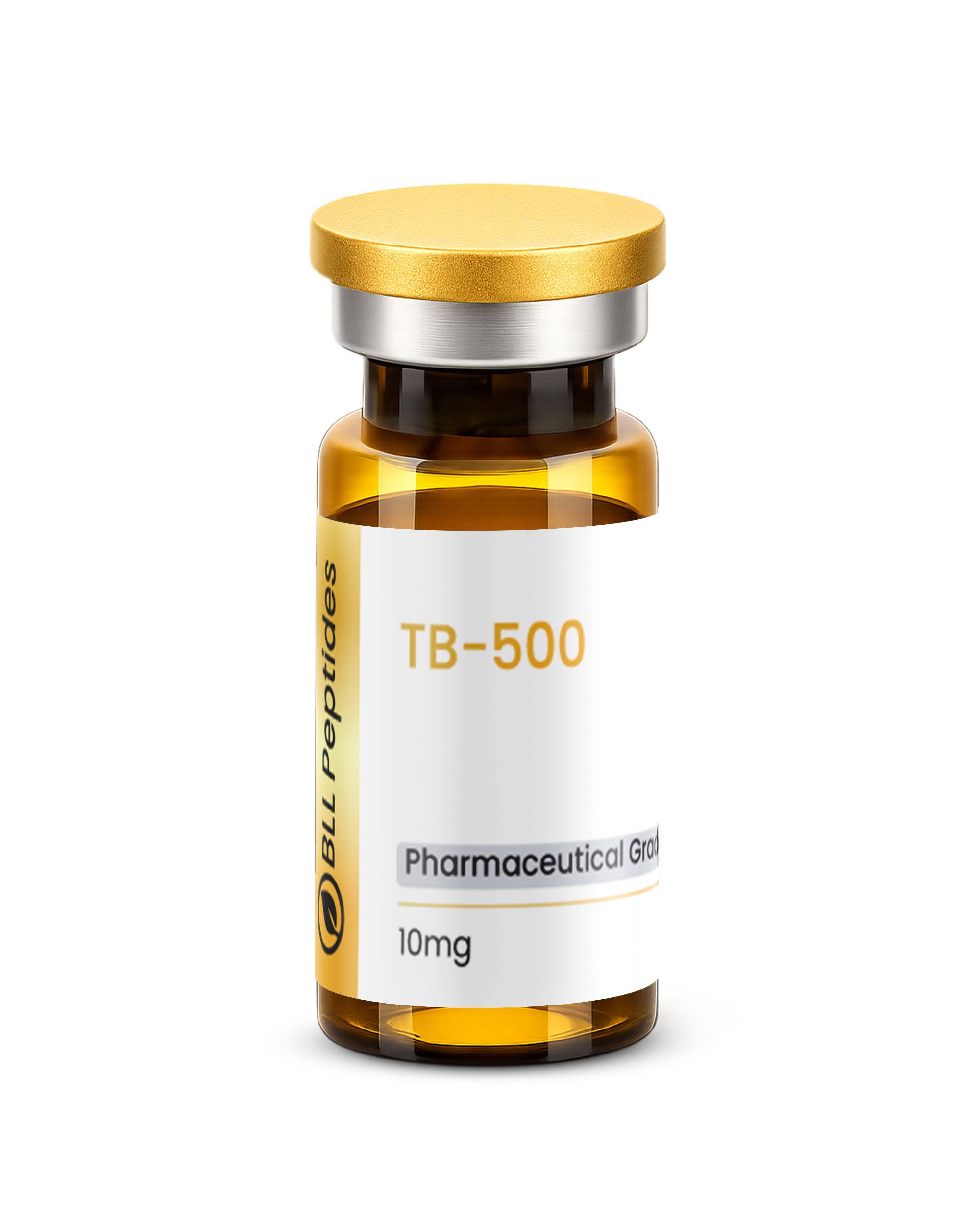
For tendon and connective tissue researchers, BLL Peptides offers BPC-157 for laboratory research. A natural research pairing is TB-500, which approaches connective tissue repair through the actin/Thymosin Beta-4 pathway — allowing comparison of two mechanistically distinct repair-promoting compounds in the same tissue models.
Frequently Asked Questions About BPC-157 and Tendon Research
- Why is tendon repair research so challenging?
- Tendons have poor blood supply, slow cellular turnover, and a repair response that typically produces mechanically inferior disorganized scar collagen (type III) rather than the highly organized type I collagen of native tendon. This combination means tendon injuries frequently result in permanent functional compromise.
- What is the FAK-paxillin pathway and why is it relevant to BPC-157 tendon research?
- FAK (focal adhesion kinase) and paxillin regulate cell-matrix adhesion, cell migration, and mechanosensory signaling in connective tissue cells. BPC-157 appears to activate this pathway, influencing both the speed and organization of the repair response.
- What collagen quality effects has BPC-157 research demonstrated?
- Studies have found improved collagen fiber alignment, increased ratio of structural type I to scar-type III collagen, and better biomechanical properties at repaired sites — suggesting BPC-157 influences the quality, not just speed, of tendon repair.
- How does BPC-157 compare to TB-500 in tendon research models?
- Both have been studied in tendon repair, but through different mechanisms. BPC-157 acts through the FAK-paxillin pathway and nitric oxide signaling; TB-500 through actin sequestration and Thymosin Beta-4 cell migration effects. They represent complementary research tools for connective tissue biology.
Dr. James Nguyen is a neurosurgeon and research advisor at BLL Peptides. His work focuses on peptide research, neurological recovery, and longevity science. All content is for educational and research purposes only.
This content is intended for research purposes only. BLL Peptides products are not intended for human consumption.