Anti-Aging & Longevity: A Complete Guide to Peptides and Compounds
Anti-Aging and Longevity: A Comprehensive Guide to NAD+, GHK-Cu, and Glutathione
Introduction: The Science of Aging and Peptide-Based Interventions
Aging represents one of the most complex biological processes, characterized by the progressive decline of cellular function, accumulation of damage, and reduced capacity for repair and regeneration. Over the past two decades, longevity research has identified several key molecular pathways that drive aging, many of which can be influenced by targeted interventions. Among the most promising approaches are peptides and related compounds that address fundamental mechanisms of cellular aging.
The science of anti-aging has evolved from observational studies of centenarians to a sophisticated understanding of the molecular hallmarks of aging. These hallmarks include genomic instability, telomere attrition, epigenetic alterations, loss of proteostasis, deregulated nutrient sensing, mitochondrial dysfunction, cellular senescence, stem cell exhaustion, and altered intercellular communication. Remarkably, several peptides and small molecules can influence multiple hallmarks simultaneously, offering comprehensive approaches to longevity support.
This guide examines three of the most researched compounds in the anti-aging field: NAD+ (and its precursors), GHK-Cu, and glutathione. Each targets distinct but complementary pathways, and together they represent a multi-pronged approach to cellular rejuvenation and longevity optimization.
Research-Grade NAD+, GHK-Cu, and Longevity Compounds at BLL Peptides
BLL Peptides supplies pharmaceutical-grade NAD+ and GHK-Cu for research purposes. All products are independently tested to 98%+ purity with Certificates of Analysis available.
- NAD+ 500mg / 10ml — View Product →
- NAD+ 1000mg / 10ml — View Product →
- GHK-Cu 100mg / 3ml — View Product →
NAD+: The Cellular Energy Currency of Youth
Understanding NAD+ and Its Role in Aging
Nicotinamide adenine dinucleotide (NAD+) is a coenzyme present in every living cell, essential for over 500 enzymatic reactions. Its primary functions include serving as an electron carrier in cellular energy production and as a substrate for enzymes critical to DNA repair, gene expression, and cellular signaling.
The connection between NAD+ and aging emerged from a profound observation: NAD+ levels decline by approximately 50% between ages 40 and 60 across multiple tissues. This decline correlates with mitochondrial dysfunction, DNA damage accumulation, and metabolic disorders–all hallmarks of the aging process.
How NAD+ Contributes to Longevity
Sirtuin Activation: Perhaps the most significant discovery in NAD+ research has been its role as a required co-substrate for sirtuins (SIRT1-7), a family of enzymes often called "longevity genes." Sirtuins regulate diverse processes including:
- Mitochondrial biogenesis and function
- DNA repair mechanisms
- Inflammatory pathway suppression
- Fat oxidation and metabolic efficiency
- Stress resistance pathways
- Epigenetic regulation
SIRT1 activation through adequate NAD+ availability promotes the expression of genes associated with youthful cellular function while suppressing inflammatory and degenerative pathways.
Mitochondrial Function: NAD+ is fundamental to the electron transport chain, the process by which mitochondria produce ATP (cellular energy). Age-related NAD+ decline impairs mitochondrial efficiency, reducing cellular energy production and increasing oxidative stress. Research has demonstrated that restoring NAD+ levels can reverse aspects of mitochondrial dysfunction in aged cells.
DNA Repair via PARPs: Poly(ADP-ribose) polymerases (PARPs) consume NAD+ to facilitate DNA repair. As DNA damage accumulates with age, PARP activity increases, depleting NAD+ reserves and creating competition with sirtuins for the limited NAD+ pool. This creates a potential vicious cycle where aging-associated DNA damage depletes the very cofactor needed for repair and cellular maintenance.
CD38 and NAD+ Degradation: Research has revealed that CD38, an enzyme whose expression increases dramatically with age, is a major consumer of cellular NAD+. CD38 levels in adipose tissue increase 2-3 fold between young and old mice. Inflammation, particularly from senescent cells, drives CD38 upregulation, creating a feedback loop that accelerates NAD+ decline.
Scientific Evidence for NAD+ Anti-Aging Benefits
The Gomes 2013 Cell Study: This landmark publication demonstrated that declining NAD+ levels cause age-related mitochondrial dysfunction through impaired nuclear-mitochondrial communication. One week of NMN treatment restored NAD+ levels, normalized metabolic function, and shifted gene expression patterns in old mice toward those of young animals.
Yoshino 2021 Science Trial: This randomized, double-blind, placebo-controlled trial in 25 postmenopausal prediabetic women showed that 250 mg NMN daily for 10 weeks improved insulin-stimulated glucose disposal by approximately 25%–a clinically meaningful improvement in metabolic function.
Martens 2018 NR Study: This crossover trial in 24 healthy adults aged 55-79 demonstrated that nicotinamide riboside (NR) supplementation raised NAD+ levels by approximately 60% and showed trends toward reduced blood pressure and arterial stiffness.
Evidence Summary for NAD+:
| Benefit Category | Evidence Level | Key Findings |
|---|---|---|
| Cellular Energy | Strong | Multiple human trials confirm metabolic improvements |
| Mitochondrial Function | Strong (animal), Moderate (human) | Reverses age-related dysfunction in animal models |
| DNA Repair Support | Strong (mechanistic) | PARP-mediated repair is NAD+-dependent |
| Cardiovascular Health | Moderate | Preliminary human evidence for vascular benefits |
| Healthspan Extension | Strong (animal), Emerging (human) | Consistent improvements in aged animal models |
GHK-Cu: Resetting the Aging Gene Signature
Discovery and Significance
GHK-Cu (glycyl-L-histidyl-L-lysine copper) is a naturally occurring tripeptide first isolated by Dr. Loren Pickart in 1973. During research on age-related changes in liver function, Pickart discovered that older liver cells exposed to a fraction of human albumin began behaving like younger cells. The active compound was identified as GHK-Cu, present in human plasma at approximately 200 ng/mL in young adults.
What makes GHK-Cu unique is the extent of its age-related decline: plasma concentrations drop by approximately 60% by age 60, correlating with visible and measurable signs of aging including reduced wound healing, decreased collagen production, and deteriorating skin quality.
How GHK-Cu Contributes to Longevity
Comprehensive Gene Expression Modulation: Analysis using the Broad Institute's Connectivity Map revealed that GHK-Cu affects 4,047 genes–approximately 31% of the human genome. This remarkable breadth of activity explains how a single small peptide can influence numerous biological processes simultaneously.
The gene expression pattern shows a consistent theme: GHK-Cu shifts gene activity from patterns associated with aged, damaged tissue toward patterns seen in younger, healthier tissue.
Upregulated by GHK-Cu:
- DNA repair genes (50+ genes affected)
- Antioxidant response genes
- Anti-inflammatory genes
- Stem cell maintenance genes
- Tissue remodeling and repair genes
- Ubiquitin-proteasome system genes (critical for removing damaged proteins)
Downregulated by GHK-Cu:
- Pro-inflammatory cytokines (IL-6, TNF-alpha)
- Tissue-destructive enzyme genes
- Pro-fibrotic genes
- Genes associated with metabolic dysfunction
Collagen and Extracellular Matrix Support: GHK-Cu directly stimulates fibroblasts to increase collagen synthesis by up to 70%, as demonstrated in the landmark Maquart study. Beyond collagen production, GHK-Cu enhances the cross-linking of collagen and elastin fibers through copper-dependent lysyl oxidase activation, improving structural integrity of connective tissues.
Anti-Inflammatory Effects: GHK-Cu reduces expression of pro-inflammatory cytokines and influences the NF-kB pathway, a master regulator of inflammatory gene expression. Research suggests it promotes M2 macrophage polarization, associated with tissue repair and resolution of inflammation rather than chronic inflammatory states.
Antioxidant Mechanisms: By delivering copper to superoxide dismutase (SOD), GHK-Cu supports this critical first-line antioxidant defense. It can also sequester iron, reducing harmful Fenton reactions that generate reactive oxygen species.
Scientific Evidence for GHK-Cu Anti-Aging Benefits
Pickart and Margolina 2018 Gene Expression Study: Using the Broad Institute Connectivity Map, this analysis identified 4,047 genes affected by GHK-Cu. The pattern showed consistent "anti-aging" gene expression shifts, including upregulation of 50+ DNA repair genes and suppression of inflammatory networks.
Maquart 1988 Collagen Study: This controlled in vitro study demonstrated a 70% increase in collagen synthesis in fibroblast cultures exposed to GHK-Cu, along with increased glycosaminoglycan production.
Abdulghani 1998 Skin Study: This comparative clinical study showed GHK-Cu cream improved skin laxity, clarity, and overall appearance, with results comparable to or exceeding vitamin C treatments and approaching tretinoin in certain parameters.
Evidence Summary for GHK-Cu:
| Benefit Category | Evidence Level | Key Findings |
|---|---|---|
| Skin Rejuvenation | Strong | 70% collagen increase; clinical improvements documented |
| Gene Expression Modulation | Strong | 31% of genome affected toward youthful patterns |
| Wound Healing | Strong | Multiple studies show accelerated, improved healing |
| Anti-Inflammatory | Moderate-Strong | Systematic cytokine reduction |
| Systemic Anti-Aging | Emerging | DNA repair enhancement, stem cell support |
Glutathione: The Master Antioxidant
The Body's Primary Defense System
Glutathione (GSH), a tripeptide composed of glutamate, cysteine, and glycine, stands as the most abundant intracellular antioxidant in the human body. Present at millimolar concentrations in virtually every cell, glutathione serves as the primary defense against oxidative stress, plays a critical role in Phase II hepatic detoxification, and maintains cellular redox homeostasis.
The unique gamma-peptide bond in glutathione renders it resistant to most cellular peptidases, contributing to its stability and longevity within cells. The ratio of reduced glutathione (GSH) to oxidized glutathione (GSSG) serves as a primary indicator of cellular redox status and overall cellular health.
How Glutathione Contributes to Longevity
The GSH/GSSG Redox Cycle: Glutathione peroxidases (GPx) use GSH to neutralize hydrogen peroxide and organic hydroperoxides–reactive species that damage DNA, proteins, and lipids. The enzyme glutathione reductase regenerates GSH from GSSG using NADPH, maintaining the high GSH/GSSG ratio essential for cellular function.
Phase II Detoxification: Glutathione S-transferases (GSTs) catalyze conjugation of glutathione to electrophilic compounds, including drugs, environmental pollutants, and products of oxidative damage. This detoxification capacity is essential for protecting cells from xenobiotic damage and eliminating metabolic waste products.
Protein Regulation via Glutathionylation: Beyond direct antioxidant action, glutathione participates in reversible protein modification (S-glutathionylation), which:
- Protects critical cysteine residues from irreversible oxidation
- Modulates enzyme activity based on cellular redox status
- Affects protein function, localization, and stability
Immune Function Support: Glutathione status critically affects immune cell function. Lymphocytes and macrophages require adequate glutathione for optimal proliferation, cytokine production, and defensive activities. Age-related immune decline correlates with falling glutathione levels.
Regeneration of Other Antioxidants: Glutathione regenerates vitamins C and E from their oxidized forms, extending their protective capacity and serving as the foundation of the cellular antioxidant network.
Scientific Evidence for Glutathione Anti-Aging Benefits
Richie 2015 Clinical Trial: This randomized, double-blind, placebo-controlled trial demonstrated that oral glutathione supplementation (250 mg or 1000 mg daily for six months) significantly increased blood glutathione levels and enhanced natural killer cell cytotoxicity.
Weschawalit 2017 Skin Study: This randomized controlled trial showed that 250 mg GSH daily for 12 weeks improved skin elasticity, reduced wrinkles, and decreased melanin indices compared to placebo.
Sinha 2018 Liposomal Study: This research demonstrated superior bioavailability of liposomal glutathione compared to standard oral forms, with significant elevations in blood glutathione and improved immune function markers.
Kumar 2021 GlyNAC Study: This pilot clinical trial showed that combined glycine and N-acetylcysteine (NAC) supplementation effectively raised glutathione in older adults while improving oxidative stress markers, mitochondrial function, inflammation, and multiple other aging-related parameters.
Evidence Summary for Glutathione:
| Benefit Category | Evidence Level | Key Findings |
|---|---|---|
| Antioxidant Defense | Strong | Primary intracellular antioxidant; levels correlate with health |
| Detoxification | Strong | Critical for Phase II metabolism; NAC is standard treatment for acetaminophen toxicity |
| Immune Function | Moderate | Enhanced NK cell activity; lymphocyte function depends on GSH |
| Skin Health | Moderate | Improved elasticity, wrinkle reduction in trials |
| Anti-Aging | Moderate | Age-related decline well-documented; repletion improves markers |
Synergistic Effects: The Power of Combination
Complementary Mechanisms
The three compounds discussed target different but interconnected pathways, creating opportunities for synergistic effects when combined:
NAD+ and Glutathione Synergy:
- NAD+ supports NADPH production through the pentose phosphate pathway
- NADPH is essential for glutathione reductase to regenerate GSH from GSSG
- Maintaining NAD+ levels supports the glutathione recycling system
- Both support mitochondrial function through complementary mechanisms
GHK-Cu and Glutathione Synergy:
- GHK-Cu delivers copper to superoxide dismutase, enhancing antioxidant defense
- Glutathione provides the primary intracellular antioxidant capacity
- Both support the NRF2 antioxidant response pathway
- Combined anti-inflammatory effects through different cytokine pathways
NAD+ and GHK-Cu Synergy:
- NAD+ supports cellular energy for repair processes
- GHK-Cu provides the gene expression signals for tissue regeneration
- Both support DNA repair through different mechanisms (PARP activation vs. gene expression)
- Combined effects on stem cell maintenance and function
The Multi-Pathway Advantage
Aging is not caused by a single mechanism but by the accumulation of damage across multiple systems. A multi-pathway approach offers several advantages:
- Redundancy: If one pathway is particularly impaired in an individual, other pathways can still provide benefit
- Comprehensive coverage: Different hallmarks of aging are addressed simultaneously
- Potential synergy: Pathways may enhance each other's effects
- Reduced compensation: Targeting multiple pathways may prevent compensatory mechanisms that could limit single-agent effectiveness
Community-Reported Protocols and Experiences
NAD+ Community Experiences
From r/Longevity and Related Communities:
Users commonly report:
- Increased sustained energy throughout the day
- Improved recovery from physical activity
- Enhanced mental clarity and focus
- Better sleep quality when taken in the morning
Representative community perspective: "I've been on NMN 500mg daily for about 6 months. The changes were subtle at first but cumulative. My energy levels are more consistent, I recover faster from workouts, and my yearly bloodwork showed improvements in several metabolic markers."
The Sinclair Stack Discussion: Dr. David Sinclair's publicly shared personal regimen has influenced many in the longevity community:
- NMN: 1000 mg daily (morning)
- Resveratrol: 1000 mg daily (with fat for absorption)
- TMG (trimethylglycine) to support methylation
- Various supporting nutrients
Community members often adopt portions of this protocol based on individual response and accessibility.
GHK-Cu Community Experiences
From r/Peptides and r/SkincareAddiction:
Positive reports frequently include:
- Improved skin quality and texture within 2-4 weeks
- Faster healing of minor injuries
- Enhanced recovery from cosmetic procedures
- Hair quality improvements
Representative community perspective: "Started using GHK-Cu both topically and subcutaneously about 3 months ago. The skin changes were the most obvious–friends have commented on how much healthier my skin looks. Also noticed a small cut healed faster than I expected."
Note on Blue/Green Discoloration: Users report temporary blue-green discoloration at injection sites due to the copper content. This is cosmetic only and typically fades within hours to a few days.
Glutathione Community Experiences
From r/Supplements and r/Biohackers:
Common observations include:
- Improved skin clarity and brightness (often noted after 4-8 weeks)
- Enhanced energy levels and reduced fatigue
- Perceived improvement in hangover recovery
- Better tolerance of environmental exposures
Representative community perspective: "Switched to liposomal glutathione after standard capsules did nothing for me. After about 2 months, my skin definitely looks brighter and more even. The liposomal form seems to actually get absorbed."
Popular Combination Protocols Discussed in Communities
Longevity Stack:
- NAD+ precursor (NMN or NR): 500-1000 mg daily
- GHK-Cu: 1-2 mg daily (injectable) or topical
- Liposomal glutathione: 250-500 mg daily
- Supporting nutrients: resveratrol, TMG, vitamin D
Skin-Focused Protocol:
- GHK-Cu topical serum daily
- Liposomal glutathione: 250-500 mg daily
- NAD+ precursor: 250-500 mg daily
- Vitamin C serum (applied at different time than copper peptides)
Recovery and Regeneration Protocol:
- GHK-Cu: 1-2 mg daily
- NAD+ precursor: 500-1000 mg daily
- NAC or liposomal glutathione for glutathione support
- Combined with BPC-157 or TB-500 for tissue-specific support
Practical Considerations
Dosage Guidelines
NAD+ Precursors:
| Precursor | Typical Range | Starting Dose | Notes |
|---|---|---|---|
| NMN | 250-1000 mg/day | 250 mg | Morning dosing preferred |
| NR | 250-1000 mg/day | 300 mg | GRAS status in US |
| Niacin | 500-2000 mg/day | 100 mg (titrate slowly) | Flushing common |
GHK-Cu:
| Route | Typical Dose | Frequency | Notes |
|---|---|---|---|
| Subcutaneous | 1-2 mg | Daily | May cause temporary discoloration |
| Topical serum | 0.1-1% | Once or twice daily | Consistent use important |
| With microneedling | Enhanced penetration | Every 2-4 weeks | Professional guidance recommended |
Glutathione:
| Form | Typical Dose | Bioavailability | Notes |
|---|---|---|---|
| Liposomal GSH | 250-500 mg | Moderate-High | Preferred oral form |
| S-acetyl GSH | 200-400 mg | Moderate | Good stability |
| IV glutathione | 600-2000 mg | 100% | Clinical setting only |
| NAC (precursor) | 600-1800 mg | Good | Well-researched alternative |
Timing Considerations
Morning Administration:
- NAD+ precursors (supports circadian rhythm and daytime energy)
- May provide more consistent energy throughout the day
Flexible Timing:
- GHK-Cu (no specific time requirement)
- Glutathione (some prefer morning for antioxidant support, others evening)
Avoid Late Evening:
- High-dose NAD+ precursors (may interfere with sleep for some individuals)
Quality and Sourcing
Critical factors for all compounds:
- Third-party testing certificates
- Purity specifications (>98% for peptides)
- Proper storage conditions
- Reputable supplier track record
- Appropriate packaging (protection from light, moisture, heat)
Comparison of Approaches
Single Agent vs. Combination
| Approach | Advantages | Disadvantages |
|---|---|---|
| NAD+ alone | Strong metabolic effects; extensive research; oral convenience | Doesn't directly address antioxidant or extracellular matrix |
| GHK-Cu alone | Comprehensive gene modulation; skin/tissue visible effects | Requires injection for systemic effects; less metabolic data |
| Glutathione alone | Primary antioxidant support; detox benefits | Bioavailability challenges; indirect energy effects |
| Combined approach | Multi-pathway coverage; potential synergies | Higher cost; more complexity; potential interactions |
Choosing Based on Primary Goals
Metabolic Health and Energy Focus:
- Primary: NAD+ precursors (NMN or NR)
- Supporting: Glutathione for antioxidant backup
- Consider: GHK-Cu for tissue support
Skin Aging and Appearance Focus:
- Primary: GHK-Cu (topical and/or injectable)
- Supporting: Glutathione (shown to improve skin parameters)
- Consider: NAD+ for cellular energy supporting skin function
Detoxification and Oxidative Stress Focus:
- Primary: Glutathione (liposomal or NAC)
- Supporting: NAD+ (supports glutathione recycling)
- Consider: GHK-Cu for anti-inflammatory effects
Comprehensive Longevity Focus:
- All three compounds at moderate doses
- Emphasis on sustainability and consistency
- Periodic assessment and adjustment
Safety Considerations and Contraindications
General Safety Profiles
All three compounds have generally favorable safety profiles:
NAD+ Precursors:
- Common: Mild GI discomfort, headache
- Consideration: Cancer risk is theoretical (no clinical evidence)
- Contraindication: Active malignancies (consult oncologist)
GHK-Cu:
- Common: Blue/green discoloration at injection sites (temporary)
- Consideration: Wilson's disease (copper metabolism disorder)
- Contraindication: Known copper allergy
Glutathione:
- Common: Mild GI effects, especially at higher doses
- Consideration: May theoretically affect chemotherapy
- Contraindication: Active cancer treatment without oncologist approval
When to Consult a Healthcare Provider
- Before starting any new supplementation regimen
- If taking prescription medications
- If you have existing health conditions
- If pregnant, breastfeeding, or planning pregnancy
- If experiencing unexpected side effects
Conclusion: An Integrated Approach to Longevity
The science of anti-aging has advanced significantly, revealing that aging is not a single process but a complex interplay of cellular, molecular, and systemic changes. NAD+, GHK-Cu, and glutathione represent three well-researched compounds that address complementary aspects of the aging process.
NAD+ stands as a master regulator of cellular energy and repair, with declining levels driving multiple hallmarks of aging. GHK-Cu offers remarkable breadth of action through its influence on over 4,000 genes, consistently shifting expression patterns toward youthful states. Glutathione provides the foundation of cellular antioxidant defense and detoxification, essential for protecting the cellular machinery that other interventions seek to optimize.
While research continues to evolve, current evidence supports these compounds as potentially valuable tools in a comprehensive approach to healthy aging. The multi-pathway nature of aging suggests that combination approaches may offer advantages over single-agent strategies, though optimal protocols remain an active area of investigation.
For those interested in exploring these interventions, a measured approach is warranted: starting with well-researched doses, monitoring individual response, maintaining consistency, and adjusting based on outcomes and emerging research. As with any intervention targeting fundamental biological processes, realistic expectations and patience are important–meaningful effects often require weeks to months of consistent use.
The story of anti-aging peptides and compounds continues to unfold, with ongoing clinical trials and basic research promising to refine our understanding and expand applications. What is clear is that targeted interventions supporting cellular energy, gene expression, and antioxidant defense represent a scientifically grounded approach to the universal desire for healthy, vital aging.
References
NAD+ Research
-
Gomes AP, Price NL, Ling AJ, et al. Declining NAD+ Induces a Pseudohypoxic State Disrupting Nuclear-Mitochondrial Communication during Aging. Cell. 2013;155(7):1624-1638.
-
Yoshino M, Yoshino J, Kayser BD, et al. Nicotinamide mononucleotide increases muscle insulin sensitivity in prediabetic women. Science. 2021;372(6547):1224-1229.
-
Martens CR, Denman BA, Mazzo MR, et al. Chronic nicotinamide riboside supplementation is well-tolerated and elevates NAD+ in healthy middle-aged and older adults. Nat Commun. 2018;9(1):1286.
-
Imai S, Armstrong CM, Kaeberlein M, Guarente L. Transcriptional silencing and longevity protein Sir2 is an NAD-dependent histone deacetylase. Nature. 2000;403(6771):795-800.
-
Verdin E. NAD+ in aging, metabolism, and neurodegeneration. Science. 2015;350(6265):1208-1213.
-
Camacho-Pereira J, Tarrago MG, Chini CCS, et al. CD38 Dictates Age-Related NAD Decline and Mitochondrial Dysfunction through an SIRT3-Dependent Mechanism. Cell Metab. 2016;23(6):1127-1139.
GHK-Cu Research
-
Pickart L, Margolina A. Regenerative and protective actions of the GHK-Cu peptide in the light of the new gene data. International Journal of Molecular Sciences. 2018;19(7):1987.
-
Maquart FX, Pickart L, Laurent M, et al. Stimulation of collagen synthesis in fibroblast cultures by the tripeptide-copper complex glycyl-L-histidyl-L-lysine-Cu2+. FEBS Letters. 1988;238(2):343-346.
-
Abdulghani AA, Sherr S, Shirin S, et al. Effects of topical creams containing vitamin C, a copper-binding peptide cream and melatonin compared with tretinoin on the ultrastructure of normal skin. Disease Management and Clinical Outcomes. 1998;1:136-141.
-
Pickart L, Vasquez-Soltero JM, Margolina A. GHK peptide as a natural modulator of multiple cellular pathways in skin regeneration. BioMed Research International. 2015;2015:648108.
-
Lamb J, Crawford ED, Peck D, et al. The Connectivity Map: using gene-expression signatures to connect small molecules, genes, and disease. Science. 2006;313(5795):1929-1935.
Glutathione Research
-
Richie JP Jr, et al. Randomized controlled trial of oral glutathione supplementation on body stores of glutathione. European Journal of Nutrition. 2015;54(2):251-263.
-
Weschawalit S, et al. Glutathione and its antiaging and antimelanogenic effects. Clinical, Cosmetic and Investigational Dermatology. 2017;10:147-153.
-
Sinha R, et al. Oral supplementation with liposomal glutathione elevates body stores of glutathione and markers of immune function. European Journal of Clinical Nutrition. 2018;72(1):105-111.
-
Kumar P, et al. Glycine and N-acetylcysteine (GlyNAC) supplementation in older adults improves glutathione deficiency, oxidative stress, mitochondrial dysfunction, inflammation, insulin resistance, endothelial dysfunction, genotoxicity, muscle strength, and cognition. Clinical and Translational Medicine. 2021;11(3):e372.
-
Forman HJ, Zhang H, Rinna A. Glutathione: overview of its protective roles, measurement, and biosynthesis. Molecular Aspects of Medicine. 2009;30(1-2):1-12.
-
Lu SC. Glutathione synthesis. Biochimica et Biophysica Acta. 2013;1830(5):3143-3153.
General Aging Research
-
Lopez-Otin C, Blasco MA, Partridge L, et al. The hallmarks of aging. Cell. 2013;153(6):1194-1217.
-
Sinclair DA, LaPlante MD. Lifespan: Why We Age–and Why We Don't Have To. Atria Books. 2019.
-
de Cabo R, Mattson MP. Effects of Intermittent Fasting on Health, Aging, and Disease. New England Journal of Medicine. 2019;381(26):2541-2551.
Related Research
- Epithalon and Telomere Research: What Science Reveals About This Tetrapeptide Bioregulator
- GHK-Cu: What Research Reveals About Copper Peptide and Tissue Biology
- NAD+: Complete Research Guide – Cellular Energy, Longevity Science, and Anti-Aging
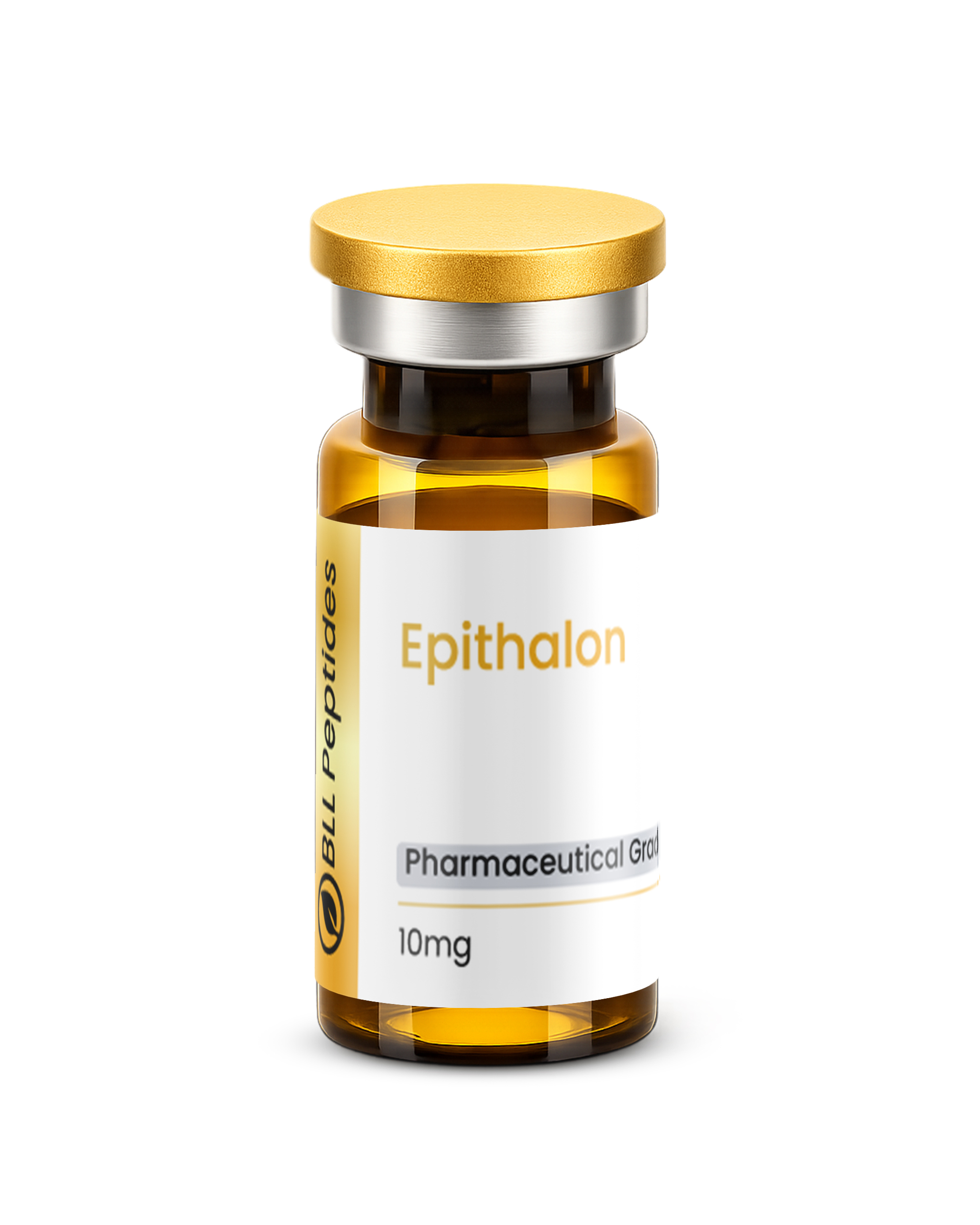
- Research-grade Epithalon at BLL Peptides
Disclaimer
This article is for informational and educational purposes only. The peptides and compounds discussed are intended for research purposes. This content does not constitute medical advice, diagnosis, or treatment recommendations.
The information presented includes both peer-reviewed research findings and anecdotal community reports, which are clearly distinguished throughout. NAD+ precursors, GHK-Cu, and glutathione are not FDA-approved medications for anti-aging or any disease condition.
Important Notices:
- Individual responses to supplementation vary significantly based on genetics, health status, age, and other factors
- The long-term effects of these interventions have not been fully established in humans
- Some compounds (particularly injectable peptides) are sold for research purposes only
- Always consult with a qualified healthcare professional before beginning any supplementation regimen
- Do not discontinue any prescribed medication without medical guidance
- If you have existing health conditions, take medications, are pregnant, nursing, or planning pregnancy, seek professional medical advice before using any products discussed
Regulatory Notice: The regulatory status of these compounds varies by jurisdiction and is subject to change. NMN's status as a dietary supplement in the United States has been affected by FDA determinations. Consumers are responsible for understanding and complying with applicable laws and regulations.
The statements in this article have not been evaluated by the Food and Drug Administration. Products discussed are not intended to diagnose, treat, cure, or prevent any disease.