
Athletic Performance & Recovery: A Complete Guide to Peptides
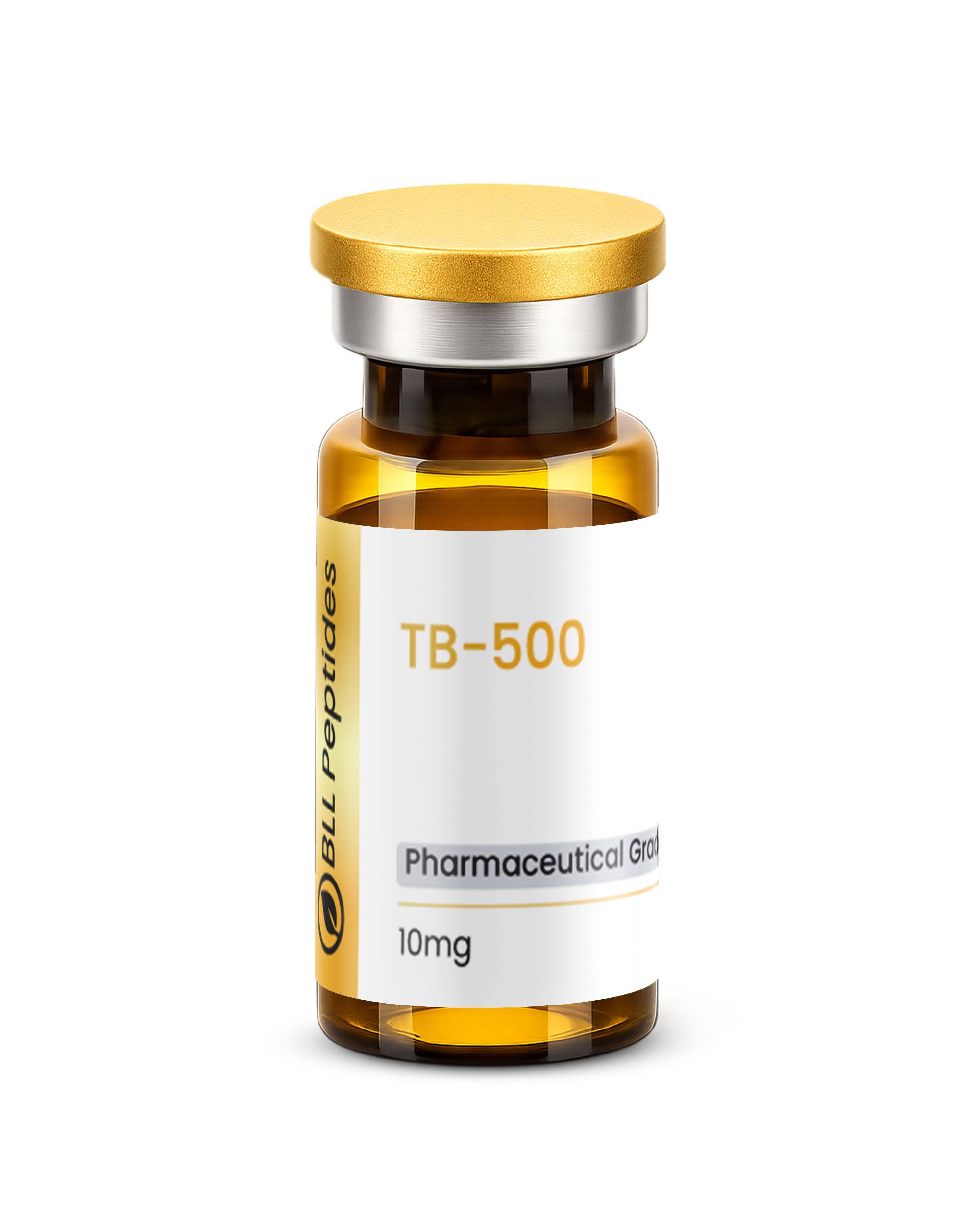
Athletic Performance & Recovery: The Complete Guide to TB-500 and BPC-157 for Athletes
Last updated: January 2025
Research-Grade TB-500 and BPC-157 at BLL Peptides
BLL Peptides supplies pharmaceutical-grade TB-500 and BPC-157 for research purposes. All products are independently tested to 98%+ purity with Certificates of Analysis available.
- TB-500 5mg / 3ml — View Product →
- TB-500 10mg / 3ml — View Product →
- BPC-157 10mg / 3ml — View Product →
Introduction: Peptides in Athletic Performance and Recovery
The pursuit of optimal athletic performance has always driven innovation in sports science. From nutrition protocols to advanced training methodologies, athletes continuously seek legitimate advantages that can help them train harder, recover faster, and perform at their peak. In recent years, regenerative peptides have emerged as a significant area of research interest, with TB-500 and BPC-157 standing out as two of the most studied compounds for tissue repair and recovery.
For athletes, the body's ability to recover from training stress and injuries directly determines long-term success. Traditional recovery methods—rest, ice, compression, physical therapy—remain foundational, but the scientific understanding of how specific peptides influence healing at the cellular level has opened new avenues for research. TB-500 (Thymosin Beta-4 fragment) and BPC-157 (Body Protection Compound-157) represent two distinct approaches to supporting the body's natural repair mechanisms.
This comprehensive guide examines the current research on these peptides specifically through the lens of athletic performance and recovery. We'll explore their mechanisms of action, review relevant scientific studies including those from equine and animal athletic research, discuss what athletes in online communities report, and address practical considerations for those interested in understanding these compounds.
Important Context for Athletes: TB-500 is explicitly prohibited by the World Anti-Doping Agency (WADA) and is banned in all competitive sports. BPC-157, while not explicitly named on the prohibited list, may fall under prohibited categories and athletes should exercise extreme caution. Neither peptide is approved for human use by the FDA or other regulatory agencies.
TB-500: The Systemic Recovery Peptide
Understanding TB-500's Athletic Benefits
TB-500 is a synthetic peptide derived from Thymosin Beta-4, a naturally occurring protein found in virtually all human and animal cells. First isolated from the thymus gland in the 1960s by Dr. Allan Goldstein and colleagues, Thymosin Beta-4 has since been extensively studied for its remarkable tissue repair properties. The synthetic TB-500 fragment contains the active region believed responsible for these regenerative effects.
For athletes, TB-500's appeal lies in its systemic approach to recovery. Unlike treatments that target specific tissues, TB-500 works through fundamental cellular mechanisms that support healing throughout the body. This makes it particularly interesting for athletes who subject multiple tissue types to simultaneous stress during training.
Muscle Repair and Recovery
The Science of Muscle Healing
Athletic training creates controlled muscle damage. During intense exercise, muscle fibers experience micro-tears that, when properly recovered, lead to adaptation and increased strength. TB-500's mechanisms directly support this repair process through several pathways:
Satellite Cell Activation: Research has demonstrated that Thymosin Beta-4 promotes the activation and migration of satellite cells—the resident stem cells in muscle tissue responsible for repair and regeneration. A study by Tokura et al. showed that muscle injury-induced Thymosin Beta-4 acts as a chemoattractant for myoblasts, helping direct repair cells to damaged areas [1].
Cell Migration Enhancement: TB-500's LKKTET amino acid sequence promotes cell migration, a critical step in muscle repair. When muscle fibers are damaged, the body must mobilize cells to the injury site. TB-500 appears to accelerate this process, potentially reducing the time between damage and repair initiation [2].
Reduced Fibrosis: One significant concern with muscle injuries is excessive scar tissue formation, which can reduce function and increase re-injury risk. TB-500's anti-fibrotic properties may help prevent this, promoting more functional tissue regeneration rather than simple scar repair [3].
Practical Implications for Athletes
For athletes engaged in resistance training, high-intensity interval training, or sports requiring explosive movements, the muscle recovery benefits of TB-500 are particularly relevant:
- Potential for faster recovery between training sessions
- May support healing from muscle strains and minor tears
- Could help maintain training consistency during intense phases
- Research suggests reduced inflammation during the repair process
Flexibility and Range of Motion
Connective Tissue Effects
Athletes often struggle with flexibility limitations that stem not from muscle tightness but from connective tissue restrictions. TB-500's effects on tissue remodeling may influence flexibility through several mechanisms:
Collagen Organization: Research suggests TB-500 influences collagen synthesis and organization. Proper collagen alignment is essential for tissue elasticity, and improved organization may translate to better range of motion [4].
Adhesion Reduction: Following injuries or intense training, adhesions can form between tissue layers, restricting movement. TB-500's tissue remodeling effects may help prevent or reduce these adhesions.
Joint Capsule Health: The joint capsule, composed of connective tissue, can become restricted with intense training or minor injuries. TB-500's systemic effects may support overall joint capsule health.
Athletic Flexibility Applications
Sports requiring exceptional flexibility—gymnastics, martial arts, dance, swimming—may particularly benefit from TB-500's connective tissue effects:
- May help maintain range of motion during intensive training blocks
- Could support recovery from flexibility-related strains
- Research suggests improved tissue quality in healing connective structures
Stamina and Cardiovascular Benefits
Angiogenesis and Blood Supply
One of TB-500's most well-documented effects is the promotion of angiogenesis—the formation of new blood vessels. For athletes, improved vascularization directly impacts performance through enhanced oxygen and nutrient delivery.
Endothelial Cell Effects: TB-500 stimulates endothelial cells (the cells lining blood vessels), promoting their migration and proliferation. This can lead to capillary formation in muscle tissue, improving perfusion and metabolic support during exercise [5].
Cardiac Applications: The landmark 2004 Nature study by Bock-Marquette et al. demonstrated TB-500's ability to promote cardiac repair following injury. For athletes, the cardiovascular implications extend beyond injury repair to potentially improved overall cardiac function and recovery from training stress [6].
Oxygen Utilization: Better tissue vascularization means improved oxygen delivery during exercise and more efficient waste product removal during recovery. This could translate to:
- Enhanced endurance capacity
- Faster lactate clearance
- Improved recovery between high-intensity efforts
- Better adaptation to endurance training stimuli
BPC-157: The Localized Healing Peptide
Understanding BPC-157 for Athletes
BPC-157 (Body Protection Compound-157) offers a different approach to athletic recovery compared to TB-500. Derived from a naturally occurring protein in human gastric juice, this 15-amino acid peptide has been studied extensively at the University of Zagreb under Dr. Predrag Sikiric, with over 100 peer-reviewed studies examining its healing properties.
For athletes, BPC-157's appeal lies in its potent localized healing effects and its particularly strong research support for tendon and ligament repair—areas notoriously slow to heal and critically important for athletic function.
Injury Prevention Through Tissue Resilience
Strengthening Vulnerable Tissues
While no compound can truly "prevent" injuries, BPC-157's effects on tissue health may contribute to greater resilience:
Growth Factor Upregulation: BPC-157 increases expression of VEGF (Vascular Endothelial Growth Factor), EGF (Epidermal Growth Factor), and FGF (Fibroblast Growth Factor). These growth factors play essential roles in maintaining healthy, robust connective tissues [7].
Collagen Synthesis Support: Research demonstrates that BPC-157 influences collagen production and organization in tendons and ligaments. Well-organized collagen fibers resist stress better than disorganized tissue [8].
Blood Supply to Tendons: Tendons have notoriously poor blood supply, which contributes to their slow healing and vulnerability to chronic injuries. BPC-157's angiogenic effects may help improve vascularization of tendon tissue, supporting better nutrient delivery and waste removal.
Practical Prevention Applications
Athletes in high-risk sports may find BPC-157's tissue-strengthening effects particularly relevant:
- Runners prone to Achilles tendinopathy
- Tennis players with elbow tendon issues
- Overhead athletes at risk for rotator cuff problems
- Weightlifters concerned about patellar tendon health
Accelerated Recovery from Athletic Injuries
The Healing Cascade
BPC-157 appears to support multiple stages of the healing process, making it particularly effective for athletic injuries:
Inflammation Modulation: While inflammation is necessary for healing initiation, prolonged inflammation can delay recovery. BPC-157 modulates inflammatory pathways, helping create an optimal healing environment without completely suppressing the necessary inflammatory response [9].
Cellular Migration: Through the FAK-paxillin pathway, BPC-157 enhances cell migration to injury sites. Studies by Chang et al. demonstrated that this mechanism significantly improves tendon healing by promoting tenocyte (tendon cell) outgrowth and migration [10].
Tissue Remodeling: BPC-157 influences the quality of healed tissue, potentially resulting in more functional repair rather than simple scar formation. This is crucial for athletes who need tissues that can handle high-performance demands.
Research on Specific Injury Types
The scientific literature provides evidence for BPC-157's effects on injuries common in athletics:
Achilles Tendon Injuries: Staresinic et al. demonstrated that BPC-157 significantly accelerated healing of transected rat Achilles tendons, with improved biomechanical properties and better collagen organization compared to controls [11].
Ligament Injuries: Research on medial collateral ligament injuries showed BPC-157 improved healing rates, tissue organization, and functional outcomes [12].
Muscle Injuries: Studies on muscle crush injuries demonstrated faster functional recovery and reduced fibrotic scar tissue formation with BPC-157 treatment [13].
Tendon Health and Chronic Tendinopathy
The Tendinopathy Challenge
Chronic tendon problems represent one of the most frustrating issues athletes face. Conditions like tennis elbow, golfer's elbow, patellar tendinopathy, and Achilles tendinopathy can persist for months or years despite traditional treatment.
Why Tendons Are Difficult
Several factors make tendon healing challenging:
- Poor blood supply limits nutrient delivery
- Low cellular activity slows repair processes
- Continued use often prevents adequate rest
- Degenerated tissue may not respond to standard treatments
BPC-157's Tendon-Specific Benefits
Research suggests BPC-157 addresses multiple aspects of tendon healing:
Tenocyte Activation: BPC-157 stimulates tendon cell (tenocyte) activity, promoting more robust healing responses in typically quiescent tissues.
Vascular Support: By promoting angiogenesis in and around tendons, BPC-157 may help overcome the blood supply limitations that typically slow tendon healing.
Collagen Quality: Studies suggest improved collagen fiber organization in BPC-157-treated tendons, potentially resulting in stronger, more functional healed tissue.
Matrix Remodeling: BPC-157 influences extracellular matrix components, supporting the structural environment necessary for proper tendon function.
Scientific Mechanisms Relevant to Athletic Performance
How These Peptides Support Athletic Recovery at the Cellular Level
Understanding the molecular mechanisms behind TB-500 and BPC-157 helps explain their potential athletic applications.
TB-500's Core Mechanisms
G-Actin Sequestration
TB-500's primary mechanism involves regulation of actin, one of the most abundant proteins in cells. Actin forms the cellular "skeleton" and enables cell movement.
- TB-500 binds to G-actin (monomeric form), preventing premature polymerization
- This creates a reservoir of actin ready for rapid deployment
- When cells need to migrate to injury sites, this reservoir enables fast response
- The result: accelerated cell migration to damaged tissues [14]
The LKKTET Cell Migration Sequence
A specific amino acid sequence in TB-500 (LKKTET) directly promotes cell migration:
- Interacts with cell surface receptors
- Activates intracellular signaling cascades
- Promotes cytoskeletal reorganization necessary for movement
- Enables faster healing cell recruitment to injury sites [15]
Angiogenesis Pathways
TB-500 promotes new blood vessel formation through:
- Direct stimulation of endothelial cell proliferation
- Enhanced endothelial cell migration
- Interaction with hypoxia-inducible factors (HIF)
- VEGF pathway modulation [16]
BPC-157's Core Mechanisms
Nitric Oxide System Modulation
BPC-157's unique "modulatory" effect on nitric oxide (NO) pathways contributes to its healing effects:
- When NO is depleted: BPC-157 upregulates production
- When NO is excessive: BPC-157 helps normalize levels
- This bidirectional regulation optimizes the healing environment
- NO affects blood flow, inflammation, and cellular signaling [17]
Growth Factor Upregulation
BPC-157 increases expression of multiple critical growth factors:
- VEGF: Promotes blood vessel formation
- EGF: Supports cell proliferation and differentiation
- FGF: Enhances tissue repair and angiogenesis
This broad growth factor support creates an optimized healing environment.
FAK-Paxillin Pathway
The Focal Adhesion Kinase (FAK)-paxillin pathway is crucial for:
- Cell adhesion to extracellular matrix
- Cell migration toward injury sites
- Cell survival during the healing process
- Proper tissue organization during repair
BPC-157's activation of this pathway significantly enhances tissue repair capabilities [18].
Synergistic Mechanisms
When TB-500 and BPC-157 are considered together, their different mechanisms suggest complementary effects:
| Mechanism | TB-500 | BPC-157 | Combined Effect |
|---|---|---|---|
| Cell Migration | Actin regulation, LKKTET | FAK-paxillin activation | Enhanced overall migration |
| Angiogenesis | Endothelial cell effects | VEGF upregulation | Robust blood vessel formation |
| Inflammation | Anti-inflammatory | NO modulation | Balanced inflammatory response |
| Growth Factors | Limited direct effects | VEGF, EGF, FGF upregulation | Comprehensive growth support |
| Tissue Type | Systemic, cardiac focus | Tendon, GI, local focus | Broad tissue coverage |
Research Evidence: Animal and Equine Athletic Studies
The Equine Connection
The horse racing and equine sports industries have been significant areas of TB-500 and BPC-157 research, as horses experience similar musculoskeletal stresses to human athletes and there are fewer regulatory barriers to veterinary research.
TB-500 in Equine Medicine
Racing Industry Applications
TB-500 has been widely studied and used in equine medicine, particularly for:
Tendon Injuries: Horses are highly susceptible to tendon injuries, particularly in the flexor tendons of the lower leg. These injuries can be career-ending, making effective treatments highly valuable. Research and clinical experience in equine medicine has shown TB-500 may accelerate tendon healing in horses [19].
Ligament Support: The suspensory ligament and other ligamentous structures in horses are subject to significant stress during racing and jumping. Equine veterinarians have studied TB-500 for supporting these tissue repairs.
General Athletic Recovery: The use of TB-500 in racehorses for general recovery and maintenance became prevalent enough that racing authorities developed testing protocols and prohibitions.
Regulatory Response
The effectiveness of TB-500 in equine athletics led to its prohibition in competitive horse racing:
- Multiple racing jurisdictions banned TB-500 use
- Testing protocols were developed to detect the peptide
- Several high-profile cases involved TB-500 detection in racehorses
- The equine sports ban parallels WADA's prohibition for human athletes
BPC-157 Animal Athletic Research
Achilles Tendon Studies
The landmark study by Staresinic et al. on rat Achilles tendons provides the strongest evidence for BPC-157's athletic applications [11]:
- Rats had Achilles tendons surgically transected
- BPC-157 treatment groups showed significantly faster healing
- Biomechanical testing revealed improved tensile strength
- Histological analysis showed better collagen fiber organization
Muscle Recovery Studies
Research by Pevec et al. examined muscle healing, with particular relevance to athletic recovery [13]:
- Muscle crush injuries were created in rat models
- BPC-157 treatment accelerated functional recovery
- Reduced fibrosis (scar tissue) in healed muscles
- Notably, BPC-157 overcame healing impairment from corticosteroids
Ligament Healing Research
Cerovecki et al. studied medial collateral ligament injuries [12]:
- Rat MCL injuries treated with BPC-157
- Improved healing rates compared to controls
- Better tissue organization in healed ligaments
- Enhanced functional outcomes
Translating Animal Research to Human Applications
Strengths of Animal Research
- Controlled conditions allow precise measurement
- Invasive testing (histology, biomechanics) possible
- Consistent injury models enable comparison
- Foundation for understanding mechanisms
Limitations for Athletes
- Dosing may not directly translate to humans
- Human healing environments differ from laboratory conditions
- Athletic training creates different stress patterns
- No controlled human athletic studies exist
Synergistic Effects: TB-500 + BPC-157 for Athletes
The Rationale for Combination Use
Athletes and researchers have increasingly explored using TB-500 and BPC-157 together, reasoning that their different mechanisms might provide synergistic benefits.
Complementary Mechanisms
Different Primary Actions
TB-500 and BPC-157 work through distinct pathways:
| Aspect | TB-500 | BPC-157 |
|---|---|---|
| Origin | Thymus-derived | Gastric-derived |
| Primary Target | Systemic, whole-body | More localized |
| Key Mechanism | Actin regulation | NO modulation, growth factors |
| Tissue Affinity | Cardiac, general connective | Tendon, GI, neural |
| Administration | Systemic injection | Can be local or systemic |
Theoretical Synergy
Combining both peptides may offer:
- Broader Coverage: Different tissue affinities mean more comprehensive support
- Multiple Pathways: Distinct mechanisms create redundancy in healing support
- Systemic + Local: TB-500's systemic effects complement BPC-157's localized action
- Growth Factor Amplification: BPC-157's growth factor upregulation may enhance TB-500's effects
Athletic Applications for Combination Use
Complex Injuries
Multi-tissue injuries common in athletics may benefit most from combination protocols:
- Muscle-tendon junction injuries
- Joint injuries affecting multiple structures
- Complex overuse syndromes involving various tissues
- Post-surgical recovery involving multiple tissue types
High-Demand Recovery Situations
Athletes facing significant recovery challenges often discuss combination approaches:
- Return from major injury before competitive season
- Managing multiple simultaneous injuries
- Intensive training blocks requiring accelerated recovery
- Chronic conditions that have resisted single-compound approaches
Research Gaps
While the theoretical basis for combining TB-500 and BPC-157 is reasonable, important limitations exist:
- No published studies examine the combination specifically
- Optimal dosing ratios are unknown
- Potential interactions (positive or negative) are not characterized
- Individual responses may vary significantly
Community-Reported Protocols from Athletes
What Athletes Discuss Online
Online communities, particularly Reddit (r/Peptides, r/PEDs, r/Steroids) and bodybuilding forums, contain extensive discussions about TB-500 and BPC-157 use by athletes. The following represents commonly reported protocols—not recommendations—from these communities.
Important Disclaimer: These are anecdotal reports from uncontrolled use. They do not constitute medical advice or evidence of efficacy. Individual responses vary dramatically, and these reports may be subject to placebo effects, recall bias, and confounding factors.
TB-500 Protocols Reported by Athletes
Loading Phase (Commonly Reported)
- Dosage: 2.0-2.5mg per injection
- Frequency: Twice weekly (e.g., Monday/Thursday)
- Duration: 4-6 weeks
- Purpose: Establish tissue levels, initiate healing response
Maintenance Phase (Commonly Reported)
- Dosage: 2.0-2.5mg per injection
- Frequency: Once weekly or every two weeks
- Duration: 4-8 additional weeks
- Purpose: Sustain healing support while reducing frequency
Injury-Specific Protocols
Some athletes report adjusting protocols based on injury severity:
- Acute injuries: Standard loading followed by maintenance
- Chronic conditions: Extended loading phase (6-8 weeks)
- Maintenance/prevention: Lower frequency (every 2 weeks)
BPC-157 Protocols Reported by Athletes
Standard Athletic Protocol (Commonly Reported)
- Dosage: 250-500mcg per dose
- Frequency: Twice daily (morning and evening)
- Duration: 4-8 weeks
- Administration: Subcutaneous, often near injury site
Intensive Protocol (Commonly Reported)
- Dosage: 500mcg per dose
- Frequency: Twice daily
- Duration: Up to 12 weeks
- Administration: Local to injury site when possible
Oral/Sublingual Protocol (for GI issues)
- Dosage: 250-500mcg
- Frequency: 1-2 times daily
- Duration: Variable
- Note: Some athletes report oral use for gut issues from NSAIDs
Combination Protocols Reported by Athletes
Standard Stack (Commonly Reported)
TB-500:
- 2.5mg twice weekly for 4-6 weeks (loading)
- 2.5mg weekly thereafter (maintenance)
BPC-157:
- 250-500mcg twice daily
- Duration matching TB-500 protocol
- Often injected near injury site
Recovery Stack Variations
Some athletes report modifying the combination based on:
- Injury type and location
- Training phase and competition schedule
- Individual response to each peptide
- Budget considerations (TB-500 is typically more expensive)
Commonly Reported Results
Athletes in online communities frequently report:
Positive Experiences
- Faster recovery from tendon injuries (Achilles, patellar, elbow)
- Improved healing of muscle strains
- Reduced chronic pain from overuse injuries
- Better tolerance of high training volumes
- Accelerated post-surgical recovery (anecdotal)
Neutral/Variable Experiences
- Effects noticed gradually over weeks, not immediately
- Some injuries respond better than others
- Results vary significantly between individuals
- Difficulty separating peptide effects from concurrent treatments
Negative Experiences
- Mild fatigue or lethargy (TB-500, usually temporary)
- Injection site reactions
- Some report minimal noticeable benefit
- Cost concerns for extended protocols
Pre-Competition vs. Off-Season Considerations
Strategic Timing for Athletes
For athletes interested in understanding these peptides (for legal research or non-competitive applications), the timing of use within training cycles presents important considerations.
Off-Season Applications
Advantages of Off-Season Use
The off-season may be theoretically preferable for several reasons:
Injury Treatment Window: Time away from competition allows focused healing without performance pressure. Athletes can potentially address lingering injuries without the need to compete through them.
Testing Considerations: Athletes in drug-tested sports face no testing during true off-season periods, though WADA testing can occur year-round for some athletes. TB-500 specifically is prohibited at all times.
Recovery from Season Demands: The accumulated stress of a competitive season creates an ideal time for recovery support. Off-season healing sets the foundation for the next training cycle.
Protocol Completion: Peptide protocols typically run 4-12 weeks. The off-season provides adequate time to complete protocols without competition interference.
Off-Season Protocol Considerations
- Longer protocols possible (8-12 weeks)
- Can address multiple injuries sequentially or simultaneously
- Time for assessment and adjustment
- Physical therapy and rehabilitation can be optimized
Pre-Competition Considerations
Critical Warnings for Competitive Athletes
- TB-500 is WADA prohibited – detectable and banned at all times
- BPC-157 status is ambiguous – may fall under prohibited categories
- Detection windows are not precisely known for all testing methods
- Career-ending consequences possible for violations
Non-Competitive Athletes
For recreational athletes or those in non-tested competition:
Potential Considerations
- Acute injury recovery before event
- Managing chronic issues for competition readiness
- Supporting tissue health during intensive preparation
Practical Limitations
- Short timeframes may limit protocol effectiveness
- Competition stress may interfere with healing
- Focus should be on performance, not recovery during competition phase
Training Phase Integration
Base Building Phase
- Lower training intensities allow healing focus
- Good time for addressing chronic issues
- Can support tissue adaptation to increasing loads
Intensity Phase
- Higher risk of new injuries
- Recovery demands are significant
- Peptide support theoretically could aid in managing training stress
Taper/Peaking Phase
- Minimal new tissue stress ideal
- Final healing window before competition
- Avoiding new interventions generally preferred
Competition Phase
- Testing concerns paramount for competitive athletes
- Focus on performance, not healing
- Any ongoing protocols should be evaluated for appropriateness
Common Sports Injuries Addressed
Tendon Injuries
Achilles Tendinopathy
One of the most studied applications for both peptides:
- Prevalence: Common in runners, basketball players, jumpers
- Challenge: Poor blood supply, slow natural healing
- Research Support: Strong evidence from animal studies (BPC-157)
- Reported Experience: Frequently discussed in athlete communities
- Timeline: Chronic cases often report improvement over 6-8+ weeks
Patellar Tendinopathy (Jumper's Knee)
- Prevalence: Basketball, volleyball, high jumpers
- Challenge: Continued stress from jumping activities
- Approach: BPC-157 often discussed for local injection near tendon
- Considerations: May require activity modification during healing
Tennis Elbow (Lateral Epicondylitis) and Golfer's Elbow (Medial Epicondylitis)
- Prevalence: Racquet sports, throwing sports, weightlifting
- Challenge: Constant use makes rest difficult
- Approach: Local BPC-157 injection commonly discussed
- Timeline: Reports typically describe 4-8 weeks for chronic cases
Rotator Cuff Tendinopathy
- Prevalence: Overhead athletes, swimmers, throwers
- Challenge: Complex shoulder mechanics, multiple tendons
- Approach: Both TB-500 (systemic) and BPC-157 (local) discussed
- Considerations: Often requires comprehensive rehabilitation program
Ligament Injuries
ACL and Other Knee Ligament Injuries
- Severity: Can be career-altering injuries
- Research: BPC-157 studied in MCL models
- Application: Often discussed for post-surgical recovery support
- Limitations: Severe tears require surgical repair
Ankle Ligament Sprains
- Prevalence: Extremely common across sports
- Grades: Varies from mild stretching to complete tears
- Approach: BPC-157 frequently discussed for moderate sprains
- Timeline: Mild sprains may show faster improvement; severe require longer protocols
UCL Injuries (Tommy John)
- Prevalence: Baseball pitchers, other throwing athletes
- Challenge: High-stress position, often requires surgery
- Application: Post-surgical recovery support discussed
- Note: Specific protocols not well-established
Muscle Injuries
Hamstring Strains
- Prevalence: Sprinters, soccer players, any running sports
- Challenge: High recurrence rate
- Approach: TB-500's systemic effects often discussed
- Consideration: Proper rehabilitation essential regardless of peptide use
Quadriceps Strains and Contusions
- Prevalence: Contact sports, sprinting
- Research: Muscle healing studies support both peptides
- Approach: Combination protocols sometimes discussed for severe injuries
Calf Strains
- Prevalence: Running sports, tennis, basketball
- Challenge: Weight-bearing required for daily function
- Timeline: Reports suggest 2-4 weeks for minor strains with peptide support
Joint and Complex Injuries
Shoulder Impingement and Labral Issues
- Complexity: Multiple structures involved
- Approach: Combination TB-500 + BPC-157 sometimes discussed
- Limitations: Structural damage may require surgical correction
Hip Labral Tears and FAI
- Challenge: Deep joint, difficult to treat conservatively
- Application: Some discussion of peptide support for mild cases
- Note: Significant tears often require surgical intervention
Recovery Timelines
What to Expect: Evidence-Based Perspectives
Recovery timelines with peptide support are highly individual, but general patterns emerge from research and community reports.
Factors Affecting Recovery Speed
Injury-Related Factors
- Injury severity and extent of tissue damage
- Location (blood supply varies by tissue)
- Acute vs. chronic condition
- Previous injuries to same area
- Presence of complicating factors (infection, etc.)
Individual Factors
- Age (younger generally heals faster)
- Overall health status
- Nutrition quality
- Sleep and recovery practices
- Concurrent treatments (PT, etc.)
- Training status and tissue conditioning
Protocol Factors
- Peptide dosing and timing
- Administration method
- Protocol duration
- Combination vs. single peptide
- Consistency of administration
General Timeline Expectations
Acute Injuries (Mild to Moderate)
| Timeline | Expected Progress |
|---|---|
| Week 1-2 | Inflammation reduction, initial healing response |
| Week 2-4 | Active tissue repair, reduced pain |
| Week 4-6 | Significant functional improvement |
| Week 6-8 | Near-complete healing of mild injuries |
| Week 8-12 | Complete healing, return to full activity |
Chronic Tendinopathies
| Timeline | Expected Progress |
|---|---|
| Week 1-2 | Minimal change, healing processes initiating |
| Week 2-4 | Possible slight improvement, reduced morning stiffness |
| Week 4-6 | Noticeable reduction in symptoms |
| Week 6-8 | Significant functional improvement |
| Week 8-12 | Substantial healing, may require continued maintenance |
| Week 12+ | Full resolution possible for some, others may need longer |
Post-Surgical Recovery (Theoretical)
| Timeline | Expected Progress |
|---|---|
| Week 1-2 | Incision healing, inflammation management |
| Week 2-4 | Early tissue repair |
| Week 4-8 | Active healing, PT progression |
| Week 8-12 | Advanced rehabilitation |
| Week 12+ | Return to sport progression |
Realistic Expectations
What Peptides May Offer
- Potential acceleration of natural healing timelines
- Possible improvement in healed tissue quality
- May help overcome healing plateaus
- Support for training consistency during recovery
What Peptides Cannot Do
- Replace proper rehabilitation and physical therapy
- Heal injuries that require surgical intervention
- Guarantee results for everyone
- Work without adequate rest and nutrition
- Overcome continued re-injury from training through pain
Return to Sport Considerations
Progressive Loading
Regardless of peptide use, return to sport should follow progressive loading principles:
- Pain-free daily activities
- Low-intensity sport-specific movements
- Moderate intensity training
- High-intensity training
- Full competition readiness
Re-Injury Prevention
Rushing return increases re-injury risk. Peptides may accelerate healing, but tissue still needs appropriate time to:
- Develop full strength
- Achieve proper collagen organization
- Adapt to sport-specific loads
- Build neuromuscular coordination
Important Considerations and Warnings
WADA Status and Drug Testing
TB-500 (Thymosin Beta-4)
- Status: Explicitly prohibited under WADA Section S2.5
- Classification: Peptide Hormones, Growth Factors, Related Substances
- Testing: Anti-doping laboratories can detect TB-500
- Consequences: Suspension from competition, loss of results
- Notable Cases: Multiple professional athletes sanctioned for TB-500 use
BPC-157
- Status: Not explicitly named on WADA prohibited list
- Risk: May fall under prohibited peptide hormone categories
- Testing: Detection methods continue to evolve
- Recommendation: Athletes in tested sports should avoid
- Individual Sport Policies: Some organizations have specific bans
Key Points for Competitive Athletes
- TB-500 is unambiguously banned—no exceptions
- BPC-157's status is unclear but risky
- "Research purposes only" is not a defense
- Testing can occur any time, including off-season
- Career consequences can be permanent
Regulatory Status
FDA Status
- Neither TB-500 nor BPC-157 is FDA approved for any use
- Both are classified as research chemicals
- Legal to purchase for research purposes in most jurisdictions
- Not legal to market for human consumption
- No quality standards enforced by regulatory agencies
Quality Concerns
- Purity varies significantly between suppliers
- No pharmaceutical-grade products exist
- Contamination and degradation possible
- Third-party testing recommended but not guaranteed
- "Certificate of Analysis" quality varies
Medical Disclaimers
This Is Not Medical Advice
- This article is for informational and educational purposes only
- The information does not constitute medical advice
- Consult healthcare professionals before any peptide use
- Individual medical situations require individual evaluation
- Authors assume no liability for use of this information
Research Compound Status
- TB-500 and BPC-157 are research compounds
- Not approved for human therapeutic use
- Most research is preclinical (animal studies)
- Human clinical trials are limited or incomplete
- Long-term safety data in humans does not exist
Potential Risks
- Unknown long-term effects
- Potential for contaminated products
- Individual adverse reactions possible
- Interactions with medications unknown
- Effects on certain conditions (cancer, pregnancy, etc.) unstudied
Citations and References
Primary Research
-
Tokura Y, Nakayama Y, Fukada S, et al. "Muscle injury-induced thymosin beta4 acts as a chemoattractant for myoblasts." J Biochem. 2011;149(1):43-48.
-
Goldstein AL, Hannappel E, Kleinman HK. "Thymosin beta4: actin-sequestering protein moonlights to repair injured tissues." Trends Mol Med. 2005;11(9):421-429.
-
Ehrlich HP, Hazard SW. "Thymosin beta4 enhances repair by organizing connective tissue and preventing the appearance of myofibroblasts." Ann N Y Acad Sci. 2010;1194:118-124.
-
Crockford D, Turjman N, Allan C, Angel J. "Thymosin beta4: structure, function, and biological properties supporting current and future clinical applications." Ann N Y Acad Sci. 2010;1194:179-189.
-
Grant DS, Rose W, Yaen C, Goldstein A, Martinez J, Kleinman H. "Thymosin beta4 enhances endothelial cell differentiation and angiogenesis." Angiogenesis. 1999;3(2):125-135.
-
Bock-Marquette I, Saxena A, White MD, Dimaio JM, Srivastava D. "Thymosin beta4 activates integrin-linked kinase and promotes cardiac cell migration, survival and cardiac repair." Nature. 2004;432(7016):466-472.
-
Seiwerth S, et al. "BPC 157 and blood vessels." Current Pharmaceutical Design. 2014;20(7):1121-1125.
-
Chang CH, et al. "The promoting effect of pentadecapeptide BPC 157 on tendon healing involves tendon outgrowth, cell survival, and cell migration." Journal of Applied Physiology. 2011;110(3):774-780.
-
Sikiric P, et al. "Stable gastric pentadecapeptide BPC 157-NO-system relation." Current Pharmaceutical Design. 2014;20(7):1126-1135.
-
Chang CH, et al. "The promoting effect of pentadecapeptide BPC 157 on tendon healing involves tendon outgrowth, cell survival, and cell migration." Journal of Applied Physiology. 2011;110(3):774-780.
-
Staresinic M, et al. "Gastric pentadecapeptide BPC 157 accelerates healing of transected rat Achilles tendon and in vitro stimulates tendocytes growth." Journal of Orthopaedic Research. 2003;21(6):976-983.
-
Cerovecki T, et al. "Pentadecapeptide BPC 157 (PL 14736) improves ligament healing in the rat." Journal of Orthopaedic Research. 2010;28(9):1155-1161.
-
Pevec D, et al. "Impact of pentadecapeptide BPC 157 on muscle healing impaired by systemic corticosteroid application." Medical Science Monitor. 2010;16(3):BR81-88.
-
Safer D, Nachmias VT. "Beta thymosins as actin binding peptides." Bioessays. 1994;16(8):590.
-
Philp D, Huff T, Gho YS, Hannappel E, Kleinman HK. "The actin binding site on thymosin beta4 promotes angiogenesis." FASEB J. 2003;17(14):2103-2105.
-
Smart N, Risebro CA, Melville AA, et al. "Thymosin beta4 induces adult epicardial progenitor mobilization and neovascularization." Nature. 2007;445(7124):177-182.
-
Sikiric P, et al. "BPC 157 and NO system." Current Pharmaceutical Design. 2014;20(7):1126-1135.
-
Sikiric P, Seiwerth S, Rucman R, et al. "Brain-gut Axis and Pentadecapeptide BPC 157: Theoretical and Practical Implications." Current Neuropharmacology. 2016;14(8):857-865.
-
World Anti-Doping Agency. The World Anti-Doping Code International Standard: Prohibited List. 2024.
Additional References
-
Sikiric P, et al. "Stable gastric pentadecapeptide BPC 157: novel therapy in gastrointestinal tract." Current Pharmaceutical Design. 2011;17(16):1612-1632.
-
Malinda KM, Sidhu GS, Mani H, et al. "Thymosin beta4 accelerates wound healing." J Invest Dermatol. 1999;113(3):364-368.
-
RegeneRx Biopharmaceuticals. Clinical Development Pipeline. https://www.regenerx.com/
-
Sikiric P, et al. "Toxicity by NSAIDs. Counteraction by stable gastric pentadecapeptide BPC 157." Current Pharmaceutical Design. 2013;19(1):76-83.
-
Gjurasin M, et al. "Peptide therapy with pentadecapeptide BPC 157 in traumatic nerve injury." Regulatory Peptides. 2010;160(1-3):33-41.
-
Dubé KN, Smart N. "Thymosin beta4 and the vasculature: multiple roles in development, repair and protection against disease." Expert Opin Biol Ther. 2018;18(sup1):131-139.
Conclusion
TB-500 and BPC-157 represent two of the most extensively researched peptides in the field of tissue repair and regeneration. For athletes, their potential applications in accelerating recovery, supporting healing from common sports injuries, and maintaining tissue health during intensive training present compelling areas of interest.
The scientific evidence, while primarily preclinical, provides strong mechanistic rationale for their healing effects. TB-500's actin regulation and systemic tissue repair properties complement BPC-157's growth factor upregulation and localized healing effects. Research in animal models, including extensive equine athletic studies, supports their potential in accelerating tendon, ligament, and muscle healing.
However, athletes must approach these compounds with clear understanding of critical limitations:
- Regulatory Prohibitions: TB-500 is banned by WADA; BPC-157's status is ambiguous but risky
- Research Limitations: Human clinical trials are limited; most evidence is from animal studies
- Quality Concerns: As research compounds, purity and quality vary significantly
- Legal Status: Neither peptide is approved for human therapeutic use
For non-competitive athletes or those in non-tested sports interested in understanding recovery optimization, these peptides represent fascinating areas of ongoing research. The community experiences reported online, while anecdotal, suggest that many individuals find value in these compounds for injury recovery and tissue health.
As with all aspects of athletic performance, peptides cannot replace the fundamentals: proper training progression, adequate recovery, quality nutrition, and professional rehabilitation when injured. They may, at best, support and potentially accelerate the body's natural healing processes.
Athletes considering any peptide use should consult with qualified healthcare providers, understand the full regulatory implications for their sport, and approach these compounds with appropriate caution given their research status.
Further Reading
- BPC-157 Peptide: Mechanisms of Tissue Repair in Research Models
- TB-500 (Thymosin Beta-4): Understanding Its Role in Cellular Recovery Research
- Ipamorelin vs GHRP-6: Two Growth Hormone Secretagogues Compared
Related Research
- BPC-157 Peptide: Mechanisms of Tissue Repair in Research Models
- TB-500 (Thymosin Beta-4): Understanding Its Role in Cellular Recovery Research
- Ipamorelin vs GHRP-6: Two Growth Hormone Secretagogues Compared
- Research-grade BPC-157 at BLL Peptides
Disclaimer
This article is for informational and educational purposes only.
TB-500 and BPC-157 are research compounds that are not approved by the FDA for any human therapeutic use. They are sold and intended for research purposes only and are not intended for human consumption.
Critical Information for Athletes:
- TB-500 (Thymosin Beta-4) is explicitly prohibited by WADA and banned in competitive sports worldwide
- BPC-157, while not explicitly named, may fall under prohibited substance categories
- Athletes in drug-tested sports should avoid these compounds entirely
- Violations can result in suspension, loss of results, and career damage
This content does not constitute medical advice, diagnosis, or treatment recommendations. The information presented includes both peer-reviewed scientific research and anecdotal community reports, which are clearly distinguished throughout the text. Anecdotal reports are not evidence of efficacy or safety.
Individuals considering any peptide research should:
- Consult with qualified healthcare professionals
- Verify legal status in their jurisdiction
- Understand testing implications for their sport
- Ensure product quality through reputable sources with third-party testing
The authors and publishers assume no liability for the use or misuse of information contained herein. Individual results may vary, and the decision to use any research compound is solely the responsibility of the individual.
Keywords: peptides for athletes, TB-500 muscle recovery, BPC-157 sports injury, athletic recovery peptides, peptides for performance, tendon healing peptides, sports injury recovery, athlete peptide protocols, TB-500 athlete guide, BPC-157 athletic applications