
Energy & Cellular Health: A Complete Guide to NAD+ Optimization
Energy & Cellular Health: A Comprehensive Guide to NAD+ and Glutathione for Optimal Cellular Function
Introduction: The Foundation of Cellular Energy
Every moment of your life depends on a remarkable process occurring in the trillions of cells that make up your body: the production and utilization of energy. From the beating of your heart to the firing of neurons that allow you to read these words, cellular energy production underlies virtually every biological function.
At the heart of this process are your mitochondria, often called the "powerhouses of the cell." These specialized organelles convert nutrients from your food into adenosine triphosphate (ATP), the universal energy currency that fuels cellular activities. A single cell can contain anywhere from a few hundred to several thousand mitochondria, depending on its energy demands. Your brain, heart, and muscles, with their high energy requirements, are particularly rich in these essential organelles.
Understanding cellular energy is more than an academic exercise. Research increasingly links declining cellular energy production to fatigue, cognitive decline, reduced physical performance, and many aspects of the aging process itself. As we age, mitochondrial function deteriorates, ATP production decreases, and the accumulation of oxidative damage compromises cellular integrity.
Two molecules have emerged as central players in maintaining cellular energy and protecting cellular health: Nicotinamide Adenine Dinucleotide (NAD+) and Glutathione (GSH). These compounds work through complementary mechanisms, with NAD+ driving energy production and Glutathione providing the antioxidant protection necessary to sustain that production safely. Together, they represent a powerful approach to supporting cellular energy and overall vitality.
This comprehensive guide explores the science behind these two remarkable molecules, examining their roles in energy metabolism, the research supporting their benefits, and practical considerations for those interested in optimizing cellular health.
Research-Grade NAD+ at BLL Peptides
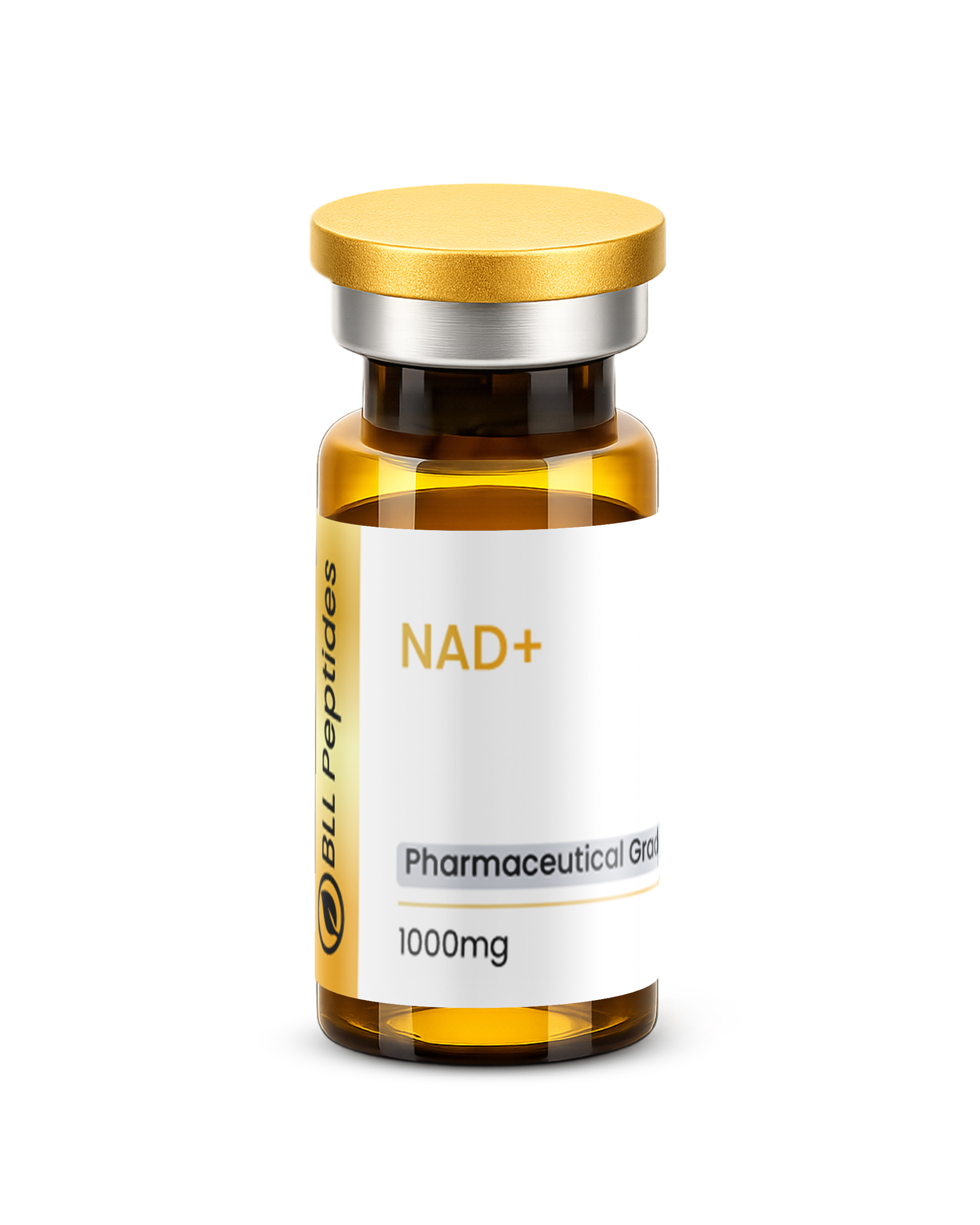
BLL Peptides supplies pharmaceutical-grade NAD+ for research purposes. All products are independently tested to 98%+ purity with Certificates of Analysis available.
Understanding NAD+: The Energy Engine
What is NAD+?
Nicotinamide Adenine Dinucleotide (NAD+) is a coenzyme present in every living cell. Discovered over a century ago during research on yeast fermentation, NAD+ has since been recognized as one of the most fundamental molecules in biology. Without it, life as we know it simply would not exist.
NAD+ serves two critical functions. First, it acts as an electron carrier in metabolic reactions, shuttling electrons between molecules during the chemical processes that generate cellular energy. Second, it functions as a substrate for important signaling enzymes, including sirtuins and PARPs, which regulate gene expression, DNA repair, and cellular stress responses.
NAD+ and ATP Production
The connection between NAD+ and energy production is direct and essential. During cellular respiration, NAD+ participates in three major metabolic pathways:
Glycolysis: In the cytoplasm, glucose is broken down into pyruvate through a series of enzymatic reactions. During this process, NAD+ accepts electrons, becoming NADH. Without sufficient NAD+, this initial step of energy extraction slows dramatically.
The Citric Acid Cycle (Krebs Cycle): Within the mitochondrial matrix, acetyl-CoA (derived from pyruvate, fatty acids, or amino acids) is oxidized through a cyclic series of reactions. Each turn of this cycle generates three NADH molecules, representing stored energy ready for conversion to ATP.
The Electron Transport Chain: NADH delivers its electrons to Complex I of the mitochondrial inner membrane. As these electrons flow through the chain, they drive the pumping of protons across the membrane, creating the electrochemical gradient that powers ATP synthase. A single NADH molecule can yield approximately 2.5 ATP molecules through this process.
The mathematics are compelling: a single glucose molecule can yield up to 38 ATP molecules through complete oxidation, but this maximum output requires adequate NAD+ availability. When NAD+ levels decline, the entire energy production cascade becomes less efficient.
Mitochondrial Function and NAD+
Beyond its direct role in electron transport, NAD+ influences mitochondrial health through multiple mechanisms:
Mitochondrial Biogenesis: NAD+ activates SIRT1, which in turn activates PGC-1alpha, the master regulator of mitochondrial biogenesis. Higher NAD+ levels promote the creation of new mitochondria, expanding cellular energy capacity.
Mitochondrial Quality Control: NAD+ supports the processes by which cells identify and remove damaged mitochondria (mitophagy), ensuring the mitochondrial population remains functional.
Nuclear-Mitochondrial Communication: Research by Dr. David Sinclair's laboratory at Harvard demonstrated that NAD+ decline disrupts communication between the nucleus and mitochondria, contributing to age-related mitochondrial dysfunction. Remarkably, boosting NAD+ levels restored this communication in animal models.
Sirtuins: The Longevity Connection
Perhaps the most exciting aspect of NAD+ biology involves sirtuins, a family of seven proteins (SIRT1-7) that require NAD+ as a co-substrate for their enzymatic activity. Without sufficient NAD+, sirtuins cannot perform their protective functions.
SIRT1 regulates metabolic pathways, enhances stress resistance, and influences inflammation. It has been extensively studied for its potential role in longevity.
SIRT3, located in mitochondria, directly deacetylates enzymes of the electron transport chain, enhancing their efficiency. SIRT3 also activates superoxide dismutase 2 (SOD2), a key mitochondrial antioxidant enzyme that protects against oxidative damage.
SIRT6 plays critical roles in DNA repair and genomic stability, helping maintain the integrity of cellular genetic material.
The requirement for NAD+ means that sirtuin activity declines as NAD+ levels decrease with age, potentially contributing to the metabolic dysfunction and reduced stress resistance characteristic of aging.
The NAD+ Decline Problem
Research has revealed a troubling pattern: NAD+ levels decline substantially with age. Studies suggest approximately 50% reduction between ages 40 and 60 in various tissues. This decline results from multiple factors:
Increased consumption: The NAD+-consuming enzyme CD38 increases with age and inflammation. Additionally, accumulated DNA damage triggers greater PARP activity, consuming NAD+ in repair processes.
Decreased synthesis: The enzyme NAMPT, which catalyzes the rate-limiting step in NAD+ salvage synthesis, declines with age.
Inflammatory processes: Chronic low-grade inflammation, common in aging, upregulates CD38 and other NAD+-consuming pathways.
This age-related decline creates a potential vicious cycle: lower NAD+ impairs mitochondrial function and DNA repair, leading to more oxidative damage and further NAD+ consumption.
Understanding Glutathione: The Cellular Guardian
What is Glutathione?
Glutathione (GSH) is a tripeptide composed of three amino acids: glutamate, cysteine, and glycine. Present in virtually every cell at millimolar concentrations, it serves as the primary intracellular antioxidant and plays essential roles in detoxification, immune function, and cellular regulation.
The molecule exists in two forms: the reduced form (GSH), which is active and protective, and the oxidized form (GSSG), which results when GSH neutralizes reactive oxygen species. Healthy cells maintain a GSH:GSSG ratio exceeding 100:1, and this ratio serves as a sensitive indicator of cellular redox status and overall health.
Glutathione and Cellular Protection
Glutathione's protective functions center on its sulfhydryl (-SH) group, which readily donates electrons to neutralize harmful reactive oxygen species (ROS). This antioxidant activity is crucial because energy production inevitably generates ROS as byproducts.
The Glutathione Peroxidase System: Glutathione peroxidase enzymes (GPx) use GSH to reduce hydrogen peroxide and organic hydroperoxides, preventing oxidative damage. GPx4 is particularly important for protecting mitochondrial membranes from lipid peroxidation.
The Glutathione Recycling System: After neutralizing ROS, oxidized glutathione (GSSG) is regenerated to GSH by glutathione reductase using NADPH as the electron donor. This recycling ability makes glutathione remarkably efficient, as it can be regenerated and reused continuously.
Regeneration of Other Antioxidants: Glutathione regenerates oxidized forms of vitamin C and vitamin E, extending the activity of these important antioxidants. This interconnected network means adequate glutathione supports the entire antioxidant defense system.
Glutathione and Energy Metabolism
While glutathione is primarily known for its antioxidant functions, it plays several direct roles in energy metabolism:
Mitochondrial Protection: Mitochondria are both the primary generators of cellular energy and the primary sources of intracellular ROS. The mitochondrial glutathione pool is essential for protecting these organelles from self-inflicted oxidative damage. When mitochondrial glutathione is depleted, mitochondrial function deteriorates, and ATP production suffers.
Iron-Sulfur Cluster Assembly: Glutathione participates in the assembly of iron-sulfur clusters, which are essential cofactors for multiple enzymes in the electron transport chain. Without proper iron-sulfur cluster formation, electron transport becomes impaired.
Protection of Metabolic Enzymes: Many enzymes involved in energy metabolism contain cysteine residues that are sensitive to oxidation. Glutathione protects these enzymes through a process called S-glutathionylation, reversibly modifying cysteine residues to shield them from permanent oxidative damage.
Detoxification and Energy Conservation
Glutathione's role in Phase II hepatic detoxification has indirect but important implications for cellular energy:
Toxin Conjugation: Glutathione S-transferase enzymes (GSTs) conjugate glutathione to various toxins, drugs, and environmental pollutants, making them water-soluble for excretion. This process prevents these compounds from interfering with cellular metabolism.
Heavy Metal Chelation: Glutathione can bind and help eliminate heavy metals that otherwise might inhibit metabolic enzymes.
Drug Metabolism: By supporting efficient drug metabolism, glutathione helps maintain normal cellular function during pharmaceutical treatment.
When detoxification pathways are overwhelmed due to glutathione depletion, cellular energy may be diverted to damage control rather than normal function, contributing to fatigue and reduced performance.
Age-Related Glutathione Decline
Like NAD+, glutathione levels decline with age. Research has documented significant reductions in blood and tissue glutathione concentrations in older adults compared to younger individuals. This decline is associated with:
- Increased oxidative stress markers
- Reduced immune function
- Greater susceptibility to environmental toxins
- Impaired mitochondrial function
The causes of age-related glutathione decline include reduced synthesis capacity (particularly related to decreased cysteine availability), increased oxidative consumption, and impaired recycling of oxidized glutathione back to its reduced form.
The Science of Cellular Energy: Mechanisms Explained
ATP: The Universal Energy Currency
Adenosine triphosphate (ATP) is the molecule that directly powers cellular work. When ATP is hydrolyzed to ADP (adenosine diphosphate), energy is released that drives muscle contraction, nerve signal transmission, protein synthesis, and countless other processes.
The human body contains only about 250 grams of ATP at any given moment, yet daily ATP turnover equals approximately body weight. This means ATP molecules are recycled thousands of times daily, with continuous regeneration from ADP essential for survival. Any disruption to this cycle manifests as reduced energy and compromised cellular function.
The Electron Transport Chain in Detail
The electron transport chain (ETC) represents the final and most productive stage of cellular respiration. Located in the inner mitochondrial membrane, the ETC consists of four protein complexes (I-IV) plus ATP synthase:
Complex I (NADH dehydrogenase): Accepts electrons from NADH, the reduced form of NAD+. This is the entry point for most electrons derived from glucose and fatty acid oxidation. Complex I pumps protons across the membrane while transferring electrons to ubiquinone.
Complex II (Succinate dehydrogenase): Accepts electrons from FADH2, generated during the citric acid cycle. Unlike Complex I, it does not pump protons.
Complex III (Cytochrome bc1 complex): Receives electrons from ubiquinone and transfers them to cytochrome c while pumping protons.
Complex IV (Cytochrome c oxidase): The final electron acceptor, transferring electrons to molecular oxygen to form water. This complex also pumps protons.
ATP Synthase: Uses the proton gradient created by Complexes I, III, and IV to drive the synthesis of ATP from ADP and inorganic phosphate.
The efficiency of this system depends critically on adequate NAD+ to accept and deliver electrons, and on antioxidant protection (primarily from glutathione) to prevent oxidative damage to the protein complexes.
Oxidative Stress: The Energy-Antioxidant Balance
A fundamental biological trade-off exists between energy production and oxidative stress. The electron transport chain inevitably "leaks" some electrons, which react with oxygen to form superoxide radicals. Under normal conditions, approximately 1-2% of electrons escape, though this percentage increases when the system is stressed or damaged.
This creates a continuous challenge: cells must produce sufficient ATP for function while managing the inevitable ROS byproducts. The balance depends on:
Antioxidant capacity: Primarily glutathione, along with superoxide dismutase, catalase, and other enzymes
Mitochondrial efficiency: Better-functioning mitochondria produce more ATP per electron leaked
Damage repair mechanisms: DNA repair enzymes, protein chaperones, and lipid repair systems
When this balance tips toward oxidative stress, a destructive cycle can develop: oxidative damage impairs mitochondrial function, leading to more electron leakage and more ROS, causing further damage. Both NAD+ (through sirtuin activation) and glutathione (through direct antioxidant action) help maintain favorable balance.
Research Evidence: NAD+ and Energy Benefits
Human Clinical Trials
The Yoshino 2021 Science Study: This landmark randomized, double-blind, placebo-controlled trial examined nicotinamide mononucleotide (NMN) supplementation in prediabetic postmenopausal women. Participants received 250 mg NMN daily for 10 weeks. The results showed a 25% improvement in insulin-stimulated glucose disposal in skeletal muscle, demonstrating that NAD+ precursors can produce meaningful metabolic benefits in humans.
The Martens 2018 Nature Communications Study: This crossover trial in healthy middle-aged and older adults found that nicotinamide riboside (NR) supplementation (1000 mg daily for 6 weeks) successfully raised NAD+ levels by approximately 60% in peripheral blood cells. The study also reported trends toward reduced blood pressure and improved arterial function.
The Elhassan 2019 Cell Reports Study: This study demonstrated that NR supplementation (1000 mg daily for 6 weeks) increased skeletal muscle NAD+ metabolites and reduced inflammatory markers in older men with normal glucose tolerance.
Animal Research Highlights
The Gomes 2013 Cell Study: This foundational study demonstrated that declining NAD+ levels cause pseudohypoxia, disrupting nuclear-mitochondrial communication and impairing mitochondrial function. Crucially, one week of NMN treatment reversed these age-related changes in old mice.
Exercise and NAD+: Studies in mice have shown that NAD+ precursors can improve exercise capacity, muscle function, and recovery in aged animals. These findings suggest potential applications for maintaining physical performance with age.
Cognitive Function: Animal studies have demonstrated that NAD+ precursors can improve cognitive performance in aging models, potentially through enhanced neuronal energy metabolism and reduced oxidative stress.
Biomarker Improvements
Across multiple studies, NAD+ precursor supplementation has been associated with:
- Increased tissue NAD+ levels
- Improved markers of mitochondrial function
- Enhanced insulin sensitivity
- Reduced inflammatory markers
- Improved lipid profiles in some populations
Research Evidence: Glutathione and Cellular Protection
Human Clinical Studies
The Richie 2015 European Journal of Nutrition Study: This randomized, double-blind, placebo-controlled trial examined oral glutathione supplementation in healthy adults. Participants receiving 1000 mg daily for six months showed significant increases in blood glutathione levels and enhanced natural killer cell cytotoxicity, indicating improved immune function.
The Sinha 2018 European Journal of Clinical Nutrition Study: This study specifically evaluated liposomal glutathione, demonstrating superior bioavailability compared to standard oral formulations. Participants showed significant elevations in blood glutathione and improved markers of immune function.
The Weschawalit 2017 Clinical Dermatology Study: This randomized controlled trial found that glutathione supplementation improved skin elasticity and reduced wrinkles, demonstrating benefits beyond pure antioxidant measures.
Mechanistic Research
The GlyNAC Studies: Research by Dr. Rajagopal Sekhar at Baylor College of Medicine has shown that combined supplementation with glycine and N-acetylcysteine (GlyNAC) effectively raises glutathione levels in older adults and improves multiple markers associated with aging, including oxidative stress, mitochondrial dysfunction, inflammation, and insulin resistance.
Liver Protection Studies: The use of N-acetylcysteine (NAC), a glutathione precursor, for acetaminophen overdose treatment provides definitive evidence that restoring glutathione levels can protect against cellular damage. NAC is standard-of-care treatment specifically because it replenishes hepatic glutathione.
Oxidative Stress Markers
Glutathione supplementation studies have consistently shown:
- Reduced markers of oxidative damage (lipid peroxidation, protein carbonylation)
- Improved GSH:GSSG ratios
- Enhanced activity of glutathione-dependent enzymes
- Reduced inflammatory markers in various populations
Fatigue, Chronic Fatigue, and Energy Optimization
Understanding Fatigue at the Cellular Level
Fatigue, whether acute or chronic, often has roots in cellular energy metabolism. While fatigue can result from many causes, compromised ATP production represents a common final pathway:
Mitochondrial Dysfunction: Reduced mitochondrial number, impaired electron transport chain efficiency, or damaged mitochondrial DNA all decrease ATP output. This is particularly relevant in conditions like chronic fatigue syndrome, where mitochondrial abnormalities have been documented.
Oxidative Stress: Excessive ROS damages mitochondrial components, creating a self-perpetuating cycle of declining energy production and increasing oxidative damage.
NAD+ Depletion: Low NAD+ directly limits electron transport and indirectly impairs mitochondrial maintenance through reduced sirtuin activity.
Glutathione Depletion: Insufficient antioxidant protection allows oxidative damage to accumulate, further compromising energy production.
Chronic Fatigue Syndrome Research
Research in chronic fatigue syndrome (CFS) and myalgic encephalomyelitis (ME) has revealed relevant abnormalities:
Mitochondrial Function: Studies have found evidence of mitochondrial dysfunction in CFS patients, including reduced ATP production capacity and altered mitochondrial membrane potential.
Oxidative Stress: CFS patients often show elevated markers of oxidative stress and reduced antioxidant capacity, including lower glutathione levels.
NAD+ Metabolism: Emerging research suggests alterations in NAD+ metabolism may contribute to CFS pathophysiology.
While NAD+ and glutathione supplementation are not established treatments for CFS, the overlap between documented abnormalities in CFS and the known functions of these molecules has generated research interest.
Supporting Energy Through Cellular Health
For individuals seeking to optimize energy levels, supporting NAD+ and glutathione status represents a cellular-level approach:
Foundation for ATP Production: Adequate NAD+ ensures efficient electron transport and ATP synthesis.
Protection of Machinery: Adequate glutathione protects the mitochondrial enzymes and membranes required for energy production.
Mitochondrial Maintenance: NAD+-dependent sirtuins promote mitochondrial biogenesis and quality control.
Reduced Energy Drain: Efficient detoxification prevents toxin accumulation that diverts cellular resources.
Synergistic Effects: NAD+ and Glutathione Together
Complementary Mechanisms
NAD+ and glutathione work through distinct but complementary mechanisms that together support comprehensive cellular energy health:
NAD+ Drives Production: NAD+ is essential for the actual process of converting nutrients to ATP through its role as an electron carrier.
Glutathione Enables Sustainability: By protecting against the oxidative stress inherent to energy production, glutathione allows mitochondria to function efficiently over time without accumulating damage.
Shared Dependency: The glutathione recycling system depends on NADPH (derived from NADP+, a close relative of NAD+), creating biochemical links between these two systems.
The Metabolic Connection
The pentose phosphate pathway produces NADPH required for glutathione recycling. This pathway is regulated in part by NAD+-dependent enzymes, creating an interconnection between NAD+ status and glutathione homeostasis:
- NAD+ supports normal glucose metabolism
- Glucose flux through the pentose phosphate pathway generates NADPH
- NADPH powers glutathione reductase to recycle GSSG to GSH
- Adequate GSH protects mitochondria, maintaining efficient NAD+-dependent energy production
This metabolic circuit means that supporting one molecule indirectly supports the other.
Enhanced Mitochondrial Protection
When combined, NAD+ and glutathione provide multiple layers of mitochondrial support:
Direct Antioxidant Protection (Glutathione): Neutralizes ROS within mitochondria before damage occurs
Enhanced SOD2 Activity (NAD+ via SIRT3): SIRT3 activates superoxide dismutase 2, the primary mitochondrial superoxide scavenger, providing additional antioxidant capacity
Improved Mitochondrial Biogenesis (NAD+ via SIRT1): Promotes creation of new, healthy mitochondria to replace damaged ones
Efficient Energy Production: Healthy mitochondria produce more ATP with less electron leakage, reducing oxidative burden
Practical Synergy
Users and researchers have noted potential benefits from combining NAD+ precursors with glutathione support:
- Enhanced energy improvements compared to either alone
- Better tolerance of NAD+ precursors (possibly due to reduced oxidative stress)
- More comprehensive support for aging-related cellular changes
While formal clinical trials comparing combination versus individual supplementation are limited, the mechanistic rationale for synergy is strong.
Community Experiences and Protocols
Reported Experiences: NAD+ Precursors
Online communities, including Reddit's r/Longevity and r/Nootropics, contain extensive discussions of NAD+ precursor experiences. Common themes include:
Positive Reports:
- Increased sustained energy throughout the day
- Improved mental clarity and focus
- Enhanced exercise recovery
- Better sleep quality when taken in the morning
- Reduced "brain fog"
Timing of Effects:
- Some users notice effects within days
- Others report gradual improvements over weeks
- Effects often described as subtle but cumulative
Common Protocols:
- NMN: 250-500 mg daily, typically morning
- NR: 300-600 mg daily
- Often combined with resveratrol (1000 mg with fat for absorption)
- TMG supplementation to support methylation
Reported Experiences: Glutathione
Community reports on glutathione supplementation reflect:
Positive Reports:
- Improved overall energy and reduced fatigue
- Enhanced recovery from illness or toxin exposure
- Improved skin clarity and brightness
- Better tolerance of environmental stressors
Form Matters:
- Liposomal forms consistently reported as more effective than standard capsules
- IV glutathione described as producing immediate, noticeable effects
- NAC (as precursor) valued for cost-effectiveness
Common Protocols:
- Liposomal glutathione: 250-500 mg daily
- NAC: 600-1200 mg daily, often split doses
- Some combine direct glutathione with precursor support
Combination Protocols Discussed
Community discussions often mention combining NAD+ and glutathione support:
The "Comprehensive Stack":
- NAD+ precursor (NMN or NR): 250-500 mg morning
- Liposomal glutathione: 250-500 mg
- NAC: 600 mg (additional precursor support)
- TMG: 500 mg (methylation support)
- Alpha-lipoic acid: 300-600 mg (antioxidant and glutathione recycling support)
Rationale Cited:
- Address both energy production and protection
- Support multiple aspects of cellular health
- Provide comprehensive anti-aging support
Important Caveats:
- Individual responses vary significantly
- Anecdotal reports do not constitute scientific evidence
- Quality of products varies widely
- Medical consultation recommended
Administration Methods and Practical Considerations
NAD+ Precursors
Oral Supplementation (Most Common):
- Capsules and powders readily available
- NMN: 125-500 mg per capsule typical
- NR: 100-300 mg per capsule typical
- Take on empty stomach or with food depending on product
- Morning dosing generally preferred
Sublingual Administration:
- May improve bioavailability by bypassing first-pass metabolism
- Lozenges and sublingual powders available
- Hold under tongue for 30-60 seconds before swallowing
Intravenous NAD+:
- Administered at specialty clinics
- Doses typically 250-1000+ mg per session
- Sessions last 2-6 hours (slower infusion reduces side effects)
- Reported effects: intense mental clarity, improved energy
- Side effects during infusion: chest tightness, nausea (usually manageable by slowing rate)
- Cost: $500-1500+ per session
Nasal Sprays:
- Emerging delivery method
- Potential for direct delivery to brain
- Limited research on efficacy
- Product quality varies
Glutathione Forms
Standard Oral Glutathione:
- 500-1000 mg daily typical doses
- Poor bioavailability due to digestive breakdown
- Less expensive but less effective per milligram
Liposomal Glutathione (Recommended for Oral):
- 250-500 mg daily typical doses
- Significantly improved bioavailability
- Liposomal encapsulation protects from degradation
- Higher cost but better value per absorbed milligram
S-Acetyl Glutathione:
- 200-400 mg daily typical doses
- Improved stability compared to standard GSH
- May cross cell membranes more readily
- Limited comparative research
Intravenous Glutathione:
- 600-2000 mg per session typical
- 100% bioavailability
- Immediate tissue distribution
- Requires clinical setting
- Often combined with vitamin C and other nutrients
Precursor Approaches:
- NAC: 600-1800 mg daily
- GlyNAC (Glycine + NAC): Based on research, approximately 100 mg/kg/day of each
- Often more cost-effective than direct glutathione
- Well-researched, particularly NAC
Timing Considerations
NAD+ Precursors:
- Morning dosing preferred (aligns with circadian rhythm)
- May provide energizing effects that could interfere with sleep if taken late
- Some users split doses (morning and early afternoon)
Glutathione/NAC:
- Can be taken any time
- Some prefer empty stomach for optimal absorption
- NAC may be taken at bedtime by those who find it calming
Combination Approach:
- NAD+ precursor in morning
- Glutathione/NAC can be taken morning or divided throughout day
- TMG typically taken with NAD+ precursor
Storage and Quality
NAD+ Precursors:
- Store in cool, dark place
- Some products require refrigeration
- Check for third-party testing
- Look for verified NAD+ content
Glutathione:
- Liposomal products may require refrigeration after opening
- Protect from heat and light
- Reduced glutathione is sensitive to oxidation
- Check expiration dates (glutathione can degrade)
Safety Considerations
NAD+ Precursors
General Safety: Clinical trials report favorable safety profiles for NMN and NR at typical doses.
Common Side Effects (uncommon, typically mild):
- Gastrointestinal discomfort
- Headache
- Flushing
- Initial fatigue in some users
Theoretical Concerns:
- Cancer: Some researchers note cancer cells also require NAD+. Individuals with active cancer should consult oncologists before supplementing.
- Methylation: High-dose NAD+ precursors may affect methylation pathways. TMG supplementation is sometimes recommended.
Drug Interactions: Generally few known interactions, but disclose supplements to healthcare providers. Caution with PARP inhibitors (cancer medications).
Glutathione
General Safety: Well-tolerated as a naturally occurring compound.
Common Side Effects (uncommon):
- Mild gastrointestinal discomfort
- Bloating
- Headache
- Allergic reactions (rare)
Special Considerations:
- Inhaled glutathione may trigger bronchospasm in asthmatics
- High IV doses should be administered by trained professionals
- May theoretically protect cancer cells from certain chemotherapy agents; consult oncologists
NAC-Specific:
- Can interact with nitroglycerin (enhanced hypotensive effect)
- May affect blood coagulation; inform surgeons before procedures
Who Should Consult Healthcare Providers
- Pregnant or breastfeeding women
- Individuals with active cancer
- Those taking prescription medications
- People with liver or kidney disease
- Those scheduled for surgery
- Anyone with chronic health conditions
Citations and References
NAD+ Research
-
Gomes AP, Price NL, Ling AJ, et al. Declining NAD+ Induces a Pseudohypoxic State Disrupting Nuclear-Mitochondrial Communication during Aging. Cell. 2013;155(7):1624-1638.
-
Yoshino M, Yoshino J, Kayser BD, et al. Nicotinamide mononucleotide increases muscle insulin sensitivity in prediabetic women. Science. 2021;372(6547):1224-1229.
-
Martens CR, Denman BA, Mazzo MR, et al. Chronic nicotinamide riboside supplementation is well-tolerated and elevates NAD+ in healthy middle-aged and older adults. Nature Communications. 2018;9(1):1286.
-
Imai S, Guarente L. NAD+ and sirtuins in aging and disease. Trends in Cell Biology. 2014;24(8):464-471.
-
Camacho-Pereira J, Tarrago MG, Chini CCS, et al. CD38 Dictates Age-Related NAD Decline and Mitochondrial Dysfunction through an SIRT3-Dependent Mechanism. Cell Metabolism. 2016;23(6):1127-1139.
-
Verdin E. NAD+ in aging, metabolism, and neurodegeneration. Science. 2015;350(6265):1208-1213.
-
Elhassan YS, Kluckova K, Fletcher RS, et al. Nicotinamide Riboside Augments the Aged Human Skeletal Muscle NAD+ Metabolome and Induces Transcriptomic and Anti-inflammatory Signatures. Cell Reports. 2019;28(7):1717-1728.
-
Xie N, Zhang L, Gao W, et al. NAD+ metabolism: pathophysiologic mechanisms and therapeutic potential. Signal Transduction and Targeted Therapy. 2020;5(1):227.
Glutathione Research
-
Richie JP Jr, Nichenametla S, Neiber W, et al. Randomized controlled trial of oral glutathione supplementation on body stores of glutathione. European Journal of Nutrition. 2015;54(2):251-263.
-
Sinha R, Sinha I, Calcagnotto A, et al. Oral supplementation with liposomal glutathione elevates body stores of glutathione and markers of immune function. European Journal of Clinical Nutrition. 2018;72(1):105-111.
-
Forman HJ, Zhang H, Rinna A. Glutathione: overview of its protective roles, measurement, and biosynthesis. Molecular Aspects of Medicine. 2009;30(1-2):1-12.
-
Kumar P, Liu C, Hsu JW, et al. Glycine and N-acetylcysteine (GlyNAC) supplementation in older adults improves glutathione deficiency, oxidative stress, mitochondrial dysfunction, inflammation, insulin resistance, endothelial dysfunction, genotoxicity, muscle strength, and cognition: Results of a pilot clinical trial. Clinical and Translational Medicine. 2021;11(3):e372.
-
Weschawalit S, Thongthip S, Phutrakool P, Asawanonda P. Glutathione and its antiaging and antimelanogenic effects. Clinical, Cosmetic and Investigational Dermatology. 2017;10:147-153.
-
Heard KJ. Acetylcysteine for acetaminophen poisoning. New England Journal of Medicine. 2008;359(3):285-292.
Energy and Mitochondrial Research
-
Brand MD, Nicholls DG. Assessing mitochondrial dysfunction in cells. Biochemical Journal. 2011;435(2):297-312.
-
Lanza IR, Nair KS. Mitochondrial function as a determinant of life span. Pflugers Archiv. 2010;459(2):277-289.
-
Wallace DC. A mitochondrial paradigm of metabolic and degenerative diseases, aging, and cancer. Cold Spring Harbor Symposia on Quantitative Biology. 2005;70:363-374.
-
Harman D. The biologic clock: the mitochondria? Journal of the American Geriatrics Society. 1972;20(4):145-147.
Conclusion
Cellular energy production lies at the foundation of human health and vitality. The intricate machinery of the mitochondria, the electron transport chain, and the antioxidant defense systems work in concert to power every aspect of life. When these systems function optimally, we experience sustained energy, mental clarity, physical capability, and resilience. When they falter, fatigue, cognitive decline, and accelerated aging often follow.
NAD+ and glutathione represent two of the most important molecules for maintaining this delicate balance. NAD+ drives the actual production of ATP through its essential role in electron transport, while also activating the sirtuin proteins that maintain mitochondrial health and cellular repair mechanisms. Glutathione provides the antioxidant protection necessary to sustain energy production without accumulating oxidative damage, while also supporting detoxification and immune function.
The age-related decline of both molecules, documented across multiple studies, may contribute significantly to the fatigue and reduced function characteristic of aging. Research demonstrating that these levels can be restored through supplementation, with associated improvements in various biomarkers and functional measures, offers hope for maintaining cellular health across the lifespan.
For those considering NAD+ and glutathione support, several key points emerge:
Bioavailability matters: For NAD+, precursors like NMN and NR effectively raise NAD+ levels. For glutathione, liposomal forms or precursor approaches (NAC, GlyNAC) offer superior absorption compared to standard oral supplements.
Combination may provide synergy: The complementary mechanisms of NAD+ (energy production) and glutathione (cellular protection) suggest potential benefits from addressing both.
Individual responses vary: Factors including age, baseline status, genetics, and overall health influence responses to supplementation.
Quality matters: Third-party testing, reputable manufacturers, and proper storage help ensure product efficacy.
Medical guidance is valuable: Healthcare providers can help assess individual appropriateness, monitor responses, and identify potential interactions.
As research continues to advance our understanding of cellular energy metabolism and aging, NAD+ and glutathione remain at the forefront of strategies for supporting optimal cellular function. While they do not represent a fountain of youth, they offer scientifically grounded approaches to maintaining the cellular health that underlies sustained energy, vitality, and overall well-being.
Further Reading
- NAD+ and Mitochondrial Function: What the Research Reveals
- NAD+ vs NMN: Understanding the Research on Nicotinamide Pathways
- Cognitive Function & Brain Health: A Complete Guide to Peptides
Related Research
- NAD+ and Mitochondrial Function: What the Research Reveals
- NAD+: Complete Research Guide – Cellular Energy, Longevity Science, and Anti-Aging
- NAD+ vs NMN: Understanding the Research on Nicotinamide Pathways
- Research-grade NAD+ at BLL Peptides
Disclaimer
This article is provided for informational and educational purposes only and does not constitute medical advice, diagnosis, or treatment recommendations. The information presented is based on published scientific research and community-reported experiences, which are clearly distinguished throughout.
NAD+ precursors and glutathione products discussed in this article are intended for research purposes only. Individual responses to supplementation vary, and the effects described may not apply to all individuals.
Before beginning any supplementation regimen, consult with a qualified healthcare professional, particularly if you have existing health conditions, take medications, are pregnant or nursing, or have concerns about potential interactions. Do not discontinue any prescribed medication without medical guidance.
The statements in this article have not been evaluated by the Food and Drug Administration (FDA). Products discussed are not intended to diagnose, treat, cure, or prevent any disease.
While every effort has been made to ensure accuracy, scientific understanding evolves. Readers are encouraged to consult current peer-reviewed literature and qualified healthcare providers for the most up-to-date information.