
Gut Health & Digestion: A Complete Guide to Peptides for GI Support
BPC-157 for Gut Health & Digestion: A Complete Treatment-Focused Guide
Last updated: January 2025
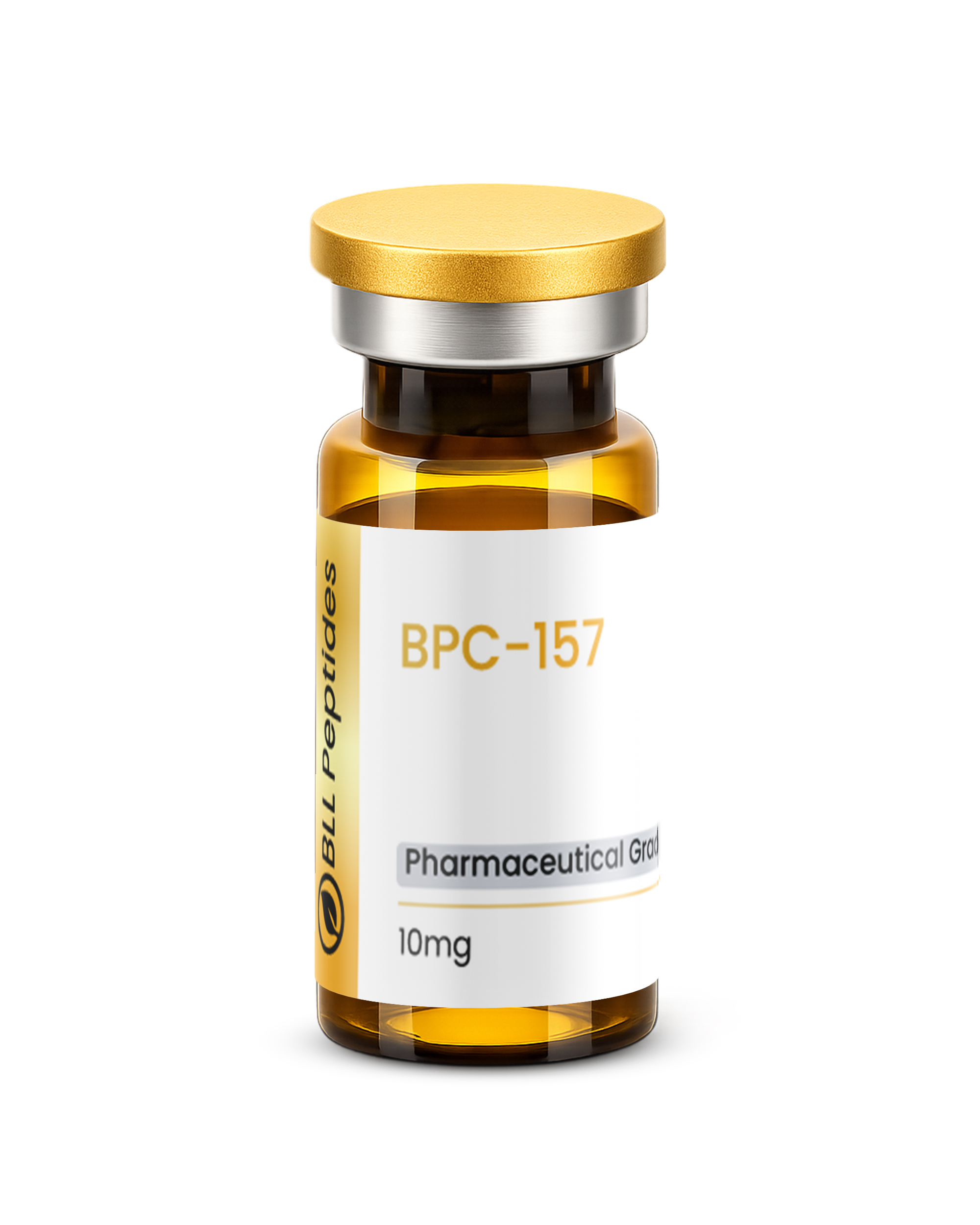
Research-Grade BPC-157 at BLL Peptides
BLL Peptides supplies pharmaceutical-grade BPC-157 for research purposes. All products are independently tested to 98%+ purity with Certificates of Analysis available.
Introduction: The Gut as the Foundation of Health
If you're reading this guide, chances are you understand intimately that gut health affects everything. The bloating after meals, the unpredictable bathroom trips, the brain fog that descends without warning, the fatigue that no amount of sleep seems to cure — these aren't just inconveniences. They're signs that something fundamental has gone wrong in the system that processes every nutrient your body receives.
The human gastrointestinal tract is far more than a simple food-processing tube. It's a complex ecosystem containing over 100 trillion microorganisms, more than 500 million neurons (earning it the nickname "the second brain"), and approximately 70% of your immune system. When this ecosystem falls out of balance, the consequences ripple throughout your entire body.
Modern life presents unprecedented challenges to gut health. Processed foods, chronic stress, widespread antibiotic use, environmental toxins, and the casual use of anti-inflammatory medications have created an epidemic of digestive disorders. Irritable bowel syndrome alone affects an estimated 10-15% of the global population, while conditions like inflammatory bowel disease, GERD, and intestinal permeability ("leaky gut") continue to rise.
For those who have struggled with gut issues — sometimes for years or decades — finding effective solutions can feel like searching for answers in the dark. Conventional treatments often provide incomplete relief, and the frustration of ongoing symptoms can be overwhelming.
This guide explores one of the most promising research compounds for gastrointestinal healing: BPC-157 (Body Protection Compound-157). Derived from a protein naturally found in human gastric juice, this peptide has demonstrated remarkable gut-healing properties in over three decades of research. We'll examine the science, the mechanisms, the research evidence, and the practical considerations for those interested in understanding how BPC-157 may support digestive health.
Understanding the Gut-Body Connection
The Intestinal Barrier: Your First Line of Defense
The intestinal lining serves as a selective barrier between the outside world (everything you eat and drink) and your internal environment. This barrier is remarkably thin — only a single layer of cells called enterocytes, held together by structures called tight junctions.
When functioning properly, this barrier:
- Allows nutrients, water, and beneficial compounds to pass through
- Blocks harmful substances, pathogens, and undigested food particles
- Houses immune cells that surveil for threats
- Produces mucus that protects against physical and chemical damage
When this barrier becomes compromised — a condition often called intestinal hyperpermeability or "leaky gut" — larger molecules slip through into the bloodstream, triggering immune responses and inflammation that can affect distant organs and systems.
The Gut-Immune Connection
The gut-associated lymphoid tissue (GALT) represents the largest mass of immune tissue in the body. This isn't coincidental. The gastrointestinal tract faces constant exposure to potential threats from food, bacteria, viruses, and environmental contaminants.
This immune presence means that gut inflammation doesn't stay local. When the intestinal barrier is compromised and the immune system becomes chronically activated, the inflammatory signals spread systemically. This may contribute to:
- Joint pain and stiffness
- Skin conditions
- Fatigue and malaise
- Cognitive symptoms ("brain fog")
- Mood disturbances
- Autoimmune conditions
The Gut-Brain Axis
The bidirectional communication pathway between the gut and brain — the gut-brain axis — represents one of the most fascinating areas of modern medical research. The enteric nervous system in your gut contains hundreds of millions of neurons and produces neurotransmitters including serotonin (approximately 95% of the body's serotonin is made in the gut), dopamine, and GABA.
This connection explains why:
- Stress so profoundly affects digestion
- Gut problems often accompany anxiety and depression
- Treating the gut can improve mental health symptoms
- The feeling of "butterflies in your stomach" reflects real neurological activity
Understanding this connection is crucial because effective gut healing often requires addressing both physical and neurological aspects of digestive function.
BPC-157: A Peptide Designed by Nature for Gut Healing
Origins in Gastric Protection
BPC-157 was first isolated from a protein complex found naturally in human gastric juice. This origin is significant: the stomach must constantly protect itself from its own acidic environment (pH 1.5-3.5) and rapidly repair the inevitable daily damage. The body's solution was to produce protective compounds that promote healing — the source material for BPC-157.
Dr. Predrag Sikiric and his research team at the University of Zagreb identified a specific 15-amino acid sequence from this gastric protein that demonstrated the most potent protective and healing properties. This fragment, designated BPC-157, has since been the subject of over 100 published studies.
Why BPC-157 Stands Out for Gut Health
While BPC-157 has demonstrated healing properties across multiple tissue types (tendons, muscles, nerves), its gastric origins give it a special affinity for gastrointestinal tissue. The research evidence for gut-related applications is among the strongest in the BPC-157 literature.
Key characteristics that make BPC-157 particularly suited for gut healing include:
Acid Stability: Unlike most peptides that degrade rapidly in acidic environments, BPC-157 remains stable in stomach acid. This stability allows for effective oral administration — a significant advantage for targeting the GI tract directly.
Local and Systemic Action: When taken orally, BPC-157 can act locally on damaged gut tissue while also producing systemic effects through absorption. This dual action addresses both the site of damage and the body-wide consequences of gut dysfunction.
Multi-Pathway Mechanism: Rather than working through a single receptor, BPC-157 modulates multiple interconnected healing pathways simultaneously, creating a comprehensive healing response.
BPC-157's Mechanisms for Gut Healing
Nitric Oxide System Modulation
One of BPC-157's most important mechanisms involves the nitric oxide (NO) system. In the gut, nitric oxide plays crucial roles in:
- Regulating blood flow to the intestinal lining
- Maintaining proper gut motility
- Protecting the mucosal barrier
- Modulating immune responses
- Supporting tissue repair
Research has demonstrated that BPC-157 exhibits a unique "modulatory" effect on NO pathways. When NO is depleted (as often occurs with gut inflammation), BPC-157 helps restore normal levels. When NO becomes excessive (which can cause tissue damage), the peptide helps normalize it.
This bidirectional regulation is particularly valuable for gut healing because different conditions may involve either NO depletion or excess. BPC-157's ability to restore balance, rather than simply increase or decrease NO, allows it to be effective across various pathological states [1].
Growth Factor Upregulation
BPC-157 significantly increases the expression of several growth factors essential for gut healing:
VEGF (Vascular Endothelial Growth Factor): Promotes the formation of new blood vessels to supply healing tissue with oxygen and nutrients. The gut mucosa has extremely high metabolic demands and requires robust blood supply for healing.
EGF (Epidermal Growth Factor): Critical for intestinal epithelial cell proliferation and migration. EGF plays a central role in maintaining the intestinal barrier and repairing damage.
FGF (Fibroblast Growth Factor): Supports tissue remodeling and repair, particularly important for healing ulcers and erosions [2].
Tight Junction Restoration
The tight junctions between intestinal epithelial cells determine intestinal permeability. When these junctions become dysfunctional, the barrier becomes "leaky," allowing inappropriate substances to enter the bloodstream.
Research suggests BPC-157 may help restore tight junction integrity by:
- Promoting expression of tight junction proteins
- Reducing inflammatory signals that damage junctions
- Supporting enterocyte health and function
- Accelerating mucosal healing that restores barrier integrity
Anti-Inflammatory Effects
Gut disorders typically involve significant inflammation. BPC-157 has demonstrated anti-inflammatory properties through:
- Modulation of pro-inflammatory cytokine production
- Reduction of oxidative stress
- Supporting resolution of inflammation
- Protecting against inflammatory damage from NSAIDs and other agents
Mucosal Protection and Regeneration
The gastric and intestinal mucosa — the protective lining that shields underlying tissue from acid, enzymes, and mechanical stress — is a primary target for BPC-157's protective effects. Research has shown the peptide:
- Accelerates mucosal healing after damage
- Increases mucus production
- Improves mucosal blood flow
- Protects against various ulcer-inducing agents [3]
Scientific Research: BPC-157 and Gastrointestinal Effects
Ulcer Healing Studies
The most extensively studied gastrointestinal application for BPC-157 is ulcer healing. Multiple studies have demonstrated remarkable effects:
Gastric Ulcers: In rodent models, BPC-157 significantly accelerated healing of gastric ulcers induced by:
- Cysteamine (a chemical that depletes protective factors)
- NSAIDs (aspirin, diclofenac, ibuprofen)
- Alcohol
- Chronic restraint stress
- Surgical resection
In one key study, BPC-157 treatment resulted in significantly faster ulcer healing compared to controls, with improved tissue quality and reduced scarring. The peptide demonstrated effectiveness whether administered systemically (by injection) or locally (in the drinking water) [4].
Duodenal Ulcers: Similar protective and healing effects were observed for duodenal ulcers, with BPC-157 accelerating the closure of lesions and restoring normal tissue architecture.
Esophageal Damage: Research has shown BPC-157 can help heal esophageal lesions, with potential relevance for conditions like erosive esophagitis and Barrett's esophagus (though human studies are lacking).
NSAID Protection: A Critical Application
Perhaps the most clinically relevant gastrointestinal research on BPC-157 involves its interaction with non-steroidal anti-inflammatory drugs (NSAIDs).
NSAIDs like ibuprofen, aspirin, naproxen, and diclofenac are among the most commonly used medications worldwide, but they carry significant gastrointestinal risks. NSAID-induced gut damage includes:
- Gastric and duodenal ulcers
- Small intestinal erosions
- Increased intestinal permeability
- Bleeding complications
- Enteropathy (chronic intestinal damage with long-term use)
Research on BPC-157 and NSAID damage has shown [5]:
Protective Effects: When given alongside NSAIDs, BPC-157 significantly reduced the development of gastric lesions, suggesting a protective effect that might allow safer NSAID use.
Healing Effects: When given after NSAID damage had occurred, BPC-157 accelerated healing of existing lesions.
Permeability Protection: BPC-157 helped maintain intestinal barrier integrity despite NSAID exposure.
Systemic Protection: The protective effects extended beyond the GI tract, with BPC-157 reducing liver and brain damage associated with NSAID toxicity in animal models.
These findings have significant implications for the millions who rely on NSAIDs for pain management, particularly those with chronic conditions requiring ongoing anti-inflammatory therapy.
Inflammatory Bowel Disease Research
Animal models of inflammatory bowel disease (IBD), including both Crohn's disease-like and ulcerative colitis-like conditions, have been studied extensively with BPC-157.
Key findings include [6]:
- Reduced intestinal inflammation
- Accelerated mucosal healing
- Preserved intestinal barrier function
- Decreased inflammatory cytokine production
- Reduced colonic damage scores
- Improved clinical parameters (weight, stool consistency)
- Prevention of fistula formation in some models
While these results are promising, it's important to note that animal models of IBD differ from human disease, and no human clinical trials have been completed for this application.
Intestinal Anastomosis Healing
Surgical studies have examined BPC-157's effects on the healing of intestinal anastomoses (surgical connections made when portions of intestine are removed). This research is relevant for post-surgical recovery:
- Anastomotic strength was significantly increased in BPC-157-treated animals
- Healing time was reduced
- Complication rates (leakage, stricture) were lower
- Tissue organization was improved [7]
Short Bowel Syndrome Research
Preliminary research has explored BPC-157 in models of short bowel syndrome, a condition where significant intestinal length has been removed. Results suggested improved intestinal adaptation and nutrient absorption, though this remains an early-stage research area.
Conditions Addressed: Clinical Applications of BPC-157
Leaky Gut (Intestinal Hyperpermeability)
Intestinal hyperpermeability, commonly called "leaky gut," occurs when the tight junctions between intestinal cells become dysfunctional, allowing larger molecules to pass through the intestinal barrier into the bloodstream.
How BPC-157 May Help:
- Restores tight junction protein expression
- Reduces inflammation that damages barrier integrity
- Accelerates mucosal healing
- Supports enterocyte health and function
- Modulates immune responses triggered by barrier dysfunction
Research Support: While no studies have specifically measured intestinal permeability changes with BPC-157 in humans, the mechanism evidence and ulcer-healing studies strongly suggest barrier-protective effects.
Irritable Bowel Syndrome (IBS)
IBS is a functional gastrointestinal disorder characterized by abdominal pain, bloating, and altered bowel habits without identifiable structural damage. Recent research suggests IBS may involve low-grade inflammation, altered gut motility, and increased intestinal permeability.
How BPC-157 May Help:
- Anti-inflammatory effects may reduce IBS-associated inflammation
- NO modulation could help normalize gut motility
- Barrier restoration may reduce symptoms
- Gut-brain axis effects may address neurological components
Research Support: No specific IBS studies have been published, but the mechanisms align well with current understanding of IBS pathophysiology.
Inflammatory Bowel Disease (IBD)
IBD encompasses Crohn's disease and ulcerative colitis — chronic inflammatory conditions involving significant intestinal damage.
How BPC-157 May Help:
- Potent anti-inflammatory effects
- Accelerated mucosal healing
- Growth factor upregulation for tissue repair
- Angiogenesis promotion for blood supply to healing tissue
- Potential fistula prevention (based on animal data)
Research Support: Strong animal model evidence supports efficacy, though human clinical trials are needed.
Important Note: IBD is a serious medical condition requiring proper diagnosis and management. BPC-157 should not replace conventional IBD treatments but might potentially complement them (under medical supervision).
Gastroesophageal Reflux Disease (GERD)
GERD involves chronic acid reflux that can damage the esophageal lining, potentially leading to erosive esophagitis, Barrett's esophagus, or esophageal strictures.
How BPC-157 May Help:
- Healing of esophageal erosions
- Mucosal protection against acid damage
- Anti-inflammatory effects
- Support for barrier restoration in damaged tissue
Research Support: Limited direct research on GERD, but esophageal healing studies suggest potential benefit.
Gastric and Duodenal Ulcers
This represents the best-studied application for BPC-157's gastrointestinal effects.
How BPC-157 May Help:
- Directly accelerates ulcer healing
- Improves quality of healed tissue
- Reduces scarring and fibrosis
- Protects against recurrence (when the underlying cause is addressed)
- Counteracts NSAID-induced ulceration
Research Support: Strong animal evidence with consistent results across multiple studies and ulcer models [8].
The Gut-Brain Axis and BPC-157
Understanding the Connection
The gut and brain communicate continuously through neural, hormonal, and immune pathways. The vagus nerve serves as a primary communication highway, carrying signals in both directions. Gut bacteria produce neurotransmitters and neuroactive compounds that influence brain function, while stress and emotional states profoundly affect gut function.
This bidirectional relationship means that:
- Gut inflammation can trigger anxiety, depression, and cognitive symptoms
- Psychological stress can cause or worsen gut dysfunction
- Healing the gut may improve mental health symptoms
- Addressing stress may improve gut symptoms
BPC-157's Effects on the Gut-Brain Axis
Research has revealed that BPC-157 has significant interactions with neurotransmitter systems, particularly:
GABAergic System: GABA is the primary inhibitory neurotransmitter in the brain and plays important roles in the enteric nervous system. BPC-157 modulates GABA receptor function, which may contribute to:
- Reduced anxiety (observed in animal models)
- Improved stress resilience
- Better gut-brain communication
- Normalized gut motility
Dopaminergic System: Research shows BPC-157 can protect dopaminergic neurons and modulate dopamine signaling. This may be relevant for:
- Gut motility (dopamine influences gastric emptying)
- Mood regulation
- Motivation and reward systems affected by chronic illness
Serotonergic System: With approximately 95% of serotonin produced in the gut, the gut-brain serotonin connection is profound. While BPC-157's effects on serotonin are less studied, its overall gut-healing effects likely influence serotonin production and signaling [9].
Implications for Treatment
The gut-brain connection has practical implications for treating digestive disorders:
-
Comprehensive Approach: Effective gut healing may require addressing both physical damage and neurological components.
-
Stress Management: Reducing stress supports gut healing and may enhance BPC-157's effects.
-
Mental Health Benefits: Healing gut dysfunction may improve mood, cognition, and anxiety — commonly reported in community experiences.
-
Time for Brain Benefits: Neurological improvements may take longer than direct gut healing, as the gut-brain axis rebalances.
Community-Reported Protocols and Experiences
Related Research
- BPC-157 Peptide: Mechanisms of Tissue Repair in Research Models
- GHK-Cu: What Research Reveals About Copper Peptide and Tissue Biology
- Cognitive Function & Brain Health: A Complete Guide to Peptides
- Research-grade KPV at BLL Peptides
Disclaimer
The following information represents anecdotal reports from online communities (primarily Reddit's r/Peptides and r/ibs forums) and should not be construed as medical advice. Individual experiences vary significantly, and these reports have not been verified through clinical trials.
Commonly Reported Protocols for Gut Health
Standard Oral Protocol:
- Dose: 250-500mcg
- Frequency: Twice daily (morning on empty stomach, evening before bed)
- Duration: 4-8 weeks
- Form: Oral solution (held in mouth briefly before swallowing) or capsules
Intensive Gut Healing Protocol:
- Dose: 500mcg
- Frequency: Two to three times daily
- Duration: 8-12 weeks
- Form: Oral preferred for gut-specific effects
Combination Approach:
- Oral administration for local gut effects
- Subcutaneous injection for systemic effects
- Common for those addressing both gut issues and other injuries
Reported Experiences
IBS Improvements:
- Reduced bloating (often reported within 1-2 weeks)
- More regular bowel movements
- Decreased abdominal pain
- Better tolerance of previously problematic foods
- Reduced urgency
Leaky Gut Recovery:
- Decreased food sensitivities over time
- Improved energy levels
- Reduced systemic inflammation markers
- Better joint comfort (potentially related to gut-joint axis)
- Clearer thinking
Post-NSAID Recovery:
- Resolution of NSAID-induced gastritis
- Improved tolerance of occasional NSAID use
- Healing after GI bleeding events
- Reduced reflux symptoms
General Gut Health:
- Improved digestion
- Reduced post-meal discomfort
- Better nutrient absorption (subjectively reported)
- More stable energy throughout the day
Reported Timeframes
Based on community reports:
- Initial improvements: 1-2 weeks (often bloating, general comfort)
- Significant changes: 3-4 weeks (symptom reduction, better function)
- Major healing: 6-8+ weeks (resolution of chronic issues)
- Complete recovery: Variable (some report months for full benefit)
Factors Reported to Influence Results
Community members commonly report that results depend on:
- Severity and duration of the underlying condition
- Adherence to complementary dietary and lifestyle changes
- Quality of the peptide product
- Consistency of dosing
- Addressing root causes (stress, diet, etc.)
Oral vs. Injectable Administration for Gut Issues
The Case for Oral Administration
For gut-specific applications, oral administration has compelling advantages:
Direct Local Action:
- BPC-157 contacts damaged gut tissue directly
- Higher local concentrations at the site of injury
- Follows the natural path of the originating gastric protein
Acid Stability:
- Unlike most peptides, BPC-157 remains stable in stomach acid
- This stability was specifically studied and confirmed
- Allows oral administration to be viable
Convenience:
- No injection supplies needed
- No reconstitution required
- Easier long-term compliance
- More accessible for those uncomfortable with injections
Research Support:
- Many Zagreb studies used oral administration successfully
- Drinking water administration was effective in animal studies
- Results comparable to injection for GI applications
The Case for Injectable Administration
Some practitioners and researchers prefer injection, even for gut issues:
Systemic Effects:
- More consistent systemic absorption
- May better address gut-brain axis components
- Ensures peptide reaches circulation
Dosing Precision:
- Exact dose delivered (no absorption variability)
- More standardized approach
Avoiding Digestive Processing:
- Some concern about partial degradation despite acid stability
- Ensures intact peptide reaches target tissues
Practical Recommendation
Based on research and community experience, a reasonable approach for gut health applications:
Oral/Sublingual Administration:
- Primary choice for gut-focused applications
- Hold solution under tongue for 60-90 seconds before swallowing
- Take on empty stomach (at least 30 minutes before meals)
- Consider twice-daily dosing for sustained effects
Consider Adding Injection:
- For severe or systemic symptoms
- When gut-brain axis effects are desired
- For those not responding to oral alone
- Subcutaneous injection can be added to oral protocol
Expected Timelines for Gut Healing
Understanding Healing Phases
Gut healing occurs in stages, and understanding this process helps set realistic expectations:
Phase 1: Inflammation Reduction (Weeks 1-2)
- Initial reduction in acute inflammation
- May notice decreased bloating and discomfort
- Some symptom relief often begins here
Phase 2: Mucosal Repair (Weeks 2-6)
- Active repair of damaged mucosal lining
- Tight junction restoration begins
- Gradual improvement in barrier function
- More consistent symptom improvement
Phase 3: Tissue Remodeling (Weeks 4-12+)
- Maturation of newly healed tissue
- Restoration of normal tissue architecture
- Stabilization of improvements
- Long-term healing consolidation
Phase 4: Functional Restoration (Ongoing)
- Microbiome rebalancing
- Immune system recalibration
- Full restoration of normal function
- This phase may continue beyond active supplementation
Condition-Specific Timelines
Gastric Ulcers:
- Based on animal research: accelerated healing within 2-4 weeks
- Complete healing: 4-8 weeks depending on severity
NSAID Damage:
- Protection: can be concurrent with NSAID use
- Healing existing damage: 2-6 weeks
IBS Symptoms:
- Initial improvement: 1-3 weeks
- Significant benefit: 4-8 weeks
- Some report ongoing improvement over months
Leaky Gut/Permeability:
- Measurable improvement: 4-8 weeks (based on mechanism)
- Full restoration: 8-16+ weeks
- Complete systemic effect resolution: variable (months)
IBD Symptoms:
- These are serious conditions with variable courses
- Any improvement timeline would be highly individual
- Should only be explored under medical supervision
Factors Affecting Timeline
Healing speed depends on:
Severity: More severe damage takes longer to heal.
Duration: Chronic conditions that have existed for years typically take longer than acute issues.
Root Cause: If the underlying cause persists (ongoing stress, dietary triggers, medication), healing will be compromised.
Age: Healing capacity generally decreases with age.
Overall Health: Nutritional status, sleep, stress levels, and other health factors influence healing speed.
Consistency: Regular, consistent use produces better results than sporadic dosing.
Complementary Approaches for Gut Healing
Dietary Foundations
BPC-157 works best when combined with dietary practices that support gut healing:
Elimination of Triggers:
- Identify and remove foods causing symptoms
- Common culprits: gluten, dairy, processed foods, alcohol
- Consider working with a practitioner for structured elimination
Anti-Inflammatory Foods:
- Fatty fish (omega-3 fatty acids)
- Colorful vegetables (polyphenols)
- Olive oil
- Turmeric and ginger
- Bone broth (provides collagen, glutamine)
Gut-Healing Nutrients:
- L-glutamine (primary fuel for enterocytes)
- Zinc carnosine (supports mucosal integrity)
- Collagen peptides (provides building blocks)
- Omega-3 fatty acids (anti-inflammatory)
Prebiotic Foods:
- Fiber-rich vegetables
- Resistant starch (cooled potatoes, green bananas)
- Fermented foods (if tolerated)
Lifestyle Factors
Stress Management:
- The gut-brain connection makes stress reduction essential
- Practices: meditation, yoga, deep breathing, time in nature
- Even brief daily practice can influence gut health
Sleep Optimization:
- Gut repair occurs primarily during sleep
- Prioritize 7-9 hours of quality sleep
- Maintain consistent sleep-wake times
Exercise:
- Moderate exercise supports gut motility and healing
- Avoid overtraining (can stress the gut)
- Walking after meals aids digestion
Supplementary Support
Probiotics:
- Support microbiome balance
- Choose strains with evidence for your condition
- Consider spore-based probiotics for better survival
Digestive Enzymes:
- May reduce digestive burden during healing
- Helpful for those with low enzyme production
- Take with meals
Herbal Support:
- Slippery elm (mucilaginous, soothing)
- Marshmallow root (coating, protective)
- Aloe vera (anti-inflammatory, healing)
- DGL licorice (mucosal protection)
Medical Considerations
When to Seek Medical Care:
- Blood in stool
- Unexplained weight loss
- Severe or worsening symptoms
- Symptoms not improving with interventions
- Any alarming changes
Working with Healthcare Providers:
- Consider functional medicine practitioners familiar with peptides
- Get proper testing (stool analysis, food sensitivity, etc.)
- Address root causes with professional guidance
- Monitor progress with appropriate testing
Practical Protocol Summary
Starting a Gut-Healing Protocol with BPC-157
Step 1: Preparation
- Source quality BPC-157 from a reputable supplier
- Ensure proper storage (refrigeration after reconstitution)
- Prepare administration supplies (oral syringes for measurement)
Step 2: Baseline Assessment
- Document current symptoms (severity, frequency)
- Note problematic foods and triggers
- Consider baseline testing if working with a practitioner
Step 3: Begin Protocol
- Start with lower dose (250mcg) to assess tolerance
- Take on empty stomach for best absorption
- Morning and evening dosing is commonly reported
Step 4: Escalate if Needed
- If tolerated well, increase to standard dose (500mcg twice daily)
- Maintain consistent timing
- Continue for recommended duration (typically 4-8 weeks)
Step 5: Complementary Practices
- Implement dietary changes simultaneously
- Address stress and sleep
- Consider supportive supplements
Step 6: Assessment
- Track symptom changes weekly
- Note both improvements and any concerns
- Adjust protocol based on response
Step 7: Maintenance
- After initial protocol, some maintain with lower doses
- Others cycle on and off
- Long-term approach depends on individual response and goals
Safety Considerations
Known Side Effects
From research and community reports, side effects appear uncommon and typically mild:
- Mild nausea (especially at higher oral doses)
- Temporary digestive changes
- Rare: headache, dizziness, fatigue
Precautions
Conditions requiring extra caution:
- Active cancer or history of cancer (growth factor concerns)
- Pregnancy or breastfeeding
- Active infections
- Autoimmune conditions (potential immune modulation)
- Those taking immunosuppressants
Drug Interactions:
- Limited data exists on interactions
- Exercise caution with blood thinners
- Consult healthcare provider if taking medications
Quality Concerns
BPC-157 is sold as a research chemical without pharmaceutical-grade quality standards. Considerations include:
- Source from reputable suppliers with third-party testing
- Look for purity certificates (typically 98%+)
- Proper storage is essential for maintaining potency
- Be wary of unrealistic pricing (too cheap may indicate poor quality)
Conclusion: A Path Forward for Gut Health
Living with chronic gut issues can feel isolating and hopeless. The conventional medical system often falls short in addressing the complex, interconnected nature of digestive disorders. Many patients cycle through medications, tests, and specialists without finding lasting relief.
BPC-157 represents a promising option for gut healing, backed by over three decades of research demonstrating its remarkable ability to protect and repair gastrointestinal tissue. Its origins in the body's own gastric protective mechanisms give it a logical foundation for gut healing applications. The research evidence for ulcer healing, NSAID protection, and inflammatory bowel conditions is substantial, even if limited to animal models.
For those considering BPC-157 for gut health, several key points deserve emphasis:
The evidence is strongest for:
- Ulcer healing and prevention
- NSAID-induced damage protection and recovery
- General mucosal healing and barrier restoration
Success likely depends on:
- Addressing underlying causes (diet, stress, triggers)
- Consistent, sustained use for adequate duration
- Combining with complementary healing approaches
- Quality sourcing and proper administration
Realistic expectations include:
- Initial improvements often within weeks
- Full healing requiring months in chronic cases
- Ongoing lifestyle factors influencing long-term outcomes
- Individual variation in response
The gut's ability to heal is remarkable when given the right support. BPC-157 may be one valuable tool in a comprehensive approach to restoring digestive health and, through the gut-body connection, supporting overall wellbeing.
References
-
Sikiric P, et al. "BPC 157 and NO system." Current Pharmaceutical Design. 2014;20(7):1126-1135.
-
Seiwerth S, et al. "BPC 157 and blood vessels." Current Pharmaceutical Design. 2014;20(7):1121-1125.
-
Sikiric P, et al. "Stable gastric pentadecapeptide BPC 157: novel therapy in gastrointestinal tract." Current Pharmaceutical Design. 2011;17(16):1612-1632.
-
Sikiric P, et al. "The beneficial effect of BPC 157, a 15 amino acid peptide BPC fragment, on gastric and duodenal lesions induced by restraint stress, cysteamine, and 96% ethanol in rats." Journal of Physiology Paris. 1993;87(5):313-327.
-
Sikiric P, et al. "Toxicity by NSAIDs. Counteraction by stable gastric pentadecapeptide BPC 157." Current Pharmaceutical Design. 2013;19(1):76-83.
-
Sever M, et al. "Pentadecapeptide BPC 157 and the intestine-the barrier." Journal of Physiology Paris. 2001;95(1-6):365-370.
-
Hrelec M, et al. "Therapy of the short bowel syndrome–BPC 157 and esophageal, gastric, small and large intestine anastomosis." Journal of Physiology Paris. 2001;95(1-6):407-412.
-
Sikiric P, et al. "Cytoprotection and pentadecapeptide BPC 157." World Journal of Gastroenterology. 2018;24(40):4585-4592.
-
Sikiric P, et al. "Brain-gut Axis and Pentadecapeptide BPC 157: Theoretical and Practical Implications." Current Neuropharmacology. 2016;14(8):857-865.
-
Chang CH, et al. "The promoting effect of pentadecapeptide BPC 157 on tendon healing involves tendon outgrowth, cell survival, and cell migration." Journal of Applied Physiology. 2011;110(3):774-780.
-
Sikiric P, et al. "Novel cytoprotective mediator, stable gastric pentadecapeptide BPC 157. Vascular recruitment and gastrointestinal tract healing." Current Pharmaceutical Design. 2018;24(18):1990-2001.
-
Sikiric P, et al. "Pentadecapeptide BPC 157 and its effects on a NSAID toxicity model: diclofenac-induced gastrointestinal, liver, and encephalopathy lesions." Life Sciences. 2003;73(6):757-770.
Further Reading
- BPC-157 Peptide: Mechanisms of Tissue Repair in Research Models
- Injury Recovery & Healing: A Complete Guide to Regenerative Peptides
- Cognitive Function & Brain Health: A Complete Guide to Peptides
Disclaimer
This article is for informational and educational purposes only. BPC-157 is a research compound and is not approved by the FDA or any regulatory agency for human use. The information presented here is based on preclinical research, primarily animal studies, and should not be construed as medical advice.
Important considerations:
- BPC-157 is sold for research purposes only and is not intended for human consumption
- No human clinical trials have established safety or efficacy for gastrointestinal applications
- Quality and purity of research peptides vary significantly between suppliers
- Individual responses may differ significantly from research findings
- Always consult with a qualified healthcare provider before considering any peptide research
- This content does not constitute medical advice, diagnosis, or treatment recommendations
- Serious gastrointestinal conditions require proper medical evaluation and management
The decision to use any research compound is a personal one that should be made with full awareness of the legal status, limited human data, and potential risks involved.
Keywords: BPC-157 gut health, peptides for gut healing, BPC-157 leaky gut, peptides for digestion, gut repair peptides, BPC-157 IBS, BPC-157 IBD, intestinal permeability peptides, gut-brain axis BPC-157, BPC-157 ulcer healing, NSAID protection BPC-157