
Skin Health & Rejuvenation: A Complete Guide to GHK-Cu Peptide
Peptides for Skin Health & Rejuvenation: A Comprehensive Guide to GHK-Cu and Glutathione
Introduction: The Science of Peptide-Based Skin Rejuvenation
The pursuit of healthier, more youthful skin has driven centuries of innovation in dermatology and cosmetic science. Today, peptide-based approaches represent one of the most promising frontiers in skin health research, offering targeted mechanisms that work with the body's natural regenerative processes rather than simply masking surface-level changes.
Among the many peptides studied for skin applications, two stand out for their complementary mechanisms and robust research foundations: GHK-Cu (copper peptide) and L-Glutathione (the master antioxidant). Together, these compounds address skin health from multiple angles—GHK-Cu by stimulating collagen production and tissue remodeling, and glutathione by providing powerful antioxidant protection and influencing skin pigmentation.
This comprehensive guide examines the scientific evidence, mechanisms of action, practical applications, and realistic expectations for using these peptides in skin health protocols. Whether you are interested in addressing signs of aging, improving skin texture and tone, accelerating wound healing, or supporting overall skin vitality, understanding these peptides provides a foundation for informed decision-making.
Why Peptides for Skin Health?
Peptides offer several advantages over traditional skincare approaches:
- Specificity: Peptides can target specific cellular processes rather than producing generalized effects
- Biocompatibility: Many skincare peptides are naturally occurring or closely mimic natural compounds
- Multiple mechanisms: Individual peptides often influence several complementary pathways simultaneously
- Research foundation: Leading peptides like GHK-Cu and glutathione have decades of scientific investigation supporting their use
The skin is the body's largest organ and serves as both a protective barrier and a reflection of internal health. Supporting skin health requires addressing multiple factors: structural integrity (collagen and elastin), protection from oxidative damage, proper cellular turnover, and balanced pigmentation. GHK-Cu and glutathione address these needs through distinct but complementary pathways.
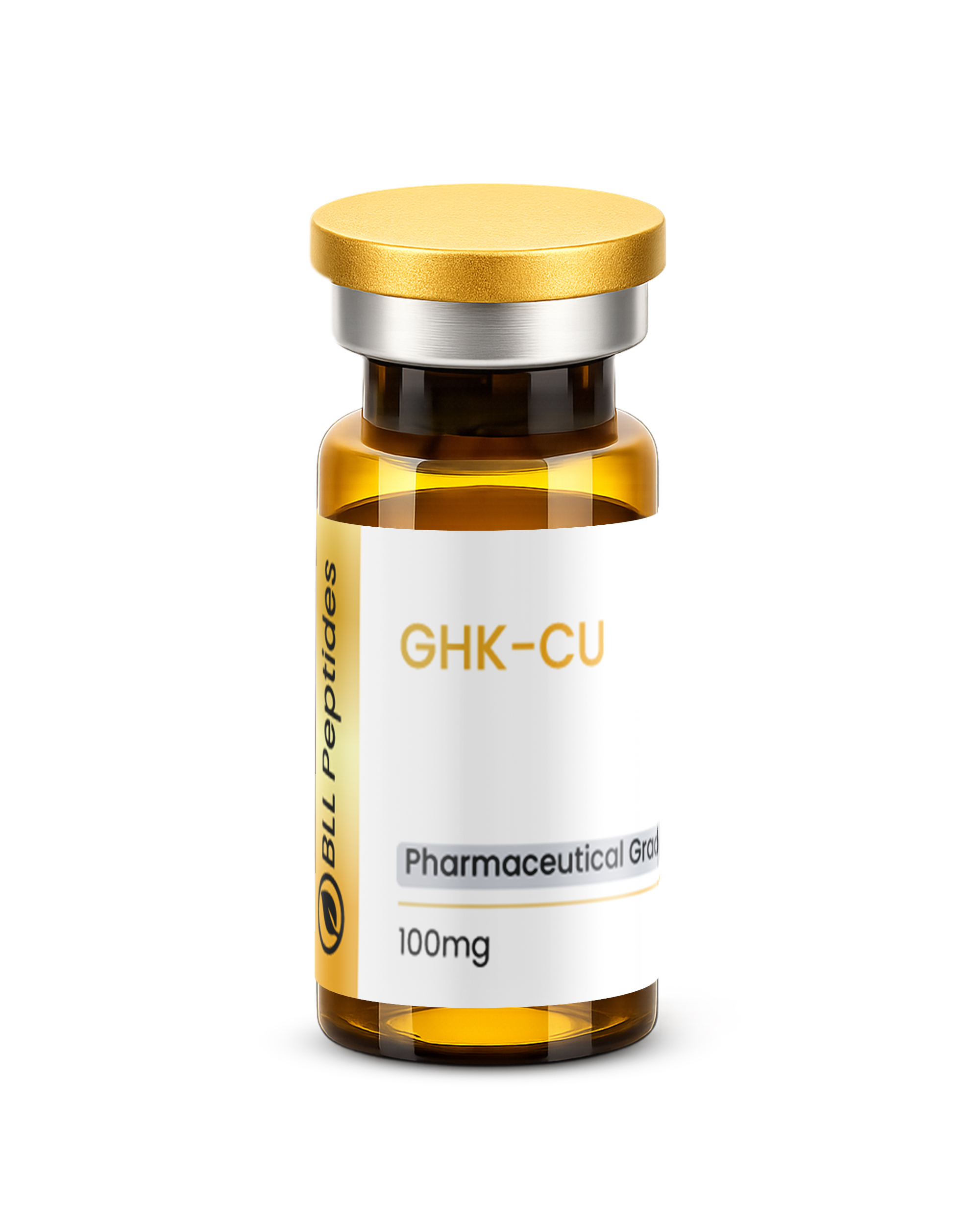
Research-Grade GHK-Cu at BLL Peptides
BLL Peptides supplies pharmaceutical-grade GHK-Cu for research purposes. All products are independently tested to 98%+ purity with Certificates of Analysis available.
GHK-Cu: The Regenerative Copper Peptide
What is GHK-Cu?
GHK-Cu (glycyl-L-histidyl-L-lysine copper) is a naturally occurring tripeptide first discovered by Dr. Loren Pickart in 1973. This small molecule consists of three amino acids—glycine, histidine, and lysine—bound to a copper ion. The name derives from the single-letter abbreviations of these amino acids (G-H-K) plus copper (Cu).
What makes GHK-Cu remarkable is its presence in human blood plasma, where it exists at approximately 200 ng/mL in young adults. This concentration declines significantly with age—dropping to approximately 80 ng/mL by age 60, representing a 60% reduction from youthful levels. This age-related decline correlates temporally with many visible signs of skin aging, including reduced elasticity, slower wound healing, and decreased collagen production.
How GHK-Cu Works for Skin Rejuvenation
Collagen and Elastin Synthesis
The structural proteins collagen and elastin form the foundation of youthful, resilient skin. Collagen provides firmness and structure, while elastin allows skin to stretch and return to its original shape. Both proteins decline with age, contributing to wrinkles, sagging, and loss of skin density.
GHK-Cu addresses this decline through multiple mechanisms:
Direct Fibroblast Stimulation: Fibroblasts are the cells responsible for producing collagen and other extracellular matrix components. Research by Maquart et al. demonstrated that GHK-Cu increases collagen synthesis by approximately 70% in cultured fibroblasts [1]. This represents a substantial enhancement of the skin's natural collagen-producing capacity.
Lysyl Oxidase Activation: GHK-Cu provides copper to lysyl oxidase, an enzyme essential for cross-linking collagen and elastin fibers. Proper cross-linking gives these proteins their structural integrity and strength. Without adequate cross-linking, even newly produced collagen cannot function optimally.
Matrix Metalloproteinase Regulation: Matrix metalloproteinases (MMPs) are enzymes that break down collagen and other structural proteins. While some MMP activity is necessary for healthy tissue turnover, excessive activity accelerates skin aging. GHK-Cu demonstrates sophisticated modulation of MMP activity—inhibiting excessive breakdown while allowing appropriate remodeling [2].
Glycosaminoglycan Production: GHK-Cu also stimulates production of glycosaminoglycans, including hyaluronic acid, which helps skin retain moisture and maintain plumpness.
The Gene Expression Revolution
Perhaps the most significant discovery regarding GHK-Cu came from analysis using the Broad Institute's Connectivity Map database. Research published by Pickart and Margolina in 2018 revealed that GHK-Cu affects the expression of over 4,000 genes—representing approximately 31% of the human genome [3].
This extraordinary breadth of activity helps explain how a single small peptide can influence so many aspects of skin health. Key findings from the gene expression analysis include:
Upregulated Gene Categories:
- DNA repair genes (50+ genes affected)
- Antioxidant response genes
- Stem cell maintenance genes
- Tissue remodeling and repair genes
Downregulated Gene Categories:
- Pro-inflammatory cytokine genes
- Tissue-destructive enzyme genes
- Pro-fibrotic genes
The pattern of genes affected by GHK-Cu suggests it helps shift gene expression from patterns associated with aged, damaged tissue toward patterns seen in younger, healthier tissue—essentially acting as a biological reset mechanism for skin cells.
Wound Healing and Tissue Repair
GHK-Cu's wound healing properties have been extensively studied and offer important implications for skin health:
- Accelerated wound closure: Multiple studies demonstrate faster healing times
- Improved tissue quality: Healed tissue shows better organization and strength
- Reduced scarring: GHK-Cu promotes proper tissue remodeling rather than disorganized scar formation
- Enhanced angiogenesis: The peptide promotes new blood vessel formation, ensuring adequate nutrient delivery to healing tissue
- Immune cell recruitment: GHK-Cu attracts macrophages and other immune cells necessary for proper wound healing [4]
These wound healing properties extend beyond injury repair. Post-procedure healing (following chemical peels, laser treatments, or microneedling), acne scar improvement, and general skin renewal all benefit from GHK-Cu's tissue repair capabilities.
Anti-Inflammatory Effects
Chronic low-grade inflammation accelerates skin aging and contributes to various skin conditions. GHK-Cu exerts significant anti-inflammatory effects through:
- Cytokine modulation: Reduces expression of pro-inflammatory cytokines including IL-6, TNF-alpha, and IL-1
- NF-kB pathway influence: Modulates the master inflammatory pathway
- Macrophage polarization: Promotes healing-associated M2 macrophages rather than pro-inflammatory M1 phenotypes [5]
L-Glutathione: The Master Antioxidant for Skin Protection
What is Glutathione?
Glutathione (gamma-L-glutamyl-L-cysteinyl-glycine) is a tripeptide consisting of three amino acids: glutamate, cysteine, and glycine. Present in virtually every cell of the human body at millimolar concentrations, glutathione serves as the primary intracellular defense against oxidative stress.
The term "master antioxidant" reflects glutathione's unique position in the antioxidant network: it not only neutralizes free radicals directly but also regenerates other antioxidants like vitamins C and E, extending their protective effects. This recycling function makes glutathione central to the entire antioxidant defense system.
Like GHK-Cu, glutathione levels decline significantly with age. Research consistently shows that older adults have substantially lower glutathione levels compared to younger individuals, and this decline correlates with increased oxidative stress and visible signs of aging [6].
How Glutathione Works for Skin Health
Antioxidant Protection
Every day, skin cells face oxidative challenges from both internal metabolism and external factors including UV radiation, pollution, and environmental toxins. Excess free radicals damage proteins, lipids, and DNA, accelerating skin aging and contributing to various skin conditions.
Glutathione provides comprehensive antioxidant protection through several mechanisms:
Direct Free Radical Neutralization: The sulfhydryl (-SH) group of glutathione's cysteine residue readily donates electrons to reactive oxygen species (ROS) and reactive nitrogen species (RNS), neutralizing them before they can damage cellular structures.
The GSH/GSSG Redox Cycle: Glutathione operates in a continuous cycle:
- Reduced glutathione (GSH) encounters a free radical
- GSH donates an electron, neutralizing the free radical
- GSH becomes oxidized glutathione (GSSG)
- Glutathione reductase converts GSSG back to GSH
- The cycle repeats
This recycling capability makes glutathione exceptionally efficient compared to antioxidants that are consumed after a single use.
Antioxidant Network Support: Glutathione regenerates other antioxidants:
- Restores vitamin C to its active form after it neutralizes free radicals
- Recycles oxidized vitamin E
- Supports coenzyme Q10 function
This interconnected antioxidant network means that adequate glutathione levels maximize the effectiveness of your entire antioxidant defense system.
Skin Brightening and Pigmentation
Glutathione has gained significant attention for its effects on skin pigmentation and brightness. The mechanisms underlying these effects include:
Tyrosinase Inhibition: Tyrosinase is the rate-limiting enzyme in melanin synthesis. Glutathione inhibits tyrosinase activity, reducing melanin production [7].
Melanin Pathway Modulation: Glutathione influences the type of melanin produced, potentially shifting synthesis from eumelanin (dark brown/black pigment) toward pheomelanin (lighter red/yellow pigment).
Antioxidant Effects on Pigmentation: UV exposure triggers oxidative stress that stimulates melanin production. By reducing oxidative stress, glutathione may indirectly limit UV-induced pigmentation.
Clinical evidence supports these mechanisms. A randomized, double-blind, placebo-controlled trial published in Clinical, Cosmetic and Investigational Dermatology found that oral glutathione supplementation was associated with reduced melanin indices and improvements in skin brightness compared to placebo [8]. A systematic review and meta-analysis confirmed modest but statistically significant reductions in melanin index with glutathione supplementation [9].
Detoxification and Skin Health
The skin is exposed to numerous environmental toxins that can accelerate aging and damage skin cells. Glutathione plays an essential role in Phase II liver detoxification, but it also supports detoxification processes within skin cells themselves.
Glutathione S-transferases (GSTs) catalyze the conjugation of glutathione to various toxins, environmental pollutants, and products of oxidative damage. This conjugation makes harmful compounds water-soluble for elimination and protects skin cells from toxic damage.
Cellular Health and Anti-Aging
Beyond direct antioxidant and brightening effects, glutathione supports overall cellular health:
- Mitochondrial function: Adequate glutathione is essential for healthy mitochondria, the cellular powerhouses that provide energy for all skin cell functions
- DNA protection: Glutathione helps prevent DNA damage from oxidative stress
- Protein quality: Protects proteins from oxidative modification that impairs their function
- Cellular signaling: Participates in redox signaling that regulates cellular responses
Scientific Research Evidence
GHK-Cu Clinical and Laboratory Studies
The Maquart Collagen Study (1988)
This foundational study demonstrated that GHK-Cu increases collagen synthesis by approximately 70% in cultured human fibroblasts, along with enhanced production of other extracellular matrix components. The effects occurred at physiologically relevant concentrations [1].
The Abdulghani Skin Study (1998)
This comparative clinical study examined GHK-Cu's effects on facial skin compared to established treatments including vitamin C and tretinoin. Results indicated that GHK-Cu cream improved skin laxity, clarity, and overall appearance, with effects comparable to or exceeding other active treatments in certain parameters [10].
The Pickart and Margolina Gene Expression Study (2018)
Using the Broad Institute Connectivity Map, this landmark study identified 4,047 genes whose expression was significantly altered by GHK-Cu treatment. The analysis revealed consistent patterns of "anti-aging" gene expression shifts, including upregulation of DNA repair genes and suppression of pro-inflammatory gene networks [3].
Hair Growth Research
Studies by Pyo et al. demonstrated GHK-Cu's ability to stimulate hair follicle proliferation, extend the anagen (growth) phase, and increase hair follicle size in vitro models [11].
Glutathione Clinical Studies
The Richie Oral Glutathione Study (2015)
This randomized, double-blind, placebo-controlled trial examined oral glutathione supplementation (250 mg or 1000 mg daily) for six months. Results demonstrated significant increases in blood glutathione levels, with the higher dose producing more pronounced effects. Natural killer cell cytotoxicity increased significantly, suggesting functional immune benefits [12].
The Weschawalit Skin Study (2017)
This randomized, double-blind, placebo-controlled trial enrolled 60 healthy subjects who received 250 mg of glutathione or placebo for 12 weeks. The glutathione group showed significant improvements in skin elasticity, reduction in wrinkles, and decreased melanin indices compared to placebo [8].
Liposomal Glutathione Research (2018)
Research by Sinha et al. specifically evaluated liposomal glutathione, demonstrating superior bioavailability compared to unformulated oral glutathione. Subjects receiving liposomal GSH showed significant elevations in blood glutathione levels and improved markers of immune function [13].
Skin Lightening Meta-Analysis (2019)
A systematic review and meta-analysis by Dilokthornsakul et al. analyzed available randomized controlled trials and found that glutathione supplementation produced modest but statistically significant reductions in melanin index compared to placebo [9].
Topical vs. Injectable Applications
Topical GHK-Cu
Commercial Products
Topical GHK-Cu is widely available in serums and creams, typically at concentrations of 0.1% to 1%. Higher concentrations (up to 2-4%) are available in professional-grade formulations.
Application Protocol
- Apply to clean skin once or twice daily
- Use before heavier moisturizers to optimize absorption
- Consistent daily use for 4-8 weeks before expecting visible results
- Compatible with most other skincare ingredients including hyaluronic acid, vitamin C, and niacinamide
Advantages
- Convenient and non-invasive
- Effective for facial skin specifically
- Wide product availability
- No injection site reactions
Considerations
- Penetration limited to upper skin layers with standard topical application
- Results may be more localized than systemic applications
- Product quality varies significantly between manufacturers
Topical Glutathione
Forms Available
- Creams and serums
- Liposomal topical formulations
- Combination products with other brightening agents
Application Protocol
- Apply to clean skin, typically once daily
- Often used in evening skincare routines
- May be combined with vitamin C for enhanced effects
- Results for brightening typically require 8-12 weeks of consistent use
Injectable GHK-Cu
Common Protocols Reported in Research Communities
Standard Protocol:
- Dose: 1-2 mg daily
- Administration: Subcutaneous injection
- Duration: 4-12 weeks
- Note: A blue-green discoloration at injection sites is commonly reported due to copper content. This is cosmetic only and typically fades within hours to days.
Site-Specific Protocol:
- Dose: 0.5-1 mg at specific sites
- Purpose: Localized improvement (scars, specific areas of concern)
- Frequency: 2-3 times weekly
Advantages of Injectable Use
- Systemic distribution throughout the body
- More pronounced effects on overall skin quality
- Better for body-wide improvements
- May be more effective for hair when injected near the scalp
Injectable Glutathione
IV Administration
Intravenous glutathione provides 100% bioavailability and immediate tissue availability. Typical protocols involve:
- Dose: 600-2000 mg per session
- Frequency: Weekly to monthly depending on goals
- Setting: Requires clinical administration
Advantages
- Maximum bioavailability
- Rapid repletion of glutathione levels
- Often combined with vitamin C and other nutrients
Considerations
- Higher cost than oral supplementation
- Requires clinical setting and professional administration
- More invasive than oral approaches
Oral Glutathione Supplementation
Forms and Bioavailability
| Form | Typical Dose | Bioavailability | Best For |
|---|---|---|---|
| Standard oral GSH | 500-1000 mg | Low | General support (less optimal) |
| Liposomal GSH | 250-500 mg | Moderate-High | Convenience with good absorption |
| S-Acetyl GSH | 200-400 mg | Moderate | Stability, oral convenience |
| NAC (precursor) | 600-1800 mg | Good | Cost-effective GSH support |
Recommendations
For oral supplementation, liposomal glutathione represents the preferred choice due to significantly improved bioavailability compared to standard oral forms. NAC offers a well-researched, cost-effective alternative that supports endogenous glutathione production.
Microneedling Combination Protocols
Microneedling (dermarolling) creates transient microchannels in the skin that significantly enhance topical absorption. When combined with GHK-Cu or glutathione, this allows peptides to penetrate deeper skin layers where they can directly affect fibroblasts and other target cells.
GHK-Cu Microneedling Protocol
Pre-Treatment
- Cleanse skin thoroughly
- Apply numbing cream if using deeper needle depths (optional)
- Ensure all products are sterile
During Treatment
- Perform microneedling with appropriate needle depth:
- 0.25-0.5mm for general skin improvement
- 0.5-1.0mm for anti-aging, mild scarring
- 1.0-1.5mm for deeper scars (professional settings)
- Apply GHK-Cu serum immediately after microneedling
- Gently massage to ensure penetration into channels
Post-Treatment
- Continue GHK-Cu application for 24-48 hours post-procedure
- Avoid harsh products for 24-48 hours
- Use sunscreen during healing phase
- Repeat protocol every 2-4 weeks depending on needle depth
Enhanced Combination Protocols
GHK-Cu + Hyaluronic Acid
- Apply GHK-Cu serum first
- Follow with hyaluronic acid serum
- The HA provides hydration and may enhance GHK-Cu effects
GHK-Cu + Glutathione
- GHK-Cu addresses structural improvement (collagen, elastin)
- Glutathione provides antioxidant protection and brightening
- Complementary mechanisms for comprehensive skin support
Community Experiences and Protocols
GHK-Cu User Reports
Online communities including r/Peptides and r/SkincareAddiction contain extensive discussions of GHK-Cu experiences:
Commonly Reported Positive Experiences
- Improved skin quality and texture within 2-4 weeks
- Faster healing of minor injuries and post-procedure recovery
- Enhanced skin elasticity and appearance
- Hair quality improvements (increased thickness, growth rate)
- General improvements in skin firmness
Common Observations
- Results typically visible after 4-8 weeks of consistent use
- Better tolerance than retinoids for sensitive skin types
- Synergistic effects when combined with hyaluronic acid
- Blue-green discoloration at injection sites (expected, not harmful)
Glutathione User Reports
Commonly Reported Experiences
- Improved skin clarity and brightness (often noted after 4-8 weeks)
- Enhanced energy levels and reduced fatigue
- Better nail and hair quality
- Gradual skin tone evening
Form Preferences
- Users frequently report better results with liposomal glutathione compared to standard oral forms
- IV glutathione produces the most immediately noticeable effects but is less accessible
- NAC supplementation is popular as a cost-effective approach
Timeline Expectations
Based on research and community reports:
| Goal | Expected Timeline |
|---|---|
| Improved skin texture (GHK-Cu) | 2-4 weeks |
| Visible collagen improvement | 4-8 weeks |
| Skin brightness (Glutathione) | 4-8 weeks |
| Significant skin lightening | 2-6 months |
| Scar improvement | 2-4 months |
| Hair density improvement | 3-6 months |
Expected Results and Realistic Timelines
GHK-Cu Results
Short-Term (1-4 weeks)
- Improved skin texture and smoothness
- Enhanced wound healing
- Reduced inflammation in problem areas
Medium-Term (4-12 weeks)
- Visible improvement in fine lines
- Increased skin firmness
- Better skin elasticity
- Improved overall skin appearance
Long-Term (3-6+ months)
- Significant collagen improvement
- Reduced appearance of deeper wrinkles
- Improved scar appearance
- Potential hair density improvements
Glutathione Results
Short-Term (1-4 weeks)
- Enhanced antioxidant protection
- Improved energy and cellular function
- Initial detoxification support
Medium-Term (4-12 weeks)
- Visible skin brightening
- Improved skin clarity
- Reduced appearance of dark spots
- Enhanced skin elasticity
Long-Term (3-6+ months)
- Sustained skin tone improvement
- Comprehensive antioxidant protection
- Ongoing cellular health support
Factors Affecting Results
Individual results vary based on:
- Age and baseline skin condition
- Consistency of application/supplementation
- Quality of products used
- Overall health and nutrition
- Sun protection practices
- Genetic factors affecting skin type and pigmentation
Hair Health Benefits
GHK-Cu for Hair Growth
Research and anecdotal reports support GHK-Cu's potential for hair health:
Mechanisms
- Stimulation of hair follicle proliferation
- Extension of the anagen (growth) phase
- Potential antagonism of DHT effects
- Enhanced blood vessel formation around hair follicles
- Anti-inflammatory effects on scalp
Research Evidence
Studies by Pyo et al. demonstrated that GHK-Cu stimulated hair follicle proliferation and extended the growth phase of the hair cycle in vitro models [11]. While human clinical trials are limited, the mechanistic research and extensive anecdotal reports have generated significant interest.
Application Methods
- Topical application to scalp (serums, solutions)
- Microneedling with GHK-Cu application
- Subcutaneous injection near scalp (research protocols)
- Often combined with minoxidil or other hair growth approaches
Glutathione and Hair Health
While less directly studied for hair growth than GHK-Cu, glutathione supports hair health through:
- Antioxidant protection of hair follicles
- Support for cellular health including follicle cells
- Potential influence on hair pigmentation
- Overall nutritional support for hair growth
Combining GHK-Cu and Glutathione
Synergistic Benefits
GHK-Cu and glutathione address skin health through complementary mechanisms:
GHK-Cu Contributions
- Structural improvement (collagen, elastin production)
- Tissue remodeling and repair
- Anti-inflammatory effects
- Gene expression modulation
Glutathione Contributions
- Antioxidant protection
- Skin brightening and pigmentation balance
- Detoxification support
- Cellular health maintenance
Suggested Combination Protocols
Topical Protocol
- Morning: Glutathione serum or GHK-Cu serum
- Evening: Alternate peptide or use both (GHK-Cu first, then glutathione)
- Both followed by hyaluronic acid and moisturizer
Comprehensive Protocol
- Topical GHK-Cu: Applied to face daily
- Oral liposomal glutathione: 250-500 mg daily
- Microneedling with GHK-Cu: Every 2-4 weeks
- Supporting nutrients: Vitamin C, selenium, zinc
Research-Level Protocol (reported in communities)
- Injectable GHK-Cu: 1-2 mg daily
- Oral liposomal glutathione: 500 mg daily
- Topical GHK-Cu: Applied to face daily
- IV glutathione: Monthly (optional, clinical setting)
Safety Considerations
GHK-Cu Safety Profile
GHK-Cu has a favorable safety profile based on:
- Natural occurrence in human plasma
- Extensive topical use history in cosmetics
- Biocompatibility as a naturally occurring molecule
- No evidence of genotoxicity or carcinogenicity
Potential Side Effects
- Topical: Mild skin irritation (rare), temporary redness with higher concentrations
- Injectable: Blue-green discoloration at injection site (common, temporary, harmless), mild injection site irritation
Contraindications
- Wilson's disease (copper metabolism disorder)
- Known copper sensitivity or allergy
- Hemochromatosis
- Pregnancy or breastfeeding (insufficient safety data)
Glutathione Safety Profile
Glutathione is generally well-tolerated as a naturally occurring compound:
Potential Side Effects
- Gastrointestinal discomfort (particularly with higher oral doses)
- Bloating or cramping (usually transient)
- Allergic reactions (rare)
Contraindications/Cautions
- Active cancer treatment (consult oncologist—glutathione may theoretically affect some chemotherapy agents)
- Pregnancy and breastfeeding (insufficient safety data)
- Asthma (particularly for inhaled forms)
Quality and Sourcing
Product quality varies significantly in the peptide market. Consider:
- Third-party testing certificates
- Purity specifications (>98% preferred)
- Proper storage conditions
- Reputable supplier track record
- Appropriate packaging (protection from light and moisture)
References
-
Maquart FX, Pickart L, Laurent M, Gillery P, Monboisse JC, Borel JP. Stimulation of collagen synthesis in fibroblast cultures by the tripeptide-copper complex glycyl-L-histidyl-L-lysine-Cu2+. FEBS Letters. 1988;238(2):343-346.
-
Pickart L, Vasquez-Soltero JM, Margolina A. GHK peptide as a natural modulator of multiple cellular pathways in skin regeneration. BioMed Research International. 2015;2015:648108.
-
Pickart L, Margolina A. Regenerative and protective actions of the GHK-Cu peptide in the light of the new gene data. International Journal of Molecular Sciences. 2018;19(7):1987.
-
Siméon A, Wegrowski Y, Bontemps Y, Maquart FX. Expression of glycosaminoglycans and small proteoglycans in wounds: modulation by the tripeptide-copper complex glycyl-L-histidyl-L-lysine-Cu2+. Journal of Investigative Dermatology. 2000;115(6):962-968.
-
Gruchlik A, Jurzak M, Chodurek E, Dzierzewicz Z. Effect of Gly-Gly-His, Gly-His-Lys and their copper complexes on TNF-alpha-dependent IL-6 secretion in normal human dermal fibroblasts. Acta Poloniae Pharmaceutica. 2012;69(6):1303-1306.
-
Forman HJ, Zhang H, Rinna A. Glutathione: overview of its protective roles, measurement, and biosynthesis. Molecular Aspects of Medicine. 2009;30(1-2):1-12.
-
Sonthalia S, et al. Glutathione as a skin whitening agent: Facts, myths, evidence and controversies. Indian Journal of Dermatology, Venereology and Leprology. 2016;82(3):262-272.
-
Weschawalit S, et al. Glutathione and its antiaging and antimelanogenic effects. Clinical, Cosmetic and Investigational Dermatology. 2017;10:147-153.
-
Dilokthornsakul W, et al. The effects of glutathione on skin color and other related skin conditions: a systematic review. Journal of Cosmetic Dermatology. 2019;18(3):728-737.
-
Abdulghani AA, Sherr S, Shirin S, et al. Effects of topical creams containing vitamin C, a copper-binding peptide cream and melatonin compared with tretinoin on the ultrastructure of normal skin. Disease Management and Clinical Outcomes. 1998;1:136-141.
-
Pyo HK, Yoo HG, Won CH, et al. The effect of tripeptide-copper complex on human hair growth in vitro. Archives of Pharmacal Research. 2007;30(7):834-839.
-
Richie JP Jr, et al. Randomized controlled trial of oral glutathione supplementation on body stores of glutathione. European Journal of Nutrition. 2015;54(2):251-263.
-
Sinha R, et al. Oral supplementation with liposomal glutathione elevates body stores of glutathione and markers of immune function. European Journal of Clinical Nutrition. 2018;72(1):105-111.
-
Pickart L. The human tri-peptide GHK and tissue remodeling. Journal of Biomaterials Science, Polymer Edition. 2008;19(8):969-988.
-
Lamb J, Crawford ED, Peck D, et al. The Connectivity Map: using gene-expression signatures to connect small molecules, genes, and disease. Science. 2006;313(5795):1929-1935.
Further Reading
- GHK-Cu: What Research Reveals About Copper Peptide and Tissue Biology
- Injury Recovery & Healing: A Complete Guide to Regenerative Peptides
Related Research
- GHK-Cu: What Research Reveals About Copper Peptide and Tissue Biology
- GHK-Cu: Complete Research Guide – Copper Peptide Science and Applications
- GHK-Cu: A Beginner’s Guide to the Copper Peptide
- Research-grade GHK-Cu at BLL Peptides
Disclaimer
This article is provided for informational and educational purposes only and does not constitute medical advice, diagnosis, or treatment recommendations. The peptides discussed are intended for research purposes only and are not approved by the FDA or other regulatory bodies for therapeutic use in humans.
Any discussion of dosages, protocols, or administration methods reflects community-reported practices and research literature, not medical recommendations. Individual results may vary, and the effects described may not apply to all individuals.
Before beginning any peptide research or supplementation protocol, consult with a qualified healthcare professional, particularly if you have existing health conditions, take medications, are pregnant or breastfeeding, or have concerns about potential interactions.
The content creators and publishers of this article are not responsible for any adverse effects or consequences resulting from the use of any information, suggestions, or procedures described herein.
The statements in this article have not been evaluated by the Food and Drug Administration (FDA). Products discussed are not intended to diagnose, treat, cure, or prevent any disease.