
TB-500 (Thymosin Beta-4): Understanding Its Role in Cellular Recovery Research
·

Cell migration is a prerequisite for tissue repair, and most healing peptides influence it indirectly — through growth factor upregulation, inflammatory modulation, or angiogenesis. TB-500 approaches this problem differently. The active region of Thymosin Beta-4, which TB-500 replicates, binds G-actin and sequesters it from polymerization, shifting the equilibrium of the actin cytoskeleton in a way that promotes directed cell movement at wound edges and tissue interfaces. This mechanism was established in studies of corneal wound healing and cardiac repair, and it represents a structurally distinct approach to tissue recovery that complements rather than duplicates the pathways activated by compounds like BPC-157. What the research shows about TB-500 across multiple tissue types is the subject of this review.
What Is TB-500?
Thymosin Beta-4 is a 43-amino-acid peptide naturally found in high concentrations in blood platelets, wound fluid, and virtually all human and animal cells. It was first isolated from thymic tissue in the 1960s, but research into its biological roles has accelerated significantly over the past two decades. TB-500 is a synthetic analog that replicates the active region of the native protein, making it a practical tool for laboratory investigation.
Unlike many peptides studied in isolation, Thymosin Beta-4 appears to function as a multifactorial signaling molecule. Researchers have catalogued its involvement in actin sequestration, angiogenesis, cell migration, and inflammatory modulation — all of which are central to what happens at the cellular level during tissue damage and recovery.
Mechanisms of Action
One of the most studied functions of Thymosin Beta-4 is its role in actin dynamics. G-actin (globular actin) is a structural protein required for cell motility and shape. TB-500 binds to G-actin and regulates its polymerization into F-actin (filamentous actin), a process critical for cell migration. When cells need to move — as they do during wound healing, immune response, or angiogenesis — actin dynamics are central to that movement. By modulating this process, TB-500 appears to influence how quickly and effectively cells can relocate to sites of injury.
Beyond actin sequestration, research has pointed to TB-500’s involvement in:
- Angiogenesis: Studies in animal models have shown increased formation of new blood vessels in damaged tissue following Thymosin Beta-4 administration, which may support nutrient delivery to recovering areas.
- Anti-inflammatory signaling: TB-500 appears to downregulate certain pro-inflammatory cytokines, including TNF-α and IL-1β, in preclinical models — a finding that has prompted interest among researchers studying chronic inflammatory conditions.
- Stem cell recruitment: Some in vitro research suggests TB-500 may promote the migration of progenitor cells toward areas of tissue damage, potentially contributing to longer-term structural repair.
- Cardiac muscle research: A series of studies using rodent models of myocardial infarction have explored whether Thymosin Beta-4 can reduce infarct size and preserve cardiac function — one of the more provocative areas of current investigation.
Research Overview and Key Findings
The breadth of TB-500 research is striking for a single peptide. Here are some of the more significant findings from peer-reviewed literature:
Musculoskeletal models: In rodent studies examining tendon and ligament repair, Thymosin Beta-4 administration correlated with accelerated collagen synthesis and improved tensile strength of repaired tissue compared to controls. These findings have made it a subject of interest among researchers studying sports injuries and orthopedic recovery.
Corneal wound healing: Early clinical-stage research by RegeneRx Biopharmaceuticals explored topical Thymosin Beta-4 application in patients with corneal epithelial defects. Phase II results suggested improved healing rates, representing one of the few human-stage investigations of this peptide.
Neurological models: As a neurosurgeon, I find this domain particularly interesting. Preclinical research has explored TB-500’s potential role in the central nervous system following ischemic injury. Studies in rat stroke models have reported reduced lesion volume and improved neurological scores in animals treated with Thymosin Beta-4, though the translation of these findings to human applications remains an open question requiring considerably more study.
Cardiac applications: Research teams, including work published in Nature and the Journal of Molecular and Cellular Cardiology, have demonstrated that Thymosin Beta-4 can activate cardiac progenitor cells in mouse models following myocardial injury. These findings have made it one of the more closely watched peptides in cardiovascular research circles.
It’s worth emphasizing that the majority of this research exists at the preclinical or early-phase human trial level. The translation from animal models to confirmed clinical applications in humans requires careful, large-scale investigation — work that is still ongoing across multiple institutions.
Research-Grade TB-500 at BLL Peptides
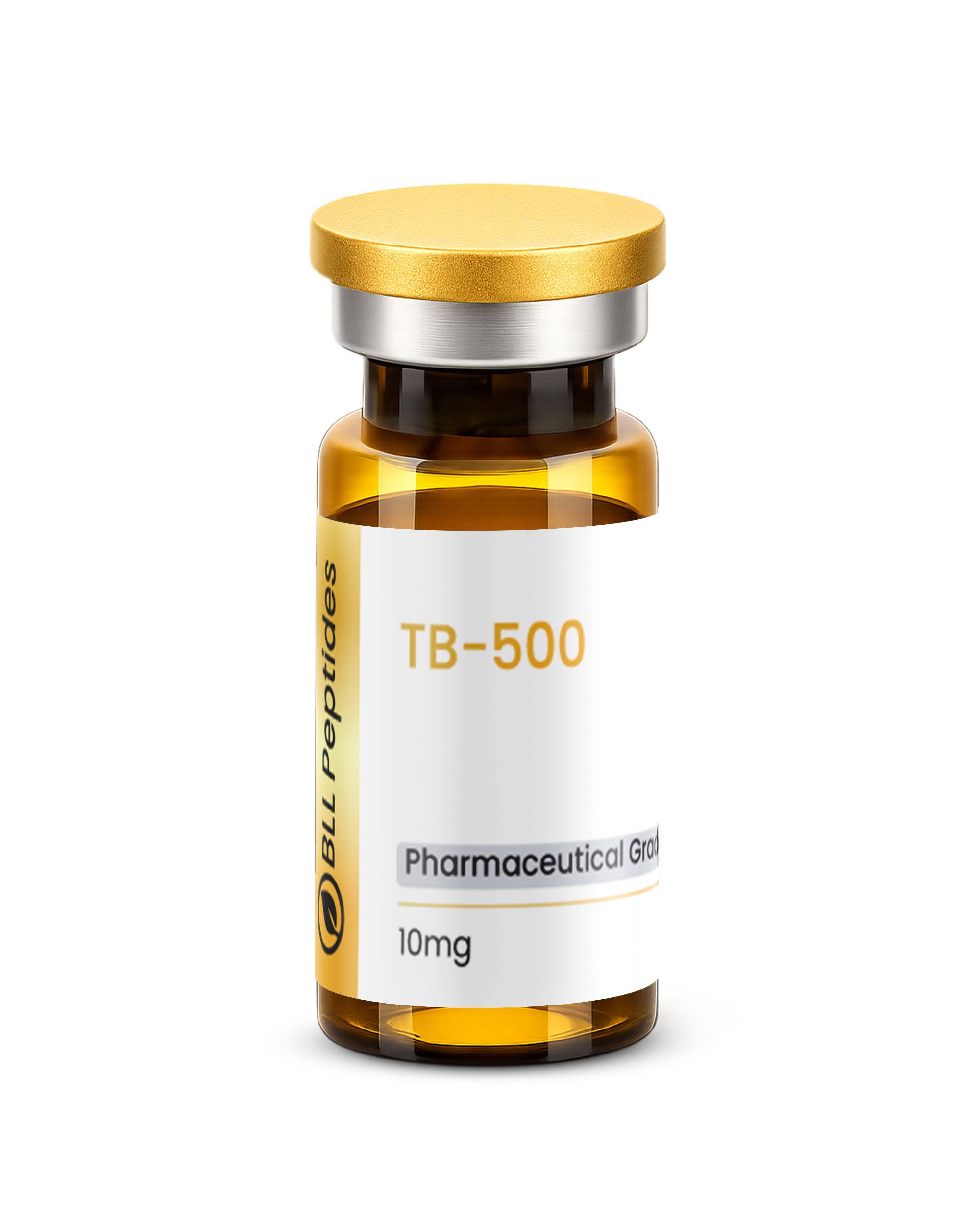
For researchers studying Thymosin Beta-4, sourcing matters. BLL Peptides offers research-grade TB-500 in multiple formulations to support laboratory and investigational work:
- TB-500 5mg / 3ml — suitable for smaller-scale research protocols
- TB-500 10mg / 3ml — higher-concentration option for extended studies
- BPC-157 + TB-500 Combination (Wolverine Blend) — for researchers examining synergistic tissue repair mechanisms involving both peptides simultaneously
All products are manufactured to research-grade standards. These are not for human consumption and are intended solely for scientific investigation.
Conclusion
TB-500 occupies a genuinely interesting position in peptide research. Its multifaceted mechanisms — touching on actin regulation, angiogenesis, inflammation, and cellular migration — give it a broader research footprint than many single-target peptides. Whether examining musculoskeletal repair, cardiac recovery, or neurological injury models, the literature consistently points to Thymosin Beta-4 as a molecule worth understanding more deeply.
For those following the science, the coming years of clinical research will be telling. As investigators work to translate preclinical findings into controlled human studies, TB-500 is likely to remain a prominent subject in regenerative medicine discussions.
Further Reading
- BPC-157 Peptide: Mechanisms of Tissue Repair in Research Models
- TB-500 vs BPC-157: What the Research Shows About These Two Healing Peptides
- Athletic Performance & Recovery: A Complete Guide to Peptides
Dr. James is a board-certified neurosurgeon trained at Yale University and medical advisor to BLL Peptides.
Related Research
- TB-500: Complete Research Guide – Thymosin Beta-4 for Tissue Repair
- TB-500: A Beginner’s Guide to Thymosin Beta-4
- TB-500 vs BPC-157: What the Research Shows About These Two Healing Peptides
- Research-grade TB-500 at BLL Peptides
Disclaimer: This content is intended for research purposes only. BLL Peptides products are not intended for human consumption.