Best Peptides for Muscle Recovery Research: 2026 Scientific Overview
·

Best Peptides for Muscle Recovery Research: 2026 Scientific Overview
Researchers entering musculoskeletal peptide biology face a crowded field with varying levels of evidence behind different compounds. Having reviewed this literature extensively from both a surgical and scientific perspective, I can offer a clear framework for understanding which peptides have the strongest research rationale for muscle recovery studies.
The short answer: BPC-157 and TB-500 have the deepest preclinical evidence for muscle and soft tissue repair research. GHK-Cu, IGF-1 LR3, and growth hormone secretagogues like ipamorelin round out the field with distinct but complementary mechanisms.
Tier 1: Strongest Preclinical Evidence
BPC-157
BPC-157 (Body Protection Compound-157) has the most extensive literature base for soft tissue repair. Dozens of peer-reviewed studies demonstrate accelerated tendon healing, muscle repair, and anti-inflammatory effects in rodent models. Its multi-mechanism action — combining growth hormone receptor upregulation, angiogenesis promotion, and NO-system modulation — makes it highly versatile for repair research. See: BPC-157 Complete Research Guide.
TB-500 (Thymosin Beta-4 Fragment)
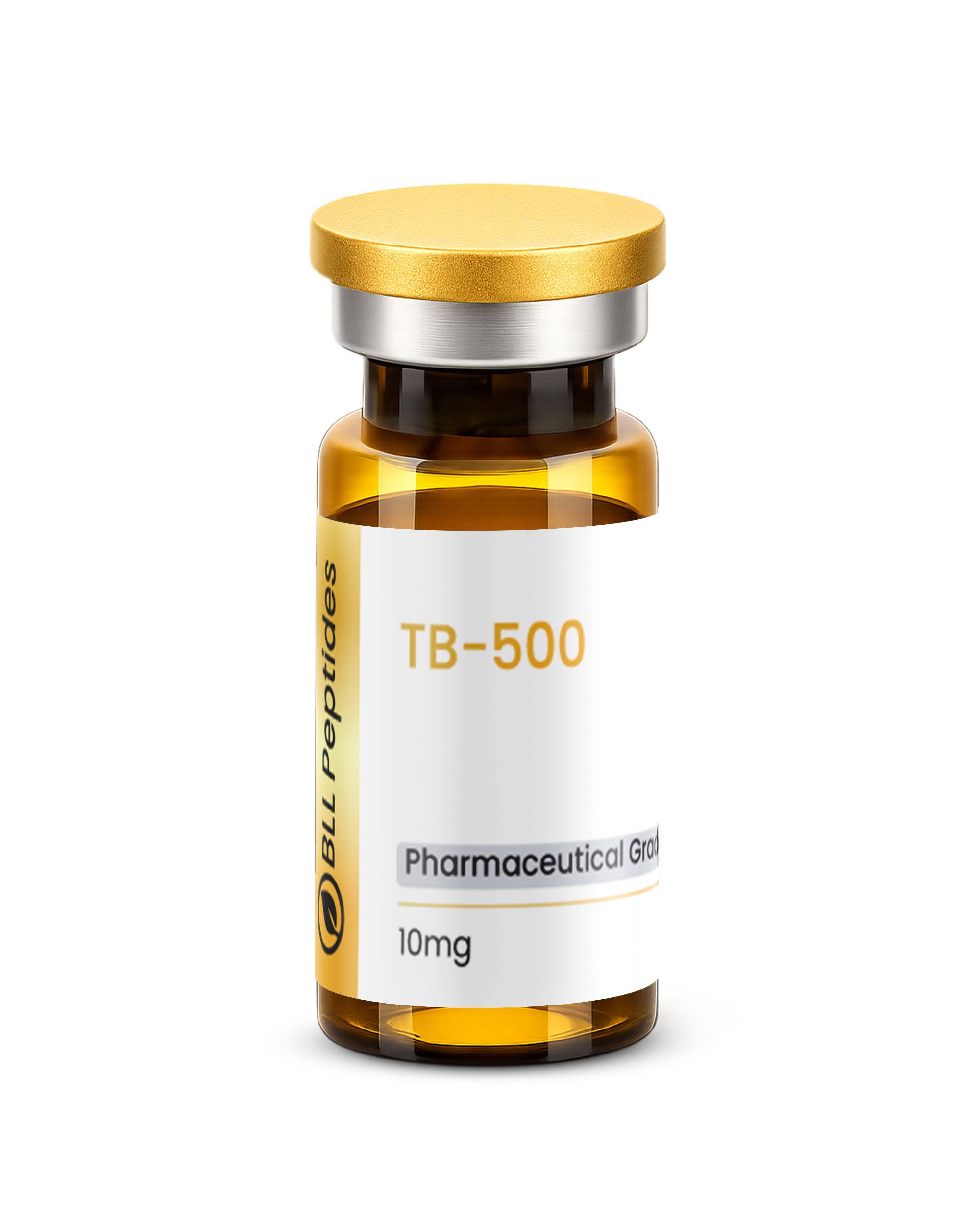
TB-500 offers complementary systemic repair mechanisms through actin polymerization modulation, cell migration enhancement, and anti-inflammatory cytokine suppression. Its cardiac muscle research base (published in Nature, 2004) is particularly robust. See: TB-500 Complete Research Guide.
Tier 2: Strong Supporting Evidence
GHK-Cu (Copper Peptide)
GHK-Cu (Glycine-Histidine-Lysine copper complex) shows strong evidence in collagen synthesis, wound healing, and tissue remodeling. It upregulates over 300 genes involved in tissue repair according to transcriptome studies. Particularly relevant for connective tissue and wound healing research models.
IGF-1 LR3
IGF-1 LR3 (Long Arginine 3 IGF-1) is a modified analog of insulin-like growth factor 1 with extended half-life. Research demonstrates anabolic signaling in skeletal muscle tissue, including muscle protein synthesis upregulation and satellite cell activation. Its role in muscle hypertrophy models has been studied in both cell culture and animal studies.
Tier 3: Indirect Muscle Recovery Mechanisms
Growth Hormone Secretagogues (Ipamorelin, Sermorelin, CJC-1295)
These peptides don’t act directly on muscle tissue but stimulate pituitary GH release, which secondarily promotes IGF-1 production. In aged animal models, GH secretagogue treatment has been shown to preserve muscle mass and improve recovery from exercise-induced damage. For the ipamorelin vs sermorelin comparison, see our dedicated research article.
BPC-157 + TB-500 Combination
Preclinical combination protocols suggest additive or synergistic effects when BPC-157 and TB-500 are studied together — BPC-157 addressing local tissue healing and TB-500 providing systemic repair signals. This combination is among the most frequently studied in animal muscle injury models.
Research Design Considerations
- Define specific outcome measures: histology, mechanical testing, gene expression, or functional recovery
- Include appropriate vehicle controls and dose-response groups
- Consider injury model specificity: crush injury, laceration, and overload models produce different pathophysiology
- Time course is critical — acute (1-2 week) vs chronic (4-8 week) endpoints reveal different aspects of healing
FAQ
Which peptides are most studied for muscle recovery research?
BPC-157 and TB-500 have the strongest preclinical evidence. GHK-Cu shows strong wound healing data. IGF-1 LR3 and GHRP peptides have been studied for anabolic signaling.
Is there human research on peptides for muscle recovery?
Human clinical data is very limited. Most evidence comes from rodent models. BPC-157 has no published human RCTs for muscle recovery as of 2026.
Can multiple peptides be studied together?
Combination protocols are common in preclinical research. BPC-157 + TB-500 is frequently co-studied given complementary mechanisms.
Related Research
About the Author: Dr. James Nguyen is a Yale-trained neurosurgeon and scientific advisor to BLL Peptides.
Disclaimer: This content is intended for research purposes only. BLL Peptides products are not intended for human consumption.