

The FAK-paxillin pathway does not appear in most introductory discussions of BPC-157, but it is arguably the most mechanistically specific finding in the peptide’s research literature. Chang and colleagues demonstrated in 2011 that BPC-157 activates focal adhesion kinase in tendon fibroblasts and promotes cellular outgrowth from transected tendon explants — an effect that requires FAK signaling and is blocked by FAK inhibitors. This is meaningful because it moves BPC-157’s healing mechanism out of the category of nonspecific cytoprotection and into a defined cellular pathway governing how connective tissue cells migrate and organize during repair. The breadth of BPC-157 research across gastrointestinal, musculoskeletal, neurological, and cardiovascular models reflects this compound’s unusual combination of systemic and site-specific effects.
This post aims to summarize the current state of peer-reviewed research on BPC-157, with a focus on the proposed mechanisms by which this peptide appears to modulate repair processes in controlled research settings. All data referenced here is drawn from published preclinical studies. This is not a clinical or therapeutic discussion.
What Is BPC-157?
BPC-157, formally known as Body Protection Compound-157, is a 15-amino-acid peptide (sequence: Gly-Glu-Pro-Pro-Pro-Gly-Lys-Pro-Ala-Asp-Asp-Ala-Gly-Leu-Val) that was first isolated and characterized by researchers at the University of Zagreb. It is a partial sequence of the BPC protein identified in human gastric juice, though the synthetic version used in research is stabilized to extend its half-life in experimental conditions.
BPC-157 has been studied extensively in rodent models, with published research spanning tendon repair, ligament healing, intestinal anastomosis, bone repair, and neurological protection. It is not approved for human use by any regulatory body, and all research to date has been conducted in non-human subjects or in vitro cell culture systems. The compound is available for qualified researchers as a lyophilized powder intended solely for laboratory investigation.
Research Overview: Proposed Mechanisms
The body of preclinical literature on BPC-157 suggests several interrelated mechanisms that may contribute to its observed effects on tissue repair in research models. These include:
Angiogenesis Modulation: Multiple studies have documented BPC-157’s apparent influence on angiogenic pathways in rodent models. Research published in peer-reviewed journals has noted upregulation of VEGFR2 (vascular endothelial growth factor receptor 2) expression in treated tissue, suggesting the peptide may promote the formation of new blood vessels at injury sites. Enhanced vascular supply is a well-established prerequisite for efficient tissue regeneration, and this finding has been replicated across multiple independent research groups.
Nitric Oxide System Interaction: Several investigators have proposed that BPC-157 interacts with the nitric oxide (NO) signaling pathway. In animal models, administration of BPC-157 has been associated with modulation of eNOS (endothelial nitric oxide synthase) activity. Nitric oxide plays a central role in vasodilation, cellular signaling, and inflammatory regulation — all of which are relevant to the tissue repair cascade.
Growth Hormone Receptor Pathway Upregulation: Some published research suggests BPC-157 may act on growth hormone receptors, potentially sensitizing tissue to endogenous GH signaling. This pathway is of significant interest in musculoskeletal research, as GH receptor activation is known to influence fibroblast proliferation and collagen synthesis.
Tendon and Ligament Fibroblast Activity: In vitro studies using tenocyte cultures have demonstrated that BPC-157 appears to promote fibroblast migration and proliferation. These are critical early-stage events in tendon and ligament repair. Researchers have also noted apparent upregulation of type I collagen gene expression in treated cell lines, though in vivo translation of these findings requires further study.
Key Findings in Research Models
A substantial portion of the published BPC-157 literature comes from controlled animal models, primarily using Sprague-Dawley rats. Key experimental findings across these studies include:
- Achilles tendon transection models: Studies have reported accelerated functional recovery and improved histological organization of tendon tissue in BPC-157-treated groups compared to controls.
- Gastrointestinal fistula and anastomosis models: Research from several groups has documented improved mucosal healing and reduced inflammatory markers in rodent GI models treated with BPC-157.
- Spinal cord injury models: Early-stage research has investigated BPC-157 in traumatic spinal cord injury paradigms, with some groups reporting neuroprotective effects and reduced lesion volume in treated animals. These findings are considered preliminary and require further investigation.
- Bone defect models: Studies using calvaria and long-bone defect paradigms have noted enhanced mineral deposition and osteoblast activity in treated subjects, suggesting potential relevance to bone repair research.
It is important to note that the vast majority of this research has not been replicated in human clinical trials. The translation of preclinical peptide research to clinical outcomes remains a complex and unresolved challenge in biomedical science.
Conclusion
BPC-157 represents a peptide of significant research interest due to its apparent multi-system effects in preclinical models. The proposed mechanisms — including angiogenesis promotion, nitric oxide pathway interaction, growth hormone receptor sensitization, and fibroblast activation — provide a framework for understanding the observations documented across numerous peer-reviewed studies. However, the current body of evidence is predominantly derived from animal models, and caution must be applied when interpreting these findings.
As preclinical research continues to evolve, BPC-157 remains a compelling subject for investigators studying the cellular and molecular biology of tissue repair. The availability of high-purity, research-grade material is essential to ensuring the reproducibility and reliability of ongoing investigations.
Research-Grade BPC-157 at BLL Peptides
BLL Peptides offers the following research-grade compounds for qualified researchers studying tissue repair and cellular biology:
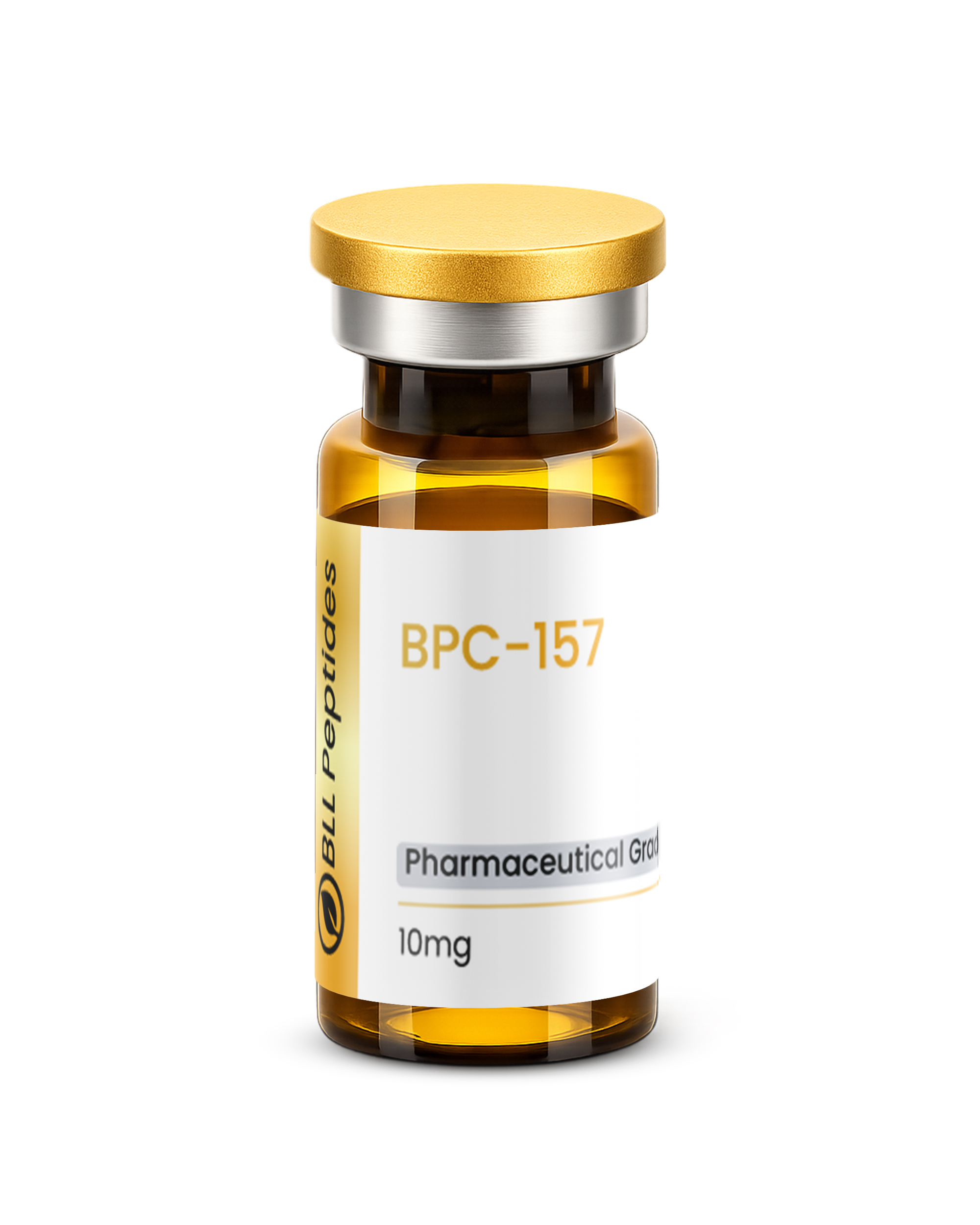
- BPC-157 10mg (3ml) — research-grade Body Protection Compound
- BPC-157 + TB-500 5/5mg (WOLVERINE blend) — dual-peptide research formulation
- BPC-157 + TB-500 10/10mg (WOLVERINE blend)
- BPC-157 + GHK-Cu + TB-500 GLOW blend
Dr. James is a board-certified neurosurgeon trained at Yale University and medical advisor to BLL Peptides.
BLL Peptides offers research-grade BPC-157 for qualified researchers. Learn more at bllpeptides.com.
Further Reading
- TB-500 (Thymosin Beta-4): Understanding Its Role in Cellular Recovery Research
- TB-500 vs BPC-157: What the Research Shows About These Two Healing Peptides
- Injury Recovery & Healing: A Complete Guide to Regenerative Peptides
Related Research
- BPC-157: Complete Research Guide – Healing, Recovery, and Regeneration
- BPC-157: A Beginner’s Guide to the Body Protection Compound
- TB-500 vs BPC-157: What the Research Shows About These Two Healing Peptides
- Research-grade BPC-157 at BLL Peptides
Disclaimer: This content is intended for research purposes only. BLL Peptides products are not intended for human consumption. All information presented here is drawn from published preclinical literature and is not intended to constitute medical advice, clinical guidance, or a recommendation for any therapeutic application. BPC-157 is not approved by the FDA or any other regulatory body for human use.