
GHK-Cu Copper Peptide and Skin Biology Research: What Scientists Have Found
·

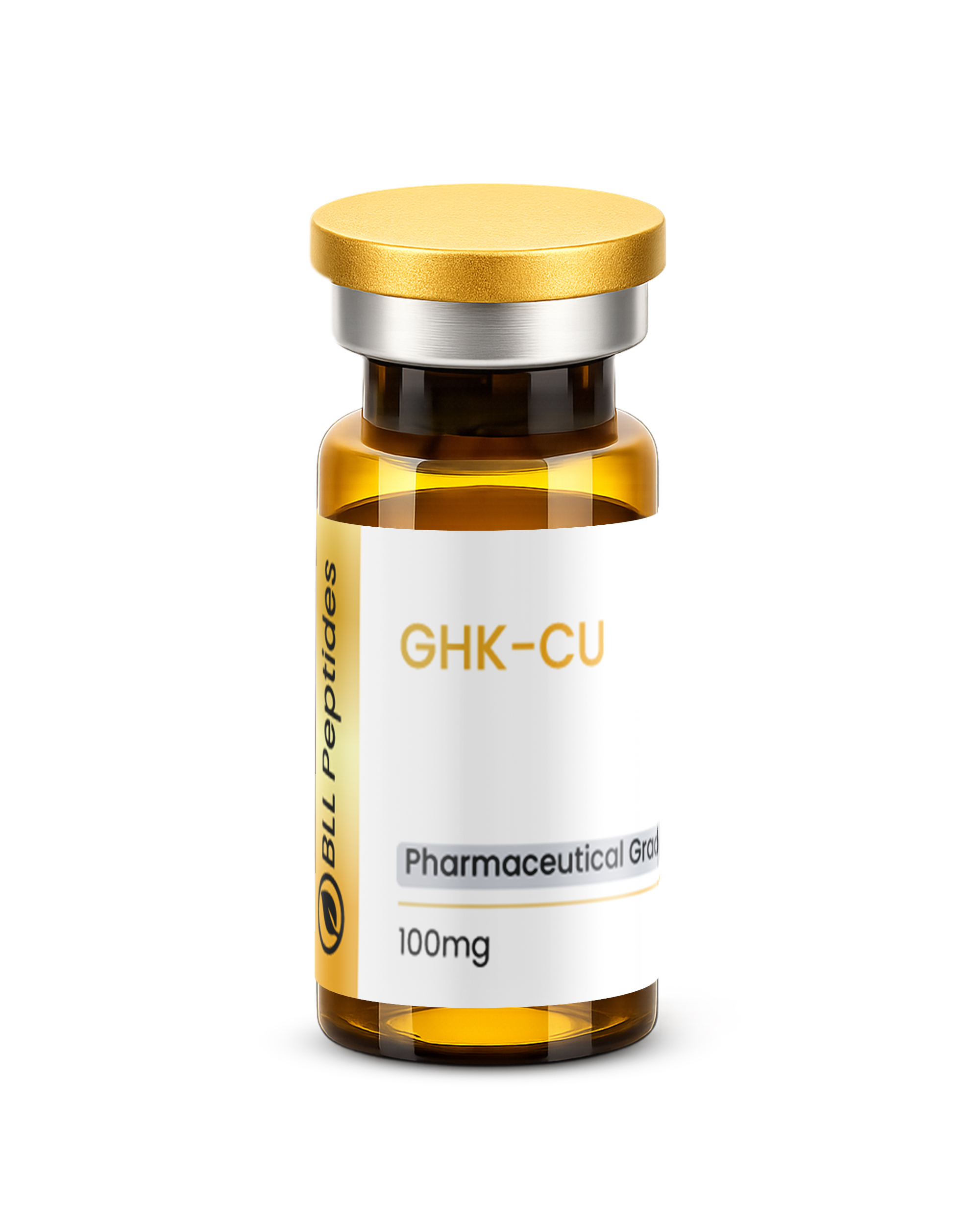
GHK-Cu Copper Peptide and Skin Biology Research: What Scientists Have Found
GHK-Cu has gone from an obscure biochemistry finding to one of the most studied tripeptides in dermatological research — and the science behind its effects is more sophisticated than most people realize. As someone who works with tissue biology daily in my neurosurgical practice, I find GHK-Cu’s broad gene regulatory activity genuinely fascinating.
GHK-Cu research demonstrates significant effects on collagen synthesis, wound healing, and gene expression — with a transcriptome-level impact that extends well beyond simple moisturization into fundamental tissue remodeling biology.
What Is GHK-Cu?
GHK-Cu (Glycine-Histidine-Lysine-Copper) is a naturally occurring tripeptide-copper complex. GHK was first isolated from human plasma albumin in 1973 by Loren Pickart. It has high affinity for copper(II) ions and is found endogenously in plasma, saliva, and urine — with plasma concentrations declining from approximately 200 ng/mL in young adults to 80 ng/mL in elderly individuals, suggesting a potential role in age-related tissue changes.
Mechanism: Multiple Pathways
- Collagen and ECM synthesis: GHK-Cu stimulates fibroblast production of collagen types I and III, elastin, glycosaminoglycans, and decorin — the fundamental building blocks of skin connective tissue
- Matrix metalloproteinase (MMP) activation: GHK-Cu activates MMPs that degrade damaged collagen, enabling tissue remodeling and replacement with new matrix — distinct from simply adding collagen mass
- Angiogenesis: Research shows GHK-Cu promotes blood vessel formation, supporting oxygen and nutrient delivery to healing tissue
- Anti-inflammatory effects: Copper-peptide complex inhibits TNF-α and IL-1β production, reducing inflammatory tissue damage
- Antioxidant activity: The copper-chelating properties of GHK-Cu have potent free radical scavenging activity, protecting tissue from oxidative damage
- Stem cell activation: Recent research suggests GHK-Cu may activate hair follicle stem cells, explaining its effects on hair follicle biology in animal models
Key Research Findings
Transcriptome Analysis
The most striking GHK-Cu research finding comes from transcriptome studies. Analysis of GHK-Cu’s effects on human gene expression identified modulation of over 300 genes — including upregulation of genes associated with tissue remodeling and skin development, and downregulation of genes associated with inflammation and cancer progression. This broad regulatory footprint suggests GHK-Cu may function as a pleiotropic biological modifier rather than a narrow-target compound.
Wound Healing Studies
Multiple animal studies demonstrate GHK-Cu accelerates wound closure, improves tensile strength of healed skin, and reduces scar formation compared to controls. In diabetic wound models, effects are particularly pronounced — consistent with GHK-Cu’s established role in fibroblast activation and angiogenesis.
Collagen Research
In vitro studies consistently show GHK-Cu increases collagen synthesis in fibroblast cultures, with some studies showing 5-10x increases over control at optimal concentrations. Importantly, the collagen produced appears architecturally normal — not disorganized as sometimes seen with less targeted pro-collagen approaches.
Hair Follicle Research
Animal studies show GHK-Cu promotes hair growth and follicle enlargement. Proposed mechanisms include follicle stem cell activation and improved scalp vascularity through angiogenesis promotion.
Research Applications
- Wound healing and skin repair models
- Collagen synthesis and ECM remodeling studies
- Transcriptome and gene regulation research
- Hair follicle biology
- Anti-inflammatory dermatology research
- Antioxidant and tissue protection studies
FAQ
What is GHK-Cu?
GHK-Cu is a naturally occurring tripeptide-copper complex found in human plasma. It is studied for effects on wound healing, collagen synthesis, and gene regulation.
How does GHK-Cu affect collagen production?
Research shows GHK-Cu upregulates collagen synthesis in fibroblasts and activates metalloproteinases that remodel damaged connective tissue.
What gene regulation effects has GHK-Cu research identified?
Transcriptome studies show GHK-Cu modulates over 300 human genes, including tissue remodeling, inflammatory, and anti-aging pathways.
Related Research
About the Author: Dr. James Nguyen is a Yale-trained neurosurgeon and scientific advisor to BLL Peptides.
Disclaimer: This content is intended for research purposes only. BLL Peptides products are not intended for human consumption.