
Peptides for Injury Recovery and Healing: A Comprehensive Guide to BPC-157 and TB-500
Last updated: January 2025
Research-Grade BPC-157 and TB-500 at BLL Peptides
BLL Peptides supplies pharmaceutical-grade BPC-157 and TB-500 for research purposes. All products are independently tested to 98%+ purity with Certificates of Analysis available.
- BPC-157 10mg / 3ml — View Product →
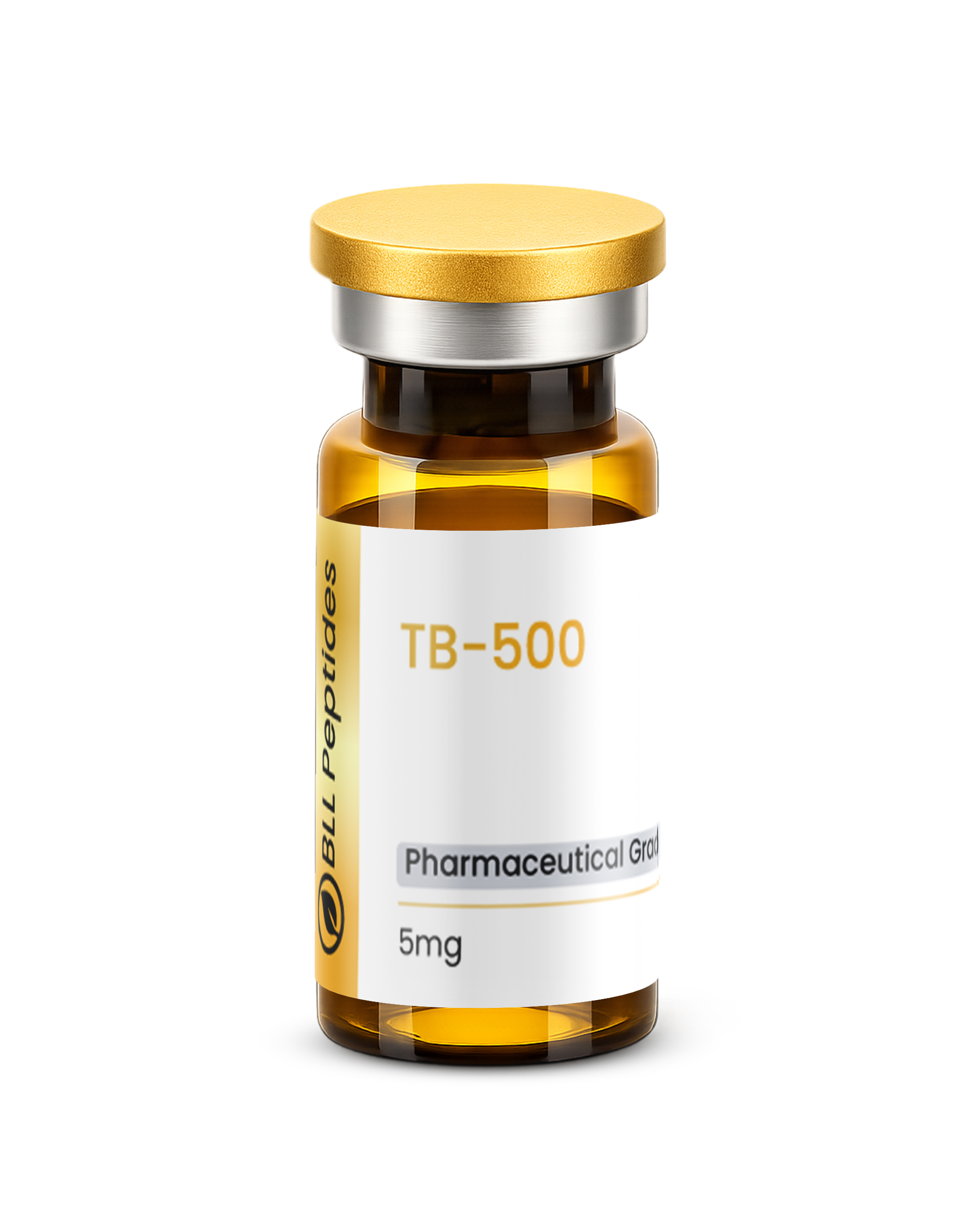
- TB-500 5mg / 3ml — View Product →
- TB-500 10mg / 3ml — View Product →
Introduction: The Science of Peptide-Assisted Healing
Injury recovery remains one of the most challenging aspects of athletic performance, rehabilitation, and overall quality of life. Whether dealing with a torn tendon, strained muscle, damaged ligament, or chronic inflammatory condition, the body's natural healing processes often prove frustratingly slow and incomplete. This reality has driven significant interest in peptides for injury recovery, particularly BPC-157 and TB-500, two compounds that have emerged as leading candidates in regenerative medicine research.
Peptides are short chains of amino acids that serve as signaling molecules in the body, influencing everything from hormone production to tissue repair. Unlike synthetic pharmaceuticals that often target a single receptor or pathway, healing peptides like BPC-157 and TB-500 appear to work through multiple interconnected mechanisms, potentially explaining their broad spectrum of reported benefits across different tissue types.
The appeal of these peptides lies in their fundamental approach: rather than simply masking pain or reducing inflammation temporarily, they aim to accelerate and enhance the body's own repair processes. Research suggests they may promote angiogenesis (new blood vessel formation), stimulate growth factor production, enhance cell migration to injury sites, and modulate inflammatory responses in ways that support rather than suppress natural healing.
This comprehensive guide examines the current scientific understanding of BPC-157 and TB-500 for injury recovery, exploring their individual mechanisms, the research evidence supporting their use, practical considerations for administration, and the potential synergistic effects when used in combination. We will also review community-reported experiences and protocols, while maintaining clear distinctions between established scientific findings and anecdotal reports.
Keywords: peptides for injury recovery, BPC-157 healing, TB-500 recovery, peptides for tendon repair, tissue regeneration peptides
Understanding BPC-157: The Body Protection Compound
Origins and Discovery
BPC-157, short for Body Protection Compound-157, is a synthetic 15-amino acid peptide derived from a naturally occurring protein found in human gastric juice. The peptide was first isolated and synthesized by researchers at the University of Zagreb in Croatia, led by Dr. Predrag Sikiric, who has dedicated over three decades to studying its protective and healing properties.
The specific amino acid sequence of BPC-157 is:
Gly-Glu-Pro-Pro-Pro-Gly-Lys-Pro-Ala-Asp-Asp-Ala-Gly-Leu-Val
This 15-amino acid fragment was identified from a larger gastric protein complex based on its superior stability and biological activity. With a molecular weight of approximately 1,419 Daltons, BPC-157 is relatively small, allowing it to potentially traverse biological membranes more easily than larger proteins.
What makes BPC-157 particularly remarkable is its stability across various pH conditions, including the highly acidic environment of the stomach. Unlike many peptides that degrade rapidly in the digestive system, BPC-157 maintains its structural integrity, which has significant implications for oral administration routes.
How BPC-157 Supports Healing
BPC-157's healing effects appear to stem from its ability to modulate multiple interconnected biological pathways simultaneously. Rather than acting through a single receptor or mechanism, the peptide influences several systems that collectively promote tissue repair and protection.
Nitric Oxide System Modulation
One of BPC-157's most important mechanisms involves the nitric oxide (NO) system. Nitric oxide is a critical signaling molecule that regulates blood flow, inflammation, immune function, and cellular communication throughout the body.
Research demonstrates that BPC-157 exhibits a unique "modulatory" effect on NO pathways:
- When NO is depleted: BPC-157 appears to upregulate nitric oxide synthase (NOS) activity and increase NO production, helping restore normal signaling
- When NO is excessive: The peptide helps normalize levels, preventing tissue damage from NO overproduction during severe inflammation
This bidirectional regulation may explain BPC-157's apparent ability to promote healing in diverse pathological conditions. The NO system modulation contributes to improved blood flow to injured tissues, reduced oxidative stress, enhanced cellular metabolism during repair, and better coordination of inflammatory responses.
Growth Factor Upregulation
BPC-157 has been shown in studies to increase the expression and activity of several critical growth factors essential for tissue repair:
VEGF (Vascular Endothelial Growth Factor): The master regulator of angiogenesis. BPC-157 significantly upregulates VEGF expression, promoting the formation of new capillaries to supply healing tissues with oxygen and nutrients. This is particularly important for tendons and ligaments, which have notoriously poor blood supply.
EGF (Epidermal Growth Factor): Promotes cell proliferation and differentiation, contributing to accelerated wound closure and tissue regeneration.
FGF (Fibroblast Growth Factor): Plays crucial roles in wound healing, tissue development, and blood vessel maturation. BPC-157's enhancement of FGF contributes to fibroblast activation and collagen production.
The FAK-Paxillin Pathway
Research has identified that BPC-157 activates the FAK (Focal Adhesion Kinase)-paxillin pathway, which is crucial for cell migration, adhesion, and survival. When tissues need to heal, cells must detach from their current location, migrate to the injury site, attach properly to form new tissue, and organize into functional structures.
Studies by Chang et al. demonstrated that BPC-157 significantly activates this pathway in tendon cells (tenocytes), promoting directed cell migration toward injury sites, enhancing cellular outgrowth from damaged tissue edges, improving cell survival during healing, and facilitating proper tissue organization.
BPC-157 for Specific Injury Types
Tendon Healing
The research supporting BPC-157 for tendon repair is among the most compelling in the peptide literature. The landmark study by Staresinic et al. examined BPC-157's effects on transected rat Achilles tendons with remarkable results:
- Significantly faster healing compared to controls
- Improved biomechanical properties of healed tendons
- Better collagen fiber organization
- Enhanced tensile strength
Follow-up studies confirmed these findings and demonstrated that BPC-157 stimulated tenocyte proliferation and migration both in vivo and in vitro. Research on medial collateral ligament injuries by Cerovecki et al. showed similar benefits: accelerated healing, improved tissue organization, better functional outcomes, and enhanced collagen formation.
Ligament Repair
Ligaments present unique healing challenges due to their limited blood supply and the high mechanical demands placed on them. BPC-157's ability to promote angiogenesis and enhance cell migration makes it particularly relevant for ligament injuries.
Research indicates BPC-157 may support:
- ACL and MCL injury recovery
- General ligament laxity improvement
- Post-surgical ligament repair
- Chronic ligament conditions
Muscle Recovery
Studies on muscle injuries demonstrate that BPC-157 significantly accelerates recovery of muscle function and reduces the formation of fibrotic scar tissue. Particularly interesting research showed that BPC-157 could overcome the healing impairment caused by systemic corticosteroid administration, maintaining near-normal healing rates even in steroid-treated animals.
BPC-157's muscle healing effects include:
- Crush injury recovery
- Strain healing
- Muscle-tendon junction repair
- Post-surgical muscle regeneration
Gut Healing
Given its gastric origins, BPC-157's effects on the gastrointestinal system are among the most extensively studied. Research has demonstrated:
- Ulcer healing: Multiple studies show accelerated healing of gastric ulcers induced by alcohol, NSAIDs, and stress
- NSAID protection: BPC-157 may help protect against and reverse NSAID-induced gastrointestinal damage
- IBD models: Animal models show reduced inflammation and improved tissue healing
- Intestinal permeability: Research suggests potential benefits for "leaky gut" conditions
Understanding TB-500: Thymosin Beta-4 Fragment
Origins and Discovery
TB-500 is a synthetic peptide that replicates the active region of Thymosin Beta-4 (TB4), a naturally occurring 43-amino acid protein found in virtually all human and animal cells. First isolated from the thymus gland in the 1960s by Dr. Allan Goldstein and colleagues at the Albert Einstein College of Medicine, Thymosin Beta-4 has emerged as one of the most extensively studied regenerative peptides in biomedical research.
Unlike many proteins that are tissue-specific, Thymosin Beta-4 is present in virtually all cell types except red blood cells. This ubiquitous distribution hints at fundamental cellular functions that extend well beyond the immune regulation initially studied.
TB-500 contains the specific regions of Thymosin Beta-4 believed responsible for its regenerative and healing properties, including the critical LKKTET (Leucine-Lysine-Lysine-Threonine-Glutamate-Threonine) sequence at positions 17-22, which has been identified as crucial for promoting cell migration.
How TB-500 Promotes Tissue Repair and Regeneration
G-Actin Sequestration: The Core Mechanism
TB-500's fundamental mechanism involves the sequestration of G-actin monomers. Actin is one of the most abundant proteins in cells, existing in two primary forms:
- G-actin (Globular actin): Individual monomeric units free in the cytoplasm
- F-actin (Filamentous actin): Long polymer chains formed by G-actin polymerization
Thymosin Beta-4 functions as a G-actin sequestering protein, binding to monomeric actin and preventing its incorporation into filaments. This might seem counterintuitive for a protein that promotes cell migration, but the sequestering function serves a crucial regulatory role.
By maintaining a large pool of monomeric actin primed for polymerization, TB-500 enables cells to rapidly restructure their cytoskeleton when signaled to do so. The sequestered G-actin-TB-500 complex acts as a reservoir that can be rapidly mobilized for immediate incorporation into growing filaments needed for cell migration.
Cell Migration Pathways
TB-500 promotes cell migration through multiple interacting mechanisms:
Rac1 and Cdc42 Activation: TB-500 activates these Rho family GTPases that serve as master regulators of cell migration, controlling the formation of lamellipodia and filopodia that drive directional movement.
Integrin Signaling: TB-500 modulates integrin function, affecting how cells interact with the extracellular matrix, which is crucial for migration as cells must continuously attach and detach from surrounding structures.
PINCH-ILK-Parvin Complex: The LKKTET sequence interacts with this signaling hub that connects integrins to the actin cytoskeleton, promoting focal adhesion formation and coordinating the mechanical aspects of cell migration.
Angiogenesis Mechanisms
TB-500 promotes angiogenesis through several interconnected pathways:
- Direct stimulation of endothelial cell proliferation
- Enhanced endothelial cell migration
- Improved capillary tube formation
- Blood vessel maturation and stabilization
- Potential interactions with VEGF signaling pathways
Anti-Inflammatory Actions
TB-500's anti-inflammatory properties contribute significantly to its tissue repair capabilities:
Cytokine Regulation: Research demonstrates TB-500 can reduce pro-inflammatory cytokines including TNF-alpha, IL-1beta, and IL-6, creating a more favorable environment for tissue repair.
NF-kappaB Pathway: TB-500 appears to modulate this central coordinator of inflammatory responses, potentially limiting the transcription of inflammatory genes.
Anti-Fibrotic Effects: TB-500 has shown anti-fibrotic properties, potentially reducing scar tissue formation during healing through modulation of TGF-beta signaling and collagen deposition patterns.
TB-500 for Specific Injury Types
Muscle Injury Recovery
Animal studies demonstrate that TB-500 treatment can accelerate recovery from muscle injuries through several mechanisms:
- Satellite cell activation (the resident stem cells responsible for muscle repair)
- Faster functional recovery
- Reduced inflammation
- Reduced fibrosis and scarring
Tendon and Ligament Repair
TB-500's ability to promote cell migration and angiogenesis makes it particularly relevant for these challenging injuries:
- Promotes tenocyte migration to injury sites
- Influences collagen expression patterns
- Improves structural organization
- Supports healing of tissues with naturally poor blood supply
Cardiac Tissue Repair
The landmark 2004 Nature study by Bock-Marquette et al. demonstrated TB-500's remarkable effects on cardiac repair:
- Enhanced survival of cardiomyocytes following ischemic injury
- Reduced infarct size in heart attack models
- Improved cardiac function through Akt survival pathway activation
- Enhanced migration of cardiac and endothelial cells
The 2007 follow-up study by Smart et al. revealed that TB-500 could activate epicardial progenitor cells, a previously unrecognized population of cardiac stem cells, with potential for actual regeneration of heart muscle.
Wound Healing
TB-500's wound healing applications are among the most well-established:
- Accelerated keratinocyte migration for faster wound closure
- Enhanced endothelial cell activity supporting angiogenesis
- Improved collagen synthesis and organization
- Reduced scarring through anti-fibrotic effects
- Clinical trials showing promise for corneal wound healing
Scientific Mechanisms: Deep Dive
BPC-157 Mechanisms in Detail
Molecular Pathways
BPC-157's effects extend across multiple interconnected molecular pathways:
Nitric Oxide Regulation: BPC-157 modulates the NO system bidirectionally, increasing NO when depleted and normalizing it when excessive. This affects blood flow, cellular metabolism, and inflammatory responses.
Growth Hormone Receptor Expression: Research suggests BPC-157 enhances growth hormone receptor expression in tendon fibroblasts, potentially amplifying the body's natural growth factor signaling.
Dopaminergic System: BPC-157 demonstrates significant interactions with dopaminergic pathways, potentially explaining its protective effects against neurotoxins and its observed benefits in alcohol withdrawal models.
GABAergic System: The peptide modulates GABA receptor function and affects serotonergic pathways, contributing to observed anxiolytic properties and gut-brain axis interactions.
Angiogenesis Cascade
BPC-157's robust angiogenic effect operates through:
- VEGF upregulation initiating new vessel formation signals
- Direct stimulation of endothelial cell proliferation
- Enhanced endothelial cell migration and tube formation
- Blood vessel maturation and stabilization
- Collateral vessel development around blocked or damaged vessels
This cascade is particularly crucial for healing tissues with naturally poor blood supply, such as tendons, ligaments, and cartilage.
TB-500 Mechanisms in Detail
Actin Dynamics
TB-500's regulation of actin dynamics operates through:
- High-affinity binding to G-actin monomers (Kd approximately 0.4-2.5 micromolar)
- 1:1 stoichiometry binding creating a stable reservoir
- Rapid release upon cellular signaling
- Immediate availability for cytoskeletal restructuring
- Dynamic regulation of polymerization rates
This mechanism enables the rapid, localized assembly of actin structures needed for cell migration and other dynamic healing processes.
LKKTET Signaling
The LKKTET sequence (positions 17-22) functions as an independent signaling motif:
- Promotes cell migration in multiple cell types even as a synthetic hexapeptide
- Interacts with cell surface receptors
- Triggers intracellular signaling cascades
- Regulates cytoskeletal reorganization
- Facilitates critical cell migration in wound healing contexts
Integrin-Linked Kinase (ILK) Activation
TB-500 activates ILK, which serves as a central hub connecting:
- Integrin receptors (cell-matrix adhesion)
- Actin cytoskeleton organization
- Cell survival pathways (Akt)
- Cell migration machinery
This activation coordinates multiple aspects of tissue repair simultaneously.
Research Evidence and Studies
Animal Studies: BPC-157
Tendon Research
Staresinic et al. (2003): Examined transected rat Achilles tendons. BPC-157-treated animals showed significantly faster healing, improved biomechanical properties, better collagen organization, and enhanced tensile strength compared to controls.
Cerovecki et al. (2010): Studied medial collateral ligament injuries. Results demonstrated accelerated healing, improved tissue organization, and better functional outcomes with BPC-157 treatment.
Chang et al. (2011): Investigated the FAK-paxillin pathway in tendon healing, demonstrating that BPC-157 promotes tendon outgrowth, cell survival, and cell migration through this signaling cascade.
Gastrointestinal Research
Multiple Zagreb Studies: Over 100 published papers demonstrate BPC-157's effects on gastrointestinal healing:
- Acceleration of ulcer healing regardless of cause (alcohol, NSAIDs, stress)
- Protection against NSAID-induced damage
- Improved outcomes in IBD models
- Enhanced intestinal anastomosis healing
Muscle and Nerve Research
Pevec et al. (2010): Demonstrated BPC-157 overcomes corticosteroid-impaired muscle healing.
Gjurasin et al. (2010): Showed improved recovery following sciatic nerve injuries with better functional outcomes and nerve regeneration.
Animal Studies: TB-500
Cardiac Research
Bock-Marquette et al. (Nature, 2004): Groundbreaking study demonstrating Thymosin Beta-4 promotes cardiac cell survival through ILK-Akt pathway activation, reduces infarct size, and improves cardiac function after myocardial infarction.
Smart et al. (Nature, 2007): Revealed TB-500 activates epicardial progenitor cells capable of differentiating into multiple cardiac cell types, suggesting potential for actual heart muscle regeneration.
Wound Healing Research
Malinda et al. (1999): Systematic investigation demonstrating TB-500 promotes keratinocyte migration, endothelial cell migration and tube formation, collagen deposition, and accelerated wound closure in animal models.
Musculoskeletal Research
Tokura et al. (2011): Demonstrated TB-500 acts as a chemoattractant for myoblasts, promoting muscle repair through satellite cell recruitment.
Ehrlich and Hazard (2010): Showed TB-500 enhances repair by organizing connective tissue and preventing myofibroblast appearance, potentially reducing scarring.
Human Clinical Trials and Studies
TB-500/Thymosin Beta-4 Clinical Trials
RegeneRx Biopharmaceuticals has conducted multiple clinical trials:
Dry Eye Syndrome: Phase 2 and Phase 3 trials investigating RGN-259 (Thymosin Beta-4 formulation) showed promising results for reducing ocular discomfort and improving tear film stability.
Corneal Wound Healing: Multiple trials demonstrated accelerated healing in various corneal injury populations.
Epidermolysis Bullosa: Studies investigated potential benefits for wound healing in this genetic blistering condition.
BPC-157 Clinical Status
While extensive animal research exists, formal human clinical trials for BPC-157 remain limited. The compound has not yet progressed through the full FDA approval process, though human studies are reportedly in progress.
Anecdotal Human Reports
Community reports from forums like r/Peptides provide real-world context, though these should not be considered scientific evidence:
BPC-157 Reports:
- Resolution of chronic tendinopathies after years of failed treatments
- Improvement in Achilles, patellar, and elbow tendinopathies within 2-4 weeks
- Post-surgical recovery enhancement
- Gut healing and reduced food sensitivities
TB-500 Reports:
- Improvement in chronic tendon issues
- Faster recovery from soft tissue injuries
- Enhanced healing when combined with physical therapy
- Subjective improvements in muscle strains and tears
Synergistic Effects: BPC-157 + TB-500 Combination
Theoretical Rationale
The combination of BPC-157 and TB-500 is the most commonly discussed peptide stacking protocol for injury recovery. The theoretical synergy is based on their complementary mechanisms:
Different Primary Pathways:
- BPC-157: NO modulation, growth factor upregulation, FAK-paxillin activation
- TB-500: G-actin sequestration, LKKTET-mediated cell migration, integrin signaling
Complementary Effects:
- BPC-157 enhances the local tissue environment through improved blood flow and growth factors
- TB-500 promotes the cellular migration and organization needed to utilize that improved environment
- Both support angiogenesis through different mechanisms
- Both have anti-inflammatory properties operating through distinct pathways
Different Scales of Action:
- BPC-157 may provide more localized effects, particularly with targeted injection
- TB-500 tends toward more systemic effects due to its small molecular size and distribution
- Combination potentially provides both local and systemic healing support
Research Perspective
While no published studies have directly examined the BPC-157 + TB-500 combination, the mechanistic rationale is supported by the individual research on each compound. The lack of established negative interactions and the different pathways involved suggest potential for additive or synergistic benefits.
Community-Reported Combination Protocols
Based on extensive discussions in r/Peptides and similar forums, common combination protocols include:
Standard Combination Protocol:
BPC-157:
- Dose: 250-500mcg per administration
- Frequency: Once or twice daily
- Administration: Subcutaneous injection (often near injury site) or oral/sublingual for gut issues
TB-500:
- Loading: 2.0-2.5mg twice weekly for 4-6 weeks
- Maintenance: 2.0-2.5mg once weekly or every two weeks
- Administration: Subcutaneous injection (systemic)
Duration: 6-12 weeks for most injury protocols
Reported Applications:
- Severe or chronic tendon injuries
- Post-surgical recovery (ACL reconstruction, rotator cuff repair)
- Multi-tissue injuries affecting muscle and connective tissue
- Athletic injury recovery requiring rapid return to activity
Potential Advantages of Combination Use
Community members and researchers have proposed several advantages to combination therapy:
- Broader Mechanism Coverage: Addressing more pathways may enhance overall healing response
- Different Timescales: TB-500's twice-weekly dosing may provide sustained effects complementing BPC-157's daily dosing
- Local + Systemic: BPC-157's targeted approach combined with TB-500's systemic distribution
- Redundancy: If one compound is less effective for a particular tissue type, the other may compensate
Important Considerations
Increased Complexity: Stacking compounds makes it difficult to attribute effects to specific substances.
Unknown Interactions: Formal drug interaction studies have not been conducted.
Cost Considerations: Using multiple peptides significantly increases protocol cost.
Individual Variation: Responses to combinations vary substantially between individuals.
Community-Reported Protocols and Dosages
BPC-157 Dosing Protocols
From r/Peptides and Community Forums:
Standard Injection Protocol
- Dose: 250-500mcg per injection
- Frequency: 1-2 times daily
- Duration: 4-8 weeks
- Method: Subcutaneous injection
Localized Injury Protocol
- Dose: 250-500mcg
- Frequency: Once daily
- Location: Injected subcutaneously as close to injury site as practical
- Duration: 4-6 weeks minimum
Gut Healing Protocol
- Dose: 250-500mcg
- Frequency: Once daily
- Method: Oral or sublingual (held under tongue 90-120 seconds)
- Duration: 6-12 weeks
- Timing: Empty stomach, typically morning
Higher-Intensity Protocol (Severe Injuries)
- Dose: 500mcg
- Frequency: Twice daily
- Duration: Up to 12 weeks
- Notes: Used for acute or severe injuries
TB-500 Dosing Protocols
Standard Loading + Maintenance Protocol
Loading Phase (Weeks 1-4 to 6):
- Dose: 2.0-2.5mg
- Frequency: Twice weekly (e.g., Monday/Thursday)
- Total weekly: 4-5mg
Maintenance Phase (Weeks 5/7 onward):
- Dose: 2.0-2.5mg
- Frequency: Once weekly or every two weeks
- Duration: 4-8 additional weeks
Aggressive Loading Protocol
- Dose: 5mg twice weekly
- Duration: 2-4 weeks
- Transition to: Standard maintenance
- Notes: Higher cost, used for severe injuries
Low-Dose Extended Protocol
- Dose: 2.0mg once weekly
- No loading phase
- Duration: 12+ weeks
- Notes: More economical, slower onset
Combination Protocol (BPC-157 + TB-500)
Community Consensus Protocol:
Week 1-6 (Loading):
- TB-500: 2.5mg twice weekly
- BPC-157: 250-500mcg daily or twice daily
Week 7-12 (Maintenance):
- TB-500: 2.5mg once weekly
- BPC-157: 250mcg daily
Injection Timing: Many users administer both on the same days for convenience, though some separate doses by several hours.
Administration Considerations
Subcutaneous Injection Technique
- Reconstitute lyophilized peptide with bacteriostatic water
- Draw appropriate dose into insulin syringe
- Clean injection site with alcohol
- Pinch skin to create fat fold
- Insert needle at 45-90 degree angle
- Inject slowly, withdraw needle
- Do not massage injection site
Common Injection Sites
- Abdominal fat (most common for both peptides)
- Near injury site (BPC-157 for localized approach)
- Upper thigh
- Upper arm
Reconstitution Guidelines
BPC-157 (typically 5mg vial):
- Add 2ml bacteriostatic water
- Concentration: 2.5mg/ml (250mcg per 0.1ml)
TB-500 (typically 5mg vial):
- Add 2ml bacteriostatic water
- Concentration: 2.5mg/ml (2.5mg per 1ml)
Storage
- Lyophilized powder: Refrigerate (freezer for long-term)
- Reconstituted solution: Refrigerate, use within 2-4 weeks
- Protect from light and heat
- Do not freeze reconstituted solutions
Types of Injuries Commonly Addressed
Tendon Injuries
Conditions Frequently Discussed:
- Achilles tendinopathy
- Patellar tendinopathy (jumper's knee)
- Tennis elbow (lateral epicondylitis)
- Golfer's elbow (medial epicondylitis)
- Rotator cuff tendinopathy
- Bicep tendinitis
- Plantar fasciitis
Why Tendons Respond Well: Tendons have poor blood supply (hypovascular), making angiogenesis promotion by both BPC-157 and TB-500 particularly relevant. The FAK-paxillin pathway activation and enhanced cell migration support the limited cellular activity in tendon tissue.
Ligament Injuries
Conditions Frequently Discussed:
- ACL sprains and partial tears
- MCL injuries
- LCL injuries
- Ankle ligament sprains
- General ligament laxity
Considerations: Ligaments face similar challenges to tendons with limited blood supply. The combination of growth factor upregulation and cell migration promotion may support healing, though severe tears typically require surgical intervention.
Muscle Injuries
Conditions Frequently Discussed:
- Muscle strains (grade 1-3)
- Muscle tears
- Muscle contusions
- DOMS (delayed onset muscle soreness)
- Chronic muscle tightness
Why Muscles May Respond: Muscle tissue has better blood supply than tendons, and satellite cell activation by TB-500 may enhance the natural regenerative capacity. BPC-157's ability to overcome corticosteroid-induced healing impairment is particularly relevant for those who have received steroid injections.
Joint Issues
Conditions Frequently Discussed:
- Osteoarthritis symptoms
- Joint inflammation
- Cartilage damage
- Synovitis
- General joint pain
Considerations: Joint conditions involve multiple tissue types and complex pathology. While peptides may support some aspects of joint health, they are not likely to regenerate lost cartilage significantly.
Post-Surgical Recovery
Applications Frequently Discussed:
- ACL reconstruction recovery
- Rotator cuff repair recovery
- Hernia repair
- General orthopedic surgery recovery
- Tendon repair surgery
Important Note: Any peptide use around surgical procedures should be discussed with the surgical team, as effects on wound healing and potential interactions with medications must be considered.
Gastrointestinal Conditions (BPC-157)
Conditions Frequently Discussed:
- Gastric ulcers
- NSAID-induced gastropathy
- Inflammatory bowel disease symptoms
- "Leaky gut" symptoms
- General digestive distress
BPC-157's Gut Origins: Given its derivation from gastric proteins, BPC-157's GI effects have the strongest research support and biological plausibility.
Recovery Timelines Reported by Users
Early Response Phase (Week 1-2)
Commonly Reported Experiences:
- Reduction in acute inflammation
- Slight improvement in pain levels
- Beginning of improved range of motion
- Some users report feeling effects within days
Expectation Setting: Many users report minimal obvious changes in the first week or two. Healing processes are being initiated at the cellular level before visible improvement occurs.
Active Healing Phase (Week 2-6)
Commonly Reported Experiences:
- Noticeable reduction in pain with use
- Improved functional capacity
- Ability to begin rehabilitation exercises
- Progressive improvement in symptoms
- Peak period for BPC-157 + TB-500 loading phase effects
Typical Timeline by Injury Type:
Mild Tendinopathy: 2-4 weeks for significant improvement
Moderate Tendinopathy: 4-6 weeks for substantial relief
Muscle Strains: 2-4 weeks depending on severity
Ligament Sprains: 4-8 weeks for full recovery support
Consolidation Phase (Week 6-12)
Commonly Reported Experiences:
- Continued improvement, though often at slower rate
- Return to more normal activity levels
- Some users begin tapering protocols
- Maintenance dosing for TB-500 begins
Considerations: Some chronic injuries require extended protocols beyond 8 weeks. Users with injuries present for years often report needing longer treatment periods.
Post-Protocol Period
Commonly Reported Experiences:
- Many report sustained benefits after discontinuation
- Some users report need for periodic "touch-up" protocols
- Chronic conditions may require maintenance approaches
- Best results often reported when combined with physical therapy
Factors Affecting Recovery Timeline
Faster Recovery Associated With:
- Acute injuries (recent onset)
- Younger age
- Good general health status
- Concurrent physical therapy/rehabilitation
- Adequate sleep and nutrition
- Absence of confounding factors (continued stress on injury)
Slower Recovery Associated With:
- Chronic, long-standing injuries
- Older age
- Compromised health status
- Continued aggravation of injury
- Poor compliance with protocols
- Severe initial injury grade
Managing Expectations
Important Points:
- Individual responses vary significantly
- Peptides are not "magic bullets" that instantly heal injuries
- Best results combine peptides with proper rehabilitation
- Some injuries may not respond significantly
- Placebo effects may influence subjective reports
- Absence of pain does not mean tissue is fully healed
Safety Considerations and Side Effects
BPC-157 Safety Profile
Animal Study Data: Research shows remarkably favorable safety profile with no observed lethal dose, no organ toxicity at doses far exceeding therapeutic ranges, and no demonstrated carcinogenic or mutagenic effects.
Commonly Reported Side Effects (from community reports):
- Mild injection site reactions
- Temporary nausea (particularly oral administration)
- Occasional headache
- Mild dizziness
- Fatigue (rare)
TB-500 Safety Profile
Clinical Trial Data: Limited but available data suggests relatively mild side effect profile.
Commonly Reported Side Effects (from community reports):
- Injection site reactions (redness, minor pain)
- Mild fatigue or lethargy (commonly transient)
- Headache
- Temporary head rush following injection
- Mild flu-like symptoms during initial use (rare)
Contraindications and Precautions
Both Peptides – Exercise Extreme Caution or Avoid:
- Active cancer or history of cancer (growth factor concerns)
- Pregnancy or breastfeeding
- Children and adolescents
- Active infections
- Severe cardiovascular disease (without medical guidance)
- Immediately pre/post-surgery (without surgical team awareness)
BPC-157 Specific:
- Autoimmune conditions (immune modulation effects)
- Those on immunomodulatory medications
TB-500 Specific:
- Competitive athletes (WADA prohibited)
- Those taking anticoagulants (potential angiogenic interactions)
Drug Interactions
Theoretical Interactions to Consider:
Medications Affecting NO System (BPC-157):
- Nitrates, PDE5 inhibitors, some blood pressure medications
Anticoagulants and Antiplatelets (Both):
- Warfarin, aspirin, clopidogrel, DOACs
- Angiogenic effects may affect bleeding
Growth-Promoting Compounds (Both):
- HGH, IGF-1, other peptides
- Potentially additive growth factor effects
Immunomodulators (BPC-157):
- Corticosteroids, TNF-alpha inhibitors
- Overlapping immune effects
Regulatory Status and Legal Considerations
FDA Status
BPC-157: Not approved by the FDA for any medical use. Classified as a research chemical. Not specifically listed on WADA prohibited list, though athletes should exercise caution.
TB-500: Not approved by the FDA for any medical use. Classified as a research chemical. Explicitly prohibited by WADA under Section S2.5 "Peptide Hormones, Growth Factors, Related Substances, and Mimetics."
Research Chemical Classification
Both peptides are sold legally for "research purposes only" with important caveats:
- Not for human consumption (legally)
- No quality standards enforced by regulatory agencies
- Purity and identity depend on supplier integrity
- No standardized pharmaceutical-grade products exist
International Variations
Regulatory status varies by country. Users should verify legal status in their jurisdiction before purchasing.
Athletic Competition Considerations
WADA Status:
- TB-500: Explicitly prohibited
- BPC-157: Not specifically named, but may fall under prohibited categories
Athletes have received suspensions for Thymosin Beta-4 use. Anyone subject to drug testing should avoid these compounds or verify current status with their governing body.
References and Citations
BPC-157 Key References
-
Sikiric P, et al. "Stable gastric pentadecapeptide BPC 157: novel therapy in gastrointestinal tract." Current Pharmaceutical Design. 2011;17(16):1612-1632.
-
Sikiric P, et al. "BPC 157 and NO system." Current Pharmaceutical Design. 2014;20(7):1126-1135.
-
Seiwerth S, et al. "BPC 157 and blood vessels." Current Pharmaceutical Design. 2014;20(7):1121-1125.
-
Chang CH, et al. "The promoting effect of pentadecapeptide BPC 157 on tendon healing involves tendon outgrowth, cell survival, and cell migration." Journal of Applied Physiology. 2011;110(3):774-780.
-
Staresinic M, et al. "Gastric pentadecapeptide BPC 157 accelerates healing of transected rat Achilles tendon and in vitro stimulates tendocytes growth." Journal of Orthopaedic Research. 2003;21(6):976-983.
-
Cerovecki T, et al. "Pentadecapeptide BPC 157 (PL 14736) improves ligament healing in the rat." Journal of Orthopaedic Research. 2010;28(9):1155-1161.
-
Pevec D, et al. "Impact of pentadecapeptide BPC 157 on muscle healing impaired by systemic corticosteroid application." Medical Science Monitor. 2010;16(3):BR81-88.
-
Gjurasin M, et al. "Peptide therapy with pentadecapeptide BPC 157 in traumatic nerve injury." Regulatory Peptides. 2010;160(1-3):33-41.
-
Sikiric P, et al. "Toxicity by NSAIDs. Counteraction by stable gastric pentadecapeptide BPC 157." Current Pharmaceutical Design. 2013;19(1):76-83.
-
Sikiric P, et al. "Brain-gut Axis and Pentadecapeptide BPC 157: Theoretical and Practical Implications." Current Neuropharmacology. 2016;14(8):857-865.
TB-500 Key References
-
Bock-Marquette I, et al. "Thymosin beta4 activates integrin-linked kinase and promotes cardiac cell migration, survival and cardiac repair." Nature. 2004;432(7016):466-472.
-
Smart N, et al. "Thymosin beta4 induces adult epicardial progenitor mobilization and neovascularization." Nature. 2007;445(7124):177-182.
-
Malinda KM, et al. "Thymosin beta4 accelerates wound healing." J Invest Dermatol. 1999;113(3):364-368.
-
Goldstein AL, Hannappel E, Kleinman HK. "Thymosin beta4: actin-sequestering protein moonlights to repair injured tissues." Trends Mol Med. 2005;11(9):421-429.
-
Crockford D, et al. "Thymosin beta4: structure, function, and biological properties supporting current and future clinical applications." Ann N Y Acad Sci. 2010;1194:179-189.
-
Philp D, et al. "The actin binding site on thymosin beta4 promotes angiogenesis." FASEB J. 2003;17(14):2103-2105.
-
Sosne G, et al. "Thymosin-beta4 inhibits corneal epithelial cell apoptosis after ethanol exposure in vitro." Invest Ophthalmol Vis Sci. 2004;45(4):1095-1100.
-
Tokura Y, et al. "Muscle injury-induced thymosin beta4 acts as a chemoattractant for myoblasts." J Biochem. 2011;149(1):43-48.
-
Ehrlich HP, Hazard SW. "Thymosin beta4 enhances repair by organizing connective tissue and preventing the appearance of myofibroblasts." Ann N Y Acad Sci. 2010;1194:118-124.
-
RegeneRx Biopharmaceuticals. Clinical Development Pipeline. https://www.regenerx.com/
General References
-
World Anti-Doping Agency (WADA). The World Anti-Doping Code International Standard: Prohibited List. 2024.
-
U.S. Food and Drug Administration. Peptide Drug Development Guidance. FDA.gov.
Further Reading
- BPC-157 Peptide: Mechanisms of Tissue Repair in Research Models
- TB-500 (Thymosin Beta-4): Understanding Its Role in Cellular Recovery Research
- Athletic Performance & Recovery: A Complete Guide to Peptides
Related Research
- BPC-157 Peptide: Mechanisms of Tissue Repair in Research Models
- TB-500 (Thymosin Beta-4): Understanding Its Role in Cellular Recovery Research
- Thymosin Alpha-1 vs TB-500: Immune vs Repair — What Research Reveals
- Research-grade BPC-157 at BLL Peptides
Disclaimer
This article is for informational and educational purposes only.
BPC-157 and TB-500 are research compounds that are not approved by the FDA or any regulatory agency for human therapeutic use. They are sold and intended for laboratory research purposes only and are not intended for human consumption.
Important Considerations:
- This content does not constitute medical advice, diagnosis, or treatment recommendations
- The information presented includes both peer-reviewed scientific research and anecdotal community reports, which are clearly distinguished throughout
- Anecdotal reports are not evidence of efficacy or safety
- No human clinical trials have definitively established safety or efficacy for most applications discussed
- Quality and purity of research peptides vary significantly between suppliers
- Individual results may vary substantially from both research findings and community reports
- TB-500 is explicitly prohibited by WADA and is banned in competitive sports
- BPC-157's WADA status is ambiguous; athletes should exercise extreme caution
Before considering any peptide use:
- Consult with qualified healthcare professionals
- Verify legal status in your jurisdiction
- Understand the research limitations and potential risks
- Ensure product quality and purity through reputable, tested sources
- Consider that you are assuming personal responsibility for use of unapproved research compounds
The authors and publishers of this content assume no liability for the use or misuse of information contained herein. The decision to use any research compound is solely the responsibility of the individual and should be made with full awareness of the legal status, limited human data, and potential risks involved.
Keywords: peptides for injury recovery, BPC-157 healing, TB-500 recovery, peptides for tendon repair, tissue regeneration peptides, BPC-157 dosage, TB-500 protocol, peptide stacking, injury healing peptides, tendon healing peptides
Article prepared for educational purposes. Last updated: January 2025