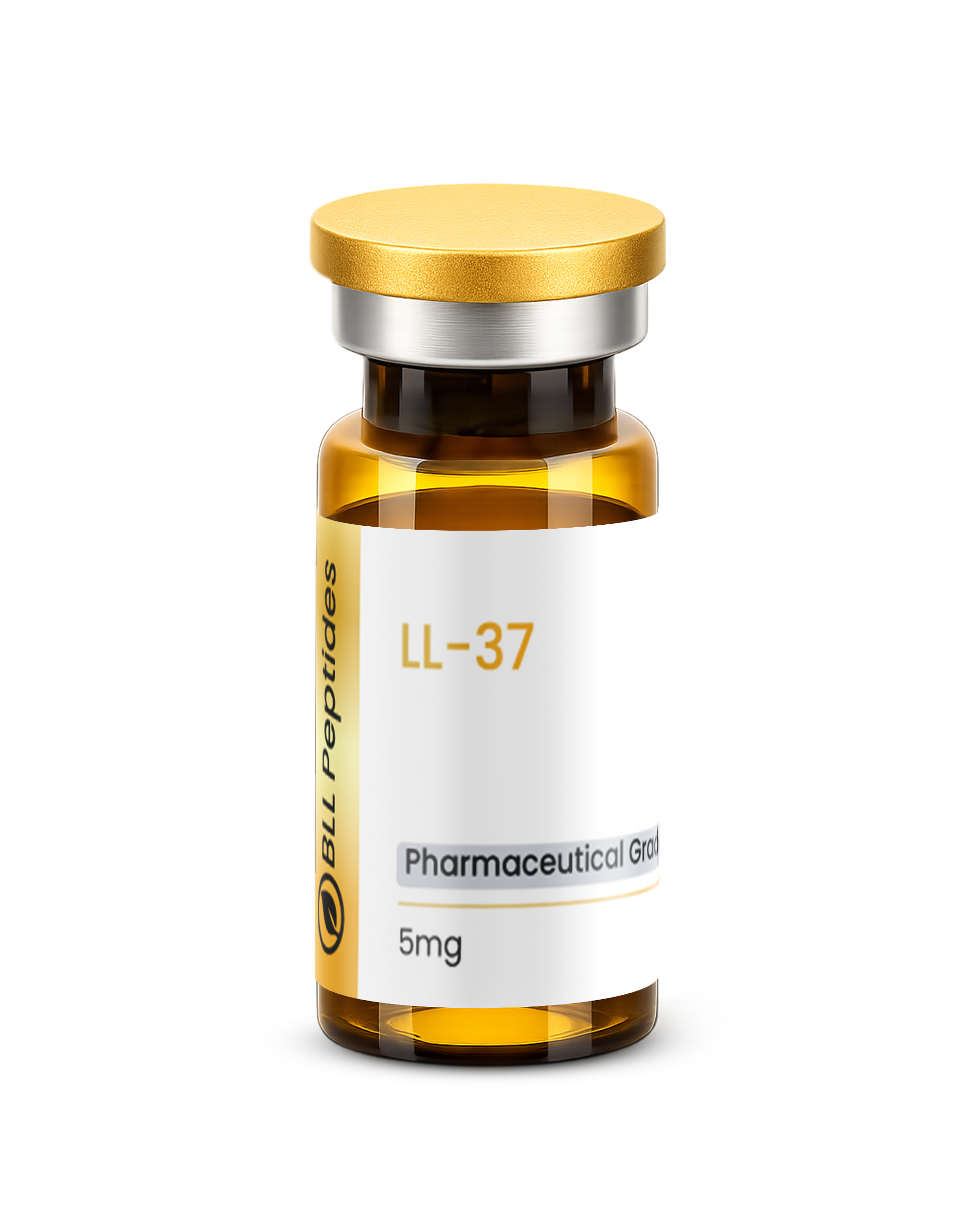
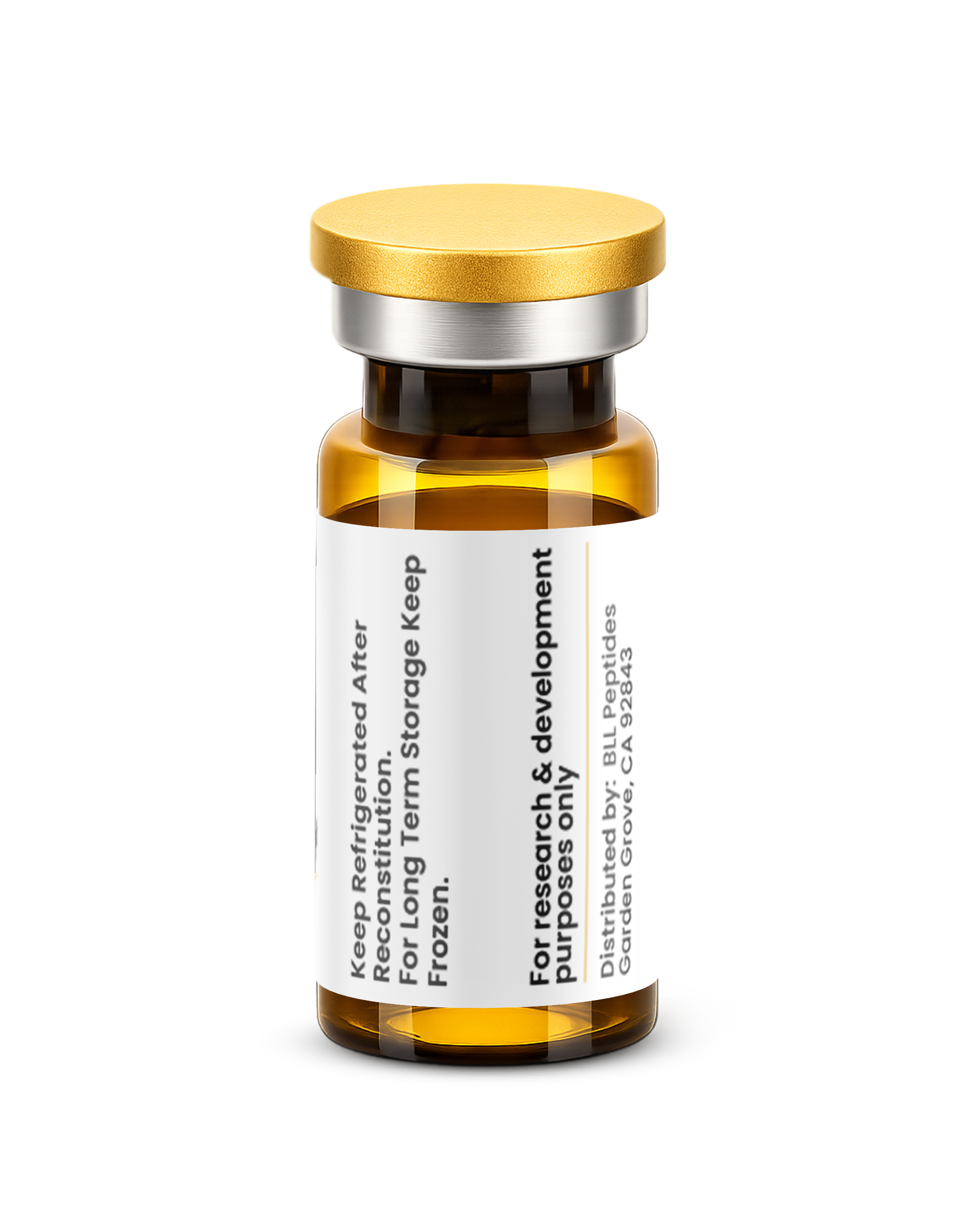
LL-37 5mg (3ml)
LL-37 is a research-grade human cathelicidin antimicrobial peptide studied for broad-spectrum antimicrobial activity, immunomodulation, wound healing promotion, and anti-biofilm properties. Researchers investigating innate immunity, infection biology, and wound repair rely on pharmaceutical-grade purity for valid immunological experiments. Available at BLL Peptides — USA-made, rigorously tested. ✅ COA tested every batch✅ 98%+ purity guaranteed ✅ USA…
Description
LL-37: Complete Research Guide – Human Cathelicidin Antimicrobial Peptide Mechanisms, Immune Modulation Research, and Clinical Applications
Last updated: March 2026
Executive Summary
LL-37 is the sole human cathelicidin antimicrobial peptide, a 37-amino acid cationic peptide derived by proteolytic cleavage from the C-terminal end of its precursor protein hCAP-18 (18 kDa human cationic antimicrobial protein). The name LL-37 reflects its length and its two N-terminal leucine residues. First identified in 1995 by Gudmundsson and colleagues in human neutrophil granules, LL-37 has since been recognized as one of the most versatile effector molecules of the innate immune system, bridging antimicrobial defense, immune modulation, wound healing, and anti-biofilm activity within a single peptide framework [1].
The primary amino acid sequence of LL-37 is LLGDFFRKSKEKIGKEFKRIVQRIKDFLRNLVPRTES. Its molecular formula is C205H340N60O53, with a molecular weight of approximately 4,493.33 Da (CAS: 154947-66-7). In aqueous solution, LL-37 adopts an amphipathic alpha-helical conformation that is critical to its biological activity. This amphipathicity creates two distinct molecular faces: a hydrophobic face composed of leucine, isoleucine, phenylalanine, and valine residues that inserts into lipid bilayers, and a hydrophilic face rich in positively charged arginine and lysine residues that facilitates electrostatic interactions with negatively charged microbial membranes [2].
LL-37 is constitutively expressed in neutrophils, monocytes, mast cells, and various epithelial surfaces including skin, airways, and the gastrointestinal tract. Its expression can be upregulated by infection, inflammation, and notably by vitamin D signaling through the vitamin D receptor, establishing a critical link between vitamin D status and innate immune competence [3]. Beyond its direct antimicrobial killing of bacteria, fungi, and enveloped viruses, LL-37 functions as an immunomodulatory mediator, influencing chemotaxis, cytokine production, apoptosis, and angiogenesis. These multifunctional properties have positioned LL-37 as a subject of intense research interest in infectious disease, wound healing, autoimmunity, and oncology.
This comprehensive guide examines the molecular structure, mechanisms of action, scientific evidence base, safety considerations, and research applications of LL-37, providing researchers with an evidence-based resource grounded in peer-reviewed literature.
Interactive Molecular Structure
The following interactive 3D visualization renders the LL-37 peptide backbone in its amphipathic alpha-helical conformation. The structure highlights the hallmark feature of LL-37: a distinct separation between hydrophobic residues (gray-blue) concentrated on one face and cationic/polar residues (red, yellow) on the opposing face. This amphipathic architecture enables membrane insertion and is essential for antimicrobial activity.
Legend: The interactive visualization above depicts the 37-residue alpha-helical backbone of LL-37. Positively charged residues (Arg, Lys in red) and hydrophobic residues (Leu, Ile, Val, Pro in gray-blue) are distributed on opposing faces of the helix, creating the amphipathic architecture essential for membrane interaction. Aromatic phenylalanine residues (teal) anchor at the hydrophobic-hydrophilic interface. Dashed lines represent i-to-i+4 hydrogen bonds stabilizing the alpha-helix. Drag to rotate; scroll to zoom.
Table of Contents
- Introduction and Discovery History
- Molecular Structure and Chemistry
- Mechanism of Action
- Scientific Research Review
- Comparison with Related Antimicrobial Peptides
- Safety Profile and Pharmacology
- Research Applications
- References
- Disclaimer
Introduction and Discovery History
The Cathelicidin Family and Human Innate Immunity
Cathelicidins are a family of antimicrobial peptides found across vertebrate species, characterized by a conserved N-terminal cathelin-like domain (approximately 100 amino acids) and a highly variable C-terminal antimicrobial domain. The name "cathelicidin" derives from the combination of "cathelin" (cathepsin L inhibitor) and the Greek suffix "-cidin" (killing), reflecting the family's dual heritage in protease biology and microbial killing [1].
While many mammals express multiple cathelicidin genes, humans possess only a single cathelicidin gene, CAMP (cathelicidin antimicrobial peptide), located on chromosome 3p21.3. This gene encodes the 18 kDa precursor protein hCAP-18, which is stored in the specific granules of neutrophils and secreted by epithelial cells at mucosal surfaces. The active antimicrobial peptide LL-37 is released from the C-terminus of hCAP-18 by extracellular proteolytic cleavage, primarily by proteinase 3 in neutrophils and by kallikreins in keratinocytes [4].
The evolutionary conservation of cathelicidins across species underscores their fundamental importance. LL-37 orthologs include CRAMP (cathelicidin-related antimicrobial peptide) in mice, CAP-18 in rabbits, and protegrins in pigs. Despite significant sequence divergence, all share the amphipathic alpha-helical structure and cationic charge that enable broad-spectrum antimicrobial activity, suggesting strong selective pressure to maintain these structural features over hundreds of millions of years of evolution [5].
Discovery and Early Characterization
The identification of LL-37 unfolded through convergent research efforts in the mid-1990s. In 1995, Gudmundsson and colleagues isolated the hCAP-18 precursor from human neutrophil granules and characterized its processing to yield the mature antimicrobial peptide [1]. Simultaneously, Agerberth and colleagues identified the same peptide through molecular cloning approaches and named it FALL-39 based on their initial determination of the cleavage site, which was later refined to yield the 37-residue peptide now universally known as LL-37 [6].
The early characterization of LL-37 revealed several properties that distinguished it from other known antimicrobial peptides. First, its broad-spectrum activity encompassed both Gram-positive and Gram-negative bacteria, fungi, and enveloped viruses. Second, unlike many antimicrobial peptides that function exclusively as direct microbicidal agents, LL-37 was found to modulate host immune responses through interactions with multiple cellular receptors. Third, its expression pattern extending across neutrophils, monocytes, mast cells, NK cells, B cells, and diverse epithelial surfaces indicated systemic rather than localized biological roles [7].
The Vitamin D Connection
A transformative advance in LL-37 biology came with the discovery by Liu and colleagues in 2006 that vitamin D signaling directly induces CAMP gene expression. Activation of toll-like receptors (TLRs) on macrophages by microbial products was shown to upregulate the vitamin D receptor (VDR) and the enzyme CYP27B1, which converts 25-hydroxyvitamin D to its active form 1,25-dihydroxyvitamin D. The active vitamin D then binds the VDR, which in turn activates transcription of the CAMP gene, increasing LL-37 production [3].
This discovery provided a molecular mechanism explaining the long-observed association between vitamin D deficiency and susceptibility to infections, particularly tuberculosis. It also established that adequate vitamin D status is a prerequisite for optimal innate immune peptide expression, connecting nutritional biology to antimicrobial defense at a mechanistic level. Subsequent research has confirmed that vitamin D supplementation can increase circulating LL-37 levels in vitamin D-deficient individuals, with implications for infection prevention strategies [8].
Expanding the Paradigm: From Antimicrobial to Immunomodulatory
The initial decade of LL-37 research focused predominantly on its antimicrobial properties. However, work by Bowdish, Davidson, Hancock, and others in the early 2000s revealed that LL-37 functions as much more than a simple microbial killer. The peptide was shown to chemoattract neutrophils, monocytes, and T cells through formyl peptide receptor-like 1 (FPRL1, now designated FPR2/ALX), effectively recruiting immune cells to sites of infection or injury [9].
Further studies demonstrated that LL-37 modulates cytokine and chemokine production by immune cells, influences dendritic cell differentiation and function, promotes angiogenesis through FPRL1-mediated signaling, and enhances wound healing by stimulating keratinocyte migration and proliferation. These multifunctional activities established LL-37 as an immune defense regulator rather than merely an antibiotic peptide, fundamentally reshaping the scientific understanding of cathelicidin biology [10].
Molecular Structure and Chemistry
Primary Structure and Sequence Analysis
LL-37 consists of 37 amino acid residues in the following sequence:
LLGDFFRKSKEKIGKEFKRIVQRIKDFLRNLVPRTES
Position-by-position breakdown:
| Position | Residue | Character | Function |
|---|---|---|---|
| 1-2 | Leu-Leu | Hydrophobic | N-terminal anchor; namesake residues |
| 3 | Gly | Small/Flexible | Structural flexibility |
| 4 | Asp | Negative | Electrostatic interactions |
| 5-6 | Phe-Phe | Aromatic | Membrane partitioning interface |
| 7-8 | Arg-Lys | Positive | Electrostatic membrane targeting |
| 9 | Ser | Polar | Hydrogen bonding |
| 10 | Lys | Positive | Membrane targeting |
| 11 | Glu | Negative | Intra-helical salt bridge |
| 12 | Lys | Positive | Membrane targeting |
| 13 | Ile | Hydrophobic | Core hydrophobic face |
| 14 | Gly | Small/Flexible | Potential hinge region |
| 15 | Lys | Positive | Membrane targeting |
| 16 | Glu | Negative | Salt bridge with Lys |
| 17 | Phe | Aromatic | Hydrophobic face anchoring |
| 18 | Lys | Positive | Membrane interaction |
| 19 | Arg | Positive | Membrane interaction |
| 20-21 | Ile-Val | Hydrophobic | Core hydrophobic face |
| 22 | Gln | Polar | Hydrogen bonding |
| 23 | Arg | Positive | Membrane penetration |
| 24 | Ile | Hydrophobic | Hydrophobic face |
| 25 | Lys | Positive | Membrane interaction |
| 26 | Asp | Negative | C-terminal domain modulation |
| 27 | Phe | Aromatic | Membrane anchoring |
| 28 | Leu | Hydrophobic | Hydrophobic face |
| 29 | Arg | Positive | Membrane interaction |
| 30 | Asn | Polar | Hydrogen bonding |
| 31-32 | Leu-Val | Hydrophobic | Hydrophobic core |
| 33 | Pro | Hydrophobic | Helix-breaking residue; C-terminal flexibility |
| 34 | Arg | Positive | C-terminal charge |
| 35 | Thr | Polar | Hydrogen bonding |
| 36 | Glu | Negative | C-terminal charge balance |
| 37 | Ser | Polar | C-terminal capping |
The net charge of LL-37 at physiological pH is +6, arising from 11 positively charged residues (5 Arg + 6 Lys = +11) offset by 5 negatively charged residues (2 Asp + 3 Glu = -5). This substantial positive charge is critical for electrostatic attraction to the negatively charged surfaces of bacterial membranes, which are enriched in anionic phospholipids such as phosphatidylglycerol and cardiolipin [2].
Amphipathic Alpha-Helical Conformation
In aqueous solution at physiological ionic strength, LL-37 exists in a dynamic equilibrium between disordered and helical conformations. However, upon contact with membrane-mimetic environments such as sodium dodecyl sulfate (SDS) micelles, lipid vesicles, or trifluoroethanol/water mixtures, LL-37 adopts a well-defined amphipathic alpha-helix spanning approximately residues 2-31, with a more flexible or disordered C-terminal tail [11].
The helical wheel projection of LL-37 reveals a striking amphipathic organization. When the helix is viewed end-on, hydrophobic residues (Leu1, Leu2, Phe5, Phe6, Ile13, Phe17, Ile20, Val21, Ile24, Phe27, Leu28, Leu31, Val32) cluster on one face of the helix, while positively charged residues (Arg7, Lys8, Lys10, Lys12, Lys15, Lys18, Arg19, Arg23, Lys25, Arg29, Arg34) occupy the opposing face. This spatial segregation creates a molecular architecture ideally suited for membrane insertion: the cationic face interacts with anionic lipid headgroups while the hydrophobic face inserts into the lipid acyl chain region [12].
Nuclear magnetic resonance (NMR) studies have provided high-resolution structural data for LL-37 in membrane-mimetic environments. The structure determined by Wang in 2008 (PDB: 2K6O) revealed a curved alpha-helix with a bend near residues 14-16, likely facilitated by the glycine at position 14. This bend may be functionally significant, potentially allowing the peptide to adapt to different membrane curvatures or facilitating oligomer formation on membrane surfaces [13].
Oligomerization and Supramolecular Assembly
A distinctive feature of LL-37 compared to many antimicrobial peptides is its propensity to form oligomeric structures. X-ray crystallography studies by Sancho-Vaello and colleagues revealed that LL-37 assembles into a dimer-of-dimers arrangement at higher concentrations, forming a channel-like supramolecular structure with a hydrophilic interior and hydrophobic exterior [14].
This oligomerization behavior has important functional implications. At low concentrations, monomeric LL-37 may interact with cellular receptors to mediate immunomodulatory effects. At higher concentrations achieved locally during neutrophil degranulation or at epithelial surfaces, oligomeric LL-37 may form transmembrane pores or carpet-like structures on microbial membranes, directly mediating antimicrobial killing. The concentration-dependent shift between monomeric and oligomeric states thus provides a mechanism for switching between immunomodulatory and antimicrobial functions [14].
Chemical Properties and Stability
| Property | Value |
|---|---|
| Molecular Formula | C205H340N60O53 |
| Molecular Weight | Approximately 4,493.33 Da |
| CAS Number | 154947-66-7 |
| Net Charge (pH 7.4) | +6 |
| Isoelectric Point (pI) | Approximately 10.6 |
| Hydrophobic Moment | High (amphipathic) |
| Secondary Structure | Alpha-helix (residues 2-31) |
| Oligomeric State | Monomer to tetramer (concentration-dependent) |
LL-37 stability is influenced by several factors relevant to research applications. The peptide is susceptible to degradation by serum proteases including cathepsin D, elastase, and proteinase 3, which limits its half-life in biological fluids to approximately 30-60 minutes. Thermal stability is moderate; the peptide retains activity after heating to 60 degrees Celsius but loses structural integrity above 80 degrees Celsius. Storage in lyophilized form at -20 degrees Celsius or below preserves activity for extended periods [15].
Mechanism of Action
Direct Antimicrobial Activity: Membrane Disruption Models
The primary antimicrobial mechanism of LL-37 involves disruption of microbial cell membranes through electrostatic and hydrophobic interactions. Three complementary models have been proposed to explain how LL-37 and related cationic antimicrobial peptides permeabilize lipid bilayers.
The Barrel-Stave Model: In this model, LL-37 peptides insert perpendicularly into the lipid bilayer and oligomerize to form a barrel-like transmembrane pore with the hydrophobic faces of the helices contacting lipid acyl chains and the hydrophilic faces lining a central aqueous channel. While evidence for classical barrel-stave pores exists for some antimicrobial peptides (e.g., alamethicin), current data suggest this model is less applicable to LL-37 than the toroidal pore model [16].
The Toroidal Pore Model: This model proposes that LL-37 peptides induce the lipid bilayer to curve inward, creating pores in which both peptides and lipid headgroups line the pore lumen. The toroidal pore model better accounts for the ability of LL-37 to induce lipid flip-flop (translocation of lipids between leaflets) and for the relatively transient nature of the pores formed. Molecular dynamics simulations support the formation of toroidal pores by LL-37 at concentrations exceeding the minimum inhibitory concentration [16].
The Carpet Model: At high peptide-to-lipid ratios, LL-37 accumulates on the membrane surface in a carpet-like arrangement with the hydrophobic face contacting the lipid surface and the cationic face oriented toward the aqueous phase. When a threshold concentration is reached, the accumulated peptide destabilizes the membrane in a detergent-like manner, leading to membrane fragmentation and micelle formation. This mechanism may predominate during the rapid killing phase following neutrophil degranulation [17].
The selectivity of LL-37 for microbial over mammalian membranes derives from fundamental differences in membrane composition. Bacterial membranes are enriched in anionic phospholipids (phosphatidylglycerol, cardiolipin) and lack cholesterol, creating a strongly negatively charged surface that attracts the cationic peptide. Mammalian cell membranes, in contrast, have an outer leaflet dominated by zwitterionic phosphatidylcholine and sphingomyelin, with cholesterol stabilizing the bilayer against peptide insertion. This compositional difference provides a therapeutic index of approximately 10-fold for LL-37, meaning concentrations effective against bacteria are substantially below those that damage host cells [2].
Anti-Biofilm Mechanisms
Beyond killing planktonic bacteria, LL-37 has demonstrated significant anti-biofilm activity that operates through mechanisms distinct from direct membrane lysis. Biofilms are surface-attached microbial communities encased in a self-produced matrix of extracellular polymeric substances (EPS), and they are notoriously resistant to conventional antibiotics, often requiring 100-1,000 times the planktonic minimum inhibitory concentration for eradication [18].
LL-37 combats biofilms through several complementary mechanisms. First, at sub-inhibitory concentrations (below the MIC for planktonic bacteria), LL-37 downregulates genes essential for biofilm formation, including those involved in quorum sensing, EPS production, and surface attachment. In Pseudomonas aeruginosa, LL-37 has been shown to reduce expression of the las and rhl quorum-sensing systems, disrupting the cell-to-cell communication that coordinates biofilm development [18].
Second, LL-37 can stimulate a form of surface motility called twitching, which disrupts the initial stages of biofilm attachment. This effect appears to involve modulation of type IV pilus function and is observed at peptide concentrations well below those required for bacterial killing [19].
Third, LL-37 can penetrate and destabilize established biofilm matrices. The cationic peptide interacts with anionic components of the EPS matrix, including extracellular DNA (eDNA) and polysaccharides, weakening the structural integrity of the biofilm and increasing its susceptibility to both innate immune clearance and antibiotic penetration [18].
Immunomodulatory Mechanisms
The immunomodulatory activities of LL-37 are mediated through interactions with multiple host cell receptors and signaling pathways, distinguishing it from simple antimicrobial peptides.
Formyl Peptide Receptor 2 (FPR2/ALX): LL-37 signals through FPR2/ALX, a G protein-coupled receptor expressed on neutrophils, monocytes, and macrophages. Activation of FPR2 by LL-37 stimulates chemotaxis of these immune cells toward infection sites, promotes phagocytosis, and modulates cytokine secretion. FPR2 signaling also contributes to LL-37-mediated angiogenesis by activating endothelial cell migration and tube formation [9].
P2X7 Receptor: LL-37 activates the purinergic receptor P2X7, an ATP-gated ion channel involved in inflammasome activation and IL-1 beta processing. This interaction provides a mechanism by which LL-37 can amplify inflammatory responses during acute infection, promoting NLRP3 inflammasome assembly and release of mature IL-1 beta from macrophages [20].
Toll-Like Receptor Modulation: LL-37 modulates TLR signaling through direct binding to bacterial products that serve as TLR ligands. The peptide binds lipopolysaccharide (LPS), lipoteichoic acid (LTA), and bacterial DNA, sequestering these pathogen-associated molecular patterns (PAMPs) and attenuating excessive TLR activation. This mechanism helps prevent the hyperinflammatory responses that can lead to sepsis, positioning LL-37 as an anti-endotoxin agent [21].
Epidermal Growth Factor Receptor (EGFR) Transactivation: LL-37 activates EGFR through a metalloproteinase-dependent transactivation mechanism. The peptide stimulates ADAM (a disintegrin and metalloproteinase) family members to cleave membrane-bound EGFR ligands such as heparin-binding EGF, which then activate EGFR and downstream MAPK/ERK signaling. This pathway mediates LL-37-induced keratinocyte migration and proliferation, contributing to wound healing [22].
Wound Healing and Tissue Repair
LL-37 promotes wound healing through an integrated set of mechanisms that encompass all major phases of the repair process.
During the inflammatory phase, LL-37 recruits neutrophils and monocytes to the wound site through FPR2-mediated chemotaxis while simultaneously providing antimicrobial protection against wound infection. The peptide also promotes macrophage polarization toward the M1 (pro-inflammatory) phenotype during early wound healing, facilitating microbial clearance [10].
During the proliferative phase, LL-37 stimulates keratinocyte migration and proliferation through EGFR transactivation, promoting re-epithelialization. The peptide also induces angiogenesis via FPRL1/FPR2 signaling on endothelial cells, ensuring adequate blood supply to the healing tissue. Additionally, LL-37 stimulates fibroblast proliferation and extracellular matrix deposition, supporting dermal reconstruction [22].
During the remodeling phase, emerging evidence suggests that LL-37 may influence matrix metalloproteinase (MMP) expression and activity, potentially contributing to organized collagen remodeling. The concentration of LL-37 at wound sites has been shown to correlate with healing outcomes in clinical observations, with chronic non-healing wounds often exhibiting reduced LL-37 levels compared to acute wounds progressing normally toward closure [23].
Antiviral Mechanisms
LL-37 demonstrates antiviral activity against several enveloped viruses, including influenza A virus, respiratory syncytial virus (RSV), HIV-1, herpes simplex virus (HSV), and vaccinia virus. The antiviral mechanisms are multifaceted and include direct virucidal activity through disruption of viral envelopes, interference with viral attachment and entry, and modulation of host antiviral responses [24].
Direct virucidal activity occurs through electrostatic and hydrophobic interactions with viral envelope lipid bilayers, analogous to the mechanism of bacterial membrane disruption. LL-37 has been shown to reduce influenza A virus infectivity by disrupting viral envelope integrity and fragmenting viral particles at concentrations achievable in respiratory secretions during infection [24].
Beyond direct killing, LL-37 inhibits viral entry by interfering with receptor binding. For HIV-1, LL-37 has been shown to inhibit viral attachment to host cells by interacting with the viral envelope glycoprotein gp120 and potentially with the host CD4 receptor and CXCR4/CCR5 co-receptors [25]. For RSV, the peptide disrupts viral fusion with host cell membranes. These entry-blocking mechanisms suggest potential prophylactic applications.
Scientific Research Review
Antimicrobial Efficacy: Key Studies
Broad-Spectrum Activity Profiling: Turner and colleagues (1998) conducted one of the first comprehensive analyses of LL-37's antimicrobial spectrum, demonstrating minimum inhibitory concentrations (MICs) ranging from 2 to 32 micrograms per milliliter against clinically relevant bacterial pathogens including Escherichia coli, Staphylococcus aureus, Pseudomonas aeruginosa, and Klebsiella pneumoniae. The study also demonstrated that LL-37 retains activity against many antibiotic-resistant strains, including methicillin-resistant S. aureus (MRSA), suggesting utility against drug-resistant pathogens [7].
Anti-Biofilm Research: Overhage and colleagues (2008) published a landmark study demonstrating that LL-37 inhibits P. aeruginosa biofilm formation at concentrations as low as 0.5 micrograms per milliliter, well below the planktonic MIC of 64 micrograms per milliliter. Using confocal laser scanning microscopy and transcriptomic analysis, the authors showed that sub-MIC concentrations of LL-37 reduced biofilm biomass by over 50%, downregulated quorum-sensing genes, and stimulated twitching motility. These findings established LL-37 as a uniquely potent anti-biofilm agent and opened new avenues for combating chronic biofilm-associated infections [18].
Synergy with Conventional Antibiotics: Research by Dosler and Karaaslan (2014) demonstrated synergistic interactions between LL-37 and conventional antibiotics against MRSA and vancomycin-resistant Enterococcus (VRE). The combination of LL-37 at sub-MIC concentrations with antibiotics including rifampicin, clarithromycin, and daptomycin resulted in fractional inhibitory concentration indices below 0.5, indicating true synergy. These findings suggest that LL-37 may serve as an adjuvant to enhance antibiotic efficacy against resistant organisms [26].
Wound Healing and Tissue Repair Studies
Chronic Wound Biology: Heilborn and colleagues (2003) provided critical clinical evidence linking LL-37 deficiency to impaired wound healing. Analysis of chronic venous leg ulcers revealed that LL-37 expression was markedly reduced in the wound bed compared to acute surgical wounds, and this deficiency correlated with delayed healing. The study suggested that restoring LL-37 levels at chronic wound sites could be a viable therapeutic strategy [23].
Corneal Wound Healing: Huang and colleagues (2006) demonstrated that LL-37 promotes corneal epithelial wound healing in a rabbit model. Topical application of LL-37 at concentrations of 5-50 micrograms per milliliter significantly accelerated corneal re-epithelialization compared to vehicle controls. The mechanism involved EGFR transactivation and activation of the PI3K/Akt signaling pathway. This study provided preclinical evidence supporting the development of LL-37-based ophthalmic therapeutics [27].
Immunomodulation and Host Defense
Vitamin D and Tuberculosis: Martineau and colleagues (2007) conducted a landmark clinical study demonstrating that vitamin D supplementation enhanced LL-37-dependent antimycobacterial immunity. Whole-blood assays from vitamin D-supplemented individuals showed significantly enhanced restriction of Mycobacterium tuberculosis growth compared to placebo, with the effect correlating with increased cathelicidin mRNA expression in monocytes. This study provided the first clinical evidence connecting vitamin D, LL-37, and human antimycobacterial defense [8].
Sepsis Modulation: Mookherjee and colleagues (2006) demonstrated that LL-37 selectively modulates the innate immune response to endotoxin challenge. In human monocyte-derived macrophages, LL-37 suppressed LPS-induced TNF-alpha and IL-6 production while preserving or enhancing chemokine (IL-8, MCP-1) secretion. This selective anti-endotoxin activity without complete immunosuppression positions LL-37 as a potential therapeutic for sepsis, where the goal is to reduce harmful hyperinflammation while maintaining antimicrobial competence [21].
Cancer Research: Several studies have investigated LL-37 in oncology, with complex and context-dependent results. Weber and colleagues (2009) demonstrated that LL-37 promotes ovarian cancer cell proliferation and migration through FPR2 signaling, suggesting a pro-tumorigenic role in certain cancer types. Conversely, other studies have shown anti-tumor effects, with LL-37 inducing apoptosis in certain cancer cell lines and enhancing anti-tumor immunity through dendritic cell activation. This duality underscores the context-dependent nature of LL-37's immunomodulatory activities and warrants careful investigation in oncological applications [28].
Related Immune Peptides Research
LL-37 research intersects significantly with the study of other immunomodulatory peptides. Thymosin Alpha-1, a 28-amino acid peptide derived from prothymosin alpha, similarly bridges innate and adaptive immunity through dendritic cell modulation and T-cell activation, and has been investigated in combination with cathelicidin-based therapies for enhanced antimicrobial defense. The anti-inflammatory tripeptide KPV, derived from alpha-melanocyte-stimulating hormone (alpha-MSH), complements LL-37 research by targeting NF-kappaB-mediated inflammatory pathways, and the two peptides represent distinct but potentially synergistic approaches to immune modulation in infectious and inflammatory disease contexts.
Comparison with Related Antimicrobial Peptides
LL-37 vs. Other Host Defense Peptides
| Property | LL-37 (Human Cathelicidin) | Human Beta-Defensin 3 (hBD-3) | Histatin 5 | Lactoferricin B |
|---|---|---|---|---|
| Source Organism | Human | Human | Human | Bovine (lactoferrin fragment) |
| Amino Acid Length | 37 | 45 | 24 | 25 |
| Molecular Weight | Approximately 4,493 Da | Approximately 5,155 Da | Approximately 3,036 Da | Approximately 3,126 Da |
| Net Charge (pH 7.4) | +6 | +11 | +5 | +8 |
| Structure | Alpha-helix | Beta-sheet (3 disulfide bonds) | Random coil/polyproline II | Amphipathic beta-turn |
| Primary Targets | Bacteria, fungi, enveloped viruses | Bacteria, fungi | Candida species (primarily) | Bacteria, fungi |
| Anti-Biofilm Activity | Strong (sub-MIC effective) | Moderate | Weak | Moderate |
| Immunomodulatory | Extensive (FPR2, P2X7, EGFR) | Moderate (CCR2-mediated) | Minimal | Minimal |
| Wound Healing | Strong (EGFR-mediated) | Moderate | Not established | Not established |
| Salt Sensitivity | Moderate (reduced activity at greater than 100 mM NaCl) | Low (retains activity at high salt) | High | Moderate |
| Vitamin D Regulation | Yes (CAMP gene) | No (NF-kappaB regulated) | No | N/A (bovine origin) |
| Expression Sites | Neutrophils, epithelial cells, monocytes | Keratinocytes, epithelial cells | Salivary glands | Derived from milk protein |
LL-37 Activity Spectrum: MIC Ranges
| Organism | LL-37 MIC (micrograms/mL) | Clinical Relevance |
|---|---|---|
| Escherichia coli | 2-8 | Urinary tract infections, sepsis |
| Staphylococcus aureus (MSSA) | 8-32 | Skin and soft tissue infections |
| Staphylococcus aureus (MRSA) | 16-64 | Antibiotic-resistant infections |
| Pseudomonas aeruginosa | 16-64 | Chronic lung infections, burns |
| Klebsiella pneumoniae | 4-16 | Hospital-acquired infections |
| Streptococcus pneumoniae | 8-16 | Pneumonia, meningitis |
| Candida albicans | 8-32 | Mucosal and systemic candidiasis |
| Mycobacterium tuberculosis | Active intracellularly via macrophage stimulation | Tuberculosis |
| Influenza A virus | 10-25 (virucidal) | Respiratory infection |
| Herpes simplex virus | 50-100 (virucidal) | Mucocutaneous infection |
Note: MIC values vary depending on assay conditions, growth medium, and bacterial strain. Values presented represent typical ranges from published literature [7, 26].
Functional Comparison: LL-37 Mechanisms
| Mechanism | LL-37 | Thymosin Alpha-1 | KPV |
|---|---|---|---|
| Direct Antimicrobial | Yes (membrane disruption) | No | No |
| Anti-Biofilm | Yes (sub-MIC effective) | No | Not established |
| Immune Cell Chemotaxis | Yes (via FPR2) | Yes (via dendritic cells) | No |
| Cytokine Modulation | Yes (anti-endotoxin) | Yes (Th1/Th2 balance) | Yes (anti-inflammatory) |
| NF-kappaB Modulation | Yes (context-dependent) | Yes (activation in immune cells) | Yes (inhibition) |
| Wound Healing | Yes (EGFR transactivation) | Not primary mechanism | Moderate (anti-inflammatory contribution) |
| Angiogenesis | Yes (FPR2-mediated) | Not established | Not established |
| Vitamin D-Dependent | Yes | No | No |
| Primary Clinical Focus | Infection, wound healing, immunity | Cancer immunotherapy, hepatitis | Inflammatory bowel disease, skin inflammation |
Safety Profile and Pharmacology
Therapeutic Index and Cytotoxicity
The safety profile of LL-37 is fundamentally governed by its selectivity for microbial over mammalian membranes. The therapeutic index, defined as the ratio of the concentration causing 50% hemolysis (HC50) to the minimum inhibitory concentration (MIC), provides a quantitative measure of this selectivity. For LL-37, HC50 values typically range from 100 to 200 micrograms per milliliter, while MICs against susceptible bacteria range from 2 to 32 micrograms per milliliter, yielding a therapeutic index of approximately 3 to 100 depending on the target organism [2].
At concentrations above 50 micrograms per milliliter, LL-37 can exhibit cytotoxic effects on mammalian cells, including erythrocyte lysis, fibroblast toxicity, and epithelial cell damage. The susceptibility of host cells varies by cell type: erythrocytes and smooth muscle cells are relatively sensitive, while neutrophils and epithelial cells are more resistant, possibly due to differences in membrane cholesterol content and surface charge [15].
Proteolytic Degradation and Half-Life
In biological fluids, LL-37 is rapidly degraded by endogenous proteases. Serum half-life is estimated at approximately 30-60 minutes, representing a significant pharmacokinetic limitation for systemic therapeutic applications. The primary proteases responsible for LL-37 degradation include:
- Cathepsin D: Cleaves LL-37 at Phe6-Arg7 and Phe17-Lys18, generating inactive fragments
- Neutrophil elastase: Degrades LL-37 at multiple sites
- Proteinase 3: Paradoxically both generates LL-37 from hCAP-18 and degrades free LL-37
- Bacterial proteases: Several bacterial species including P. aeruginosa and S. aureus produce proteases that degrade LL-37, representing a resistance mechanism [15]
Strategies to improve LL-37 stability include D-amino acid substitution, cyclization, PEGylation, encapsulation in nanoparticle delivery systems, and the design of truncated analogs (such as FK-16 and GF-17) that retain antimicrobial activity while exhibiting improved protease resistance [29].
Immunological Safety Considerations
As an endogenous human peptide, LL-37 is inherently recognized as "self" by the adaptive immune system under normal physiological conditions. However, research has identified scenarios where LL-37 may contribute to pathological immune activation:
Psoriasis: Lande and colleagues (2007) demonstrated that LL-37 can form complexes with self-DNA released from damaged keratinocytes, and these complexes activate plasmacytoid dendritic cells through TLR9, triggering interferon-alpha production and sustaining the psoriatic inflammatory cascade. This discovery established LL-37 as a key autoantigen in psoriasis and highlighted the potential for antimicrobial peptides to break immune tolerance when presented in aberrant molecular contexts [30].
Atherosclerosis: Elevated LL-37 levels have been detected in atherosclerotic plaques, where the peptide may contribute to inflammation, foam cell formation, and plaque instability. Research suggests that LL-37 promotes monocyte adhesion to endothelial cells and stimulates macrophage uptake of oxidized LDL, potentially exacerbating cardiovascular disease in certain contexts [31].
Rosacea: Dysregulated cathelicidin processing in the skin, producing aberrant LL-37 fragments by kallikrein 5, has been implicated in the pathogenesis of rosacea. The abnormal peptide fragments trigger inflammation and vascular changes characteristic of the condition [32].
These findings underscore that while LL-37 is essential for immune defense, its overexpression or aberrant processing can contribute to inflammatory and autoimmune pathology. Research applications should consider these dual roles when interpreting experimental results and designing therapeutic strategies.
Resistance Mechanisms
Microbial resistance to LL-37, while less prevalent than resistance to conventional antibiotics, has been documented and involves several mechanisms:
- Lipid A modification: Gram-negative bacteria can modify lipopolysaccharide lipid A with aminoarabinose or phosphoethanolamine, reducing the net negative charge of the outer membrane and decreasing LL-37 binding affinity. This modification is regulated by the PhoP/PhoQ and PmrA/PmrB two-component regulatory systems [33].
- Capsule production: Polysaccharide capsules can sequester LL-37 before it reaches the bacterial membrane.
- Efflux pumps: Some bacteria express efflux systems capable of exporting LL-37 from the periplasmic space.
- Protease secretion: Bacterial proteases such as P. aeruginosa elastase and S. aureus aureolysin degrade LL-37.
Understanding these resistance mechanisms is essential for the rational design of LL-37 analogs and combination therapies that circumvent bacterial evasion strategies.
Research Applications
Current Research Directions
LL-37 research spans multiple disciplines, reflecting the peptide's multifunctional nature. The following areas represent the most active and promising directions for current and future investigation.
1. Anti-Infective Therapeutics: The most direct application of LL-37 research is the development of novel anti-infective agents, particularly against antibiotic-resistant pathogens. LL-37-derived peptides and analogs are being evaluated as standalone antimicrobials and as adjuvants to conventional antibiotics. The truncated analog SAAP-148, developed by Nell and colleagues, has demonstrated enhanced antimicrobial potency with reduced cytotoxicity, advancing toward clinical development for wound infections [29].
2. Wound Healing and Regenerative Medicine: LL-37's combined antimicrobial and pro-healing activities make it particularly attractive for wound management applications. Research is focused on LL-37-functionalized wound dressings, hydrogel delivery systems, and electrospun nanofiber scaffolds that provide sustained peptide release at wound sites. Preclinical studies have demonstrated accelerated healing in diabetic wound models, where both infection and impaired healing are major clinical challenges [23].
3. Biofilm-Associated Infections: The anti-biofilm properties of LL-37 are being exploited for research into medical device-associated infections, including catheter-associated urinary tract infections, ventilator-associated pneumonia, and implant infections. Surface coating strategies that incorporate LL-37 or its analogs aim to prevent biofilm formation on medical devices [18, 19].
4. Respiratory Infections and Innate Immunity: The relationship between vitamin D, LL-37, and respiratory defense has generated significant research interest, particularly following the COVID-19 pandemic. Studies are investigating whether vitamin D-mediated LL-37 upregulation contributes to protection against respiratory viral infections and whether LL-37 supplementation could enhance mucosal immunity in high-risk populations [3, 24].
5. Inflammatory Bowel Disease: LL-37 expression in the gastrointestinal epithelium and its dual antimicrobial/immunomodulatory functions have prompted research into its role in inflammatory bowel disease (IBD). Alterations in cathelicidin expression have been documented in Crohn's disease and ulcerative colitis, and restoring LL-37 levels at mucosal surfaces represents a potential therapeutic strategy for maintaining intestinal barrier integrity and modulating gut inflammation [34].
6. Neurodegenerative Disease: Emerging research has identified LL-37 expression in the central nervous system and has begun exploring its potential roles in neuroinflammation and neurodegeneration. Studies have demonstrated that LL-37 can modulate microglial activation and may influence the progression of conditions such as Alzheimer's disease, where neuroinflammation and impaired innate immune clearance of amyloid-beta are pathogenic features [35].
7. Drug Delivery and Nanotechnology: The membrane-interacting properties of LL-37 are being harnessed for drug delivery applications. LL-37-conjugated nanoparticles can target bacterial biofilms and intracellular pathogens, enhancing the delivery of antibiotics and other therapeutic agents to sites that are otherwise pharmacologically inaccessible [29].
8. Peptide Engineering and Structure-Activity Relationships: Systematic truncation, substitution, and modification studies are mapping the structure-activity relationships of LL-37 to develop analogs with improved therapeutic properties. Key goals include enhanced potency against resistant organisms, reduced cytotoxicity, improved protease stability, and selective retention of specific biological activities (e.g., antimicrobial without immunomodulatory, or vice versa) [29].
Laboratory Research Considerations
Researchers working with LL-37 should be aware of several practical considerations:
- Peptide aggregation: LL-37 aggregates at concentrations above approximately 20 micromolar in physiological buffers. Fresh preparation and careful handling are essential for reproducible results.
- Salt sensitivity: Antimicrobial activity is reduced in high-salt media (greater than 100 mM NaCl). Assay conditions should be carefully controlled and reported.
- Serum binding: LL-37 binds to serum proteins, particularly apolipoprotein A-I and lipoproteins, which reduces free peptide concentration. Cell culture experiments with serum-containing media may underestimate peptide potency.
- Adsorption to plasticware: The hydrophobic nature of LL-37 causes adsorption to plastic surfaces. Low-binding tubes and plates are recommended, and working solutions should be prepared fresh.
- Endotoxin contamination: Synthetic LL-37 preparations should be tested for endotoxin contamination, as LL-37 binds LPS and even trace endotoxin can confound immunomodulation assays.
References
[1] Gudmundsson, G.H., Agerberth, B., Odeberg, J., Bergman, T., Olsson, B., & Salcedo, R. (1996). "The human gene FALL39 and processing of the cathelin precursor to the antibacterial peptide LL-37 in granulocytes." European Journal of Biochemistry, 238(2), 325-332. DOI: 10.1111/j.1432-1033.1996.0325z.x
[2] Dürr, U.H., Sudheendra, U.S., & Ramamoorthy, A. (2006). "LL-37, the only human member of the cathelicidin family of antimicrobial peptides." Biochimica et Biophysica Acta (BBA) – Biomembranes, 1758(9), 1408-1425. DOI: 10.1016/j.bbamem.2006.03.030
[3] Liu, P.T., Stenger, S., Li, H., Wenzel, L., Tan, B.H., Krutzik, S.R., et al. (2006). "Toll-like receptor triggering of a vitamin D-mediated human antimicrobial response." Science, 311(5768), 1770-1773. DOI: 10.1126/science.1123933
[4] Sørensen, O.E., Follin, P., Johnsen, A.H., Calafat, J., Tjabringa, G.S., Hiemstra, P.S., & Borregaard, N. (2001). "Human cathelicidin, hCAP-18, is processed to the antimicrobial peptide LL-37 by extracellular cleavage with proteinase 3." Blood, 97(12), 3951-3959. DOI: 10.1182/blood.V97.12.3951
[5] Zanetti, M. (2004). "Cathelicidins, multifunctional peptides of the innate immunity." Journal of Leukocyte Biology, 75(1), 39-48. DOI: 10.1189/jlb.0403147
[6] Agerberth, B., Gunne, H., Odeberg, J., Kogner, P., Boman, H.G., & Gudmundsson, G.H. (1995). "FALL-39, a putative human peptide antibiotic, is cysteine-free and expressed in bone marrow and testis." Proceedings of the National Academy of Sciences, 92(1), 195-199. DOI: 10.1073/pnas.92.1.195
[7] Turner, J., Cho, Y., Dinh, N.N., Waring, A.J., & Lehrer, R.I. (1998). "Activities of LL-37, a cathelin-associated antimicrobial peptide of human neutrophils." Antimicrobial Agents and Chemotherapy, 42(9), 2206-2214. DOI: 10.1128/AAC.42.9.2206
[8] Martineau, A.R., Wilkinson, K.A., Newton, S.M., Floto, R.A., Norman, A.W., Skolimowska, K., et al. (2007). "IFN-gamma- and TNF-independent vitamin D-inducible human suppression of mycobacteria: the role of cathelicidin LL-37." Journal of Immunology, 178(11), 7190-7198. DOI: 10.4049/jimmunol.178.11.7190
[9] De Yang, Chen, Q., Schmidt, A.P., Anderson, G.M., Wang, J.M., Wooters, J., et al. (2000). "LL-37, the neutrophil granule- and epithelial cell-derived cathelicidin, utilizes formyl peptide receptor-like 1 (FPRL1) as a receptor to chemoattract human peripheral blood neutrophils, monocytes, and T cells." Journal of Experimental Medicine, 192(7), 1069-1074. DOI: 10.1084/jem.192.7.1069
[10] Bowdish, D.M., Davidson, D.J., & Hancock, R.E. (2006). "Immunomodulatory properties of defensins and cathelicidins." Current Topics in Microbiology and Immunology, 306, 27-66. DOI: 10.1007/3-540-29916-5_2
[11] Porcelli, F., Verardi, R., Shi, L., Henzler-Wildman, K.A., Ramamoorthy, A., & Bhatt, G. (2008). "NMR structure of the cathelicidin-derived human antimicrobial peptide LL-37 in dodecylphosphocholine micelles." Biochemistry, 47(20), 5565-5572. DOI: 10.1021/bi702036s
[12] Oren, Z., Lerman, J.C., Gudmundsson, G.H., Agerberth, B., & Shai, Y. (1999). "Structure and organization of the human antimicrobial peptide LL-37 in phospholipid membranes: relevance to the molecular basis for its non-cell-selective activity." Biochemical Journal, 341(Pt 3), 501-513. DOI: 10.1042/bj3410501
[13] Wang, G. (2008). "Structures of human host defense cathelicidin LL-37 and its smallest antimicrobial peptide KR-12 in lipid micelles." Journal of Biological Chemistry, 283(47), 32637-32643. DOI: 10.1074/jbc.M805533200
[14] Sancho-Vaello, E., Gil-Carton, D., Francois, P., Coninnx, E., Kayal, E., Manzano-García, J., et al. (2020). "The structure of the antimicrobial human cathelicidin LL-37 shows oligomerization and channel formation in the presence of membrane mimics." Scientific Reports, 10(1), 17356. DOI: 10.1038/s41598-020-74401-5
[15] Sieprawska-Lupa, M., Mydel, P., Krawczyk, K., Wójcik, K., Puklo, M., Lupa, B., et al. (2004). "Degradation of human antimicrobial peptide LL-37 by Staphylococcus aureus-derived proteinases." Antimicrobial Agents and Chemotherapy, 48(12), 4673-4679. DOI: 10.1128/AAC.48.12.4673-4679.2004
[16] Henzler Wildman, K.A., Lee, D.K., & Ramamoorthy, A. (2003). "Mechanism of lipid bilayer disruption by the human antimicrobial peptide, LL-37." Biochemistry, 42(21), 6545-6558. DOI: 10.1021/bi0273563
[17] Shai, Y. (1999). "Mechanism of the binding, insertion and destabilization of phospholipid bilayer membranes by alpha-helical antimicrobial and cell non-selective membrane-lytic peptides." Biochimica et Biophysica Acta (BBA) – Biomembranes, 1462(1-2), 55-70. DOI: 10.1016/S0005-2736(99)00200-X
[18] Overhage, J., Campisano, A., Bains, M., Torfs, E.C., Rehm, B.H., & Hancock, R.E. (2008). "Human host defense peptide LL-37 prevents bacterial biofilm formation." Infection and Immunity, 76(9), 4176-4182. DOI: 10.1128/IAI.00318-08
[19] Dean, S.N., Bishop, B.M., & van Hoek, M.L. (2011). "Natural and synthetic cathelicidin peptides with anti-microbial and anti-biofilm activity against Staphylococcus aureus." BMC Microbiology, 11(1), 114. DOI: 10.1186/1471-2180-11-114
[20] Elssner, A., Duncan, M., Gavrilin, M., & Wewers, M.D. (2004). "A novel P2X7 receptor activator, the human cathelicidin-derived peptide LL37, induces IL-1 beta processing and release." Journal of Immunology, 172(8), 4987-4994. DOI: 10.4049/jimmunol.172.8.4987
[21] Mookherjee, N., Brown, K.L., Bowdish, D.M., Doria, S., Falsafi, R., Hokamp, K., et al. (2006). "Modulation of the TLR-mediated inflammatory response by the endogenous human host defense peptide LL-37." Journal of Immunology, 176(4), 2455-2464. DOI: 10.4049/jimmunol.176.4.2455
[22] Tokumaru, S., Sayama, K., Shirakata, Y., Komatsuzawa, H., Ouhara, K., Hanakawa, Y., et al. (2005). "Induction of keratinocyte migration via transactivation of the epidermal growth factor receptor by the antimicrobial peptide LL-37." Journal of Immunology, 175(7), 4662-4668. DOI: 10.4049/jimmunol.175.7.4662
[23] Heilborn, J.D., Nilsson, M.F., Kratz, G., Weber, G., Sørensen, O., Borregaard, N., & Ståhle-Bäckdahl, M. (2003). "The cathelicidin anti-microbial peptide LL-37 is involved in re-epithelialization of human skin wounds and is lacking in chronic ulcer epithelium." Journal of Investigative Dermatology, 120(3), 379-389. DOI: 10.1046/j.1523-1747.2003.12069.x
[24] Barlow, P.G., Svoboda, P., Mackellar, A., Nash, A.A., York, I.A., Pohl, J., et al. (2011). "Antiviral activity and increased host defense against influenza infection elicited by the human cathelicidin LL-37." PLoS ONE, 6(10), e25333. DOI: 10.1371/journal.pone.0025333
[25] Wong, J.H., Legowska, A., Rolka, K., Ng, T.B., Hui, M., Cho, C.H., et al. (2011). "Effects of cathelicidin and its fragments on three key enzymes of HIV-1." Peptides, 32(6), 1117-1122. DOI: 10.1016/j.peptides.2011.04.017
[26] Dosler, S. & Karaaslan, E. (2014). "Inhibition and destruction of Pseudomonas aeruginosa biofilms by antibiotics and antimicrobial peptides." Peptides, 62, 32-37. DOI: 10.1016/j.peptides.2014.09.021
[27] Huang, L.C., Petkova, T.D., Reins, R.Y., Proske, R.J., & McDermott, A.M. (2006). "Multifunctional roles of human cathelicidin (LL-37) at the ocular surface." Investigative Ophthalmology & Visual Science, 47(6), 2369-2380. DOI: 10.1167/iovs.05-1649
[28] Weber, G., Chamorro, C.I., Granath, F., Liljegren, A., Zreika, S., Saidak, Z., et al. (2009). "Human antimicrobial protein hCAP18/LL-37 promotes a metastatic phenotype in breast cancer." Breast Cancer Research, 11(1), R6. DOI: 10.1186/bcr2221
[29] Mookherjee, N., Anderson, M.A., Haagsman, H.P., & Davidson, D.J. (2020). "Antimicrobial host defence peptides: functions and clinical potential." Nature Reviews Drug Discovery, 19(5), 311-332. DOI: 10.1038/s41573-019-0058-8
[30] Lande, R., Gregorio, J., Facchinetti, V., Chatterjee, B., Wang, Y.H., Homey, B., et al. (2007). "Plasmacytoid dendritic cells sense self-DNA coupled with antimicrobial peptide." Nature, 449(7162), 564-569. DOI: 10.1038/nature06116
[31] Edfeldt, K., Agerberth, B., Rintala, M.E., Gudmundsson, G.H., Goldman, A., Flodby, P., et al. (2006). "Involvement of the antimicrobial peptide LL-37 in human atherosclerosis." Arteriosclerosis, Thrombosis, and Vascular Biology, 26(7), 1551-1557. DOI: 10.1161/01.ATV.0000223901.08459.57
[32] Yamasaki, K., Di Nardo, A., Bardan, A., Murakami, M., Ohtake, T., Coda, A., et al. (2007). "Increased serine protease activity and cathelicidin promotes skin inflammation in rosacea." Nature Medicine, 13(8), 975-980. DOI: 10.1038/nm1616
[33] Gunn, J.S. (2008). "The Salmonella PmrAB regulon: lipopolysaccharide modifications, antimicrobial peptide resistance and more." Trends in Microbiology, 16(6), 284-290. DOI: 10.1016/j.tim.2008.03.007
[34] Fabisiak, A., Murawska, N., & Fichna, J. (2016). "LL-37: cathelicidin-related antimicrobial peptide with pleiotropic activity." Pharmacological Reports, 68(4), 802-808. DOI: 10.1016/j.pharep.2016.03.015
[35] Lee, M., Shi, X., Barron, A.E., McGeer, E., & McGeer, P.L. (2015). "Human antimicrobial peptide LL-37 induces glial-mediated neuroinflammation." Biochemical Pharmacology, 94(2), 130-141. DOI: 10.1016/j.bcp.2015.02.003
Disclaimer
This article is for educational and informational purposes only. It is not intended as medical advice. The content presented herein is derived from published scientific literature and peer-reviewed research. LL-37 is provided as a research peptide and is not intended for human consumption, therapeutic use, or as a dietary supplement. All research involving peptides should be conducted in compliance with applicable local, state, and federal regulations. Researchers should consult relevant institutional review boards and regulatory bodies before initiating any research protocols. No claims are made regarding the diagnosis, treatment, cure, or prevention of any disease or medical condition.
Published by BLL Peptides — Premium Research Peptides
LL-37 is a research-grade human cathelicidin antimicrobial peptide studied for broad-spectrum antimicrobial activity, immunomodulation, wound healing promotion, and anti-biofilm properties. Researchers investigating innate immunity, infection biology, and wound repair rely on pharmaceutical-grade purity for valid immunological experiments. Available at BLL Peptides — USA-made, rigorously tested.
| ✅ COA tested every batch | ✅ 98%+ purity guaranteed |
| ✅ USA manufactured, GMP-certified | ✅ Glass vials — not plastic |
| ✅ Veteran-owned company | ✅ Free shipping over $150 |
Related Products
-
PT-141 10mg (3ml)
Original price was: $150.00.$99.99Current price is: $99.99. -
Oxytocin 2mg (3ml)
Original price was: $149.00.$59.99Current price is: $59.99. -
NAD+ 1000mg (10ml)
Original price was: $160.00.$94.99Current price is: $94.99. -
GHK-Cu 100mg (3ml)
Original price was: $99.99.$54.99Current price is: $54.99.