Description
BPC-157: Complete Research Guide – Mechanisms, Studies, and Healing Applications
Last updated: January 2025
Executive Summary
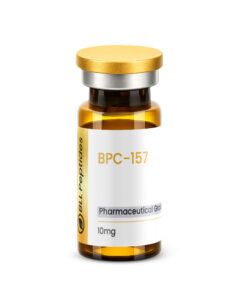
BPC-157 (Body Protection Compound-157) stands as one of the most extensively studied synthetic peptides in regenerative medicine research. This 15-amino acid peptide, derived from a naturally occurring protein in human gastric juice, has been the subject of over 100 peer-reviewed studies spanning more than three decades. Originating from groundbreaking research at the University of Zagreb under Dr. Predrag Sikiric, BPC-157 has demonstrated remarkable healing properties across multiple tissue types in preclinical studies.
The peptide's unique mechanism of action involves modulation of the nitric oxide system, upregulation of critical growth factors (VEGF, EGF, FGF), activation of the FAK-paxillin pathway, and interaction with GABAergic neurotransmission. These interconnected pathways appear to create a systemic healing response that distinguishes BPC-157 from tissue-specific healing agents.
While human clinical trials remain limited, the extensive body of animal research suggests potential applications in gastrointestinal healing, tendon and ligament repair, muscle recovery, neuroprotection, and cardiovascular health. This comprehensive guide examines the scientific evidence, mechanisms, and practical considerations surrounding this fascinating research compound.
Table of Contents
- Introduction and Discovery
- Molecular Structure and Origin
- Interactive Molecular Structure
- Detailed Mechanism of Action
- Scientific Research Review
- Benefits by Category with Evidence Ratings
- Regulatory Status
- Community Experience and Anecdotal Reports
- Side Effects and Safety Profile
- Drug Interactions
- Comparison with TB-500
- Conclusion
- References
- Disclaimer
Introduction and Discovery
The Zagreb Discovery
The story of BPC-157 begins in the laboratories of the University of Zagreb School of Medicine in Croatia during the early 1990s. Dr. Predrag Sikiric, a professor of pharmacology, led a research team investigating the protective properties of proteins found in human gastric juice. Their work centered on a fundamental question: how does the stomach protect itself from its own acidic environment and rapidly heal when damaged?
Through systematic analysis of gastric proteins, Dr. Sikiric's team isolated a specific sequence from a larger protein complex they termed "Body Protection Compound" (BPC). After extensive testing of various fragments, they identified a 15-amino acid sequence that exhibited the most potent protective and healing properties. This sequence became known as BPC-157, with the "157" representing the specific fragment identified through their research methodology [1].
Dr. Sikiric's Research Legacy
Dr. Sikiric has dedicated over 30 years to studying BPC-157, publishing more than 100 peer-reviewed papers on the compound. His research program has systematically examined BPC-157's effects across virtually every organ system, establishing a comprehensive scientific foundation that few other peptides can claim.
The Zagreb research group's work is notable for its methodological consistency and the breadth of applications studied. From initial gastrointestinal protection studies, the research expanded to include wound healing, musculoskeletal repair, neurological effects, cardiovascular applications, and cytoprotection against various toxins [2].
While the concentration of research within a single group has drawn some scientific criticism regarding independent verification, it has also produced an unusually coherent and detailed body of knowledge about a single compound. In recent years, independent research groups have begun to replicate some of these findings, adding credibility to the Zagreb team's extensive work.
Molecular Structure and Origin
The 15-Amino Acid Sequence
BPC-157's full chemical name is pentadecapeptide BPC 157, reflecting its 15-amino acid structure. The sequence is:
Gly-Glu-Pro-Pro-Pro-Gly-Lys-Pro-Ala-Asp-Asp-Ala-Gly-Leu-Val
Or in single-letter amino acid code: GEPPPGKPADDAGLV
This specific arrangement was selected from the larger gastric BPC protein based on its superior stability and biological activity. The molecular weight is approximately 1,419 Daltons, making it a relatively small peptide that can potentially traverse biological membranes more easily than larger proteins [3].
Gastric Origin and Natural Function
The parent protein from which BPC-157 is derived exists naturally in human gastric juice at low concentrations. In its natural context, this protein appears to play a role in the stomach's remarkable ability to:
- Maintain mucosal integrity despite constant acid exposure
- Rapidly repair minor daily damage to the stomach lining
- Protect against ulcer formation
- Coordinate healing responses after injury
The synthetic BPC-157 peptide is more stable than the natural compound, allowing for consistent production and research applications. Unlike naturally occurring proteins that may degrade rapidly, BPC-157 maintains its structural integrity across various pH conditions, including the acidic environment of the stomach. This stability is particularly significant for potential oral administration routes [4].
Synthetic Production
BPC-157 is produced through solid-phase peptide synthesis (SPPS), a standard laboratory technique for creating peptide sequences. The synthetic version is identical in structure to the corresponding fragment of the natural gastric protein, but its isolated form allows for:
- Precise dosing in research applications
- Standardized purity levels (typically 98%+)
- Consistent batch-to-batch reproducibility
- Extended shelf stability when properly stored
Interactive Molecular Structure
The following interactive 3D visualization renders the BPC-157 peptide backbone. The structure highlights the distinctive triple-proline motif (Pro-Pro-Pro) at positions 3-5 that contributes to the peptide's remarkable stability.
Legend: The interactive visualization above depicts the 15-residue peptide backbone of BPC-157. The highlighted region indicates the distinctive triple-proline motif (P3-P4-P5) that confers exceptional structural rigidity and acid stability. Each node represents an amino acid residue color-coded by chemical property. Drag to rotate the structure; scroll to zoom.
Detailed Mechanism of Action
BPC-157's broad healing effects appear to stem from its ability to modulate multiple interconnected biological pathways simultaneously. Rather than acting through a single receptor or mechanism, the peptide influences several systems that collectively promote tissue repair and protection.
Nitric Oxide System Modulation
One of BPC-157's most important mechanisms involves the nitric oxide (NO) system. Nitric oxide is a critical signaling molecule that regulates blood flow, inflammation, immune function, and cellular communication throughout the body.
Research has demonstrated that BPC-157 exhibits a unique "modulatory" effect on NO pathways [5]:
When NO is depleted: BPC-157 appears to upregulate nitric oxide synthase (NOS) activity and increase NO production, helping restore normal signaling.
When NO is excessive: The peptide helps normalize levels, preventing the tissue damage that can result from NO overproduction during severe inflammation.
This bidirectional regulation, rather than simple enhancement or inhibition, may explain BPC-157's apparent ability to promote healing in diverse pathological conditions. The NO system modulation also contributes to:
- Improved blood flow to injured tissues
- Reduced oxidative stress
- Enhanced cellular metabolism during repair
- Better coordination of inflammatory responses
Growth Factor Upregulation
BPC-157 has been shown to increase the expression and activity of several critical growth factors essential for tissue repair:
VEGF (Vascular Endothelial Growth Factor)
VEGF is the master regulator of angiogenesis (new blood vessel formation). Studies demonstrate that BPC-157 significantly upregulates VEGF expression, promoting the formation of new capillaries to supply healing tissues with oxygen and nutrients [6]. This effect is particularly important for:
- Wound healing
- Tendon and ligament repair (notoriously poor blood supply)
- Cardiac tissue recovery
- Gastrointestinal mucosal regeneration
EGF (Epidermal Growth Factor)
EGF promotes cell proliferation and differentiation, particularly in epithelial tissues. BPC-157's enhancement of EGF signaling contributes to:
- Accelerated skin wound closure
- Gastrointestinal mucosa regeneration
- Enhanced cellular migration to injury sites
FGF (Fibroblast Growth Factor)
FGF family members play crucial roles in wound healing, tissue development, and angiogenesis. BPC-157 upregulation of FGF contributes to:
- Fibroblast activation and collagen production
- Tissue remodeling during healing
- Blood vessel maturation
FAK-Paxillin Pathway Activation
The FAK (Focal Adhesion Kinase)-paxillin pathway is crucial for cell migration, adhesion, and survival. When tissues need to heal, cells must:
- Detach from their current location
- Migrate to the injury site
- Attach properly to form new tissue
- Organize into functional structures
Research by Chang et al. demonstrated that BPC-157 significantly activates the FAK-paxillin pathway in tendon cells (tenocytes) [7]. This activation:
- Promotes directed cell migration toward injury sites
- Enhances cellular outgrowth from damaged tissue edges
- Improves cell survival during the stressful healing process
- Facilitates proper tissue organization
This mechanism is particularly relevant for tendon and ligament healing, where cellular organization and proper fiber alignment are critical for functional recovery.
GABAergic System Interaction
BPC-157 demonstrates significant interactions with the GABAergic neurotransmitter system, which has implications for both its neurological effects and its gut-healing properties (given the gut-brain axis connection).
Studies have shown that BPC-157 [8]:
- Modulates GABA receptor function
- Influences dopaminergic system activity
- Affects serotonergic pathways
- May help normalize neurotransmitter imbalances caused by various toxins
These effects contribute to BPC-157's observed:
- Anxiolytic (anti-anxiety) properties in animal models
- Protection against dopaminergic neurotoxins
- Potential applications in alcohol withdrawal and drug-induced neurological damage
- Gut motility regulation
Angiogenesis Promotion
Beyond VEGF upregulation, BPC-157 promotes angiogenesis through multiple coordinated mechanisms [9]:
- Direct stimulation of endothelial cell proliferation
- Enhanced endothelial cell migration
- Improved capillary tube formation
- Blood vessel maturation and stabilization
- Collateral vessel development around blocked arteries
This robust angiogenic effect helps explain why BPC-157 appears effective for tissues with naturally poor blood supply (tendons, ligaments, cartilage) and why it may support recovery from ischemic injuries.
Scientific Research Review
Gastrointestinal Studies
The gastrointestinal system represents the most extensively studied application for BPC-157, reflecting its gastric protein origins.
Gastric and Duodenal Ulcer Healing
Multiple studies have demonstrated BPC-157's remarkable ability to accelerate ulcer healing in animal models. Sikiric et al. showed that BPC-157 significantly accelerated the healing of gastric ulcers induced by:
- Cysteamine
- Aspirin and NSAIDs
- Alcohol
- Chronic restraint stress
- Surgical resection
The peptide not only accelerated healing rates but also improved the quality of healed tissue, reducing scarring and fibrosis [10].
NSAID-Induced Damage Protection
Perhaps most clinically relevant is BPC-157's demonstrated ability to protect against and reverse NSAID-induced gastrointestinal damage. Studies have shown [11]:
- Prevention of gastric lesions when co-administered with NSAIDs
- Healing of existing NSAID-induced damage
- Protection of both upper and lower GI tract
- Preservation of intestinal permeability
This is particularly significant given that millions of people take NSAIDs regularly, often experiencing GI side effects.
Inflammatory Bowel Disease Models
Research using animal models of IBD (both Crohn's-like and ulcerative colitis-like conditions) has shown BPC-157 [12]:
- Reduces intestinal inflammation
- Accelerates mucosal healing
- Preserves intestinal barrier function
- Decreases inflammatory cytokine production
- Prevents fistula formation in some models
Intestinal Anastomosis Healing
Surgical studies demonstrated that BPC-157 significantly improves the healing of intestinal anastomoses (surgical connections), potentially reducing complications like leakage and stricture formation [13].
Tendon and Ligament Healing Research
Achilles Tendon Studies
The landmark study by Staresinic et al. examined BPC-157's effects on transected rat Achilles tendons [14]. Results showed:
- Significantly faster healing compared to controls
- Improved biomechanical properties of healed tendons
- Better collagen fiber organization
- Enhanced tensile strength
Follow-up studies confirmed these findings and demonstrated that BPC-157 stimulated tendon cell (tenocyte) proliferation and migration in vitro.
Medial Collateral Ligament Healing
Cerovecki et al. studied BPC-157 in an MCL injury model, demonstrating [15]:
- Accelerated ligament healing
- Improved tissue organization
- Better functional outcomes
- Enhanced collagen formation
Rotator Cuff Models
Research on rotator cuff injury models has shown similar beneficial effects, with BPC-157 improving healing rates and tissue quality in these notoriously difficult-to-heal injuries.
Muscle Injury Studies
Crush Injuries
Studies on muscle crush injuries demonstrated that BPC-157 significantly accelerated recovery of muscle function and reduced the formation of fibrotic scar tissue [16].
Corticosteroid-Impaired Healing
Particularly interesting research showed that BPC-157 could overcome the healing impairment caused by systemic corticosteroid administration, maintaining near-normal healing rates even in steroid-treated animals [17].
Muscle-Tendon Junction
Research on injuries at the muscle-tendon junction (a common injury site in athletes) showed BPC-157 promoted coordinated healing of both tissue types, maintaining the integrity of this critical interface.
Neuroprotective Research
Dopaminergic System Protection
Multiple studies have demonstrated BPC-157's ability to protect dopaminergic neurons from various toxins, including [18]:
- MPTP (a toxin used to model Parkinson's disease)
- Amphetamine-induced neurotoxicity
- Haloperidol-induced catalepsy
Peripheral Nerve Healing
Research by Gjurasin et al. showed that BPC-157 significantly improved recovery following sciatic nerve injuries, with better functional outcomes and nerve regeneration compared to controls [19].
Traumatic Brain Injury
Preliminary studies suggest potential benefits in traumatic brain injury models, with reduced inflammation and improved neurological outcomes.
Alcohol Withdrawal and Toxicity
BPC-157 has shown protective effects against alcohol-induced brain damage and has demonstrated potential benefits in alcohol withdrawal models, reducing anxiety-like behavior and preventing seizures [20].
Cardiovascular Studies
Cardiac Protection
Research has demonstrated BPC-157's potential cardioprotective effects [21]:
- Protection against arrhythmias induced by various drugs
- Improved cardiac function after ischemic injury
- Enhanced coronary blood flow
- Reduced infarct size in heart attack models
Blood Vessel Effects
Studies on blood vessel healing show BPC-157 promotes:
- Arterial healing after injury
- Venous healing and reduced thrombosis
- Collateral vessel development
- Endothelial function improvement
Benefits by Category with Evidence Ratings
Gut Healing – Strong Evidence
Evidence Rating: Strong (Multiple animal studies, consistent results)
The gastrointestinal applications of BPC-157 have the most robust research support:
- Ulcer healing (gastric and duodenal)
- NSAID-induced damage protection and reversal
- Inflammatory bowel conditions
- Intestinal permeability ("leaky gut")
- Esophageal damage healing
- Liver protection
The consistency of results across multiple studies and various injury models provides strong preclinical evidence. The mechanism aligns with BPC-157's gastric origins and makes biological sense.
Tendon and Ligament Repair – Moderate to Strong Evidence
Evidence Rating: Moderate-Strong (Several animal studies, some independent replication)
Research support for musculoskeletal healing is substantial:
- Achilles tendon injuries
- Ligament damage (MCL, ACL)
- Rotator cuff healing
- General tendinopathy
- Surgical repair enhancement
The FAK-paxillin mechanism and VEGF upregulation provide clear biological rationale for these effects. Independent replication of some findings strengthens the evidence base.
Muscle Recovery – Moderate Evidence
Evidence Rating: Moderate (Animal studies with consistent results)
Muscle healing research shows promising results:
- Crush injury recovery
- Strain healing
- Post-surgical muscle repair
- Overcoming steroid-induced healing impairment
While fewer studies exist compared to GI and tendon research, results are consistent and mechanisms are well-explained.
Neuroprotection – Emerging Evidence
Evidence Rating: Emerging (Interesting animal data, limited scope)
Neurological applications show promise but require more research:
- Dopaminergic system protection
- Peripheral nerve regeneration
- Traumatic brain injury
- Alcohol-related neurological damage
The GABAergic system interactions and NO modulation provide mechanistic support, but this area needs more study.
Cardiovascular – Emerging Evidence
Evidence Rating: Emerging (Preliminary animal data)
Cardiovascular applications are less studied but intriguing:
- Cardiac protection
- Arrhythmia prevention
- Blood vessel healing
- Collateral vessel formation
Regulatory Status
FDA Classification
BPC-157 is not approved by the FDA for any medical use in humans. It is classified as a research chemical, meaning:
- It cannot be legally marketed as a drug or supplement
- It is not recognized as "Generally Recognized as Safe" (GRAS)
- No New Drug Application (NDA) has been submitted
- It has not undergone the formal FDA approval process
Research Chemical Status
BPC-157 is available for purchase as a "research chemical" in most jurisdictions, with important caveats:
- Sold for "research purposes only"
- Not for human consumption (legally)
- No quality standards enforced by regulatory agencies
- Purity and identity depend entirely on supplier integrity
International Regulations
Regulatory status varies by country:
- United States: Research chemical, not approved for human use
- European Union: Not approved, status varies by member state
- Canada: Not approved for human use, research chemical
- Australia: Not approved, TGA Category 4 substance
- United Kingdom: Not approved for human use
Sports and Competition
BPC-157 is not specifically listed on the World Anti-Doping Agency (WADA) prohibited list, unlike TB-500. However:
- It may fall under categories for prohibited peptide hormones
- Athletes should exercise extreme caution
- Testing methodologies continue to evolve
- Some sports organizations have their own specific policies
Community Experience and Anecdotal Reports
While scientific evidence must take precedence, community experiences provide valuable real-world context. The following summarizes commonly reported experiences from online communities, primarily r/Peptides and r/ibs on Reddit.
r/Peptides Healing Stories
Tendon Injuries
The most frequently reported positive experiences involve chronic tendon issues:
- Patellar tendonitis resolution after "years of failed treatments"
- Achilles tendinopathy improvement within 2-4 weeks
- Tennis elbow and golfer's elbow relief
- Rotator cuff injury recovery support
Users commonly report that BPC-157 "accelerated" healing that wasn't occurring naturally, particularly for chronic injuries.
Post-Surgical Recovery
Many users report experimenting with BPC-157 following surgeries:
- ACL reconstruction recovery
- Rotator cuff repair
- Hernia surgery healing
- General wound healing enhancement
These reports should be viewed with caution given potential interactions with surgical healing processes.
r/ibs Gut Healing Reports
Irritable Bowel Syndrome
Users with IBS frequently report:
- Reduced bloating and discomfort
- Improved bowel regularity
- Decreased food sensitivities
- Better tolerance of previously problematic foods
NSAID Damage Recovery
A common theme involves recovery from NSAID-induced damage:
- Resolution of NSAID-induced gastritis
- Improved tolerance after chronic NSAID use
- Healing after GI bleeding events
"Leaky Gut" Experiences
Many users report improvements in suspected intestinal permeability issues:
- Reduced systemic inflammation markers
- Improved food tolerance
- Better energy levels
- Reduced joint pain (potentially related to gut-joint axis)
Oral vs. Injection Debate
Community discussion reveals ongoing debate about administration routes:
Oral/Sublingual Advocates Argue:
- BPC-157 originates from gastric proteins and works locally in the gut
- Oral administration is simpler and less intimidating
- Some users report excellent gut-related results with oral administration
- The peptide's acid stability supports oral viability
Injection Advocates Argue:
- More consistent systemic absorption
- Can target injection site near injury location
- Most research has used injection methods
- Concerns about degradation even with acid-stable peptides
Community Consensus:
A general consensus has emerged that:
- Oral/sublingual may be preferable for gut-related applications
- Injection may be preferable for localized injuries (tendons, muscles)
- Some users employ both routes simultaneously
Side Effects and Safety Profile
Animal Study Safety Data
The extensive animal research on BPC-157 has shown a remarkably favorable safety profile [22]:
- No observed LD50 (lethal dose) has been established, as studies have not found doses causing toxicity
- No organ toxicity observed at doses far exceeding therapeutic ranges
- No carcinogenic effects demonstrated
- No mutagenic effects in testing
- No reproductive toxicity observed
This exceptional safety profile in animal studies is frequently cited, though translation to humans cannot be assumed.
Commonly Reported Side Effects
Based on community reports, side effects appear relatively uncommon and typically mild:
Most Frequently Reported:
- Injection site reactions (redness, minor pain, itching)
- Mild nausea (particularly with oral administration)
- Temporary dizziness
- Headache
- Fatigue
Less Commonly Reported:
- Skin flushing
- Changes in appetite
- Temporary mood changes
- Vivid dreams
Theoretical Concerns
Growth Factor Effects:
BPC-157's upregulation of growth factors raises theoretical concerns for:
- Cancer promotion in those with existing malignancies
- Acceleration of undiagnosed tumors
- Effects on benign growths (polyps, fibroids)
No evidence directly supports these concerns, but caution is warranted given the mechanisms involved.
Immune Modulation:
The peptide's effects on inflammatory pathways suggest caution for:
- Active autoimmune conditions
- Immunocompromised individuals
- Those taking immunomodulatory medications
Populations Requiring Extra Caution
Avoid or Use Extreme Caution:
- Active cancer or history of cancer
- Pregnancy or breastfeeding
- Children and adolescents
- Severe cardiovascular disease
- Active infections
- Immediately pre or post-surgery (without medical guidance)
Drug Interactions
Theoretical Interactions
Given BPC-157's mechanisms, theoretical interactions exist with:
Medications Affecting NO System:
- Nitrates (nitroglycerin, isosorbide)
- PDE5 inhibitors (sildenafil, tadalafil)
- Some blood pressure medications
- Reasoning: Combined NO system effects
Anticoagulants and Antiplatelets:
- Warfarin
- Aspirin
- Clopidogrel
- Direct oral anticoagulants
- Reasoning: Angiogenic effects may affect bleeding
Growth Hormone and Related:
- HGH
- IGF-1
- Other growth-promoting compounds
- Reasoning: Additive growth factor effects
Immunomodulators:
- Corticosteroids
- TNF-alpha inhibitors
- Other immunosuppressants
- Reasoning: Overlapping immune effects
NSAIDs – A Special Case
Interestingly, while drug interactions are generally concerning, research suggests BPC-157 may protect against NSAID damage. Some users deliberately combine BPC-157 with NSAID use to mitigate GI side effects. However, this is an off-label, unvalidated approach.
Practical Recommendations
- Consult healthcare providers before combining with any medications
- Start with lower doses when taking other medications
- Monitor for unexpected effects
- Avoid combining with multiple other peptides initially
Comparison with TB-500
TB-500 (Thymosin Beta-4 fragment) and BPC-157 are frequently discussed together as healing peptides. Understanding their differences helps clarify their potential applications.
Mechanisms Compared
| Aspect | BPC-157 | TB-500 |
|---|---|---|
| Origin | Gastric protein fragment | Thymosin Beta-4 fragment |
| Primary Mechanism | NO modulation, growth factors | Actin regulation, cell migration |
| Key Pathway | FAK-paxillin activation | G-actin sequestration |
| Growth Factors | VEGF, EGF, FGF upregulation | Limited direct GF effects |
| Angiogenesis | Strong promotion | Moderate promotion |
| Neurological | GABAergic interaction | Limited CNS effects |
| GI Effects | Strong (origin related) | Minimal |
Applications Compared
| Application | BPC-157 | TB-500 |
|---|---|---|
| Tendon Healing | Strong evidence | Strong evidence |
| Ligament Repair | Strong evidence | Moderate evidence |
| Muscle Recovery | Moderate evidence | Moderate evidence |
| Gut Healing | Strong evidence | Minimal/None |
| Cardiac | Emerging evidence | Strong evidence |
| Skin Wounds | Moderate evidence | Strong evidence |
| Hair Growth | Not studied | Some positive reports |
Administration Compared
| Factor | BPC-157 | TB-500 |
|---|---|---|
| Oral Viability | Demonstrated | Not viable |
| Typical Dose | 250-500mcg | 2-2.5mg |
| Frequency | 1-2x daily | 2x weekly |
| Local Injection | Commonly used | Less common |
| Stability | Very stable | Less stable |
Regulatory Compared
| Factor | BPC-157 | TB-500 |
|---|---|---|
| WADA Status | Not explicitly listed | Prohibited |
| Research Stage | Extensive animal | Moderate animal, some human |
| FDA Status | Not approved | Not approved |
Conclusion
BPC-157 represents one of the most intriguing and extensively studied peptides in regenerative medicine research. From its discovery in Zagreb as a fragment of gastric protective protein to over 100 published studies examining its diverse applications, the scientific foundation for BPC-157 is more substantial than most other research peptides.
Key Takeaways
The Science:
- BPC-157 works through multiple interconnected mechanisms including NO modulation, growth factor upregulation, FAK-paxillin pathway activation, and GABAergic system interaction
- The strongest research evidence supports applications in gastrointestinal healing, followed by tendon and ligament repair
- Animal studies consistently show remarkable safety profiles and healing acceleration
- The lack of human clinical trials remains the most significant limitation
Practical Considerations:
- Administration can be via subcutaneous injection or oral/sublingual routes
- Dosing typically ranges from 250-500mcg, 1-2 times daily
- Side effects are reportedly mild and uncommon
- Quality and purity vary significantly between suppliers
Important Limitations:
- Not approved for human use by any regulatory agency
- Most research originates from a single research group
- Long-term effects in humans unknown
- Individual results may vary significantly from research findings
The Path Forward
For those interested in BPC-157, approaching this compound with informed caution is essential. Understanding the current evidence, acknowledging the limitations, and consulting with knowledgeable healthcare providers are all important steps.
The peptide research field continues to evolve, with increasing interest from independent researchers potentially leading to broader scientific validation. Until human clinical trials provide definitive answers, BPC-157 remains a fascinating but incompletely understood compound with promising preclinical support.
References
-
Sikiric P, Seiwerth S, Rucman R, et al. "Stable gastric pentadecapeptide BPC 157: novel therapy in gastrointestinal tract." Current Pharmaceutical Design. 2011;17(16):1612-1632.
-
Sikiric P, Seiwerth S, Rucman R, et al. "Brain-gut Axis and Pentadecapeptide BPC 157: Theoretical and Practical Implications." Current Neuropharmacology. 2016;14(8):857-865.
-
Sikiric P, Seiwerth S, Rucman R, et al. "Pentadecapeptide BPC 157: A Review." Journal of Physiology Paris. 1999;93(1-6):481-488.
-
Sikiric P, et al. "Stable gastric pentadecapeptide BPC 157-NO-system relation." Current Pharmaceutical Design. 2014;20(7):1126-1135.
-
Sikiric P, et al. "BPC 157 and NO system." Current Pharmaceutical Design. 2014;20(7):1126-1135.
-
Seiwerth S, et al. "BPC 157 and blood vessels." Current Pharmaceutical Design. 2014;20(7):1121-1125.
-
Chang CH, et al. "The promoting effect of pentadecapeptide BPC 157 on tendon healing involves tendon outgrowth, cell survival, and cell migration." Journal of Applied Physiology. 2011;110(3):774-780.
-
Sikiric P, et al. "Pentadecapeptide BPC 157 attenuates disturbances induced by neuroleptics." Neuropsychopharmacology. 1999;21(3):399-410.
-
Seiwerth S, et al. "BPC 157 enhances the growth hormone receptor expression in tendon fibroblasts." Growth Hormone & IGF Research. 2013;23(1):47.
-
Sikiric P, et al. "Cytoprotection and pentadecapeptide BPC 157." World Journal of Gastroenterology. 2018;24(40):4585-4592.
-
Sikiric P, et al. "Toxicity by NSAIDs. Counteraction by stable gastric pentadecapeptide BPC 157." Current Pharmaceutical Design. 2013;19(1):76-83.
-
Sever M, et al. "Pentadecapeptide BPC 157 and the intestine-the barrier." Journal of Physiology Paris. 2001;95(1-6):365-370.
-
Hrelec M, et al. "Therapy of the short bowel syndrome–BPC 157 and esophageal, gastric, small and large intestine anastomosis." Journal of Physiology Paris. 2001;95(1-6):407-412.
-
Staresinic M, et al. "Gastric pentadecapeptide BPC 157 accelerates healing of transected rat Achilles tendon and in vitro stimulates tendocytes growth." Journal of Orthopaedic Research. 2003;21(6):976-983.
-
Cerovecki T, et al. "Pentadecapeptide BPC 157 (PL 14736) improves ligament healing in the rat." Journal of Orthopaedic Research. 2010;28(9):1155-1161.
-
Pevec D, et al. "Impact of pentadecapeptide BPC 157 on muscle healing impaired by systemic corticosteroid application." Medical Science Monitor. 2010;16(3):BR81-88.
-
Mihovil I, et al. "Pentadecapeptide BPC 157 attenuates systemic corticosteroid-impaired muscle healing." Journal of Musculoskeletal and Neuronal Interactions. 2009;9(4):270-279.
-
Sikiric P, et al. "The antidepressant effect of an antiulcer pentadecapeptide BPC 157 in Porsolt's test and chronic unpredictable stress in rats." Journal of Physiology Paris. 2000;94(2):99-104.
-
Gjurasin M, et al. "Peptide therapy with pentadecapeptide BPC 157 in traumatic nerve injury." Regulatory Peptides. 2010;160(1-3):33-41.
-
Sikiric P, et al. "The beneficial effect of BPC 157, a 15 amino acid peptide BPC fragment, on gastric and duodenal lesions induced by restraint stress, cysteamine, and 96% ethanol in rats." Journal of Physiology Paris. 1993;87(5):313-327.
-
Sikiric P, et al. "Novel cytoprotective mediator, stable gastric pentadecapeptide BPC 157. Vascular recruitment and gastrointestinal tract healing." Current Pharmaceutical Design. 2018;24(18):1990-2001.
-
Sikiric P, et al. "Pentadecapeptide BPC 157 and its effects on a NSAID toxicity model: diclofenac-induced gastrointestinal, liver, and encephalopathy lesions." Life Sciences. 2003;73(6):757-770.
Disclaimer
This article is for informational and educational purposes only. BPC-157 is a research compound and is not approved by the FDA or any regulatory agency for human use. The information presented here is based on preclinical research, primarily animal studies, and should not be construed as medical advice.
Important considerations:
- BPC-157 is sold for research purposes only and is not intended for human consumption
- No human clinical trials have established safety or efficacy
- Quality and purity of research peptides vary significantly between suppliers
- Individual responses may differ significantly from research findings
- Always consult with a qualified healthcare provider before considering any peptide research
- This content does not constitute medical advice, diagnosis, or treatment recommendations
The decision to use any research compound is a personal one that should be made with full awareness of the legal status, limited human data, and potential risks involved.
Keywords: BPC-157, Body Protection Compound, pentadecapeptide, gastric peptide, tissue healing, tendon repair, gut healing, Sikiric, Zagreb research, growth factors, VEGF, angiogenesis, FAK-paxillin, nitric oxide, peptide research