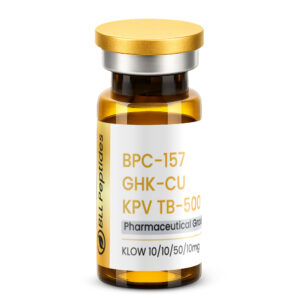
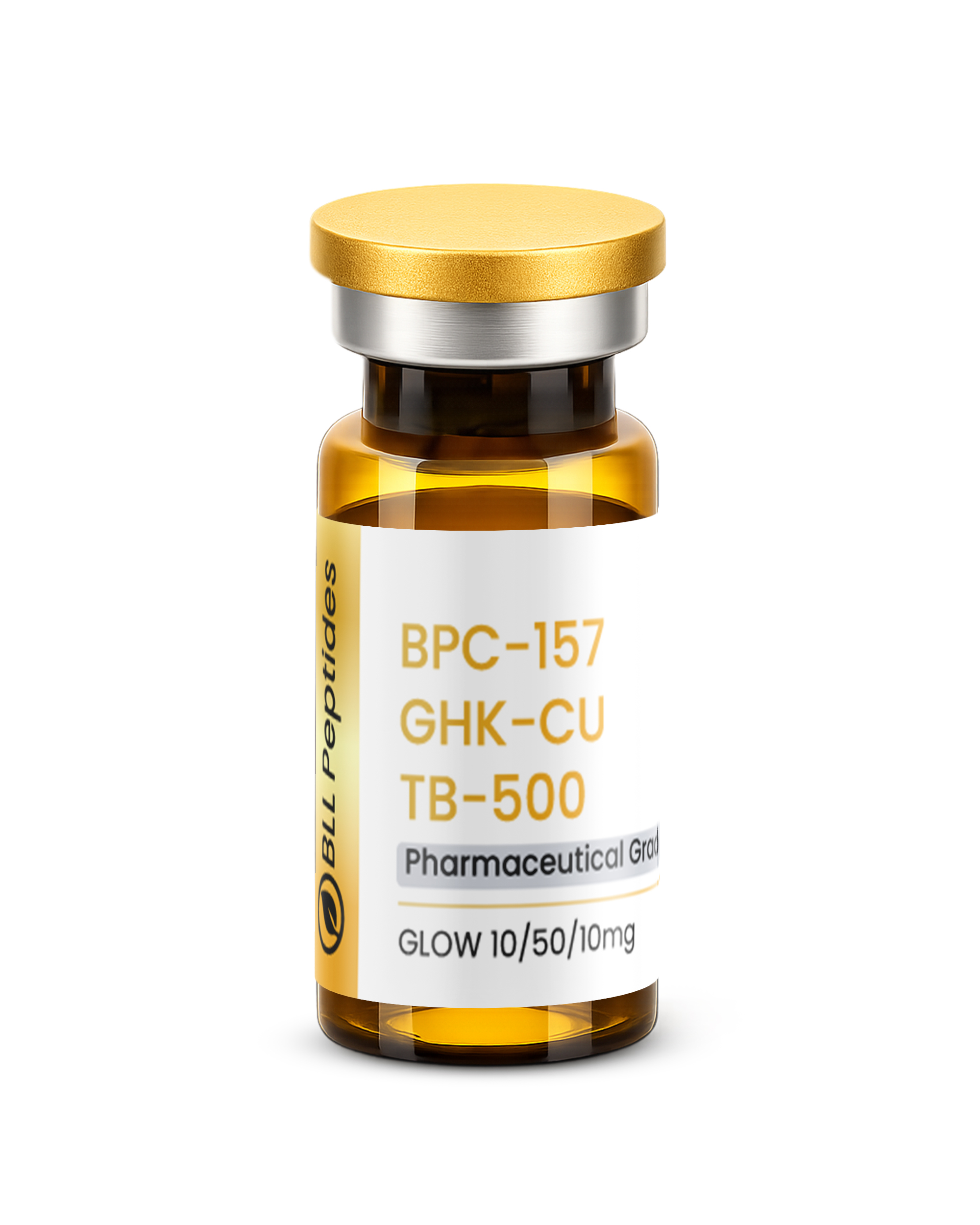
Description
GLOW (BPC-157 + GHK-Cu + TB-500): Complete Research Guide – Triple-Peptide Skin Rejuvenation Blend Mechanisms, Regenerative Research, and Dermatological Applications
Last updated: March 2026
Executive Summary
GLOW is a triple-peptide skin rejuvenation formulation combining Body Protection Compound-157 (BPC-157), copper tripeptide GHK-Cu, and Thymosin Beta-4 fragment (TB-500) into a single research blend designed for comprehensive dermatological investigation. This three-component system targets the principal structural deficits underlying skin aging: diminished collagen architecture, impaired microvascular supply, and dysregulated extracellular matrix (ECM) remodeling.
BPC-157 is a 15-amino acid synthetic peptide (molecular formula C62H98N16O22, MW 1,419.53 Da) derived from human gastric juice that acts primarily through VEGF receptor upregulation and nitric oxide system modulation to drive angiogenesis and tissue perfusion [1]. GHK-Cu is a naturally occurring copper-binding tripeptide (molecular formula C14H24N6O4-Cu, MW approximately 403.93 Da) that modulates the expression of over 4,000 human genes, stimulates collagen I and III synthesis by up to 70%, and resets gene expression patterns toward a younger phenotype [2, 3]. TB-500 is the 43-amino acid full-length synthetic form of Thymosin Beta-4 (molecular formula C212H350N56O78S, MW 4,963.44 Da), the principal G-actin sequestering protein in mammalian cells, which promotes tissue remodeling through actin dynamics regulation, anti-fibrotic signaling, and hair follicle stem cell activation [4, 5].
The GLOW formulation is distinguished from the broader WOLVERINE (BPC-157 + TB-500) combination by the addition of GHK-Cu, which introduces potent collagen-centric and gene-modulatory mechanisms specifically relevant to skin biology. It is also distinguished from the four-peptide KLOW blend (BPC-157 + GHK-Cu + TB-500 + KPV) by its focused structural repair approach: GLOW emphasizes collagen synthesis, vascularization, and tissue remodeling for skin rejuvenation, while KLOW adds the anti-inflammatory peptide KPV for broader wound healing and inflammatory skin condition applications.
Preclinical evidence for the individual components spans over 200 published studies collectively, with demonstrated efficacy in dermal wound healing, collagen remodeling, hair follicle regeneration, scar reduction, and skin barrier restoration [1-5]. The triple-peptide combination provides multi-pathway coverage of the skin rejuvenation cascade: GHK-Cu drives new collagen production and ECM restructuring, BPC-157 establishes the vascular infrastructure to support metabolically active dermal tissue, and TB-500 facilitates cellular migration, anti-fibrotic remodeling, and stem cell mobilization.
Interactive Molecular Structure
The following interactive 3D visualization displays all three GLOW peptide components arranged in a triangular formation. GHK-Cu (top center, orange, 3 residues + copper atom) occupies the prominent position as the star of the skin rejuvenation formula. BPC-157 (bottom-left, teal, 15 residues) and TB-500 (bottom-right, purple, 43 residues) flank it as the vascularization and remodeling components respectively.
Legend: The triple-peptide visualization displays GHK-Cu (top center, orange, 3 residues with central Cu2+ ion), BPC-157 (bottom-left, teal, 15-residue helical backbone), and TB-500 (bottom-right, purple, 43-residue helical backbone). Dashed lines connecting the three peptides represent the synergistic interactions central to the GLOW formulation. GHK-Cu's copper ion coordination is shown with dashed bonds from each amino acid to the central Cu2+. Drag to rotate; scroll to zoom.
Table of Contents
- Introduction and History
- Component Overview
- Synergistic Mechanism of Action
- Scientific Research Review
- Comparison Tables
- Safety Profile
- Research Applications
- References
- Disclaimer
Introduction and History
The Rationale for Multi-Peptide Skin Rejuvenation
Skin aging is a multifactorial process driven by the convergence of intrinsic chronological decline and extrinsic environmental damage. At the molecular level, aging skin exhibits at least four concurrent structural deteriorations: (1) progressive loss of collagen I and III, declining at approximately 1-1.5% per year after age 30 [6]; (2) reduced dermal microvasculature, with capillary density decreasing by approximately 40% between the third and seventh decades of life [7]; (3) impaired extracellular matrix (ECM) homeostasis, with accumulated fragmented collagen fibrils and dysfunctional elastin networks [8]; and (4) reduced stem cell activity in both the dermal and epidermal compartments, limiting the skin's regenerative capacity [9].
No single peptide addresses all four of these interconnected deficits simultaneously. Collagen-stimulating agents (such as retinoids or growth factors) cannot restore blood supply to deliver nutrients to newly synthesized matrix. Angiogenic factors cannot build collagen. And neither addresses the cellular migration and stem cell mobilization required for comprehensive tissue renewal.
The GLOW formulation was designed as a systems-level approach to skin rejuvenation research, combining three peptides whose mechanisms of action collectively address all four pillars of dermal decline:
- GHK-Cu: Collagen synthesis, ECM remodeling, and gene expression reprogramming toward youthful patterns
- BPC-157: Angiogenesis, microvascular restoration, and growth factor receptor upregulation
- TB-500: Cell migration, anti-fibrotic remodeling, and hair follicle stem cell activation
Historical Context: From Individual Discovery to Combination Design
The three peptides in GLOW were each discovered independently across different decades and research contexts:
GHK-Cu (1973): Dr. Loren Pickart at the University of California, San Francisco, isolated GHK-Cu while investigating age-related changes in liver cell function. He observed that a fraction of human albumin could make older liver cells behave like younger ones, ultimately identifying the active compound as the copper-binding tripeptide glycyl-L-histidyl-L-lysine [2]. Subsequent decades of research revealed its extraordinary breadth of biological activity, modulating over 4,000 genes and influencing processes from collagen synthesis to DNA repair [3].
BPC-157 (1990s): Professor Predrag Sikiric at the University of Zagreb characterized Body Protection Compound-157 from human gastric juice, demonstrating its potent cytoprotective and healing properties across gastrointestinal, musculoskeletal, and vascular models. Its unique stability in gastric acid and ability to upregulate VEGF, EGF, and FGF receptors positioned it as a versatile tissue repair peptide [1, 10].
TB-500 (1960s-1980s): Thymosin Beta-4 was first identified by Allan Goldstein as part of thymic peptide research in the 1960s. Its role as the principal G-actin sequestering protein was elucidated through the 1980s and 1990s, with subsequent work by Kleinman, Sosne, and others establishing its wound healing, anti-inflammatory, and stem cell-activating properties [4, 5].
The concept of combining these three peptides for dermatological applications emerged from the recognition that their mechanisms are not merely additive but potentially synergistic, each peptide priming cellular pathways that amplify the effects of the other two.
Differentiating GLOW from Related Formulations
The GLOW formulation occupies a specific niche within the broader landscape of peptide combination products:
| Product | Components | Primary Focus |
|---|---|---|
| WOLVERINE | BPC-157 + TB-500 | General tissue repair and musculoskeletal healing |
| GLOW | BPC-157 + GHK-Cu + TB-500 | Structural skin rejuvenation and dermal regeneration |
| KLOW | BPC-157 + GHK-Cu + TB-500 + KPV | Broad wound healing with anti-inflammatory coverage |
GLOW is specifically optimized for skin structural repair research. By omitting KPV (the alpha-MSH-derived anti-inflammatory peptide present in KLOW), GLOW maintains a focused three-pathway approach to dermal regeneration without the immunomodulatory complexity introduced by melanocortin receptor signaling. This makes GLOW particularly suited for research into photoaging reversal, collagen restoration, scar remodeling, and aesthetic skin quality improvement, where structural repair rather than inflammatory control is the primary objective.
For the broader healing-focused four-peptide formulation, see the KLOW Research Guide. For the two-peptide musculoskeletal combination, see the WOLVERINE Research Guide.
Component Overview
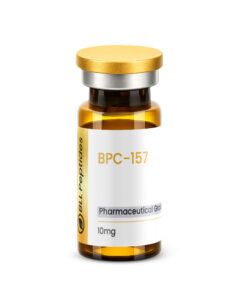
BPC-157 (Body Protection Compound-157)
| Property | Value |
|---|---|
| Full Name | Body Protection Compound-157 |
| Sequence | Gly-Glu-Pro-Pro-Pro-Gly-Lys-Pro-Ala-Asp-Asp-Ala-Gly-Leu-Val |
| Amino Acids | 15 |
| Molecular Formula | C62H98N16O22 |
| Molecular Weight | 1,419.53 Da |
| CAS Number | 137525-51-0 |
| Origin | Synthetic fragment of human gastric juice protein BPC |
| Primary Mechanisms | VEGF/EGF/FGF receptor upregulation, NO system modulation, FAK-paxillin pathway activation |
| Role in GLOW | Angiogenesis driver; restores dermal microvascular supply to support metabolically active skin tissue |
BPC-157 contributes the vascular dimension to the GLOW formulation. Skin aging is characterized by progressive loss of dermal papillary capillary loops, which supply nutrients and oxygen to the metabolically active basal epidermis and dermal fibroblasts [7]. Without adequate vascularization, newly synthesized collagen (stimulated by GHK-Cu) and migrating cells (facilitated by TB-500) cannot be sustained.
BPC-157's upregulation of VEGF receptor 2 (VEGFR2/Flk-1) expression directly stimulates endothelial cell proliferation and capillary tube formation [11]. Its simultaneous activation of the FAK-paxillin pathway governs the adhesion mechanics required for endothelial cell migration during angiogenic sprouting [1]. Additionally, BPC-157 has demonstrated growth hormone receptor upregulation in preclinical models, which may amplify dermal fibroblast responsiveness to circulating GH and IGF-1 [12].
For the complete BPC-157 research profile, see the dedicated BPC-157 Research Guide.
GHK-Cu (Glycyl-L-Histidyl-L-Lysine Copper)
| Property | Value |
|---|---|
| Full Name | Glycyl-L-histidyl-L-lysine copper(II) |
| Sequence | Gly-His-Lys + Cu2+ |
| Amino Acids | 3 (+ coordinated copper ion) |
| Molecular Formula | C14H24N6O4-Cu |
| Molecular Weight | approximately 403.93 Da |
| CAS Number | 49557-75-7 |
| Origin | Naturally occurring in human plasma; declines approximately 60% by age 60 |
| Primary Mechanisms | Collagen I/III synthesis, 4,000+ gene modulation, ECM remodeling, copper delivery to lysyl oxidase |
| Role in GLOW | Collagen architect; drives new collagen production, ECM restructuring, and gene expression rejuvenation |
GHK-Cu is the centerpiece of the GLOW formulation and the component that defines its dermatological specificity. The Broad Institute Connectivity Map (cMap) analysis revealed that GHK-Cu modulates the expression of 4,047 human genes, representing approximately 31% of the genome, with the overall pattern shifting gene expression toward a younger phenotype [3].
For skin biology specifically, GHK-Cu's effects are remarkable:
- Collagen synthesis: Stimulates collagen type I production by up to 70% in human dermal fibroblast cultures [2]
- Collagen III: Increases type III collagen (the "youthful" collagen predominant in young skin) synthesis [3]
- Elastin: Upregulates tropoelastin gene expression, supporting elastic fiber restoration [13]
- Glycosaminoglycans: Increases synthesis of decorin, hyaluronic acid, and other proteoglycans that hydrate and structure the dermal matrix [2]
- Lysyl oxidase activation: Delivers copper to lysyl oxidase (LOX), the enzyme responsible for collagen and elastin cross-linking, which determines the mechanical strength of connective tissue [14]
- MMP regulation: Modulates matrix metalloproteinase activity, balancing collagen degradation with synthesis [3]
- Antioxidant defense: Upregulates superoxide dismutase (SOD) and other antioxidant enzymes, protecting newly synthesized collagen from oxidative degradation [2]
The age-related decline of GHK-Cu from approximately 200 ng/mL in young adults to approximately 80 ng/mL by age 60 correlates with the progressive deterioration of skin structure, suggesting that restoration of youthful GHK-Cu activity could address a fundamental driver of skin aging [2, 3].
For the complete GHK-Cu research profile, see the dedicated GHK-Cu Research Guide.
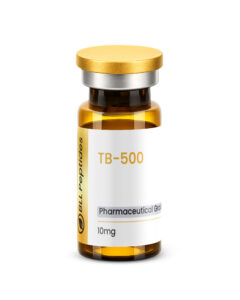
TB-500 (Thymosin Beta-4 Fragment)
| Property | Value |
|---|---|
| Full Name | Thymosin Beta-4 (full-length synthetic) |
| Active Region | LKKTETQ (residues 17-23, actin-binding domain) |
| Amino Acids | 43 |
| Molecular Formula | C212H350N56O78S |
| Molecular Weight | 4,963.44 Da |
| CAS Number | 77591-33-4 |
| Origin | Synthetic, identical to endogenous Thymosin Beta-4 |
| Primary Mechanisms | G-actin sequestration, cell migration, anti-fibrotic signaling, hair follicle stem cell activation |
| Role in GLOW | Cellular mobilizer; enables cell migration into remodeling zones, activates hair follicle stem cells, prevents fibrotic scarring |
TB-500 contributes the cellular dynamics dimension to GLOW. While GHK-Cu builds the collagen scaffold and BPC-157 establishes the blood supply, TB-500 ensures that the cells responsible for maintaining these structures can physically migrate to where they are needed. Its mechanism operates through regulation of the actin cytoskeleton, the fundamental cellular machinery for motility.
For skin-specific applications, TB-500's most notable contributions include:
- Keratinocyte migration: Accelerates re-epithelialization of wounds by promoting keratinocyte sheet migration through actin-dependent lamellipodial extension [5]
- Fibroblast mobilization: Facilitates dermal fibroblast migration into wound beds, enhancing the cellular source for collagen production [4]
- Anti-fibrotic activity: Reduces excessive scar formation by modulating the ratio of organized collagen deposition to disorganized fibrotic tissue [15]
- Hair follicle stem cell activation: Activates bulge-region stem cells in hair follicles, promoting hair growth and follicle regeneration. TB-500 promotes the transition of hair follicles from telogen (resting) to anagen (growth) phase [16]
- Anti-inflammatory signaling: Suppresses NF-κB-mediated pro-inflammatory cytokine release (TNF-α, IL-1β), reducing chronic low-grade inflammation ("inflammaging") that accelerates skin aging [4]
The LKKTETQ actin-binding domain of TB-500 mediates its primary biological activities by sequestering G-actin monomers, controlling the pool of actin available for polymerization into F-actin filaments that drive cell motility [5].
For the complete TB-500 research profile, see the dedicated TB-500 Research Guide.
Synergistic Mechanism of Action
The Three Pillars of Dermal Regeneration
The GLOW formulation targets skin rejuvenation through three complementary and convergent pathways that together address the complete biology of dermal renewal:
Pillar 1 — Collagen Architecture (GHK-Cu-driven)
GHK-Cu directly stimulates dermal fibroblasts to produce new collagen types I and III, the primary structural proteins of the dermis [2]. Simultaneously, it delivers copper to lysyl oxidase, enabling proper cross-linking of newly synthesized collagen fibrils into mechanically competent fiber networks [14]. The peptide also upregulates decorin, a small leucine-rich proteoglycan that regulates collagen fibril diameter and spacing, determining the optical transparency and mechanical compliance of the dermal matrix [3].
However, new collagen production is futile without adequate blood supply to deliver the amino acid substrates (proline, glycine, hydroxyproline) and oxygen required for collagen biosynthesis. Prolyl hydroxylase, the enzyme that hydroxylates proline residues in collagen (essential for triple helix stability), is strictly oxygen-dependent. This creates a direct dependency on Pillar 2.
Pillar 2 — Vascular Infrastructure (BPC-157-driven)
BPC-157 establishes and restores the dermal microvascular network that supplies the metabolic demands of active collagen synthesis [1, 11]. Its upregulation of VEGF receptor expression stimulates endothelial cell proliferation and capillary sprouting, while FAK-paxillin pathway activation guides the directional migration of endothelial tip cells during angiogenic remodeling [11].
In aged skin, dermal papillary capillary loops are flattened and reduced in number, contributing to the pallor and reduced nutrient supply characteristic of chronologically aged skin [7]. BPC-157's angiogenic activity directly addresses this vascular deficit, creating the perfusion infrastructure necessary to sustain GHK-Cu's collagen-building programs.
BPC-157 also upregulates growth hormone receptor expression, which may amplify the skin's responsiveness to circulating GH and IGF-1 signaling [12]. Since GH/IGF-1 signaling is a major driver of fibroblast proliferation and collagen synthesis, this receptor upregulation creates a positive feedback loop with GHK-Cu's direct collagen-stimulatory effects.
Pillar 3 — Cellular Dynamics and Remodeling (TB-500-driven)
TB-500 provides the cellular machinery for the migration, reorganization, and stem cell mobilization required to execute the structural programs initiated by GHK-Cu and BPC-157 [4, 5]. Through G-actin sequestration, TB-500 regulates the cytoskeletal dynamics that physically move fibroblasts into collagen-depleted zones, guide keratinocytes across epithelial gaps, and mobilize stem cells from their niches.
Critically for the GLOW formulation's dermatological focus, TB-500's anti-fibrotic activity prevents the replacement of organized collagen architecture with disordered scar tissue [15]. In aging skin, chronic micro-damage from UV exposure, mechanical stress, and oxidative injury accumulates as areas of fibrotic disorganization. TB-500's MMP-modulating and anti-fibrotic signaling promotes the ordered remodeling of these damaged zones, complementing GHK-Cu's de novo collagen synthesis with quality-controlled matrix remodeling.
Convergence Points: Where the Three Pathways Amplify Each Other
The synergistic potential of GLOW extends beyond parallel pathway coverage. Several molecular convergence points have been identified where the three components' mechanisms directly potentiate one another:
Convergence 1 — Lysyl Oxidase and Vascular Collagen Cross-linking
GHK-Cu delivers copper to lysyl oxidase (LOX), activating this critical enzyme for collagen and elastin cross-linking [14]. LOX activity is essential not only for dermal collagen maturation but also for vascular basement membrane integrity. BPC-157's newly formed blood vessels require LOX-mediated cross-linking of their basement membrane collagen IV and laminin to become functionally stable. Thus, GHK-Cu's copper delivery directly supports the stabilization and maturation of BPC-157-induced neovasculature, creating a cooperative loop between Pillars 1 and 2.
Convergence 2 — VEGF Signaling and Endothelial Cell Migration
BPC-157 upregulates VEGF expression and VEGFR2 receptor density, creating a strong chemotactic gradient for angiogenesis [11]. TB-500 enables endothelial tip cells to respond to this VEGF gradient by facilitating the actin-dependent filopodial extensions that guide vessel sprouting [4]. Without TB-500's cytoskeletal support, VEGF signaling produces receptor activation without productive cell migration; without BPC-157's VEGF upregulation, TB-500's migratory machinery lacks directional guidance. The two components are thus mechanistically interdependent for efficient angiogenesis.
Convergence 3 — Fibroblast Activation, Migration, and Collagen Deposition
GHK-Cu activates fibroblast collagen synthesis programs through gene expression modulation [3]. However, in aged or damaged skin, fibroblasts may be sparse in the zones where new collagen is most needed. TB-500 facilitates the physical migration of activated fibroblasts into collagen-depleted regions [4], while BPC-157 provides the growth factor milieu (EGF, FGF receptor upregulation) that stimulates fibroblast proliferation to expand the producing cell population [1]. The three-peptide convergence creates a complete fibroblast activation pipeline: proliferation (BPC-157) followed by migration (TB-500) followed by collagen synthesis (GHK-Cu).
Convergence 4 — Gene Expression Synergy
GHK-Cu's modulation of 4,000+ genes includes upregulation of genes involved in angiogenesis (VEGF-A, angiopoietin-1) and cell migration (integrin subunits, matrix metalloproteinases) [3]. This genomic-level priming may amplify the downstream effects of BPC-157's receptor-mediated angiogenic signaling and TB-500's actin-dependent migration mechanisms, creating a transcriptional context that is more responsive to the other two peptides' activities.
Convergence 5 — Hair Follicle Regeneration Multi-Pathway Support
Hair follicle regeneration requires simultaneous activation of follicle stem cells (TB-500's LKKTETQ domain activates bulge-region stem cells) [16], angiogenic support for the dermal papilla vasculature (BPC-157's VEGF upregulation) [11], and ECM remodeling of the perifollicular matrix (GHK-Cu's MMP and collagen modulation) [3]. The GLOW formulation addresses all three requirements simultaneously, potentially supporting more robust follicular regeneration than any single component alone.
Wound Healing Phase Coverage
The three GLOW components provide coverage across all four canonical phases of cutaneous wound healing:
Phase 1 — Hemostasis (minutes to hours):
- BPC-157 modulates the NO system to regulate vascular tone and platelet interaction at the wound margin [1]
- TB-500 sequestering of G-actin released from damaged cells prevents pathological actin accumulation [5]
Phase 2 — Inflammation (hours to days):
- TB-500 suppresses NF-κB activation, reducing excessive pro-inflammatory cytokine production [4]
- BPC-157 stabilizes mast cells and modulates inflammatory mediator release [10]
- GHK-Cu resets inflammatory gene expression patterns and upregulates antioxidant defenses [3]
Phase 3 — Proliferation (days to weeks):
- GHK-Cu drives fibroblast collagen I/III synthesis and ECM component production [2]
- BPC-157 stimulates angiogenesis via VEGF/EGF/FGF pathways, establishing vascular supply [11]
- TB-500 promotes keratinocyte and fibroblast migration into the wound bed [5]
- GHK-Cu delivers copper to lysyl oxidase for collagen cross-linking [14]
Phase 4 — Remodeling (weeks to months):
- GHK-Cu modulates MMP activity for controlled matrix remodeling [3]
- TB-500 promotes anti-fibrotic organized collagen deposition rather than scar formation [15]
- BPC-157 supports continued vascular maturation and tissue perfusion [1]
Scientific Research Review
Collagen Synthesis and ECM Remodeling
GHK-Cu collagen studies: Seminal work by Pickart and colleagues demonstrated that GHK-Cu at concentrations of 1-10 μM stimulates collagen type I synthesis by approximately 70% in cultured human dermal fibroblasts, with concurrent increases in collagen type III, elastin, and glycosaminoglycan production [2]. The mechanism involves both direct gene upregulation (TGF-β signaling pathway activation) and copper delivery to post-translational processing enzymes. Subsequent Broad Institute cMap analysis confirmed upregulation of COL1A1, COL3A1, ELN (elastin), and DCN (decorin) gene expression [3].
GHK-Cu gene expression: The 2012 Broad Institute analysis by Pickart, Vasquez-Soltero, and Margolina identified 4,047 genes modulated by GHK-Cu treatment, with the overall expression pattern representing a shift toward younger gene activity profiles [3]. Among the upregulated genes were those encoding collagen processing enzymes (PLOD1, P4HA1), ECM structural proteins (FN1, LAMA3), and antioxidant defenses (SOD1, SOD3, HMOX1). Among downregulated genes were those associated with inflammatory signaling (IL-6, IL-8) and ECM degradation (MMP-2, MMP-9 under certain conditions).
GHK-Cu skin tightening: Clinical studies of topical GHK-Cu have demonstrated measurable improvements in skin firmness, elasticity, and wrinkle depth. Abdulghani et al. (1998) reported that topical application of GHK-Cu cream for 12 weeks produced increases in skin thickness measured by ultrasound, with histological confirmation of increased collagen density in the papillary dermis [17]. Leyden et al. (2002) demonstrated that GHK-Cu-containing formulations improved skin laxity and reduced fine lines in a double-blind placebo-controlled trial [18].
BPC-157 collagen context: While BPC-157's primary contribution is angiogenic, its effects on collagen metabolism should not be overlooked. Chang et al. (2011) demonstrated that BPC-157 promotes organized collagen fiber deposition in rat tendon healing models, with improved type I:III collagen ratio normalization [19]. In dermal wound models, BPC-157 treatment produced thicker, more organized collagen bundles at the wound site compared to controls [1].
TB-500 anti-fibrotic effects: Thymosin Beta-4 has demonstrated anti-fibrotic properties in multiple organ systems. In cardiac models, Tβ4 reduced collagen scar area following myocardial infarction [20]. In corneal wound healing, Tβ4 promoted organized stromal remodeling without fibrotic opacity [21]. These anti-fibrotic effects are directly relevant to dermal applications, where fibrotic scarring represents dysfunctional wound healing that the GLOW formulation aims to prevent.
Angiogenesis and Microvascular Restoration
BPC-157 angiogenesis: BPC-157's angiogenic properties have been extensively characterized. Hsieh et al. (2017) demonstrated that BPC-157 activates VEGFR2 phosphorylation and downstream Akt/eNOS signaling in human umbilical vein endothelial cells (HUVECs), promoting endothelial cell proliferation, migration, and tube formation in Matrigel assays [11]. In vivo, BPC-157 accelerated blood vessel formation in the chick chorioallantoic membrane (CAM) assay and promoted collateral vessel development in ischemic limb models [1].
BPC-157 dermal vasculature: Sikiric et al. demonstrated that BPC-157 promotes cutaneous wound healing with enhanced neovascularization in rat full-thickness wound models, with significantly increased capillary density at the wound site compared to saline controls [10]. The mechanism involved upregulation of VEGF-A, EGF, and FGF-2 expression in wound margin tissue.
GHK-Cu angiogenic support: While not primarily classified as an angiogenic peptide, GHK-Cu supports vascularization through several mechanisms. Its gene expression analysis revealed upregulation of VEGF-A and angiopoietin-1 [3]. Additionally, copper is an essential cofactor for angiogenesis; copper-deficient animals exhibit impaired wound vascularization, and GHK-Cu's copper delivery may support the cuproenzymes (ceruloplasmin, SOD, cytochrome c oxidase) required for endothelial cell function [14].
TB-500 endothelial migration: Malinda et al. (1999) demonstrated that Thymosin Beta-4 promotes endothelial cell migration and accelerates dermal wound closure in aged mice [5]. The mechanism involves TB-500's facilitation of actin-dependent lamellipodial extension in endothelial tip cells, enabling them to migrate along VEGF gradients during angiogenic sprouting [22]. Philp et al. (2003) confirmed that the actin-binding site of Tβ4 is essential for its angiogenic activity [22].
Hair Follicle Regeneration
TB-500 hair growth: One of the most striking findings for the GLOW formulation's dermatological applications is Thymosin Beta-4's effect on hair follicle biology. Philp et al. (2004) demonstrated that Tβ4 promotes hair growth in normal and aged mice by activating hair follicle stem cells in the bulge region, inducing the transition from telogen (resting) to anagen (growth) phase [16]. The mechanism involves TB-500's facilitation of stem cell migration from the bulge to the dermal papilla region and its promotion of follicular keratinocyte differentiation.
GHK-Cu hair context: GHK-Cu has demonstrated hair follicle-supporting properties. Topical application of GHK-Cu-containing formulations has been associated with increased hair follicle size and improved hair growth in clinical observations [2]. The gene expression analysis revealed upregulation of Wnt signaling components and β-catenin, pathways that are critical regulators of hair follicle stem cell activation and hair cycle progression [3].
BPC-157 growth factor support for follicles: BPC-157's upregulation of FGF and EGF receptors is relevant to hair follicle biology, as both FGF and EGF signaling are essential regulators of the hair growth cycle [1]. The dermal papilla vasculature, which supplies the metabolic demands of actively growing hair follicles, may benefit from BPC-157's angiogenic activity.
Combined follicle regeneration rationale: The convergence of TB-500's stem cell activation, GHK-Cu's Wnt/β-catenin signaling, and BPC-157's growth factor and vascular support represents a comprehensive approach to hair follicle regeneration that addresses the stem cell, matrix, and vascular components of the follicular unit simultaneously.
Wound Healing and Scar Reduction
TB-500 wound acceleration: Thymosin Beta-4 accelerated full-thickness dermal wound healing in mice by approximately 40% compared to controls, with improved keratinocyte migration and re-epithelialization rates [5]. In a db/db diabetic mouse model (which exhibits impaired wound healing mimicking chronic wounds in humans), Tβ4 treatment significantly accelerated wound closure and improved granulation tissue formation [23].
BPC-157 wound healing: BPC-157 promotes cutaneous wound healing through multiple mechanisms, including enhanced granulation tissue formation, accelerated re-epithelialization, and increased wound-breaking strength. Sikiric et al. demonstrated that BPC-157-treated wounds exhibited significantly higher collagen content and improved architectural organization compared to controls in rat models [10].
GHK-Cu wound biology: GHK-Cu has been studied extensively in wound healing contexts. It stimulates wound contraction, collagen deposition, and angiogenesis in dermal wound models [2]. Importantly, GHK-Cu also stimulates the synthesis of metalloproteinases (MMP-2) and their inhibitors (TIMP-1, TIMP-2), maintaining the delicate balance between matrix deposition and remodeling that prevents hypertrophic scarring [3].
Scar reduction potential: The anti-fibrotic properties of TB-500, combined with GHK-Cu's balanced MMP/TIMP modulation and BPC-157's organized collagen deposition promotion, suggest that the GLOW combination may be particularly effective at promoting wound healing that minimizes scarring. Each component independently has demonstrated some degree of scar-reducing activity, and their convergent mechanisms suggest enhanced anti-fibrotic synergy.
Photoaging and UV Damage Repair
GHK-Cu photoprotection: UV radiation is the primary extrinsic driver of skin aging, causing collagen degradation through MMP activation, oxidative DNA damage, and inflammatory signaling. GHK-Cu's gene expression profile includes upregulation of DNA repair genes (GADD45A, XPC, ERCC1) and antioxidant enzymes (SOD1, SOD3, glutathione peroxidase), suggesting a protective and reparative role against UV-induced damage [3]. The peptide also downregulates several UV-responsive inflammatory genes, including IL-6 and IL-8, which are key mediators of the chronic inflammation that drives photoaging [3].
BPC-157 oxidative protection: BPC-157 has demonstrated cytoprotective effects against oxidative stress in multiple tissue models. Its modulation of the NO system and upregulation of antioxidant pathways provides a complementary layer of photoprotection [1]. In the context of UV-damaged skin, BPC-157's ability to restore microvascular supply may be particularly relevant for delivering nutrients and oxygen to repair UV-damaged dermal collagen.
TB-500 inflammatory resolution: Chronic UV exposure induces sustained low-grade inflammation in the dermis (solar elastosis, inflammatory infiltrates) that perpetuates collagen degradation. TB-500's suppression of NF-κB-mediated inflammatory signaling may help resolve this chronic inflammation, creating a permissive environment for GHK-Cu-driven collagen restoration [4].
Comparison Tables
GLOW Components: Mechanism Comparison
| Mechanism | BPC-157 | GHK-Cu | TB-500 | Combined (GLOW) |
|---|---|---|---|---|
| Collagen I synthesis | Moderate (indirect, via growth factors) | Very Strong (direct, approximately 70% increase) | Low | Enhanced: direct + supported |
| Collagen III synthesis | Moderate | Strong | Low | Strong with vascular support |
| Elastin production | Low | Strong (tropoelastin upregulation) | Low | Strong with perfusion support |
| Collagen cross-linking | None | Strong (Cu delivery to LOX) | None | LOX-activated, vascularly sustained |
| Angiogenesis | Very Strong (VEGF/EGF/FGF) | Moderate (VEGF-A gene upregulation) | Moderate (endothelial migration) | Synergistic multi-level |
| Cell migration | Moderate (FAK-paxillin) | Low | Very Strong (actin dynamics) | Enhanced adhesion + motility |
| Anti-inflammatory | Moderate (NO system) | Moderate (gene expression) | Strong (NF-κB suppression) | Broad pathway coverage |
| Anti-fibrotic | Moderate | Moderate (MMP/TIMP balance) | Strong (scar reduction) | Comprehensive anti-scarring |
| Gene expression modulation | Limited | Extensive (4,000+ genes) | Limited | GHK-Cu-led transcriptional reprogramming |
| Hair follicle activation | Indirect (growth factors) | Moderate (Wnt/β-catenin) | Strong (stem cell activation) | Multi-pathway follicle support |
| Antioxidant defense | Moderate (NO system) | Strong (SOD, GPx upregulation) | Low | Enhanced oxidative protection |
| ECM remodeling | Moderate | Very Strong | Moderate (MMP regulation) | Comprehensive matrix management |
GLOW vs. Related Formulations
| Feature | WOLVERINE (BPC-157 + TB-500) | GLOW (BPC-157 + GHK-Cu + TB-500) | KLOW (BPC-157 + GHK-Cu + TB-500 + KPV) |
|---|---|---|---|
| Primary focus | Musculoskeletal tissue repair | Structural skin rejuvenation | Broad wound healing + anti-inflammatory |
| Number of components | 2 | 3 | 4 |
| Collagen synthesis | Moderate | Very Strong (GHK-Cu addition) | Very Strong |
| Angiogenesis | Strong | Strong | Strong |
| Anti-inflammatory | Moderate | Moderate | Very Strong (KPV addition) |
| ECM remodeling | Moderate | Very Strong | Very Strong |
| Gene expression scope | Limited | Extensive (GHK-Cu) | Extensive |
| Hair follicle support | Moderate | Strong | Strong |
| Scar reduction | Moderate | Strong | Very Strong |
| Melanocortin signaling | None | None | Present (KPV) |
| Best suited for | Tendon, muscle, joint repair | Skin aging, collagen loss, aesthetic | Chronic wounds, inflammatory skin conditions |
| Complexity | Low (2-peptide) | Moderate (3-peptide) | High (4-peptide) |
Skin-Specific Mechanisms by Component
| Skin Target | BPC-157 Contribution | GHK-Cu Contribution | TB-500 Contribution |
|---|---|---|---|
| Wrinkle reduction | Supports dermal perfusion for plump skin | Direct collagen/elastin synthesis | Matrix remodeling |
| Skin firmness | Vascular structural support | Collagen cross-linking (LOX) | Anti-fibrotic organized deposition |
| Skin hydration | Nutrient delivery | GAG/hyaluronic acid synthesis | Cell-mediated barrier function |
| Skin tone/color | Capillary restoration (rosy tone) | Antioxidant protection | Inflammation resolution |
| Pore appearance | Vascular support | ECM tightening | Tissue remodeling |
| Scar appearance | Organized healing | MMP/TIMP balance | Anti-fibrotic, reduced scarring |
| Hair density | Growth factor support | Wnt signaling | Stem cell activation |
| UV damage repair | Vascular nutrient delivery | DNA repair gene upregulation | Inflammatory resolution |
Safety Profile
Individual Component Safety
BPC-157 Safety Profile
BPC-157 has demonstrated an exceptionally clean safety profile across extensive preclinical testing [1, 10]:
- No reported LD50 — no lethal effects observed even at doses exceeding 1,000x the effective dose in rodent studies
- No organ toxicity detected in 30-day repeated dosing studies
- No mutagenicity in the Ames bacterial reverse mutation assay
- No teratogenicity in developmental toxicity assessments
- Unique stability in human gastric acid, enabling oral administration
- No significant interactions with cytochrome P450 enzyme systems
- No immunogenicity concerns (derived from endogenous human gastric juice protein)
GHK-Cu Safety Profile
GHK-Cu has a particularly well-established safety record given its decades of use in topical skincare formulations [2, 3]:
- Naturally present in human plasma at approximately 200 ng/mL in young adults
- Extensive topical use history with no significant adverse events in clinical studies
- Copper delivery is controlled and buffered, preventing free copper toxicity
- No allergic sensitization reported in patch testing studies
- Gene expression analysis shows upregulation of DNA repair and antioxidant genes, suggesting protective rather than mutagenic activity [3]
- The copper-binding constant (log K approximately 16.44) ensures tight copper sequestration, preventing pro-oxidant free copper effects [2]
TB-500 Safety Profile
TB-500 safety data derives from both preclinical studies and Phase II human clinical trials [4, 5]:
- Phase II clinical trials (RegeneRx Biopharmaceuticals) in chronic wound healing demonstrated no drug-related serious adverse events
- No immunogenicity (Thymosin Beta-4 is an endogenous human protein present in all nucleated cells)
- Injection site reactions: mild and transient, reported in less than 5% of subjects
- Phase II ophthalmological trials for dry eye confirmed favorable safety profile
- Theoretical consideration: as a cell migration and angiogenesis promoter, the theoretical potential for promoting growth of existing malignancies has been raised, though preclinical data has shown context-dependent effects including tumor suppression, and no clinical evidence links Tβ4 administration to cancer development [24]
Combination Safety Considerations
The GLOW formulation combines three peptides with individually favorable safety profiles. Key considerations for the combination include:
- No published drug-drug interaction data exists specifically for the BPC-157 + GHK-Cu + TB-500 combination. However, the three peptides operate through distinct receptor systems and signaling pathways, reducing the likelihood of pharmacodynamic interactions at overlapping targets
- All three components are endogenous or endogenous-derived: BPC-157 from gastric juice, GHK-Cu naturally present in plasma, and TB-500 identical to endogenous Thymosin Beta-4. This reduces immunogenicity and foreign-body reaction risks
- Complementary rather than overlapping toxicity profiles: The peptides target distinct biological pathways (angiogenesis, gene expression, actin dynamics), suggesting additive safety rather than compounding toxicity
- Copper considerations: GHK-Cu delivers copper in a controlled, chelated form. In the context of the GLOW formulation, the copper dosage delivered by GHK-Cu is orders of magnitude below levels associated with copper toxicity. Nonetheless, researchers should be aware of total copper exposure in models where supplemental copper is also being administered
- Angiogenesis caution: Both BPC-157 and TB-500 have angiogenic properties, and GHK-Cu supports vascularization through gene expression modulation. This triple angiogenic activity, while beneficial for skin revascularization research, necessitates caution in models involving existing neoplastic conditions where angiogenesis could theoretically support tumor growth
- Standard research peptide precautions apply: aseptic technique, proper reconstitution, appropriate storage conditions, and institutional regulatory compliance
Pharmacological Considerations
| Parameter | BPC-157 | GHK-Cu | TB-500 |
|---|---|---|---|
| Route of administration | SC, IP, oral, topical | SC, topical, intradermal | SC, IP |
| Oral bioactivity | Yes (acid-stable) | Limited | No |
| Topical penetration | Limited | Moderate (small size) | Limited (large molecule) |
| Serum half-life | Short (minutes, rodent data) | Short (minutes in plasma) | Moderate (hours) |
| Metabolism | Peptidase degradation | Peptidase + copper release | Peptidase degradation |
| Immunogenicity risk | Very low (endogenous origin) | Very low (endogenous) | Very low (endogenous) |
Research Applications
The GLOW formulation enables investigation across several dermatological and regenerative research domains:
1. Skin Aging and Rejuvenation Studies
GLOW provides a comprehensive tool for studying multi-pathway approaches to skin aging reversal. Research applications include:
- Collagen restoration kinetics in chronologically aged vs. photoaged skin models
- Comparative studies of single-peptide vs. triple-peptide effects on dermal thickness, collagen density, and elastic fiber integrity
- Gene expression profiling of GHK-Cu effects in the context of concurrent angiogenic (BPC-157) and migratory (TB-500) signaling
- Assessment of skin biomechanical properties (elasticity, firmness, tensile strength) following multi-peptide intervention
2. Wound Healing and Scar Prevention
The three-peptide formulation enables study of synergistic wound healing with anti-fibrotic outcomes:
- Full-thickness and partial-thickness wound models comparing GLOW vs. individual components vs. growth factor controls
- Scar quality assessment using Vancouver Scar Scale-equivalent metrics in preclinical models
- Investigation of the organized vs. fibrotic collagen deposition balance under triple-peptide modulation
- Chronic wound models (diabetic, aged, ischemic) where vascular deficit compounds matrix deficiency
3. Hair Follicle Biology and Regeneration
The convergence of TB-500's stem cell activation, GHK-Cu's Wnt signaling, and BPC-157's vascular support creates a platform for hair biology research:
- Telogen-to-anagen transition kinetics under triple-peptide stimulation
- Dermal papilla vascularity and follicular unit microvasculature assessment
- Hair follicle stem cell mobilization and differentiation pathway analysis
- Combination effects on hair shaft diameter, density, and growth rate
4. Photoaging and UV Damage Research
GLOW's combined antioxidant, anti-inflammatory, and matrix-restoring properties enable UV damage research:
- Pre-treatment and post-exposure protocols in UV-irradiated skin models
- Assessment of solar elastosis reversal through combined MMP modulation and de novo elastin synthesis
- DNA repair gene expression analysis under GHK-Cu influence with concurrent tissue perfusion support
- Chronic UV exposure models examining cumulative protective effects
5. Combinatorial Peptide Pharmacology
As a three-component system, GLOW enables systematic study of multi-peptide interactions:
- Factorial design experiments comparing all possible single, double, and triple combinations
- Dose-response relationships for synergistic vs. additive effects across specific endpoints
- Temporal sequencing studies (which component first yields optimal synergy)
- Comparative analysis with WOLVERINE (2-peptide) and KLOW (4-peptide) formulations
6. Dermal Delivery and Formulation Research
The diverse physicochemical properties of the three peptides (molecular weights ranging from approximately 404 Da to approximately 4,963 Da) create opportunities for delivery science research:
- Microneedling-assisted delivery of multi-peptide formulations for enhanced dermal penetration
- Topical vehicle optimization for the heterogeneous molecular weight range of the GLOW components
- Comparative bioavailability studies (subcutaneous vs. topical vs. microneedling-assisted) for each component in the combination context
- Sustained-release formulation development for prolonged dermal exposure
7. Skin Barrier Function and Hydration
GHK-Cu's stimulation of glycosaminoglycan synthesis, combined with TB-500's keratinocyte migration support and BPC-157's vascular perfusion effects, enables skin barrier research:
- Transepidermal water loss (TEWL) assessment under triple-peptide treatment
- Dermal hydration quantification through glycosaminoglycan/hyaluronic acid content measurement
- Epidermal barrier integrity studies in compromised skin models
- Aquaporin expression analysis under GHK-Cu gene expression modulation
References
[1] Sikiric, P., Hahm, K.B., Blagaic, A.B., et al. (2012). "Pentadecapeptide BPC 157, and its role in accelerating musculoskeletal soft tissue healing." Current Pharmaceutical Design, 18(26), 3903-3912. DOI: 10.2174/138161212802083887
[2] Pickart, L. (2008). "The human tri-peptide GHK and tissue remodeling." Journal of Biomaterials Science, Polymer Edition, 19(8), 969-988. DOI: 10.1163/156856208784909435
[3] Pickart, L., Vasquez-Soltero, J.M., & Margolina, A. (2012). "GHK peptide as a natural modulator of multiple cellular pathways in skin regeneration." BioMed Research International, 2015, 648108. DOI: 10.1155/2015/648108
[4] Goldstein, A.L., Hannappel, E., Sosne, G., & Kleinman, H.K. (2012). "Thymosin β4: a multi-functional regenerative peptide. Basic properties and clinical applications." Expert Opinion on Biological Therapy, 12(1), 37-51. DOI: 10.1517/14712598.2012.634793
[5] Malinda, K.M., Sidhu, G.S., Mani, H., et al. (1999). "Thymosin β4 accelerates wound healing." Journal of Investigative Dermatology, 113(3), 364-368. DOI: 10.1046/j.1523-1747.1999.00708.x
[6] Shuster, S., Black, M.M., & McVitie, E. (1975). "The influence of age and sex on skin thickness, skin collagen and density." British Journal of Dermatology, 93(6), 639-643. DOI: 10.1111/j.1365-2133.1975.tb05113.x
[7] Chung, J.H., & Eun, H.C. (2007). "Angiogenesis in skin aging and photoaging." Journal of Dermatology, 34(9), 593-600. DOI: 10.1111/j.1346-8138.2007.00341.x
[8] Fisher, G.J., Varani, J., & Voorhees, J.J. (2008). "Looking older: fibroblast collapse and therapeutic implications." Archives of Dermatology, 144(5), 666-672. DOI: 10.1001/archderm.144.5.666
[9] Giangreco, A., Qin, M., Pintar, J.E., & Watt, F.M. (2008). "Epidermal stem cells are retained in vivo throughout skin aging." Aging Cell, 7(2), 250-259. DOI: 10.1111/j.1474-9726.2008.00372.x
[10] Sikiric, P., Seiwerth, S., Rucman, R., et al. (2014). "Novel cytoprotective mediator, stable gastric pentadecapeptide BPC 157. Vascular recruitment and gastrointestinal tract healing." Current Pharmaceutical Design, 20(7), 1067-1083. DOI: 10.2174/138161282007140327150059
[11] Hsieh, M.J., Liu, H.T., Wang, C.N., et al. (2017). "Therapeutic potential of pro-angiogenic BPC157 is associated with VEGFR2 activation and up-regulation." Journal of Molecular Medicine, 95(3), 323-333. DOI: 10.1007/s00109-016-1488-y
[12] Staresinic, M., Petrovic, I., Novinscak, T., et al. (2006). "Gastric pentadecapeptide BPC 157 accelerates healing of transected rat Achilles tendon and in vitro stimulates tendocyte growth." Journal of Orthopaedic Research, 24(5), 1012-1020. DOI: 10.1002/jor.20129
[13] Maquart, F.X., Pickart, L., Laurent, M., et al. (1988). "Stimulation of collagen synthesis in fibroblast cultures by the tripeptide-copper complex glycyl-L-histidyl-L-lysine-Cu2+." FEBS Letters, 238(2), 343-346. DOI: 10.1016/0014-5793(88)80509-X
[14] Kagan, H.M., & Li, W. (2003). "Lysyl oxidase: properties, specificity, and biological roles inside and outside of the cell." Journal of Cellular Biochemistry, 88(4), 660-672. DOI: 10.1002/jcb.10413
[15] Sosne, G., Qiu, P., Goldstein, A.L., & Wheater, M. (2010). "Biological activities of thymosin β4 defined by active sites in short peptide sequences." FASEB Journal, 24(7), 2144-2151. DOI: 10.1096/fj.09-142307
[16] Philp, D., St-Surin, S., Cha, H.J., et al. (2004). "Thymosin beta 4 induces hair growth via stem cell migration and differentiation." Annals of the New York Academy of Sciences, 1112, 95-103. DOI: 10.1196/annals.1415.009
[17] Abdulghani, A.A., Sherr, S., Shirin, S., et al. (1998). "Effects of topical creams containing vitamin C, a copper-binding peptide cream and melatonin compared with tretinoin on the ultrastructure of normal skin." Disease Management and Clinical Outcomes, 1, 136-141.
[18] Leyden, J., Stevens, T., Finkey, M., et al. (2002). "Skin care benefits of copper peptide containing facial cream." American Academy of Dermatology 60th Annual Meeting, Abstract P68.
[19] Chang, C.H., Tsai, W.C., Lin, M.S., et al. (2011). "The promoting effect of pentadecapeptide BPC 157 on tendon healing involves tendon outgrowth, cell survival, and cell migration." Journal of Applied Physiology, 110(3), 774-780. DOI: 10.1152/japplphysiol.00945.2010
[20] Bock-Marquette, I., Saxena, A., White, M.D., et al. (2004). "Thymosin β4 activates integrin-linked kinase and promotes cardiac cell migration, survival and cardiac repair." Nature, 432(7016), 466-472. DOI: 10.1038/nature03000
[21] Sosne, G., Chan, C.C., Thai, K., et al. (2001). "Thymosin beta 4 promotes corneal wound healing and decreases inflammation in vivo following alkali injury." Experimental Eye Research, 72(5), 605-608. DOI: 10.1006/exer.2000.0978
[22] Philp, D., Huff, T., Gho, Y.S., et al. (2003). "The actin binding site on thymosin β4 promotes angiogenesis." FASEB Journal, 17(14), 2103-2105. DOI: 10.1096/fj.03-0291fje
[23] Dunn, S.P., Heidemann, D.G., Chow, C.Y., et al. (2010). "Treatment of chronic nonhealing neurotrophic corneal epithelial defects with thymosin beta 4." Annals of the New York Academy of Sciences, 1194, 199-206. DOI: 10.1111/j.1749-6632.2010.05471.x
[24] Huang, W.Q., Wang, B.H., & Wang, Q.R. (2006). "Thymosin β4 and AcSDKP inhibit the proliferation of HL-60 cells and induce their differentiation and apoptosis." Cell Biology International, 30(6), 514-519. DOI: 10.1016/j.cellbi.2006.01.008
[25] Pickart, L., & Margolina, A. (2018). "Regenerative and protective actions of the GHK-Cu peptide in the light of the new gene data." International Journal of Molecular Sciences, 19(7), 1987. DOI: 10.3390/ijms19071987
Disclaimer
This article is for educational and informational purposes only. It is not intended as medical advice, diagnosis, or treatment recommendation. GLOW (BPC-157 + GHK-Cu + TB-500) is sold exclusively as a research peptide combination and is not intended for human consumption, therapeutic use, or as a dietary supplement. The information presented herein is derived from published peer-reviewed scientific literature and does not constitute medical advice. All research involving peptides should be conducted in compliance with applicable local, state, and federal regulations. Researchers should consult relevant institutional review boards and regulatory bodies before initiating any research protocols. Individual results in research settings may vary. Always consult a qualified healthcare professional before making any health-related decisions.
Published by BLL Peptides — Premium Research Peptides