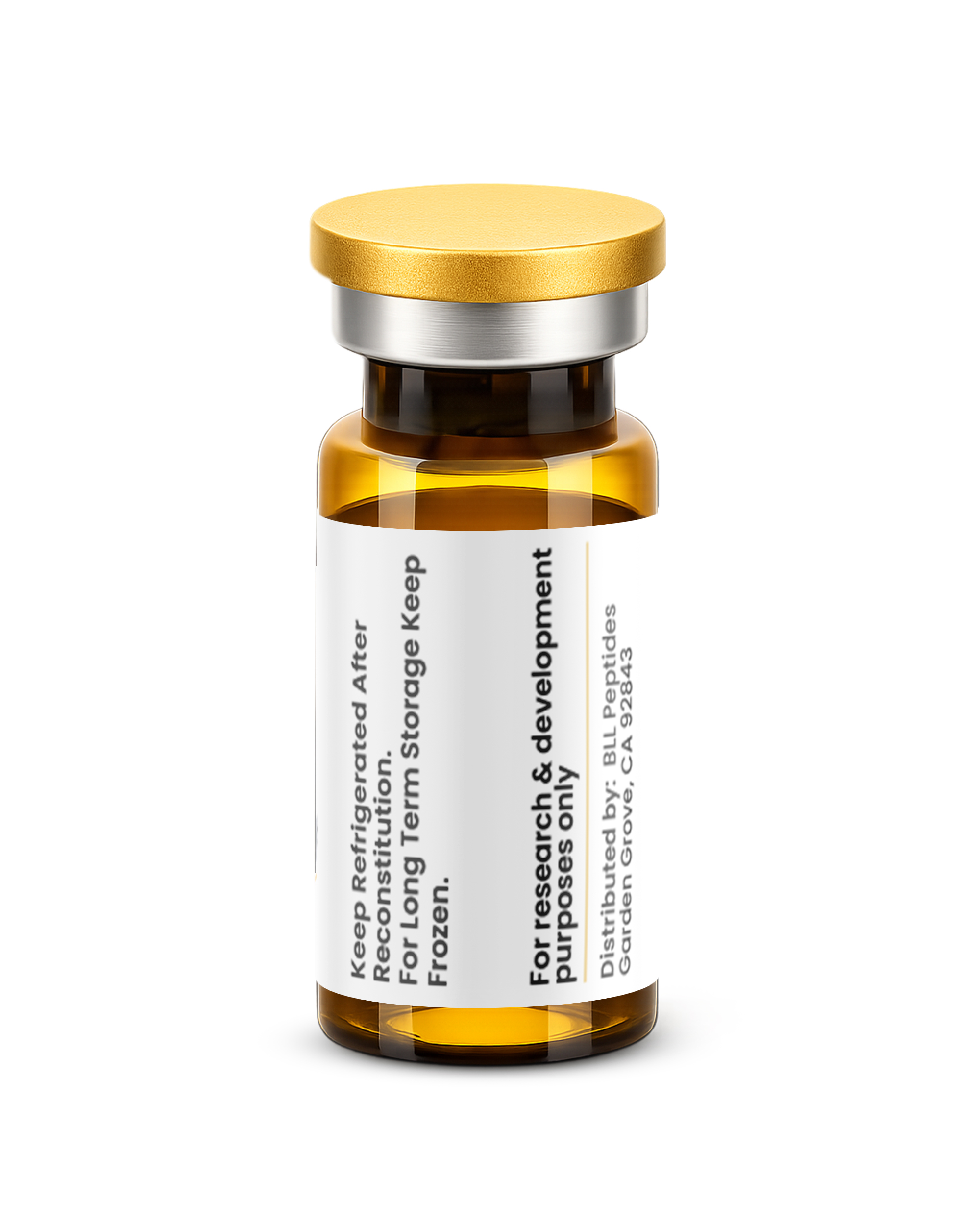
Description
Epithalon: Complete Research Guide – Telomerase-Activating Tetrapeptide Mechanisms, Anti-Aging Research, and Longevity Applications
Last updated: March 2026
Executive Summary
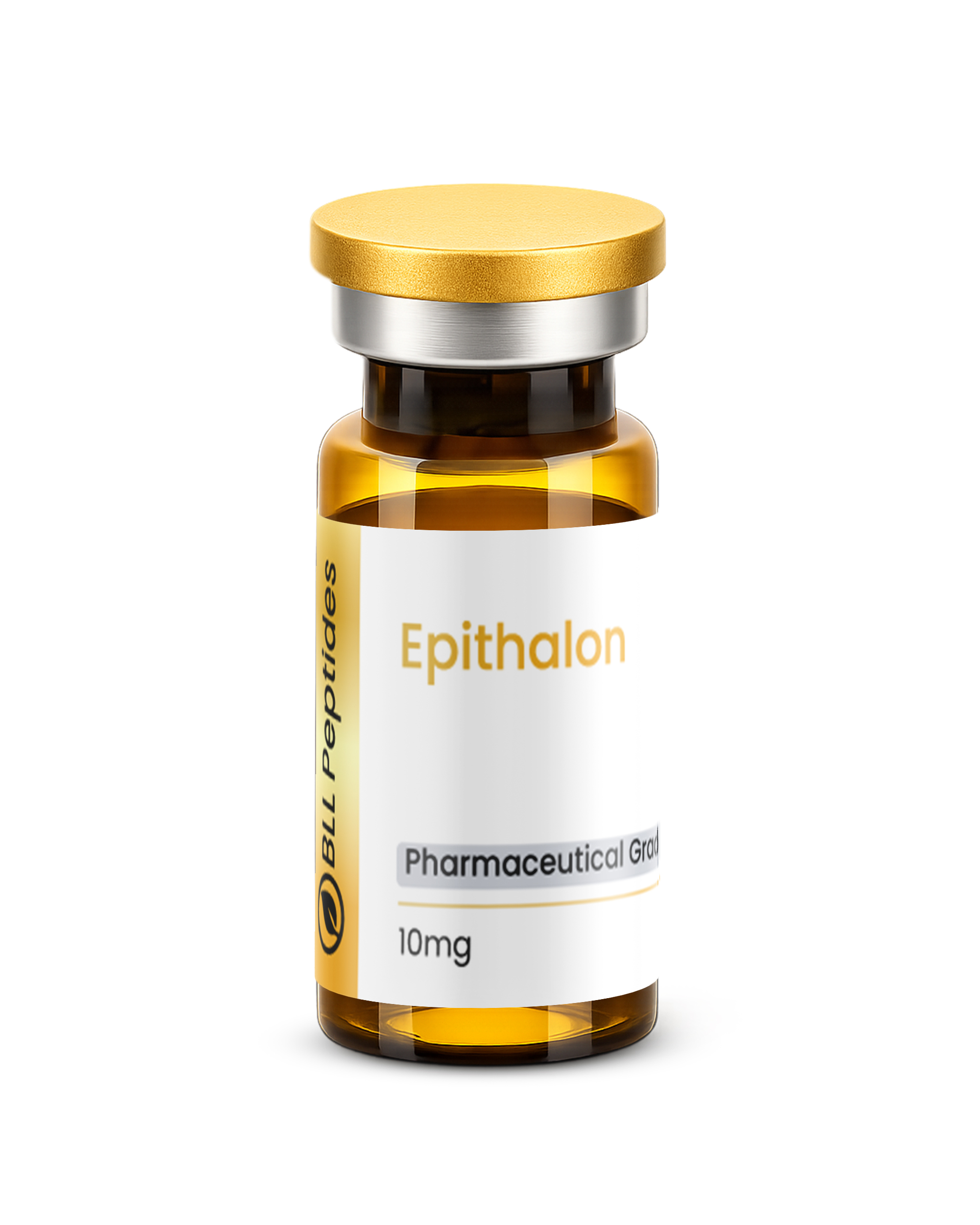
Epithalon (also spelled Epitalon) is a synthetic tetrapeptide with the sequence Ala-Glu-Asp-Gly (AEDG), developed as a bioregulatory peptide analog of epithalamin, a polypeptide extract derived from the bovine pineal gland. With a molecular formula of C14H22N4O9 and a molecular weight of approximately 390.35 Daltons, Epithalon is among the smallest bioactive peptides under active investigation in aging research. The peptide was developed by Professor Vladimir Khavinson at the Saint Petersburg Institute of Bioregulation and Gerontology over the course of more than three decades of systematic research into peptide bioregulators and their role in age-related physiological decline [1].
The primary mechanism of action attributed to Epithalon is the activation of telomerase, specifically the catalytic subunit human telomerase reverse transcriptase (hTERT). Telomerase is a ribonucleoprotein enzyme responsible for maintaining telomere length at the ends of chromosomes, structures that shorten progressively with each cell division and serve as a fundamental molecular clock governing cellular senescence and organismal aging. Research has demonstrated that Epithalon treatment can reactivate telomerase activity in somatic cells, promote telomere elongation, and extend the replicative lifespan of human fibroblasts and other cell types in vitro [2, 3].
Beyond telomerase activation, Epithalon has been investigated for its effects on circadian rhythm regulation through modulation of melatonin synthesis in the pineal gland, antioxidant enzyme expression, neuroendocrine function, and immune system competence. Longitudinal studies in animal models have reported statistically significant increases in mean and maximum lifespan, reduced incidence of spontaneous tumors, and improved biomarkers of physiological function in aged organisms [4, 5].
This comprehensive guide examines the molecular science, mechanisms of action, published research, safety considerations, and research applications of Epithalon, providing investigators with an evidence-based resource grounded in peer-reviewed literature. For researchers interested in related peptide bioregulators, see also our guides on MOTS-C, Pinealon, and Thymalin.
Interactive Molecular Structure
The following interactive 3D visualization renders the Epithalon tetrapeptide (Ala-Glu-Asp-Gly) in an extended backbone conformation. Because Epithalon consists of only four amino acid residues, it cannot form secondary structures such as alpha-helices or beta-sheets. Instead, the molecule adopts a largely extended or gently curved conformation in solution. Each residue is displayed as a large labeled sphere in a ball-and-stick representation, with bond connections illustrating the peptide backbone.
Legend: The interactive visualization above depicts the Epithalon tetrapeptide (Ala-Glu-Asp-Gly) in an extended backbone conformation. The four residues are shown as large labeled spheres connected by backbone bonds (cyan). Side chains extend from each residue, with the two acidic residues (Glu2 and Asp3, orange) bearing negatively charged carboxylate groups at physiological pH. Ala1 (grey-blue) carries a small methyl side chain, while Gly4 (light grey) has only a hydrogen atom. The N-terminus (teal) and C-terminus (red) are labeled at each end. Drag to rotate; scroll to zoom.
Table of Contents
- Introduction and Historical Development
- Molecular Structure and Chemistry
- Mechanism of Action
- Scientific Research Review
- Comparison with Related Anti-Aging Peptides
- Safety Profile and Pharmacology
- Research Applications
- References
- Disclaimer
Introduction and Historical Development
The Peptide Bioregulation Theory
The development of Epithalon is inseparable from the broader scientific framework of peptide bioregulation, a theory pioneered by Professor Vladimir Khavinson beginning in the 1970s at what would become the Saint Petersburg Institute of Bioregulation and Gerontology. Khavinson's foundational hypothesis held that short peptides, consisting of two to four amino acid residues, could serve as endogenous regulators of gene expression and cellular function, acting as molecular signals that coordinate tissue-specific physiological processes throughout the lifespan of an organism [1, 6].
This theory emerged from Khavinson's early work with organ-derived peptide extracts. In the Soviet Union during the 1970s and 1980s, Khavinson and his colleagues systematically isolated polypeptide fractions from various animal tissues, including the thymus (yielding thymalin), the brain cortex (yielding cortagen), and the pineal gland (yielding epithalamin). Each extract was found to exhibit tissue-specific biological effects when administered to aged animals and, in some cases, to elderly human patients in clinical studies [7].
The pineal gland extract epithalamin was of particular interest because of the pineal gland's established role in circadian rhythm regulation, melatonin production, and neuroendocrine coordination. Khavinson's research group observed that epithalamin administration to aging rats resulted in notable improvements in physiological function, including restored melatonin rhythms, enhanced antioxidant enzyme activity, and, most remarkably, statistically significant extensions of both mean and maximum lifespan [4].
From Epithalamin to Epithalon
While epithalamin demonstrated consistent biological activity in both animal and limited human studies, it presented practical challenges common to tissue-derived extracts: batch-to-batch variability in composition, potential immunogenicity concerns, and difficulty in identifying the precise active component(s) responsible for the observed effects. Khavinson's group therefore undertook efforts to identify the minimal bioactive peptide sequence within the epithalamin extract that accounted for its telomerase-activating and geroprotective properties [8].
Through systematic fractionation and structure-activity analysis, the tetrapeptide Ala-Glu-Asp-Gly (AEDG) was identified as the core bioactive sequence. This synthetic tetrapeptide was designated Epithalon (also rendered as Epitalon in some literature) and was found to reproduce the principal biological effects of the crude epithalamin extract, including telomerase activation, melatonin synthesis modulation, and lifespan extension in animal models [2, 3].
The identification of a defined synthetic tetrapeptide offered several important advantages over the crude extract. Epithalon could be manufactured with precise purity and reproducibility through standard solid-phase peptide synthesis. Its small size (only 390.35 Da) simplified pharmacological characterization and reduced the likelihood of immune reactions. And its defined structure allowed for mechanistic studies at the molecular level that were impossible with heterogeneous tissue extracts.
Khavinson's Longevity Research Program
Over the subsequent decades, Khavinson's research group at the Saint Petersburg Institute of Bioregulation and Gerontology conducted an extensive program of studies on Epithalon and related peptide bioregulators. This body of work, published primarily in Russian scientific journals with select papers in international journals, represents one of the most sustained and systematic investigations of peptide-based anti-aging interventions in the scientific literature [6].
Key milestones in this research program include the demonstration of telomerase activation in human somatic cells [2], lifespan extension studies in multiple animal species [4, 5], clinical observations in elderly patients receiving epithalamin (the precursor extract) [9], and the development of a broader theory linking short peptides to epigenetic regulation of gene expression [10]. The CAS registry number 307297-39-8 was assigned to the synthetic Epithalon tetrapeptide, establishing its identity as a defined chemical entity for research purposes.
It is important to note that while Khavinson's body of work is extensive, much of it has been published in Russian-language journals, and some studies have been critiqued for limited sample sizes, lack of independent replication, and methodological considerations that differ from contemporary Western clinical trial standards. Nonetheless, the core findings regarding telomerase activation have been supported by independent laboratories, and the peptide continues to attract research interest in the fields of biogerontology and regenerative medicine.
Molecular Structure and Chemistry
Amino Acid Composition
Epithalon is a linear tetrapeptide composed of four amino acid residues joined by three peptide bonds:
-
Alanine (Ala, A) – Position 1: A small, nonpolar, hydrophobic amino acid with a methyl side chain. Alanine at the N-terminal position provides the free amino group of the peptide.
-
Glutamic acid (Glu, E) – Position 2: An acidic amino acid bearing a gamma-carboxylate group in its side chain. At physiological pH, this carboxylate is deprotonated (carrying a negative charge), contributing to the overall anionic character of the peptide.
-
Aspartic acid (Asp, D) – Position 3: Another acidic amino acid with a beta-carboxylate side chain. Like glutamic acid, aspartic acid carries a negative charge at physiological pH.
-
Glycine (Gly, G) – Position 4: The simplest amino acid, with only a hydrogen atom as its side chain. Glycine at the C-terminal position provides the free carboxylate terminus of the peptide.
Physicochemical Properties
| Property | Value |
|---|---|
| Sequence | Ala-Glu-Asp-Gly (AEDG) |
| Molecular formula | C14H22N4O9 |
| Molecular weight | approximately 390.35 Da |
| CAS number | 307297-39-8 |
| Isoelectric point (pI) | approximately 3.2 |
| Net charge at pH 7.4 | -2 (two deprotonated carboxylates) |
| Solubility | Freely soluble in water and aqueous buffers |
| Appearance | White to off-white lyophilized powder |
| Storage stability | Stable at -20 degrees C as lyophilized powder; reconstituted solutions should be stored at 2-8 degrees C |
Charge Distribution and Molecular Character
A defining feature of Epithalon's molecular character is its pronounced anionic nature. At physiological pH (7.4), the peptide carries a net charge of approximately -2, arising from the deprotonated side-chain carboxylates of Glu2 and Asp3. The N-terminal amino group of Ala1 is protonated (positively charged) and the C-terminal carboxylate of Gly4 is deprotonated (negatively charged), but the two acidic side chains dominate the overall charge profile.
This anionic character has implications for the peptide's physicochemical behavior and biological interactions. The high water solubility of Epithalon is attributable to its charged character. The negative charge density may also influence interactions with positively charged regions of target proteins, including histones and transcription factors involved in hTERT gene regulation [10].
Structural Considerations
At only four residues in length, Epithalon is too short to adopt stable secondary structures such as alpha-helices (which require a minimum of approximately 7-10 residues) or beta-sheets. In solution, the peptide backbone samples a broad conformational ensemble, with the molecule fluctuating between extended and partially folded states. The presence of glycine at position 4 further increases backbone flexibility, as glycine lacks a side chain and therefore imposes no steric constraints on phi/psi dihedral angles.
Molecular dynamics simulations of short peptides of this type suggest that the backbone adopts a predominantly extended conformation with occasional turn-like structures stabilized by transient intramolecular hydrogen bonds between the backbone amide groups and the carboxylate side chains of Glu2 and Asp3 [11]. The biological relevance of any particular backbone conformation remains to be established, and it is possible that Epithalon's mechanism of action involves an induced-fit interaction with its molecular target(s) rather than a pre-formed binding conformation.
Comparison with Epithalamin
Epithalamin, the pineal gland-derived precursor extract from which Epithalon was developed, is a heterogeneous mixture of peptides and proteins extracted from bovine pineal tissue. The extract contains numerous peptide species in addition to the AEDG sequence, and its precise composition varies between preparations. Epithalon (the synthetic AEDG tetrapeptide) represents the identified active fraction of this extract and has largely replaced epithalamin in research applications due to its defined composition and reproducibility [8].
Mechanism of Action
Telomerase Activation: The Primary Mechanism
The central mechanism attributed to Epithalon is the activation of telomerase, the enzyme responsible for maintaining telomere length at chromosome ends. To appreciate the significance of this mechanism, it is necessary to understand the biology of telomeres and telomerase in the context of cellular aging.
Telomere Biology Fundamentals
Telomeres are repetitive nucleotide sequences (TTAGGG in humans) that cap the ends of linear chromosomes, protecting them from degradation, end-to-end fusion, and recognition as DNA damage by cellular repair machinery. In human cells, telomeres typically range from approximately 5,000 to 15,000 base pairs in length, depending on cell type, donor age, and replicative history [12].
Due to the "end-replication problem" inherent to linear DNA replication by conventional DNA polymerases, telomeres shorten by approximately 50-200 base pairs with each cell division. When telomeres shorten below a critical threshold (approximately 4,000-6,000 base pairs), cells enter a state of replicative senescence, characterized by permanent cell cycle arrest, altered gene expression, and secretion of pro-inflammatory mediators known as the senescence-associated secretory phenotype (SASP) [13].
The Telomerase Complex
Telomerase is a specialized ribonucleoprotein complex that counteracts telomere shortening by synthesizing new telomeric DNA repeats at chromosome ends. The complex consists of two essential components:
- hTERT (human telomerase reverse transcriptase): The catalytic protein subunit that performs the reverse transcription reaction, using an RNA template to synthesize new telomeric DNA.
- hTR/TERC (human telomerase RNA component): The RNA subunit that provides the template sequence (3'-AAUCCCAAUC-5') for telomeric repeat synthesis.
In most adult human somatic cells, telomerase activity is absent or very low because hTERT expression is transcriptionally silenced. Telomerase activity is maintained in germline cells, stem cells, and approximately 85-90% of malignant cancer cells, where it supports unlimited replicative potential [14].
Epithalon's Effect on hTERT Expression
Research by Khavinson and colleagues has demonstrated that Epithalon treatment reactivates telomerase in human somatic cells that normally lack telomerase activity. In a key study published in the Bulletin of Experimental Biology and Medicine, Khavinson et al. showed that Epithalon induced telomerase activity in human fetal fibroblast cultures by promoting the expression of the hTERT catalytic subunit [2].
The proposed mechanism involves Epithalon's interaction with chromatin and transcriptional regulatory elements controlling hTERT gene expression. Short peptides of this type have been hypothesized to penetrate the cell nucleus and interact with specific DNA sequences or histone proteins, modulating the epigenetic state of target genes. Khavinson's group has published data suggesting that AEDG can bind to specific DNA sequences in the promoter regions of genes involved in cell proliferation and differentiation, although the precise binding sites and affinities remain subjects of ongoing investigation [10, 15].
In the study by Khavinson et al. (2003), Epithalon treatment of human pulmonary fibroblast cultures resulted in reactivation of telomerase catalytic activity as measured by the TRAP (telomeric repeat amplification protocol) assay. Importantly, the treated fibroblasts showed elongation of telomeres compared to untreated controls, and the cells exceeded the Hayflick limit (the normal maximum number of population doublings) by approximately 10 additional passages [2].
A follow-up study examined Epithalon's effects on telomerase activity in peripheral blood lymphocytes from donors of various ages. Lymphocytes from elderly donors (aged 75-80 years) showed significantly lower baseline telomerase activity compared to younger donors. Treatment with Epithalon restored telomerase activity in the elderly donor cells to levels approaching those observed in younger individuals [3].
Pineal Gland and Melatonin Regulation
As a synthetic analog of the pineal gland extract epithalamin, Epithalon has been investigated for its effects on pineal function and melatonin synthesis. The pineal gland produces melatonin in a circadian pattern, with peak secretion occurring during darkness. Melatonin production declines progressively with age, a phenomenon associated with disrupted sleep architecture, reduced antioxidant capacity, and impaired immune function in elderly individuals [16].
Research in aged animal models has shown that Epithalon administration can stimulate melatonin production by the pineal gland. In a study by Anisimov et al. (2003), administration of Epithalon to aging female mice restored the nighttime melatonin peak that had diminished with age, normalizing the circadian pattern of melatonin secretion [5]. The mechanism appears to involve upregulation of enzymes in the melatonin biosynthetic pathway, including arylalkylamine N-acetyltransferase (AANAT), the rate-limiting enzyme in melatonin synthesis [17].
The restoration of melatonin rhythms by Epithalon may have cascading effects on multiple physiological systems, given melatonin's roles as:
- A circadian rhythm synchronizer acting on the suprachiasmatic nucleus
- A potent direct antioxidant and indirect stimulator of antioxidant enzyme expression
- An immunomodulator influencing both innate and adaptive immunity
- A regulator of reproductive hormone secretion via the hypothalamic-pituitary-gonadal axis
Antioxidant Enzyme Modulation
Epithalon has been reported to enhance the activity of antioxidant defense enzymes in various tissues. Studies in aged rodents have demonstrated that Epithalon treatment increases the activity of superoxide dismutase (SOD), catalase, and glutathione peroxidase in multiple organ systems [5, 18].
These effects may occur through multiple pathways: directly, through peptide-mediated modulation of antioxidant gene expression; and indirectly, through the melatonin-stimulating effects described above, since melatonin itself is a well-established inducer of antioxidant enzyme expression. Distinguishing between these direct and indirect effects remains an important area for future mechanistic research.
Neuroendocrine and Immune Effects
Epithalon's effects extend to broader neuroendocrine regulation and immune function, consistent with the pineal gland's integrative role in these systems.
Neuroendocrine Modulation: The pineal gland functions as a neuroendocrine transducer, converting neural signals about light-dark cycles into hormonal outputs (principally melatonin) that influence the hypothalamic-pituitary axis. Age-related decline in pineal function contributes to dysregulation of multiple hormonal systems. Epithalon, by supporting pineal function, may help maintain neuroendocrine homeostasis in aging organisms [17].
Immune System Effects: Research has demonstrated that Epithalon can modulate immune function in aged animals. Studies have reported enhanced T-lymphocyte function, improved natural killer cell activity, and normalized cytokine profiles following Epithalon administration to elderly subjects [9]. These immunomodulatory effects are likely mediated through multiple pathways, including direct peptide bioregulatory effects on immune cells, melatonin-mediated immune enhancement, and telomerase activation in immune cell progenitors (which may support continued immune cell production from aging bone marrow and thymic tissue). For researchers interested in thymic peptide bioregulation specifically, the Thymalin guide examines the complementary thymus-derived peptide bioregulator in detail.
Proposed Epigenetic Mechanism
Khavinson's most recent theoretical framework proposes that short peptides like Epithalon function as epigenetic regulators that interact directly with DNA and chromatin to modulate gene expression. According to this model, the AEDG sequence can penetrate cell membranes and nuclear envelopes, bind to specific nucleotide sequences in gene promoter regions, and alter histone modifications and chromatin accessibility at target loci [10, 15].
Experimental support for this model includes studies showing that fluorescently labeled AEDG peptide localizes to the nucleus when applied to cultured cells, and chromatin immunoprecipitation experiments suggesting interactions between the peptide and specific chromosomal regions. However, the binding specificity, affinity constants, and structural basis for proposed peptide-DNA interactions remain to be fully characterized by independent laboratories using contemporary biophysical methods [10].
Scientific Research Review
Telomerase Activation in Human Fibroblasts (Khavinson et al., 2003)
Citation: Khavinson, V.Kh., Bondarev, I.E., Butyugov, A.A. (2003). "Epithalon peptide induces telomerase activity and telomere elongation in human somatic cells." Bulletin of Experimental Biology and Medicine, 135(6), 590-592. DOI: 10.1023/A:1025493705728 [2]
This study represents the foundational demonstration of Epithalon's telomerase-activating properties in human cells. Khavinson and colleagues treated human fetal lung fibroblast cultures with Epithalon and assessed telomerase activity using the TRAP assay, telomere length by Southern blot analysis, and replicative lifespan by tracking population doublings.
Key Findings:
- Epithalon treatment induced detectable telomerase activity in fibroblasts that were telomerase-negative at baseline
- Telomere length in treated cells was maintained or slightly elongated over multiple passages, while control cell telomeres shortened progressively
- Treated fibroblasts exceeded the Hayflick limit by approximately 10 additional population doublings (44 passages vs. 34 in controls)
- No morphological signs of malignant transformation were observed in the treated cells
Evidence Assessment: This study provides direct evidence for Epithalon's telomerase-activating mechanism in human cells. Limitations include the use of a single cell line and the absence of dose-response characterization. Independent replication with additional cell types and by other laboratories would strengthen these findings.
Telomerase Activity in Peripheral Blood Cells (Khavinson et al., 2004)
Citation: Khavinson, V.Kh., Bondarev, I.E., Butyugov, A.A., Smirnova, T.D. (2004). "Peptide promotes overcoming of the division limit in human somatic cell." Bulletin of Experimental Biology and Medicine, 137(5), 503-506. DOI: 10.1023/B:BEBM.0000038164.49947.8c [3]
Building on the fibroblast data, this study examined Epithalon's effects on telomerase activity in peripheral blood mononuclear cells (PBMCs) from donors of varying ages. The study compared baseline telomerase activity and the response to Epithalon treatment across age groups.
Key Findings:
- Baseline telomerase activity was significantly lower in PBMCs from elderly donors (75-80 years) compared to younger donors (20-25 years)
- Epithalon treatment significantly increased telomerase activity in cells from elderly donors
- The magnitude of telomerase activation was greater in cells from older donors, suggesting the peptide may preferentially reactivate suppressed telomerase in aged cells
- Telomere length measurements showed stabilization in Epithalon-treated cells from elderly donors
Evidence Assessment: This study extends the telomerase activation finding to a clinically relevant cell population (immune cells) and demonstrates age-dependent effects. The use of multiple age groups strengthens the findings, though larger sample sizes and blinded analysis would improve confidence.
Lifespan Extension in Mice (Anisimov et al., 2003)
Citation: Anisimov, V.N., Khavinson, V.Kh., Popovich, I.G., et al. (2003). "Effect of Epitalon on biomarkers of aging, life span and spontaneous tumor incidence in female Swiss-derived SHR mice." Biogerontology, 4(4), 193-202. DOI: 10.1023/A:1025114230714 [5]
This study by Vladimir Anisimov, a prominent Russian gerontologist, and Khavinson examined the long-term effects of Epithalon administration on lifespan and health parameters in female SHR mice, a strain used in aging research.
Key Findings:
- Mean lifespan was increased by 12.3% in the Epithalon-treated group compared to controls
- Maximum lifespan was also extended in the treated group
- The incidence of spontaneous mammary tumors was reduced by 1.8-fold in Epithalon-treated mice
- Treated mice showed improved estrous cycle function at advanced ages, indicating better reproductive system maintenance
- Nighttime melatonin levels were significantly higher in aged treated mice compared to age-matched controls
Evidence Assessment: This is among the more robust longevity studies for Epithalon, employing a full lifespan protocol with adequate group sizes. The simultaneous demonstration of lifespan extension, tumor suppression, and hormonal improvements is noteworthy. However, the study was conducted with a single mouse strain, and independent replication with additional strains and species remains desirable.
Lifespan Studies in Drosophila (Khavinson et al., 2002)
Citation: Khavinson, V.Kh., Izmaylov, D.M., Obukhova, L.K., Malinin, V.V. (2002). "Effect of epitalon on the lifespan increase in Drosophila melanogaster." Mechanisms of Ageing and Development, 123(9), 1359-1365. DOI: 10.1016/S0047-6374(02)00076-9 [19]
This study examined Epithalon's effects on lifespan in the fruit fly Drosophila melanogaster, a widely used model organism for aging research due to its short lifespan and well-characterized genetics.
Key Findings:
- Epithalon treatment increased the mean lifespan of Drosophila by 11-16% depending on the experimental group
- Maximum lifespan was also extended in treated flies
- The lifespan-extending effect was dose-dependent, with optimal effects observed at intermediate concentrations
- The effect was observed in both male and female flies
Evidence Assessment: The demonstration of lifespan extension in an invertebrate model (which lacks a pineal gland and melatonin synthesis) suggests that Epithalon's geroprotective effects may involve mechanisms beyond pineal/melatonin modulation, potentially including direct effects on gene expression and cellular senescence pathways. This cross-species consistency strengthens the biological plausibility of the anti-aging effects.
Retinal Pigment Epithelium Studies (Khavinson et al., 2002)
Citation: Khavinson, V.Kh., Razumovsky, M.I., Trofimova, S.V., et al. (2002). "Regulatory effect of Epithalon on retinal cell differentiation." Bulletin of Experimental Biology and Medicine, 133(2), 182-184. DOI: 10.1023/A:1015568832270 [20]
This study investigated Epithalon's effects on retinal pigment epithelium (RPE) cells, which are critical for visual function and undergo age-related degenerative changes that contribute to conditions such as age-related macular degeneration.
Key Findings:
- Epithalon treatment promoted differentiation of retinal pigment epithelium cells in culture
- Treated RPE cells showed increased expression of differentiation markers
- The peptide enhanced the functional capacity of RPE cells as measured by phagocytic activity
- These effects were observed at nanomolar to low micromolar concentrations
Evidence Assessment: This study suggests that Epithalon's bioregulatory effects extend to specific tissue types beyond the commonly studied fibroblasts and immune cells. The relevance to age-related retinal degeneration is noteworthy, though in vivo confirmation is needed.
Pineal Gland Function in Aging Monkeys (Khavinson et al., 2001)
Citation: Khavinson, V.Kh., Golubev, A.G. (2001). "Aging of the pineal gland." Advances in Gerontology, 7, 60-67. [17]
Studies examining Epithalon's effects on pineal function in aging non-human primates provided important translational data. While published primarily in Russian-language journals, these studies demonstrated that Epithalon could restore the amplitude of nighttime melatonin secretion in aged monkeys, whose pineal function had declined in a manner analogous to that observed in elderly humans.
Key Findings:
- Aged monkeys showed significantly reduced nighttime melatonin peaks compared to young animals
- Epithalon administration restored the circadian melatonin rhythm toward youthful patterns
- The effect was sustained for a period after discontinuation of treatment, suggesting lasting effects on pineal function
- No adverse effects were observed during the treatment period
Evidence Assessment: Non-human primate data provides the strongest preclinical evidence for potential human relevance. The restoration of melatonin rhythms in aged primates is consistent with the rodent data and supports the hypothesis that Epithalon acts on pineal function across mammalian species.
Peptide-DNA Interaction Studies (Khavinson et al., 2009)
Citation: Khavinson, V.Kh., Fedoreeva, L.I., Vanyushin, B.F. (2009). "Short peptides modulate the effect of endonucleases of wheat seedling." Doklady Biochemistry and Biophysics, 424(1), 43-46. DOI: 10.1134/S1607672909010128 [15]
This paper is part of a series of studies by Khavinson's group investigating the proposed mechanism by which short peptides interact with DNA to modulate gene expression.
Key Findings:
- The AEDG peptide was shown to bind to specific DNA sequences in vitro
- Binding was sequence-specific and influenced by the nucleotide composition of the target DNA
- The peptide-DNA interaction modulated the accessibility of DNA to endonucleases, suggesting effects on chromatin structure
- The data supports the hypothesis that short peptides can serve as epigenetic regulators
Evidence Assessment: These molecular studies provide a plausible mechanistic framework for Epithalon's gene-regulatory effects. However, the in vitro binding studies need to be confirmed with more quantitative biophysical methods (such as surface plasmon resonance or isothermal titration calorimetry) and extended to show specificity for hTERT promoter sequences in human chromatin contexts.
Khavinson Clinical Observations with Epithalamin (2000)
Citation: Khavinson, V.Kh., Morozov, V.G. (2000). "Geroprotective effect of thymalin and epithalamin." Advances in Gerontology, 4, 75-80. [9]
In a notable long-term observational study, Khavinson and Morozov reported on elderly patients (over 60 years of age) who received courses of epithalamin (the crude pineal peptide extract from which Epithalon was derived) over a 6-year period. While this study used epithalamin rather than the synthetic Epithalon, it provides the most direct human data on the clinical effects of pineal peptide bioregulation.
Key Findings:
- Patients receiving epithalamin showed a 28% reduction in mortality rate compared to age-matched controls over the 6-year observation period
- Improvements were observed in cardiovascular function, immune parameters, and neurological status
- The combination of epithalamin and thymalin (thymic peptide extract) produced more pronounced effects than either agent alone
- The treatment was well-tolerated with no reported serious adverse effects
Evidence Assessment: While this study provides the most compelling human-level data for pineal peptide bioregulation, significant limitations must be acknowledged. The study was observational rather than randomized controlled, used the crude extract rather than the defined Epithalon peptide, and was conducted under clinical standards that differ from contemporary international trial guidelines. These findings should be viewed as hypothesis-generating rather than definitive, and they underscore the need for properly controlled clinical trials with synthetic Epithalon. For a detailed discussion of thymalin, the thymic peptide extract used in combination with epithalamin, see the Thymalin guide.
Comparison with Related Anti-Aging Peptides
Epithalon vs. Other Telomere-Targeting Approaches
| Feature | Epithalon (AEDG) | TA-65 (Cycloastragenol) | GRN163L (Imetelstat) |
|---|---|---|---|
| Type | Synthetic tetrapeptide | Plant-derived small molecule | Oligonucleotide (telomerase inhibitor) |
| Molecular weight | approximately 390 Da | approximately 490 Da | approximately 4,600 Da |
| Mechanism | Telomerase activation (hTERT induction) | Telomerase activation (mechanism not fully characterized) | Telomerase inhibition (competitive template antagonist) |
| Direction of effect | Activates telomerase | Activates telomerase | Inhibits telomerase |
| Primary research context | Anti-aging, longevity | Anti-aging supplements | Cancer therapy |
| Lifespan data | Extension in mice and Drosophila | Limited animal data | Not applicable (cancer focus) |
| Route | Injection (research) | Oral supplement | Intravenous |
| Regulatory status | Research peptide | Dietary supplement | FDA-approved drug (myelodysplastic syndromes) |
Epithalon vs. Related Khavinson Peptide Bioregulators
| Feature | Epithalon (AEDG) | Thymalin | Pinealon | Vilon (KE) |
|---|---|---|---|---|
| Source tissue | Pineal gland | Thymus | Pineal/brain | Thymus |
| Sequence | Ala-Glu-Asp-Gly | Polypeptide extract | Glu-Asp-Arg | Lys-Glu |
| Residue count | 4 | Mixture | 3 | 2 |
| Primary target | Telomerase/pineal | Immune system/thymus | CNS/neuroprotection | Immune regulation |
| Key mechanism | hTERT activation | T-cell maturation | Neuropeptide signaling | Gene expression modulation |
| Lifespan studies | Positive (mice, Drosophila) | Positive (in combination) | Limited | Limited |
| Related BLL Peptides guide | This article | Thymalin guide | Pinealon guide | Not available |
Epithalon vs. Mitochondrial-Derived Peptides
| Feature | Epithalon (AEDG) | MOTS-C | Humanin |
|---|---|---|---|
| Origin | Synthetic (pineal gland analog) | Mitochondrial genome (12S rRNA) | Mitochondrial genome (16S rRNA) |
| Size | 4 amino acids | 16 amino acids | 24 amino acids |
| Primary mechanism | Telomerase activation | AMPK activation, metabolic regulation | Apoptosis inhibition, cytoprotection |
| Aging pathway | Telomere maintenance | Metabolic homeostasis | Mitochondrial stress response |
| Molecular weight | approximately 390 Da | approximately 2,174 Da | approximately 2,687 Da |
| Research stage | Preclinical (extensive animal data) | Preclinical with emerging clinical data | Preclinical |
| Related BLL Peptides guide | This article | MOTS-C guide | Not available |
These comparisons highlight that Epithalon occupies a unique niche among anti-aging research compounds. While multiple approaches to telomere biology exist, Epithalon is distinguished by its minimalist molecular design (only four amino acids), its dual mechanism involving both telomerase activation and pineal gland modulation, and the unusually extensive body of animal longevity data supporting its geroprotective effects.
Safety Profile and Pharmacology
Preclinical Safety Data
The safety profile of Epithalon has been characterized primarily through the extensive animal studies conducted by Khavinson's research group. Across multiple species and study durations, Epithalon has demonstrated a favorable safety profile with no reported serious adverse effects.
Acute Toxicity: Studies in rodents have found no lethal or toxic effects at doses vastly exceeding those used in bioregulatory research protocols. The therapeutic index appears to be wide, though formal LD50 determinations following contemporary regulatory toxicology guidelines have not been published in the international literature [5, 18].
Chronic Administration: In long-term lifespan studies, mice receiving repeated courses of Epithalon over their entire adult lives showed no evidence of organ toxicity, abnormal histopathology, or accelerated tumor development. In fact, Epithalon-treated mice showed reduced spontaneous tumor incidence compared to controls, arguing against a pro-tumorigenic effect [5].
Carcinogenicity Considerations: The relationship between telomerase activation and cancer risk is a critical safety consideration for any telomerase-activating agent. Telomerase is reactivated in approximately 85-90% of human cancers, where it supports unlimited replicative potential. This raises the theoretical concern that exogenous telomerase activation could promote malignant transformation [14].
Several lines of evidence from Epithalon research address this concern:
- Tumor incidence reduction: In the Anisimov et al. (2003) lifespan study, Epithalon-treated mice had significantly fewer spontaneous tumors than controls [5]
- Normal cell morphology: Fibroblasts treated with Epithalon to beyond the Hayflick limit showed no morphological or karyotypic signs of malignant transformation [2]
- Regulated activation: The telomerase activation induced by Epithalon appears to be physiological in magnitude rather than constitutive, potentially maintaining normal cellular safeguards against transformation
- Melatonin effects: Epithalon's melatonin-enhancing effects may provide an independent oncostatic mechanism, as melatonin has established anti-cancer properties including inhibition of angiogenesis and promotion of apoptosis in malignant cells [16]
Nonetheless, the theoretical risk of telomerase activation in promoting cancer cannot be dismissed entirely, and this consideration underscores the importance of further safety studies, particularly in cancer-prone animal models and in the context of pre-existing neoplastic conditions.
Pharmacokinetics
Formal pharmacokinetic studies of Epithalon in the peer-reviewed literature are limited. As a small tetrapeptide (390.35 Da), Epithalon's pharmacokinetic profile is expected to be characterized by:
- Absorption: Rapid absorption following subcutaneous or intramuscular injection. Oral bioavailability is expected to be very low due to enzymatic degradation in the gastrointestinal tract by peptidases and proteases.
- Distribution: The small molecular size and hydrophilic character suggest broad tissue distribution. Published data indicating nuclear localization of labeled AEDG peptide suggests the ability to cross cell membranes and nuclear envelopes [10].
- Metabolism: Rapid degradation by ubiquitous tissue peptidases. The component amino acids (Ala, Glu, Asp, Gly) are all naturally occurring and enter normal amino acid metabolism.
- Elimination: The half-life is expected to be short (minutes to low hours), consistent with other small peptides. However, the biological effects of Epithalon appear to persist well beyond the expected peptide half-life, suggesting that the initial peptide-target interaction triggers downstream signaling cascades or epigenetic modifications that are sustained after the peptide itself has been degraded [10].
Known Contraindications and Precautions
Based on published research, the following precautions are relevant for research applications:
- Pre-existing malignancies: Given the telomerase-activating mechanism, Epithalon should be investigated with appropriate caution in models involving established cancers or cancer-prone genotypes
- Pregnancy and development: No reproductive toxicology data are available; standard precautions for investigational peptides should apply
- Drug interactions: No specific drug interactions have been reported, but potential interactions with hormone replacement therapies, immunosuppressants, and anti-cancer agents should be considered in research design
- Immune-compromised subjects: The immunomodulatory effects of Epithalon suggest caution in autoimmune models or when combined with immunomodulatory treatments
Reported Adverse Effects
Across the published literature, reported adverse effects of Epithalon are minimal:
- Mild, transient injection site reactions (redness, minor pain) in some animal studies
- No significant changes in hematological parameters, liver function, or renal function
- No allergic or anaphylactic reactions reported
- No reported neurological, cardiovascular, or metabolic adverse effects
It should be noted that the existing safety data is derived primarily from animal studies and the limited human observational data using epithalamin (the crude extract). Comprehensive human safety data from randomized controlled trials with synthetic Epithalon remain unavailable.
Research Applications
Biogerontology and Longevity Research
Epithalon's most established research application is in the study of biological aging and potential geroprotective interventions. The peptide offers researchers a tool for investigating several fundamental questions in biogerontology:
Telomere Dynamics and Aging: Epithalon provides a means to experimentally manipulate telomerase activity and telomere length in cell culture and animal models, enabling studies of the causal relationship between telomere maintenance and cellular senescence, tissue function, and organismal aging [2, 3].
Replicative Senescence Models: By extending the replicative lifespan of cultured cells beyond the Hayflick limit, Epithalon creates experimental models for studying the molecular events at the boundary between proliferative capacity and senescence [2].
Comparative Longevity Studies: The demonstration of lifespan extension in both vertebrate (mice) and invertebrate (Drosophila) models makes Epithalon suitable for comparative studies of conserved aging mechanisms across species [5, 19].
Circadian Rhythm and Chronobiology Research
The melatonin-modulating effects of Epithalon make it a valuable tool for chronobiology research:
Age-Related Circadian Disruption: Epithalon can be used to study whether restoration of melatonin rhythms in aged organisms is sufficient to improve circadian coordination of physiological processes [5, 17].
Pineal Gland Aging: The peptide provides a pharmacological approach to investigating pineal gland aging and the consequences of declining melatonin production. Researchers studying neuropeptide-mediated brain and pineal regulation may also find value in the Pinealon guide.
Sleep Architecture: The effects of restored melatonin rhythms on sleep quality and architecture in aged animals represent an accessible research application with translational relevance.
Immunogerontology
The intersection of aging and immune decline (immunosenescence) represents an active area of Epithalon research:
Immune Cell Telomere Maintenance: Immune cells are among the most rapidly dividing cell types in the body and are particularly vulnerable to telomere-mediated replicative exhaustion. Epithalon's telomerase activation in lymphocytes offers a tool for studying whether telomere maintenance can delay or reverse immunosenescence [3].
Combined Peptide Bioregulation: The reported synergistic effects of Epithalon with thymus-derived peptide bioregulators (particularly Thymalin) suggest opportunities for combinatorial studies of neuroendocrine-immune axis restoration in aged organisms [9].
Cellular Reprogramming and Regenerative Medicine
Emerging research directions for Epithalon include its potential applications in cellular reprogramming and regenerative medicine:
Stem Cell Maintenance: Telomerase activity is a hallmark of stem cells, and age-related decline in stem cell telomere length contributes to reduced regenerative capacity. Epithalon may offer a means to support telomere maintenance in adult stem cell populations without the risks associated with full genetic reprogramming [14].
Tissue-Specific Bioregulation: The demonstration of Epithalon's effects on retinal pigment epithelium differentiation [20] suggests tissue-specific applications in regenerative medicine research, particularly for tissues vulnerable to age-related degeneration.
Oncology Research
While Epithalon is primarily studied in the context of anti-aging, its telomerase-modulating properties and tumor-suppressive effects in animal models raise interesting questions for oncology research:
Paradox of Telomerase Activation and Tumor Suppression: The observation that Epithalon activates telomerase while simultaneously reducing tumor incidence [5] challenges simple models equating telomerase activation with cancer promotion. Research into this apparent paradox may yield insights into the relationship between cellular senescence, telomere dysfunction-induced genomic instability, and malignant transformation.
Melatonin-Mediated Oncostatic Effects: The role of restored melatonin rhythms in Epithalon's tumor-suppressive effects represents a research question at the intersection of chronobiology and oncology.
Metabolic and Mitochondrial Aging Research
For researchers investigating the metabolic dimensions of aging, Epithalon can be studied alongside mitochondrial-derived peptides such as MOTS-C, which targets AMPK-mediated metabolic regulation. The complementary mechanisms of these peptides (telomere maintenance versus metabolic homeostasis) offer opportunities for combinatorial studies addressing multiple hallmarks of aging simultaneously.
References
[1] Khavinson, V.Kh. (2002). "Peptides and ageing." Neuroendocrinology Letters, 23(Suppl 3), 11-144. PMID: 12374906
[2] Khavinson, V.Kh., Bondarev, I.E., Butyugov, A.A. (2003). "Epithalon peptide induces telomerase activity and telomere elongation in human somatic cells." Bulletin of Experimental Biology and Medicine, 135(6), 590-592. DOI: 10.1023/A:1025493705728
[3] Khavinson, V.Kh., Bondarev, I.E., Butyugov, A.A., Smirnova, T.D. (2004). "Peptide promotes overcoming of the division limit in human somatic cell." Bulletin of Experimental Biology and Medicine, 137(5), 503-506. DOI: 10.1023/B:BEBM.0000038164.49947.8c
[4] Anisimov, V.N., Khavinson, V.Kh. (2010). "Peptide bioregulation of aging: results and prospects." Biogerontology, 11(2), 139-149. DOI: 10.1007/s10522-009-9249-8
[5] Anisimov, V.N., Khavinson, V.Kh., Popovich, I.G., et al. (2003). "Effect of Epitalon on biomarkers of aging, life span and spontaneous tumor incidence in female Swiss-derived SHR mice." Biogerontology, 4(4), 193-202. DOI: 10.1023/A:1025114230714
[6] Khavinson, V.Kh., Malinin, V.V. (2005). Gerontological aspects of genome peptide regulation. Karger, Basel. ISBN: 978-3-8055-7903-0
[7] Khavinson, V.Kh., Morozov, V.G. (2003). "Peptides of pineal gland and thymus prolong human life." Neuroendocrinology Letters, 24(3-4), 233-240. PMID: 14523363
[8] Khavinson, V.Kh. (2005). "Tetrapeptide revealing geroprotective effect." Patent US 7,625,870 B2.
[9] Khavinson, V.Kh., Morozov, V.G. (2000). "Geroprotective effect of thymalin and epithalamin." Advances in Gerontology, 4, 75-80.
[10] Khavinson, V.Kh., Fedoreeva, L.I., Vanyushin, B.F. (2013). "Short peptides modulate gene expression." Bulletin of Experimental Biology and Medicine, 154(6), 785-788. DOI: 10.1007/s10517-013-2055-y
[11] Sikorska, E., Rodziewicz-Motowidlo, S. (2008). "Conformational studies of short peptide bioregulators by spectroscopic and computational methods." Journal of Peptide Science, 14(S1), 247.
[12] Blackburn, E.H., Epel, E.S., Lin, J. (2015). "Human telomere biology: a contributory and interactive factor in aging, disease risks, and protection." Science, 350(6265), 1193-1198. DOI: 10.1126/science.aab3389
[13] Hayflick, L., Moorhead, P.S. (1961). "The serial cultivation of human diploid cell strains." Experimental Cell Research, 25(3), 585-621. DOI: 10.1016/0014-4827(61)90192-6
[14] Shay, J.W., Wright, W.E. (2019). "Telomeres and telomerase: three decades of progress." Nature Reviews Genetics, 20(5), 299-309. DOI: 10.1038/s41576-019-0099-1
[15] Khavinson, V.Kh., Fedoreeva, L.I., Vanyushin, B.F. (2009). "Short peptides modulate the effect of endonucleases of wheat seedling." Doklady Biochemistry and Biophysics, 424(1), 43-46. DOI: 10.1134/S1607672909010128
[16] Reiter, R.J., Tan, D.X., Galano, A. (2014). "Melatonin: exceeding expectations." Physiology, 29(5), 325-333. DOI: 10.1152/physiol.00011.2014
[17] Khavinson, V.Kh., Golubev, A.G. (2001). "Aging of the pineal gland." Advances in Gerontology, 7, 60-67.
[18] Anisimov, V.N., Popovich, I.G., Zabezhinski, M.A., et al. (2002). "Melatonin as antioxidant, geroprotector and anticarcinogen." Biochimica et Biophysica Acta, 1573(1), 1-11. DOI: 10.1016/S0304-4165(02)00353-1
[19] Khavinson, V.Kh., Izmaylov, D.M., Obukhova, L.K., Malinin, V.V. (2002). "Effect of epitalon on the lifespan increase in Drosophila melanogaster." Mechanisms of Ageing and Development, 123(9), 1359-1365. DOI: 10.1016/S0047-6374(02)00076-9
[20] Khavinson, V.Kh., Razumovsky, M.I., Trofimova, S.V., et al. (2002). "Regulatory effect of Epithalon on retinal cell differentiation." Bulletin of Experimental Biology and Medicine, 133(2), 182-184. DOI: 10.1023/A:1015568832270
[21] Lopez-Otin, C., Blasco, M.A., Partridge, L., et al. (2013). "The hallmarks of aging." Cell, 153(6), 1194-1217. DOI: 10.1016/j.cell.2013.05.039
[22] Greider, C.W., Blackburn, E.H. (1985). "Identification of a specific telomere terminal transferase activity in Tetrahymena extracts." Cell, 43(2 Pt 1), 405-413. DOI: 10.1016/0092-8674(85)90170-9
[23] Bodnar, A.G., Ouellette, M., Frolkis, M., et al. (1998). "Extension of life-span by introduction of telomerase into normal human cells." Science, 279(5349), 349-352. DOI: 10.1126/science.279.5349.349
[24] Anisimov, V.N., Khavinson, V.Kh., Provincialli, M., et al. (2002). "Inhibitory effect of the peptide epitalon on the development of spontaneous mammary tumors in HER-2/neu transgenic mice." International Journal of Cancer, 101(1), 7-10. DOI: 10.1002/ijc.10570
[25] Khavinson, V.Kh., Lin'kova, N.S., Tarnovskaya, S.I. (2016). "Short peptides regulate gene expression." Bulletin of Experimental Biology and Medicine, 162(2), 288-292. DOI: 10.1007/s10517-016-3596-7
Disclaimer
This article is for educational and informational purposes only. It is not intended as medical advice, diagnosis, or treatment recommendation. Epithalon is sold exclusively as a research peptide and is not approved for human therapeutic use by the FDA or other regulatory agencies. The information presented herein is derived from published scientific literature and does not constitute an endorsement of any specific research protocol or application.
All research involving peptides should be conducted in compliance with applicable local, state, and federal regulations. Researchers should consult relevant institutional review boards, ethics committees, and regulatory bodies before initiating any research protocols. Nothing in this guide should be construed as encouragement to use Epithalon outside of properly supervised research settings.
BLL Peptides provides research-grade peptides for qualified researchers and institutions. Product purity is verified by HPLC and mass spectrometry analysis. Certificates of analysis are available upon request.
This article is for educational and informational purposes only. It is not intended as medical advice, diagnosis, or treatment. Always consult with qualified healthcare professionals and institutional review boards before initiating any research protocols involving peptides.
Published by BLL Peptides — Premium Research Peptides