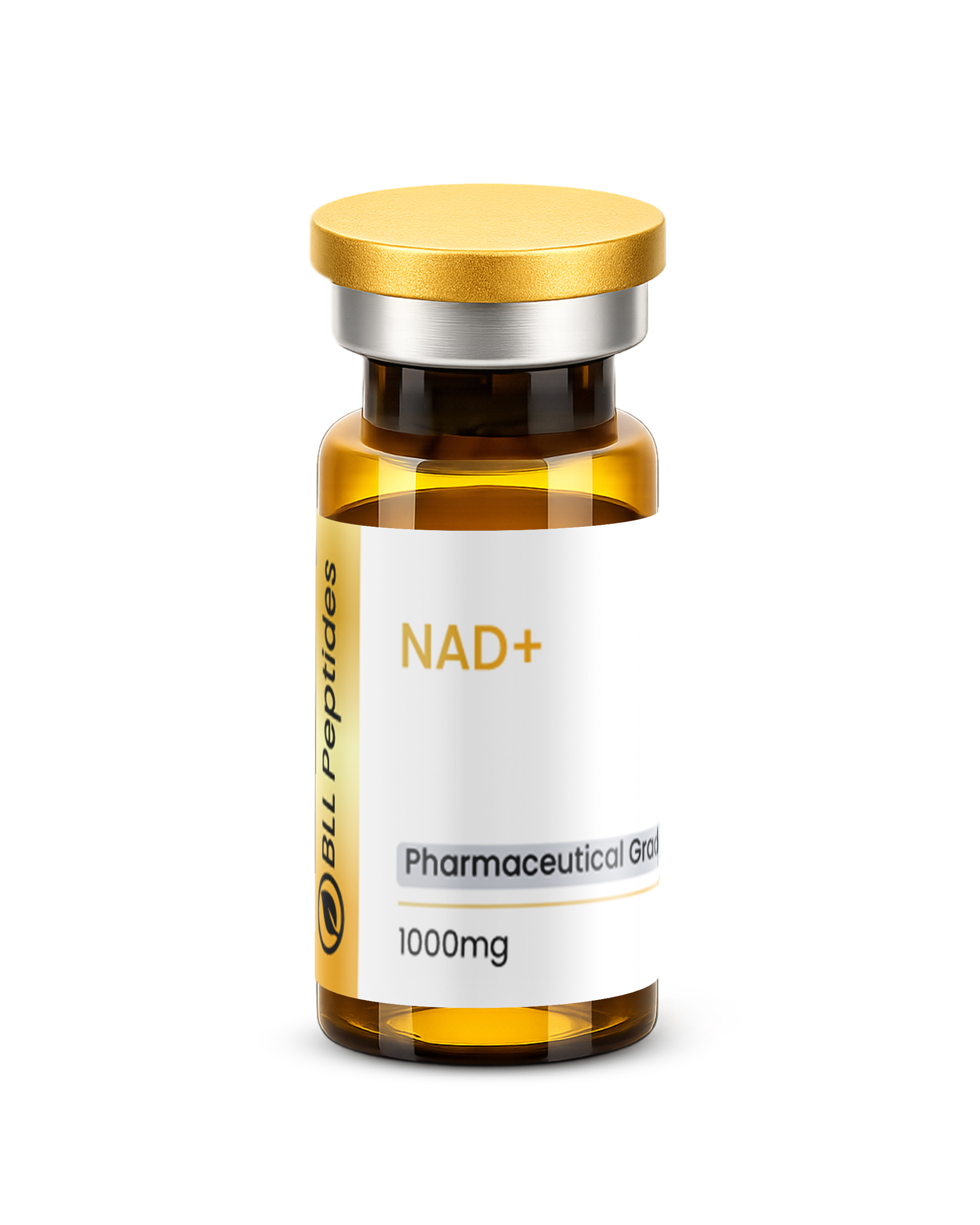
Description
NAD+: Complete Research Guide – Cellular Energy, Longevity Science, and Anti-Aging
Executive Summary
Nicotinamide Adenine Dinucleotide (NAD+) represents one of the most intensively studied molecules in longevity and anti-aging research. This essential coenzyme, present in every living cell, functions as a critical mediator of cellular energy production, DNA repair, and gene expression regulation. The discovery that NAD+ levels decline by approximately 50% between ages 40 and 60 has ignited a revolution in aging research, with scientists investigating whether restoring NAD+ levels might counteract various aspects of biological aging.
This comprehensive guide examines the molecular biology of NAD+, its roles in cellular metabolism, the current state of scientific research including landmark clinical trials, the various precursors available for boosting NAD+ levels, regulatory considerations, and practical information regarding administration methods and safety profiles. We synthesize peer-reviewed research with community experiences to provide a complete picture of this fascinating molecule.
Table of Contents
- Introduction to NAD+
- Molecular Structure and Forms
- Interactive Molecular Structure
- Detailed Mechanism of Action
- Scientific Research Review
- NAD+ Precursors Deep Dive
- Benefits by Category with Evidence Levels
- Regulatory Status
- Community Experience and Anecdotal Reports
- Side Effects and Safety
- Drug Interactions
- Conclusion
- References
- Disclaimer
Introduction to NAD+
Discovery and Historical Context
The story of NAD+ begins in 1906 when British biochemists Arthur Harden and William John Young discovered a "cozymase" essential for alcoholic fermentation in yeast extracts. This mysterious factor, later identified as NAD+, proved necessary for the conversion of sugars to alcohol. Harden's work on this coenzyme contributed to his receiving the Nobel Prize in Chemistry in 1929, shared with Hans von Euler-Chelpin, who further elucidated its chemical structure [1].
The complete chemical structure of NAD+ was determined in the 1930s through the work of Otto Warburg, who demonstrated its role in hydrogen transfer during cellular respiration. Warburg, already a Nobel laureate for his work on cellular respiration enzymes, showed that NAD+ functions as a crucial intermediate in energy metabolism. His research established the foundation for understanding how cells convert nutrients into usable energy [2].
Throughout the mid-20th century, scientists continued to unravel NAD+'s roles in metabolism. The discovery of NAD+-dependent enzymes expanded dramatically, revealing this molecule's involvement in hundreds of biochemical reactions. However, the modern renaissance of NAD+ research began in the early 2000s when Leonard Guarente at MIT and his colleagues discovered that sirtuins–a family of proteins linked to longevity–require NAD+ as a co-substrate for their activity [3].
Why NAD+ Matters for Aging
The connection between NAD+ and aging emerged from several converging lines of research. Scientists observed that NAD+ levels decline substantially with age across multiple tissues and organisms. This decline correlates with mitochondrial dysfunction, DNA damage accumulation, cellular senescence, and metabolic disorders–all hallmarks of the aging process.
Perhaps most compellingly, experiments in model organisms demonstrated that boosting NAD+ levels could reverse some age-related phenotypes. Older mice treated with NAD+ precursors showed improved muscle function, enhanced mitochondrial activity, and in some cases, extended healthspan. These findings suggested that NAD+ depletion might not merely correlate with aging but could actively drive certain aging processes [4].
Molecular Structure and Forms
Chemical Structure
NAD+ (nicotinamide adenine dinucleotide) is a dinucleotide consisting of two nucleotides joined through their phosphate groups. One nucleotide contains an adenine base, while the other contains a nicotinamide (a derivative of niacin, vitamin B3). The molecule exists in two forms: the oxidized form (NAD+) and the reduced form (NADH).
The molecular formula is C21H27N7O14P2, with a molecular weight of approximately 663.4 g/mol. The nicotinamide ring portion of the molecule is the functional component responsible for accepting and donating electrons during redox reactions.
The NAD+/NADH Ratio
The ratio between NAD+ and NADH is a critical parameter for cellular function. This ratio influences:
- Metabolic rate: Higher NAD+/NADH ratios generally promote catabolic (energy-releasing) pathways
- Sirtuin activity: Sirtuins specifically require NAD+ (not NADH) as a co-substrate
- Redox state: The ratio reflects the cell's overall oxidation-reduction balance
- Mitochondrial function: The ratio in different cellular compartments affects electron transport efficiency
In healthy cells, the cytoplasmic NAD+/NADH ratio typically ranges from 60:1 to 700:1, depending on the tissue and metabolic state. The mitochondrial ratio is lower, usually around 7:1 to 8:1. Age-related changes tend to decrease this ratio, shifting cells toward a more reduced state that impairs NAD+-dependent enzyme function [5].
Related Nucleotides
NAD+ belongs to a family of related pyridine nucleotides:
- NADH: The reduced form of NAD+, carrying two electrons and one proton
- NADP+: NAD+ with an additional phosphate group; primarily involved in biosynthetic reactions
- NADPH: The reduced form of NADP+; critical for antioxidant defense and biosynthesis
While NADP+ and NADPH share structural similarities with NAD+, they serve distinct cellular functions and are maintained in different compartments and ratios.
Interactive Molecular Structure
The following interactive 3D visualization renders the NAD+ dinucleotide structure. Unlike peptides, NAD+ consists of two nucleotides joined through their phosphate groups, with nicotinamide and adenine bases at opposing ends.
Legend: The interactive visualization above depicts the NAD+ dinucleotide structure. The nicotinamide ring (left) is the electron-accepting functional group critical for redox reactions. The two phosphate groups (red) form the central bridge connecting the nicotinamide and adenine nucleotide halves. Node sizes reflect the relative structural importance of each component. Drag to rotate; scroll to zoom.
Detailed Mechanism of Action
Redox Reactions and Electron Transport
NAD+'s primary metabolic function involves serving as an electron carrier in redox reactions. During cellular respiration, NAD+ accepts two electrons and one proton (becoming NADH) from substrates like glucose and fatty acids. These electrons are subsequently donated to the mitochondrial electron transport chain, where they drive ATP synthesis.
The electron transport chain represents the final stage of aerobic respiration. NADH delivers its electrons to Complex I (NADH dehydrogenase) of the inner mitochondrial membrane. As electrons flow through Complexes I, III, and IV, protons are pumped across the membrane, creating an electrochemical gradient that drives ATP synthase. A single NADH molecule can yield approximately 2.5 ATP molecules through this process [6].
Glycolysis and the Citric Acid Cycle
Glycolysis: In the cytoplasm, glucose is converted to pyruvate through a series of ten enzyme-catalyzed reactions. NAD+ is reduced to NADH twice during this process, at the glyceraldehyde-3-phosphate dehydrogenase step. When NAD+ availability is limited, glycolysis slows because NADH cannot be regenerated quickly enough.
Citric Acid Cycle (Krebs Cycle): Within the mitochondrial matrix, acetyl-CoA (derived from pyruvate, fatty acids, or amino acids) is oxidized completely to CO2. This cycle generates three NADH molecules per turn, plus one FADH2. These reduced coenzymes carry high-energy electrons to the electron transport chain.
NAD+ Regeneration: For continuous ATP production, NADH must be oxidized back to NAD+. Under aerobic conditions, the electron transport chain accomplishes this efficiently. Under anaerobic conditions, cells resort to fermentation (producing lactate or ethanol) to regenerate NAD+, albeit with far less ATP yield.
Sirtuin Activation: SIRT1-7 in Detail
Sirtuins represent a family of seven NAD+-dependent enzymes (SIRT1-7 in mammals) that regulate diverse cellular processes. Unlike enzymes that merely use NAD+ as an electron acceptor, sirtuins consume NAD+ as a substrate, cleaving it to produce nicotinamide and O-acetyl-ADP-ribose while deacetylating target proteins.
SIRT1: Located primarily in the nucleus and cytoplasm, SIRT1 is the most extensively studied sirtuin. It deacetylates numerous targets including p53, FOXO transcription factors, PGC-1alpha, and NF-kappaB. SIRT1 activation promotes:
- Mitochondrial biogenesis
- Fat oxidation and metabolic efficiency
- Stress resistance
- Suppression of inflammatory pathways
- DNA repair enhancement
Dr. David Sinclair's laboratory has demonstrated that SIRT1 activation can improve metabolic health in obese mice and counteract aspects of age-related decline [7].
SIRT2: Primarily cytoplasmic, SIRT2 regulates cell cycle progression, cytoskeleton dynamics, and metabolic pathways. It deacetylates alpha-tubulin and may play roles in neurodegeneration.
SIRT3: The major mitochondrial sirtuin, SIRT3 deacetylates numerous metabolic enzymes, enhancing oxidative metabolism and protecting against oxidative stress. SIRT3 knockout mice exhibit accelerated development of metabolic syndrome and age-related hearing loss [8].
SIRT4: Also mitochondrial, SIRT4 regulates glutamine metabolism and insulin secretion. Unlike other sirtuins, SIRT4 primarily functions as an ADP-ribosyltransferase rather than a deacetylase.
SIRT5: Mitochondrial SIRT5 removes succinyl, malonyl, and glutaryl modifications from proteins, regulating fatty acid oxidation and the urea cycle.
SIRT6: Nuclear SIRT6 plays critical roles in DNA repair, telomere maintenance, and glucose homeostasis. SIRT6-deficient mice exhibit premature aging, while SIRT6 overexpression extends lifespan in male mice [9].
SIRT7: Nucleolar SIRT7 regulates ribosome biogenesis and the cellular response to stress. It may coordinate protein synthesis with nutrient availability.
PARP Enzymes and DNA Repair
Poly(ADP-ribose) polymerases (PARPs) are a family of enzymes that consume NAD+ to catalyze the addition of ADP-ribose units to target proteins. PARP1, the most abundant family member, plays a central role in detecting and signaling DNA damage.
When DNA strand breaks occur, PARP1 rapidly binds to the damage site and synthesizes poly(ADP-ribose) chains, consuming NAD+ in the process. These chains recruit DNA repair proteins and remodel chromatin structure to facilitate repair. A single DNA lesion can consume hundreds of NAD+ molecules during the PARP-mediated repair response [10].
The implications for aging are significant. As organisms age, DNA damage accumulates from normal metabolic processes, environmental exposures, and declining repair efficiency. Increased PARP activity depletes NAD+ reserves, potentially creating competition with sirtuins and metabolic enzymes for the limited NAD+ pool. This competition may accelerate cellular dysfunction and aging phenotypes.
CD38 and NAD+ Degradation
CD38 is a transmembrane glycoprotein with NADase activity–it catalyzes the hydrolysis of NAD+ to nicotinamide and ADP-ribose. Originally identified as a marker of immune cell activation, CD38 is now recognized as a major consumer of cellular NAD+.
Research has revealed that CD38 expression and activity increase dramatically with age. In one study, CD38 levels in adipose tissue increased approximately 2-3 fold between young and old mice, correlating with NAD+ decline. CD38 knockout mice maintain youthful NAD+ levels and are protected from age-related metabolic dysfunction [11].
Inflammation appears to drive CD38 upregulation. Senescent cells, which accumulate with age, secrete inflammatory factors that induce CD38 expression in surrounding tissues. This creates a potential feedback loop: cellular senescence promotes inflammation, which increases CD38 expression and NAD+ consumption, which may further impair cellular function and promote additional senescence.
Scientific Research Review
David Sinclair's Harvard Research
Dr. David Sinclair, Professor of Genetics at Harvard Medical School and co-director of the Paul F. Glenn Center for Biology of Aging Research, has been instrumental in establishing NAD+ as a central player in aging biology. His laboratory's research spans from fundamental molecular mechanisms to translational applications.
Sinclair's early work focused on sirtuins and caloric restriction. He demonstrated that resveratrol, a plant polyphenol, could activate SIRT1 and produce some benefits of caloric restriction in mice. This research, while controversial in some aspects, helped establish the connection between NAD+-dependent pathways and longevity [12].
His laboratory's subsequent work on NAD+ precursors has been particularly influential. In 2013, Sinclair's team published a landmark study demonstrating that declining NAD+ levels cause age-related mitochondrial dysfunction through impaired nuclear-mitochondrial communication. Importantly, they showed that boosting NAD+ with NMN could reverse this dysfunction in aged mice [4].
More recent work from Sinclair's laboratory has explored NAD+'s role in epigenetic reprogramming and cellular rejuvenation. His team has investigated whether age-related changes in gene expression patterns can be reset by manipulating NAD+-dependent pathways, with promising preliminary results in animal models [13].
Gomes 2013 Cell Study
The 2013 publication by Ana Gomes and colleagues in Cell represents a watershed moment in NAD+ research. This study established mechanistic links between NAD+ decline, sirtuin dysfunction, and mitochondrial deterioration during aging [4].
Key findings included:
- NAD+ levels in 22-month-old mice were significantly lower than in 6-month-old mice across multiple tissues
- Low NAD+ impaired SIRT1 activity, preventing it from inhibiting HIF-1alpha, a transcription factor
- Stabilized HIF-1alpha disrupted mitochondrial function by altering the expression of nuclear-encoded mitochondrial genes
- One week of NMN treatment (500 mg/kg/day) restored NAD+ levels, normalized HIF-1alpha activity, and improved mitochondrial function in old mice
- Gene expression patterns in treated old mice resembled those of young animals
This study was groundbreaking because it demonstrated that age-related mitochondrial dysfunction was at least partially reversible and that NAD+ depletion played a causal rather than merely correlative role in this decline.
Yoshino 2021 Science NMN Trial
Published in Science in 2021, the study by Jun Yoshino and colleagues at Washington University School of Medicine provided crucial evidence that NMN produces metabolic benefits in humans [14].
Study Design:
- Randomized, double-blind, placebo-controlled trial
- 25 postmenopausal prediabetic women with overweight or obesity
- 250 mg NMN daily for 10 weeks versus placebo
- Primary endpoint: insulin sensitivity in skeletal muscle
Key Findings:
- NMN supplementation increased NAD+ and related metabolites in peripheral blood mononuclear cells
- Insulin-stimulated glucose disposal improved by approximately 25% in the NMN group
- This improvement was accompanied by increased gene expression of PDGF, PGC-1alpha, and other insulin signaling components in muscle tissue
- No significant changes in body weight, body composition, or blood pressure
Significance: This was the first rigorously controlled human trial demonstrating that NMN can improve a clinically meaningful metabolic parameter. The improvement in insulin sensitivity suggests potential applications in type 2 diabetes prevention.
Martens 2018 NR Study
The study led by Christopher Martens at the University of Colorado Boulder provided important safety and efficacy data for nicotinamide riboside (NR) in healthy middle-aged and older adults [15].
Study Design:
- Randomized, double-blind, placebo-controlled crossover trial
- 24 healthy adults aged 55-79
- 500 mg NR twice daily (1000 mg total) for 6 weeks, with 6-week washout between conditions
Key Findings:
- NR supplementation raised NAD+ levels in peripheral blood mononuclear cells by approximately 60%
- NR was well-tolerated with no serious adverse events
- Trend toward reduced systolic blood pressure (-2 mmHg) and pulse wave velocity (measure of arterial stiffness)
- These cardiovascular effects were particularly pronounced in participants with elevated baseline blood pressure
Significance: This study demonstrated that NR can successfully increase NAD+ levels in humans with a favorable safety profile. While the cardiovascular findings were exploratory and require confirmation in larger trials, they suggested potential benefits beyond metabolic health.
Additional Clinical Research
Remie 2020 NMN Study: A double-blind, randomized trial in healthy overweight adults found that 250 mg NMN daily for 12 weeks increased skeletal muscle NAD+ metabolites. While no significant changes in insulin sensitivity were observed, the study confirmed NMN's bioavailability and tissue uptake [16].
Elhassan 2019 NR Study: Demonstrated that 1000 mg NR daily for 6 weeks increased skeletal muscle NAD+ levels and reduced inflammatory markers in older men with normal glucose tolerance [17].
Dollerup 2018 NR Study: Found that 2000 mg NR daily for 12 weeks in obese men did not improve insulin sensitivity despite increasing NAD+ levels, highlighting that NAD+ boosting may not benefit all populations equally [18].
Ongoing Trials: Multiple Phase II and Phase III trials are investigating NAD+ precursors for conditions including heart failure, acute kidney injury, Parkinson's disease, and COVID-19 recovery. These trials will provide crucial data on therapeutic applications.
NAD+ Precursors Deep Dive
Nicotinamide Mononucleotide (NMN)
Biosynthetic Pathway: NMN is synthesized from nicotinamide and phosphoribosyl pyrophosphate (PRPP) by the enzyme nicotinamide phosphoribosyltransferase (NAMPT), the rate-limiting step in the NAD+ salvage pathway. NMN is then converted directly to NAD+ by the enzymes NMNAT1-3.
Bioavailability: NMN absorption has been a topic of debate. Originally, researchers believed NMN must be converted to NR before crossing cell membranes. However, the 2019 discovery of the Slc12a8 transporter, which directly transports NMN into cells, changed this understanding. This transporter is particularly expressed in the small intestine and certain tissues, suggesting direct uptake is possible [19].
Pharmacokinetic studies in humans show that oral NMN rapidly increases plasma NMN and NAD+ metabolite levels, with peak concentrations occurring within 1-3 hours of administration.
Research Highlights:
- Demonstrated metabolic benefits in human clinical trial (Yoshino 2021)
- Robust animal data showing improvements in vascular health, muscle function, and metabolic parameters
- Well-tolerated in doses up to 1200 mg daily in human studies
Considerations: NMN's regulatory status became complicated in late 2022 when the FDA determined it could not be marketed as a dietary supplement due to prior investigation as a drug. This has affected U.S. availability, though NMN remains accessible through various channels.
Nicotinamide Riboside (NR)
Biosynthetic Pathway: NR enters cells via nucleoside transporters and is phosphorylated by nicotinamide riboside kinases (NRK1 and NRK2) to produce NMN, which is then converted to NAD+ by NMNAT enzymes. This two-step conversion distinguishes NR from NMN.
GRAS Status: Nicotinamide riboside chloride (as Niagen) received FDA GRAS (Generally Recognized as Safe) status in 2015 for use in food and dietary supplements. This regulatory clarity has made NR widely available as a supplement.
Clinical Data: NR has accumulated the most human clinical data among NAD+ precursors:
- Multiple studies confirm it successfully raises NAD+ levels in humans
- Generally well-tolerated at doses up to 2000 mg daily
- Evidence of benefits in cardiovascular parameters, exercise performance, and mitochondrial function in certain populations
- Some studies show no benefit, suggesting individual variation in response
Considerations: Some researchers debate whether NR's two-step conversion to NAD+ might be less efficient than NMN's single-step pathway. However, direct comparisons in humans are lacking, and both precursors effectively raise NAD+ levels.
Niacin (Nicotinic Acid)
Historical Context: Niacin was the first NAD+ precursor identified and has been used medically since the 1950s, primarily for cardiovascular health. High-dose niacin raises HDL cholesterol and lowers LDL cholesterol and triglycerides, though its cardiovascular outcomes benefits have been questioned by recent trials.
Biosynthetic Pathway: Niacin enters the Preiss-Handler pathway, where it's converted to nicotinic acid mononucleotide (NAMN) by nicotinic acid phosphoribosyltransferase (NAPRT), then to nicotinic acid adenine dinucleotide (NAAD), and finally to NAD+ by NAD synthetase.
The Niacin Flush: High-dose niacin causes a characteristic flushing response–warmth, redness, and itching of the skin–mediated by prostaglandin D2 release. While harmless, this effect limits tolerability. Extended-release formulations reduce flushing but may increase hepatotoxicity risk at high doses.
Dosage Considerations: For NAD+ boosting, therapeutic doses typically range from 500-2000 mg daily. These doses require medical supervision due to potential side effects including liver enzyme elevation, glucose intolerance, and gastrointestinal upset.
Niacinamide (Nicotinamide)
Biosynthetic Pathway: Niacinamide enters the salvage pathway directly via NAMPT, bypassing the need for NRK or NAPRT enzymes.
Advantages: Niacinamide does not cause flushing and is well-tolerated at moderate doses. It's inexpensive and widely available.
Feedback Inhibition Concern: At high doses, niacinamide may inhibit sirtuins. The nicotinamide produced when sirtuins consume NAD+ normally inhibits sirtuin activity as a feedback mechanism. High exogenous niacinamide could theoretically enhance this inhibition, potentially counteracting the benefits of raised NAD+ levels. This concern has led some researchers to prefer NMN or NR, though the clinical significance of this effect in humans at typical supplementation doses remains unclear.
Benefits by Category with Evidence Levels
Cellular Energy and Metabolism
Evidence Level: Strong (Multiple Human Trials)
NAD+ is fundamentally required for ATP production through its roles in glycolysis, the citric acid cycle, and the electron transport chain. Clinical trials have demonstrated:
- Improved insulin sensitivity in prediabetic women (Yoshino 2021)
- Increased metabolic biomarkers in skeletal muscle (multiple studies)
- Enhanced cellular NAD+ levels confirmed across all precursor types
Mitochondrial Function
Evidence Level: Strong (Animal Studies) / Moderate (Human Studies)
Animal research consistently demonstrates that NAD+ precursors improve mitochondrial function, biogenesis, and respiratory efficiency. Human evidence includes:
- Increased expression of mitochondrial genes with NR supplementation
- Improved markers of mitochondrial health in older adults
- Enhanced exercise efficiency in some populations
Cardiovascular Health
Evidence Level: Moderate (Preliminary Human Evidence)
The Martens 2018 study suggested NR might reduce blood pressure and arterial stiffness. Additional evidence includes:
- Animal studies showing improved vascular function with NAD+ boosting
- NR reduces inflammation markers relevant to cardiovascular disease
- Ongoing clinical trials investigating heart failure applications
Neuroprotection and Cognitive Function
Evidence Level: Moderate (Animal Studies) / Limited (Human Studies)
NAD+ depletion is implicated in neurodegenerative diseases. Animal studies show:
- Protection against neurodegeneration in Alzheimer's and Parkinson's models
- Improved cognitive function in aged animals
- Enhanced neural plasticity and repair mechanisms
Human data remain limited, with clinical trials ongoing.
DNA Repair and Genomic Stability
Evidence Level: Strong (Mechanistic Studies) / Moderate (Functional Studies)
The requirement of NAD+ for PARP function is well-established biochemically. Evidence suggests:
- PARP-mediated DNA repair is NAD+-dependent
- NAD+ boosting may enhance DNA damage response
- Potential implications for cancer prevention (requires further study)
Longevity and Healthspan
Evidence Level: Strong (Animal Models) / Preliminary (Human Studies)
Multiple animal studies demonstrate extended healthspan with NAD+ precursors. Human evidence:
- Improvements in multiple aging biomarkers
- No direct evidence yet for extended lifespan
- Ongoing studies investigating long-term outcomes
Regulatory Status
FDA NMN Decision
In November 2022, the FDA determined that NMN cannot be marketed as a dietary supplement under current regulations. This decision was based on NMN having been "authorized for investigation as a new drug" before its marketing as a supplement–specifically, Metro International Biotech had an Investigational New Drug (IND) application for NMN.
Under the Federal Food, Drug, and Cosmetic Act, a substance authorized for drug investigation before its marketing as a supplement is excluded from the dietary supplement definition. This ruling has created a complex regulatory environment:
- Several companies have challenged the decision through citizen petitions
- NMN remains available through some channels outside the U.S. and through non-supplement classifications
- The Natural Products Association and other industry groups continue advocating for NMN's supplement status
- Some NMN suppliers have reformulated or relabeled products to navigate regulations
NR GRAS Status
Nicotinamide riboside chloride (as Niagen, from ChromaDex) received FDA GRAS status in 2015. This Generally Recognized as Safe determination allows NR to be marketed in foods and dietary supplements without premarket approval.
The GRAS process involves scientific evidence demonstrating safety at intended use levels. ChromaDex's submission included toxicological studies, human clinical trials, and historical use data. This regulatory clarity has made NR the most accessible NAD+ precursor in the U.S. supplement market.
International Regulations
- European Union: NAD+ precursors are generally available as supplements under Novel Foods regulations
- Australia: TGA regulates supplements; NMN and NR are available
- Canada: Health Canada has approved certain NAD+ precursor products
- Japan: Both NMN and NR are widely available as supplements
Community Experience and Anecdotal Reports
r/Longevity Discussions
The r/Longevity subreddit hosts extensive discussions about NAD+ supplementation. Common themes include:
Positive Reports:
- Increased sustained energy throughout the day
- Improved recovery from physical activity
- Enhanced mental clarity and focus
- Better sleep quality when taken in the morning
- Some users report improvement in hangover recovery
Mixed/Neutral Reports:
- Effects often subtle and require weeks to notice
- Difficult to attribute improvements specifically to NAD+ vs. other interventions
- Response appears highly individual
- Benefits may plateau over time
Reported Challenges:
- Cost of quality products
- Uncertainty about optimal dosing
- Questions about bioavailability of different forms
- Concerns about long-term safety data
r/Nootropics Energy Reports
The nootropics community frequently discusses NAD+ precursors for cognitive enhancement:
- Users report improved mental stamina during demanding tasks
- Some note enhanced creativity and verbal fluency
- Effects often described as "clean energy" without stimulant-like jitteriness
- Combination with other nootropics (racetams, choline sources) discussed
- Some users find more benefit from sublingual or liposomal formulations
IV NAD+ Clinic Experiences
Intravenous NAD+ infusions have gained popularity at wellness clinics, particularly for addiction recovery, chronic fatigue, and cognitive optimization.
Reported Experiences:
- Intense mental clarity often beginning during or shortly after infusion
- Euphoria or enhanced mood reported by some
- Effects lasting from several days to weeks
- Some describe profound increases in energy and motivation
Challenges Reported:
- Infusions can be uncomfortable (chest tightness, nausea, headache)
- Slower infusion rates generally better tolerated
- Significant cost ($500-1500+ per session typical)
- Effects may require repeated sessions to maintain
- Time-intensive (2-6 hours per session)
The Sinclair Stack Discussions
Dr. David Sinclair has publicly shared his personal supplement regimen, which has become known as the "Sinclair Stack." Community discussions frequently reference this protocol:
Reported Sinclair Protocol Components:
- NMN: 1000 mg daily (morning)
- Resveratrol: 1000 mg daily (with yogurt or fat for absorption)
- Metformin: 500-1000 mg (prescription; evening)
- Vitamin D3 and K2
- TMG (trimethylglycine) to support methylation
Community Variations:
- Many adopt portions of this stack based on accessibility and personal response
- Debates about necessity of metformin (prescription, potential side effects)
- TMG inclusion discussed as protective against methylation depletion
- Resveratrol quality and bioavailability concerns debated
- Some prefer NR over NMN due to regulatory availability
Side Effects and Safety
Documented Side Effects
Clinical trials report that NMN and NR are generally well-tolerated. Reported side effects include:
Common (5-10% of users):
- Mild gastrointestinal discomfort (nausea, bloating)
- Headache
- Fatigue (paradoxically, in some users initially)
- Skin flushing (primarily with niacin)
Less Common:
- Insomnia (if taken too late in the day)
- Increased thirst
- Muscle cramps
Safety Considerations
Cancer Risk Concerns: Some researchers have raised theoretical concerns that boosting NAD+ could support cancer cell metabolism. Cancer cells have high energy demands and might benefit from increased NAD+ availability. However:
- No clinical evidence currently supports this concern
- Some NAD+ pathway components (like NAMPT inhibitors) are being investigated as cancer treatments
- The relationship between NAD+ and cancer is complex and context-dependent
- Individuals with active malignancies should consult oncologists before supplementing
Methylation Depletion: High-dose NAD+ precursor supplementation theoretically depletes methyl donors. This occurs because excess nicotinamide must be methylated for excretion. TMG (trimethylglycine) supplementation is commonly recommended to support methylation, though the necessity is debated at typical doses [20].
Long-term Safety: While short-term studies (up to 12 weeks) show favorable safety profiles, long-term data (years of use) remain limited. Continued research and pharmacovigilance are warranted.
Drug Interactions
Known and Theoretical Interactions
Medications Affecting NAD+ Metabolism:
- Metformin: May influence NAD+ levels through AMPK activation; often combined intentionally
- PARP inhibitors: Used in cancer treatment; concurrent NAD+ boosting could theoretically reduce efficacy
- Immunosuppressants: NAD+ affects immune cell function; interactions possible
General Considerations:
- NAD+ precursors are vitamins or vitamin-related compounds with generally favorable interaction profiles
- High-dose niacin can interact with statins, diabetes medications, and blood thinners
- Always disclose supplements to healthcare providers
- Pregnant or nursing women should avoid supplementation without medical guidance
Consultation Recommendations
Individuals taking the following should consult healthcare providers before NAD+ supplementation:
- Chemotherapy or immunotherapy
- Blood thinners (particularly with niacin)
- Diabetes medications
- Immunosuppressants
- Medications metabolized by the liver
Conclusion
NAD+ occupies a central position in cellular metabolism and has emerged as one of the most promising targets in longevity and anti-aging research. The convergence of mechanistic understanding, animal studies, and preliminary human clinical trials has established a compelling case for the importance of maintaining healthy NAD+ levels throughout life.
The research trajectory from the discovery of NAD+'s role in fermentation over a century ago to its current status as a longevity intervention target represents a remarkable scientific journey. Key developments include the identification of sirtuins as NAD+-dependent longevity factors, the demonstration that NAD+ decline drives aspects of age-related dysfunction, and the translation of these findings into human clinical applications.
Multiple NAD+ precursors offer options for those seeking to support NAD+ levels. NR benefits from the most extensive human clinical data and clear regulatory status. NMN has strong animal research and promising human trials, though regulatory uncertainty complicates access. Traditional forms like niacin remain options for those accepting their side effect profiles.
While the evidence for NAD+ precursor supplementation continues to build, important questions remain. Long-term safety data are limited, optimal dosing protocols are not established, and the degree to which animal study benefits translate to humans requires further investigation. The field would benefit from larger, longer clinical trials examining functional outcomes rather than just biomarkers.
For individuals considering NAD+ supplementation, a measured approach is warranted. Consultation with healthcare providers, attention to product quality, starting with conservative doses, and realistic expectations about outcomes align with the current state of evidence. NAD+ boosting is unlikely to be a singular solution to aging but may represent one valuable component of a comprehensive approach to healthy longevity.
The coming years will undoubtedly bring additional insights as ongoing clinical trials report results and researchers continue to unravel the complex relationships between NAD+ metabolism, cellular health, and aging. The story of NAD+ is still being written, and its ultimate place in the landscape of longevity interventions remains to be determined.
References
-
Harden A, Young WJ. The alcoholic ferment of yeast-juice. Proc R Soc Lond B. 1906;77(519):405-420.
-
Warburg O, Christian W. Pyridine, the hydrogen transferring component of fermentative enzymes. Biochem Z. 1936;287:291-328.
-
Imai S, Armstrong CM, Kaeberlein M, Guarente L. Transcriptional silencing and longevity protein Sir2 is an NAD-dependent histone deacetylase. Nature. 2000;403(6771):795-800.
-
Gomes AP, Price NL, Ling AJ, et al. Declining NAD+ Induces a Pseudohypoxic State Disrupting Nuclear-Mitochondrial Communication during Aging. Cell. 2013;155(7):1624-1638.
-
Xie N, Zhang L, Gao W, et al. NAD+ metabolism: pathophysiologic mechanisms and therapeutic potential. Signal Transduct Target Ther. 2020;5(1):227.
-
Mookerjee SA, Gerencser AA, Nicholls DG, Brand MD. Quantifying intracellular rates of glycolytic and oxidative ATP production and consumption using extracellular flux measurements. J Biol Chem. 2017;292(17):7189-7207.
-
Sinclair DA, LaPlante MD. Lifespan: Why We Age–and Why We Don't Have To. Atria Books. 2019.
-
Brown KD, Maqsood S, Huang JY, et al. Activation of SIRT3 by the NAD+ precursor nicotinamide riboside protects from noise-induced hearing loss. Cell Metab. 2014;20(6):1059-1068.
-
Kanfi Y, Naiman S, Amir G, et al. The sirtuin SIRT6 regulates lifespan in male mice. Nature. 2012;483(7388):218-221.
-
Verdin E. NAD+ in aging, metabolism, and neurodegeneration. Science. 2015;350(6265):1208-1213.
-
Camacho-Pereira J, Tarrago MG, Chini CCS, et al. CD38 Dictates Age-Related NAD Decline and Mitochondrial Dysfunction through an SIRT3-Dependent Mechanism. Cell Metab. 2016;23(6):1127-1139.
-
Baur JA, Pearson KJ, Price NL, et al. Resveratrol improves health and survival of mice on a high-calorie diet. Nature. 2006;444(7117):337-342.
-
Lu Y, Brommer B, Tian X, et al. Reprogramming to recover youthful epigenetic information and restore vision. Nature. 2020;588(7836):124-129.
-
Yoshino M, Yoshino J, Kayser BD, et al. Nicotinamide mononucleotide increases muscle insulin sensitivity in prediabetic women. Science. 2021;372(6547):1224-1229.
-
Martens CR, Denman BA, Mazzo MR, et al. Chronic nicotinamide riboside supplementation is well-tolerated and elevates NAD+ in healthy middle-aged and older adults. Nat Commun. 2018;9(1):1286.
-
Remie CME, Roumans KHM, Moonen MPB, et al. Nicotinamide riboside supplementation alters body composition and skeletal muscle acetylcarnitine concentrations in healthy obese humans. Am J Clin Nutr. 2020;112(2):413-426.
-
Elhassan YS, Kluckova K, Fletcher RS, et al. Nicotinamide Riboside Augments the Aged Human Skeletal Muscle NAD+ Metabolome and Induces Transcriptomic and Anti-inflammatory Signatures. Cell Rep. 2019;28(7):1717-1728.e6.
-
Dollerup OL, Christensen B, Svart M, et al. A randomized placebo-controlled clinical trial of nicotinamide riboside in obese men: safety, insulin-sensitivity, and lipid-mobilizing effects. Am J Clin Nutr. 2018;108(2):343-353.
-
Grozio A, Mills KF, Yoshino J, et al. Slc12a8 is a nicotinamide mononucleotide transporter. Nat Metab. 2019;1(1):47-57.
-
Shade C. The Science Behind NMN–A Stable, Reliable NAD+ Activator and Anti-Aging Molecule. Integr Med (Encinitas). 2020;19(1):12-14.
Disclaimer
This article is for informational and educational purposes only. NAD+ and its precursors are intended for research purposes. This content does not constitute medical advice, diagnosis, or treatment recommendations. The information presented includes both peer-reviewed research findings and anecdotal community reports, which are clearly distinguished throughout.
NAD+ precursors are not FDA-approved medications for any disease or condition. Individual responses to supplementation vary, and the long-term effects of NAD+ precursor supplementation have not been fully established in humans.
Always consult with a qualified healthcare professional before beginning any supplementation regimen, particularly if you have existing health conditions, take medications, or are pregnant or nursing. Do not discontinue any prescribed medication without medical guidance.
The regulatory status of NAD+ precursors varies by jurisdiction and is subject to change. Consumers are responsible for understanding and complying with applicable laws and regulations in their location.