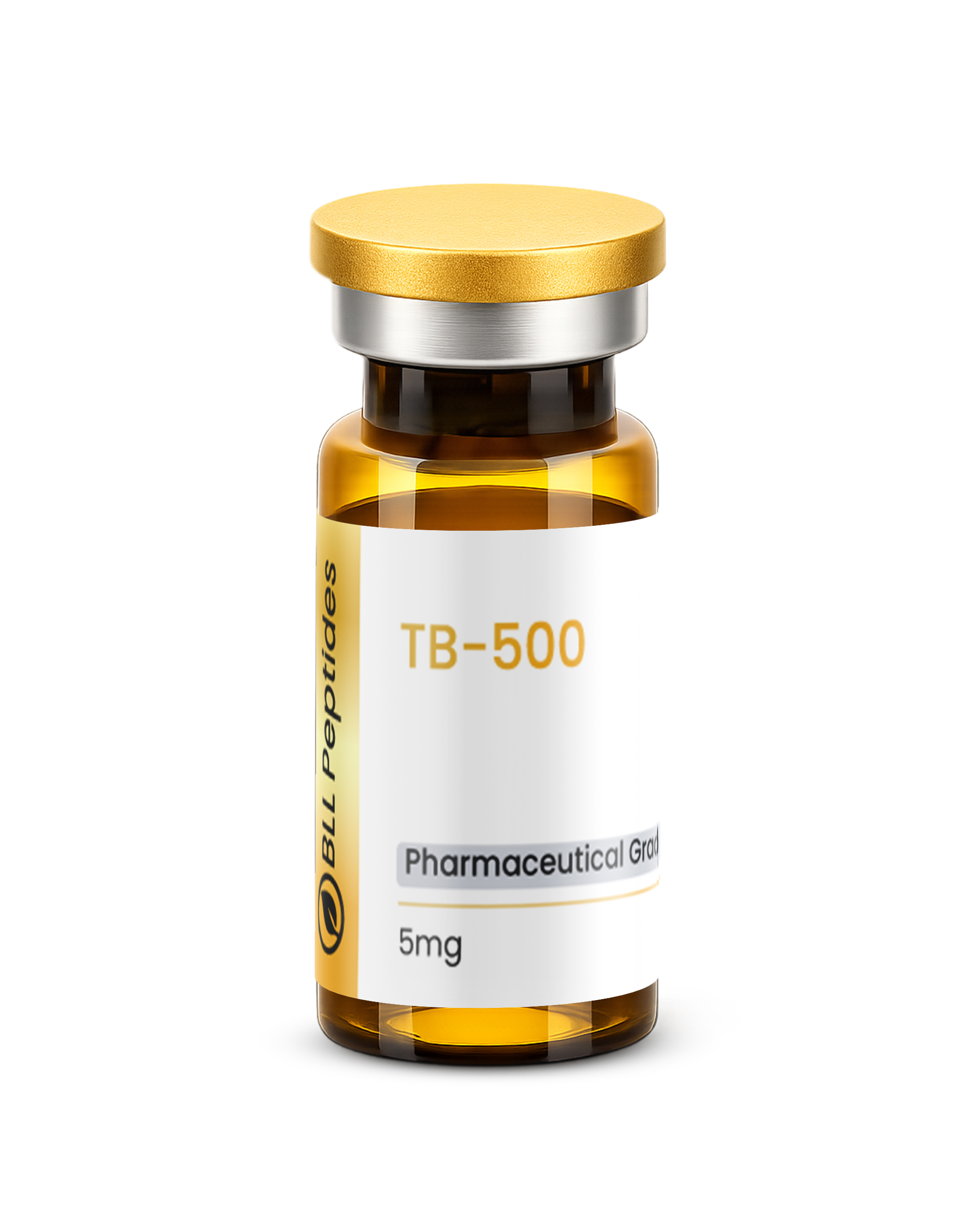
Description
TB-500: Complete Research Guide – Thymosin Beta-4, Healing Mechanisms, and Applications
Last updated: January 2025
Executive Summary
TB-500 is a synthetic peptide fragment derived from Thymosin Beta-4 (TB4), a naturally occurring 43-amino acid protein found in virtually all human and animal cells. First isolated from the thymus gland in the 1960s by Dr. Allan Goldstein and colleagues at the Albert Einstein College of Medicine, Thymosin Beta-4 has since emerged as one of the most extensively studied regenerative peptides in modern biomedical research.
The synthetic TB-500 fragment contains the active region of Thymosin Beta-4 responsible for its remarkable tissue repair properties. Through its primary mechanism of G-actin sequestration and cell migration promotion, TB-500 has demonstrated significant potential in preclinical and clinical research for cardiac repair, wound healing, musculoskeletal recovery, and various regenerative applications.
This comprehensive guide examines the molecular structure, mechanisms of action, scientific research, regulatory status, and practical considerations surrounding TB-500, providing researchers and interested individuals with an evidence-based resource for understanding this fascinating peptide.
Table of Contents
- Introduction to Thymosin and TB-500
- Molecular Structure and Active Sequences
- Interactive Molecular Structure
- Detailed Mechanism of Action
- Scientific Research Review
- Benefits by Category
- Regulatory Status
- Community Experience and Anecdotal Reports
- Side Effects and Safety Profile
- Contraindications and Precautions
- Comparison with BPC-157
- Conclusion
- References
- Disclaimer
Introduction to Thymosin and TB-500
The Discovery of Thymosin
The story of Thymosin Beta-4 begins in the 1960s with pioneering immunology research at the Albert Einstein College of Medicine. Dr. Allan Goldstein and his colleagues were investigating the thymus gland's role in immune system development when they identified a family of small proteins they named "thymosins" [1].
The thymus gland, a specialized primary lymphoid organ located in the upper chest, was known to be crucial for T-cell maturation and immune function. However, the specific biochemical factors responsible for these effects remained elusive until Goldstein's team began systematically isolating and characterizing thymic proteins. Their work led to the identification of multiple thymosin fractions, with Thymosin Beta-4 eventually emerging as one of the most abundant and biologically significant [2].
Initial research focused on Thymosin Beta-4's immunomodulatory properties, but it soon became apparent that this peptide had far broader biological activities. Unlike many proteins that are tissue-specific, Thymosin Beta-4 was found to be present in virtually all cell types except red blood cells. This ubiquitous distribution hinted at fundamental cellular functions that extended well beyond immune regulation [3].
From Thymosin Beta-4 to TB-500
Thymosin Beta-4 is the complete, naturally occurring 43-amino acid peptide. TB-500, in contrast, is a synthetic peptide that replicates the specific region of Thymosin Beta-4 believed to be responsible for its regenerative and healing properties. While often used interchangeably in casual discussion, these terms refer to related but distinct molecules.
The development of TB-500 as a research compound stems from the identification of Thymosin Beta-4's active sequences. Researchers discovered that specific portions of the full peptide were primarily responsible for its biological effects, particularly the actin-binding domain and the cell migration-promoting sequences. TB-500 was designed to capture these essential functional elements in a more stable, easily produced synthetic format [4].
This synthetic approach offers several practical advantages for research applications. TB-500 can be manufactured with high purity and consistency, remains stable during storage, and provides concentrated access to the most biologically active portions of the parent molecule. These characteristics have made it a valuable tool for investigating tissue repair mechanisms and potential therapeutic applications.
Historical Context and Research Evolution
The evolution of Thymosin Beta-4 research reflects broader trends in regenerative medicine. Early studies in the 1970s and 1980s focused primarily on immunological applications, exploring the peptide's potential for treating immune deficiencies and supporting cancer therapies. Thymosin Alpha-1, another member of the thymosin family, advanced to clinical use as an immune modulator in various countries [5].
The paradigm shifted dramatically in the 1990s and 2000s when researchers began uncovering Thymosin Beta-4's remarkable wound healing and tissue repair capabilities. Studies demonstrated that the peptide could accelerate healing in diverse tissue types, from skin wounds to cardiac muscle. This expanded understanding transformed Thymosin Beta-4 from an immunological curiosity into a leading candidate for regenerative medicine applications [6].
The 2004 publication in Nature by Bock-Marquette and colleagues marked a watershed moment, demonstrating Thymosin Beta-4's ability to promote cardiac repair following myocardial infarction. This high-profile research catalyzed intense scientific interest and accelerated the development of clinical applications [7].
Molecular Structure and Active Sequences
The 43-Amino Acid Architecture
Thymosin Beta-4's molecular structure consists of a precise sequence of 43 amino acids with the following composition:
Ac-Ser-Asp-Lys-Pro-Asp-Met-Ala-Glu-Ile-Glu-Lys-Phe-Asp-Lys-Ser-Lys-Leu-Lys-Lys-Thr-Glu-Thr-Gln-Glu-Lys-Asn-Pro-Leu-Pro-Ser-Lys-Glu-Thr-Ile-Glu-Gln-Glu-Lys-Gln-Ala-Gly-Glu-Ser
The peptide has a molecular weight of approximately 4,921 Daltons and exists in a largely unstructured, flexible conformation in solution. This intrinsically disordered nature is functionally significant, allowing Thymosin Beta-4 to interact with multiple binding partners and participate in diverse cellular processes [8].
The N-terminus of the peptide is acetylated (Ac-), a post-translational modification that affects stability and biological activity. The molecule carries a net negative charge at physiological pH, which influences its interactions with positively charged regions of actin and other proteins.
The LKKTET Sequence: Key to Cell Migration
Among the most functionally important regions of Thymosin Beta-4 is the amino acid sequence LKKTET (Leucine-Lysine-Lysine-Threonine-Glutamate-Threonine), located at positions 17-22 in the peptide chain. This hexapeptide sequence has been identified as critical for promoting cell migration, one of Thymosin Beta-4's most significant biological activities [9].
Research has demonstrated that synthetic peptides containing the LKKTET sequence alone can promote cell migration in various cell types, suggesting this region functions as an independent signaling motif. The mechanism appears to involve interactions with cell surface receptors and intracellular signaling pathways that regulate cytoskeletal reorganization and cellular motility [10].
The LKKTET sequence is particularly important in the context of wound healing and tissue repair. When tissues are damaged, the body must mobilize cells to the injury site to begin the repair process. Thymosin Beta-4, through its LKKTET domain, facilitates this critical cell migration, helping to accelerate the healing response.
The Actin-Binding Domain
The primary biochemical function of Thymosin Beta-4 involves its interaction with actin, one of the most abundant proteins in eukaryotic cells. The actin-binding domain of Thymosin Beta-4 is located in the central region of the molecule and enables high-affinity binding to monomeric actin (G-actin) [11].
The binding interaction occurs with a 1:1 stoichiometry, meaning each Thymosin Beta-4 molecule binds one G-actin monomer. The dissociation constant (Kd) for this interaction is approximately 0.4 to 2.5 micromolar, indicating moderately tight binding that allows dynamic regulation of actin polymerization [12].
This actin-binding capacity is central to Thymosin Beta-4's cellular functions. By sequestering G-actin monomers, Thymosin Beta-4 maintains a reservoir of unpolymerized actin that can be rapidly mobilized when cells need to restructure their cytoskeleton for migration, division, or shape changes.
Interactive Molecular Structure
The following interactive 3D visualization renders the TB-500 peptide backbone. The structure represents the active fragment region of Thymosin Beta-4 containing the critical LKKTET cell migration sequence.
Legend: The interactive visualization above depicts the active fragment region of TB-500 (Thymosin Beta-4). The highlighted region (red glow) indicates the critical LKKTET cell migration sequence at positions 17-22. Each node represents an amino acid residue color-coded by chemical property. Drag to rotate the structure; scroll to zoom.
Detailed Mechanism of Action
G-Actin Sequestration: The Core Mechanism
The most fundamental mechanism of Thymosin Beta-4/TB-500 involves the sequestration of G-actin monomers. To understand this process, it is essential to appreciate the dynamic nature of the actin cytoskeleton.
Actin exists in two primary forms within cells:
- G-actin (Globular actin): Individual monomeric units that exist free in the cytoplasm
- F-actin (Filamentous actin): Long polymer chains formed by G-actin polymerization
The balance between G-actin and F-actin is constantly shifting based on cellular needs. When cells need to change shape, migrate, or divide, they must rapidly reorganize their actin cytoskeleton. This requires both the breakdown of existing F-actin filaments and the assembly of new ones in different locations [13].
Thymosin Beta-4 functions as a G-actin sequestering protein, binding to monomeric actin and preventing its incorporation into filaments. This might seem counterintuitive for a protein that promotes cell migration, but the sequestering function serves a crucial regulatory role. By maintaining a large pool of monomeric actin in a state primed for polymerization, Thymosin Beta-4 enables cells to rapidly restructure their cytoskeleton when signaled to do so [14].
The sequestered G-actin-Thymosin Beta-4 complex acts as a reservoir. When cellular signals trigger local actin polymerization, the Thymosin Beta-4 releases its bound actin, making it available for immediate incorporation into growing filaments. This mechanism allows for the rapid, localized assembly of actin structures needed for cell migration and other dynamic processes.
Cell Migration Pathways
The promotion of cell migration is one of Thymosin Beta-4's most therapeutically relevant activities. This effect involves multiple interacting mechanisms beyond simple actin regulation.
Rac1 and Cdc42 Activation: Research has shown that Thymosin Beta-4 can activate Rac1 and Cdc42, members of the Rho family of small GTPases that serve as master regulators of cell migration. These proteins control the formation of lamellipodia and filopodia, the cellular protrusions that drive directional movement [15].
Integrin Signaling: Thymosin Beta-4 has been shown to modulate integrin function, affecting how cells interact with the extracellular matrix. This is crucial for migration, as cells must continuously attach and detach from surrounding structures as they move [16].
PINCH-ILK-Parvin Complex: The LKKTET sequence of Thymosin Beta-4 interacts with components of the PINCH-ILK-Parvin complex, a signaling hub that connects integrins to the actin cytoskeleton. This interaction promotes the formation of focal adhesions and coordinates the mechanical aspects of cell migration [17].
Angiogenesis Mechanisms
Angiogenesis, the formation of new blood vessels from pre-existing vasculature, represents another critical mechanism through which Thymosin Beta-4 promotes tissue repair. Injured tissues require robust blood supply for healing, and the ability to stimulate new vessel formation is therapeutically valuable.
Thymosin Beta-4 promotes angiogenesis through several interconnected pathways:
Endothelial Cell Migration and Proliferation: Thymosin Beta-4 directly stimulates endothelial cells, the cells that line blood vessels, promoting their migration and proliferation. This is essential for the sprouting and extension of new vascular structures [18].
VEGF Pathway Interactions: While Thymosin Beta-4 is not itself a vascular endothelial growth factor (VEGF), research suggests it may interact with VEGF signaling pathways to enhance angiogenic responses. Some studies indicate that Thymosin Beta-4 can upregulate VEGF expression in certain cell types [19].
Hypoxia-Inducible Factor (HIF) Modulation: Under hypoxic conditions, Thymosin Beta-4 appears to influence HIF pathways, which are central regulators of angiogenesis in response to low oxygen levels. This mechanism may be particularly relevant in ischemic injury repair [20].
Anti-Inflammatory Actions
The anti-inflammatory properties of Thymosin Beta-4 contribute significantly to its tissue repair capabilities. Excessive inflammation can impede healing and lead to scarring, making inflammation modulation a valuable therapeutic target.
Cytokine Regulation: Research has demonstrated that Thymosin Beta-4 can reduce the production of pro-inflammatory cytokines including TNF-alpha, IL-1beta, and IL-6 in various experimental models. This dampening of inflammatory signaling creates a more favorable environment for tissue repair [21].
NF-kappaB Pathway: Thymosin Beta-4 appears to modulate the NF-kappaB signaling pathway, a central coordinator of inflammatory responses. Studies suggest the peptide may reduce NF-kappaB activation, thereby limiting the transcription of inflammatory genes [22].
Anti-Fibrotic Effects: Beyond acute inflammation, Thymosin Beta-4 has shown anti-fibrotic properties, potentially reducing the formation of scar tissue during healing. This involves modulation of TGF-beta signaling and collagen deposition patterns [23].
Scientific Research Review
Landmark Cardiac Research: Bock-Marquette et al., Nature 2004
The publication "Thymosin beta4 activates integrin-linked kinase and promotes cardiac cell migration, survival and cardiac repair" in Nature represents one of the most influential studies in Thymosin Beta-4 research [7]. This groundbreaking work by Bock-Marquette and colleagues at the University of Texas Southwestern Medical Center demonstrated that Thymosin Beta-4 could promote survival of cardiac muscle cells following injury.
Key findings from this research included:
Cardiomyocyte Survival: Thymosin Beta-4 treatment significantly enhanced the survival of cardiomyocytes (heart muscle cells) following ischemic injury. This protective effect was mediated through activation of the Akt survival pathway via integrin-linked kinase (ILK).
Reduction in Infarct Size: In mouse models of myocardial infarction, systemic administration of Thymosin Beta-4 reduced infarct size and improved cardiac function compared to untreated controls.
Cell Migration Promotion: The peptide enhanced the migration of cardiac cells and endothelial cells, suggesting mechanisms for improved tissue repair and vascularization of damaged areas.
This research opened new avenues for investigating Thymosin Beta-4 as a potential therapeutic for heart disease, one of the leading causes of death worldwide. The findings stimulated significant follow-up research and contributed to the advancement of Thymosin Beta-4-based therapies into clinical trials.
Epicardial Progenitor Research: Smart et al., Nature 2007
Building on the cardiac repair findings, Smart and colleagues published another landmark Nature paper in 2007 titled "Thymosin beta4 induces adult epicardial progenitor mobilization and neovascularization" [24]. This research revealed that Thymosin Beta-4 could activate a previously unrecognized population of cardiac stem cells.
The study demonstrated that:
Epicardial Progenitor Activation: Thymosin Beta-4 treatment awakened quiescent epicardial progenitor cells, a type of adult cardiac stem cell located in the outer layer of the heart. These cells could be induced to migrate and differentiate.
De Novo Cardiomyocyte Formation: The activated epicardial progenitors showed capacity to differentiate into multiple cardiac cell types, including cardiomyocytes. This suggested potential for actual regeneration of heart muscle, not just protection of existing cells.
Neovascularization: The progenitor cells also contributed to the formation of new blood vessels in the heart, supporting improved perfusion of injured tissue.
These findings were particularly significant because they suggested that the adult mammalian heart might have greater regenerative capacity than previously believed, if properly stimulated. This research contributed to a broader reconsideration of cardiac regeneration potential.
Wound Healing Studies: Malinda et al.
The research by Malinda, Sidhu, and colleagues provided foundational evidence for Thymosin Beta-4's wound healing capabilities [25]. Their systematic investigations demonstrated multiple mechanisms by which the peptide accelerates tissue repair.
Key findings included:
Keratinocyte Migration: Thymosin Beta-4 significantly enhanced the migration of keratinocytes, the primary cell type in the epidermis. This is crucial for wound closure, as keratinocytes must migrate across wound beds during re-epithelialization.
Endothelial Cell Effects: The peptide promoted migration and tube formation in endothelial cells, supporting angiogenesis in healing wounds.
Collagen Deposition: Thymosin Beta-4 influenced collagen synthesis and organization, promoting more organized matrix deposition associated with improved wound strength and reduced scarring.
In Vivo Validation: Animal wound models confirmed that topical or systemic Thymosin Beta-4 administration accelerated wound closure rates and improved healing quality.
Goldstein et al. Comprehensive Review
Dr. Allan Goldstein, the original discoverer of the thymosin family, along with colleagues Hannappel and Kleinman, published an influential review titled "Thymosin beta4: actin-sequestering protein moonlights to repair injured tissues" in Trends in Molecular Medicine [3]. This comprehensive analysis synthesized decades of research and articulated the expanding understanding of Thymosin Beta-4's biological roles.
The review highlighted:
Multifunctional Nature: The concept that Thymosin Beta-4, beyond its primary actin-sequestering function, "moonlights" in multiple additional roles including wound healing, anti-inflammation, and cytoprotection.
Therapeutic Potential: A systematic assessment of potential clinical applications, from corneal healing to cardiac repair.
Mechanistic Understanding: Integration of molecular mechanisms underlying the peptide's diverse effects.
RegeneRx Clinical Trials
RegeneRx Biopharmaceuticals has been the primary company advancing Thymosin Beta-4 toward clinical applications. Their drug candidate RGN-259 (a formulation of Thymosin Beta-4) has undergone multiple clinical trials [26].
Dry Eye Syndrome: Phase 2 and Phase 3 clinical trials investigated RGN-259 for dry eye syndrome, showing promising results for reducing ocular discomfort and improving tear film stability.
Corneal Wound Healing: Trials examined topical Thymosin Beta-4 for various corneal injuries, demonstrating accelerated healing in multiple study populations.
Epidermolysis Bullosa: Studies investigated the peptide for this genetic blistering skin condition, with results suggesting potential benefits for wound healing in affected patients.
Cardiac Applications: Investigations of systemic Thymosin Beta-4 administration following acute myocardial infarction have been conducted, though results have been mixed.
These clinical programs represent the most advanced efforts to translate Thymosin Beta-4 research into approved therapeutics, though regulatory approval remains pending as of the most recent available data.
Benefits by Category
Muscle Injury Recovery
Thymosin Beta-4/TB-500's effects on muscle tissue recovery have been extensively studied in preclinical models and frequently discussed in athletic and bodybuilding communities.
Preclinical Evidence: Animal studies have demonstrated that Thymosin Beta-4 treatment can accelerate recovery from muscle injuries. Research in mouse models of muscle damage showed improved regeneration markers, faster functional recovery, and reduced inflammation in treated animals compared to controls [27].
Satellite Cell Activation: Thymosin Beta-4 appears to promote the activation and migration of satellite cells, the resident stem cells in muscle tissue responsible for repair and regeneration. This mechanism may underlie accelerated muscle healing [28].
Reduced Fibrosis: The anti-fibrotic properties of Thymosin Beta-4 may help prevent excessive scar tissue formation in healing muscle, potentially preserving better function after injury.
Reported Applications: In community discussions, TB-500 is frequently mentioned for recovery from muscle strains, tears, and chronic muscular conditions. Users often report faster return to activity following muscle injuries.
Tendon and Ligament Repair
Tendon and ligament injuries are notoriously slow to heal due to the limited blood supply and low cellular activity in these tissues. Thymosin Beta-4's ability to promote cell migration and angiogenesis makes it of particular interest for these challenging injuries.
Preclinical Studies: Research in animal models of tendon injury has shown promising results. Studies examining Achilles tendon injuries in rats demonstrated that Thymosin Beta-4 treatment improved tendon strength, collagen organization, and overall healing quality [29].
Tenocyte Migration: Thymosin Beta-4 promotes the migration of tenocytes (tendon cells) to injury sites, a critical step in tendon repair that is often rate-limiting in natural healing.
Collagen Synthesis: The peptide influences collagen expression patterns in healing tendons, potentially promoting better structural organization and mechanical properties.
Commonly Discussed Conditions: In community forums, TB-500 is frequently discussed in relation to tendinopathies (tennis elbow, Achilles tendinopathy, patellar tendinopathy) and ligament injuries.
Cardiac Tissue Repair
The cardiac applications of Thymosin Beta-4 represent some of the most compelling and clinically relevant research areas.
Post-Infarction Recovery: As demonstrated in the landmark Nature studies, Thymosin Beta-4 can improve outcomes following myocardial infarction through multiple mechanisms including cardiomyocyte protection, progenitor cell activation, and improved angiogenesis [7, 24].
Cardiac Remodeling: Research suggests Thymosin Beta-4 may favorably influence cardiac remodeling following injury, potentially preventing pathological changes that lead to heart failure.
Clinical Translation: While clinical trials for cardiac applications have shown mixed results, the strong preclinical evidence continues to support investigation of Thymosin Beta-4-based therapies for heart disease.
Hair Regrowth
An intriguing application of Thymosin Beta-4 involves potential hair growth promotion, supported by research showing effects on hair follicle cells.
Hair Follicle Stem Cells: Research has demonstrated that Thymosin Beta-4 is expressed in hair follicles and appears to play a role in hair follicle stem cell activation. The peptide can promote migration of cells involved in hair follicle cycling [30].
Preclinical Evidence: Studies in mice showed that Thymosin Beta-4 expression was associated with hair growth, and exogenous administration could promote hair follicle regeneration in certain wound models.
Community Reports: Anecdotal reports in online forums occasionally mention hair regrowth as a side benefit of TB-500 use, though this remains a secondary area of interest compared to musculoskeletal applications.
Wound Healing
The wound healing applications of Thymosin Beta-4 are among the most well-established, with research spanning from basic science to clinical trials.
Acute Wound Healing: Studies consistently show accelerated healing of acute wounds with Thymosin Beta-4 treatment, including faster closure rates and improved tissue quality [25].
Chronic Wounds: Research has explored applications in chronic, non-healing wounds such as diabetic ulcers, with some evidence suggesting benefit in these challenging conditions.
Reduced Scarring: The anti-fibrotic properties of Thymosin Beta-4 may result in improved aesthetic and functional outcomes in healing wounds.
Corneal Healing: Some of the most advanced clinical applications involve corneal wound healing, where topical Thymosin Beta-4 has shown significant promise in clinical trials [26].
Regulatory Status
FDA Classification
Thymosin Beta-4 and TB-500 are not currently approved by the U.S. Food and Drug Administration (FDA) for any therapeutic indication. The peptides are classified as research compounds and are legally sold only for research purposes, not for human consumption [31].
Investigational New Drug (IND) Status: RegeneRx Biopharmaceuticals has obtained IND approval from the FDA to conduct clinical trials investigating Thymosin Beta-4 for specific indications including dry eye syndrome and corneal wounds. These trials represent the regulatory pathway toward potential future approval.
Drug Development Pipeline: As of the most recent available information, no Thymosin Beta-4-based drug has completed Phase 3 trials and obtained FDA approval. The regulatory pathway remains ongoing.
Compounding Pharmacies: There has been regulatory attention to compounding pharmacies that have produced Thymosin Beta-4 products. In 2021, the FDA issued warning letters to certain compounding pharmacies regarding Thymosin Beta-4 products, citing regulatory concerns [32].
WADA Prohibition
The World Anti-Doping Agency (WADA) has prohibited Thymosin Beta-4 (and by extension TB-500) in competitive sports. The peptide appears on the Prohibited List under Section S2.5 "Peptide Hormones, Growth Factors, Related Substances, and Mimetics" [33].
Classification: Thymosin Beta-4 is specifically named as a prohibited growth factor and related substance.
Testing: Anti-doping laboratories have developed methods to detect Thymosin Beta-4 use, and athletes found to have used the substance face sanctions.
Notable Cases: Several professional athletes have received suspensions for Thymosin Beta-4 use, including cases in Australian football and horse racing.
Rationale: WADA prohibits Thymosin Beta-4 based on its potential performance-enhancing effects, particularly accelerated recovery from injury that could provide competitive advantage.
International Regulatory Landscape
Regulatory status varies by country:
European Union: Similar to the US, Thymosin Beta-4 is not approved for therapeutic use in the EU. Research use is permitted under appropriate frameworks.
Australia: The Therapeutic Goods Administration (TGA) classifies Thymosin Beta-4 as a prohibited substance for human therapeutic use. Several high-profile cases involving professional athletes have brought regulatory attention to the substance.
Other Jurisdictions: Regulations vary, and individuals should verify the legal status in their specific location before purchasing or using these peptides.
Community Experience and Anecdotal Reports
Commonly Reported Injury Recovery Experiences
Anecdotal reports frequently describe experiences with specific injury types:
Tendinopathies: Users commonly report improvement in chronic tendon issues including Achilles tendinopathy, tennis elbow (lateral epicondylitis), golfer's elbow (medial epicondylitis), and patellar tendinopathy. Reports often describe gradual improvement over several weeks of use.
Muscle Injuries: Reports of accelerated recovery from muscle strains and tears are common, with some users describing faster return to training following acute injuries.
Ligament Issues: Users discuss TB-500 for ligament sprains and chronic ligament laxity, though reports are generally less dramatic than for tendon issues.
Post-Surgical Recovery: Some discussions involve TB-500 use following orthopedic surgery, with users reporting subjectively improved healing.
Important Caveat: These are uncontrolled, self-reported experiences that may be subject to placebo effects, recall bias, and concurrent interventions. They should not be considered evidence of efficacy.
TB-500 and BPC-157 Stacking Discussions
The combination of TB-500 with BPC-157 is one of the most frequently discussed stacking protocols in peptide communities.
Theoretical Rationale: Users hypothesize that TB-500 and BPC-157 work through different but complementary mechanisms, potentially providing broader healing support when combined. TB-500's systemic effects and actin-regulation are thought to complement BPC-157's growth factor modulation and local healing effects.
Reported Experiences: Many community members report using both peptides simultaneously for injury recovery, often with positive subjective assessments. Some users describe preferring one peptide over the other for specific injury types.
Dosing Variations: Community protocols for stacking vary considerably, with no consensus on optimal combined dosing.
Side Effects and Safety Profile
Commonly Reported Side Effects
Based on limited clinical data and extensive community reports, the side effect profile of TB-500 appears relatively mild, though comprehensive safety data from large clinical trials is lacking.
Injection Site Reactions:
- Mild redness or irritation at injection site
- Minor pain or discomfort
- Occasional small bruising
- These typically resolve within days
Systemic Effects:
- Mild fatigue or lethargy (commonly reported, usually transient)
- Headache (occasionally reported)
- Mild nausea (rarely reported)
- Temporary head rush following injection (occasionally reported)
Less Common Reports:
- Mild flu-like symptoms during initial use
- Temporary changes in sleep patterns
- Mild lightheadedness
Safety Considerations
Limited Long-Term Data: One significant limitation is the absence of long-term safety data from controlled human studies. Most safety information comes from short-term clinical trials and anecdotal community experience.
Theoretical Concerns: As a peptide that promotes cell migration and potentially affects growth factor pathways, theoretical concerns exist regarding effects on tumor growth or other conditions involving abnormal cell proliferation. However, research has not established clear evidence of such effects.
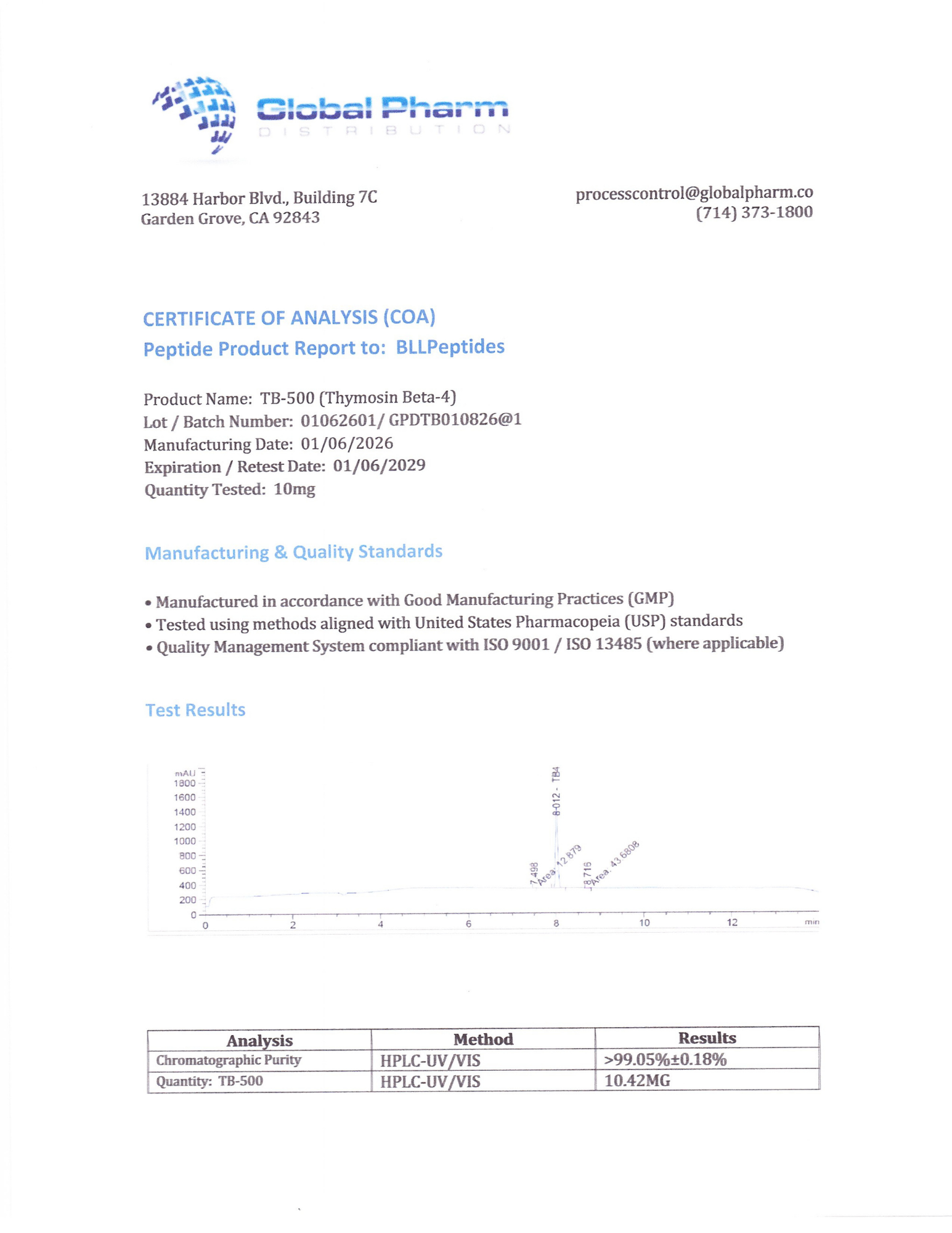
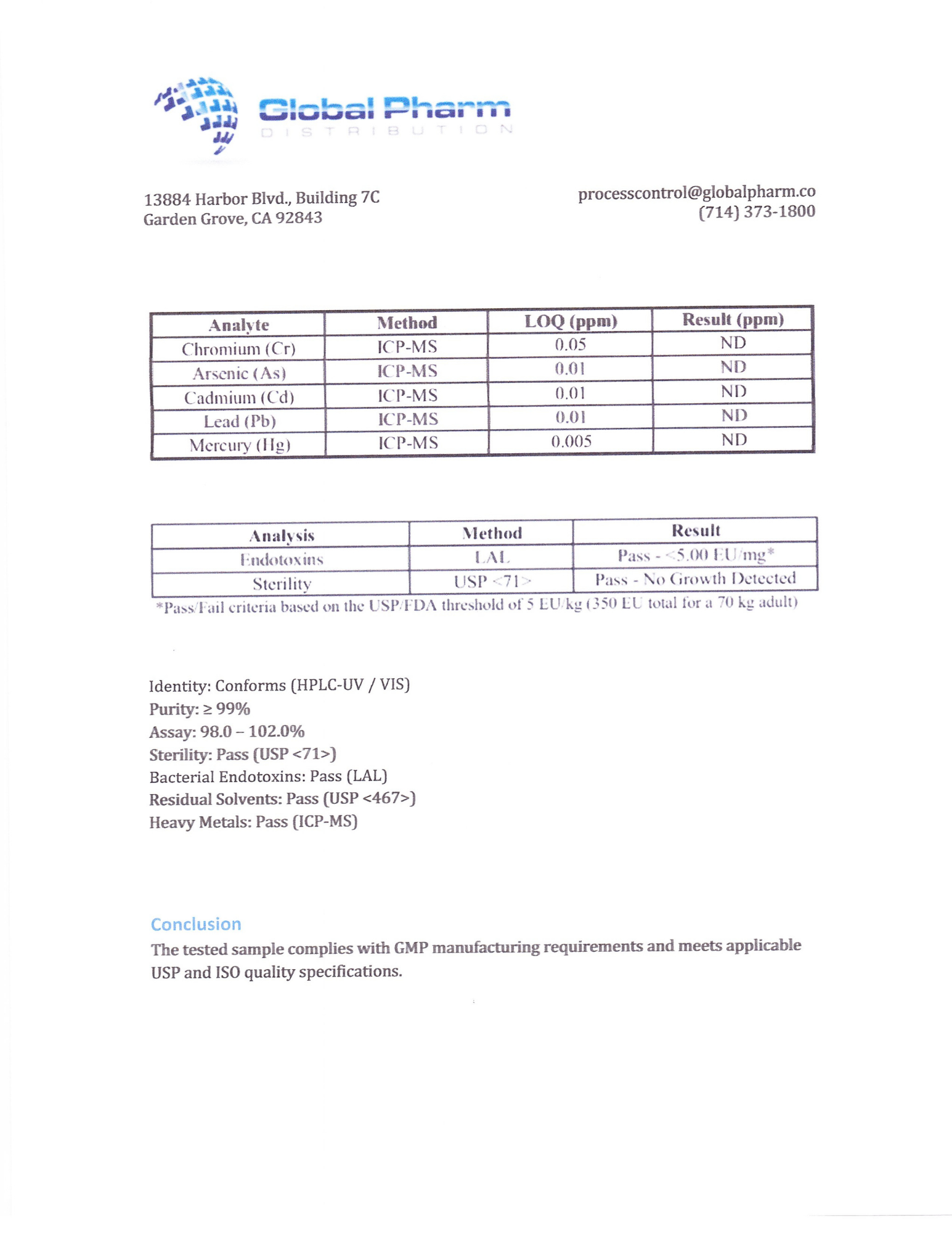
Quality Variability: As an unregulated research compound, TB-500 quality varies between sources. Impurities or degradation products could potentially cause adverse effects not attributable to pure TB-500.
Contraindications and Precautions
Cancer and Cancer History
The most commonly cited contraindication for TB-500 involves cancer and cancer history.
Theoretical Concern: TB-500's mechanisms involving cell migration, angiogenesis, and growth factor interactions could theoretically influence tumor growth or metastasis. While research has not established that Thymosin Beta-4 causes or promotes cancer, caution is warranted.
Recommendation: Individuals with active cancer, a history of cancer, or elevated cancer risk factors are generally advised to avoid TB-500 until more safety data is available.
Pregnancy and Breastfeeding
TB-500 use during pregnancy or breastfeeding is contraindicated due to:
- Lack of safety data in pregnant or nursing individuals
- Potential effects on fetal development
- Unknown transfer into breast milk
- Potential effects on fetal or infant tissue development
Cardiovascular Conditions
While Thymosin Beta-4 research suggests potential cardiac benefits, individuals with cardiovascular conditions should exercise caution:
- Complex interactions with existing cardiac medications possible
- Effects on cardiac tissue in the context of existing disease uncertain
- Medical supervision recommended for any peptide use in this population
Autoimmune Conditions
The immunomodulatory properties of Thymosin Beta-4 suggest caution in autoimmune conditions:
- Effects on autoimmune activity unpredictable
- Potential for disease flare or suppression
- Medical consultation essential before use
Age Considerations
Children and adolescents should not use TB-500 due to:
- No safety data in pediatric populations
- Potential effects on growth and development
- Regulatory restrictions on research compound use in minors
Comparison with BPC-157
Mechanism Differences
While both TB-500 and BPC-157 are studied for tissue repair properties, they work through distinctly different mechanisms:
TB-500 Primary Mechanisms:
- G-actin sequestration and cytoskeletal regulation
- LKKTET-mediated cell migration promotion
- Angiogenesis through endothelial cell effects
- Cardiac progenitor cell activation
BPC-157 Primary Mechanisms:
- Nitric oxide system modulation
- FAK-paxillin pathway interactions
- Growth factor upregulation (VEGF, EGF, FGF)
- Gastrointestinal mucosal protection
Origin and Structure
TB-500:
- Derived from naturally occurring Thymosin Beta-4
- Originally isolated from thymus gland
- 43-amino acid parent compound
- Ubiquitously expressed in nearly all cell types
BPC-157:
- Derived from gastric protein BPC
- Originally isolated from gastric juice
- 15-amino acid synthetic peptide
- Primarily associated with gastrointestinal system
Research Background
TB-500 Research:
- Multi-decade research history
- Multiple independent research groups
- High-profile publications in Nature
- Clinical trials primarily through RegeneRx
BPC-157 Research:
- Primarily from University of Zagreb (Dr. Sikiric's group)
- Extensive preclinical literature
- Limited independent replication
- No completed human clinical trials
Reported Application Preferences
Based on community discussions, some general preferences emerge (these are anecdotal, not evidence-based):
TB-500 May Be Preferred For:
- Systemic or widespread injuries
- Cardiac concerns
- Large muscle injuries
- Situations where systemic effects are desired
BPC-157 May Be Preferred For:
- Localized injuries
- Gastrointestinal issues
- Specific tendon injuries with local administration
- Neuroprotective applications
Combination Rationale
The rationale for combining TB-500 and BPC-157 is based on their different mechanisms:
- Different primary pathways may provide broader coverage
- Systemic (TB-500) and local (BPC-157) effects may complement
- No established negative interactions
- Combined approach common in community protocols
Conclusion
TB-500 represents one of the most extensively researched peptides in the field of regenerative medicine. From its origins in 1960s thymus research to its current status as a leading candidate for tissue repair therapeutics, the Thymosin Beta-4/TB-500 story illustrates the long path from basic science discovery to potential clinical application.
The molecular mechanisms underlying TB-500's effects are well-characterized and biologically plausible. G-actin sequestration, the LKKTET cell migration sequence, angiogenesis promotion, and anti-inflammatory actions combine to create a multifaceted tissue repair compound. The landmark Nature publications on cardiac repair and epicardial progenitor activation represent high-quality research supporting therapeutic potential.
However, significant limitations must be acknowledged. Despite extensive preclinical research, no TB-500-based therapeutic has achieved FDA approval for any indication. Clinical trials have shown mixed results, and the regulatory path forward remains uncertain. The use of TB-500 outside of approved clinical trials represents use of an unapproved research compound with incompletely characterized safety profiles.
For those following this field, the ongoing clinical development efforts by RegeneRx and others warrant attention. The potential for Thymosin Beta-4-based therapeutics to address significant unmet medical needs in wound healing, cardiac repair, and musculoskeletal conditions remains substantial.
Community interest in TB-500 reflects both the compelling scientific rationale and the limitations of current treatment options for many injuries and conditions. Anecdotal reports, while not constituting evidence, provide insight into real-world use patterns and experiences. Those considering TB-500 use should carefully weigh the potential benefits against regulatory status, safety uncertainties, and the importance of product quality.
As research continues, our understanding of TB-500's therapeutic potential will undoubtedly evolve. The fundamental biology supporting its tissue repair capabilities remains robust, and ongoing investigation may yet yield approved therapeutics that harness these remarkable properties.
References
-
Goldstein AL, Guha A, Zatz MM, Hardy MA, White A. Purification and biological activity of thymosin, a hormone of the thymus gland. Proc Natl Acad Sci USA. 1972;69(7):1800-1803.
-
Low TL, Hu SK, Goldstein AL. Complete amino acid sequence of bovine thymosin beta 4: a thymic hormone that induces terminal deoxynucleotidyl transferase activity in thymocyte populations. Proc Natl Acad Sci USA. 1981;78(2):1162-1166.
-
Goldstein AL, Hannappel E, Kleinman HK. Thymosin beta4: actin-sequestering protein moonlights to repair injured tissues. Trends Mol Med. 2005;11(9):421-429.
-
Huff T, Muller CS, Otto AM, Netzker R, Hannappel E. Beta-thymosins, small acidic peptides with multiple functions. Int J Biochem Cell Biol. 2001;33(3):205-220.
-
Goldstein AL, Badamchian M. Thymosins: chemistry and biological properties in health and disease. Expert Opin Biol Ther. 2004;4(4):559-573.
-
Crockford D, Turjman N, Allan C, Angel J. Thymosin beta4: structure, function, and biological properties supporting current and future clinical applications. Ann N Y Acad Sci. 2010;1194:179-189.
-
Bock-Marquette I, Saxena A, White MD, Dimaio JM, Srivastava D. Thymosin beta4 activates integrin-linked kinase and promotes cardiac cell migration, survival and cardiac repair. Nature. 2004;432(7016):466-472.
-
Safer D, Elzinga M, Nachmias VT. Thymosin beta 4 and Fx, an actin-sequestering peptide, are indistinguishable. J Biol Chem. 1991;266(7):4029-4032.
-
Philp D, Huff T, Gho YS, Hannappel E, Kleinman HK. The actin binding site on thymosin beta4 promotes angiogenesis. FASEB J. 2003;17(14):2103-2105.
-
Grant DS, Rose W, Yaen C, Goldstein A, Martinez J, Kleinman H. Thymosin beta4 enhances endothelial cell differentiation and angiogenesis. Angiogenesis. 1999;3(2):125-135.
-
Safer D, Nachmias VT. Beta thymosins as actin binding peptides. Bioessays. 1994;16(8):590.
-
De La Cruz EM, Ostap EM, Brber RA, Mogilner A, Pollard TD. Thymosin-beta4 changes the conformation and dynamics of actin monomers. Biophys J. 2000;78(1):65A.
-
Pollard TD, Borisy GG. Cellular motility driven by assembly and disassembly of actin filaments. Cell. 2003;112(4):453-465.
-
Carlier MF, Hertzog M, Benkemoun L, et al. Structure, function, and evolution of the beta-thymosin/WH2 (WASP-homology2) actin-binding module. Ann N Y Acad Sci. 2007;1116:44-55.
-
Sosne G, Qiu P, Christopherson PL, Wheater MK. Thymosin beta 4 suppression of corneal NFkappaB: a potential anti-inflammatory pathway. Exp Eye Res. 2007;84(4):663-669.
-
Bock-Marquette I, Shrivastava S, Pipes GC, et al. Thymosin beta4 mediated PKC activation is essential to initiate the embryonic coronary developmental program and epicardial progenitor cell activation in adult mice in vivo. J Mol Cell Cardiol. 2009;46(5):728-738.
-
Fan Y, Gong Y, Ghosh PK, Graham LM, Fox PL. Spatial coordination of actin polymerization and ILK-Akt2 activity during endothelial cell migration. Dev Cell. 2009;16(5):661-674.
-
Kleinman HK, Sosne G. Thymosin beta 4 promotes dermal healing. Vitam Horm. 2016;102:251-275.
-
Srivastava D, Saxena A, Dimaio JM, Bock-Marquette I. Thymosin beta4 is cardioprotective after myocardial infarction. Ann N Y Acad Sci. 2007;1112:161-170.
-
Smart N, Dubé KN, Riley PR. Identification of Thymosin β4 as an effector of Hand1-mediated vascular development. Nat Commun. 2010;1:46.
-
Sosne G, Siddiqi A, Kurpakus-Wheater M. Thymosin-beta4 inhibits corneal epithelial cell apoptosis after ethanol exposure in vitro. Invest Ophthalmol Vis Sci. 2004;45(4):1095-1100.
-
Sosne G, Qiu P, Kurpakus-Wheater M. Thymosin beta 4: a novel corneal wound healing and anti-inflammatory agent. Clin Ophthalmol. 2007;1(3):201-207.
-
Morris DC, Chopp M, Zhang L, Lu M, Zhang ZG. Thymosin beta4 improves functional neurological outcome in a rat model of embolic stroke. Neuroscience. 2010;169(2):674-682.
-
Smart N, Risebro CA, Melville AA, et al. Thymosin beta4 induces adult epicardial progenitor mobilization and neovascularization. Nature. 2007;445(7124):177-182.
-
Malinda KM, Sidhu GS, Mani H, et al. Thymosin beta4 accelerates wound healing. J Invest Dermatol. 1999;113(3):364-368.
-
RegeneRx Biopharmaceuticals. Clinical Development Pipeline. Accessed January 2025. https://www.regenerx.com/
-
Tokura Y, Nakayama Y, Fukada S, et al. Muscle injury-induced thymosin β4 acts as a chemoattractant for myoblasts. J Biochem. 2011;149(1):43-48.
-
Dubé KN, Smart N. Thymosin β4 and the vasculature: multiple roles in development, repair and protection against disease. Expert Opin Biol Ther. 2018;18(sup1):131-139.
-
Ehrlich HP, Hazard SW. Thymosin beta4 enhances repair by organizing connective tissue and preventing the appearance of myofibroblasts. Ann N Y Acad Sci. 2010;1194:118-124.
-
Philp D, Nguyen M, Scheremeta B, et al. Thymosin beta4 increases hair growth by activation of hair follicle stem cells. FASEB J. 2004;18(2):385-387.
-
U.S. Food and Drug Administration. Peptide Drug Development Guidance. FDA.gov.
-
U.S. Food and Drug Administration. Warning Letters to Compounding Pharmacies. 2021.
-
World Anti-Doping Agency. The World Anti-Doping Code International Standard: Prohibited List. 2024.
Disclaimer
This article is for informational and educational purposes only.
TB-500 (Thymosin Beta-4) is a research compound that is not approved by the FDA for any human therapeutic use. It is sold and intended for laboratory research purposes only and is not intended for human consumption.
This content does not constitute medical advice, diagnosis, or treatment recommendations. The information presented includes both peer-reviewed scientific research and anecdotal community reports, which are clearly distinguished throughout the text. Anecdotal reports are not evidence of efficacy or safety.
TB-500 is prohibited by the World Anti-Doping Agency (WADA) and is banned in competitive sports.
Individuals considering any peptide research should:
- Consult with qualified healthcare professionals
- Verify legal status in their jurisdiction
- Understand the research status and limitations of available safety data
- Ensure product quality and purity through reputable sources
The authors and publishers of this content assume no liability for the use or misuse of information contained herein. Individual results may vary, and the decision to use any research compound is solely the responsibility of the individual.
Article prepared for educational purposes. Last updated: January 2025