
SS-31 Peptide and Mitochondrial Research: What the Data Shows About Cellular Energy Restoration
·

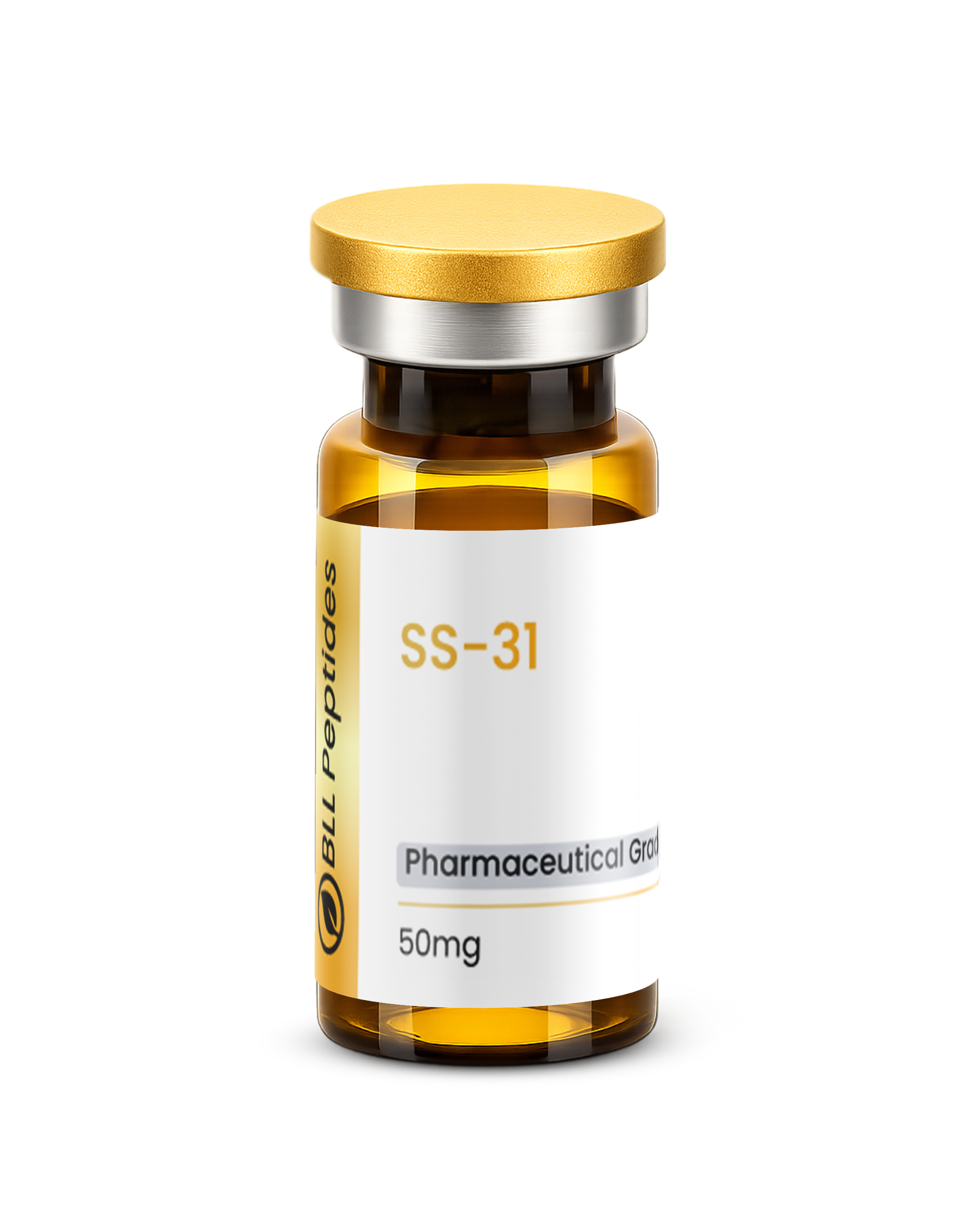
I’ve been thinking about mitochondria differently since I started reviewing the SS-31 peptide research literature. Most of us in medicine learned to think of mitochondria as the cell’s power plant — a simplified metaphor that, honestly, undersells how critical their dysfunction is in nearly every major disease state. What SS-31 does, at least in preclinical models, is something I hadn’t encountered with other compounds: it appears to directly target the inner mitochondrial membrane and stabilize a lipid called cardiolipin that’s essential for energy production.
That specificity is what caught my attention. In neurosurgery, we deal constantly with ischemia-reperfusion injury — situations where tissues are starved of oxygen and then flooded back with blood, often causing more damage than the original insult. Understanding that SS-31 peptide research is exploring precisely this mechanism made me read every paper I could find.
What Is SS-31 Peptide?
SS-31 (also known as Elamipretide, MTP-131, or Bendavia) is a synthetic tetrapeptide developed by researchers at Weill Cornell Medical College. It belongs to a class called Szeto-Schiller peptides — named after the scientists who designed them. What makes SS-31 structurally unique is its alternating aromatic and basic amino acid residues, which give it the ability to concentrate at the inner mitochondrial membrane at concentrations roughly 1,000-fold higher than elsewhere in the cell.
As a neurosurgeon with a particular interest in how cellular stress manifests in neurological disease, I find the targeting specificity of SS-31 peptide research genuinely compelling. Most antioxidants scatter throughout the body; SS-31 appears to go directly where mitochondrial dysfunction begins.
How SS-31 Peptide Works: The Cardiolipin Connection
Cardiolipin is a phospholipid found almost exclusively in the inner mitochondrial membrane. It plays a structural role in maintaining the shape of cristae — the folds where the electron transport chain operates — and it’s essential for the proper function of Complex I, Complex III, and ATP synthase. When cardiolipin is oxidized (a common consequence of oxidative stress, aging, and disease), the entire electron transport chain becomes less efficient.
Research suggests SS-31 binds selectively to cardiolipin, protecting it from oxidative damage and helping to stabilize membrane architecture. The result, in animal models, is improved electron transport chain efficiency, reduced reactive oxygen species (ROS) production, and preserved ATP synthesis under conditions of cellular stress.
This is not a generic antioxidant effect — SS-31 appears to work upstream, at the structural level of mitochondrial function.
What SS-31 Research Shows
The preclinical and early clinical data on SS-31 is broader than most peptide researchers realize. Here’s what the published literature has examined:
Cardiac Ischemia-Reperfusion
A landmark 2014 study published in the Journal of Cardiovascular Pharmacology demonstrated that SS-31 significantly reduced infarct size in a rat model of cardiac ischemia-reperfusion injury. Animals treated with SS-31 showed up to a 52% reduction in infarct area compared to controls. The mechanism was attributed to cardiolipin protection and preserved mitochondrial membrane potential during reperfusion.
Aging and Skeletal Muscle
A 2020 study in Nature Aging found that a single injection of SS-31 in aged mice rapidly improved skeletal muscle fiber function — with mitochondrial ATP production increasing within 30 minutes and improved contractile force sustained over hours. The researchers noted that these improvements mirrored what one might expect from months of exercise training, a remarkable observation given the speed of effect.
Neurological Applications
For those of us in neurology and neurosurgery, the research on SS-31 and neural tissue is particularly relevant. Multiple studies have examined SS-31 in models of traumatic brain injury, optic nerve degeneration, and Alzheimer’s-related neurodegeneration. A 2016 study in Biochimica et Biophysica Acta found that SS-31 preserved synaptic mitochondrial function in Alzheimer’s model mice, correlating with improved cognitive performance on behavioral tests.
Mitochondrial dysfunction is now recognized as an early event in many neurodegenerative diseases, and SS-31 research is exploring whether targeting this dysfunction early changes disease trajectory.
You can review the broader mechanistic research directly via PubMed: SS-31 peptide and mitochondrial cardiolipin — PubMed.
Key Research Findings at a Glance
- SS-31 concentrates ~1,000× more in the inner mitochondrial membrane than in the cytoplasm
- Preclinical cardiac studies show 40–52% reduction in ischemia-related cell death
- Single-dose administration in aged mouse models improved mitochondrial ATP output within 30 minutes
- Human Phase II clinical trials (EMBRACE-STEMI, HAART) have examined SS-31 in cardiac settings with published safety profiles
- Research spans cardiac, skeletal muscle, renal, neurological, and ophthalmic tissues
No other peptide I’ve reviewed in the research literature targets the inner mitochondrial membrane with this level of structural specificity.
SS-31 in the Context of Broader Peptide Research
If you’ve been following the broader peptide research space, you’ll recognize that mitochondrial health is a recurring theme. Compounds like NAD+ support mitochondrial function by replenishing cofactors critical for oxidative phosphorylation. Peptides like BPC-157 modulate cellular stress pathways that intersect with mitochondrial signaling. What distinguishes SS-31 is its membrane-level, structural approach — addressing the physical architecture of where cellular energy is actually generated.
For researchers interested in cellular energy restoration mechanisms, BLL Peptides offers research-grade NAD+ (500mg/10ml) for comparative mitochondrial research protocols.
Frequently Asked Questions About SS-31 Peptide Research
What is SS-31 peptide used for in research?
SS-31 is studied primarily for its effects on mitochondrial protection and energy restoration. Research areas include cardiac ischemia-reperfusion injury, age-related muscle dysfunction, neurodegeneration, kidney injury, and optic nerve disease — anywhere mitochondrial dysfunction plays a role in pathology.
How does SS-31 differ from other antioxidant peptides?
Unlike systemic antioxidants, SS-31 concentrates specifically at the inner mitochondrial membrane due to its affinity for cardiolipin. This targeted mechanism allows it to address oxidative damage at the source of mitochondrial dysfunction rather than scavenging ROS broadly throughout the cell.
Has SS-31 been tested in human clinical trials?
Yes. SS-31 (as Elamipretide/Bendavia) has been evaluated in multiple Phase I and Phase II human trials, including EMBRACE-STEMI (acute ST-elevation myocardial infarction) and studies in heart failure with preserved ejection fraction. Results have informed understanding of its safety profile and mechanism in human tissue.
What tissues has SS-31 research focused on?
Preclinical research has examined SS-31 across cardiac muscle, skeletal muscle, kidney tubular cells, retinal ganglion cells, neurons, and hepatocytes — essentially any tissue where mitochondrial density and oxidative stress are high.
Is SS-31 related to other peptides in the research space?
SS-31 is part of the Szeto-Schiller peptide family. While it shares a research focus on cellular stress with compounds like BPC-157 and TB-500, its mitochondria-specific mechanism is distinct. It is not a growth factor peptide, immune modulator, or receptor agonist — its action is fundamentally structural and energetic.
Author
Dr. James Nguyen, MD is a board-certified neurosurgeon and member of the BLL Peptides medical advisory team. His clinical work informs his research interest in neuroprotection, mitochondrial medicine, and the emerging science of peptide therapeutics. He writes regularly about the intersection of neuroscience and peptide research for the BLL Peptides blog.
This content is intended for research purposes only. BLL Peptides products are not intended for human consumption.