

For three decades, the treatment of type 2 diabetes operated on a relatively narrow pharmacological runway. Metformin, sulfonylureas, DPP-4 inhibitors, SGLT-2 inhibitors — each incrementally better, but none delivering the kind of transformational metabolic results that would constitute actual disease reversal in a meaningful number of patients. Tirzepatide changed that conversation. The SURPASS trial data, and now the real-world data emerging from millions of prescriptions, is forcing a reconsideration of what “treatment” means for type 2 diabetes — and the mechanism is worth understanding carefully.
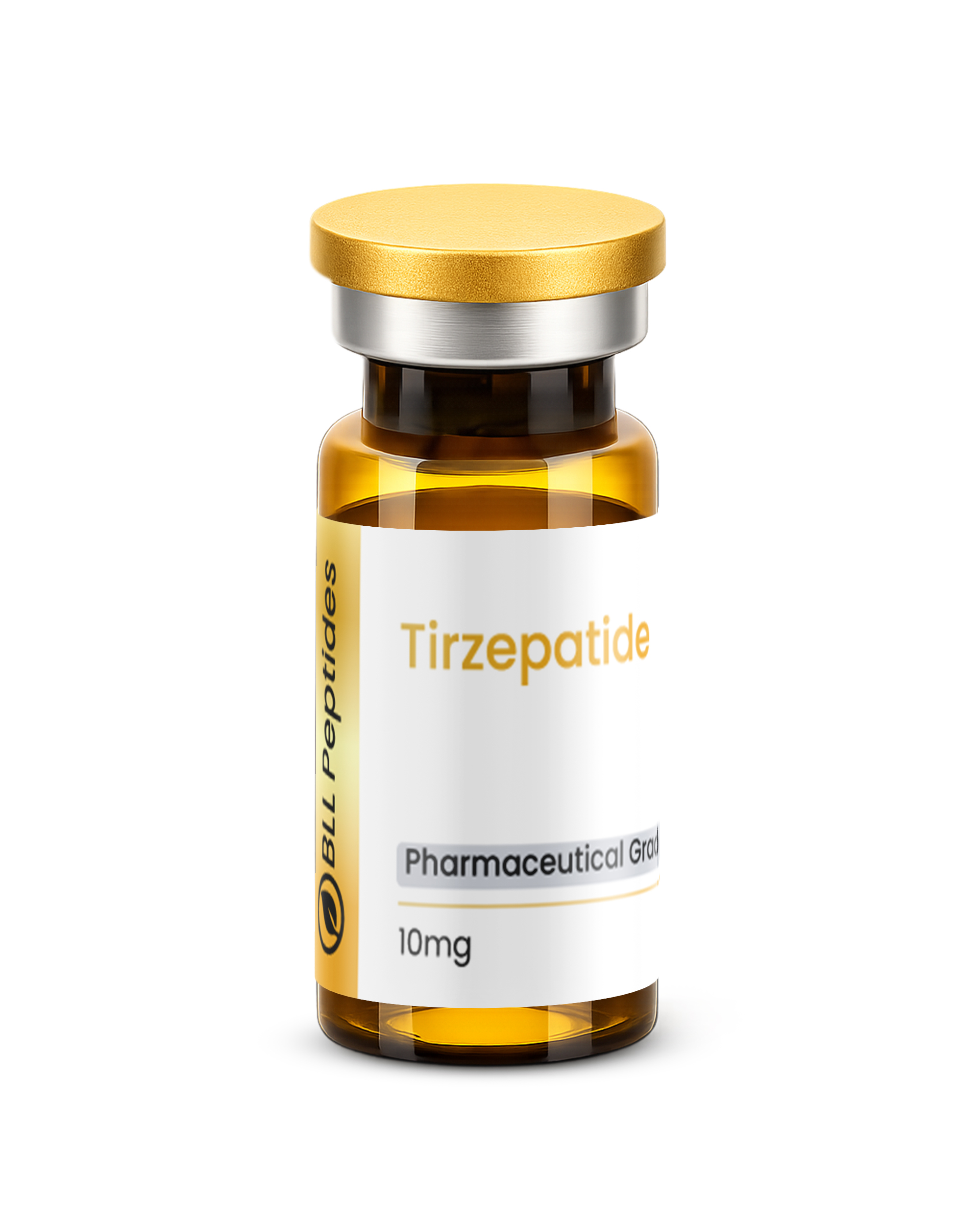
Tirzepatide (Mounjaro, Zepbound) is a dual GIP/GLP-1 receptor agonist developed by Eli Lilly — a single molecule engineered to simultaneously activate both the GIP (glucose-dependent insulinotropic polypeptide) and GLP-1 (glucagon-like peptide-1) receptors. Both are incretin hormones released from the gut in response to food, and both influence insulin secretion — but through distinct receptor pathways and with different patterns of downstream effect. The combination produces results that neither achieves alone.
Tirzepatide and Type 2 Diabetes: Unpacking the Dual Mechanism
GLP-1’s mechanism in type 2 diabetes is well-characterized: it stimulates glucose-dependent insulin secretion, suppresses glucagon, slows gastric emptying, and reduces appetite through central (hypothalamic) signaling. GIP’s role is more complex and was, for a long time, poorly understood. In type 2 diabetes, GIP receptor responsiveness is impaired — meaning patients with T2D largely lose the incretin benefit of GIP. Tirzepatide’s design involves a GIP/GLP-1 chimeric molecule that appears to restore GIP receptor sensitivity while delivering GLP-1 effects simultaneously.
The SURPASS-2 trial, comparing Tirzepatide directly to Semaglutide, found that Tirzepatide at the highest dose reduced HbA1c by 2.46% versus 2.20% for Semaglutide 1 mg — while producing 12.4 kg greater mean weight loss — representing the largest head-to-head advantage of one approved diabetes compound over another in a major RCT.
The weight loss data is particularly striking in a type 2 diabetes context because it approaches what was previously only achievable with bariatric surgery. The SURMOUNT-2 trial in adults with type 2 diabetes showed mean weight reductions of 15.7% with Tirzepatide 15 mg over 72 weeks — a result that would constitute remission-level weight normalization in many subjects (PMID: 37385647).
Key Research Findings: Diabetes Remission and Metabolic Restoration
One of the most clinically significant findings in Tirzepatide research is its documented rate of type 2 diabetes remission — defined as sustained HbA1c below 6.5% without antihyperglycemic medication. In the SURMOUNT trials, a subset of patients with type 2 diabetes and obesity achieved this threshold, representing what may be the closest pharmacological approximation to the metabolic restoration seen after bariatric surgery.
The cardiovascular outcome research is actively ongoing. The SURPASS-CVOT trial is examining Tirzepatide’s effects on major adverse cardiovascular events — a critical piece of data given GLP-1 agonists’ established cardiovascular benefits. Interim data and mechanistic studies suggest Tirzepatide reduces traditional cardiovascular risk markers including blood pressure, LDL cholesterol, and hsCRP (inflammatory marker), though definitive cardiovascular outcome data awaits trial completion.
From my neurosurgical perspective, the metabolic-neurological intersection is an emerging research frontier. Type 2 diabetes is a significant risk factor for cognitive decline, stroke, and peripheral neuropathy — conditions that fall directly within neurosurgical and neurological practice. If Tirzepatide’s metabolic normalization is as profound as current data suggests, its potential implications for neurovascular and cognitive risk factor management will be an important area to watch.
The GIP receptor’s additional role in bone metabolism, immune regulation, and gut microbiome modulation means Tirzepatide’s full biological profile may extend well beyond glucose regulation — making it a compound of broad research interest beyond its metabolic primary indications.
For metabolic researchers, BLL Peptides carries Tirzepatide for research use. Comparative studies with Semaglutide are a natural research pairing to explore the differential effects of single versus dual incretin receptor activation.
Frequently Asked Questions About Tirzepatide and Type 2 Diabetes Research
- What makes Tirzepatide mechanistically different from Semaglutide in diabetes research?
- Tirzepatide activates both GIP and GLP-1 receptors simultaneously, while Semaglutide targets only GLP-1. The addition of GIP activation appears to restore incretin sensitivity lost in type 2 diabetes and produces additive effects on insulin secretion, weight loss, and metabolic normalization.
- What HbA1c reductions has Tirzepatide research demonstrated?
- The SURPASS trials showed HbA1c reductions ranging from 1.87% to 2.58% depending on dose — among the largest reductions documented for any approved pharmacological agent for type 2 diabetes.
- Can Tirzepatide produce type 2 diabetes remission?
- Some trial participants with type 2 diabetes achieved HbA1c below 6.5% without antihyperglycemic medication — meeting the definition of diabetes remission. This was more common in subjects with shorter disease duration and greater weight loss.
- What cardiovascular outcomes data exists for Tirzepatide?
- The SURPASS-CVOT trial is ongoing. Mechanistic data shows reductions in blood pressure, LDL, and inflammatory markers, while the established GLP-1 class cardiovascular benefit (from SELECT and other trials) provides context for the expected outcomes data.
Dr. James Nguyen is a neurosurgeon and research advisor at BLL Peptides. His work focuses on peptide research, neurological recovery, and longevity science. All content is for educational and research purposes only.
This content is intended for research purposes only. BLL Peptides products are not intended for human consumption.