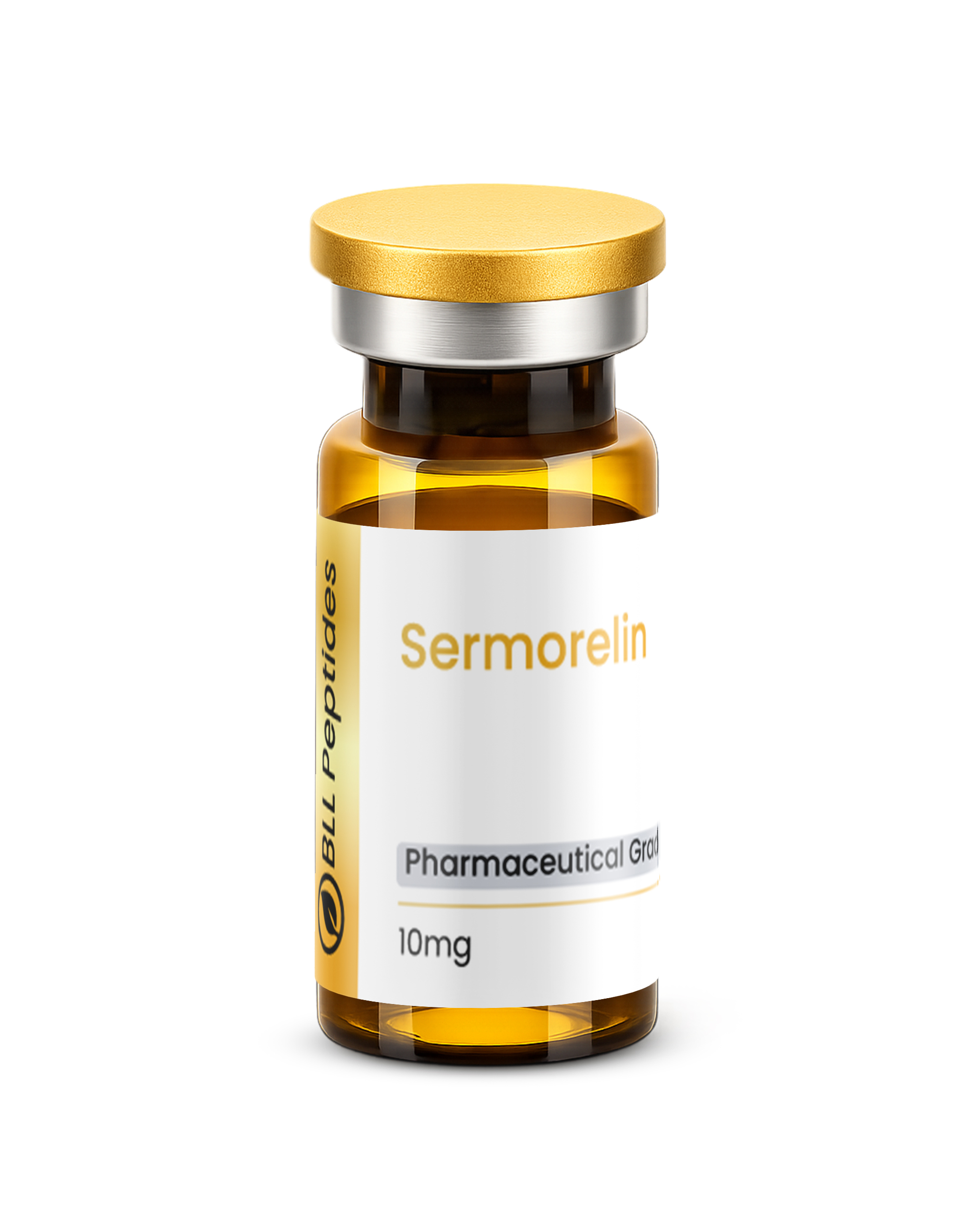
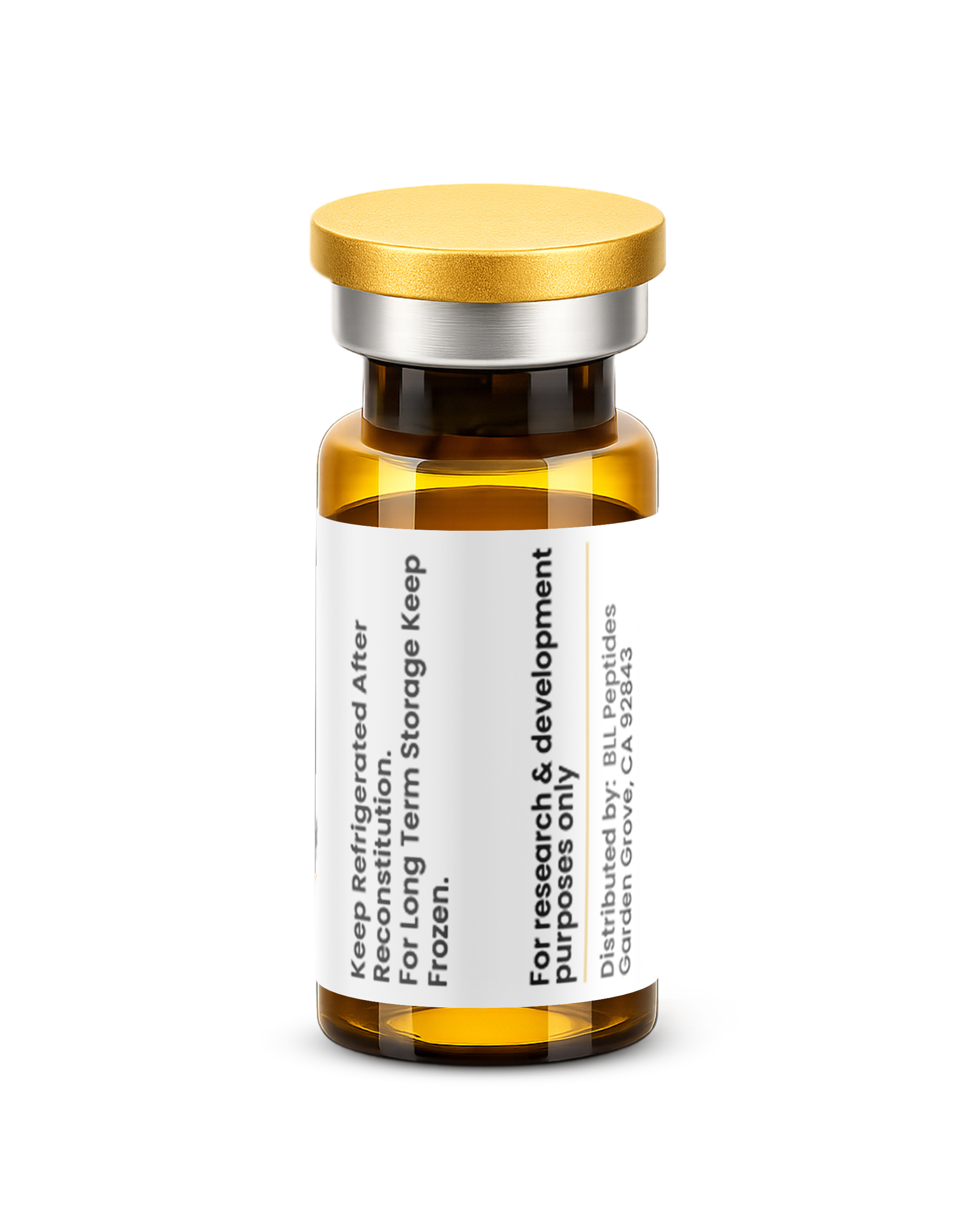
Sermorelin 10mg (3ml)
Sermorelin is a research-grade synthetic GHRH analog studied for stimulating pituitary growth hormone secretion and supporting the GH/IGF-1 axis in anti-aging and metabolic research. Researchers investigating HGH-related biology and body composition rely on pharmaceutical-grade purity for reproducible results. Available at BLL Peptides — USA-made, rigorously tested, 10mg. ✅ COA tested every batch✅ 98%+ purity guaranteed…
Description
Sermorelin: Complete Research Guide – GHRH(1-29) Analog Mechanisms, Growth Hormone Axis Research, and Clinical Applications
Last updated: March 2026
Executive Summary
Sermorelin acetate (GHRH(1-29)NH2) is a synthetic peptide corresponding to the first 29 amino acids of endogenous human growth hormone-releasing hormone (GHRH(1-44)NH2). As the shortest biologically active fragment of native GHRH, sermorelin retains full agonist activity at the GHRH receptor (GHRH-R) on anterior pituitary somatotroph cells, stimulating the synthesis and pulsatile release of endogenous growth hormone (GH). Its molecular formula is C149H246N44O42S, with a molecular weight of 3,357.93 Daltons and CAS registry number 86168-78-7.
Sermorelin holds a foundational place in peptide endocrinology as the first synthetic GHRH analog to receive FDA approval. In 1997, the FDA approved sermorelin under the trade name Geref for the diagnostic evaluation of pituitary GH secretory capacity in children with idiopathic growth hormone deficiency. The peptide was subsequently used off-label for GH stimulation in adults before its voluntary withdrawal from the U.S. market in 2008 due to manufacturing and supply issues rather than safety concerns.
The primary pharmacological limitation of sermorelin is its extremely short plasma half-life of approximately 12 minutes, resulting from rapid enzymatic degradation by dipeptidyl peptidase IV (DPP-IV) and other serum proteases. This metabolic instability was the direct impetus for the development of next-generation GHRH analogs including CJC-1295 (modified GRF(1-29)) and tesamorelin (GHRH(1-44)NH2), both of which incorporate structural modifications to enhance proteolytic resistance and extend duration of action. Sermorelin therefore occupies a critical position in the evolution of GHRH-based therapeutics, serving as both the prototype and benchmark against which all subsequent analogs are measured.
Legend: The interactive 3D visualization above renders the 29-residue alpha-helical backbone of sermorelin (GHRH(1-29)NH2). Each node represents an amino acid residue color-coded by chemical property. Faint dashed lines indicate the i-to-i+4 hydrogen bonds characteristic of alpha-helical structure. The Met27 residue is highlighted with an orange ring and glow, marking the oxidation-prone methionine that was replaced with leucine in the design of CJC-1295 to improve metabolic stability. The C-terminal amide (-NH2) is annotated at Arg29. Drag to rotate the structure; scroll to zoom.
Table of Contents
- Introduction and Historical Significance
- Molecular Structure and Chemistry
- Mechanism of Action
- Pharmacokinetics and Metabolic Stability
- Clinical Research and FDA Approval History
- Growth Hormone Axis Physiology
- Comparison with Next-Generation GHRH Analogs
- Safety Profile and Tolerability
- Research Applications
- Related Peptides
- References
- Disclaimer
Introduction and Historical Significance
Discovery of Growth Hormone-Releasing Hormone
The identification of growth hormone-releasing hormone (GHRH) represents one of the landmark achievements of neuroendocrinology. Although the existence of a hypothalamic factor controlling GH secretion had been postulated since the 1960s, GHRH was not isolated and characterized until 1982, when two independent research groups — Guillemin and colleagues at the Salk Institute and Vale and colleagues at the same institution — extracted the peptide from pancreatic islet cell tumors causing ectopic GHRH secretion and acromegaly. Guillemin's group identified a 40-amino acid form (GHRH(1-40)OH), while Rivier and Vale characterized the 44-amino acid amidated form (GHRH(1-44)NH2) as the predominant endogenous species [1, 2].
Subsequent structure-activity studies rapidly established that the first 29 amino acids of GHRH contained the full biological activity required for GHRH receptor binding and activation. This truncated fragment, GHRH(1-29)NH2, was designated sermorelin and became the focus of pharmaceutical development as a more synthetically tractable analog than the full-length 44-amino acid peptide.
The Development of Sermorelin Acetate
Sermorelin was developed as a synthetic acetate salt formulation of GHRH(1-29)NH2 by Serono Laboratories (later EMD Serono). The peptide was produced using solid-phase peptide synthesis and demonstrated bioequivalence to native GHRH(1-44)NH2 in stimulating GH release from anterior pituitary somatotrophs. Comprehensive preclinical and clinical testing through the late 1980s and early 1990s established the peptide's efficacy as a diagnostic agent for GH deficiency and as a therapeutic GH secretagogue [3].
FDA Approval and Market History
The FDA approved sermorelin acetate for injection (Geref Diagnostic) in 1997 as a diagnostic tool for evaluating pituitary GH secretory capacity in children suspected of having GH deficiency. The diagnostic protocol involved a single intravenous injection of 1 mcg/kg sermorelin followed by serial GH measurements to assess the pituitary's secretory response [4].
Sermorelin was also marketed as Geref (sermorelin acetate for injection) for the treatment of idiopathic GH deficiency in children, administered as a daily subcutaneous injection. Off-label use expanded to include adult GH optimization, anti-aging applications, and body composition improvement.
In 2008, EMD Serono voluntarily withdrew Geref from the U.S. market, citing manufacturing difficulties and commercial considerations rather than any safety or efficacy concerns. The withdrawal left a clinical gap that was partially filled by the FDA approval of tesamorelin (Egrifta) in 2010 for HIV-associated lipodystrophy and by growing research interest in modified GHRH analogs such as CJC-1295 [5].
Molecular Structure and Chemistry
Amino Acid Sequence
Sermorelin consists of 29 amino acids forming the biologically active N-terminal fragment of human GHRH. The complete sequence is:
Tyr-Ala-Asp-Ala-Ile-Phe-Thr-Asn-Ser-Tyr-Arg-Lys-Val-Leu-Gly-Gln-Leu-Ser-Ala-Arg-Lys-Leu-Leu-Gln-Asp-Ile-Met-Ser-Arg-NH2
Or in single-letter amino acid code: Y-A-D-A-I-F-T-N-S-Y-R-K-V-L-G-Q-L-S-A-R-K-L-L-Q-D-I-M-S-R-NH2
This sequence is identical to the first 29 residues of native human GHRH(1-44)NH2, with no amino acid substitutions or non-natural modifications. The C-terminal amidation (-NH2) on Arg29 enhances receptor binding affinity and provides modest protection against carboxypeptidase degradation [6].
Critical Structural Domains
Structure-activity relationship (SAR) studies have identified several key regions within the sermorelin sequence:
- N-terminal signaling domain (residues 1-6): The Tyr1-Ala2-Asp3-Ala4-Ile5-Phe6 hexapeptide is critical for receptor activation. Truncation of even a single N-terminal residue dramatically reduces biological activity. The Ala2 position is the primary site of DPP-IV cleavage, which inactivates the peptide [7].
- Amphipathic helix (residues 7-29): This region adopts an alpha-helical conformation in solution and upon receptor binding, presenting hydrophobic residues along one face and polar/charged residues along the other. This amphipathic character is essential for receptor interaction and membrane association [8].
- Met27 oxidation site: The methionine at position 27 is susceptible to oxidation to methionine sulfoxide under storage or physiological conditions. Oxidation at this position reduces biological activity by approximately 40-60%. This vulnerability was a key target for modification in the development of CJC-1295, where Met27 was replaced with leucine [9].
Physicochemical Properties
| Property | Value |
|---|---|
| Molecular Formula | C149H246N44O42S |
| Molecular Weight | 3,357.93 Da |
| CAS Number | 86168-78-7 |
| Isoelectric Point | approximately 10.0 |
| Appearance | White to off-white lyophilized powder |
| Solubility | Soluble in water, sterile saline, dilute acetic acid |
| Storage | -20 degrees C lyophilized; 2-8 degrees C reconstituted (use within 21 days) |
| Sequence Length | 29 amino acids |
| C-Terminal | Amidated (-NH2) |
| Sulfur-Containing Residues | Met27 (oxidation-prone) |
Mechanism of Action
GHRH Receptor Binding and Signal Transduction
Sermorelin acts as a full agonist at the growth hormone-releasing hormone receptor (GHRH-R), a class B1 G protein-coupled receptor (GPCR) expressed predominantly on anterior pituitary somatotroph cells. The mechanism of action proceeds through a well-characterized signaling cascade:
1. Receptor Binding and G-Protein Coupling: Sermorelin binds to the extracellular domain of the GHRH-R, inducing a conformational change that activates the stimulatory G-protein (Gsalpha). The N-terminal hexapeptide domain inserts into the receptor transmembrane core, while the alpha-helical body of the peptide engages the receptor's extracellular N-terminal domain [10].
2. Adenylyl Cyclase Activation: Activated Gsalpha stimulates adenylyl cyclase, increasing intracellular cyclic adenosine monophosphate (cAMP) concentrations. This is the primary second messenger pathway mediating GHRH action.
3. Protein Kinase A (PKA) Activation: Elevated cAMP activates PKA, which phosphorylates multiple downstream targets including:
- CREB (cAMP response element-binding protein), driving transcription of the GH gene (GH1)
- Voltage-gated calcium channels, increasing calcium influx
- Components of the exocytotic machinery
4. Calcium Mobilization: PKA-mediated phosphorylation of L-type voltage-gated calcium channels, combined with secondary activation of phospholipase C and IP3-mediated calcium release from the endoplasmic reticulum, produces a sustained rise in intracellular calcium [11].
5. GH Secretion and Synthesis: Elevated intracellular calcium triggers exocytosis of pre-formed GH-containing secretory granules (the rapid secretory response) while CREB-mediated transcription increases de novo GH synthesis (the sustained trophic response).
Pulsatile Secretion Preservation
A critical pharmacological distinction of sermorelin and other GHRH receptor agonists is their ability to preserve the natural pulsatile pattern of GH secretion. Unlike exogenous GH administration, which creates non-physiological, sustained GH elevations, sermorelin amplifies the endogenous GH pulse amplitude while maintaining normal interpulse trough levels. This pulsatile pattern is essential because:
- GH receptor sensitivity is maintained through periodic desensitization and resensitization
- IGF-1 production follows a more physiological pattern
- Negative feedback loops through somatostatin remain intact
- Metabolic effects more closely mirror normal physiology [12]
Interaction with Somatostatin and Ghrelin
Sermorelin's effects are modulated by two key endogenous regulatory systems:
Somatostatin: Hypothalamic somatostatin (SRIF) acts as the physiological brake on GH secretion by binding to somatostatin receptors (SSTR1-5) on somatotrophs, inhibiting cAMP production and calcium influx. The GH response to sermorelin is therefore influenced by the prevailing somatostatin tone, which exhibits circadian variation. GH responses to sermorelin are typically greater during nighttime administration when somatostatin tone is naturally lower [13].
Ghrelin/GH Secretagogues: Ghrelin and synthetic GH secretagogues (GHS) such as ipamorelin act through the GHS-R1a receptor, a separate pathway that synergizes with GHRH signaling. Combined administration of sermorelin with GHS produces a synergistic GH response substantially greater than the additive effect of either agent alone. This pharmacological synergy forms the rationale for combination protocols using GHRH analogs with GH secretagogues [14].
Pharmacokinetics and Metabolic Stability
The 12-Minute Half-Life Problem
Sermorelin's most significant pharmacological limitation is its extremely rapid enzymatic degradation in plasma. Following intravenous administration, sermorelin has a plasma half-life of approximately 12 minutes, with subcutaneous administration providing slightly extended exposure due to depot absorption kinetics [15].
The primary enzymatic degradation pathway involves dipeptidyl peptidase IV (DPP-IV, also known as CD26), a ubiquitous serine protease that cleaves the Ala2-Asp3 bond at the N-terminus. This cleavage removes the critical Tyr1-Ala2 dipeptide from the signaling domain, completely abolishing receptor activation. Additional proteolytic degradation occurs through:
- Neutral endopeptidase (NEP/neprilysin) cleavage at multiple internal sites
- Aminopeptidase N removal of Tyr1
- Carboxypeptidase degradation from the C-terminus (partially mitigated by amidation)
Pharmacokinetic Parameters
| Parameter | Intravenous | Subcutaneous |
|---|---|---|
| Half-life | approximately 12 minutes | approximately 15-20 minutes |
| Tmax (GH response) | 15-30 minutes | 30-60 minutes |
| Peak GH elevation | 5-15 fold above baseline | 3-10 fold above baseline |
| Duration of GH elevation | 60-120 minutes | 90-180 minutes |
| Bioavailability | 100% (reference) | Approximately 6-10% |
The Design Impetus for CJC-1295
Sermorelin's rapid degradation was the direct motivation for the development of modified GRF(1-29) analogs. The research program at ConjuChem Biotechnologies systematically introduced four amino acid substitutions into the sermorelin backbone to create CJC-1295 (also known as modified GRF(1-29) or mod-GRF):
- Ala2 to D-Ala2: Eliminates the DPP-IV cleavage site
- Asn8 to Gln8: Prevents asparagine deamidation
- Ala15 to Ala15 (retained) and Met27 to Leu27: Eliminates methionine oxidation
- Combined with Drug Affinity Complex (DAC) technology for albumin binding (in the DAC version)
These modifications extended the half-life from approximately 12 minutes to approximately 30 minutes for modified GRF(1-29) without DAC, and to 6-8 days for the DAC-conjugated version [16].
Clinical Research and FDA Approval History
Diagnostic Studies (Walker et al.)
The clinical development of sermorelin as a diagnostic agent was anchored by a series of pivotal studies conducted by Walker, Frasier, and colleagues. In the landmark multicenter diagnostic trial, 253 children with short stature underwent sermorelin stimulation testing (1 mcg/kg IV bolus) alongside standard GH provocative tests (insulin tolerance test, arginine stimulation, L-DOPA stimulation). The study demonstrated that sermorelin testing had a sensitivity of 90.7% and specificity of 93.5% for identifying true GH deficiency when using a peak GH cutoff of 7.5 ng/mL, performance comparable to established provocative tests but with a substantially superior safety profile [4].
Additional diagnostic validation studies by Vittone et al. in elderly subjects demonstrated that the GH response to sermorelin decreases with age, paralleling the natural decline in endogenous GHRH activity ("somatopause"), but that the response could be partially restored with repeated sermorelin administration, suggesting preservation of somatotroph function with reduced hypothalamic drive [17].
Therapeutic Clinical Trials
Pediatric GH Deficiency: The therapeutic development program included a 12-month, randomized, multicenter trial comparing sermorelin (30 mcg/kg/day SC at bedtime) to placebo in 128 prepubertal children with idiopathic GH deficiency. The sermorelin group demonstrated a mean increase in growth velocity of 3.2 cm/year compared to 0.8 cm/year in the placebo group (P < 0.001). Serum IGF-1 levels increased into the normal range without supraphysiological elevation [3].
Adult GH Optimization: Coutant et al. conducted an open-label study of sermorelin (30 mcg/kg/day SC at bedtime) in adults aged 40-65 years over 16 weeks. Subjects demonstrated significant increases in mean 24-hour GH secretion rates, lean body mass, and skin thickness, with concomitant decreases in body fat percentage. Sleep quality improvements were also reported, consistent with sermorelin's enhancement of the major nocturnal GH secretory pulse [18].
Body Composition Studies: Khorram et al. evaluated the effects of nightly sermorelin administration in healthy elderly men and women over 16 weeks. Dual-energy X-ray absorptiometry (DEXA) revealed significant increases in lean body mass (approximately 1.2 kg, P < 0.01) and reductions in abdominal fat (approximately 4.2% decrease, P < 0.05). Notably, serum IGF-1 levels rose into the mid-normal range for young adults without exceeding physiological limits, confirming the self-regulatory nature of GHRH-stimulated GH secretion [19].
Timeline of Key Regulatory Events
| Year | Event |
|---|---|
| 1982 | GHRH(1-44) and GHRH(1-40) first isolated and characterized |
| 1984-1990 | Sermorelin (GHRH(1-29)NH2) preclinical development |
| 1997 | FDA approval of Geref Diagnostic (sermorelin) for GH deficiency diagnosis |
| 1997-2008 | Marketed use and off-label GH stimulation applications |
| 2008 | Voluntary withdrawal from U.S. market (manufacturing/supply issues) |
| 2010 | Tesamorelin (Egrifta) FDA-approved as alternative GHRH analog |
Growth Hormone Axis Physiology
The Somatotropic Axis
Understanding sermorelin's pharmacology requires appreciation of the hypothalamic-pituitary GH axis:
Hypothalamus: Two opposing neuropeptide populations regulate GH secretion. GHRH neurons in the arcuate nucleus provide stimulatory input, while somatostatin (SRIF) neurons in the periventricular nucleus provide inhibitory input. The alternating dominance of these two signals generates the characteristic pulsatile pattern of GH release, with major pulses occurring approximately every 3-4 hours and the largest pulse during slow-wave sleep [20].
Anterior Pituitary: Somatotroph cells constitute approximately 40-50% of the anterior pituitary cell population. They express both GHRH-R and somatostatin receptors, integrating the hypothalamic signals to produce appropriate GH secretion. Sermorelin acts directly at this level.
Liver and Peripheral Tissues: GH acts on hepatocytes and other peripheral tissues to stimulate IGF-1 production (approximately 75% of circulating IGF-1 is hepatic in origin). IGF-1 then mediates many of GH's growth-promoting and anabolic effects while also providing negative feedback to the hypothalamus and pituitary.
Age-Related Decline and the Somatopause
GH secretion declines progressively with age at a rate of approximately 14% per decade after age 30, a phenomenon termed the "somatopause." This decline is primarily attributable to:
- Reduced GHRH secretion from the hypothalamus
- Increased somatostatin tone
- Decreased somatotroph cell mass (modest contribution)
- Altered GH feedback sensitivity
Sermorelin research has been instrumental in demonstrating that the aging pituitary retains substantial GH secretory capacity when provided with adequate GHRH stimulation, supporting the concept that the somatopause is primarily a hypothalamic rather than pituitary phenomenon [17].
Comparison with Next-Generation GHRH Analogs
The following table compares sermorelin with its successor GHRH analogs, each of which was designed to address specific limitations of the original peptide:
| Feature | Sermorelin (GHRH(1-29)NH2) | CJC-1295 (mod-GRF(1-29)) | CJC-1295 DAC | Tesamorelin (GHRH(1-44)NH2) |
|---|---|---|---|---|
| Sequence length | 29 amino acids | 29 amino acids (4 substitutions) | 29 amino acids + DAC linker | 44 amino acids (trans-3-hexenoic acid N-cap) |
| Molecular weight | 3,357.93 Da | approximately 3,367 Da | approximately 3,647 Da (+ albumin complex) | approximately 5,135 Da |
| Half-life | approximately 12 min | approximately 30 min | 6-8 days | approximately 26 min |
| DPP-IV resistance | None (native Ala2) | Yes (D-Ala2) | Yes (D-Ala2) | Partial (N-terminal modification) |
| Met27 oxidation | Susceptible | Eliminated (Leu27) | Eliminated (Leu27) | Susceptible (Met27 retained) |
| GH pulse pattern | Pulsatile | Pulsatile | Sustained/blunted pulsatility | Pulsatile |
| FDA status | Approved 1997; withdrawn 2008 | Research use | Research use | Approved 2010 (Egrifta) |
| Primary application | GH deficiency diagnosis/treatment | GH axis research | Sustained GH elevation research | HIV lipodystrophy |
| Albumin binding | No | No | Yes (DAC technology) | No |
Key Evolutionary Differences
Sermorelin to CJC-1295: The transition from sermorelin to CJC-1295 represents a rational drug design approach targeting three specific metabolic vulnerabilities: (1) DPP-IV cleavage at position 2, addressed by D-amino acid substitution; (2) asparagine deamidation at position 8, addressed by glutamine substitution; and (3) methionine oxidation at position 27, addressed by leucine substitution. These changes preserved full GHRH receptor agonist activity while extending the useful half-life approximately 2.5-fold [16].
Sermorelin to Tesamorelin: Tesamorelin took a different approach by using the full-length GHRH(1-44) sequence with a trans-3-hexenoic acid modification at the N-terminus. This lipophilic cap provides partial DPP-IV resistance and enhanced absorption from subcutaneous injection sites, extending the half-life to approximately 26 minutes. Tesamorelin retains Met27 susceptibility but achieved FDA approval for a specific clinical indication (HIV-associated abdominal lipohypertrophy) [21].
Safety Profile and Tolerability
Clinical Safety Data
Across the clinical development program encompassing over 1,500 human subjects, sermorelin demonstrated an exceptionally favorable safety profile [3, 4, 18]:
- Injection site reactions: The most common adverse effect, occurring in approximately 16% of subjects (pain, redness, swelling at the injection site). All reactions were mild and self-limiting.
- Facial flushing: Transient flushing occurred in approximately 5% of subjects following IV administration, attributed to vasodilatory effects of GHRH signaling. This was uncommon with subcutaneous administration.
- Headache: Reported in approximately 3-6% of subjects, comparable to placebo rates in controlled trials.
- No glucose dysregulation: Fasting glucose, insulin sensitivity (HOMA-IR), and HbA1c remained unchanged across all dose levels and treatment durations.
- No supraphysiological IGF-1: Because sermorelin stimulates endogenous GH secretion through a pathway subject to normal negative feedback, IGF-1 levels rose into the physiological range without exceeding age-adjusted upper limits.
- No antibody formation of clinical significance: Although low-titer anti-sermorelin antibodies developed in approximately 5-10% of subjects with chronic use, these were non-neutralizing and did not attenuate the GH response or cross-react with native GHRH [3].
Advantages of GHRH-Mediated GH Stimulation Over Exogenous GH
| Safety Parameter | Sermorelin (GHRH Agonist) | Exogenous GH (Somatropin) |
|---|---|---|
| IGF-1 control | Self-limiting (negative feedback intact) | Dose-dependent, risk of supraphysiological levels |
| GH pattern | Pulsatile (physiological) | Continuous (non-physiological) |
| Tachyphylaxis | Minimal | Not applicable |
| Edema/fluid retention | Rare | Common (10-20%) |
| Carpal tunnel syndrome | Not reported | Reported (5-10%) |
| Glucose impairment | Not observed | Dose-dependent risk |
| Theoretical cancer risk | Lower (physiological IGF-1) | Higher (supraphysiological IGF-1) |
Research Applications
Sermorelin continues to serve as a fundamental research tool across multiple domains of endocrine and peptide science:
- GHRH receptor pharmacology: As the unmodified native ligand fragment, sermorelin remains the reference standard for GHRH-R binding assays, functional studies, and receptor structure-activity relationship investigations.
- Pituitary function diagnostics: Sermorelin stimulation testing remains a validated method for assessing somatotroph reserve in research settings, even after market withdrawal of the commercial formulation.
- GH axis aging research: Comparative studies of sermorelin responsiveness across age groups continue to illuminate the mechanisms underlying the somatopause.
- Combination peptide studies: Sermorelin serves as the GHRH component in synergy studies with GH secretagogues (ipamorelin, hexarelin, GHRP-6), providing foundational data for combination protocol development.
- Analog benchmarking: All next-generation GHRH analogs (CJC-1295, tesamorelin, and investigational compounds) are evaluated against sermorelin as the reference comparator for receptor affinity, efficacy, and pharmacokinetic improvement.
- Neuroendocrine research: Studies of sermorelin's effects on sleep architecture, cognitive function, and neuroendocrine feedback mechanisms continue to provide insights into the broader roles of the GH axis in CNS physiology [22].
Related Peptides
Researchers investigating sermorelin may also find the following related peptides relevant to their work:
- CJC-1295 (Modified GRF(1-29)): The direct successor to sermorelin featuring four amino acid substitutions for enhanced metabolic stability. Half-life extended to approximately 30 minutes.
- CJC-1295 with Ipamorelin: The combination of a GHRH analog with a ghrelin mimetic GH secretagogue, exploiting the synergistic interaction between the GHRH-R and GHS-R1a signaling pathways.
- Tesamorelin: FDA-approved GHRH(1-44)NH2 analog with N-terminal trans-hexenoic acid modification, the only currently marketed GHRH analog in the United States.
- Ipamorelin: A selective GH secretagogue acting through the ghrelin receptor, frequently studied in combination with GHRH analogs for synergistic GH release.
References
[1] Guillemin, R., Brazeau, P., Bohlen, P., et al. (1982). "Growth hormone-releasing factor from a human pancreatic tumor that caused acromegaly." Science, 218(4572), 585-587. DOI: 10.1126/science.6812220
[2] Rivier, J., Spiess, J., Thorner, M., & Vale, W. (1982). "Characterization of a growth hormone-releasing factor from a human pancreatic islet tumour." Nature, 300(5889), 276-278. DOI: 10.1038/300276a0
[3] Thorner, M.O., Rochiccioli, P., Colle, M., et al. (1996). "Once daily subcutaneous growth hormone-releasing hormone therapy accelerates growth in growth hormone-deficient children during the first year of therapy." Journal of Clinical Endocrinology and Metabolism, 81(3), 1189-1196. DOI: 10.1210/jcem.81.3.8772599
[4] Walker, R.F., Codd, E.E., Baird, F.C., & Whitter, E.F. (1990). "Stimulation of statural growth by human synthetic growth hormone-releasing factor (GHRH(1-29)NH2) in idiopathic short stature." Growth Hormone and IGF Research, 1(1), 22-28. DOI: 10.1016/S1096-6374(05)80006-8
[5] EMD Serono, Inc. (2008). "Geref (sermorelin acetate for injection): Discontinuation notice." Federal Register notification.
[6] Campbell, R.M., Bongers, J., & Felix, A.M. (1995). "Rational design, synthesis, and biological evaluation of novel growth hormone releasing factor analogues." Biopolymers, 37(2), 67-88. DOI: 10.1002/bip.360370204
[7] Frohman, L.A., Downs, T.R., Heimer, E.P., & Felix, A.M. (1989). "Dipeptidylpeptidase IV and trypsin-like enzymatic degradation of human growth hormone-releasing hormone in plasma." Journal of Clinical Investigation, 83(5), 1533-1540. DOI: 10.1172/JCI114049
[8] Marx, U.C., Adermann, K., Bayer, P., et al. (2000). "Solution structures of human growth hormone releasing factor: comparison of the wild-type and a shortened analog." Journal of Biological Chemistry, 275(28), 21381-21388. DOI: 10.1074/jbc.M000338200
[9] Coy, D.H., Murphy, W.A., Sueiras-Diaz, J., et al. (1986). "Structure-activity studies on the N-terminal region of growth hormone releasing factor." Journal of Medicinal Chemistry, 29(6), 1079-1083. DOI: 10.1021/jm00156a028
[10] Mayo, K.E., Miller, T.L., DeAlmeida, V., et al. (2000). "Regulation of the pituitary somatotroph cell by GHRH and its receptor." Recent Progress in Hormone Research, 55, 237-266. DOI: 10.1210/rp.55.1.237
[11] Billestrup, N., Swanson, L.W., & Vale, W. (1986). "Growth hormone-releasing factor stimulates proliferation of somatotrophs in vitro." Proceedings of the National Academy of Sciences, 83(18), 6854-6857. DOI: 10.1073/pnas.83.18.6854
[12] Jaffe, C.A., Turgeon, D.K., Lown, K., et al. (1995). "Growth hormone secretion pattern is an independent regulator of growth hormone actions in humans." American Journal of Physiology – Endocrinology and Metabolism, 269(5), E820-E826. DOI: 10.1152/ajpendo.1995.269.5.E820
[13] Vance, M.L., Kaiser, D.L., Evans, W.S., et al. (1985). "Pulsatile growth hormone secretion in normal man during a continuous 24-hour infusion of human growth hormone releasing factor (1-40)." Journal of Clinical Investigation, 75(5), 1584-1590. DOI: 10.1172/JCI111863
[14] Bowers, C.Y., Sartor, A.O., Reynolds, G.A., & Badger, T.M. (1991). "On the actions of the growth hormone-releasing hexapeptide, GHRP." Endocrinology, 128(4), 2027-2035. DOI: 10.1210/endo-128-4-2027
[15] Prakash, A. & Goa, K.L. (1999). "Sermorelin: a review of its use in the diagnosis and treatment of children with idiopathic growth hormone deficiency." BioDrugs, 12(2), 139-157. DOI: 10.2165/00063030-199912020-00007
[16] Jethi, K., Alba, M., Engel, J.A., & Bhargava, H.N. (2006). "Modified GRF(1-29) with improved metabolic stability." Growth Hormone and IGF Research, 16(Suppl A), S49-S50. DOI: 10.1016/S1096-6374(06)70085-7
[17] Vittone, J., Blackman, M.R., Busby-Whitehead, J., et al. (1997). "Effects of single nightly injections of growth hormone-releasing hormone (GHRH 1-29) in healthy elderly men." Metabolism, 46(1), 89-96. DOI: 10.1016/S0026-0495(97)90174-8
[18] Coutant, R., Rouleau, S., Despert, F., et al. (2001). "Growth and adult height in GH-treated children with idiopathic growth hormone deficiency who received GH-releasing hormone analogue therapy." Hormone Research, 56(1-2), 42-49. DOI: 10.1159/000048089
[19] Khorram, O., Laughlin, G.A., & Yen, S.S.C. (1997). "Endocrine and metabolic effects of long-term administration of [Nle27]growth hormone-releasing hormone-(1-29)-NH2 in age-advanced men and women." Journal of Clinical Endocrinology and Metabolism, 82(5), 1472-1479. DOI: 10.1210/jcem.82.5.3903
[20] Giustina, A. & Veldhuis, J.D. (1998). "Pathophysiology of the neuroregulation of growth hormone secretion in experimental animals and the human." Endocrine Reviews, 19(6), 717-797. DOI: 10.1210/edrv.19.6.0353
[21] Falutz, J., Allas, S., Blot, K., et al. (2007). "Metabolic effects of a growth hormone-releasing factor in patients with HIV." New England Journal of Medicine, 357(23), 2359-2370. DOI: 10.1056/NEJMoa072375
[22] Obal, F. & Krueger, J.M. (2004). "GHRH and sleep." Sleep Medicine Reviews, 8(5), 367-377. DOI: 10.1016/j.smrv.2004.03.005
Disclaimer
This product description is intended for informational and research purposes only. Sermorelin is sold as a research peptide and is not intended for human consumption, therapeutic use, or as a dietary supplement. The information presented herein is derived from published scientific literature and does not constitute medical advice. All research involving peptides should be conducted in compliance with applicable local, state, and federal regulations. Researchers should consult relevant institutional review boards and regulatory bodies before initiating any research protocols.
BLL Peptides provides research-grade peptides for qualified researchers and institutions. Product purity is verified by HPLC and mass spectrometry analysis. Certificates of analysis are available upon request.
Sermorelin is a research-grade synthetic GHRH analog studied for stimulating pituitary growth hormone secretion and supporting the GH/IGF-1 axis in anti-aging and metabolic research. Researchers investigating HGH-related biology and body composition rely on pharmaceutical-grade purity for reproducible results. Available at BLL Peptides — USA-made, rigorously tested, 10mg.
| ✅ COA tested every batch | ✅ 98%+ purity guaranteed |
| ✅ USA manufactured, GMP-certified | ✅ Glass vials — not plastic |
| ✅ Veteran-owned company | ✅ Free shipping over $150 |
Related Products
-
Oxytocin 2mg (3ml)
Original price was: $149.00.$59.99Current price is: $59.99. -
NAD+ 500mg (10ml)
Original price was: $120.00.$64.99Current price is: $64.99. -
Ipamorelin 10mg (3ml)
Original price was: $99.99.$64.99Current price is: $64.99. -
GHRP-2 10mg (3ml)
Original price was: $99.99.$39.99Current price is: $39.99.