
BPC-157 vs TB-500: Comparing Two Research Peptides for Tissue Repair and Recovery
·

Research and educational content authored by Dr. James Nguyen, board-certified neurosurgeon and scientific advisor to BLL Peptides. For research and educational purposes only. Not for human or animal use.
BPC-157 and TB-500 are among the most studied peptides in regenerative biology research. Both have accumulated substantial preclinical literature examining tissue repair, but their mechanisms are distinct, their sources differ, and researchers studying healing processes often encounter them as complementary rather than redundant. This comparison examines what the current literature reveals about each compound.
Origins and Structural Identity
BPC-157 (Body Protection Compound-157) is a synthetic pentadecapeptide derived from a region of the human gastric juice protein BPC. It consists of 15 amino acids: Gly-Glu-Pro-Pro-Pro-Gly-Lys-Pro-Ala-Asp-Asp-Ala-Gly-Leu-Val. Despite its derivation from a gastric protein, it is not found in this exact form in vivo — it is a synthetic fragment studied for its effects on tissue repair, angiogenesis, and cytoprotection. It is notably stable in gastric acid, which has made it of interest to gastrointestinal research models.
TB-500 (Thymosin Beta-4 Fragment) is a synthetic peptide corresponding to the actin-binding domain of Thymosin Beta-4 (Tbeta4), a naturally occurring 43-amino-acid protein found in virtually all mammalian cells. The full Tbeta4 protein has established roles in actin cytoskeletal organization, cellular migration, and angiogenesis. TB-500 retains the core actin-binding domain — specifically the sequence Ac-LKKTETQ — which researchers believe is responsible for much of Tbeta4’s bioactivity related to tissue repair.
Mechanisms of Action
BPC-157 mechanisms documented in research:
- Angiogenesis promotion: BPC-157 has been shown to upregulate VEGF expression and stimulate formation of new blood vessels in tissue repair models
- Nitric oxide pathway modulation: Research suggests BPC-157 influences the NO system, which plays roles in vasodilation, inflammation regulation, and tissue protection
- Growth hormone receptor interaction: Studies have examined interactions between BPC-157 and the GH/IGF-1 axis
- Tendon and ligament fibroblast stimulation: Multiple in vitro and in vivo studies show enhanced fibroblast outgrowth and improved healing parameters in tendon injury models
- Gut-brain axis: BPC-157 has been studied extensively in GI research models, showing cytoprotective effects in ulcer, inflammatory bowel, and esophageal injury models
TB-500 mechanisms documented in research:
- Actin regulation: TB-500’s core mechanism involves sequestering G-actin monomers, modulating actin polymerization dynamics — affecting cell migration, proliferation, and wound healing at the cellular level
- Cellular migration enhancement: By modulating actin dynamics, TB-500 has been shown to promote migration of keratinocytes, endothelial cells, and fibroblasts in wound healing models
- Anti-inflammatory effects: TB-500 has demonstrated downregulation of inflammatory cytokines, including effects on NF-kB pathways
- Angiogenesis: TB-500 also promotes angiogenesis in research models through different upstream mechanisms involving endothelial cell activation and VEGF modulation
- Cardiac research: Full-length Thymosin Beta-4 and TB-500 have been studied in cardiac injury models for effects on cardiomyocyte survival after ischemic injury
Research Findings on Tissue Repair
Tendon and ligament models (BPC-157): Tendon healing research represents one of the most published areas for BPC-157. Studies in rat Achilles tendon transection models have shown increased tendon strength, improved histological healing scores, and enhanced collagen organization in BPC-157-treated groups compared to controls.
Skin and wound healing (TB-500): Full Thymosin Beta-4 and the TB-500 fragment have been studied in dermal wound models including corneal injury, dermal excision, and full-thickness wound models, showing accelerated wound closure and increased re-epithelialization.
Gastrointestinal research (BPC-157): This is uniquely well-studied for BPC-157, with research in gastric ulcer, inflammatory bowel disease, esophageal injury, and gut fistula models — reflecting its origin as a gastric-derived peptide.
Cardiac and systemic models (TB-500): Full Thymosin Beta-4 has been tested in cardiac infarction models, showing reduced infarct size and improved ventricular function — an area with limited BPC-157 research by comparison.
Synergy Research
One of the more intriguing areas involves studying BPC-157 and TB-500 together. Their distinct mechanisms provide rationale for complementary activity:
- BPC-157’s angiogenic and fibroblast effects could combine with TB-500’s cellular migration and actin-dynamics effects to address different phases of the repair cascade
- BPC-157’s NO pathway modulation and TB-500’s anti-inflammatory effects may act on different aspects of the inflammatory-repair continuum
- Combination addresses both vascular supply (BPC-157 angiogenesis) and cellular migration/organization (TB-500 actin regulation)
Stability Differences
BPC-157 is notably stable in both acidic and basic conditions, documented as stable in human gastric juice. This stability supports research in oral and injectable administration routes in preclinical models.
TB-500 is stable under physiological conditions but less resistant to extreme pH environments. It is typically studied in injection-based delivery models rather than oral routes.
Both peptides are typically stored lyophilized and reconstituted with bacteriostatic water for research use.
Research Applications Summary
- BPC-157: primary choice for gastrointestinal, tendon, and NO-pathway research
- TB-500: primary choice for actin biology, cellular migration, cardiac, and dermal wound research
- Both: angiogenesis and anti-inflammatory research applications via different pathways
- Combination research: emerging area with mechanistic rationale but limited published data
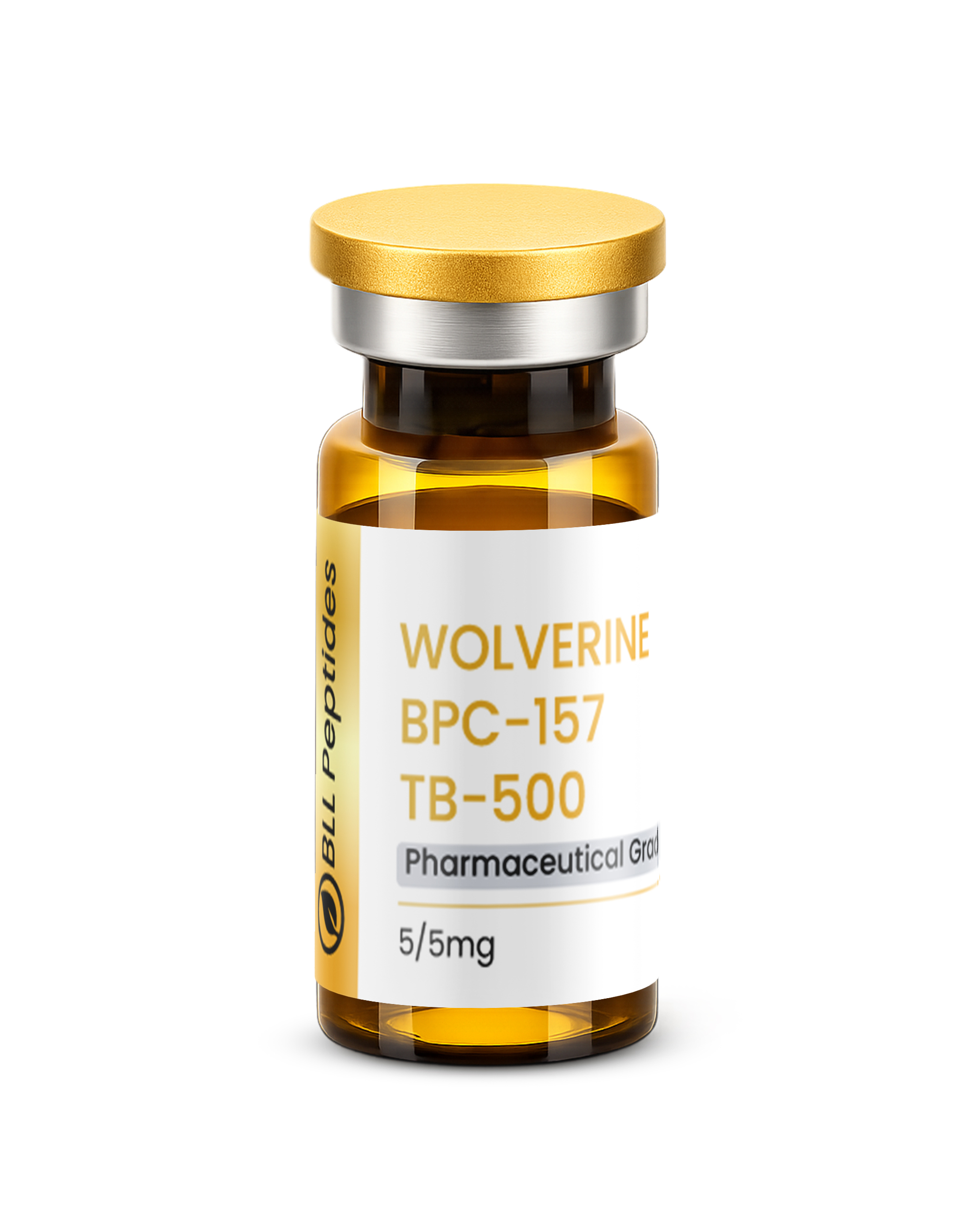
BLL Peptides supplies both BPC-157 and TB-500 for laboratory research use. Visit our research peptide shop for current availability. All products are USA-manufactured, 98%+ purity with Certificate of Analysis for every batch.
Disclaimer: All BLL Peptides products are strictly for laboratory research and development. Not for human or animal use. Not FDA-evaluated. Not a drug, dietary supplement, or medical device. This content is authored by Dr. James Nguyen for research and educational purposes only.