
Category: Peptides Research
Research articles and educational content on peptides and longevity compounds, authored and reviewed by Dr. James, a board-certified neurosurgeon trained at Yale University, and Dr. Tom, a licensed pharmacist. All content is for research and educational purposes only.
-
Ipamorelin Research: What Scientists Are Discovering About This Selective Growth Hormone Secretagogue
Every so often a molecule comes along that makes you stop mid-review and think, wait — this is doing what? That was my reaction the first time I dug into the ipamorelin literature. As someone who spends a lot of time thinking about neurochemistry and cellular signaling, the selectivity profile of this peptide genuinely surprised…
-
Epithalon Peptide Research: What Scientists Are Discovering About This Telomere-Extending Compound
What if aging wasn’t just inevitable wear and tear — but a process with a measurable biological clock? That question has driven researchers toward one of the most intriguing peptides in longevity science: Epithalon. In nearly two decades of studying neurological aging, few compounds have pulled my attention quite like this tetrapeptide’s relationship with the…
-
PT-141 Research: What Scientists Are Learning About This Melanocortin Receptor Agonist
The brain’s role in desire signaling has fascinated me throughout my career in neurosurgery — but I’ll admit, when I first encountered PT-141 research, my initial reaction was skepticism. Most compounds studied in this space work peripherally. What caught my attention about bremelanotide is that it doesn’t. It works in the brain. PT-141 (bremelanotide) is…
-
Thymosin Alpha-1 Research: What Scientists Are Learning About This Immune-Modulating Peptide
One of the most intellectually humbling aspects of neurosurgery is recognizing how often the immune system determines outcomes I once attributed purely to surgical skill. Patients with similar injuries, comparable procedures — but wildly different recoveries. Years of watching that pattern is what put Thymosin Alpha-1 research on my radar, and I haven’t found a…
-
SS-31 Peptide Research: What Scientists Are Discovering About This Mitochondria-Targeting Compound
Early in my neurosurgery career, I became obsessed with a question that textbooks couldn’t fully answer: why do some patients with similar injuries recover so differently at the cellular level? The deeper I dug, the more I found myself reading about mitochondrial dysfunction — not as a side effect, but as a central player in…
-
GHK-Cu Peptide Research: What Scientists Are Discovering About This Copper Tripeptide and Tissue Regeneration
Explore the science behind GHK-Cu peptide research. Dr. James reviews published findings on this copper tripeptide’s role in tissue repair, antioxidant activity, neuroprotection, and gene expression modulation across hundreds of biological pathways.
-
Selank Peptide Research: What Scientists Are Discovering About This Synthetic Enkephalin Analogue
There is a question I return to often in my work as a neurosurgeon: why do some brains handle stress gracefully while others seem to amplify it into something self-destructive? It is not a new question in neuroscience, but the search for molecular answers keeps turning up unexpected candidates. One that genuinely stopped me was…
-
Semax Peptide Research: What Scientists Are Learning About This ACTH-Derived Neuropeptide
After two decades operating on the human brain, I’ll admit something that still surprises me: I learned more about neuropeptide signaling from a handful of Russian research papers than from anything in my formal training. That’s not a criticism — it’s a measure of how fast this field is moving. And right now, Semax peptide…
-
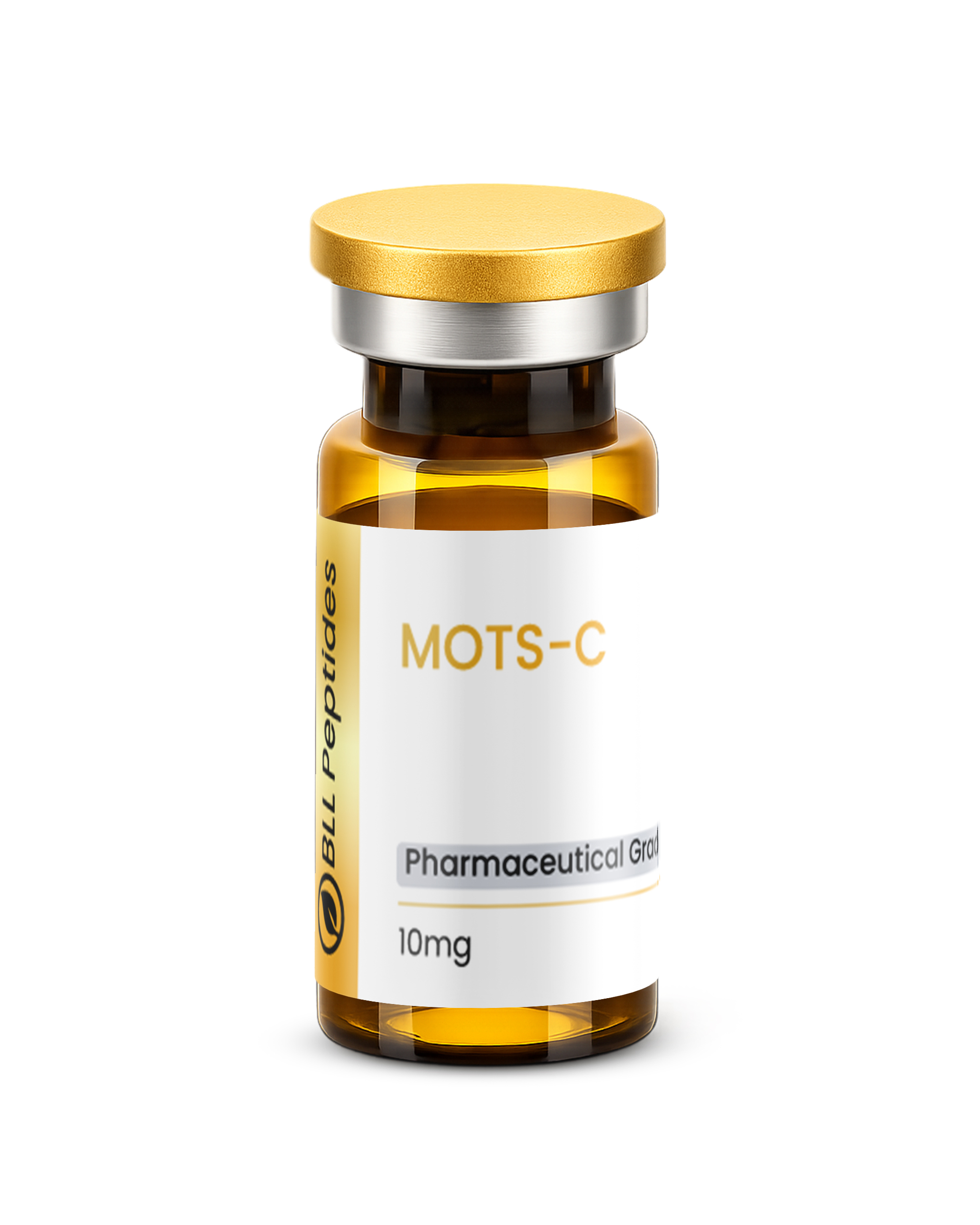
MOTS-c Peptide Research: What Scientists Are Learning About This Mitochondria-Derived Signal
Something stopped me mid-scroll one evening — a peptide encoded inside the mitochondrial genome. Not nuclear DNA. Mitochondrial. In over a decade of neurosurgery and cellular biology research, I’d never encountered anything quite like MOTS-c. Most bioactive peptides originate from the nuclear genome; this one comes from the ancient bacterial ancestor living inside every one…
-
Selank Peptide Research: What Scientists Are Discovering About This Synthetic Anxiolytic Compound
In my years working as a neurosurgeon, I’ve developed a deep respect for how fragile the balance of the nervous system truly is. Anxiety isn’t just a feeling — it’s a measurable cascade of neurochemical events that can reshape how the brain functions over time. So when I first encountered Selank, a synthetic heptapeptide with…