
Category: Peptides Research
Research articles and educational content on peptides and longevity compounds, authored and reviewed by Dr. James, a board-certified neurosurgeon trained at Yale University, and Dr. Tom, a licensed pharmacist. All content is for research and educational purposes only.
-
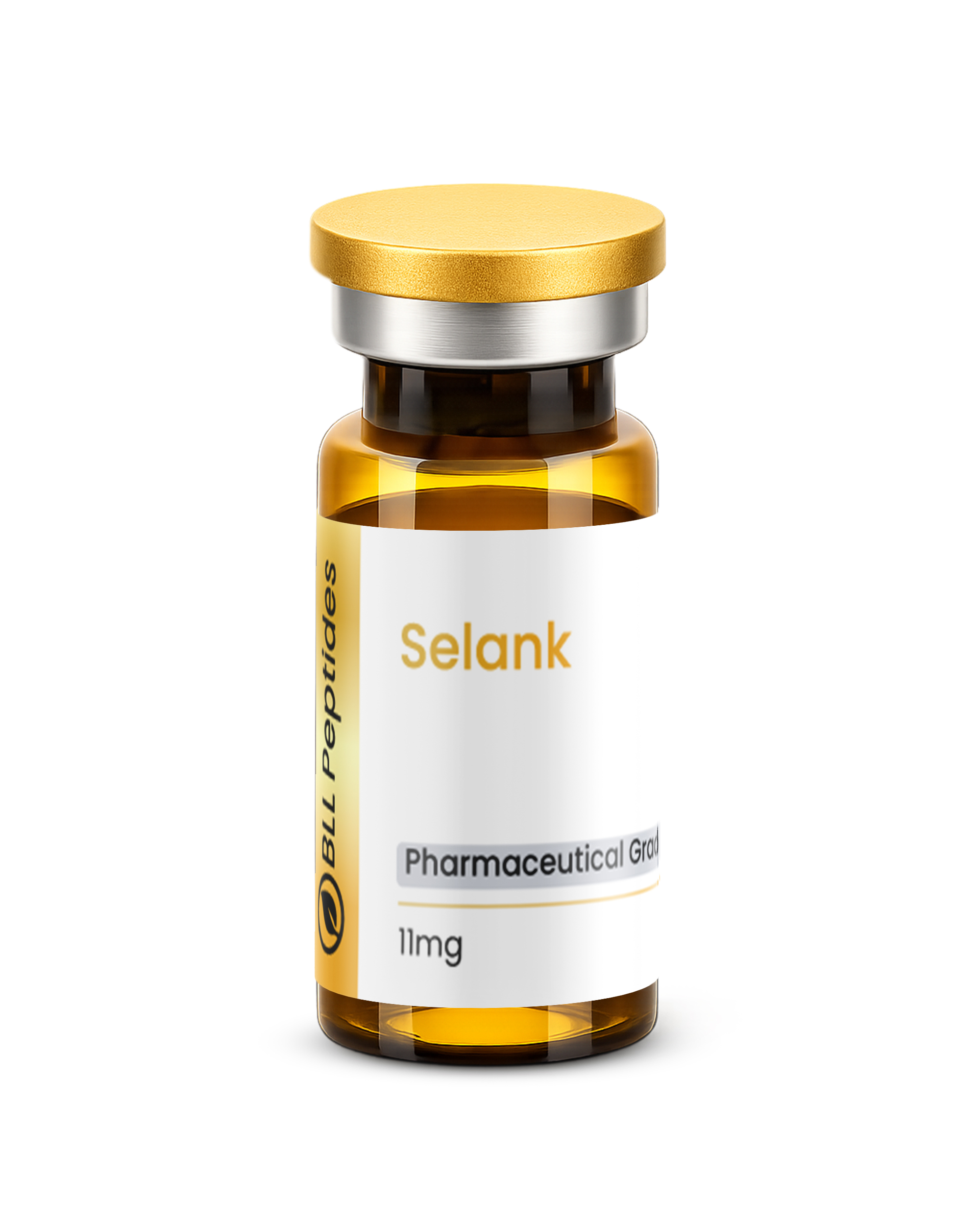
Selank Research: What Scientists Are Learning About This Anxiolytic Neuropeptide
There’s a specific kind of research that catches my attention — compounds that seem to modulate the nervous system without the blunt force of traditional pharmacology. Selank is one of those. When I first came across the literature on this heptapeptide, I was struck by how precisely it seemed to target anxiety-related pathways without the…
-
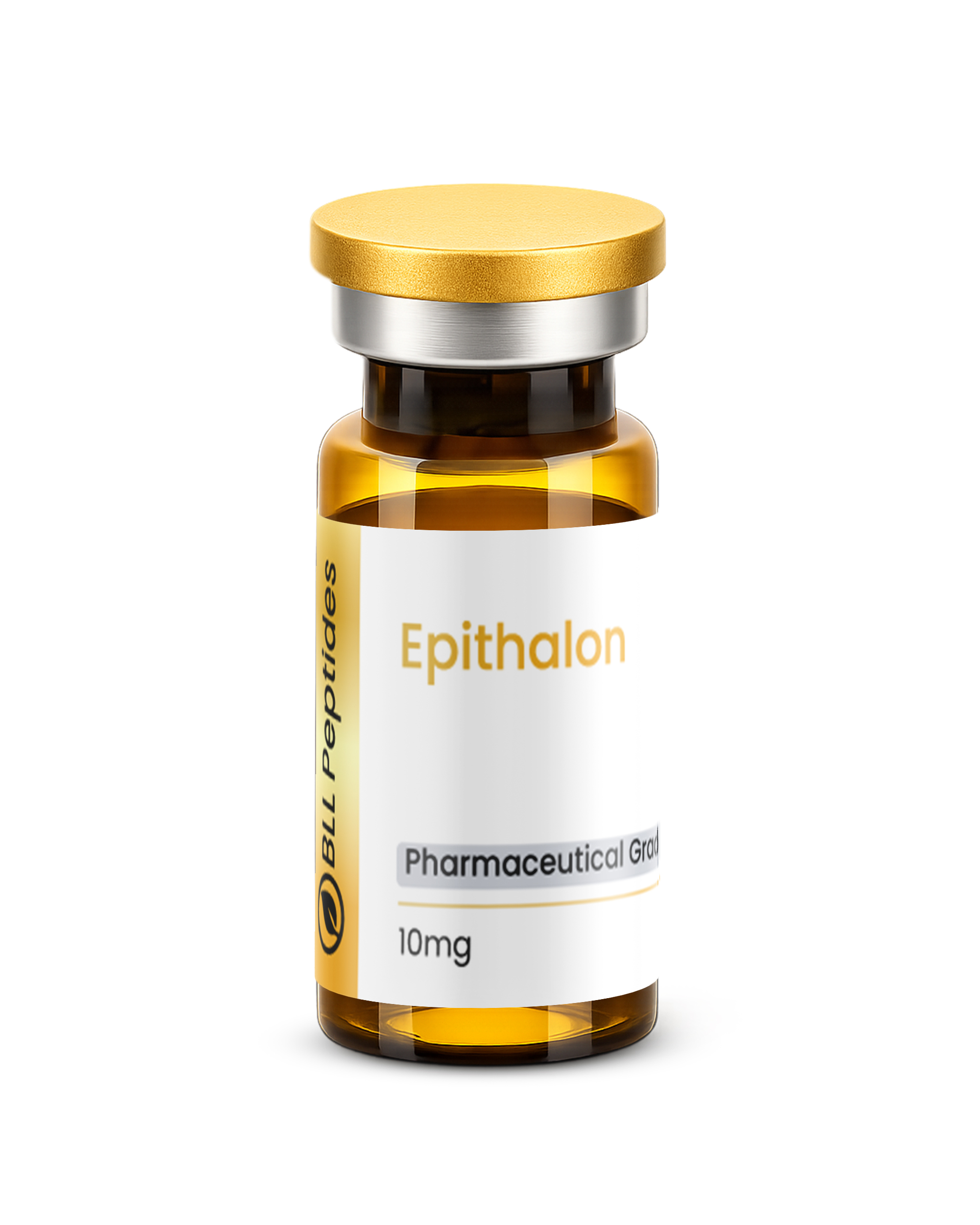
Epithalon Research: What Scientists Are Discovering About This Telomere-Activating Peptide
If there’s one question that has quietly defined the outer edge of longevity science over the past thirty years, it’s this: can we do anything about telomeres? As a neurosurgeon who spends a significant amount of time in the aging biology literature, I’ve watched the telomere story evolve from theoretical curiosity to active research frontier…
-
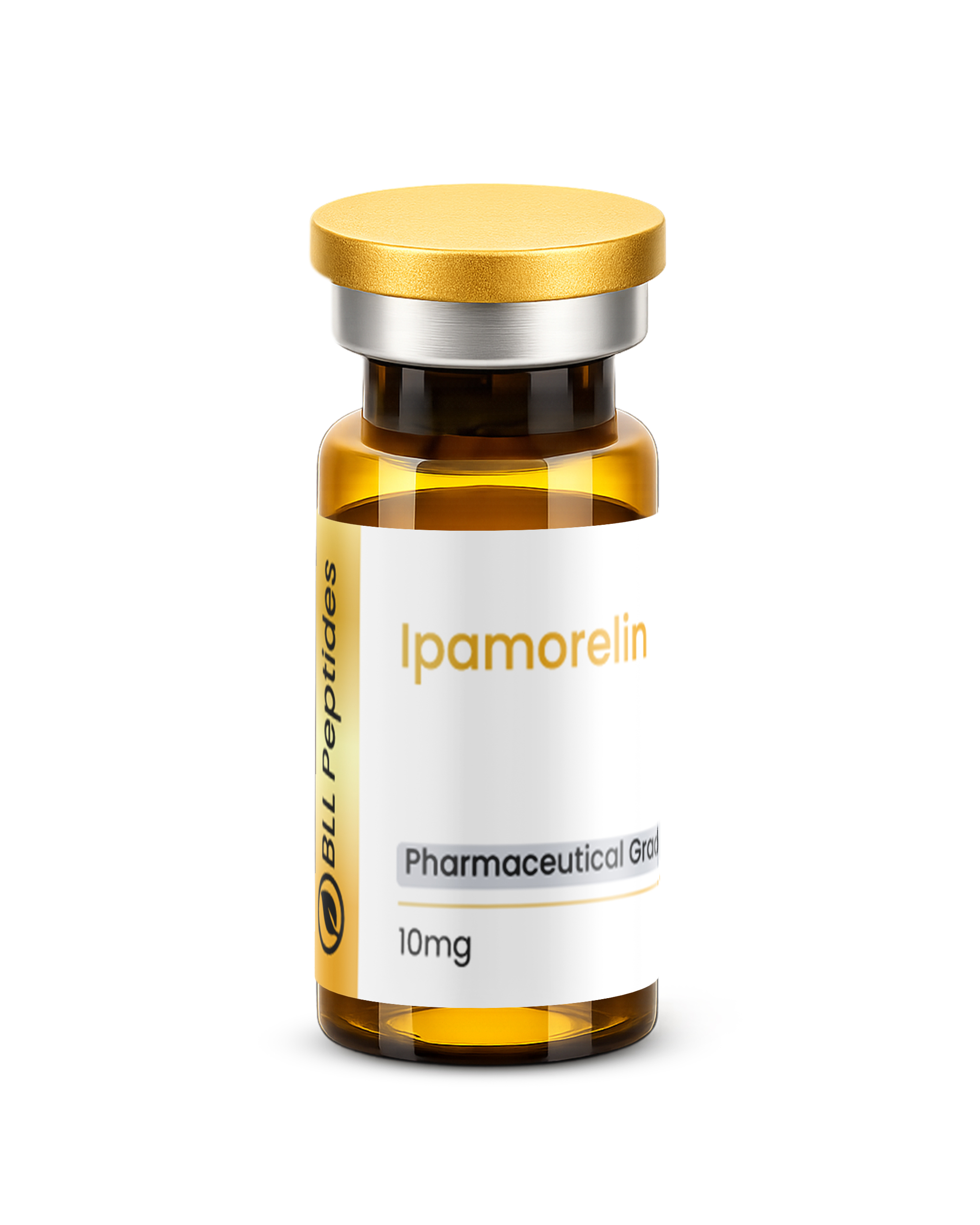
Ipamorelin Research: What Scientists Are Discovering About This Selective Growth Hormone Secretagogue
There’s a moment in research when a compound stops being just another sequence of amino acids and starts looking genuinely interesting. For me, that moment with ipamorelin came when I read how selectively it stimulates growth hormone release — without the hormonal side effects that plagued earlier GH secretagogues. As a neurosurgeon who tracks peptide…
-
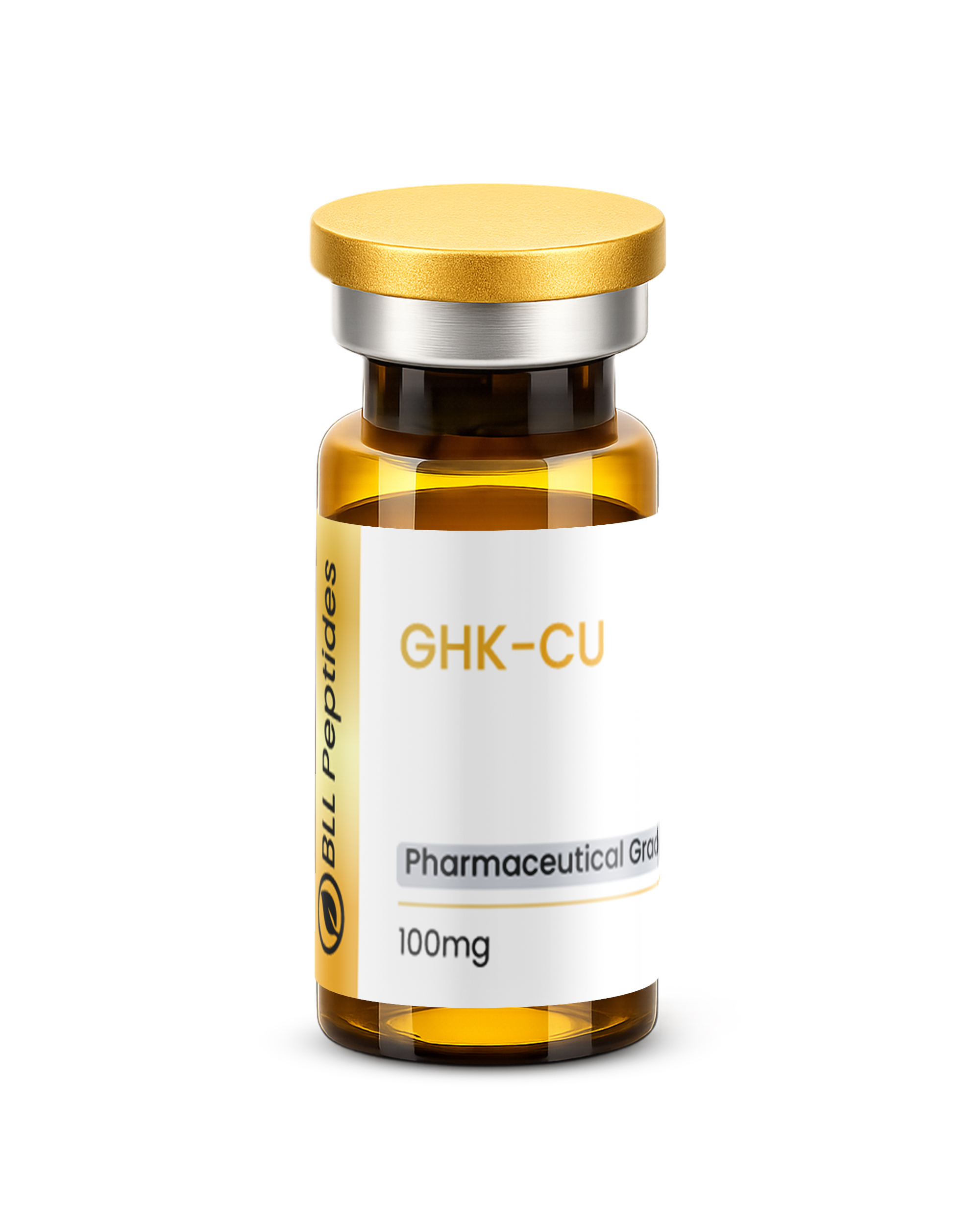
GHK-Cu Research: What Scientists Are Discovering About This Copper Peptide
There’s a molecule that’s been quietly accumulating one of the most compelling research profiles in all of peptide science — and most people have never heard of it. I came across GHK-Cu years ago while reviewing literature on wound healing and nerve regeneration, and honestly, the more I dug in, the more surprised I was…
-
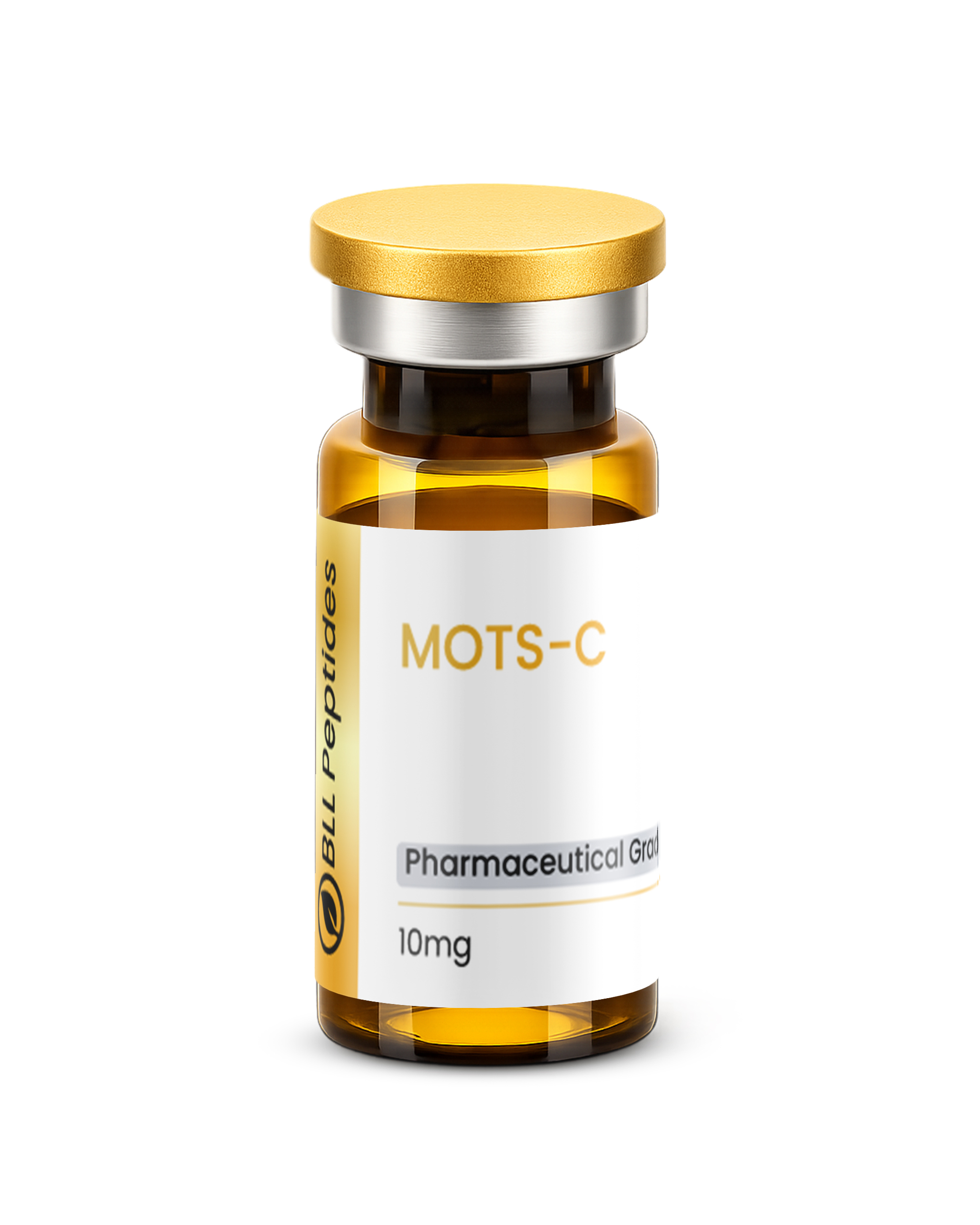
MOTS-c Research: The Mitochondrial Peptide That’s Changing How Scientists Think About Aging
MOTS-c is the first peptide encoded in mitochondrial DNA — a discovery that changed how scientists understand cellular aging, energy metabolism, and the biology of exercise. Full research breakdown.
-
Tesamorelin Research: Growth Hormone Release, Mechanisms, and What the Studies Show
Tesamorelin is an FDA-approved GHRH analog with extensive human clinical data. Full breakdown of the GH-IGF-1 axis, visceral fat reduction trials, cognitive research, and comparison with ipamorelin.
-
Thymosin Alpha-1 Research: Immune Modulation, Mechanisms, and What the Science Shows
Thymosin Alpha-1 has decades of clinical data across hepatitis, cancer immunotherapy, and immune deficiency research. Full breakdown of T-cell modulation mechanisms, TLR9 agonism, hepatitis trial data, and COVID-19 research.
-
PT-141 (Bremelanotide) Research: Mechanisms, Studies, and What the Science Shows
PT-141 acts on melanocortin receptors in the brain — not peripheral vasculature. A full breakdown of MC4R mechanisms, FDA approval data, clinical trial results, and how it differs from vascular-targeting compounds.
-
NAD+ Research: Aging, Cellular Energy, and What the Science Shows
NAD+ sits at the center of aging biology research. Here’s the complete breakdown: why it declines with age, sirtuin activation, PARP competition, mitochondrial function, and key human study results.
-
TB-500 (Thymosin Beta-4) Research: Tissue Repair, Healing, and What the Studies Show
TB-500 is the synthetic form of Thymosin Beta-4 — one of the most researched tissue repair peptides. Full breakdown of actin regulation mechanism, cardiac progenitor cell research, wound healing studies, and human clinical data.