
Category: Peptides Research
Research articles and educational content on peptides and longevity compounds, authored and reviewed by Dr. James, a board-certified neurosurgeon trained at Yale University, and Dr. Tom, a licensed pharmacist. All content is for research and educational purposes only.
-
BPC-157 Mechanism of Action: Scientific Studies & Research Evidence | BLL Peptides
A comprehensive breakdown of BPC-157 research — tissue repair, tendon healing, GI protection, angiogenesis, and CNS effects. What the preclinical science shows, for researchers.
-
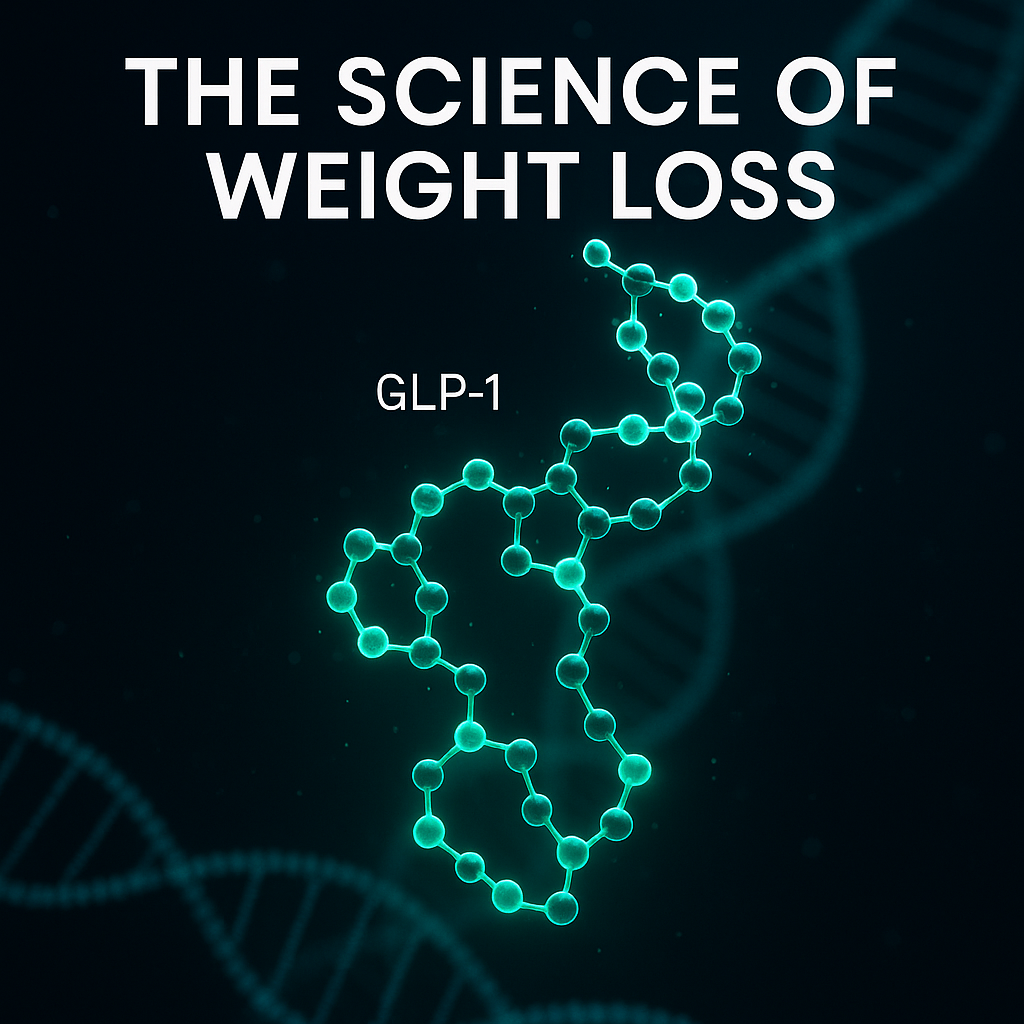
How Does Tirzepatide Work? The Dual GLP-1/GIP Mechanism Explained
Tirzepatide works by activating two incretin receptors simultaneously — GLP-1 and GIP. Here’s the complete mechanism breakdown: dual agonism, adipose tissue effects, CNS signaling, and why synergistic outcomes exceed either receptor alone.
-
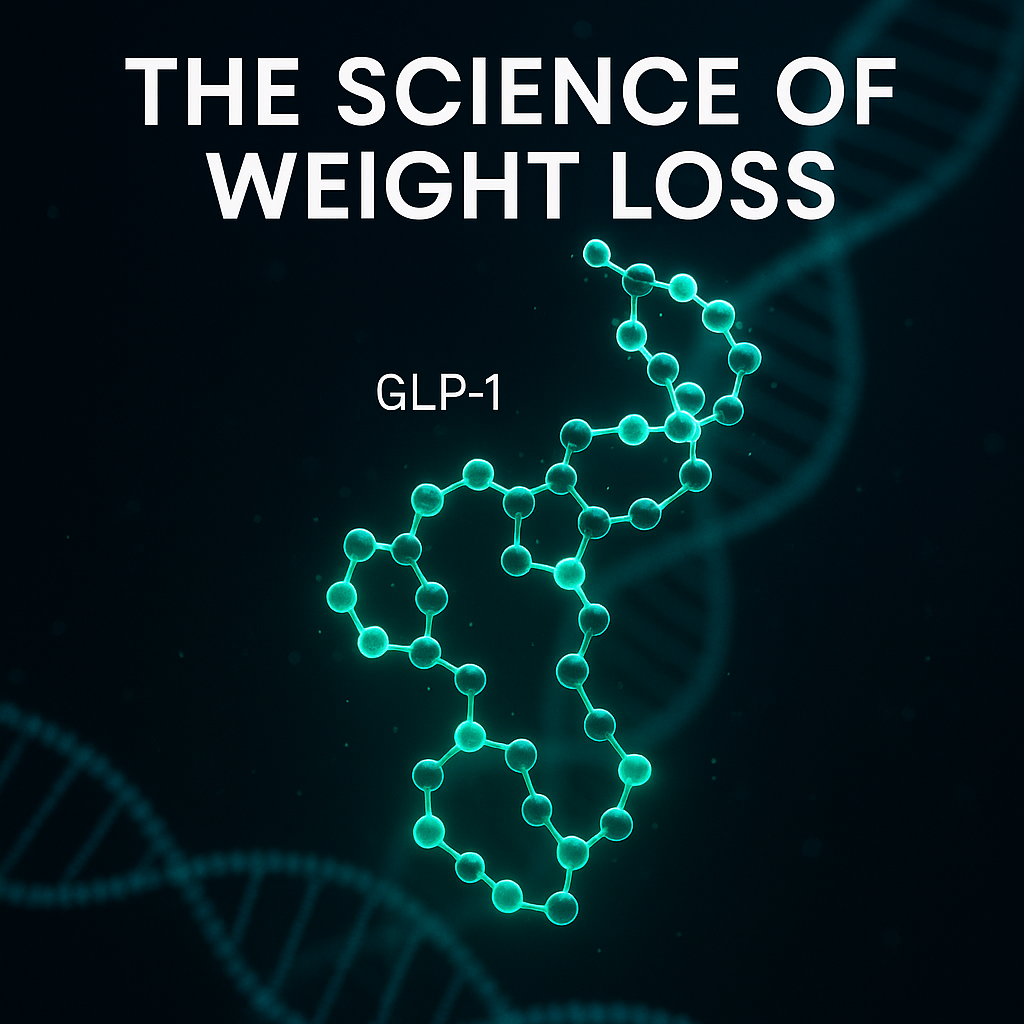
Tirzepatide vs Semaglutide: What the Research Shows
A comprehensive comparison of tirzepatide and semaglutide mechanisms, clinical trial data, and research applications. Understanding the dual GLP-1/GIP mechanism that separates tirzepatide from single-receptor agonists.
-
Semax Research: BDNF Upregulation, Neuroprotection, and What the Studies Show
Most peptides work on muscle, fat, or connective tissue. Semax works on the brain — and specifically on one of the most important molecules in all of neuroscience: brain-derived neurotrophic factor (BDNF). As someone who operates on the nervous system daily, I can tell you that BDNF is not a peripheral detail. It is central…
-
MOTS-c Peptide Research: The Mitochondria-Derived Signal Rewriting What We Know About Metabolic Health
There is a peptide encoded not in your nuclear DNA — but in the mitochondrial genome — and it appears to act as a metabolic stress sensor that circulates through the bloodstream, reaches skeletal muscle, and influences insulin sensitivity, exercise response, and aging biology simultaneously. When I first encountered MOTS-c peptide research, I thought someone…
-
How Does Tirzepatide Work? Dual GIP/GLP-1 Mechanism Explained
How Does Tirzepatide Work? Dual GIP/GLP-1 Mechanism Explained Tirzepatide has produced weight loss numbers that would have seemed implausible five years ago. To understand why, you need to understand its mechanism of action — specifically, how activating two incretin receptors simultaneously produces effects that neither pathway achieves alone. The short answer: tirzepatide works by simultaneously…
-
LL-37 Peptide Research: What Science Reveals About the Body’s Innate Defense Signal
Something catches a researcher’s eye when a peptide the human body already synthesizes starts appearing across dozens of peer-reviewed studies — not for one biological role, but for several overlapping ones at once. That’s LL-37 peptide in a nutshell. As a neurosurgeon, I spend most of my time thinking about neural tissue, inflammation, and recovery.…
-
GHK-Cu Peptide Research: 5 Weeks, 471 Upvotes, and What the Science Actually Shows
A few days ago, a post on r/Peptides documenting someone’s 5-week experience with GHK-Cu hit 471 upvotes. I noticed it because my inbox lit up — researchers, colleagues, and a few curious patients all sending me the same link. That kind of signal in the peptide community doesn’t happen by accident. It happens when something…
-
NAD+ vs NMN: Which Is Better in Research Models?
NAD+ vs NMN: Which Is Better in Research Models? The NAD+ vs NMN debate is one of the most common questions I receive from researchers entering the longevity biology space. The direct answer: these aren’t competitors — they’re different points on the same biosynthetic pathway, and the “better” choice depends entirely on your research question.…
-
PT-141 and Melanocortin Receptor Research: CNS Mechanisms Explained
PT-141 and Melanocortin Receptor Research: CNS Mechanisms Explained PT-141 (Bremelanotide) is one of the most pharmacologically interesting peptides in research because it works entirely through the central nervous system — not through peripheral vasculature like most autonomic-affecting compounds. Understanding its melanocortin receptor pharmacology reveals important principles about hypothalamic biology. The key finding: PT-141 activates MC3R…