
Category: Peptides Research
Research articles and educational content on peptides and longevity compounds, authored and reviewed by Dr. James, a board-certified neurosurgeon trained at Yale University, and Dr. Tom, a licensed pharmacist. All content is for research and educational purposes only.
-
GHK-Cu: What Research Reveals About Copper Peptide and Tissue Biology
Most peptides interact with a single receptor or pathway. GHK-Cu does something considerably more unusual: research by Loren Pickart and others has demonstrated that this copper-binding tripeptide modulates the expression of over 4,000 human genes, roughly a third of the human genome, by interacting with chromatin remodeling machinery rather than a classical receptor. That breadth…
-
Retatrutide: Inside the Research on a Triple Hormone Receptor Agonist
The GLP-1 receptor agonist class transformed metabolic medicine, but the limiting factor was always the ceiling on weight reduction and glycemic control achievable through a single receptor. Retatrutide was designed to test whether adding GIP and glucagon receptor co-agonism could push past that ceiling, and the phase 2 data published in the New England Journal…
-
PT-141 and Melanocortin Receptor Research: What the Science Reveals
The melanocortin system is one of the more underappreciated regulatory networks in neuroscience, governing not just pigmentation but energy homeostasis, inflammation, and — through hypothalamic MC3R and MC4R — aspects of autonomic function that researchers have only begun to characterize fully. PT-141 (bremelanotide) enters this system through the same receptor axis used by alpha-MSH, but…
-
NAD+ and Mitochondrial Function: What the Research Reveals
NAD+ sits at the intersection of four distinct biological processes that matter enormously for cellular longevity: it is a cofactor for the sirtuin deacetylases, a substrate for PARP-mediated DNA repair, a regulator of the circadian clock through NAMPT, and the central electron carrier in oxidative phosphorylation. What makes the research compelling is not any one…
-
TB-500 (Thymosin Beta-4): Understanding Its Role in Cellular Recovery Research
Cell migration is a prerequisite for tissue repair, and most healing peptides influence it indirectly — through growth factor upregulation, inflammatory modulation, or angiogenesis. TB-500 approaches this problem differently. The active region of Thymosin Beta-4, which TB-500 replicates, binds G-actin and sequesters it from polymerization, shifting the equilibrium of the actin cytoskeleton in a way…
-
Tirzepatide vs Semaglutide: What the Current Research Shows
The SURPASS and SURMOUNT trial data on tirzepatide arrived at a moment when GLP-1 monotherapy was already considered a major therapeutic advance, and the weight loss numbers from tirzepatide’s phase 3 program — mean reductions of 20-22% of body weight in the highest dose arms — were substantially larger than anything semaglutide had produced. The…
-
BPC-157 Peptide: Tissue Repair Mechanisms in Research Models | BLL Peptides
A scientific review of BPC-157, a synthetic pentadecapeptide studied in preclinical research models for its proposed roles in tissue repair, angiogenesis, and cellular regeneration. Written by Dr. James for research purposes only.
-
Thymosin Alpha-1 vs TB-500: Immune vs Repair — What Research Reveals
Introduction Thymosin Alpha-1 and TB-500 are sometimes grouped together in discussions of peptide-based recovery, but they operate through pathways that share almost no overlap. Thymosin Alpha-1 is an immune modulator — it acts primarily on dendritic cells and T-cell subsets to enhance adaptive immune surveillance and cytokine coordination. TB-500 is a structural repair compound —…
-
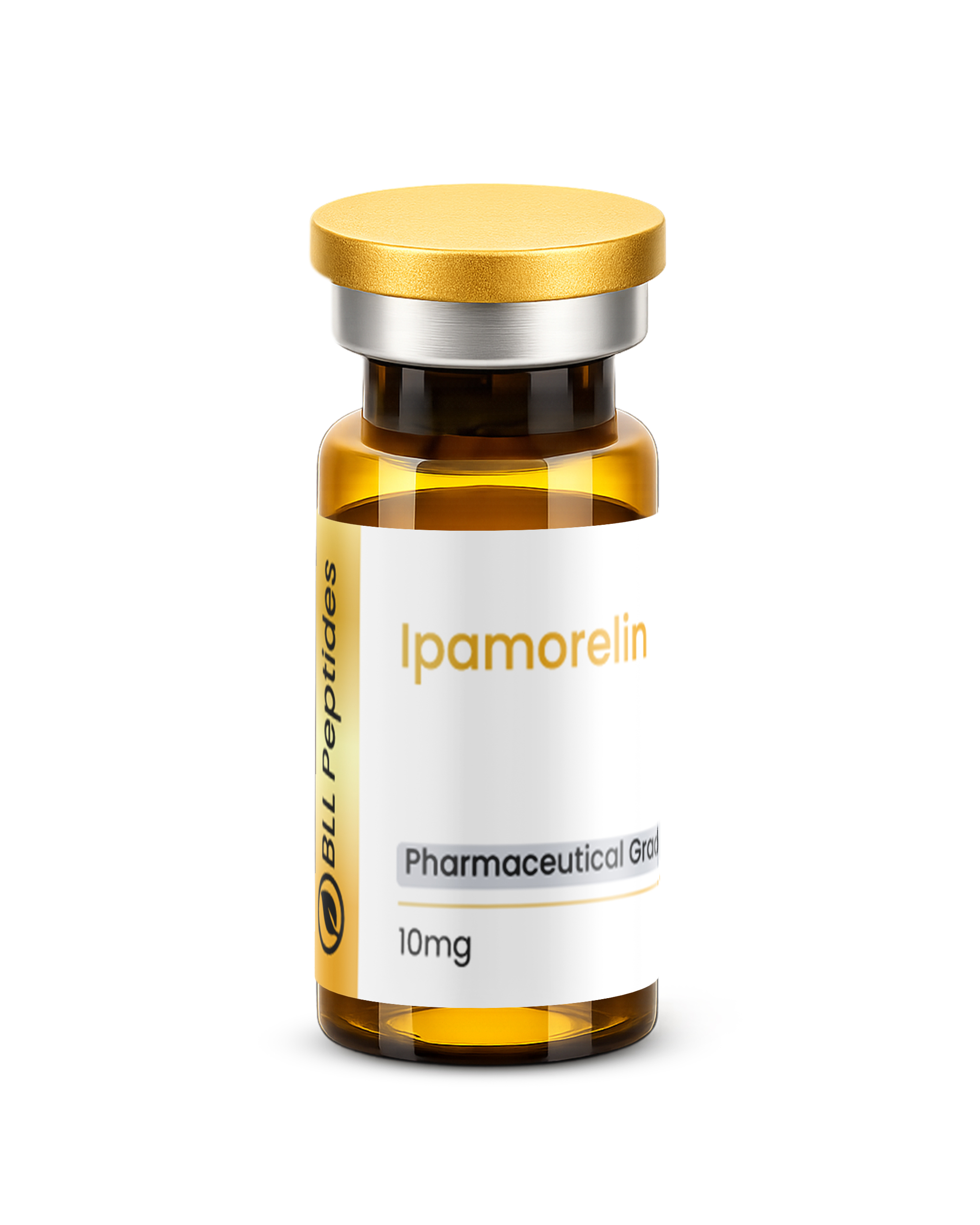
Ipamorelin vs GHRP-6: Two Growth Hormone Secretagogues Compared
Introduction The growth hormone secretagogue class is not uniform, and the differences between compounds in it carry real experimental significance. Ipamorelin is a third-generation GH secretagogue designed specifically to eliminate the cortisol and prolactin elevation seen with earlier compounds like GHRP-6 — it achieves this through receptor subtype selectivity that was mapped out in the…
-
NAD+ vs NMN: Understanding the Research on Nicotinamide Pathways
Introduction The relationship between NMN and NAD+ is more biochemically nuanced than most supplement discussions acknowledge. NMN (nicotinamide mononucleotide) is one step upstream of NAD+ in the salvage pathway, but whether it can enter cells directly or must first be dephosphorylated to NR (nicotinamide riboside) before uptake was genuinely contested in the literature until the…