Thymosin Alpha-1 and Immune System Research: What the Science Shows
·

Thymosin Alpha-1 and Immune System Research: What the Science Shows
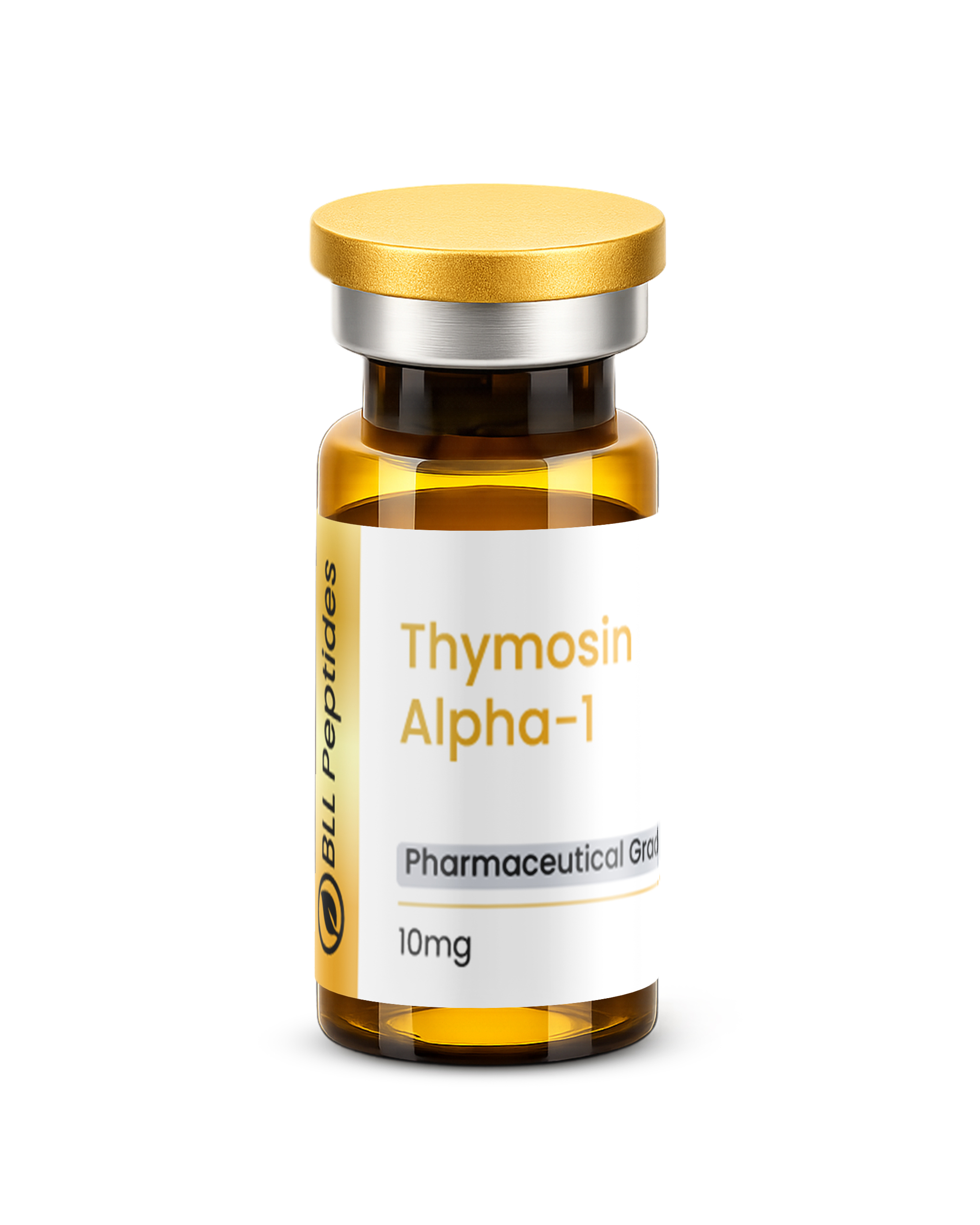
Among immune-modulating peptides, thymosin alpha-1 has one of the most compelling research profiles — supported by clinical trial data from multiple countries and a pharmacological mechanism that directly targets T-cell biology. For researchers working in immunology, this peptide offers both mechanistic clarity and substantial human evidence.
Thymosin alpha-1 (Tα1) modulates adaptive immunity by promoting T-cell maturation and enhancing Th1 immune responses — with a clinical track record that extends to approved status for viral hepatitis in over 35 countries.
What Is Thymosin Alpha-1?
Thymosin alpha-1 is a 28-amino acid peptide originally isolated from bovine thymic tissue by Allan Goldstein’s laboratory in 1977. Its synthetic form, Thymalfasin (brand name Zadaxin), has been approved for chronic hepatitis B and C treatment in many countries outside the United States. In immunology research, it has become a model compound for studying thymus-derived immune modulation.
Mechanism: T-Cell and Dendritic Cell Modulation
Tα1’s immunological activity operates through several key mechanisms:
- T-cell maturation: Tα1 promotes differentiation of T-cell precursors in the thymus and enhances peripheral T-cell function — critical for both innate and adaptive immune responses
- Th1 polarization: Research consistently shows Tα1 promotes Th1 cytokine profiles (IFN-γ, IL-2, TNF-α) rather than Th2 responses — potentially important for antiviral and anti-tumor immunity research
- Dendritic cell activation: Tα1 activates dendritic cells through Toll-like receptor pathways, enhancing antigen presentation and downstream T-cell activation
- Natural Killer cell enhancement: Studies show Tα1 increases NK cell activity, an important component of innate anti-tumor surveillance
- Regulatory T-cell support: Tα1 appears to support regulatory T-cell function, potentially modulating excessive inflammatory responses
Key Research Findings
Viral Hepatitis
Multiple randomized controlled trials demonstrate Thymalfasin improves response rates in chronic hepatitis B, with a meta-analysis (Chan et al.) showing significantly improved HBeAg seroconversion rates compared to placebo. In hepatitis C, combination with interferon showed additive effects in virologic response.
COVID-19 Research
During the COVID-19 pandemic, several clinical trials investigated Thymalfasin as an immune modulator in severe disease. A Chinese trial (Liu et al., 2020) showed Tα1 administration in severe COVID-19 reduced 28-day mortality compared to standard care, with mechanistic data showing improved T-cell counts in treated patients.
Cancer Immunotherapy Adjuvant Research
Tα1’s Th1-polarizing and NK-activating properties have made it a subject of interest as a cancer immunotherapy adjuvant. Studies in non-small cell lung cancer and hepatocellular carcinoma show improved survival in patients receiving Tα1 alongside conventional therapy.
Sepsis and Critical Illness
Research in sepsis models and clinical pilots demonstrates Tα1’s ability to restore immune function in immunoparalysis — the state of profound immune suppression that accompanies severe sepsis and is associated with poor outcomes.
Research Applications
- T-cell maturation and differentiation studies
- Th1/Th2 balance and polarization research
- Dendritic cell activation models
- Antiviral immune response research
- Cancer immunology adjuvant studies
- Sepsis-related immunosuppression models
FAQ
What is thymosin alpha-1?
Thymosin alpha-1 (Tα1) is a 28-amino acid peptide that modulates T-cell differentiation, dendritic cell function, and innate immune responses. Synthetic Thymalfasin is approved in 35+ countries for hepatitis treatment.
How does thymosin alpha-1 affect T-cells?
It promotes T-cell maturation, enhances Th1 cytokine production (IFN-γ, IL-2), supports regulatory T-cell function, and activates dendritic cells to improve antigen presentation.
Is thymosin alpha-1 approved for clinical use?
Thymalfasin is approved in 35+ countries for chronic hepatitis B and as a cancer immunotherapy adjuvant. It has been studied in COVID-19 and sepsis clinical trials.
Related Research
- Thymosin Alpha-1 Research Overview
- TB-500: Complete Research Guide
- Selank Immune-Modulating Research
About the Author: Dr. James Nguyen is a Yale-trained neurosurgeon and scientific advisor to BLL Peptides.
Disclaimer: This content is intended for research purposes only. BLL Peptides products are not intended for human consumption.