

The first time I reviewed the SELECT trial data — Semaglutide’s landmark cardiovascular outcomes study — I stopped at one number and read it twice. A 20% reduction in major adverse cardiovascular events in patients without diabetes but with obesity and established cardiovascular disease. Not a metabolic endpoint. Not a weight endpoint. A hard cardiovascular event endpoint: heart attack, stroke, cardiovascular death. The implications for how we understand GLP-1 receptor agonism — and Semaglutide specifically — reach considerably beyond the weight loss narrative that dominated the early coverage.
Semaglutide is a long-acting GLP-1 (glucagon-like peptide-1) receptor agonist developed by Novo Nordisk. GLP-1 is an incretin hormone released from intestinal L-cells in response to food intake — it stimulates insulin secretion, reduces glucagon, slows gastric emptying, and signals satiety centers in the hypothalamus. Semaglutide mimics GLP-1 with structural modifications that extend its half-life to approximately one week, enabling once-weekly dosing for both subcutaneous and oral formulations.
Semaglutide and Cardiovascular Research: What the Data Shows
The SELECT trial, published in the New England Journal of Medicine in 2023, enrolled over 17,000 adults with obesity (BMI ≥27) and established cardiovascular disease but without diabetes. Participants received weekly subcutaneous Semaglutide (2.4 mg) or placebo. The primary endpoint — a composite of cardiovascular death, non-fatal myocardial infarction, or non-fatal stroke — was reduced by 20% in the Semaglutide group over a mean follow-up of approximately 34 months (PMID: 37952131).
The SELECT trial’s finding — cardiovascular benefit in a non-diabetic population — challenged the prevailing assumption that GLP-1 receptor agonists’ cardiovascular effects were primarily mediated by glucose lowering or weight reduction in diabetic patients.
The cardiovascular mechanism of Semaglutide remains an active area of investigation. GLP-1 receptors are expressed in cardiomyocytes, vascular endothelium, and macrophages — suggesting direct cardiac and vascular effects beyond metabolic normalization. Research has documented Semaglutide-related reductions in systemic inflammation markers (hsCRP, IL-6), improvements in endothelial function, reductions in oxidative stress, and plaque stabilization in coronary artery models.
Key Research Findings: Inflammation, Atherosclerosis, and Beyond
The inflammatory dimension of Semaglutide’s cardiovascular research is scientifically interesting. Chronic low-grade inflammation is a central driver of atherosclerotic plaque development and instability — and several studies have found that Semaglutide produces anti-inflammatory effects that extend beyond what would be expected from weight loss alone. Reductions in hsCRP (high-sensitivity C-reactive protein) and improvements in macrophage foam cell formation in arterial plaque have been documented.
Neurological cardiovascular research has also examined Semaglutide’s effects on atrial fibrillation risk, stroke risk reduction, and hypertension — areas with significant overlap between cardiac and neurological clinical management. The stroke risk reduction observed in cardiovascular outcome trials has raised research interest in Semaglutide’s potential neuroprotective properties, with several preclinical studies suggesting direct GLP-1 receptor activation in neural tissue may confer protective effects against ischemic injury.
Emerging research suggests GLP-1 receptors in the brain may mediate neuroprotective effects independently of cardiovascular risk factor reduction — with animal models of Parkinson’s and Alzheimer’s disease showing intriguing protective effects with GLP-1 receptor agonist treatment.
The FLOW trial added another dimension: Semaglutide reduced kidney disease progression by 24% in diabetic patients with chronic kidney disease — extending its clinical research profile from cardiovascular to renal biology. This multi-organ benefit profile is what distinguishes Semaglutide from conventional metabolic drugs and has driven its extraordinary clinical adoption.
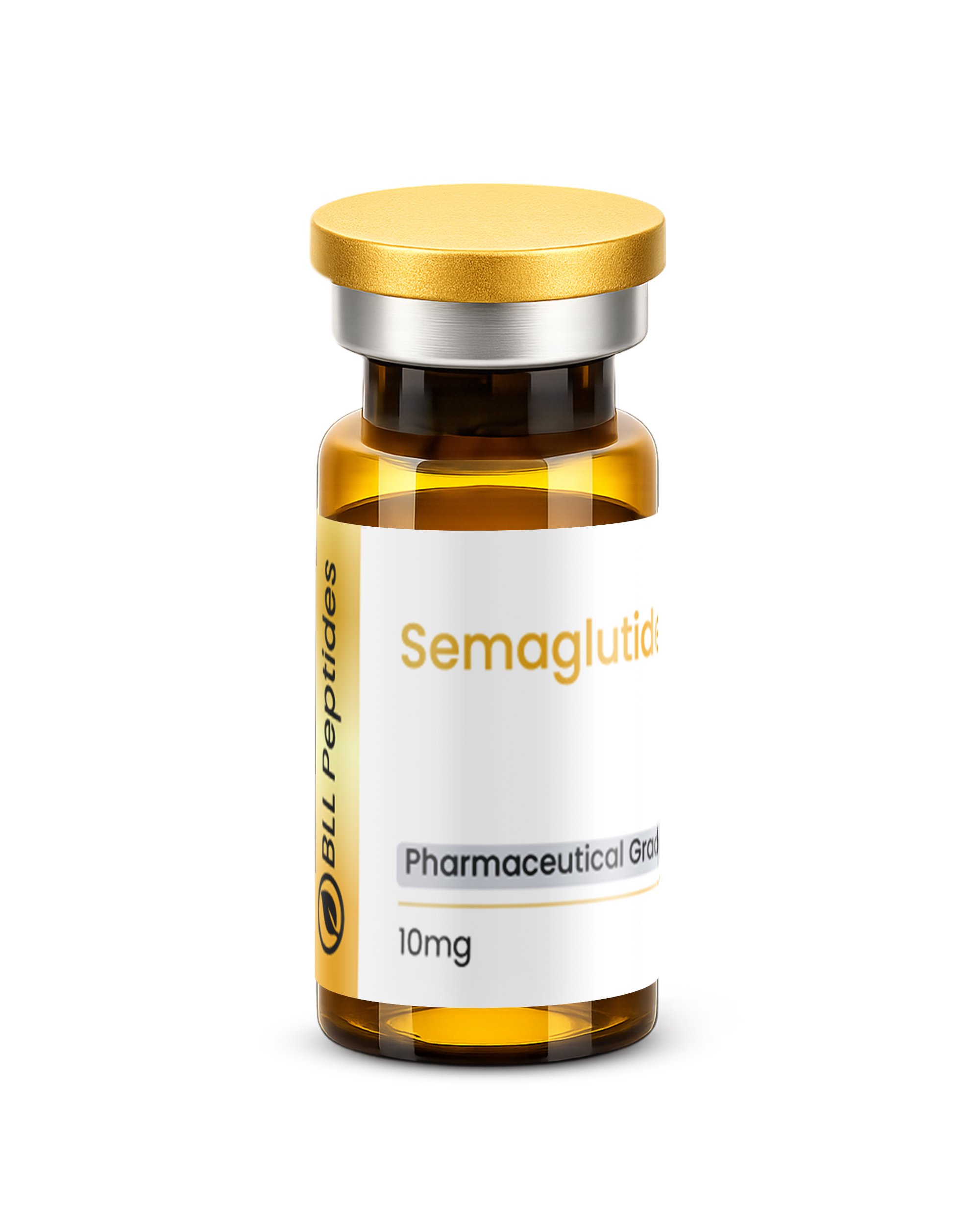
For metabolic researchers, BLL Peptides offers Semaglutide for research purposes. A complementary research angle for comparative studies is Tirzepatide, the dual GIP/GLP-1 agonist that adds GIP receptor activation to Semaglutide’s GLP-1 mechanism.
Frequently Asked Questions About Semaglutide and Cardiovascular Research
- What did the SELECT trial find about Semaglutide and heart disease?
- SELECT found that Semaglutide (2.4 mg weekly) reduced major adverse cardiovascular events (heart attack, stroke, cardiovascular death) by 20% over ~34 months in adults with obesity and cardiovascular disease but without diabetes — a landmark finding that extended GLP-1 cardiovascular benefits to non-diabetic populations.
- How does Semaglutide produce cardiovascular benefits beyond weight loss?
- Research suggests direct GLP-1 receptor effects on cardiomyocytes, vascular endothelium, and macrophages — producing anti-inflammatory effects, improved endothelial function, reduced oxidative stress, and plaque-stabilizing properties independently of metabolic changes.
- What neurological research has been done with Semaglutide?
- Preclinical studies have found GLP-1 receptor activation in brain tissue may have neuroprotective effects against ischemic injury, Parkinson’s-related dopaminergic neuron loss, and Alzheimer’s-related pathology. Human trials are ongoing.
- What other organ systems has Semaglutide research examined?
- The FLOW trial documented 24% reduction in chronic kidney disease progression. Research has also examined liver (NASH/fatty liver), heart failure, hypertension, and most recently, potential neuroprotective and cognitive effects.
Dr. James Nguyen is a neurosurgeon and research advisor at BLL Peptides. His work focuses on peptide research, neurological recovery, and longevity science. All content is for educational and research purposes only.
This content is intended for research purposes only. BLL Peptides products are not intended for human consumption.