
Thymalin Research: What This Thymic Peptide Reveals About Immune Aging and the Body’s Hidden Clock
·

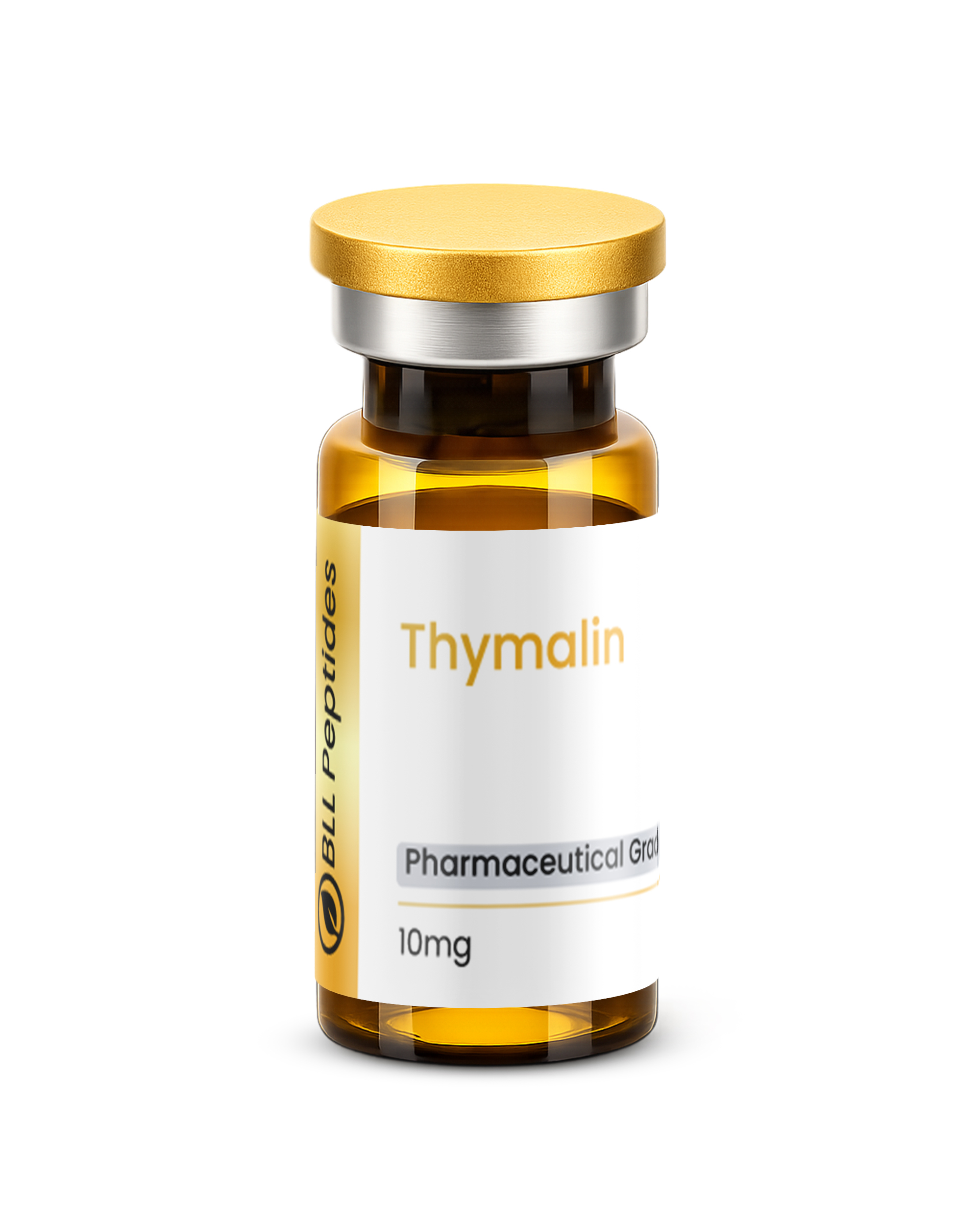
I’ve operated on enough brains to know that the nervous system doesn’t age in isolation. But it took a conversation with a Russian immunologist at a conference in Vienna to make me realize how profoundly the thymus — that small, easily forgotten gland tucked behind the sternum — might hold the key to how we age. The man had spent thirty years studying a peptide preparation called Thymalin, and what he described stopped me cold. Thymalin research, he said, had shown something that most Western researchers hadn’t even begun to take seriously: you could slow immune aging. Not mask it. Actually slow it.
That conversation sent me down a rabbit hole I haven’t fully climbed out of yet.
What Is Thymalin? A Direct Answer
Thymalin is a polypeptide complex derived from calf thymus glands, developed in the Soviet Union during the 1970s and 1980s primarily by researchers Vladimir Khavinson and Vyacheslav Morozov. It belongs to a class of thymic peptides — bioregulatory molecules that appear to signal immune cells and may help restore thymic function as the gland naturally involutes with age. In current research contexts, Thymalin is studied as a potential modulator of the immune system’s decline — specifically its role in T-cell maturation, cytokine balance, and what some researchers now call “immunosenescence.”
The Thymus: The Organ We Stop Thinking About at 25
Here’s something that doesn’t get enough attention: your thymus is most active when you’re a child, and by your mid-twenties, it begins a process of gradual fatty replacement called thymic involution. By age 65, most of the functional thymic tissue is gone. This matters enormously because the thymus is where T-cells — your adaptive immune soldiers — are trained and matured.
When thymic output drops, so does your immune system’s ability to generate new, naive T-cells. The result is a progressively narrowing immune repertoire, increased susceptibility to infections, reduced vaccine responsiveness, and a higher risk of immune-related diseases. Researchers use the term immunosenescence to describe this age-related immune decline, and it’s increasingly recognized as a major driver of aging pathology — not just a side effect of it.
Thymalin research proposes a compelling question: what if you could partly restore thymic signaling even after involution has occurred?
How Thymalin Works: The Proposed Mechanisms
The precise molecular pathways aren’t fully mapped — and I want to be honest about that. But the prevailing models suggest several mechanisms worth understanding:
- T-cell differentiation signaling: Thymalin appears to stimulate the maturation and differentiation of T-lymphocyte precursors, promoting CD4+ and CD8+ T-cell activity in animal models.
- Cytokine modulation: Research suggests Thymalin may influence IL-2 and other cytokine cascades involved in regulating both pro-inflammatory and anti-inflammatory responses.
- Neuroendocrine-immune axis: This is the part that genuinely fascinates me as a neurosurgeon — there’s emerging evidence that thymic peptides interact with hypothalamic-pituitary signaling pathways. The immune system and the nervous system talk to each other more than we ever appreciated, and Thymalin may be one of the messengers.
- Antioxidant gene expression: Some in vitro work suggests thymic peptides may upregulate protective gene pathways involved in cellular stress responses.
What Thymalin Research Actually Shows
The most significant body of Thymalin research comes from longitudinal studies conducted in Russia. A landmark study published by Khavinson et al. followed elderly patients over 6-8 years and found that those receiving thymic peptide preparations showed a mortality rate approximately 2.0–2.4 times lower than the control group over the study period. That is not a trivial finding — it suggests that restoring thymic signaling in aged individuals may have profound systemic effects. (PubMed reference)
Other research arms have examined:
- Immune parameter restoration: Studies in elderly subjects showed improved T-cell counts, enhanced NK cell activity, and normalized CD4+/CD8+ ratios following thymic peptide administration.
- Cardiovascular risk markers: Some studies observed improvements in lipid profiles and blood pressure regulation, possibly via neuroendocrine interactions.
- Reduced infection frequency: In geriatric populations, thymic peptide research cohorts showed lower rates of respiratory and other infectious episodes.
The research is compelling — but it’s also largely from Russian institutional studies, which means it hasn’t yet gone through the rigorous Western replication pipeline most of us were trained to demand. That’s not a dismissal. It’s context. The mechanistic plausibility is real. The early signals are genuinely interesting. The field simply needs more independent, double-blind, placebo-controlled trials.
Key Findings: Why Thymalin Research Deserves More Attention
What strikes me most about Thymalin research isn’t any single study — it’s the convergence of signals pointing toward the same conclusion: the thymic axis is not a passive bystander in aging, and peptide-based interventions may offer a way to partially restore its function. This aligns beautifully with broader work in the peptide science field, including research on related compounds like BPC-157 and the mitochondrial peptide NAD+ precursors, all pointing toward the same north star: restoring cellular signaling that degrades with age.
In my own clinical world, I see the downstream consequences of immune aging every day — in post-surgical recovery timelines, in cognitive decline patterns, in the vulnerability of elderly patients to neuroinflammation. Anything that restores the body’s capacity to regulate its immune response is, to me, not fringe science. It’s the frontier.
Researchers interested in the broader landscape of thymic and immune-modulatory peptides may also find value in reviewing BLL Peptides’ TB-500 research compound, which shares some overlapping mechanistic territory around tissue and immune signaling.
FAQ: Thymalin Research
What is Thymalin used for in research?
Thymalin is studied primarily as an immune-modulating peptide complex. Research focuses on its potential to restore T-cell function, reduce immunosenescence in aging populations, and interact with neuroendocrine pathways linked to aging and immune regulation.
Is Thymalin the same as Thymosin Alpha-1?
No — they’re related but distinct. Thymosin Alpha-1 is a single, well-characterized synthetic peptide. Thymalin is a broader polypeptide complex extracted from calf thymus tissue, containing multiple bioactive fractions. Both are studied in the context of thymic and immune function, but their compositions and research profiles differ significantly.
What does Thymalin research show about longevity?
The most significant longevity-related data comes from Russian longitudinal studies showing notably reduced mortality rates in elderly subjects receiving thymic peptide preparations over 6-8 year follow-up periods. Researchers hypothesize this reflects restored immune surveillance and reduced vulnerability to age-related disease.
Where does Thymalin research stand today?
The bulk of Thymalin research has been conducted in Russia, primarily by Khavinson and colleagues over several decades. While the mechanistic and clinical signals are intriguing, broader independent replication in Western research settings is still needed. Interest in thymic peptides is growing within the longevity research community globally.
Is Thymalin available for research purposes?
Thymalin and related thymic peptide compounds are available through research peptide suppliers for in vitro and preclinical study. They are not approved for human therapeutic use in the United States and are intended strictly for laboratory research contexts.
About the Author
Dr. James is a practicing neurosurgeon and member of the BLL Peptides research team. His clinical work in neurological surgery and neuroimmunology has given him a front-row seat to how immune aging intersects with neurological vulnerability — and a deep interest in peptide science as a research frontier. He writes about emerging peptide research to help inform the scientific community about developments at the intersection of immunology, neuroscience, and longevity biology.
This content is intended for research purposes only. BLL Peptides products are not intended for human consumption.