
Ipamorelin Research: What Scientists Are Discovering About This Selective Growth Hormone Secretagogue
·

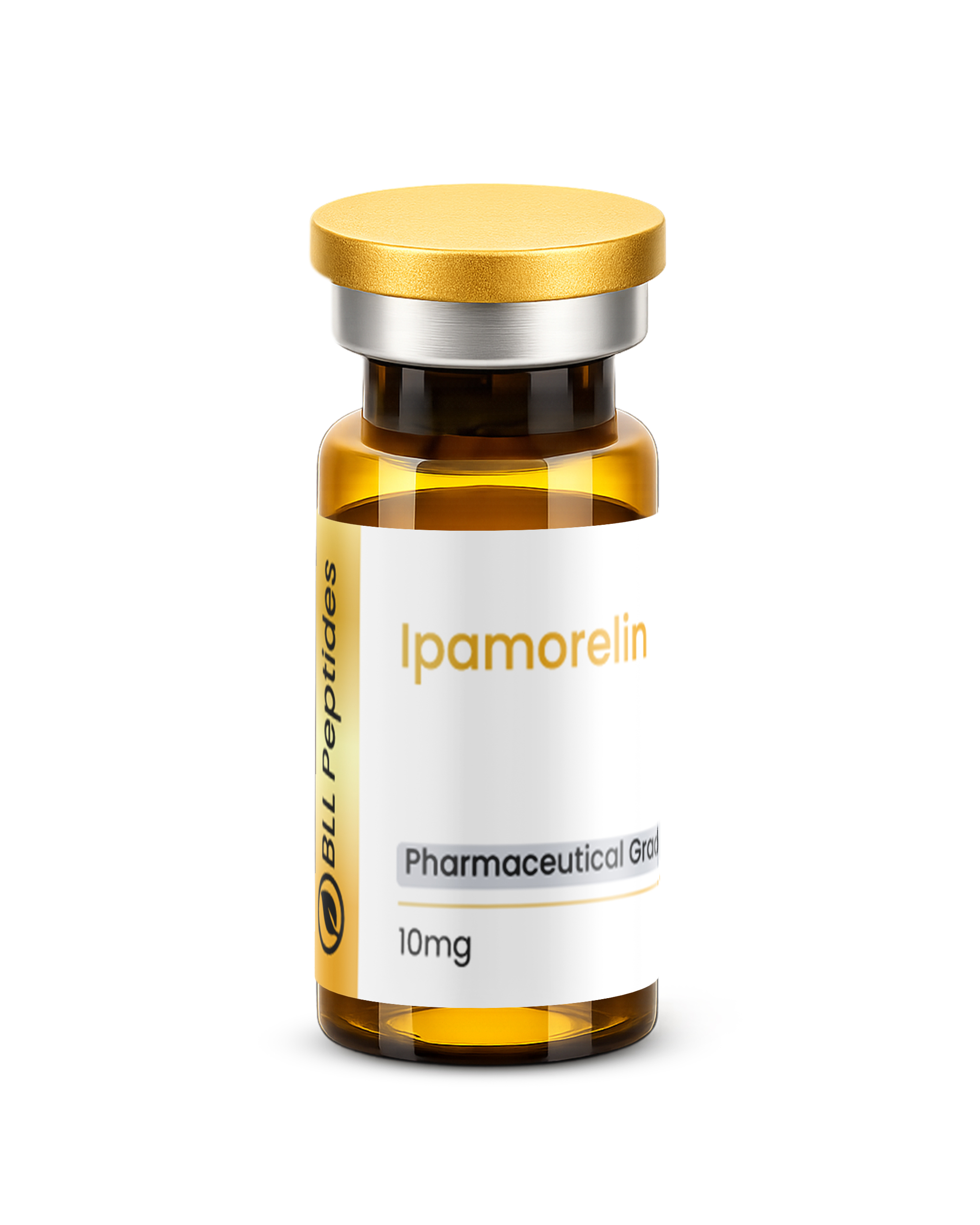
There’s a moment in research when a compound stops being just another sequence of amino acids and starts looking genuinely interesting. For me, that moment with ipamorelin came when I read how selectively it stimulates growth hormone release — without the hormonal side effects that plagued earlier GH secretagogues. As a neurosurgeon who tracks peptide science closely, that kind of specificity gets my attention every time.
Ipamorelin research centers on a synthetic pentapeptide that selectively stimulates growth hormone (GH) secretion from the pituitary gland. Unlike older GH-releasing compounds, studies suggest ipamorelin does this without significantly elevating cortisol, prolactin, or ACTH — making it one of the most targeted GH secretagogues documented in the preclinical literature.
What Is Ipamorelin?
Ipamorelin is a five-amino-acid peptide classified as a growth hormone secretagogue (GHS). It was developed in the late 1990s as part of ongoing research into ghrelin mimetics — compounds that mimic the GH-releasing action of the hormone ghrelin by binding to the GHS receptor (GHS-R1a).
Unlike peptides such as GHRP-2 or GHRP-6, ipamorelin demonstrates high receptor selectivity. Early preclinical studies described it as “the first selective GH secretagogue” — a distinction that placed it firmly on the radar of researchers studying growth hormone axes, aging biology, and pituitary function.
How Does Ipamorelin Work?
The mechanism is relatively well characterized. Ipamorelin binds to the GHS-R1a receptor — the same receptor targeted by ghrelin — located predominantly in the hypothalamus and pituitary. This binding triggers a signaling cascade that leads to pulsatile release of growth hormone from somatotroph cells in the anterior pituitary.
What makes ipamorelin particularly valuable as a research tool is its selectivity profile. Studies consistently show it stimulates GH release without triggering the same degree of cortisol or prolactin elevation seen with other GHRP compounds. This cleaner hormonal fingerprint allows researchers to study isolated GH axis effects without confounding variables.
Ipamorelin also appears to work synergistically with growth hormone-releasing hormone (GHRH) analogs in preclinical models — the two receptor pathways seem to amplify GH pulse magnitude when activated together, which has led researchers to study combination protocols in animal models.
What the Research Shows
Most of the ipamorelin literature comes from animal models and early pharmacological studies, which have informed how researchers think about selective GH secretagogues broadly.
A landmark 1998 study by Raun et al. found that ipamorelin produced GH release comparable to GHRP-6 but with significantly less effect on cortisol and ACTH levels — a finding that distinguished it from earlier secretagogues and opened new research lines. The same team noted the compound’s high potency relative to its size as a pentapeptide. Read the original study on PubMed →
Subsequent animal studies have examined ipamorelin in the context of:
- Bone mineral density: Rodent models showed increases in bone mineral content with ipamorelin treatment, pointing to skeletal effects through the GH/IGF-1 axis.
- Lean body composition: Multiple preclinical studies have examined how GH secretagogues like ipamorelin affect body composition parameters in animal models — a consistent area of interest in GHS research.
- GI motility: Some early research explored ipamorelin’s effects on gastrointestinal function, given ghrelin’s well-known role in gut motility — an unexpected research avenue for what began as a GH-focused peptide.
Key Research Findings
Here’s what the scientific literature consistently highlights about ipamorelin:
- In preclinical studies, ipamorelin stimulated GH release in a dose-dependent manner, with effects detectable at low concentrations.
- Unlike GHRP-2 and GHRP-6, research shows ipamorelin produces minimal cortisol and prolactin elevation at GH-stimulating doses — a key pharmacological differentiator.
- Animal research examining bone metabolism found a statistically significant increase in bone mineral content in ipamorelin-treated groups versus controls in rat models.
- “Ipamorelin is the first GHRP-receptor agonist with a selectivity for GH release similar to that of GHRH.” — Raun et al., 1998
Why Researchers Are Interested in Ipamorelin
The appeal of ipamorelin as a research tool comes down to its combination of potency and selectivity. When scientists want to study isolated effects on the GH axis — without cortisol or prolactin confounds — ipamorelin provides a cleaner experimental model than its predecessors.
There’s also growing interest in GH secretagogues in the context of aging research. Growth hormone secretion naturally declines with age (a process sometimes called somatopause), and researchers are studying whether GHS compounds can restore more youthful GH pulsatility in animal models. Ipamorelin, with its selective profile, is one of the peptides most frequently referenced in this line of inquiry.
Personally, I find the neurological implications worth watching. The GH/IGF-1 axis has documented neuroprotective roles, and understanding tools that modulate it selectively seems increasingly relevant to questions I think about in my own clinical and research work — though much of the mechanistic work here remains in early stages.
For researchers interested in related peptide mechanisms, the tissue repair literature on BPC-157 and TB-500 offers complementary reading on how peptides interact with recovery and repair pathways. You can also explore our deep dive into BPC-157’s mechanisms for additional context on peptide research methodology.
Frequently Asked Questions About Ipamorelin Research
What type of peptide is ipamorelin?
Ipamorelin is a synthetic pentapeptide classified as a growth hormone secretagogue (GHS). It binds to the GHS-R1a receptor — the ghrelin receptor — to stimulate pulsatile growth hormone release from the anterior pituitary gland.
How does ipamorelin differ from other GH secretagogues like GHRP-6?
The primary distinction in the research literature is selectivity. Studies show ipamorelin produces significantly less cortisol and prolactin elevation at GH-stimulating doses compared to GHRP-2 and GHRP-6, making it a more targeted research tool for studying isolated GH axis effects without confounding hormone changes.
Is ipamorelin the same as CJC-1295?
No. CJC-1295 is a GHRH analog that works through a different receptor pathway. Ipamorelin is a GHS-R1a agonist (ghrelin receptor). Research has examined combinations of the two, since their mechanisms are complementary — GHRH analogs increase GH pulse amplitude through one pathway while GHS-R1a agonists act through another, potentially amplifying the GH response.
What does the research say about ipamorelin and bone density?
Preclinical studies — particularly in rat models — have examined ipamorelin’s effects on bone mineral content and found statistically significant increases in some trials. This is thought to be mediated through the GH/IGF-1 axis, which plays a documented role in bone metabolism. Human data remains limited.
What is the current status of ipamorelin in the research community?
Ipamorelin remains primarily a research compound. It has been studied in preclinical settings for its selectivity profile, effects on the GH axis, and potential applications in aging and body composition research. It has not received broad regulatory approval for clinical use, and research continues in animal and cell-based models.
About the Author
Dr. James is a practicing neurosurgeon and member of the BLL Peptides research team. His clinical background spans over a decade in surgical neurology, with research interests in peptide mechanisms, neuroregeneration, and the biology of aging. He contributes to the BLL Peptides blog to bridge the gap between preclinical peptide science and scientifically grounded public understanding.
Related Research
If you found this research overview helpful, explore our related guides:
This content is intended for research purposes only. BLL Peptides products are not intended for human consumption.