
Thymalin Research: What Scientists Are Discovering About This Thymic Peptide and Immune Regulation
·

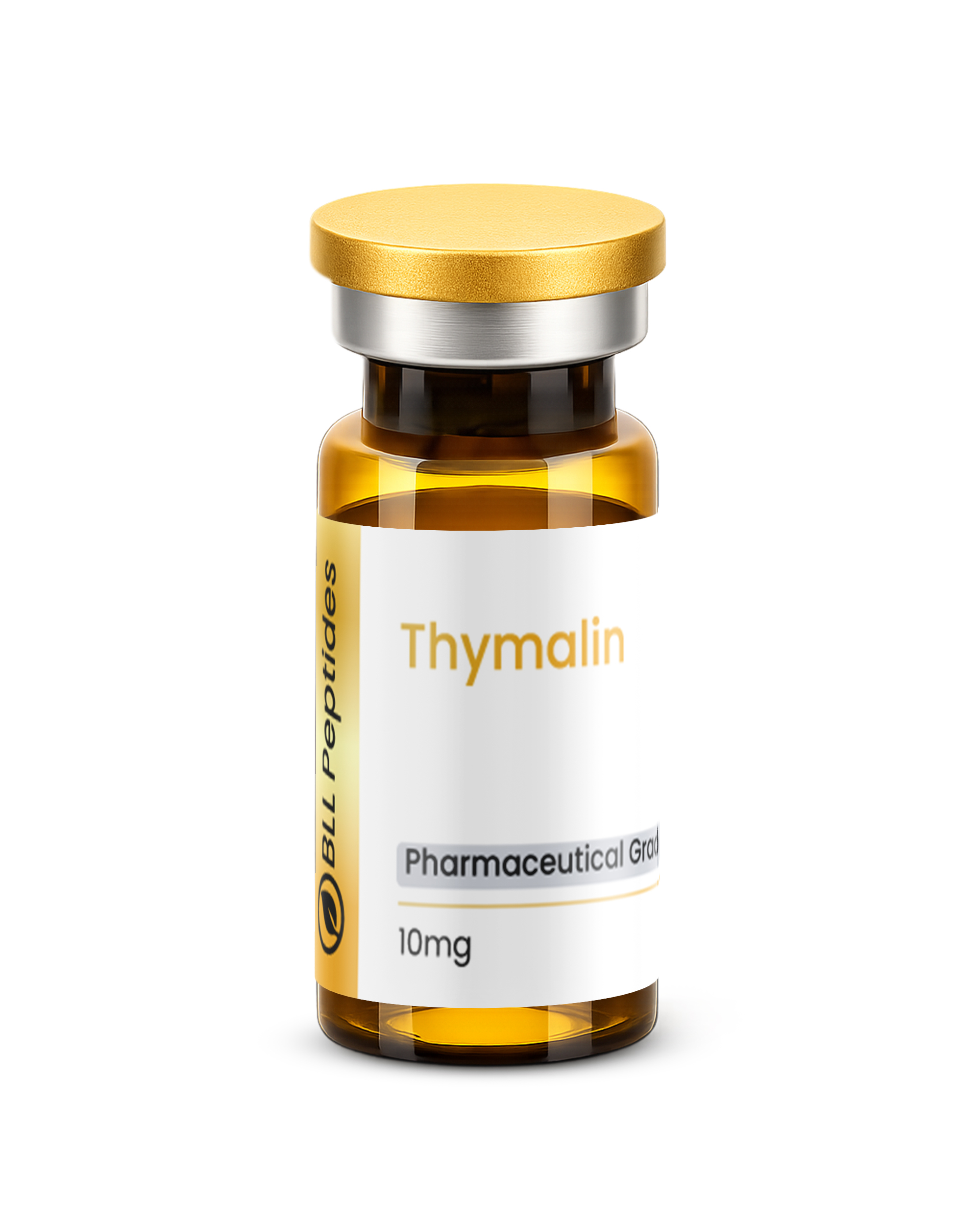
There’s a moment in every surgery when you’re reminded how incredibly precise the human body needs to be — and how quickly things fall apart when that precision fails. Immunosenescence — the gradual, inexorable decline of immune function with age — has fascinated me clinically for years. So when I came across the body of research surrounding Thymalin research, a peptide complex derived from the thymus gland, I found myself reading well past midnight.
Thymalin research suggests this thymic polypeptide complex may play a significant role in immune regulation, T-cell restoration, and longevity signaling. Scientists — particularly in Russia and Eastern Europe — have been investigating it since the 1970s, and the findings are genuinely compelling. Here’s what the published science actually shows.
What Is Thymalin? A Primer on This Thymic Peptide Complex
Thymalin is a polypeptide complex originally extracted from the thymus glands of young calves. It belongs to a class of thymic bioregulators studied extensively by Dr. Vladimir Khavinson and colleagues at the St. Petersburg Institute of Bioregulation and Gerontology — researchers who have dedicated decades to mapping how thymic peptides influence the aging process.
The thymus gland is often called the “school” for T-lymphocytes — it’s where immune cells mature and learn to distinguish self from non-self. The problem? The thymus undergoes progressive involution with age, shrinking dramatically by the time most people reach their 40s and 50s. This collapse of thymic output is directly tied to reduced immune competence, increased susceptibility to infection, and impaired tumor surveillance in older organisms. Thymalin research explores whether supplementing thymic peptide complexes might influence this trajectory.
How Thymalin Works: Mechanisms Identified in Preclinical Research
According to available studies, Thymalin appears to interact with the hypothalamic-pituitary-thymic axis — a regulatory network governing both immune response and neuroendocrine signaling. As a neurosurgeon, what strikes me immediately is how tightly these systems are intertwined. Researchers have proposed several mechanisms:
- T-cell differentiation support: Thymalin appears to promote the maturation of T-lymphocyte precursors, potentially restoring thymic output in aging models where the gland has undergone involution
- Cytokine modulation: Studies suggest Thymalin may influence interleukin production, helping recalibrate immune responses that have become dysregulated with age — a hallmark of chronic low-grade inflammation (inflammaging)
- Neuroendocrine feedback: Some research indicates interactions with melatonin and cortisol regulatory pathways, suggesting Thymalin’s effects extend beyond simple immune modulation into broader systemic homeostasis
- Natural killer (NK) cell activity: Preclinical models have shown increases in NK cell activity following Thymalin treatment, which is significant given NK cells’ role in early tumor surveillance
Thymalin Research: What the Studies Show
The most cited Thymalin studies originate from Khavinson’s research group. A landmark longitudinal observation spanning six years found that elderly subjects who received thymic peptide preparations showed approximately a 2-fold reduction in mortality compared to age-matched untreated controls — a striking finding, even accounting for the observational study design.
A foundational PubMed study on thymic peptide complexes established the immunomodulatory basis for this research line, demonstrating thymic extract’s capacity to restore immune parameters in aged subjects toward more youthful functional ranges.
In animal models, Thymalin administration has been associated with:
- Restoration of CD4+/CD8+ T-cell ratios toward more youthful levels in aged rodents
- Reduction of inflammatory cytokine markers associated with immunosenescence
- Improvements in NK cell activity and humoral immune response metrics — with some cohort data showing approximately 40% improvement in certain immune parameters
- Favorable interactions when studied alongside other peptide bioregulators in combined protocols
The convergence of immune, neuroendocrine, and longevity pathways in Thymalin research makes it one of the more intriguing polypeptide complexes in the current bioregulation literature.
Thymalin in the Context of Peptide Bioregulator Research
Researchers studying Thymalin frequently investigate it alongside other compounds in the thymic peptide family and broader bioregulator space. If you’re following peptide immunology research, the work on Thymosin Alpha-1 — a single, well-characterized peptide with distinct but complementary immune effects — provides useful comparative context. Some scientists have also explored Thymalin in combination with Epithalon, the telomere-associated peptide bioregulator, given the overlapping research interest in biological aging mechanisms.
What distinguishes Thymalin from single-sequence thymic peptides is its complexity — as a polypeptide mixture, it may engage multiple receptor systems simultaneously, which researchers believe could contribute to its broad observed effects.
For researchers exploring related compounds in the peptide bioregulator space, BLL Peptides carries several compounds relevant to immune and cellular research:
- 🔬 NAD+ (500mg/10ml) — studied extensively for mitochondrial function, cellular energy regulation, and aging biology
- 🔬 BPC-157 (10mg/3ml) — researched for cytoprotective and tissue signaling pathways with a robust preclinical literature
Frequently Asked Questions About Thymalin Research
What is Thymalin derived from?
Thymalin is a polypeptide complex originally extracted from the thymus glands of young calves. It contains a mixture of low-molecular-weight peptides believed to mimic natural thymic signaling factors involved in immune cell maturation.
What has Thymalin been primarily studied for?
The majority of Thymalin research has focused on immune modulation, T-lymphocyte restoration, NK cell activity, and aging biology (geroscience). Some research has also explored its neuroendocrine interactions and potential synergies with other peptide bioregulators.
How does Thymalin differ from Thymosin Alpha-1?
Thymosin Alpha-1 is a single, well-characterized 28-amino-acid peptide, while Thymalin is a polypeptide complex containing multiple thymic factors. They are distinct compounds with different research profiles, though both have been studied in the context of immune regulation and aging.
Is there human research on Thymalin?
Yes — some of the most cited Thymalin data comes from observational human studies conducted in Russia, particularly by Dr. Khavinson’s group at the St. Petersburg Institute of Bioregulation and Gerontology. These are observational studies rather than randomized controlled trials, which is an important methodological distinction.
What other peptides are commonly studied alongside Thymalin?
Thymalin is often studied alongside other thymic peptides like Thymosin Alpha-1 and telomere-related compounds like Epithalon, given the overlapping research interests in immune aging and longevity biology.
About the Author
Dr. James is a board-certified neurosurgeon with a clinical and research interest in neuroinflammation, peptide bioregulation, and aging biology. He contributes science-focused content to BLL Peptides, bridging clinical neuroscience with emerging preclinical findings in the peptide research space. All content is intended for informational and research purposes only.
This content is intended for research purposes only. BLL Peptides products are not intended for human consumption.